
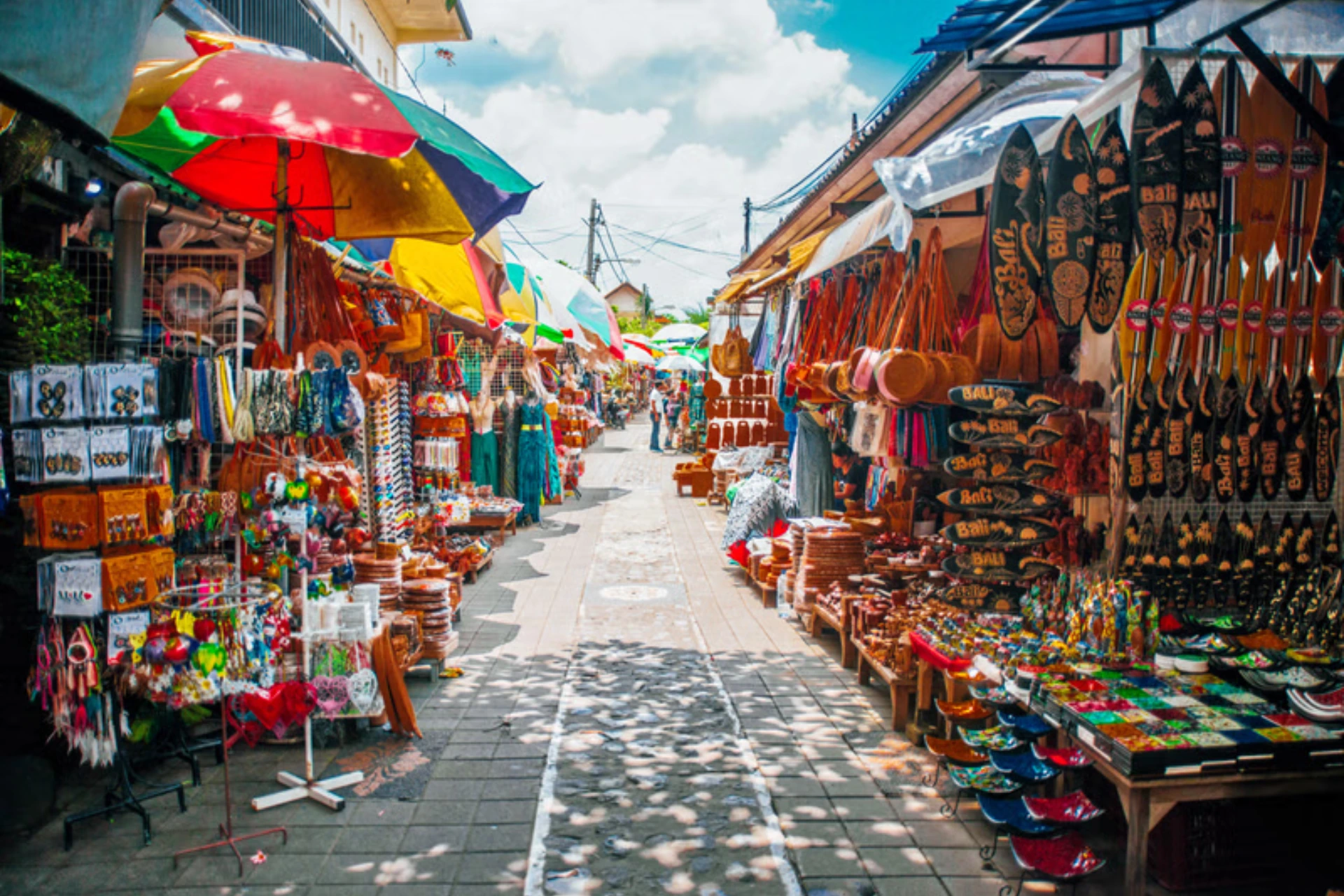
Ubud Art Market Bali: Shopping, Bargaining and Prices

Rahul Garg
February 19, 2026
Plan Ubud Art Market Bali with opening-hour guidance, what to buy, bargaining strategy, and nearby route tips for a smarter shopping session.
Introduction: Why Ubud Art Market Is a Must for Bali Shopping
Ubud Art Market Bali, also known locally as Pasar Seni Ubud, is one of the most visited craft-shopping zones on the island. Travelers come here for handmade souvenirs, textile items, home decor, small gifts, and the lively bargaining culture that defines many traditional markets in Indonesia. Located in central Ubud near Ubud Palace, the market is easy to combine with temple visits, café breaks, and short cultural walks, which makes it one of the most practical half-day experiences in Bali.
The market is not a luxury mall experience. It is active, crowded at peak hours, and full of stalls selling similar categories with varying quality. That is exactly why strategy matters. If you know what to buy, how to compare products, and how to negotiate respectfully, you can get better value and a more enjoyable shopping session.
This guide gives you a complete planning framework: market layout, best timing windows, what to buy by category, bargaining approach, realistic price logic, payment planning, how to reach from key Bali zones, nearby attractions, and mistakes to avoid.
About Ubud Art Market (Pasar Seni Ubud)
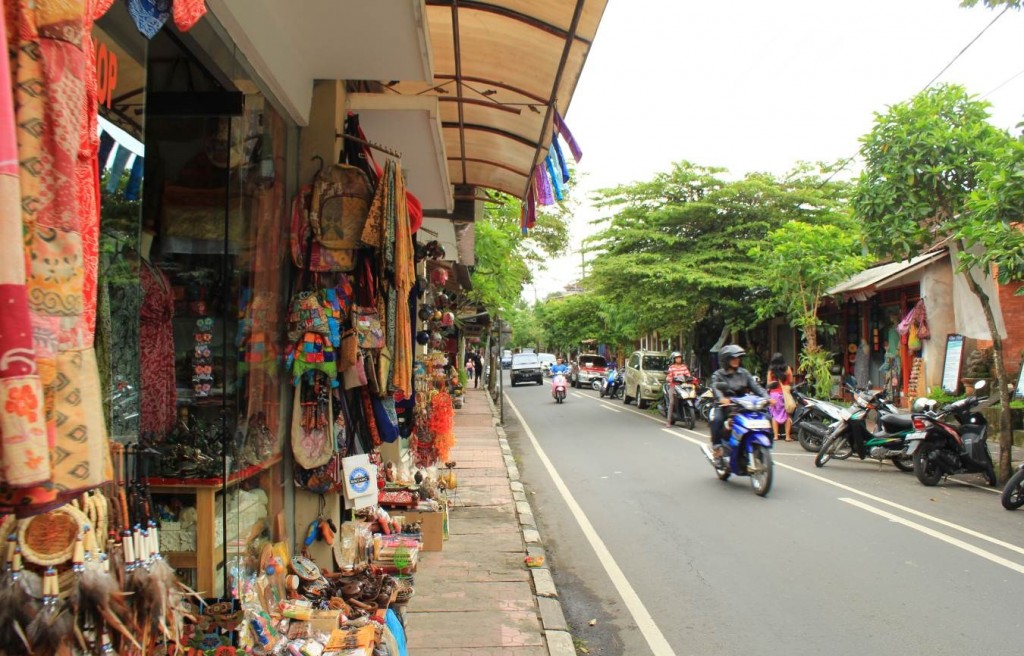
Ubud Art Market sits on Jalan Raya Ubud, directly opposite or very close to the Puri Saren Ubud Palace complex depending on which side of the market lanes you are entering from. It functions as a mixed market ecosystem: one side is strongly visitor-oriented with handicrafts and souvenirs, while nearby lanes and morning segments serve more local-use trade activity.
What makes this market significant:
- Location advantage: It is in the center of Ubud, so you can walk to multiple nearby attractions.
- Craft identity: Many products reflect Balinese design motifs and artisan traditions from surrounding villages.
- Negotiation culture: Prices are often negotiable, which rewards patient buyers.
- Flexible duration: You can do a quick 45-minute stop or a deep 3-hour shopping session.
Inference from top-ranking guides and travel listings: the market experience changes a lot by time of day. Morning is usually calmer for browsing, while late morning and early afternoon are often busier and harder for relaxed comparison shopping.
Opening Hours and Best Time to Visit
You will see different timings across websites, which is common for traditional market listings. Several current travel pages describe broad operating windows around daytime, with many references in the 8 AM to 6 PM range and some map-linked listings showing narrower windows. Practical advice: plan your visit in daytime and verify live timing on-site or from your host/driver on the same day.
Best Timing Windows
- Early morning: Less crowded aisles, easier movement, cooler weather.
- Late afternoon: Good if you want to combine market + evening Ubud route.
- Avoid peak midday if possible: Crowds and heat can reduce shopping quality.
How Long Should You Keep?
- Quick souvenir run: 45 to 75 minutes.
- Full comparison + bargaining session: 2 to 3 hours.
- Market + nearby attraction combo: half-day block.
If shopping is a priority, go earlier and keep your route compact around central Ubud.
What to Buy at Ubud Art Market
1. Textiles and Wearables
You will find lightweight shirts, sarongs, scarves, printed fabrics, and beach-friendly clothing. Quality varies by stall, so check stitching, fabric thickness, and color bleed before buying.
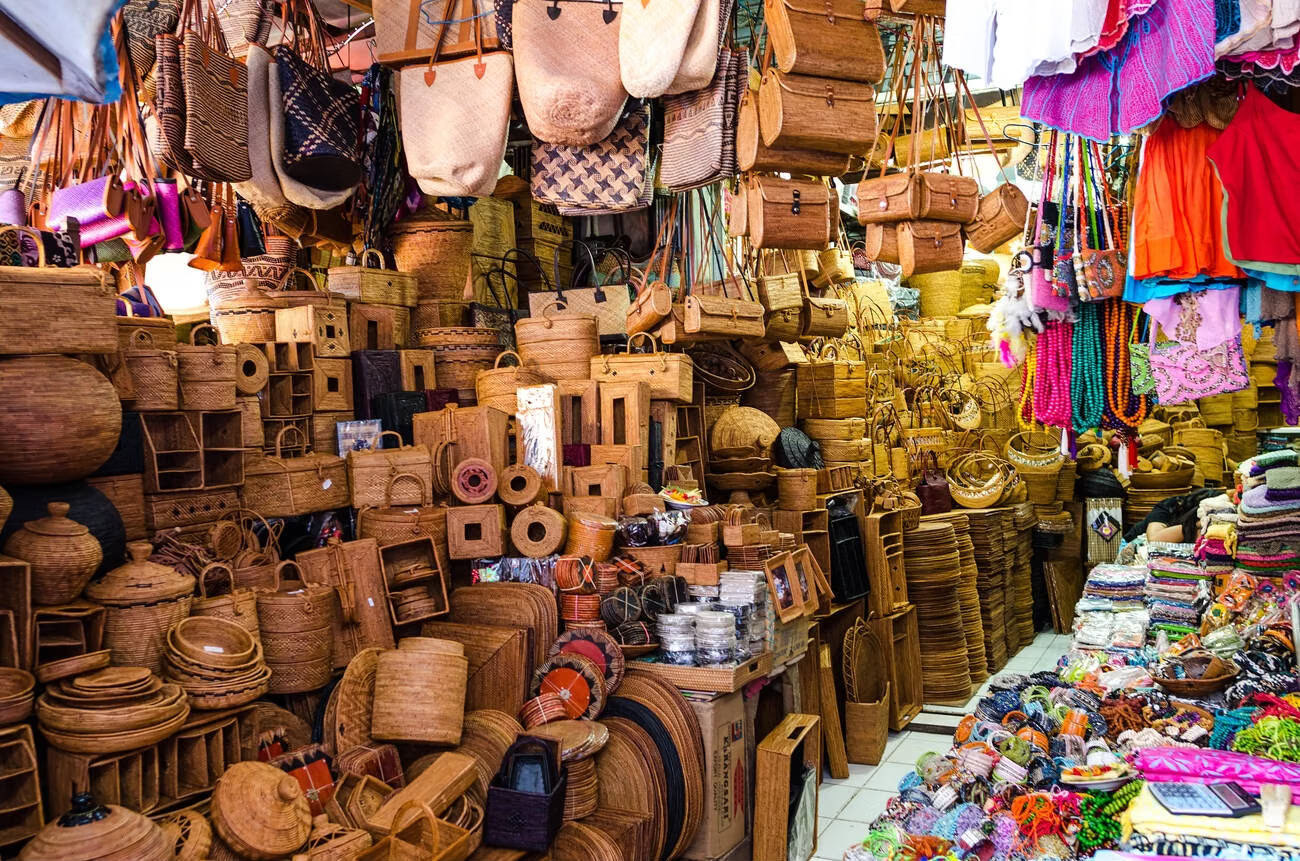
2. Woven Bags and Accessories
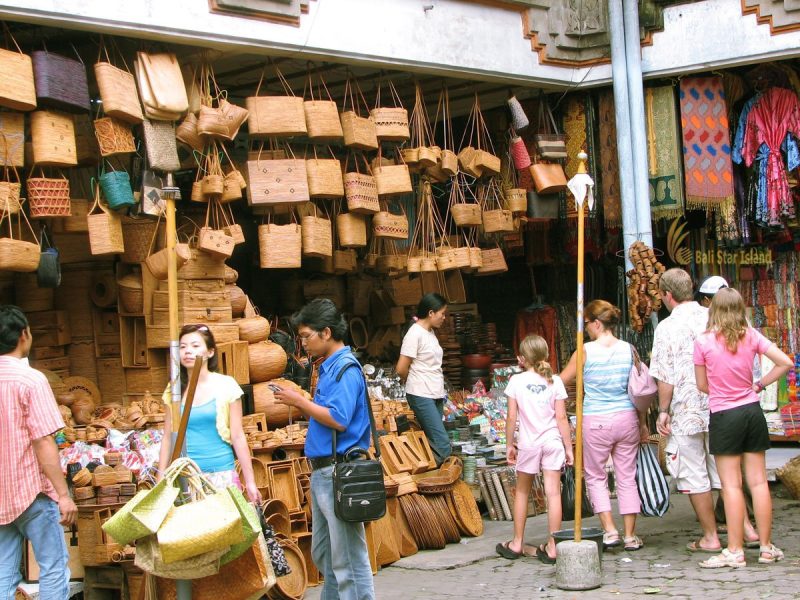
Handwoven bags, rattan-style pieces, hats, and baskets are among the most popular purchases. Compare strap strength and finishing details, especially if you need durable travel use.
3. Home Decor and Craft Items
Decor objects include wall hangings, wind chimes, masks, small carvings, and handmade decorative pieces. If buying fragile items, ask for protective packaging suitable for flight baggage.
4. Paintings and Art Prints
You can find a range from mass-market prints to more unique hand-finished styles. For larger art purchases, compare at multiple stalls and check whether rolled transport is available.
5. Gift and Souvenir Packs
Small, easy-to-carry souvenirs are common for return gifts. Bundle buying often improves final negotiation outcomes.
Bargaining Tips and Practical Price Strategy
Bargaining is expected at many stalls, but the right approach is polite and realistic, not aggressive. A good negotiation style protects your budget and keeps interaction respectful.
Smart Bargaining Framework
- Start with friendly conversation, not immediate hard negotiation.
- Compare 2 to 4 stalls before deciding on an item category.
- Offer below first quote, then move toward fair middle ground.
- Use bundled purchases for better rates.
- If the number does not work, walk away politely.
Price Logic You Should Follow
There is no universal fixed price list for the market. Final rates depend on item quality, season demand, and negotiation style. Instead of hunting the absolute lowest price, aim for fair value: good quality at a reasonable rate that both sides accept.
| Shopping Scenario | Recommended Tactic | Expected Benefit |
|---|---|---|
| Single-item impulse buy | Check one comparable stall first | Avoid overpaying quickly |
| Multiple souvenirs | Bundle from one seller | Better combined pricing |
| Premium handmade item | Inspect quality before final offer | Higher value purchase quality |
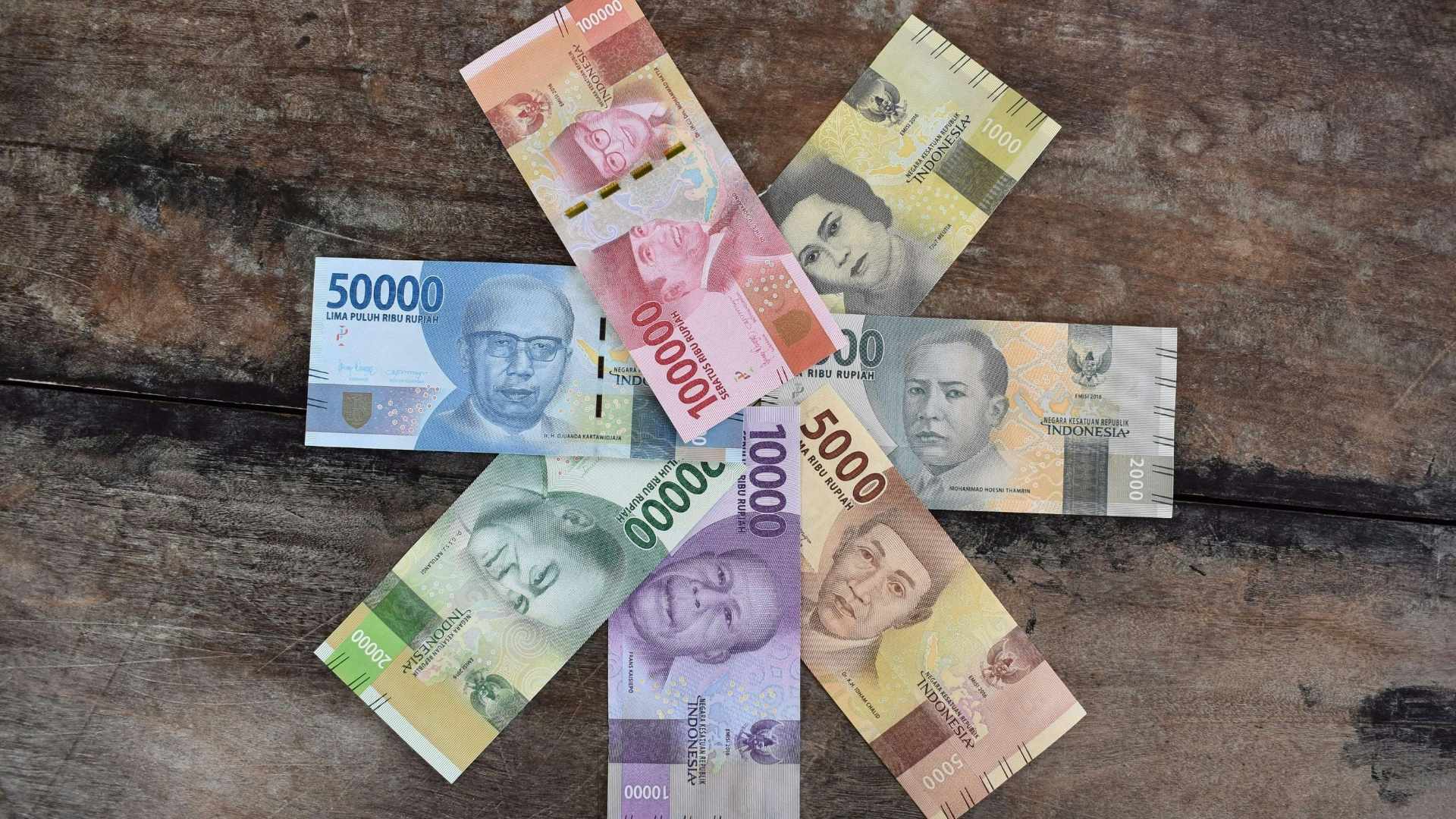
Carry small cash notes in Indonesian Rupiah for smoother transactions.
How to Reach Ubud Art Market
Central Ubud is well-connected by road from major Bali bases, but travel time depends heavily on traffic and departure window.
- From Seminyak: commonly around 1 to 1.5+ hours by car depending on traffic.
- From Canggu: similar variable timing, often longer in peak road windows.
- From Sanur: usually shorter than west-coast approaches in some slots.
- From Ubud stay areas: often walkable or short scooter/car transfer.
Transport Planning Tips
- Leave early if coming from coastal zones.
- Keep return transport pre-arranged for evening exits.
- If using scooters, account for parking and weather.
- Cluster nearby stops to avoid repeated cross-town movement.
If you are managing money on the go, this guide helps with practical currency handling: currency exchange in Bali.
Nearby Attractions You Can Combine
The best way to use Ubud Art Market is as part of a compact central Ubud route, not as a standalone long-distance stop.
- Ubud Palace: historical and architectural context right near the market zone.
- Pura Taman Saraswati: good cultural add-on in walking radius.
- Café and lane exploration: useful between shopping blocks.
- Short cultural extension: pair with broader island context from culture of Bali.
For market comparison before final buying, review Sukawati Art Market Bali and Kuta Art Market Bali.
Shopping Checklist Before You Go
- Set a realistic budget by item category.
- Carry mixed cash denominations.
- Wear breathable clothing and comfortable footwear.
- Bring a foldable tote for purchases.
- Keep fragile-item wrapping request ready.
- Take a photo of your parking point if self-driving/scooter.
- Use a short must-buy list to avoid impulse overload.
This small checklist improves both budget control and buying quality.
Common Mistakes to Avoid
- Buying from the first stall without comparison.
- Negotiating aggressively and damaging seller interaction.
- Ignoring quality checks on straps, stitching, and material.
- Shopping at peak heat/crowd hours with no breaks.
- Overpacking fragile items without safe wrapping.
- No return transport plan for late-day departure.
Most market disappointment comes from poor pacing, not from lack of options.
Is Ubud Art Market Worth Visiting?
Yes, especially for travelers who want cultural shopping rather than generic mall retail. The market gives direct access to Balinese-style craft aesthetics, lively local interaction, and flexible price discovery through negotiation. It is not about perfectly curated display or fixed-price convenience. It is about street-level trade energy and practical buying if you prepare well.
If your Bali plan includes Ubud for one day or more, this market is worth adding as a core stop.
Sample Half-Day Market Route
Option A: Shopping-First Morning
- 08:30-10:30: Ubud Art Market deep browse and buying.
- 10:30-11:15: Nearby cultural stop and photos.
- 11:15-12:30: Café break and purchase review.
Option B: Balanced Afternoon-Evening
- 15:00-16:30: Market browsing with lighter crowd rebound.
- 16:30-17:30: Palace/temple-side short walk.
- 17:30 onward: Dinner and central Ubud street atmosphere.
Choose route blocks by your transfer distance and weather conditions.
Ubud Art Market vs Sukawati Art Market: Which Should You Choose?
Many Bali travelers compare Ubud Art Market and Sukawati Art Market. The best choice depends on your itinerary style, not on one market being universally better.
- Choose Ubud Art Market if you want a central location, walkable attractions, and a compact half-day plan.
- Choose Sukawati Art Market if your main goal is wider low-cost selection and you are comfortable with deeper bargaining sessions.
- Do both if you are shopping for volume and want to compare quality/price before final purchase.
| Factor | Ubud Art Market | Sukawati Art Market |
|---|---|---|
| Location convenience | Very high for Ubud stays | Better with planned transport |
| Atmosphere | Cultural + tourist-central | Traditional market-heavy |
| Best for | Balanced sightseeing + shopping | Focused bargain shopping |
If your time is limited, Ubud market usually provides better overall trip efficiency due to nearby attractions and easy walking transitions.
Payment, Packing, and Shipping Tips
For smoother transactions, carry enough Indonesian Rupiah in small notes even if you expect digital payments. Some stalls may accept card or scan payments, but cash remains the most reliable for bargaining and bundled purchases.
- Ask for final all-inclusive price before handing payment.
- For fragile decor, request bubble wrap and outer layer protection.
- If buying multiple art items, ask sellers about rolled packing options.
- Take photos of high-value purchases before packing for baggage claims.
International shipping from market-level stalls is not always standardized. For expensive or fragile buys, prefer carrying items yourself with reinforced packing or use a verified shipping provider through your hotel network.
Final Takeaway
Ubud Art Market Bali is one of the island's most practical and culturally rich shopping experiences when approached with a clear strategy. Go at the right time, compare quality before buying, bargain respectfully, and keep your route compact around central Ubud landmarks.
Do that well, and you will leave with better products, better prices, and a far better market experience than rushed checklist shopping.
Location
Frequently Asked Questions
Q1.Where is Ubud Art Market located?
Q2.What are the opening hours of Ubud Art Market?
Q3.What is the best time to visit Ubud Art Market?
Q4.What should I buy at Ubud Art Market?
Q5.Is bargaining allowed at Ubud Market?
Q6.Are prices fixed at Ubud Art Market?
Q7.How to reach Ubud Art Market from Seminyak?
Q8.Can I use cards at Ubud Art Market?
Recommended For You

Culture of Bali: Traditions, Ceremonies & Daily Customs
Explore the culture of Bali through Hindu traditions, ceremonies, dance, craft, temple etiquette, and practical tips for respectful cultural travel.

Pura Taman Saraswati Temple Bali: Ubud Lotus Temple, Timings & Entry
Explore Pura Taman Saraswati Temple in Ubud, Bali. Lotus pond, water palace, dance performances & cafe. Complete Ubud temple guide with timings.
Currency Exchange in Bali: Best Rates, Safety, and Tips
Learn currency exchange in Bali with IDR basics, authorized money changer checks, ATM tips, scam prevention, and practical payment planning.
Never Miss an Adventure
Get the latest trekking guides, travel tips, and exclusive offers delivered straight to your inbox.
