
Sidi Saiyyed Mosque Ahmedabad: Iconic Jaali, History & Visitor Tips

Neha Kapoor
February 18, 2026
Explore Sidi Saiyyed Mosque Ahmedabad with history, jaali architecture insights, visitor tips, and nearby heritage walk suggestions.
Sidi Saiyyed Mosque Ahmedabad: Why the Jaali Work Still Defines the City
Sidi Saiyyed Mosque is one of Ahmedabad's most studied heritage monuments because of its world-famous stone lattice windows. The structure is compact, yet it represents a major point in the architectural history of Gujarat: a period where craftsmanship, climate-sensitive design, and sacred space planning came together at a very high level. Travelers often come expecting a short photo stop, but the mosque rewards a slower visit if you pay attention to light, carving depth, and the balance between structure and ornament.
If you are planning an old-city heritage route, this monument works best when combined with nearby landmarks such as Bhadra Fort, Jhulta Minara, and Hathisingh Jain Temple. Together, these stops help you understand how Ahmedabad's architectural identity developed across different periods and religious traditions.
Historical Context and Cultural Importance
The mosque dates to the final phase of the Gujarat Sultanate period. Even though it is smaller than many other historical mosques in India, it became globally recognized because of one extraordinary feature: the intricacy and elegance of its carved stone screens. Over time, the jaali patterns moved beyond religious architecture and became part of Ahmedabad's broader visual identity. Designers, architects, and students still visit the site to understand precision carving and proportion control in pre-modern stone work.
Its relevance is not only artistic. The monument also reflects an urban heritage culture where craftsmanship was practical, symbolic, and environmental at the same time. The jaali panels filter heat and sunlight while creating visual beauty, demonstrating how historical architecture solved multiple problems through one design element.
The Famous Jaali: What Makes It Exceptional
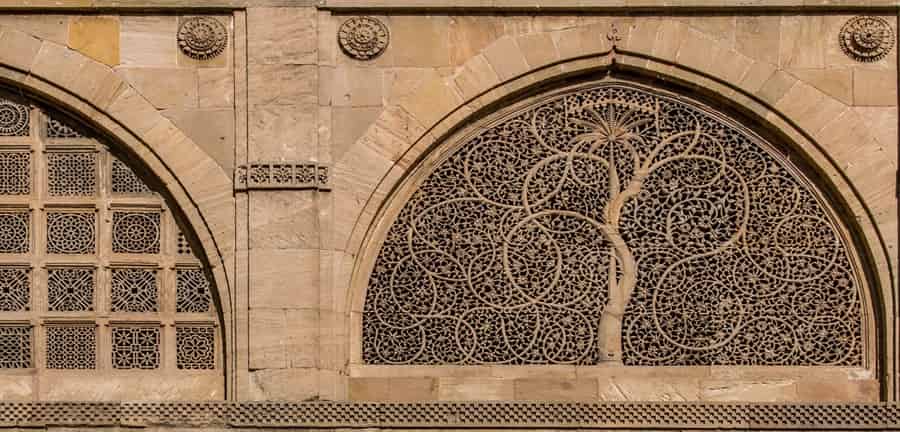
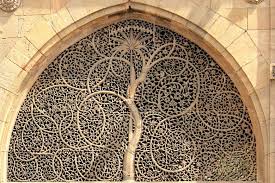
The most photographed element is the tree-pattern jaali, often described as the "Tree of Life" composition. What makes it special is not just detail density, but composition control. The branches, leaves, and negative spaces are balanced in a way that looks organic from far away and mathematically precise at close range. This layered readability is why it remains one of India's most celebrated stone-lattice works.
| Jaali Feature | Design Value | What Visitors Should Observe |
|---|---|---|
| Tree composition | Symbolic and visual anchor | Look at trunk-to-branch flow from center frame |
| Perforated geometry | Light and ventilation function | Notice shadow patterns on interior surfaces |
| Carving depth | Adds texture and visual hierarchy | Use side-angle viewing for depth clarity |
| Stone finish | Shows hand-tool precision | Compare smooth and textured transitions |
For architecture enthusiasts, this is a good site to study how ornamentation can remain structural and climate-responsive, not merely decorative.
Architectural Reading Beyond the Jaali
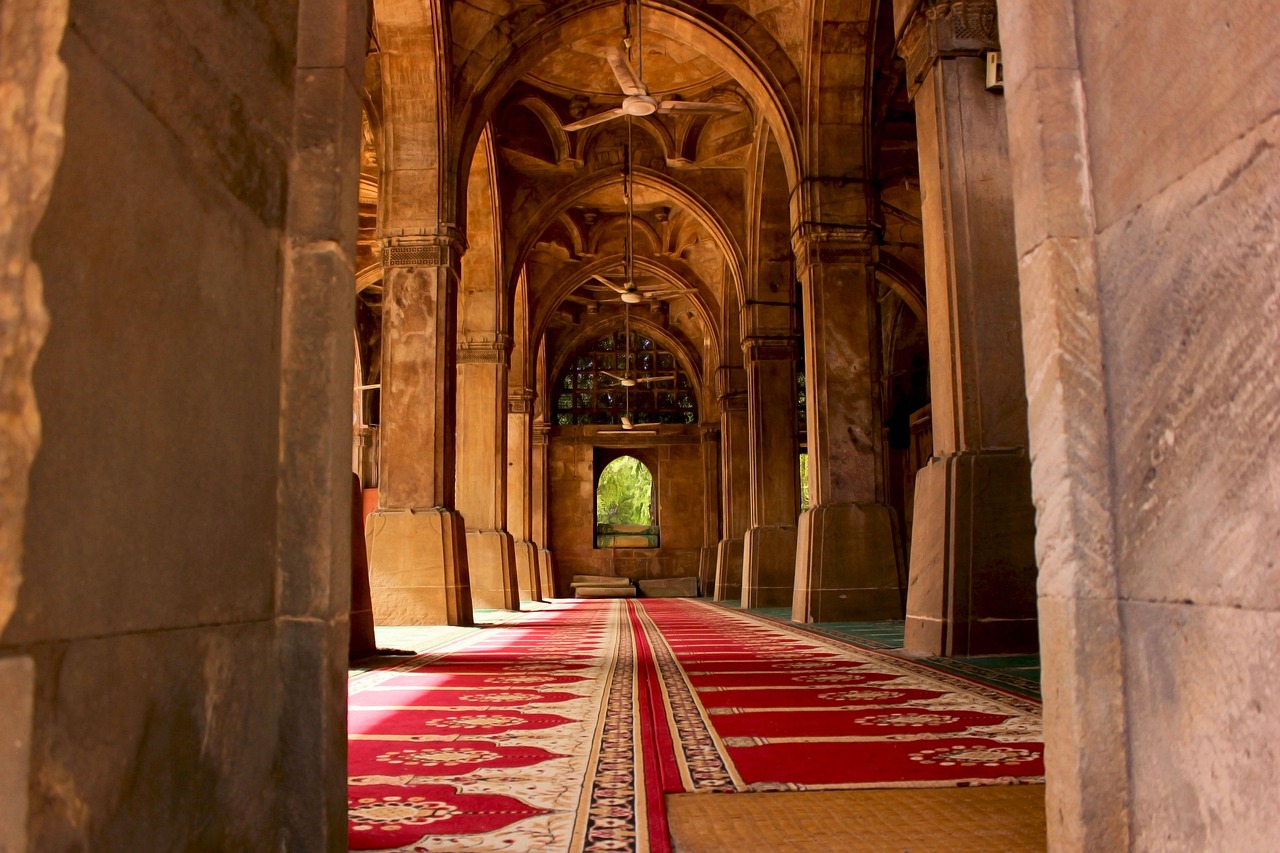
Many visitors focus only on the signature window and miss the rest of the composition. The arches, wall rhythm, interior spatial proportion, and transition between open and enclosed zones are also important. The monument shows a restrained approach: no excessive scale, no overcrowded decorative layering, and no dramatic verticality. Instead, the architectural effect comes from disciplined geometry and craftsmanship quality.
If you spend time inside, observe how light changes the space through the day. Morning hours generally produce clearer shadow definition, while softer evening light highlights carving texture differently. This time-based variation is one reason repeat visits feel different.
Visitor Etiquette and Practical Entry Notes
This is an active place of worship, so behavior matters. Dress modestly, keep movement calm, and avoid blocking prayer pathways. Photography is usually possible in many sections, but remain respectful and follow on-site instructions. Avoid intrusive equipment setups during busy prayer windows.
- Prefer morning or late-afternoon visits for comfortable light.
- Keep footwear and silence rules in mind before entry.
- Do not climb or lean on carved surfaces.
- Ask before photographing individuals.
Most visitors spend 30 to 60 minutes, but architecture-focused travelers may want longer to study details and capture controlled shots.
How to Include It in a Heritage Circuit
Sidi Saiyyed Mosque is centrally located and easy to combine with other Ahmedabad landmarks in one half-day plan. A practical sequence is to start here, then move toward nearby old-city monuments and finish with one museum or stepwell stop. You can extend to Sarkhej Roza or Dada Hari ki Vav for deeper historical context.
Because city traffic can slow short-distance transfers, cluster nearby stops rather than zigzagging across town. Heritage walks work better when you reduce vehicle dependence in the dense old-city section.
Photography Strategy for Better Results
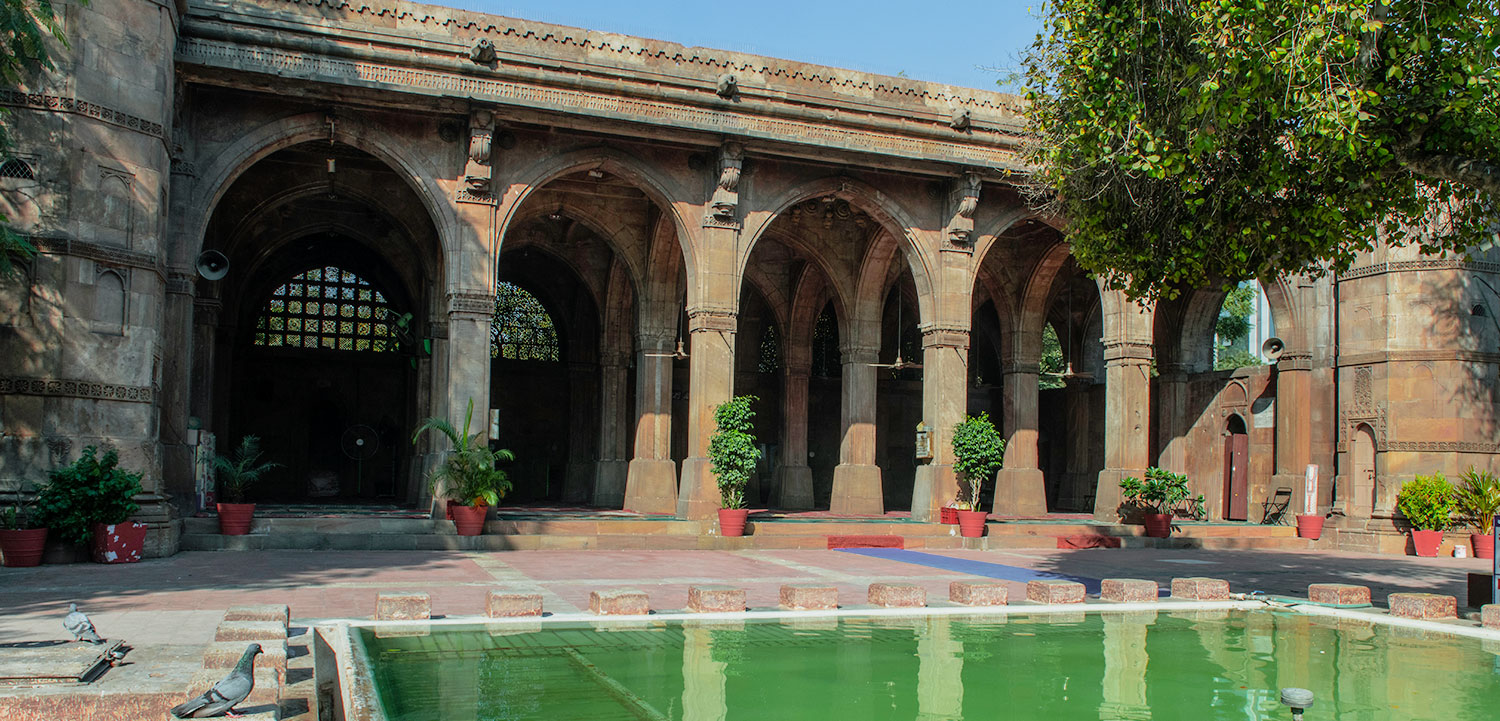
Carry a simple plan: one full facade frame, one mid-distance composition of arches and jaali, one close detail shot, and one interior light-shadow shot. This gives balanced visual coverage without rushing. Use natural light whenever possible. Harsh midday light can flatten detail, while angled morning light usually reveals carving depth better.
If you are using a phone camera, avoid digital zoom on the jaali. Move physically closer where permitted and stabilize your shot for sharper carving detail.
How to Read Craftsmanship Like a Student
Even non-architect visitors can get more value by following a simple observation order. Start at distance to understand whole-form balance. Then move closer to study carving density. Finally, stand inside and observe how light filters through the jaali at different angles. This three-step reading method reveals why the monument is considered a technical as well as artistic achievement. It also helps avoid rushed photography-first visits where people leave without understanding what makes the design historically important.
You can also compare this experience with other carved heritage structures in the city and notice how stone treatment changes by function. With this approach, Sidi Saiyyed Mosque becomes part of a broader heritage learning journey rather than a single iconic frame.
Why This Monument Matters Today
Sidi Saiyyed Mosque remains important because it connects historical craftsmanship with contemporary design thinking. It proves that beauty, climate response, and structural clarity can coexist in a single architectural language. That relevance keeps it alive in academic discussions, city branding, and cultural tourism circuits.
Conclusion
A visit to Sidi Saiyyed Mosque is short in duration but high in architectural value. If you approach it with patience, respectful behavior, and attention to detail, it becomes far more than a checklist monument. It becomes one of the most meaningful heritage experiences in Ahmedabad.
Location
Frequently Asked Questions
Q1.What is Sidi Saiyyed Mosque famous for?
Q2.Where is Sidi Saiyyed Mosque located?
Q3.How much time should I spend here?
Q4.Is there an entry fee?
Q5.Is photography allowed at Sidi Saiyyed Mosque?
Q6.What is the best time to visit?
Q7.Can I include this in a heritage walk?
Q8.Why is the jaali design important?
Recommended For You
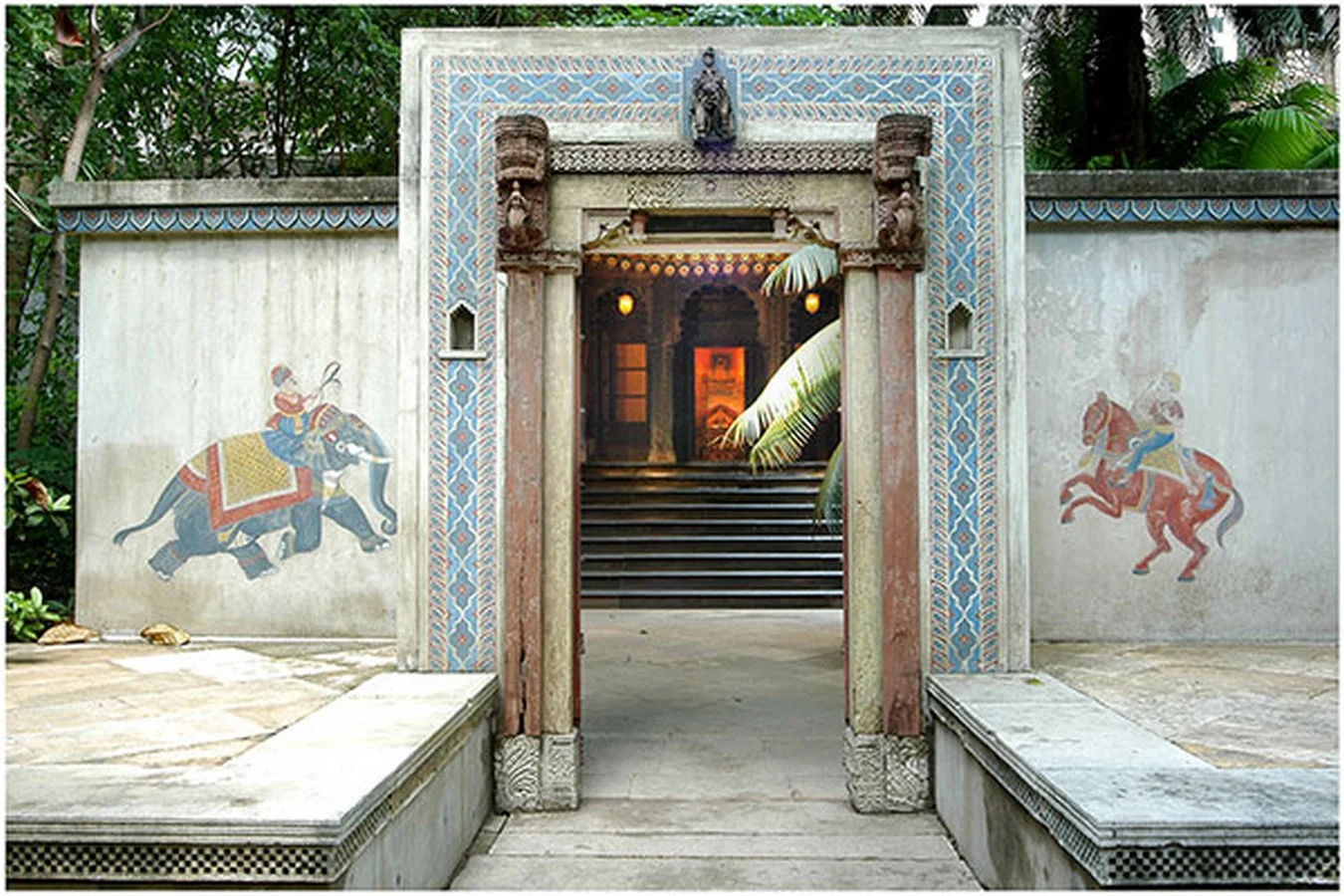
Calico Museum Ahmedabad: Booking Process, Timings & Textile Highlights
Explore the world's finest textile museum in Ahmedabad. Discover India's rich textile heritage, from rare Mughal fabrics to exquisite regional textiles. Complete guide with timings, collections, and visiting tips.
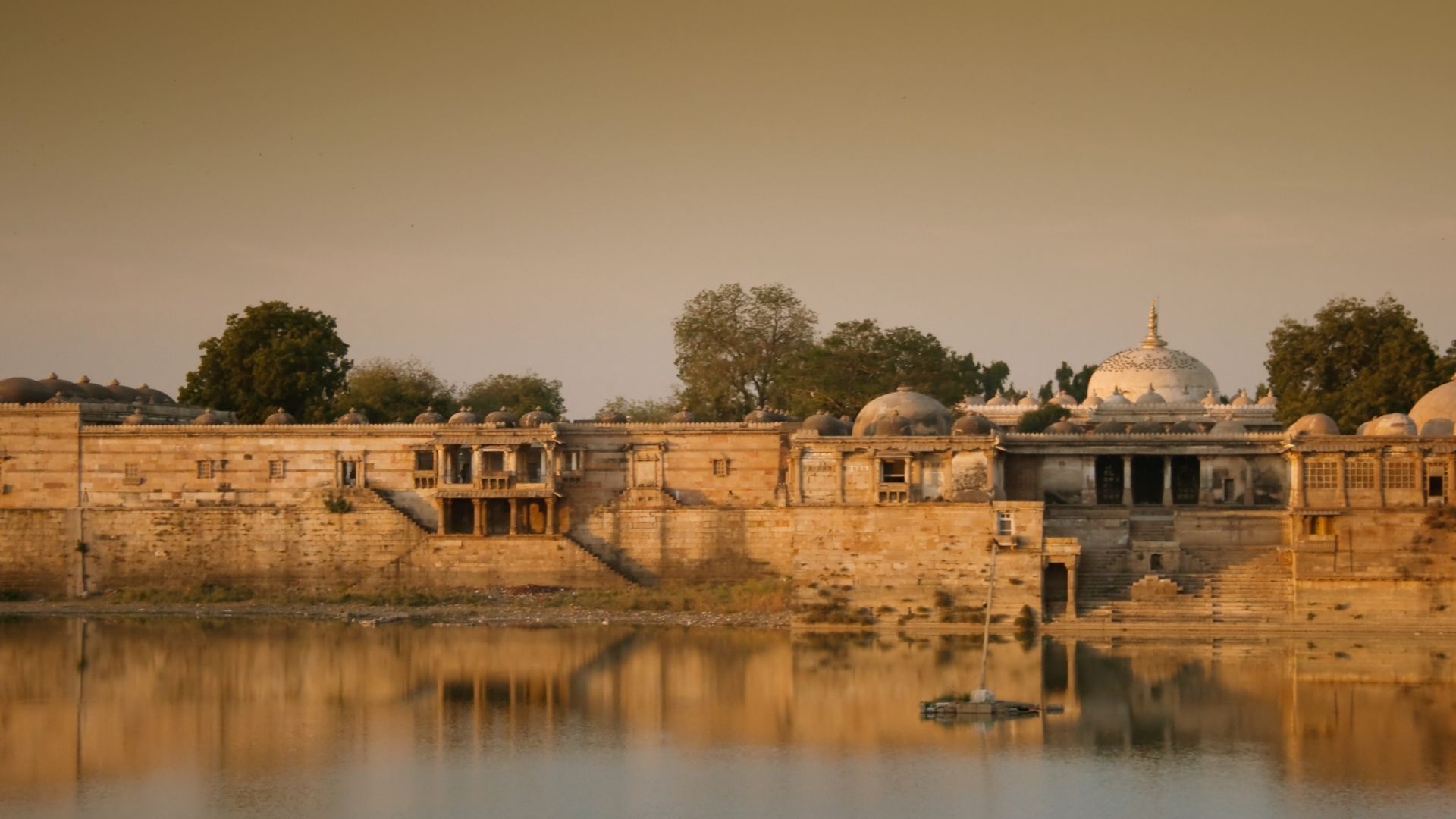
Sarkhej Roza Ahmedabad: History, Architecture & Visit Planning
Sarkhej Roza Ahmedabad guide with history, architecture, tomb and mosque layout, access tips, and best-time visit planning for heritage travelers.
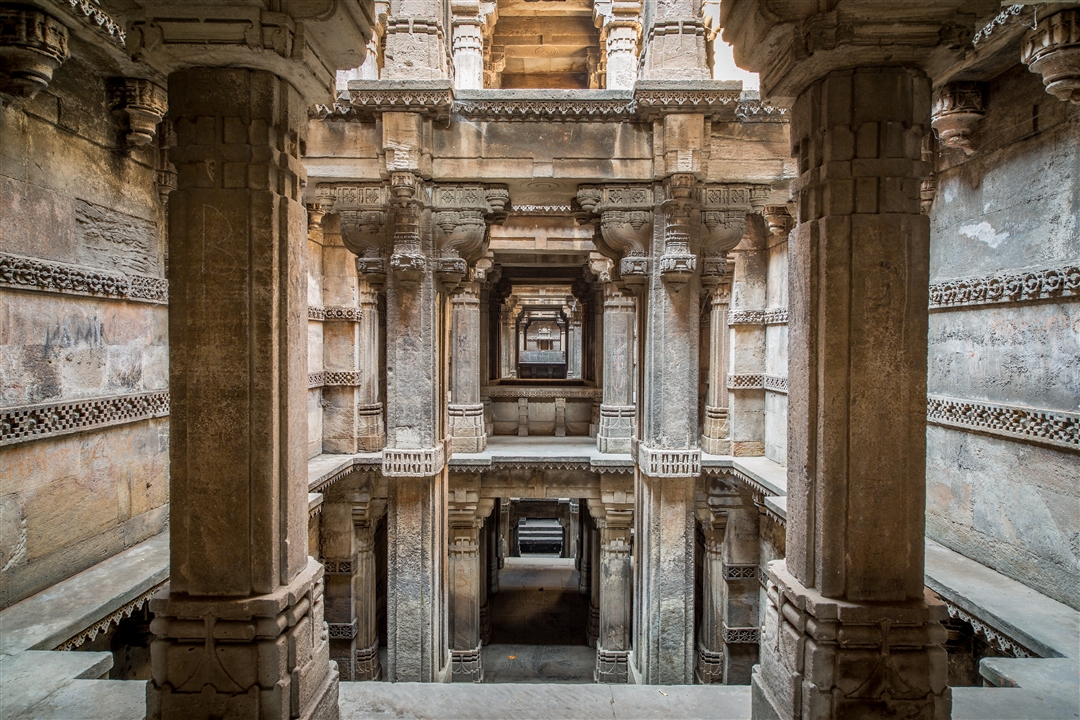
Dada Hari ni Vav Ahmedabad: History, Architecture & Visitor Info
Explore Dada Hari Ki Vav in Ahmedabad with history, architecture insights, visiting tips, and nearby heritage places for a complete city culture circuit.
Never Miss an Adventure
Get the latest trekking guides, travel tips, and exclusive offers delivered straight to your inbox.
