
Tup Island Krabi: Thailand's Hidden Sandbar Paradise

Rohan Malhotra
November 11, 2025
Discover Tup Island Krabi, home to Thailand's famous sandbar that connects islands at low tide. Complete guide with tour options, best time to visit, snorkeling tips, and photography advice.
Tup Island Krabi: Sandbar Timing, Tours, and Practical Route Planning
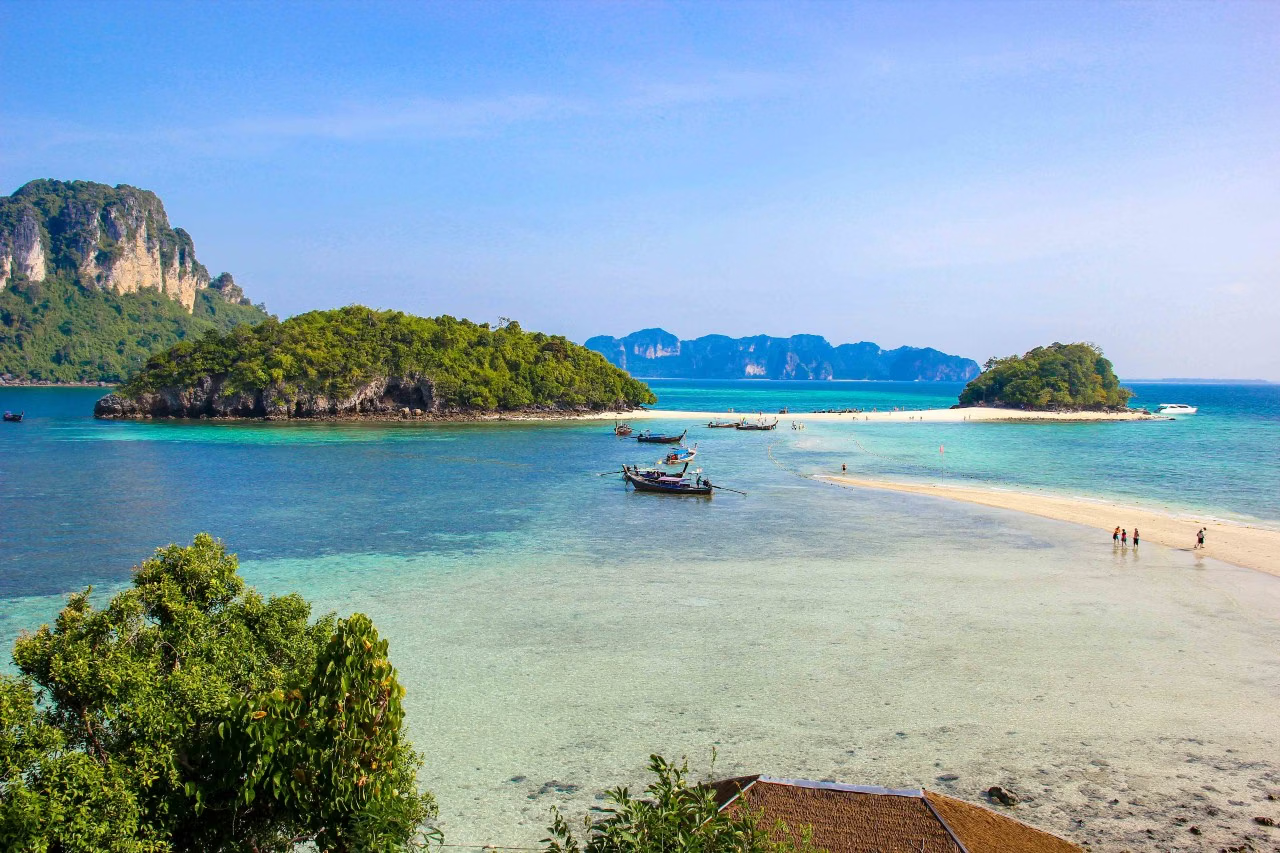
Tup Island is one of Krabi's most searched island-hopping stops because of its low-tide sandbar connection with nearby islands. Many people see iconic photos first and then assume the experience is guaranteed all day. It is not. The sandbar experience is highly timing-dependent, and the quality of your visit depends on tour schedule, tide window, and crowd overlap. With correct planning, Tup Island delivers exactly what travelers expect: turquoise water, shallow-walk visual drama, and strong photo opportunities.
This guide helps you plan it right from Ao Nang or Krabi base. If you are combining multiple coastal stops, align this with places to visit in Krabi and compare nearby water-access points like Ao Nang Beach.
Where Tup Island Is and Why It Gets Crowded
Tup Island sits in the Krabi island-hopping circuit, typically included in 4-island tours. It is popular because of shallow, clear sections and the famous walkable sandbar at favorable low tide. This popularity means midday crowd compression during high season, especially when multiple boats dock in the same window.
If your priority is photography or slower movement, choose departures that target early tide windows and avoid peak overlap slots.
The Sandbar Phenomenon: What Visitors Should Know
It Is Tide-Dependent
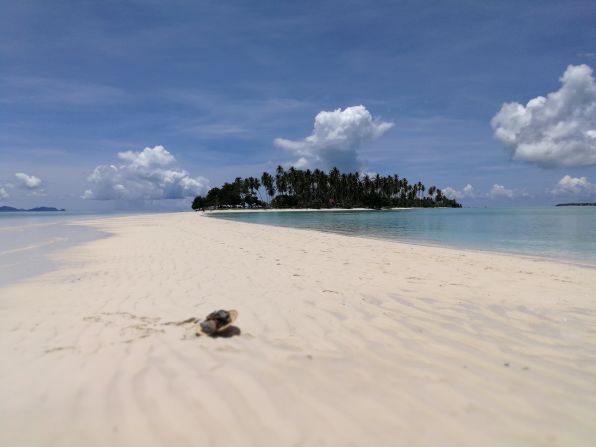
The sand path connecting island sections appears strongest during low tide and can reduce quickly as water rises. Always ask your operator what time window they are targeting rather than assuming social media timing reflects your date.
Safety Matters
Do not walk too far out once return current increases. Listen to boat crew instructions and keep footwear practical for wet sand and shell patches.
Best Visitor Behavior
Enjoy the view without trampling sensitive marine patches near shallow reef zones. Avoid litter and keep sunscreen reef-safe where possible.
Best Time to Visit Tup Island
| Season | Condition Trend | Practical Advice |
|---|---|---|
| Nov-Apr | Drier season, calmer sea on many days | Best for first-time visitors |
| May-Oct | Monsoon shifts and rougher sea risk | Keep flexible schedule |
Within each day, low-tide alignment matters more than generic morning/afternoon preference. Check current tide charts and operator briefing before final departure.
How to Reach Tup Island from Krabi
Departure choice affects your full day outcome. Shared tours are efficient for first-time visitors who want a bundled route. Private trips work better for photographers, couples, or travelers who need strict tide-window control. If you are prone to motion discomfort, choose earlier calmer slots and carry medication in advance.
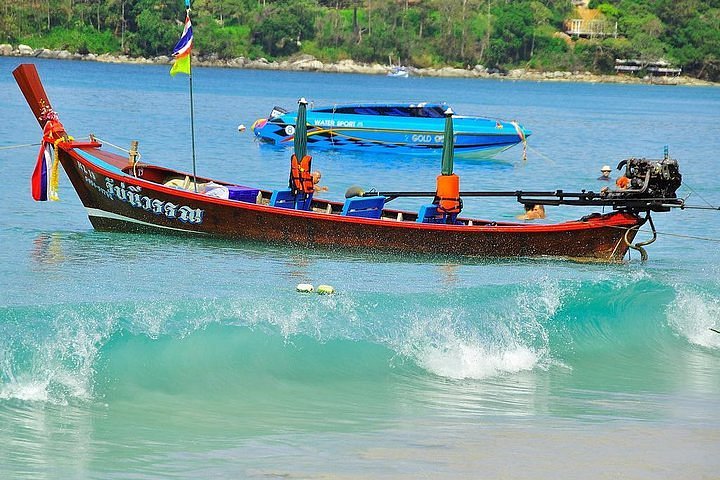
Most travelers depart from Ao Nang via shared longtail or speedboat tours. Private boats offer more flexibility but cost more. Shared tours are economical and easy for first-timers, but they limit stop duration at each island.
If you want a curated route, combine Tup with Phra Nang and later evenings at Krabi nightlife zones for a balanced day.
What to Do at Tup Island Beyond Photos
- Shallow-water walking: Main attraction in low tide windows.
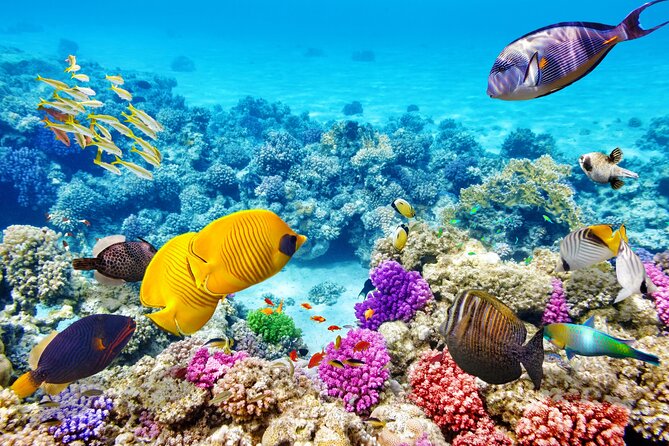
- Light snorkeling: Depends on visibility and crowd load.
- Island-hopping sequence: Works best with nearby islands in one circuit.
- Short swim blocks: Only in safe water and approved zones.
Sample Half-Day Plan from Ao Nang
Early start: Depart with low-tide-targeted tour.
Tup Island: Sandbar walk + short photo block.
Next stop: Nearby island for swim/snorkel slot.
Return: Back to Ao Nang before heavy evening traffic.
This plan gives good output without full-day fatigue.
What to Carry and Wear
- Quick-dry clothing and secure sandals.
- Waterproof phone pouch and compact towel.
- Reef-safe sunscreen and cap.
- Reusable bottle for hydration.
Keep your day bag light. Boat boarding and shallow-water movement are easier when you carry only essentials.
Tour Type Comparison
| Option | Best For | Tradeoff |
|---|---|---|
| Shared Longtail | Budget travelers | Less schedule control |
| Speedboat Group | Faster movement | Higher cost |
| Private Boat | Photo-focused or couples | Highest cost |
Pick the format based on your priority: cost, speed, or timing precision for the sandbar.
Budget and Booking Notes
Tour pricing changes by season, boat type, and inclusion set. Confirm whether marine park fee, snorkeling gear, water, and transfer are included. Low headline rates often exclude these components.
- Shared longtail: Better budget value.
- Speedboat: Faster movement, often higher cost.
- Private option: Best flexibility for photographers/couples.
Weather Backup Planning
Monsoon and shoulder months can shift sea conditions quickly. Build one flexible half-day in your Krabi itinerary so you can move Tup Island to a better weather slot if needed. Travelers who keep no backup window often end up paying extra for last-minute private transfers or missing the sandbar condition entirely.
Common Mistakes to Avoid
- Booking without checking tide timing.
- Expecting low crowds in peak midday windows.
- Not carrying dry bag and hydration.
- Ignoring crew return-time instructions.
Ideal Krabi Pairing Itinerary (2 Days)
Day 1: Tup Island and nearby island-hopping circuit with tide-aware scheduling.
Day 2: Railay/Phra Nang side with slower beach-cave combination and evening return.
This pairing gives variety without overloading one day with too many marine transitions.
Photo-First Traveler Strategy
If your priority is content creation, keep one dry pouch, one lens setup, and one fixed shot list for Tup Island. Over-carrying gear slows movement and increases stress during boat transfers. Use one wide frame for sandbar geometry, one medium frame for people scale, and one close frame for water texture.
Plan return transport before you start shooting. Many travelers lose their best shots by rushing back during unplanned boat departure pressure.
How to Choose Between Tup and Other Island Stops
Choose Tup Island when your priority is sandbar visuals and easy, high-impact photo moments. Choose other stops when your priority is longer beach time or deeper snorkeling sessions. In practice, most visitors enjoy Tup best as one part of a mixed circuit rather than as a full standalone day.
If your tour allows customization, spend focused time at Tup during low tide and allocate remaining time to less crowded islands for swimming and relaxed breaks. This gives better variety in one day.
Day-Before Preparation Checklist
- Confirm tide window and tour pickup time.
- Keep dry clothes and waterproof storage ready.
- Carry cash for small fees or local purchases.
- Sleep early to catch morning sea conditions.
Boat Return Discipline
Always track return timing and gather your group 10-15 minutes before departure. Many visitors lose valuable time because they start coordinating too late at crowded docks.
Keep expectations tide-led, not checklist-led. When timing is aligned, Tup Island delivers a high-value Krabi experience even in a short itinerary.
Travelers who combine tide planning, light packing, and disciplined boat timing consistently get better results at Tup Island. A little preparation goes a long way here.
Use tide-aware planning, travel light, and keep a clear return schedule. With those basics right, Tup Island becomes one of Krabi top quick marine experiences.
Travelers who avoid overpacking and keep one weather-backup option almost always report a better Tup Island experience.
A disciplined tide-focused plan is the easiest way to maximize your Tup Island day.
Keep a small timing buffer and you will avoid most avoidable stress during return transfers.
Final Verdict
Tup Island is absolutely worth including in a Krabi itinerary, but only when planned around tide and realistic crowd expectations. Treat it as a timed natural phenomenon, not an all-day static beach. Plan smart, and this can become one of your most memorable Thailand coastal experiences.

Location
Frequently Asked Questions
Q1.When is the sandbar visible at Tup Island?
Q2.How do I get to Tup Island from Krabi?
Q3.Is Tup Island suitable for non-swimmers?
Q4.What should I bring to Tup Island?
Q5.Are there facilities on Tup Island?
Q6.Is Tup Island worth visiting if it's crowded?
Q7.Can you stay overnight on Tup Island?
Q8.How long should I spend at Tup Island?
Recommended For You

Nightlife in Krabi: Ao Nang Bars & Night Markets
Complete guide to nightlife in Krabi with Ao Nang bars, beach sunsets, Krabi Town markets, live music, safety tips, and practical night planning.

Shopping in Krabi: Night Markets, Souvenirs & Street Shopping
Complete guide to shopping in Krabi, Thailand. Discover night markets, souvenirs, Thai silk, handicrafts & shopping tips.
Places to Visit Krabi Thailand: Top 15 Spots
Plan places to visit Krabi with beaches, island hopping, Railay, Ao Nang, Tiger Cave Temple, and practical itinerary tips for a balanced Thailand trip.
Never Miss an Adventure
Get the latest trekking guides, travel tips, and exclusive offers delivered straight to your inbox.
