
Places to Visit Krabi Thailand: Top 15 Spots

Rohan Malhotra
January 7, 2026
Plan places to visit Krabi with beaches, island hopping, Railay, Ao Nang, Tiger Cave Temple, and practical itinerary tips for a balanced Thailand trip.
Introduction: Why Krabi Works for First-Timers and Repeat Travelers
Krabi is one of Thailand's most balanced coastal destinations because it combines scenic limestone landscapes, beach relaxation, island-hopping access, adventure options, and manageable logistics. If you are planning places to visit Krabi, the best approach is to structure your trip in clusters: mainland hubs such as Ao Nang and Krabi Town, peninsula highlights like Railay, island day tours, and one inland nature day for contrast. This keeps your schedule practical while covering the diversity Krabi is known for.
Many travelers make one core mistake here: trying to do every famous island and inland attraction in too few days. A better strategy is to prioritize experience quality over attraction count. This guide helps you choose what to do, where to base yourself, how to move between zones, and what to skip when time is limited. For broader regional planning, combine this with Thailand cities to visit and destination-specific reads like Krabi nightlife and shopping in Krabi.
Quick Planning Snapshot
| Item | Recommendation |
|---|---|
| Ideal trip length | 3 to 5 days |
| Best season | November to April for drier conditions |
| Best for | Islands, beaches, kayaking, climbing, scenic trips |
| Main hubs | Ao Nang, Railay access zone, Krabi Town |
| Style choice | Relaxed beach + selected day tours |
1. Railay Peninsula and Phra Nang Zone
Railay is often the first answer when people search things to do in Krabi, and for good reason. It is visually dramatic, with sheer limestone formations and turquoise waters, and it delivers both relaxation and activity. Even though it feels isolated, Railay is usually accessed by boat transfer, making it easy to include as a day trip or short stay segment.
The area has multiple beach faces with different vibes: lively stretches, calmer swim windows, and climbing-focused edges. If you enjoy nature photography, this should be one of your early-trip highlights when weather is fresh and energy is high.
- Best for: Beach scenery, rock landscapes, light adventure.
- Suggested duration: Half day to full day.
- Planning tip: Leave early to avoid midday crowd and heat spikes.
Use Phra Nang Thailand for deeper spot-level planning before finalizing your route.
2. Ao Nang: The Practical Base for Most Travelers
Ao Nang is not just a beach stop; it is the operational base for many Krabi itineraries. Tours, transfers, food choices, and accommodation options are concentrated here, which makes it ideal for travelers who want convenience and flexibility. If this is your first Krabi trip, staying in or near Ao Nang reduces planning friction significantly.
Ao Nang beach itself is best treated as a sunset and promenade zone rather than your only swim anchor. The strength of Ao Nang lies in connectivity: you can start island tours, access food lanes, and move toward nearby coastal points with less effort.
- Best for: Logistics, dining range, easy transfers.
- Ideal use: Base town + day tours.
- Reference: Ao Nang Beach guide.
3. Phi Phi Day Option from Krabi
Phi Phi-linked trips from Krabi are popular but require realistic expectations. They can be visually rewarding, but they are also long, weather-dependent, and often crowded in peak season. If your main goal is relaxed Krabi pacing, do not overload your itinerary with too many long marine transfer days back-to-back.
If you include this segment, keep the previous evening light and avoid booking another high-intensity tour the next morning. This helps manage fatigue and keeps the rest of your trip enjoyable.
- Best for: First-timers who want iconic island exposure.
- Duration: Usually full-day commitment.
- Tip: Verify sea conditions and operator quality.
For comparisons, use Phi Phi Islands Thailand and decide whether day trip or stay works better for you.
4. Four-Island and Nearby Island Hopping Circuits
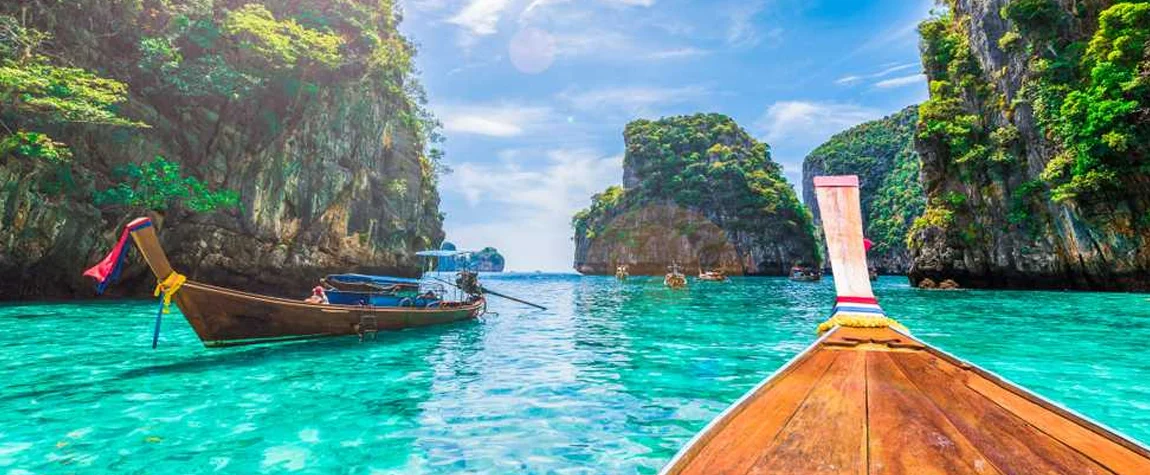
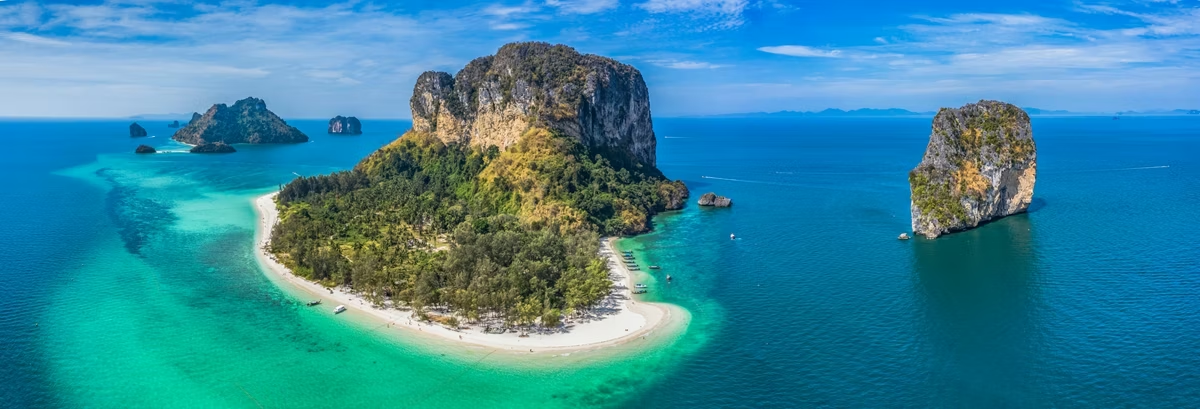
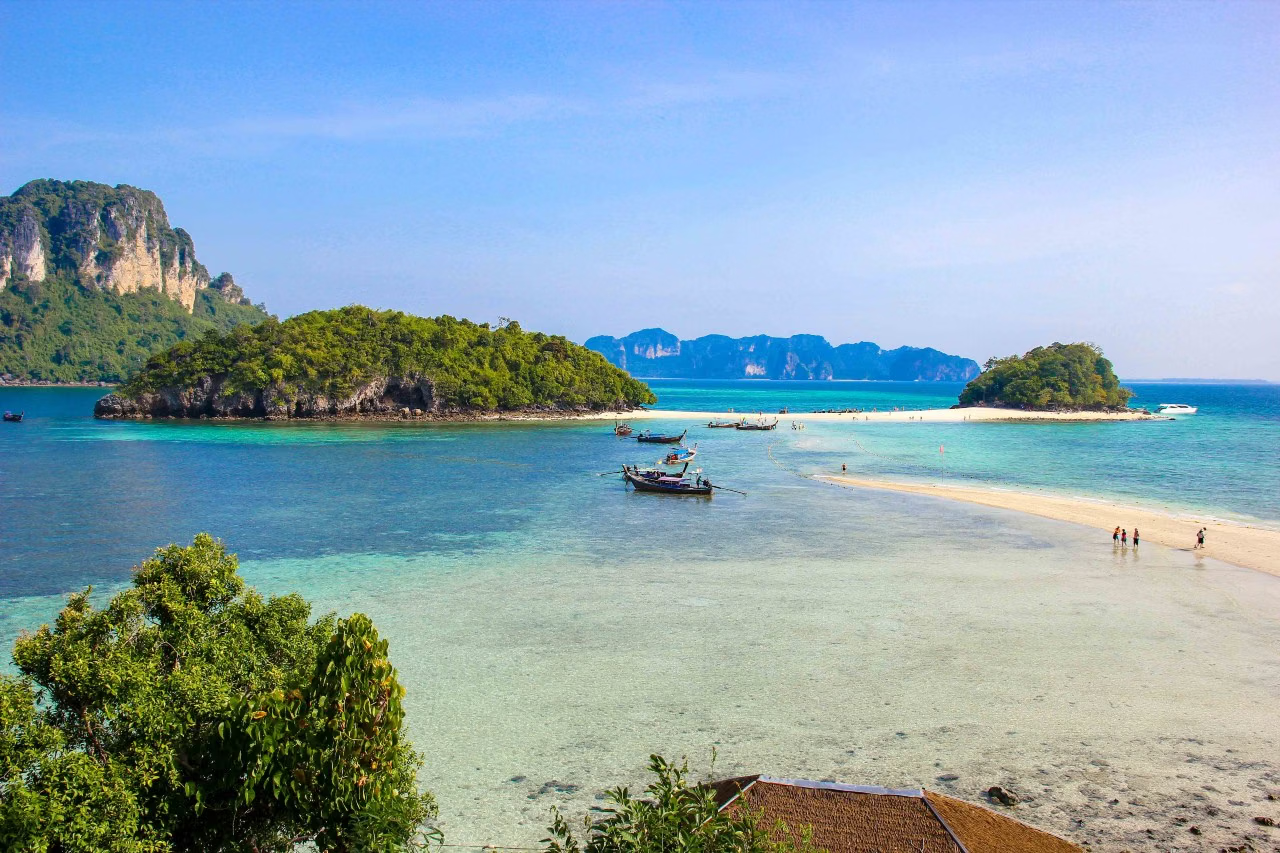
Island hopping is one of the most searched Krabi beach activities, and most visitors include at least one circuit. Popular names include Poda, Tup, and other nearby island stops depending route format. These tours are great for scenic variety but should be chosen carefully based on your energy level and weather window.
Common Island Circuit Logic
- Poda Island: Relaxed beach and short shore sessions.
- Tup Island: Known for changing shoreline and photo appeal.
- Additional stops: Vary by operator and sea conditions.
Do not book two similar island circuits on consecutive days unless you specifically want repetitive beach-hopping. Use one marine day and one mainland/nature day for better overall trip quality.
Helpful pre-reads: Poda Island and Tup Island Krabi.
5. Emerald Pool and Hot Spring Nature Block
If your Krabi plan is becoming beach-heavy, insert one inland nature session. Emerald Pool and nearby hot spring zones offer a different landscape type and break the pattern of boats and shoreline stops. This change of texture improves trip rhythm, especially on 4-5 day itineraries.
Start early for cleaner experience and lower heat stress. Midday windows can get crowded, and long waits reduce your available time for additional stops. Carry essentials and avoid overpacking because short nature trails and wet zones are easier with light gear.
- Best for: Nature contrast and inland scenic sessions.
- Plan style: Half-day to full-day depending add-ons.
- Caution: Follow local rules in protected and wet areas.
6. Tiger Cave Temple (Wat Tham Sua)
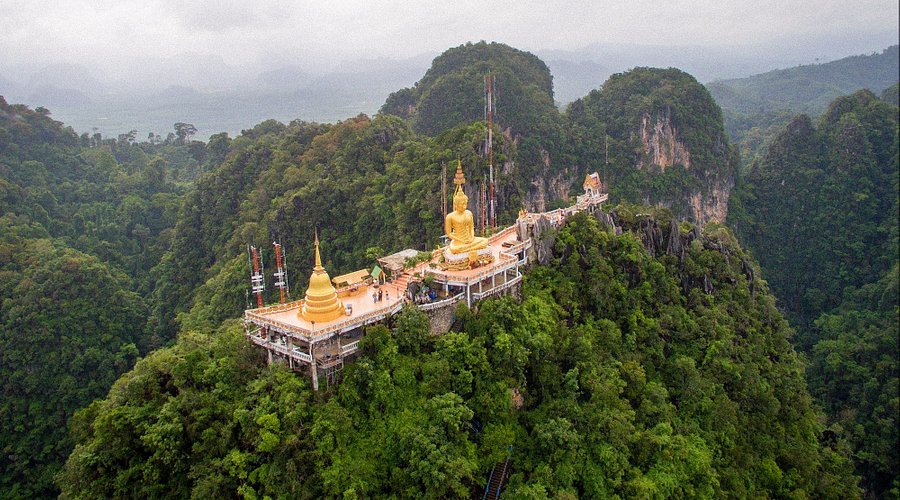
Tiger Cave Temple is one of Krabi's strongest cultural and viewpoint experiences. It is known for its hilltop climb and broad visual payoff. This is not a casual quick stop; it needs physical effort and timing. If your group includes mixed fitness levels, schedule extra buffer and avoid combining it with a heavy marine day.
Early morning or late afternoon slots are typically better than midday heat windows. Carry water and pace the climb intelligently. The experience is worth it, but only when planned with realistic energy allocation.
- Best for: View seekers and culture-focused travelers.
- Effort: Moderate to high depending climb tolerance.
- Tip: Wear grip footwear and keep steady pace.
7. Krabi Night Markets and Evening Local Experience
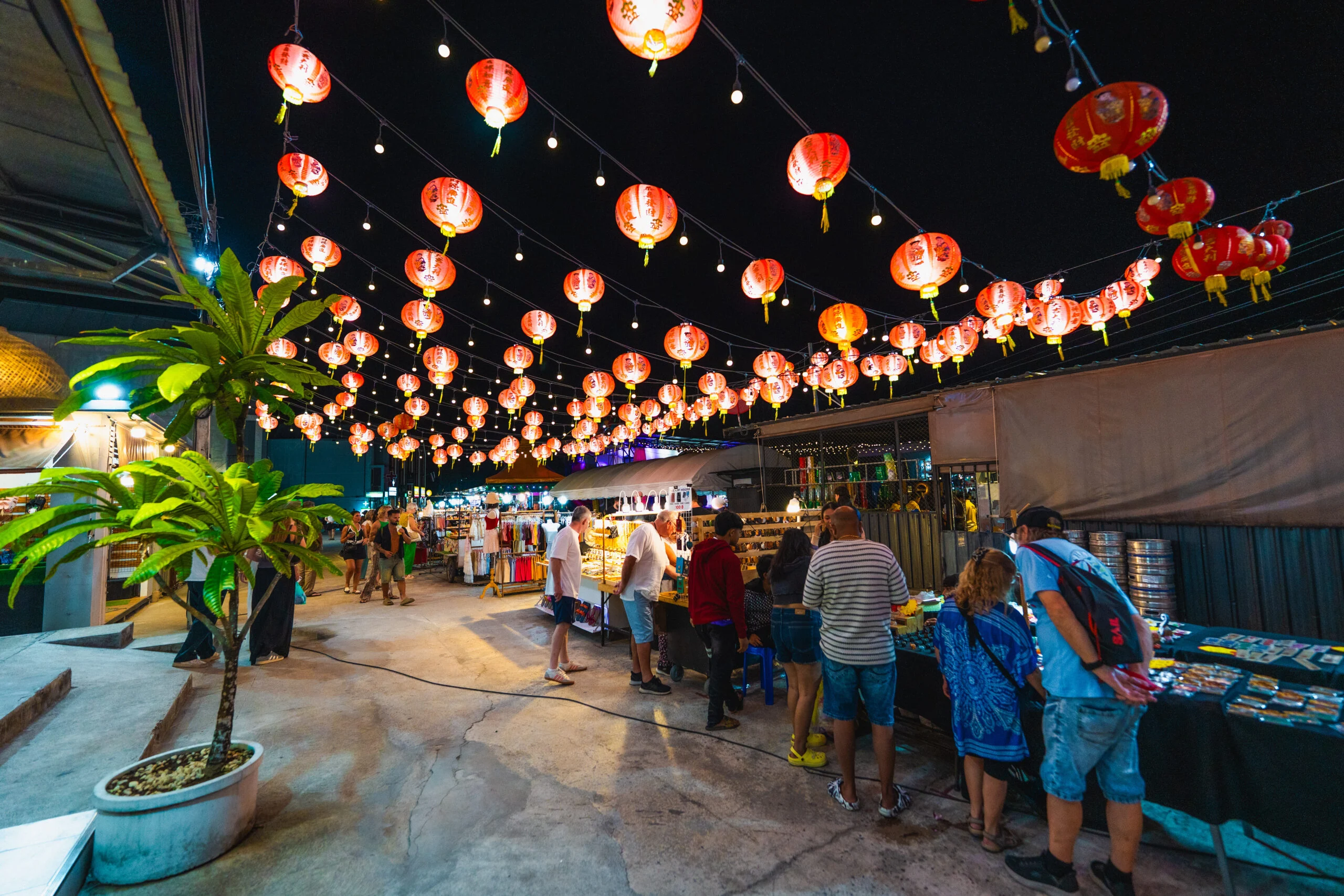
Krabi evenings are not only for bars or beach dinners. Market belts give a better look at local food culture, casual shopping, and daily social energy. If you are on a budget or want authentic evening movement, this is often a better choice than expensive nightlife blocks every day.
Keep your evening format simple: market walk, focused food list, and one short shopping loop. Avoid heavy purchases early in the trip if you still have multiple transfers ahead.
- Try: Local street food, regional snacks, light seafood options.
- Buy: Small souvenirs and easy-carry items.
- Pair with: One easy seaside walk after dinner.
Use restaurants in Krabi and Krabi shopping for specific picks.
8. Suggested 3-Day and 5-Day Krabi Itinerary
| Duration | Suggested Flow |
|---|---|
| 3 Days | Day 1 Ao Nang + Railay, Day 2 one island tour, Day 3 inland nature or temple + evening market |
| 5 Days | Add Phi Phi day, extra slow beach day, and one wellness/recovery half-day |
The key is alternation: marine day, land day, then flexible evening sessions. This pacing prevents burnout.
9. Best Time to Visit Krabi
Krabi is generally easiest in drier-season windows when sea movement is more predictable and visibility is clearer. Rainy periods can still be beautiful and less crowded, but activity reliability drops and tour cancellations become more likely. If your trip depends heavily on island hopping, avoid tight schedules with no weather backup.
- Dry season: Better tour consistency and beach usability.
- Wet season: Lower prices but variable marine conditions.
- Rule: Keep one buffer slot for weather disruption.
For national-level planning, see Thailand in September and why Thailand is famous.
10. How to Reach and Move Around Krabi
Most travelers enter via Krabi airport or road transfer from nearby Thai hubs, then move locally using cabs, shared transfers, and boat access for key beach segments. Ao Nang as a base simplifies logistics, especially for short stays. Book key transfers ahead during peak months to avoid last-minute price spikes.
- Main arrival: Krabi airport + transfer to base zone.
- Local mobility: Cab, shuttle, and boat-based access.
- Planning tip: Keep first and last day light for smooth movement.
For cross-country sequencing, pair with how to go Thailand from India and shopping Thailand.
11. Common Mistakes to Avoid in Krabi
- Overpacking each day with multiple long marine transfers.
- Ignoring weather backup for island-intensive itineraries.
- Booking cheapest operators without safety and review checks.
- Skipping hydration and sun planning in high humidity.
- Missing inland and cultural segments by focusing only on beaches.
Krabi becomes far better when you combine beaches, one cultural climb, one inland nature block, and practical evening routines.
12. Budget Snapshot
Krabi supports budget, mid-range, and premium travel styles depending stay zone and tour pattern.
- Budget day: INR 2,500 to 4,500 per person equivalent.
- Mid-range day: INR 5,500 to 9,000 per person equivalent.
- Premium day: INR 10,000+ per person with upscale stays and private tours.
Marine tour pricing, transfer style, and peak-season accommodation usually drive the biggest cost differences.
Conclusion
The best places to visit Krabi include more than famous beaches. A strong itinerary combines Railay and Ao Nang, one selected island circuit, one inland nature or temple block, and well-planned evening food-market sessions. This balance gives you both iconic highlights and practical travel comfort.
If you keep weather flexibility and avoid overloading marine days, Krabi can be one of the most satisfying coastal trips in Thailand.
Location
Frequently Asked Questions
Q1.What is the best time to visit Krabi?
Q2.How many days are enough for Krabi?
Q3.Is Krabi better than Phuket for a short trip?
Q4.Which are the best islands near Krabi?
Q5.How can I reach Railay Beach?
Q6.Can we visit Phi Phi from Krabi in one day?
Q7.How far is Krabi airport from Ao Nang?
Q8.What currency is used in Krabi?
Recommended For You
Poda Island Thailand: Tour Options, Snorkeling Zones & Costs
Visit Poda Island Thailand - Complete guide to tours from Krabi, snorkeling, activities, best time & how to reach. Updated.
Tup Island Krabi: Thailand's Hidden Sandbar Paradise
Discover Tup Island Krabi, home to Thailand's famous sandbar that connects islands at low tide. Complete guide with tour options, best time to visit, snorkeling tips, and photography advice.

Thailand Cities to Visit: Top 10 Places & Itinerary
Discover the best Thailand cities to visit with practical itinerary combinations, city highlights, trip duration advice, and budget planning tips for first-timers.
Never Miss an Adventure
Get the latest trekking guides, travel tips, and exclusive offers delivered straight to your inbox.
