
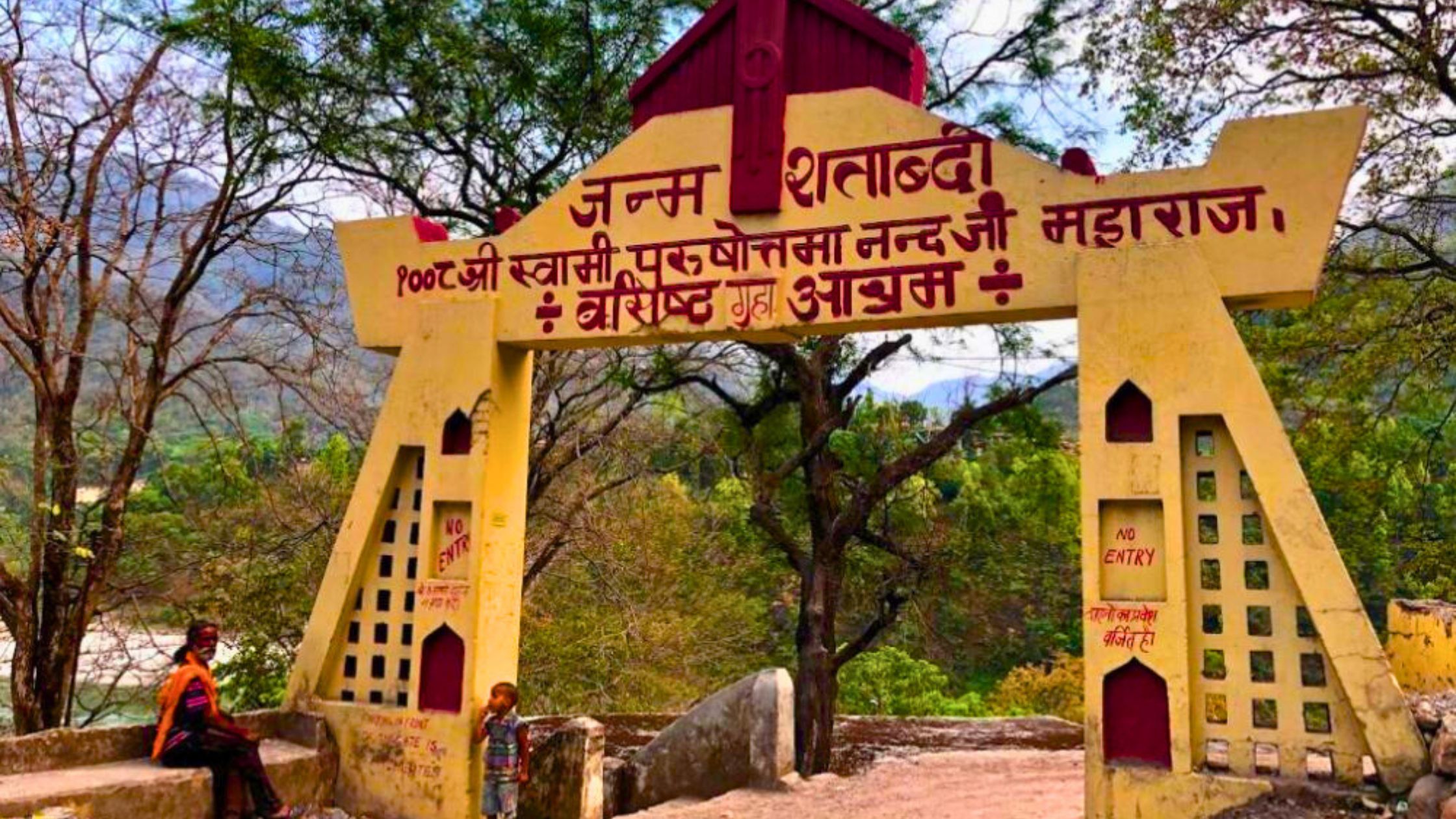
Vashishta Gufa Rishikesh: Meditation Experience, Timings & Route

Rahul Garg
January 14, 2026
Visit Vashishta Gufa in Rishikesh, where Sage Vashishta meditated for thousands of years. Discover this ancient cave's spiritual significance, meditation practices, and complete travel guide.
Introduction: The Sacred Abode of Sage Vashishta
Nestled along the pristine banks of the Ganges River, Vashishta Gufa stands as one of Rishikesh's most revered spiritual destinations. This ancient cave, where the legendary sage Vashishta is believed to have meditated for thousands of years, offers seekers a profound connection to India's rich spiritual heritage. Located approximately 22 kilometers from the main town of Rishikesh, this sacred site draws pilgrims, meditation practitioners, and spiritual tourists from across the globe who seek to experience its divine energy and tranquil atmosphere.
The cave holds immense significance in Hindu mythology as the meditation abode of Sage Vashishta, one of the Saptarishis (seven great sages) and the revered Guru of Lord Rama. As you step into this naturally formed cave, you're not just entering a physical space but connecting with millennia of spiritual practice and devotion. The area surrounding the cave exudes an undeniable spiritual charge, enhanced by the sacred Ganges flowing nearby and the lush Himalayan foothills that create a perfect backdrop for meditation and introspection.
History & Mythology: The Legacy of Sage Vashishta
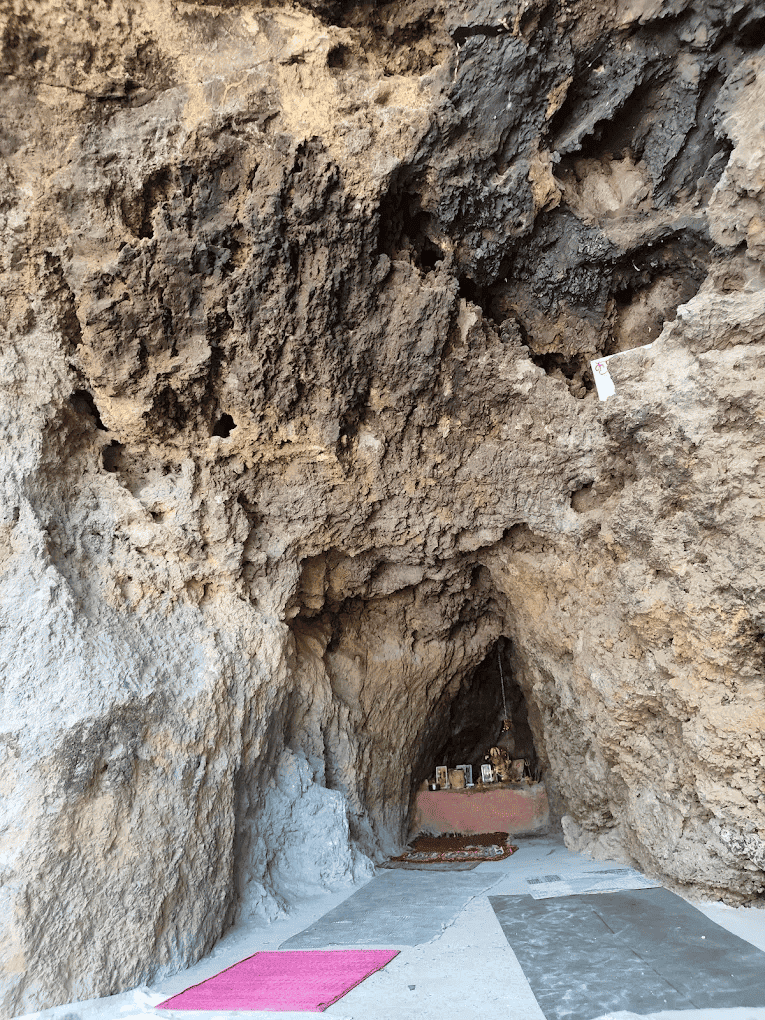
The historical and mythological significance of Vashishta Gufa is deeply intertwined with ancient Indian scriptures and the Ramayana epic. Sage Vashishta, one of the most revered figures in Hindu tradition, was not only a prominent sage but also the Raj Guru (royal teacher) of the Solar Dynasty, which included Lord Rama. According to legend, Vashishta chose this secluded cave along the banks of the Ganges to perform intense penance and meditation, seeking spiritual enlightenment and divine wisdom.
Oral traditions passed down through generations of priests and local residents speak of the sage's extraordinary meditation practice that supposedly lasted for thousands of years. The cave is believed to be naturally formed by the flowing waters of the Ganges over millennia, creating a perfect meditation chamber with its cool temperature and natural acoustics. Archaeological evidence suggests that this site has been a place of worship for over 5,000 years, making it one of the oldest continuously used meditation sites in India.
The rediscovery and consecration of the cave in its current form is credited to local spiritual leaders who recognized its sacred energy and established the temple complex above it. Today, the cave stands as a testament to India's enduring spiritual traditions and continues to attract serious practitioners who wish to follow in the footsteps of ancient sages. The nearby temple dedicated to Sage Vashishta and Lord Shiva further enhances the spiritual significance of this sacred site.
The Cave Experience: Entering a Sacred Space
The experience of entering Vashishta Gufa is unlike any typical tourist attraction. As you approach the cave, located a short descent from the main temple complex, you'll notice a distinct shift in energy. The naturally formed cave is small yet powerful, with dimensions that can accommodate only 5-10 people at a time, ensuring an intimate and personal experience for visitors. The interior remains naturally cool throughout the year, maintaining a comfortable temperature that contrasts sharply with the heat outside during summer months.
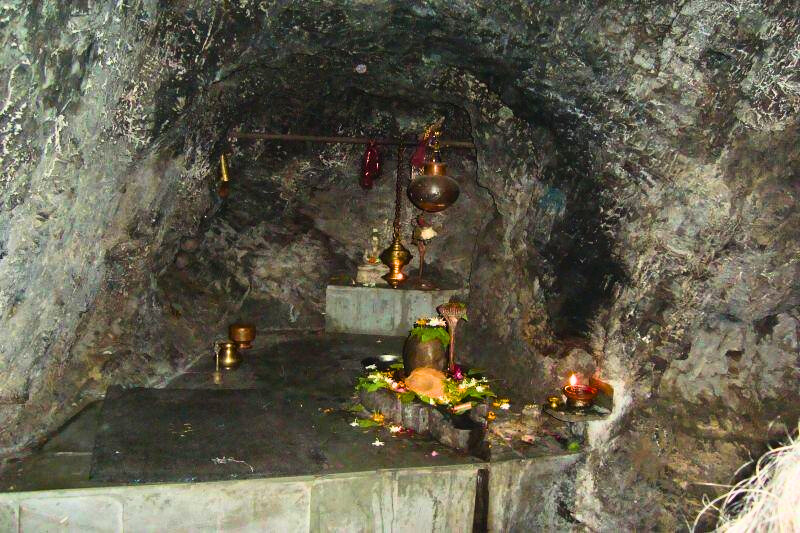
Inside the cave, you'll find a small shrine dedicated to Sage Vashishta, typically adorned with flowers, incense, and sacred offerings. The lighting is deliberately kept dim, often using only oil lamps or candles, which enhances the meditative atmosphere and helps visitors disconnect from the outside world. The natural formation of the cave, with its smooth walls carved by ancient river action, creates excellent acoustics for mantra chanting and meditation practices.
One of the most remarkable aspects of the cave experience is the sound of the Ganges flowing nearby. Even from inside the cave, you can hear the sacred river's gentle roar, which many practitioners believe enhances meditation and spiritual practice. The combination of natural elements, sacred energy, and centuries of devotion creates an environment that many visitors describe as profoundly peaceful and transformative. Whether you're an experienced meditation practitioner or simply seeking spiritual solace, the cave offers a unique space for introspection and connection with the divine.
Spiritual Significance: A Land of Divine Practice
Vashishta Gufa holds profound spiritual significance in the Hindu tradition as a recognized Tapobhoomi—a land specially sanctified by the intense spiritual practices of sages and saints. The cave represents the ideal environment for spiritual sadhana (practice), combining all the elements necessary for deep meditation and self-realization. Its proximity to the sacred Ganges is particularly significant, as the river is believed to amplify spiritual energy and purify the surrounding environment.
For spiritual seekers, visiting Vashishta Gufa is more than just sightseeing—it's an opportunity to connect with the lineage of ancient sages and access the accumulated spiritual energy of thousands of years of meditation. Many visitors report experiencing a profound sense of peace, clarity, and spiritual elevation upon entering the cave. The site is especially powerful for those seeking relief from worldly stress, guidance in life decisions, or deeper spiritual experiences through meditation.
The cave is also considered a sacred site for karma cleansing, with many pilgrims believing that meditation and prayer here can help wash away past negative karmas and create positive spiritual momentum. This belief draws devotees who wish to perform special pujas, rituals, or extended meditation sessions to seek blessings for various life situations. The presence of Lord Shiva in the temple complex above adds another layer of spiritual significance, making it a dual-energy site combining the ascetic energy of Sage Vashishta with the transformative power of Shiva consciousness.
Meditation at Vashishta Gufa: A Practitioner's Guide
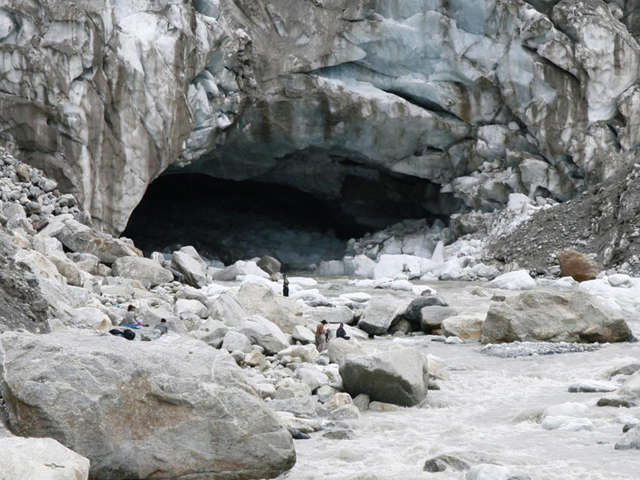
Meditating in Vashishta Gufa offers a unique opportunity to practice in an environment that has been consecrated by centuries of spiritual practice. The cave's natural energy field, combined with its isolation from worldly distractions, creates ideal conditions for deep meditation. Whether you're new to meditation or an experienced practitioner, the cave provides support for your practice that's difficult to replicate elsewhere.
For the best meditation experience, arrive early in the morning (around 5-7 AM) when the cave is least crowded and the surrounding environment is peaceful. Before entering, it's traditional to take a dip in the Ganges or at least wash your hands and feet as a mark of respect. Inside the cave, find a comfortable seated position—either on the floor or on a meditation cushion if you've brought one. You can practice silent meditation, mantra repetition (japa), or simply sit in presence and awareness.
Many practitioners recommend starting with 30-60 minutes of meditation and gradually extending your practice as you become accustomed to the cave's energy. The natural acoustics enhance mantra chanting, making it an ideal practice here. After your meditation session, it's customary to offer a prayer of gratitude to Sage Vashishta and the lineage of sages who have practiced here. Some visitors also choose to circumambulate the temple complex or sit by the Ganges for additional contemplation time.
If you're planning extended meditation (more than 2 hours), inform the temple priests beforehand, and consider visiting during weekdays when the cave is less frequented by tourists. Remember that this is a sacred space, so maintain silence, respect other practitioners, and avoid taking photographs during meditation sessions. The cave's energy is subtle but powerful—give yourself time to tune into it and don't rush your experience.
Temple Complex: The Spiritual Center Above
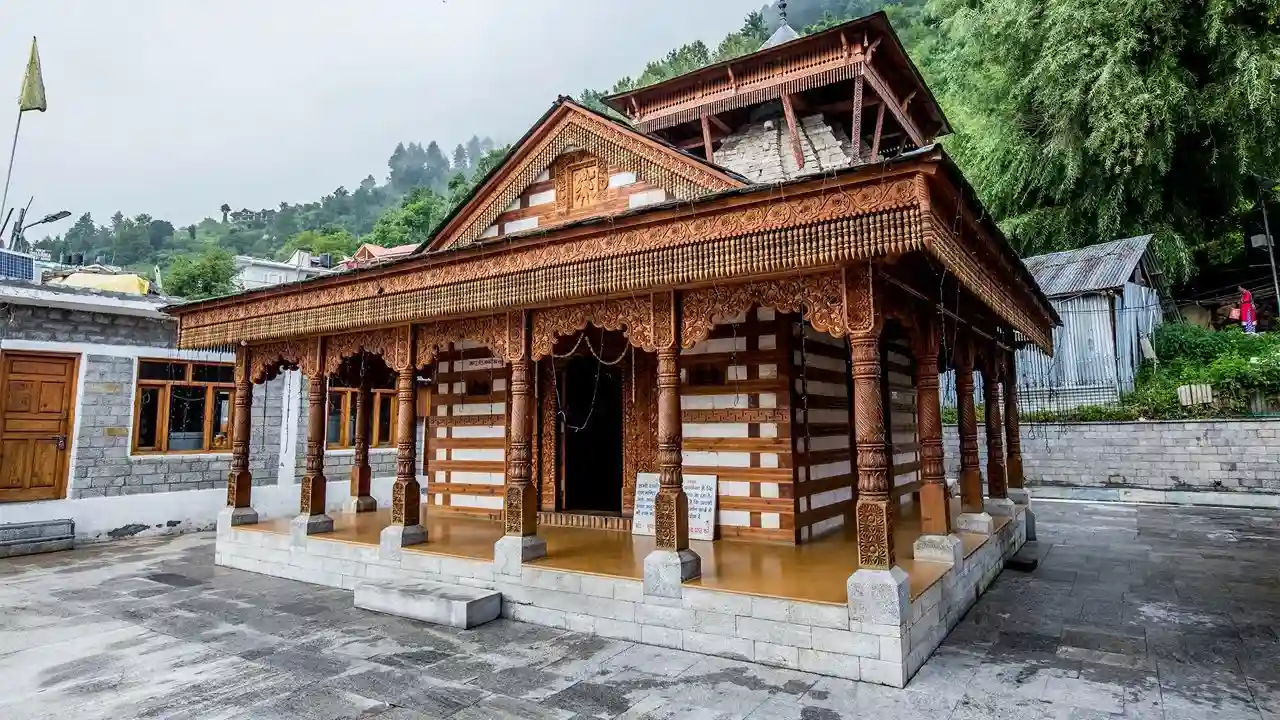
Above Vashishta Gufa lies a beautiful temple complex that serves as the spiritual anchor for the entire site. The main temple is dedicated to Sage Vashishta and Lord Shiva, reflecting the deep connection between the ascetic tradition represented by the sage and the transformative energy of Shiva consciousness. Built in traditional Himalayan architectural style, the temple features intricate stone carvings, wooden elements, and a sloping roof designed to withstand the region's heavy monsoons.
The temple complex includes several shrines, each with its own significance and energy. The main shrine houses a sacred Shiva lingam and an image of Sage Vashishta, creating a powerful dual-energy space. Surrounding shrines may include deities from the Hindu pantheon, allowing devotees to offer prayers to multiple divine forms during their visit. The temple grounds are meticulously maintained, with flowering plants, sacred trees, and meditation spaces that invite visitors to linger and absorb the peaceful atmosphere.
One of the most important rituals performed at the temple is the Ganga aarti, which takes place twice daily—once in the morning (around 6 AM) and again in the evening (around 6 PM). This ceremony involves offering light to the sacred Ganges River through elaborate rituals involving oil lamps, incense, flowers, and chanting. Visitors are welcome to participate in or observe the aarti, which creates a profoundly devotional atmosphere and connects participants to ancient spiritual traditions.
The temple also maintains a small ashram nearby where serious spiritual seekers can arrange for longer stays, meditation programs, or spiritual instruction from resident teachers; if you want more structured options, browse the wider list of ashrams in Rishikesh. The temple priests are knowledgeable about the site's history and significance and are usually happy to share stories and guidance with interested visitors. Don't forget to visit the temple's small shop where you can purchase religious items, books on spirituality, and prasad (blessed offerings).
Best Time to Visit: Planning Your Sacred Journey
Choosing the right time to visit Vashishta Gufa can significantly enhance your experience of this sacred site. The region around Rishikesh experiences distinct seasons, each offering different advantages for spiritual practice and temple visits. Understanding these seasonal variations will help you plan your visit according to your preferences and spiritual goals.
The winter months from October to March constitute the peak pilgrimage season, offering pleasant daytime temperatures (15-25°C) ideal for temple visits and meditation. This period is especially recommended for first-time visitors who want to explore the site comfortably without weather-related discomfort. The winter landscape, with its clear skies and moderate climate, creates perfect conditions for combining your cave visit with other spiritual activities in the Rishikesh area. Many visitors also find that the winter season aligns well with other pilgrimage destinations in North India.
The summer months from April to June bring hot temperatures (30-40°C) in the daytime, but interestingly, this is when the cave's naturally cool interior becomes most appreciated. If you visit during summer, plan your cave meditation for early morning (before 8 AM) or late afternoon (after 4 PM) to avoid peak heat. The advantage of summer visits is fewer crowds, giving you more private time in the cave for extended meditation. Just ensure you stay hydrated and protect yourself from the sun while moving between locations.
The monsoon season from July to September transforms the region into a lush green paradise, with the Ganges flowing in its full majestic glory. While rainfall can be heavy at times, many spiritual seekers find the monsoon atmosphere particularly conducive to meditation practice. The sound of rain on the temple roof and the sight of the swollen Ganges create a powerful natural setting for contemplation. If you visit during monsoon, carry adequate rain gear and be prepared for occasional delays in travel plans due to weather conditions.
For the most meaningful spiritual experience, consider timing your visit with auspicious dates in the Hindu calendar, such as Guru Purnima (dedicated to spiritual teachers), Mahashivratri (the great night of Shiva), or special ekadashi days. The temple organizes special ceremonies and extended pujas during these times, which can deepen your connection to the site's spiritual traditions.
Timings & Rituals: Essential Practical Information
Planning your visit to Vashishta Gufa requires understanding the temple's schedule and ritual timings to make the most of your spiritual journey. The cave and temple complex follow traditional Hindu timings and practices, which differ from standard tourist attractions. Being aware of these schedules will help you align your visit with the experiences most meaningful to you.
The temple complex opens early at 5:00 AM, coinciding with the first rays of dawn and the traditional time for morning spiritual practices. The early morning hours (5-7 AM) are particularly powerful for meditation, as the environment is peaceful, the air is fresh, and the cave is least crowded. The morning Ganga aarti ceremony begins around 6:00 AM and lasts approximately 30-45 minutes. Attending this ceremony before entering the cave can significantly enhance your meditation practice by attuning you to the temple's spiritual energy.
Throughout the day, the cave remains accessible for visitors, with priests available to guide you and answer questions. There's no strict time limit for how long you can meditate in the cave, but be mindful of other visitors waiting, especially during peak hours. If you're planning extended meditation sessions (more than 2 hours), it's advisable to visit on weekdays when foot traffic is lighter, or inform the temple priests of your intention so they can manage visitor flow accordingly.
The temple closes at 8:00 PM after the evening aarti ceremony, which again offers a wonderful opportunity to participate in collective devotion. Evening visits (4-6 PM) are also excellent for meditation, as the setting sun and cooling temperatures create a contemplative atmosphere. Many visitors find that meditating during evening transition times helps release accumulated stress and prepares them mentally and spiritually for rest and reflection.
Entry to Vashishta Gufa and the temple complex is free for all visitors, though donations are accepted and help maintain the temple's operations and charitable activities. There's no formal dress code, but modest, comfortable clothing is recommended out of respect for the sacred nature of the site. Remove your shoes before entering the cave and temple areas, and maintain silence within the cave premises to respect meditating practitioners.
Special pujas and abhishekams (ritual bathing of the deity) can be arranged at the temple for an additional donation. These rituals, which require advance booking, allow you to sponsor special worship ceremonies for specific intentions such as health, prosperity, spiritual growth, or honoring ancestors. The temple priests can guide you on the appropriate ritual for your needs and explain the significance of each ceremony.
How to Reach: Complete Travel Guide
Reaching Vashishta Gufa requires some planning, as the cave is located away from Rishikesh's main tourist areas. However, with proper information, accessing this sacred site is straightforward and the journey itself becomes part of the spiritual experience. Here's everything you need to know about getting to Vashishta Gufa.
The cave is located approximately 22 kilometers from Rishikesh town center, in the direction of Shivpuri along the banks of the Ganges. The most convenient way to reach is by hiring a taxi or auto-rickshaw from Rishikesh, which typically takes 45 minutes to an hour depending on road conditions. Taxis can be hired for a round trip, with drivers usually willing to wait while you visit the cave and temple complex. Negotiate the fare beforehand, and expect to pay between ₹500-800 for a full taxi trip, depending on your bargaining skills and the season.
For budget travelers, shared auto-rickshaws and local buses run from Rishikesh to Shivpuri, from where the cave is approximately 5 kilometers away. From Shivpuri, you can either walk (about 1.5 hours through scenic countryside along the Ganges) or hire a local vehicle for the remaining distance. The walking route, though longer, offers beautiful views of the river and surrounding hills, making it a pleasant option if you have time and enjoy hiking.
If you're driving your own vehicle, take the road towards Neelkhanth Mahadev Temple from Rishikesh. Follow signs for Shivpuri, and approximately 3 kilometers before reaching Neelkhanth, you'll see signage for Vashishta Gufa. The last few kilometers involve a narrow, winding road that requires careful driving. Parking space is limited near the temple, so arrive early if you're visiting during peak season or special festival days.
For a broader orientation to the town before you head out to the cave, our Rishikesh travel guide covers stay zones and local transport basics. For international travelers, the nearest airport is Jolly Grant Airport in Dehradun (about 25 kilometers from Rishikesh), with regular flights from Delhi. From the airport, hire a taxi directly to Rishikesh and then proceed to Vashishta Gufa. The nearest railway station is in Haridwar (about 25 kilometers from Rishikesh), which is well-connected to major Indian cities. From Haridwar, take a bus, taxi, or train to Rishikesh, and then continue to the cave as described above.
An increasingly popular option is to combine your visit to Vashishta Gufa with other spiritual sites in the area, creating a full day of pilgrimage and exploration. Popular nearby attractions include the Beatles Ashram, Parmarth Niketan Ashram, and various other temples along the Ganges. Many local tour operators offer combined packages that include transportation to multiple sites, which can be cost-effective and convenient if you're short on time.
Tips for Visitors: Making the Most of Your Visit
To ensure a meaningful and comfortable visit to Vashishta Gufa, keep these practical tips in mind. Whether you're a serious spiritual practitioner or a curious traveler, these suggestions will help you respect local customs, stay safe, and maximize your experience at this sacred site.
First and foremost, dress modestly and comfortably. While there's no strict dress code, wearing clothing that covers your shoulders and knees is appropriate for temple visits. Choose lightweight, breathable fabrics in summer, and carry layers for winter months. Comfortable walking shoes with good grip are essential, as you'll need to climb stairs and walk on uneven surfaces. Remove footwear before entering the cave and temple areas as per Hindu custom.
Carry a small bag with essentials: water bottle (stay hydrated, especially in summer), light snacks if you plan to stay longer, a small towel or handkerchief, and personal medications. If you're planning extended meditation, consider bringing a meditation cushion or mat, as the cave floor is stone and can become uncomfortable over time. However, keep your belongings minimal and secure, as storage facilities are limited.
Respect the sacred nature of the site by maintaining silence, especially inside the cave. Turn off mobile phones or keep them on silent mode, and avoid taking photographs during meditation sessions or aarti ceremonies unless you have prior permission. Ask for consent before photographing priests, other visitors, or religious ceremonies. Remember that this is an active place of worship, not a tourist attraction—approach with reverence and an open heart.
Time your visit strategically. Early morning (5-7 AM) and late afternoon (4-6 PM) offer the most peaceful atmosphere and better lighting for meditation and photography. Weekdays are generally less crowded than weekends, and winter months see higher footfall than summer. If you're seeking a more solitary experience, plan your visit during off-peak times.
Consider combining your cave visit with other spiritual experiences in Rishikesh to create a comprehensive pilgrimage itinerary. The region offers numerous opportunities for yoga, meditation retreats, and spiritual discourses that can deepen your understanding of India's spiritual traditions. Many visitors find that spending 2-3 days in Rishikesh allows them to experience both the famous attractions and hidden gems like Vashishta Gufa without rushing.
Finally, come with appropriate expectations. Vashishta Gufa is not a commercial tourist attraction but a living spiritual site. The facilities are basic, the approach is rustic, and the experience is subtle rather than dramatic. The cave's power lies in its simplicity, ancient energy, and the sincere devotion of those who maintain it. Approach with humility, patience, and sincerity, and you'll likely find that the cave rewards you with exactly what you need—even if it's not what you expected.
Conclusion: The Timeless Appeal of Vashishta Gufa
In a world increasingly characterized by noise, distraction, and superficial experiences, Vashishta Gufa stands as a testament to the enduring power of authentic spiritual practice. This ancient cave, where Sage Vashishta is believed to have meditated for thousands of years, continues to offer seekers a direct connection to India's profound spiritual heritage. Whether you're drawn by religious devotion, curiosity about ancient traditions, or simply the need for peace and reflection, the cave welcomes all with its cool embrace and timeless presence.
The experience of visiting Vashishta Gufa extends far beyond seeing a tourist attraction—it's an invitation to step out of ordinary time and connect with something ancient and sacred. The natural formation of the cave, the sacred Ganges flowing nearby, the centuries of accumulated spiritual energy, and the sincere devotion of those who maintain the site all combine to create an environment that can genuinely transform consciousness. Many visitors report experiences of profound peace, clarity, and spiritual elevation that stay with them long after they return to their daily lives.
As pilgrimage destinations worldwide become increasingly commercialized, Vashishta Gufa remains refreshingly authentic and grounded in sincere spiritual practice. The absence of hype and commercial exploitation is itself part of its appeal, allowing visitors to experience the site without the interference of tourism industry excesses. This authenticity makes it increasingly valuable for genuine spiritual seekers looking for meaningful experiences rather than Instagram-worthy photo opportunities.
Whether you're planning your first visit to Rishikesh or returning for deeper exploration, Vashishta Gufa deserves a place on your itinerary. Approach with respect, patience, and an open mind, and allow yourself to be surprised by what this ancient cave reveals. In the silence of its stone walls and the gentle roar of the Ganges outside, you may discover exactly what you've been seeking—perhaps without even knowing you were looking for it.
Location
Frequently Asked Questions
Q1.What are the opening timings of Vashishta Gufa?
Q2.Is there an entry fee to visit Vashishta Gufa?
Q3.Can anyone meditate in Vashishta Gufa?
Q4.How long can we meditate inside the cave?
Q5.Is the cave accessible for foreign tourists?
Q6.What is the spiritual significance of Vashishta Gufa?
Q7.Can we stay overnight in or near the cave?
Q8.What is the best time of year to visit Vashishta Gufa?
Q9.How do I reach Vashishta Gufa from Rishikesh?
Q10.What should I wear when visiting Vashishta Gufa?
Q11.Are there facilities for food and refreshments near the cave?
Q12.Is photography allowed inside Vashishta Gufa?
Recommended For You

New Year Party Rishikesh: Camping, Rafting and Events
Plan New Year party Rishikesh with Ganga ghat aarti, riverside camping, rafting options, cafe events, ticket ranges, safety tips, and transport planning.
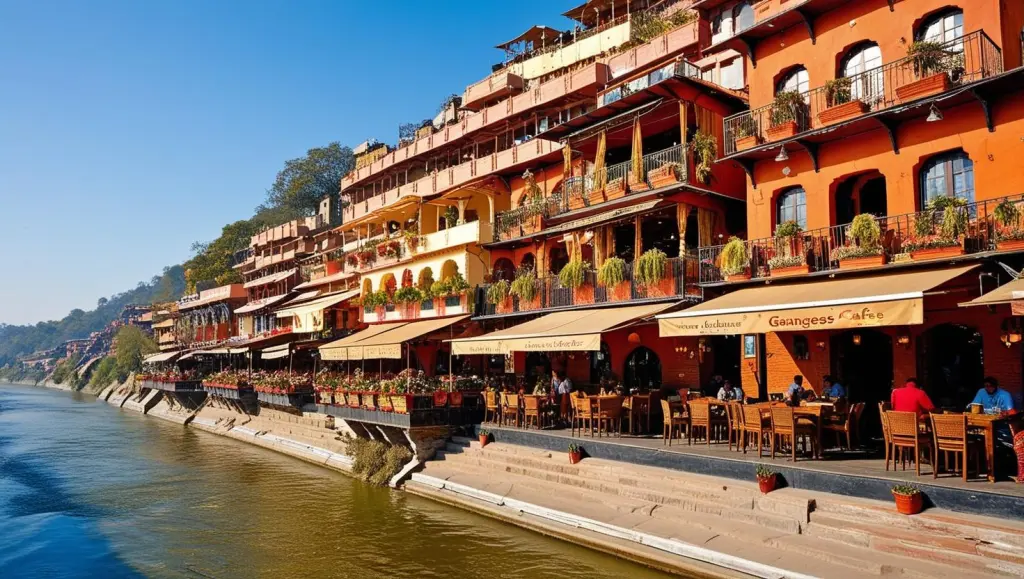
Best Cafes in Rishikesh: River View Guide and Tips
Best cafes in Rishikesh guide with Ganga-view timing, practical route planning, budget tips, and low-stress two-stop cafe itineraries.
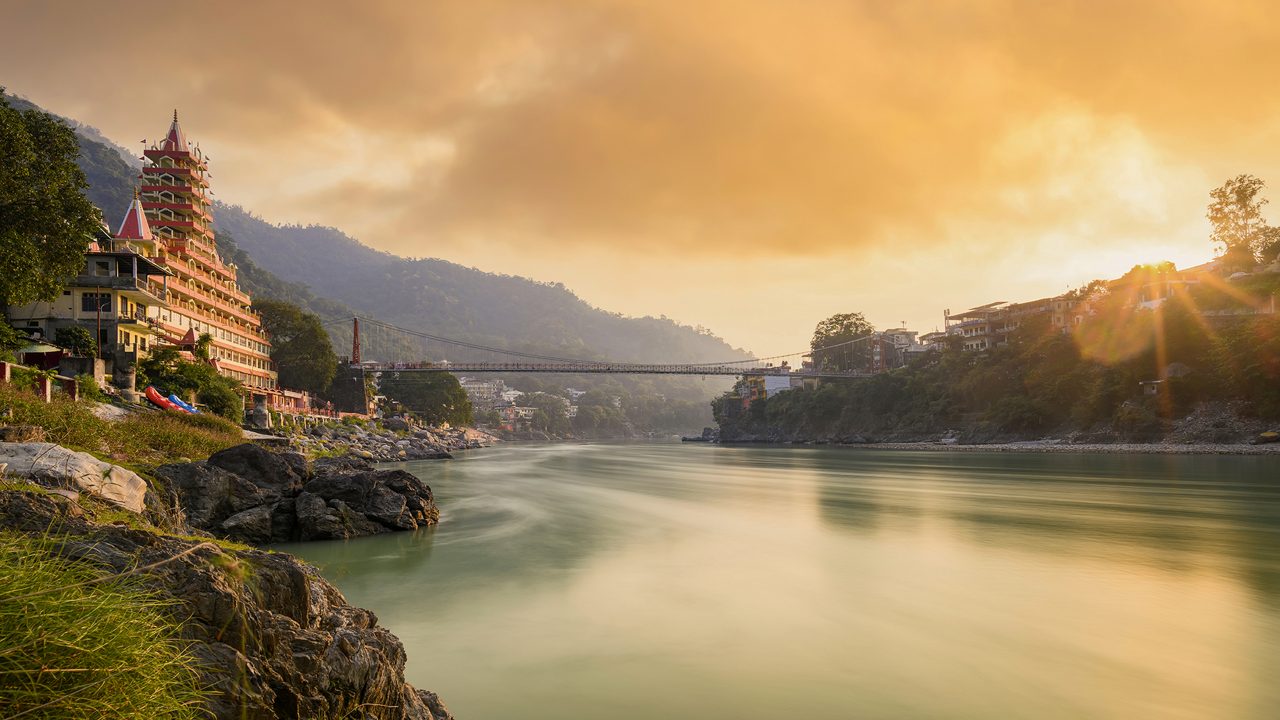
Rishikesh One-Day Itinerary: Ghats, Cafes & Adventure Stops
Plan a perfect one-day Rishikesh itinerary covering Laxman Jhula, Ram Jhula, Beatles Ashram, adventure activities and Ganga Aarti at Triveni Ghat.
Never Miss an Adventure
Get the latest trekking guides, travel tips, and exclusive offers delivered straight to your inbox.
