
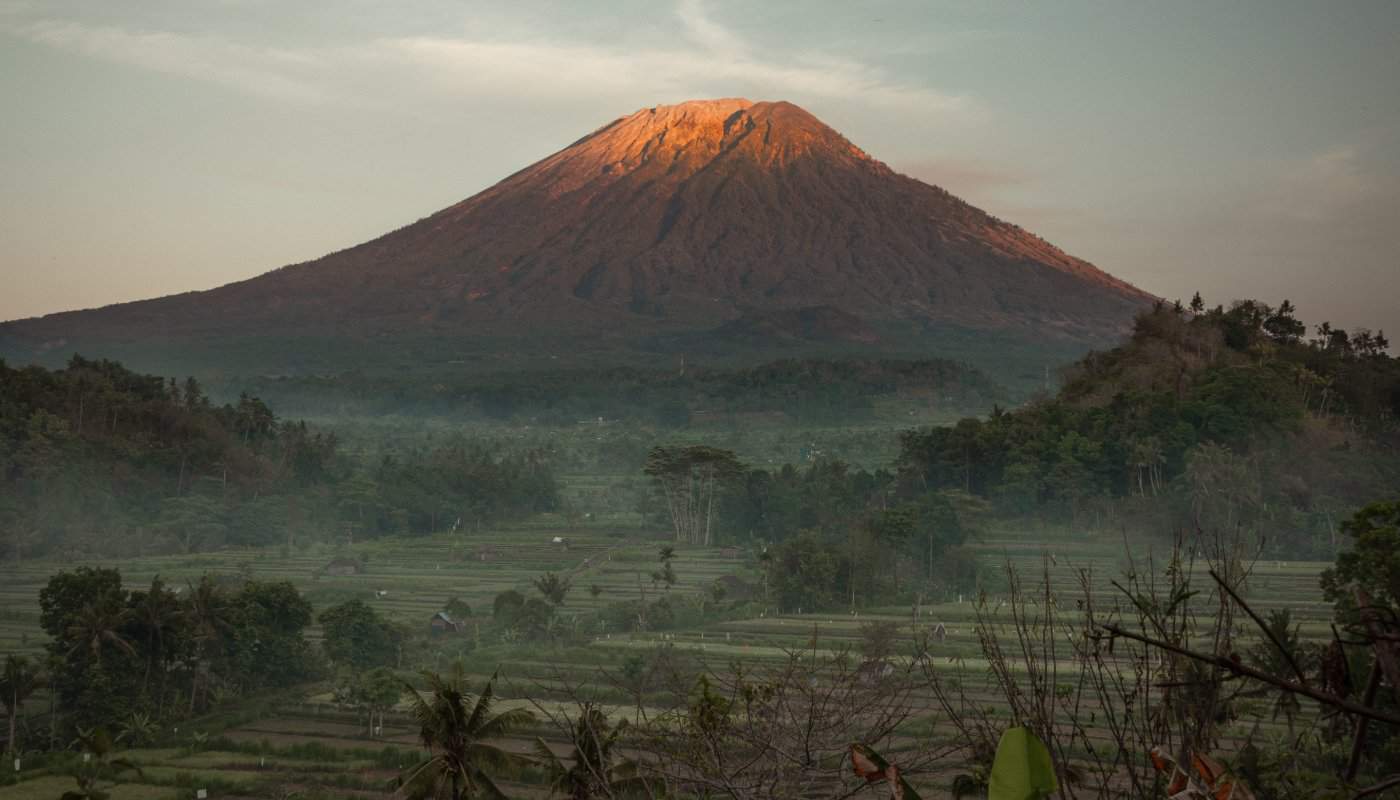
Volcanoes in Bali: Mount Batur, Agung & Trekking Information

Ananya Sharma
February 18, 2026
Explore Bali volcanoes with practical guidance on Mount Agung, Mount Batur, trek safety, best viewpoints, and season planning.
Introduction: Bali's Landscape Is Built by Volcanoes
Volcanoes in Bali are not just trekking spots; they shape the island's geography, agriculture, culture, and spiritual identity. Bali sits within Indonesia's volcanic arc, and its highland terrain has been built by repeated volcanic activity over long geological periods. For travelers, this means dramatic sunrise routes, caldera views, black-lava zones, fertile coffee landscapes, and mountain temples that carry deep local significance.
The two most discussed peaks are Mount Agung and Mount Batur. Agung is higher, spiritually central, and operationally sensitive during volcanic activity changes. Batur is lower, more accessible, and globally known for sunrise trekking. To plan responsibly, travelers should separate scenic ambition from safety decisions and always verify current advisories before attempting hikes.
If you are planning a wider island route, combine this guide with Bali travel planning, Kanto Lampo waterfall, and Bali honeymoon itineraries.
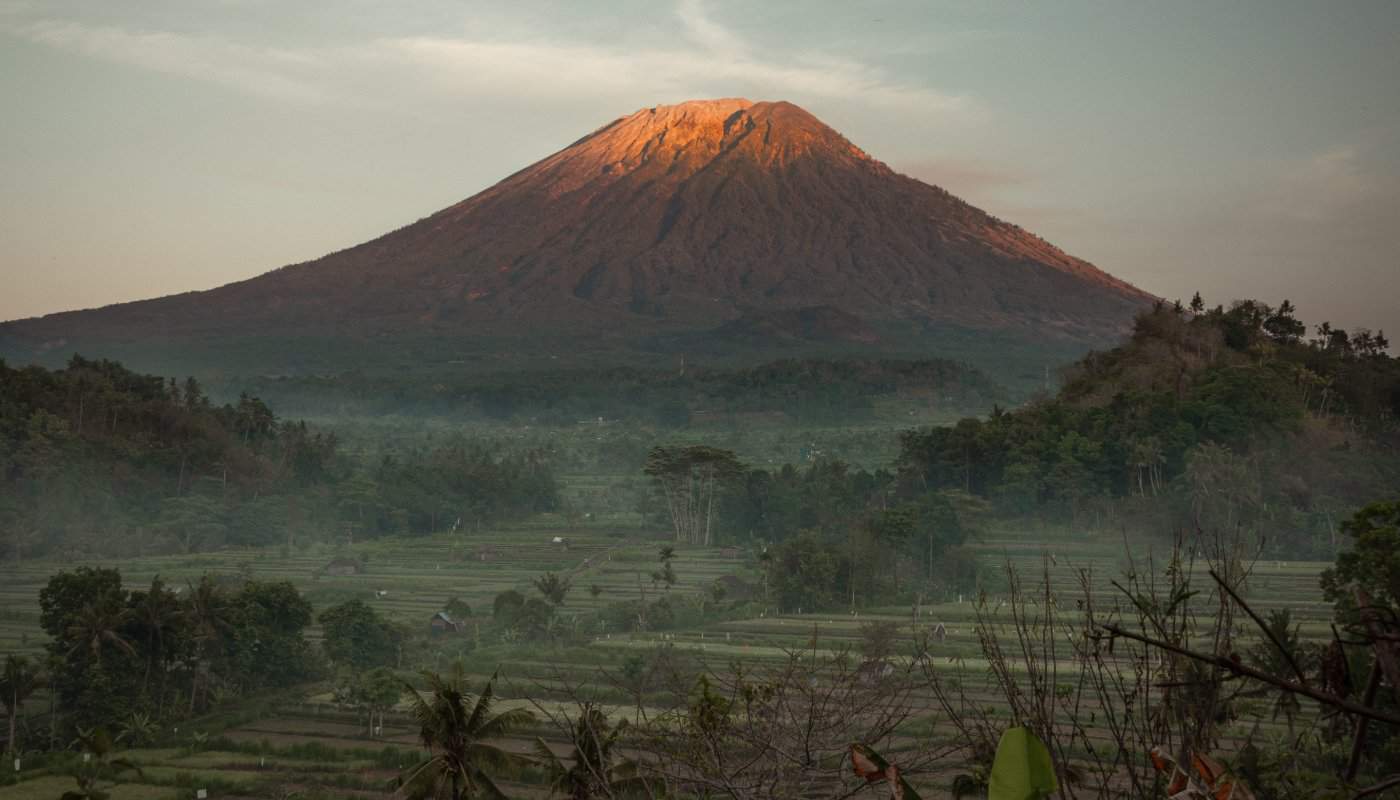
Mount Agung: Bali's Highest and Most Sacred Volcano
Mount Agung is the highest volcano in Bali and holds strong spiritual significance in Balinese Hindu tradition. It dominates eastern Bali's skyline and is often visible from multiple districts in clear weather. Because Agung is an active volcano, route conditions and access permissions can change depending on monitoring advisories.
Many travelers ask whether Mount Agung is dangerous. The practical answer is: it can be, if advisories are ignored. Risk depends on volcanic status, route choice, weather, and guide discipline. This is why current official updates matter more than old blog posts. Do not attempt Agung trekking during alert escalation periods or without local guidance.
| Mount Agung Facts | Travel Relevance |
|---|---|
| Volcano Type | Active stratovolcano |
| Role | Sacred mountain in Balinese cosmology |
| Trekking | Possible only in suitable conditions |
| Safety Need | High dependence on current advisories |
Mount Batur: Most Popular Volcano Trek in Bali
Mount Batur is the most visited volcano trekking destination in Bali. The sunrise hike is especially popular because it can be done on a half-day schedule, starting early from Ubud or Kintamani-side stays. The route is moderate for many travelers, though it still requires basic fitness, proper footwear, and careful pacing on uneven terrain.
The Batur caldera landscape is visually strong: crater views, Lake Batur, lava fields, and cloud movement over ridgelines. Post-trek, many visitors combine hot-spring sessions or nearby village stops for recovery.
Why Batur Works for Most Travelers
- Short-format sunrise itinerary.
- High scenic return for moderate effort.
- Guide-led operations are easy to book.
- Good combination with Kintamani circuits.
Other Volcanic Peaks and Landscapes Around Bali
Besides Agung and Batur, Bali's highland system includes volcanic ridges and peaks that shape rainfall patterns, agriculture, and scenic transitions between districts. Mount Abang, Batukaru-side uplands, and caldera-linked terrain zones contribute to Bali's layered landscape identity. Some of these areas are trekking-oriented, while others are better experienced through viewpoints and road circuits.
The wider volcanic system also explains Bali's fertile fields, terraced cultivation, and hot-spring pockets in specific regions. In short, volcanoes are not isolated adventure points; they are central to how Bali looks and functions.
Volcano Trekking Tours: How They Work
Most Bali volcano tours follow a guided format with hotel pickup, early start, summit timing, and descent coordination. Batur tours are widely available across budget categories. Agung tours are less routine and strongly dependent on current conditions and local permissions.
| Tour Type | Who It Suits | Planning Note |
|---|---|---|
| Batur Sunrise Trek | First-time volcano trekkers | Book guide with strong review history |
| Agung Trek | Experienced hikers | Only when advisories and weather allow |
| Kintamani View Tour | Non-trekkers | Best for scenic comfort itineraries |
Safety and Eruption Status: What to Check Before You Go
Safety planning is the most important part of volcano travel in Bali. Conditions can change due to weather, seismic patterns, and local administrative controls. Use official Indonesian volcanic monitoring updates and local authority guidance before finalizing climbs. Do not rely on outdated social posts.
- Check official volcano-monitoring updates before departure day.
- Confirm exclusion-zone rules with your operator.
- Avoid summit attempts during alert changes.
- Use licensed local guides for active-volcano routes.
- Carry headlamp, layers, gloves, and water for pre-dawn treks.
- Buy travel insurance that covers trekking and disruption risk.
For time-sensitive status checks, official Indonesian monitoring portals and local disaster-management advisories are the correct reference point.
Best Viewing Spots for Bali Volcanoes
You do not need to summit a volcano to enjoy volcanic landscapes in Bali. Several viewpoints provide excellent visual access to crater systems, mountain silhouettes, and sunrise skies.
| Viewing Spot | Best For | Timing |
|---|---|---|
| Kintamani Ridge | Batur caldera panoramas | Morning and early sunset |
| Penelokan Area | Layered crater-lake visuals | Clear-weather mornings |
| East Bali lookouts | Agung silhouette frames | Sunrise and late afternoon |
| Northern upland routes | Cloud-sea mountain depth | Dry-season mornings |
Best Time for Volcano Travel in Bali
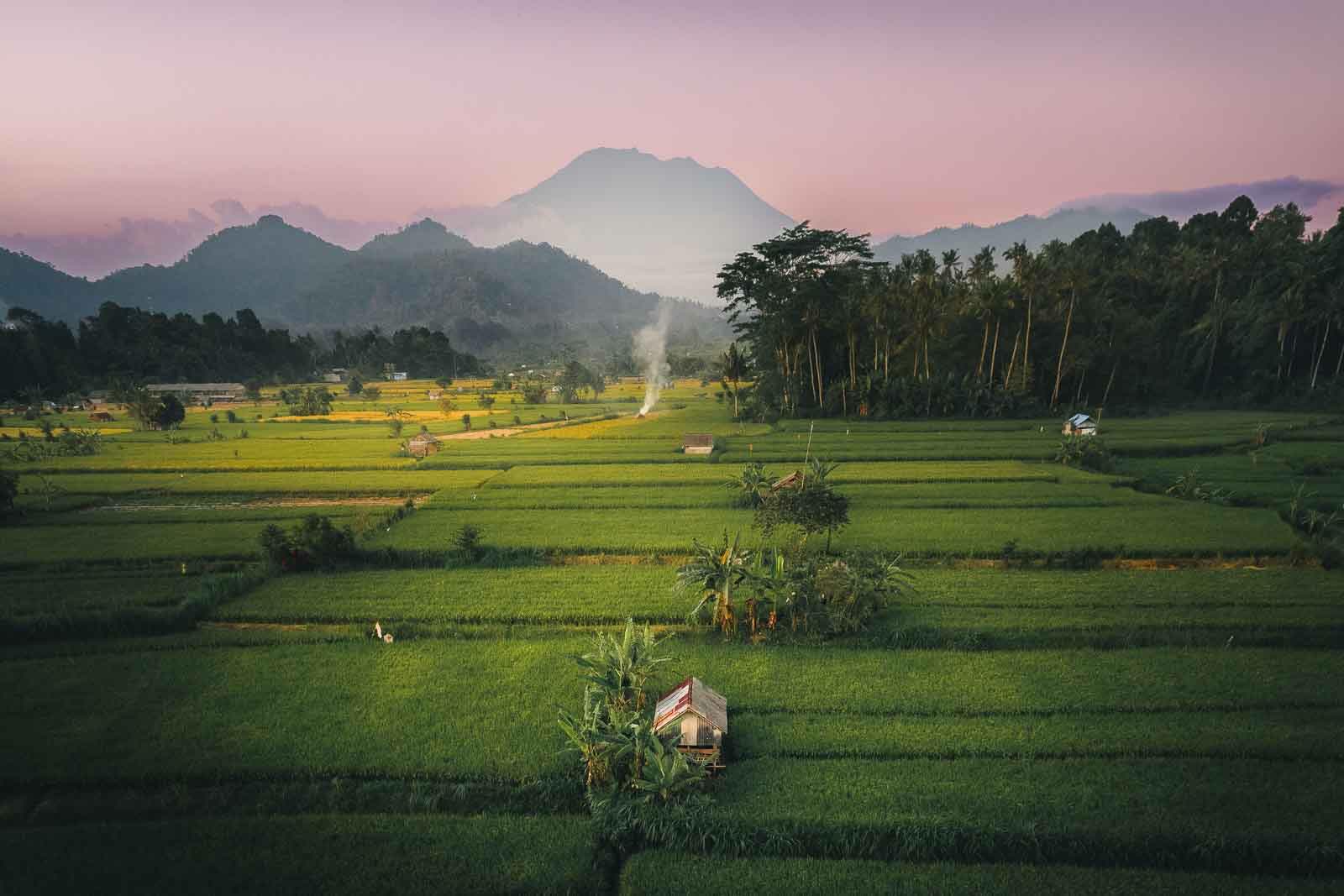
Dry-season months are usually preferred for clearer skies and more stable trekking conditions. Wet months can still be scenic but often bring slippery trails, reduced visibility, and higher probability of schedule disruption. Regardless of season, sunrise treks require layered clothing due to early-hour chill at elevation.
Who Should Skip Summit Treks
Not every traveler should attempt volcano summits. If you have recent injuries, low cold tolerance, altitude discomfort, or a tight same-day flight schedule, choose viewpoint-based itineraries instead of summit pushes. You can still enjoy volcanic Bali deeply without risk-heavy plans.
Practical Packing and Planning Checklist
- Trail shoes with grip.
- Layered upper wear for pre-dawn cold.
- Small backpack, water, and light snacks.
- Headlamp for dark trail sections.
- Rain shell in shoulder season.
- Emergency contact and offline map.
Mount Agung vs Mount Batur: Practical Comparison
Many travelers ask which volcano they should choose. The answer depends on fitness, risk tolerance, and itinerary style. Batur is usually the more accessible choice for first-time trekkers because of shorter-format sunrise operations. Agung is steeper in planning complexity and requires stricter safety discipline, especially around advisory updates and route conditions.
| Factor | Mount Batur | Mount Agung |
|---|---|---|
| Trek Popularity | Very high | Lower, more specialized |
| Typical Fit | First-time sunrise hikers | Experienced, prepared trekkers |
| Logistics | Widely available tour infrastructure | Condition-dependent access |
| Safety Sensitivity | Moderate | Higher due to active profile and route complexity |
How to Book a Reliable Volcano Tour
Do not choose operators only on lowest price. Compare guide credentials, group size, safety briefing quality, pickup reliability, and cancellation policy during weather disruptions. A good operator will explain trail conditions honestly and may advise against summit attempts when risk is elevated.
- Ask if the guide is local and route-trained.
- Check whether headlamp and essentials are included.
- Confirm fallback policy for weather cancellations.
- Read recent reviews, not old archived ratings.
- Avoid agencies that dismiss official safety advisories.
Best Itinerary Pairings with Volcano Days
Volcano treks are physically demanding because of pre-dawn starts. Keep the same day light after descent. Pairing ideas: Batur trek + hot spring recovery, or viewpoint day + temple and cafe circuits. Avoid stacking two demanding activities back-to-back unless you are highly conditioned.
For couples and honeymoon travelers, a scenic-viewpoint format can be more enjoyable than a hard summit push. You still get volcanic drama with lower physical stress and better schedule flexibility.
Weather and Visibility Strategy
In volcanic landscapes, visibility quality changes by hour. Early mornings often provide cleaner horizon lines before cloud build-up. During wetter months, treat every summit plan as conditional. If skies close in, shift to caldera-view drives, cultural stops, or waterfall alternatives and keep the mountain day flexible.
Respectful Volcano Travel in Bali
Volcanoes in Bali are both geological systems and sacred spaces. Responsible travel includes following temple-area etiquette, avoiding reckless behavior on trails, and respecting local guidance during ritual days or safety restrictions. This cultural awareness improves both traveler safety and community trust.
Common Mistakes First-Time Volcano Travelers Make
- Underestimating pre-dawn cold at elevation.
- Starting with poor footwear on loose volcanic surface.
- Skipping hydration before climb.
- Treating advisories as optional rather than mandatory.
- Overloading the day after a summit trek.
Conclusion
Volcanoes in Bali offer one of the island's most memorable travel dimensions when approached with respect and preparation. Mount Batur is the most accessible adventure option, while Mount Agung carries greater spiritual and safety sensitivity. If you combine reliable status checks, experienced guides, and realistic physical planning, Bali's volcanic landscapes can become the highlight of your itinerary.
Location
Frequently Asked Questions
Q1.How many volcanoes are there in Bali?
Q2.Which volcanoes are active in Bali?
Q3.Is it safe to visit Bali volcanoes?
Q4.When did Mount Agung last erupt?
Q5.Can tourists climb Mount Agung?
Q6.What is the cost of Mount Batur sunrise trek?
Q7.What is the best time for Bali volcano trekking?
Q8.Which volcano trek is easier for first-time travelers?
Recommended For You
Bali Honeymoon: Best Places Packages And Itinerary
Ultimate Bali honeymoon guide with best villas, romantic beaches, sunset dinners & 7-day itinerary. Plan your perfect romantic getaway to the Island of Gods.
Lempuyang Temple (Gates of Heaven) Bali: Guide, Cost & Tips
Complete Lempuyang Temple Bali guide with queue reality, mirror-photo trick, entry and shuttle planning, dress code, and best-time tips.
Ulun Danu Beratan Temple Bali: Entry Fee, Timings & Photo Spots
Ulun Danu Beratan Temple Bali guide with history, architecture, timings, entry planning, and route tips from Ubud/Seminyak for a smoother visit.
Never Miss an Adventure
Get the latest trekking guides, travel tips, and exclusive offers delivered straight to your inbox.
