
White Water Rafting in Rishikesh: Rapids, Season & Safety

Rahul Garg
February 20, 2026
Plan white water rafting in Rishikesh with stretch comparison, safety tips, seasonal advice, and practical budget planning for a safe adventure experience.
White Water Rafting in Rishikesh: Complete Practical Guide
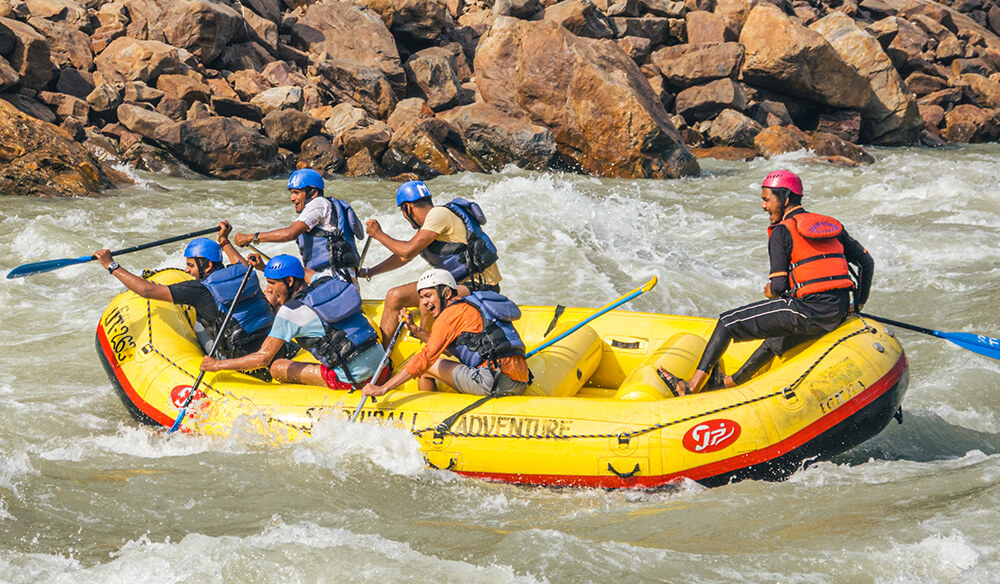
White water rafting in Rishikesh is one of India's most popular adventure activities, but popularity does not automatically mean every package is safe or suitable for your group. The Ganga offers multiple rafting stretches with varying difficulty levels, and your experience depends heavily on choosing the right route, season, and operator. This guide focuses on practical decision-making: comparing stretches by difficulty, understanding seasonal patterns, preparing with a safety checklist, and planning your budget without overpaying for inadequate services.
Rishikesh works well for first-time rafters, family groups, and experienced adventurers because different stretches cater to different skill levels. You can combine rafting with spiritual experiences from this yoga capital of Rishikesh guide or include cultural visits from this places to visit in Rishikesh in one day itinerary. The key is to match your route choice with your group's fitness, experience, and comfort with water activities.
Rafting Stretches and Difficulty Comparison
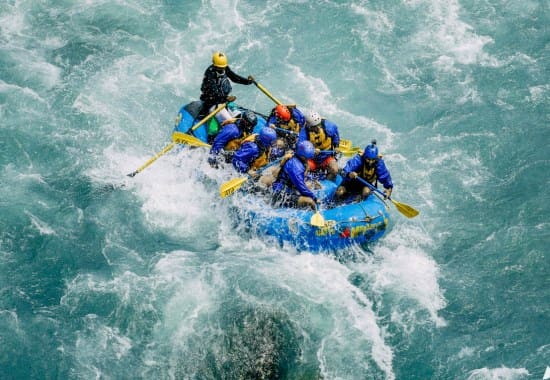
Rishikesh offers multiple rafting stretches, and choosing the wrong one can lead to either an underwhelming experience or unnecessary risk. Operators typically label packages by distance and rapid grade, but these labels can be confusing if you don't understand what they actually mean on the water.
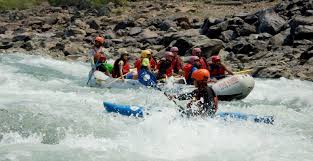
The Brahmapuri to Rishikesh stretch is approximately 9-10 kilometers and is ideal for beginners, families with children, and travelers who want a gentle introduction to rafting. This section features mostly Grade I and II rapids with calm floating sections in between. The water moves, but the adrenaline remains moderate, making it perfect if your priority is scenery over intensity.
Shivpuri to Rishikesh covers around 16-18 kilometers and includes Grade II and III rapids like 'Roller Coaster' and 'Golf Course.' This stretch is the most popular choice for mixed groups because it balances excitement with accessibility. You'll feel genuine rapids, but the sections are spaced with recovery zones. If you've rafted once or twice before, or if you're reasonably fit but new to the sport, this is often the best starting point.
The Marine Drive to Rishikesh stretch extends to 24-26 kilometers and is physically demanding. It includes sustained Grade III and some Grade IV rapids like 'The Wall' and 'Three Blind Mice.' This route is better suited for experienced rafters, adventure enthusiasts, and groups who want a full-day endurance challenge. Fatigue is real on longer stretches, and paddling errors increase when groups get tired.
| Stretch | Distance | Grade | Best For | Duration |
|---|---|---|---|---|
| Brahmapuri to Rishikesh | 9-10 km | I-II | Beginners, families, first-timers | 1.5-2 hours |
| Shivpuri to Rishikesh | 16-18 km | II-III | Mixed groups, moderate experience | 2.5-3 hours |
| Marine Drive to Rishikesh | 24-26 km | III-IV | Experienced, adventure seekers | 3.5-4.5 hours |
Stretch selection is the single most important safety decision you'll make. Overestimating your group's ability creates unnecessary risk, while underestimating may leave you bored. Be honest about experience levels and fitness when consulting with operators.
Best Season and Weather Windows
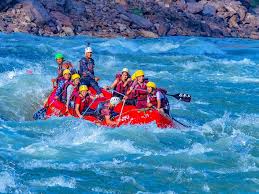
Rishikesh rafting is heavily seasonal, and timing affects both safety and enjoyment. The primary rafting season runs from late September to June, with mid-year closure during monsoon when water levels rise and conditions become unpredictable. Even within the season, conditions vary significantly by month.
Post-monsoon months (October to November) often bring higher water levels, which can increase rapid intensity. This period can offer exciting conditions for experienced rafters, but beginners may find powerful currents intimidating. Water temperature also tends to be cooler, making proper gear more important.
Winter months (December to February) feature lower water levels but colder air and water temperatures. Rapids are more technical but less powerful, which can be good for learners. However, cold exposure is a real risk, and operators should provide appropriate thermal protection or schedule trips during warmer parts of the day.
Spring and early summer (March to mid-June) generally offer the most consistent conditions for most groups. Water levels are stable, temperatures are comfortable, and daylight hours are longer. This is also the peak tourist period, so operators run more frequent trips. However, demand is higher, and booking in advance becomes essential.
Avoid booking during marginal weather windows just to save money or avoid crowds. Weak operators may run trips in unsafe conditions to meet revenue targets. Check local forecasts, river status updates, and operator advisories before finalizing your dates. A flexible schedule with buffer days is always safer than a rigid plan that forces you onto the water in poor conditions.
Safety Checklist and Preparation
Safety begins before you reach the river. A systematic checklist reduces risk and improves your experience. The first step is medical disclosure. Heart conditions, severe back problems, pregnancy, epilepsy, and recent surgeries are generally contraindicated for rafting. Responsible operators will screen for these conditions during booking, but you must be honest about your health history regardless of how minor an issue might seem.
Swimming ability is often misunderstood. Non-swimmers can raft on appropriate stretches with certified life jackets and proper supervision, but they should avoid higher-grade routes. If you or someone in your group cannot swim, inform the operator during the booking process, not at the riverside.
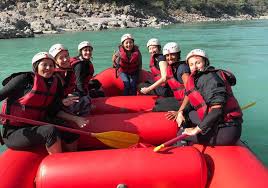
Equipment inspection is non-negotiable. Life jackets must be Coast Guard-approved or equivalent, properly fitted, and secured before you approach the water. Helmets should be strapped correctly without excessive movement. Paddles should be intact and sized appropriately. If gear looks worn, damaged, or ill-fitting, request replacement before starting.
The safety briefing is the most valuable part of your session. Pay full attention when the guide explains paddle commands, what to do if you fall into the water, how to hold the rope, and emergency signals. These instructions become critical in real time, often when you're stressed or disoriented. Don't hesitate to ask questions if anything is unclear. Confusion in a rapid increases risk for everyone in the raft.
Physical preparation matters more than many travelers realize. Rafting uses upper body strength, core stability, and endurance. If you've been inactive, consider light exercise in the weeks before your trip. Fatigue reduces reaction time and increases the chance of paddling errors. Arrive well-rested, hydrated, and avoid alcohol the night before your session.
Budget and Booking Strategy
Rafting prices in Rishikesh vary widely based on stretch length, season, operator reputation, and inclusions. The cheapest package is rarely the best value, especially when safety is involved. Low-cost operators may compromise on equipment maintenance, guide training, or group size.
Base pricing typically covers rafting equipment, guide services, and basic river access. Premium packages may include transportation from Rishikesh, photography services, meals, or combination activities. Clarify what's included before comparing prices across operators. Some quotes look attractive until you add mandatory transfers, equipment rental fees, or other hidden charges.
Weekend and holiday pricing is often higher than weekday rates, and popular stretches like Marine Drive may sell out during peak season. If your dates are flexible, mid-week trips can offer better value and less crowded rivers. However, never compromise on safety credentials just to save money or secure a specific time slot.
Booking strategy matters. Advance booking guarantees your slot and allows you to research operators properly. Last-minute bookings often lead to choosing whoever has availability rather than whoever offers the best safety standards. Reconfirm your booking 24-48 hours before your session, especially if weather conditions are changing.
Payment terms and cancellation policies vary. Understand what happens if the trip is cancelled due to weather or water conditions. Reputable operators will reschedule or refund rather than forcing a run in unsafe conditions. If an operator seems reluctant to discuss cancellation policies, consider that a warning sign.
Family and Group Considerations
Rafting with family or mixed groups requires extra planning. Children typically need to meet minimum height and age requirements, which vary by stretch and operator. Brahmapuri stretch is more suitable for younger children, while Marine Drive is usually restricted to older teenagers and adults.
Senior participants should consider physical demands carefully. Entry and exit from the raft can be awkward, cold water shock is a genuine concern, and holding positions in rough water requires strength. Consult with operators about realistic expectations for older participants before committing to longer stretches.
Mixed-skill groups need honest conversation about comfort levels. If half your group wants extreme adventure and the other half wants a scenic float, you may create tension on the raft. Consider splitting into different stretches rather than forcing everyone into a compromise that no one fully enjoys.
Corporate and school groups should choose operators with specific experience managing large teams. Guide-to-guest ratios, emergency protocols, and supervision standards become more critical with larger groups. Request references from similar groups before booking.
Common Mistakes Travelers Make
The most common mistake is choosing a stretch based on bragging rights rather than ability. Social media stories about extreme rafting can pressure first-timers into selecting routes beyond their skill level. Treat rafting as a progression sport: start easier, build confidence, and advance gradually.
Ignoring safety briefings is another frequent error. The dry-land instructions might seem repetitive if you've rafted before, but every river has unique hazards. Experienced rafters respect the briefing because they understand that conditions change and complacency leads to accidents.
Underestimating weather risks is dangerous. Cold water, sun exposure, and sudden rain can all create serious problems if you're unprepared. Bring appropriate clothing, sun protection, and hydration even if the forecast looks mild. Conditions on the water are often more intense than conditions on the shore.
Over-packing itineraries creates pressure to raft even when you're tired or conditions are marginal. If your schedule is packed, you're more likely to make unsafe decisions rather than lose your booking. Leave buffer time in your travel plan so you can postpone rafting if necessary without ruining your entire trip.
Combining Rafting with Other Activities
Rishikesh offers multiple adventure activities beyond rafting. Giant swing in Rishikesh and flying fox in Rishikesh are popular additions to adventure itineraries. However, stacking intense activities back-to-back increases fatigue and risk.
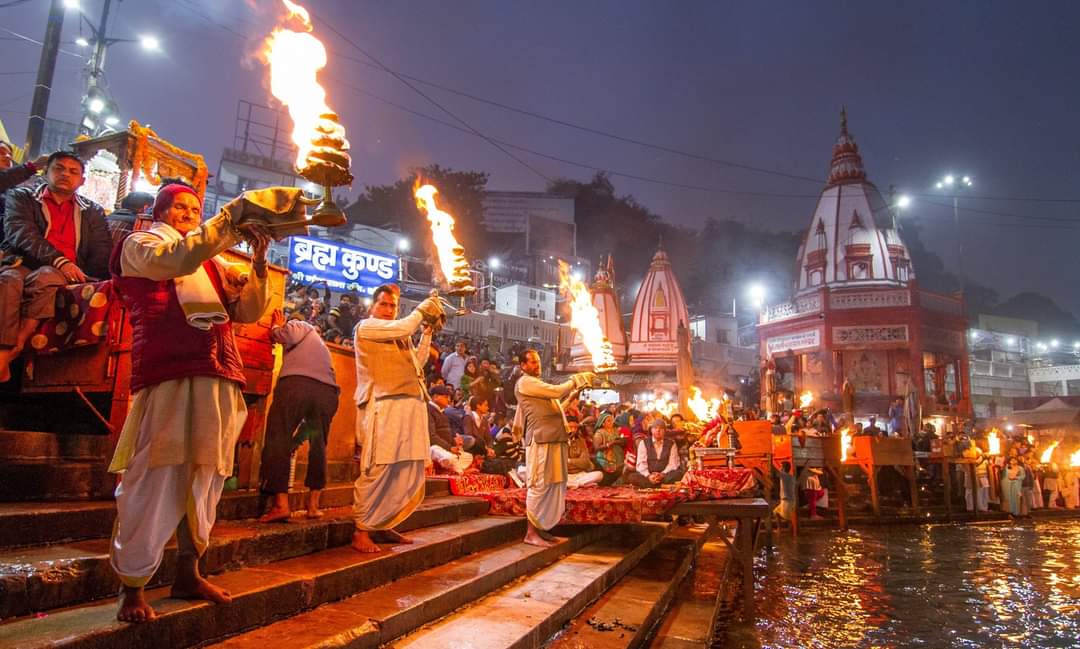
Schedule your most demanding activity on the first day when energy levels are highest. Follow rafting with lower-intensity experiences like Ganga aarti, cafe visits, or gentle walks. This allows recovery while still enjoying Rishikesh's broader offerings. If you're planning multiple adventures, consider spreading them across two days rather than compressing everything into a single exhausting session.
Final Planning Recommendations
White water rafting in Rishikesh can be a safe, thrilling experience when approached with proper preparation and realistic expectations. Choose your stretch based on group ability rather than social media trends. Prioritize operators who demonstrate transparent safety practices over those offering the lowest prices. Respect weather conditions and river status updates. Arrive prepared, listen carefully during briefings, and communicate openly with your guide and fellow rafters.
The best rafting experiences balance adrenaline with awareness. When you match your route to your skill, respect the river's power, and work with reputable operators, you create memories that justify Rishikesh's reputation as India's rafting capital. Plan thoughtfully, raft safely, and enjoy the Ganga's incredible energy responsibly.
Location
Frequently Asked Questions
Q1.What is the best season for rafting in Rishikesh?
Q2.Which rafting stretch is best for beginners?
Q3.Is rafting safe for first-time travelers?
Q4.What is the average budget for rafting?
Q5.What should I carry for rafting?
Q6.Can rafting be combined with other activities in one day?
Q7.Are there age limits for rafting?
Q8.What mistakes should travelers avoid?
Recommended For You
Rishikesh One-Day Itinerary: Ghats, Cafes & Adventure Stops
Plan a perfect one-day Rishikesh itinerary covering Laxman Jhula, Ram Jhula, Beatles Ashram, adventure activities and Ganga Aarti at Triveni Ghat.
Rishikesh: Complete Travel Plan Places And Weather
Complete Rishikesh travel guide featuring the Yoga Capital of the World with white water rafting, bungee jumping, ashrams, temples, best time to visit & practical tips.
Yoga Capital Rishikesh: Retreats, Ashrams and Practical Trip Planning
Plan your yoga-capital-rishikesh trip with ashram selection tips, day-wise itinerary ideas, weather strategy, and practical stay planning.
Never Miss an Adventure
Get the latest trekking guides, travel tips, and exclusive offers delivered straight to your inbox.
