

Andaman in Winter: Why November-February is Peak Season Magic

Rahul Garg
December 11, 2025
Planning Andaman in winter? Discover why November-February is peak season with perfect weather, ideal watersports conditions, and magical island experiences. Complete guide to Andaman winters.
Why Winter is the Best Time to Visit Andaman Islands
The Andaman Islands transform into a tropical paradise during winter months, offering visitors the perfect escape from mainland India's chilly weather. From November to February, these emerald islands in the Bay of Bengal showcase their best version with crystal-clear waters, pristine beaches, and ideal conditions for every water activity imaginable. Having traveled across multiple island destinations, I can confidently say that Andaman winters offer a unique combination of weather, accessibility, and experiences that few other places can match. What makes winter truly special in Andaman is the perfect harmony of elements. The mercury settles comfortably between 22°C and 30°C, creating pleasant days that are neither too hot nor too cold. The humidity drops significantly compared to monsoon months, making outdoor activities thoroughly enjoyable. More importantly, the seas transform into a tranquil turquoise canvas, with excellent visibility for underwater adventures – sometimes reaching up to 40 meters! This comprehensive guide covers everything you need to know about planning your Andaman winter vacation, from weather patterns and activities to packing tips and booking strategies.Understanding Andaman's Winter Weather
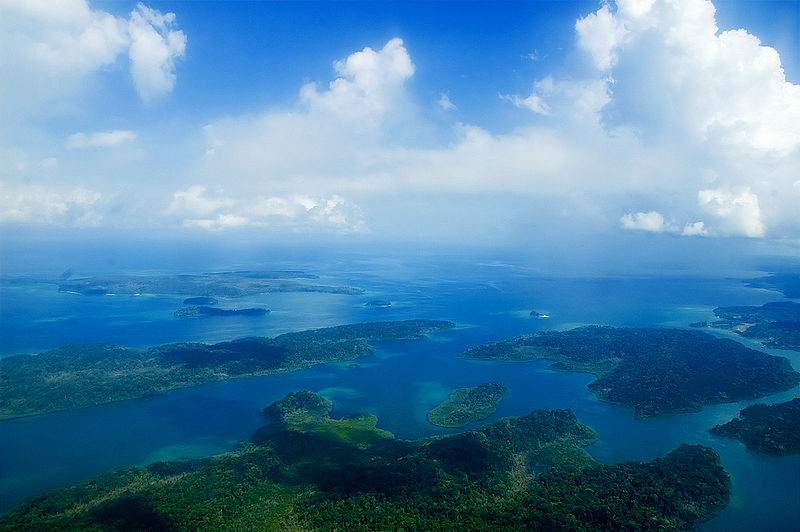 Winter in Andaman brings the most predictable and pleasant weather of the year. The season officially begins in November and extends through February, with each month offering slightly different advantages for travelers. November marks the transition from monsoon, with occasional showers giving way to consistently sunny days. December through February represent the peak of winter, characterized by virtually no rainfall, calm seas, and optimal visibility for underwater activities.
The temperature remains remarkably consistent throughout winter. Early mornings start with a refreshing cool around 22°C, perfect for activities like sunrise viewing or morning walks on the beach. As the day progresses, temperatures climb to a comfortable 28-30°C by afternoon – warm enough for beach activities but not scorching. Unlike mainland India's winter, you won't need heavy sweaters or jackets. Light cotton clothing suffices for most daytime activities, though a light layer might feel comfortable during early morning boat rides or evening strolls.
Winter in Andaman brings the most predictable and pleasant weather of the year. The season officially begins in November and extends through February, with each month offering slightly different advantages for travelers. November marks the transition from monsoon, with occasional showers giving way to consistently sunny days. December through February represent the peak of winter, characterized by virtually no rainfall, calm seas, and optimal visibility for underwater activities.
The temperature remains remarkably consistent throughout winter. Early mornings start with a refreshing cool around 22°C, perfect for activities like sunrise viewing or morning walks on the beach. As the day progresses, temperatures climb to a comfortable 28-30°C by afternoon – warm enough for beach activities but not scorching. Unlike mainland India's winter, you won't need heavy sweaters or jackets. Light cotton clothing suffices for most daytime activities, though a light layer might feel comfortable during early morning boat rides or evening strolls.
Month-by-Month Breakdown
November serves as an excellent shoulder month. The tourist rush hasn't peaked yet, meaning better availability and prices. The sea has calmed down significantly from monsoon turbulence, making ferry operations more reliable. However, occasional early morning showers might occur, though they rarely disrupt travel plans. December brings the beginning of peak season. The weather is consistently sunny and dry. This is also when Christmas and New Year celebrations add a festive dimension to the islands. However, it's also the most expensive and crowded period, requiring advance bookings for everything from flights to accommodation and activities. January offers arguably the best weather of the year. Skies remain crystal clear, humidity is at its lowest, and underwater visibility reaches its peak. It's still peak season, so crowds remain high, but the weather reliability makes it worth navigating the crowds. February continues January's excellent weather pattern but sees slightly fewer tourists as the peak season begins tapering. The water temperature starts rising slightly, making extended snorkeling and diving sessions even more comfortable. This is often considered the sweet spot for winter visitors – great weather with slightly less pressure on bookings.Advantages of Visiting During Peak Season
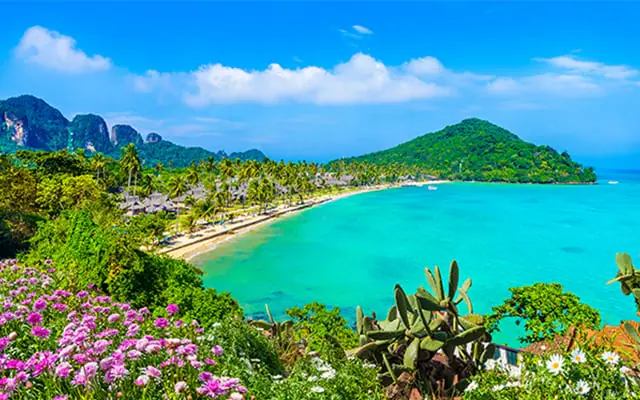 Traveling to Andaman during winter peak season comes with numerous advantages that justify the higher costs and crowds. The most significant benefit is weather reliability. When you plan your vacation during winter, you can virtually guarantee that your itinerary will proceed without weather-related disruptions. Scuba diving sessions, island-hopping ferries, and sunset cruises operate with maximum reliability during these months.
Underwater visibility reaches its absolute best during winter. For divers and snorkelers, this is crucial. The clear water and minimal disturbance mean you can see vibrant coral reefs, sea turtles, reef sharks, and colorful fish with remarkable clarity. Many underwater photographers specifically plan their Andaman trips for winter to capture those crystal-clear shots that would be impossible during monsoon when sediment churns up the water.
The calm seas make ferry travel between islands much more comfortable. For anyone prone to seasickness, winter is the only time to attempt the longer ferry routes, such as Port Blair to Havelock or Neil Island. The journey transforms from a potentially nausea-inducing experience in rough monsoon seas to a pleasant boat ride across glassy waters in winter. This reliability also means that inter-island travel schedules are more consistent, giving you greater flexibility in planning your island-hopping adventures.
Traveling to Andaman during winter peak season comes with numerous advantages that justify the higher costs and crowds. The most significant benefit is weather reliability. When you plan your vacation during winter, you can virtually guarantee that your itinerary will proceed without weather-related disruptions. Scuba diving sessions, island-hopping ferries, and sunset cruises operate with maximum reliability during these months.
Underwater visibility reaches its absolute best during winter. For divers and snorkelers, this is crucial. The clear water and minimal disturbance mean you can see vibrant coral reefs, sea turtles, reef sharks, and colorful fish with remarkable clarity. Many underwater photographers specifically plan their Andaman trips for winter to capture those crystal-clear shots that would be impossible during monsoon when sediment churns up the water.
The calm seas make ferry travel between islands much more comfortable. For anyone prone to seasickness, winter is the only time to attempt the longer ferry routes, such as Port Blair to Havelock or Neil Island. The journey transforms from a potentially nausea-inducing experience in rough monsoon seas to a pleasant boat ride across glassy waters in winter. This reliability also means that inter-island travel schedules are more consistent, giving you greater flexibility in planning your island-hopping adventures.
Festive Season Magic
December visitors get to experience the islands during the Christmas and New Year period, which brings unique celebrations and events. Many resorts and hotels host special gala dinners, beach parties, and cultural programs. The atmosphere in Havelock and Neil Island becomes particularly festive, with beachside New Year celebrations that rival those in mainland cities. New Year's Eve at Radhanagar Beach, watching fireworks over the Bay of Bengal, creates memories that last a lifetime. However, this festive period (December 20-January 5) is also the most expensive time to visit. Hotels charge premium rates, sometimes double their usual prices. Activities book out weeks in advance. If you're planning to visit during this period, make your reservations at least 2-3 months ahead to secure your preferred accommodations and activity slots.Best Winter Activities and Watersports
Winter creates ideal conditions for Andaman's famous watersports. The calm, clear waters and excellent visibility make this the premier season for underwater adventures. Here's what you should prioritize during your winter visit:Scuba Diving
Winter offers the best diving conditions in Andaman. Water clarity reaches its peak, sometimes exceeding 30 meters visibility. Popular dive sites like Mac Point, Sedation Point, and Pilot Reef near Havelock Island showcase their full glory during these months. The water temperature hovers around 28°C, comfortable for extended dive times without requiring thick wetsuits. For certified divers, winter brings opportunities to spot rarely seen marine creatures. Reef sharks, eagle rays, and occasionally manta rays become more visible in the clear water. Even if you're not certified, winter is the perfect time to try a discover scuba diving session. The calm conditions make it easier for beginners, and the excellent visibility ensures you'll see plenty even on your first dive.Snorkeling
You don't need to be a certified diver to experience Andaman's underwater wonders. Snorkeling spots like Elephant Beach in Havelock, Bharatpur Beach in Neil Island, and North Bay Island offer incredible experiences during winter. The shallow coral reefs come alive with colorful fish, sea turtles, and intricate coral formations. Winter's calm waters make snorkeling accessible even for those not confident swimmers. Many places offer guided snorkeling with safety equipment and instruction. The clear water means you can see everything clearly from the surface – no need to dive deep to appreciate the vibrant marine ecosystem.Sea Walking and Glass Bottom Boats
For those who prefer to stay dry, sea walking at North Bay Island offers a unique experience. You wear a specialized helmet that allows you to walk on the sea floor while breathing normally. Winter's calm conditions make this activity safer and more enjoyable. Similarly, glass-bottom boat rides provide excellent views of underwater coral gardens without getting wet.Other Adventure Activities
Jet Skiing
The calm winter seas create perfect conditions for jet skiing. Rajiv Gandhi Water Sports Complex in Port Blair and Elephant Beach in Havelock offer jet ski rides. The smooth water makes it easier for beginners and allows for more exhilarating rides for experienced riders.Parasailing
Soar above the turquoise waters while parasailing at Corbyn's Cove Beach in Port Blair. Winter's consistent wind conditions make parasailing particularly enjoyable. The aerial views of the coastline and coral reefs are spectacular in the clear winter air.Kayaking
Explore mangrove forests and secluded lagoons by kayak. Havelock Island offers excellent kayaking opportunities, including sunrise and sunset tours. The calm seas of winter make kayaking accessible even for those with limited experience. Paddling through mangrove tunnels at sunset, with the water reflecting the golden sky, is a serene winter experience unique to Andaman.Island Hopping in Winter
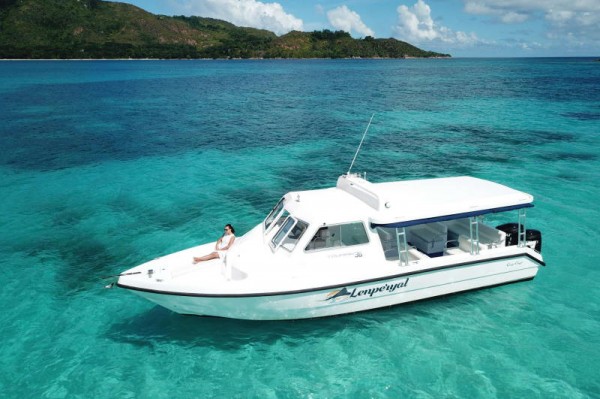 Island hopping is the essence of any Andaman vacation, and winter makes it thoroughly enjoyable. The reliable ferry schedules and calm seas allow you to create a multi-island itinerary without worrying about weather disruptions. Here's how to approach island hopping during winter:
Port Blair: The Gateway
Most visitors start their journey in Port Blair, the capital city connected to mainland India by air and sea. While Port Blair itself might not match the beauty of other islands, it's worth spending a day here. Visit the historic Cellular Jail, particularly for the evening light and sound show that brings India's freedom struggle to life. Corbyn's Cove Beach, just 7 kilometers from the city center, offers a convenient spot for water sports. Anthropological Museum provides fascinating insights into the indigenous tribes of Andaman. Chatham Saw Mill, one of Asia's oldest sawmills, offers an interesting glimpse into the islands' history.Havelock Island (Swaraj Dweep)
Havelock, officially renamed Swaraj Dweep, is Andaman's most popular island destination. The ferry from Port Blair takes approximately 2-2.5 hours in winter's calm seas. This island should be the centerpiece of your Andaman itinerary, requiring at least 3-4 days to explore properly. Radhanagar Beach, often voted Asia's best beach, is the crown jewel of Havelock. The winter sunset here is legendary – the sky transforms into a canvas of oranges, pinks, and purples, reflecting perfectly on the calm water. Even during peak season, the beach's long shoreline means there's always space to find your own patch of paradise. Elephant Beach offers water sports and shallow snorkeling perfect for beginners. The beach got its name from wild elephants that once swam here, though you won't see them anymore. What you will see are vibrant coral reefs just meters from the shore, teeming with marine life. Vijaynagar Beach on the island's eastern side offers a completely different experience – a long, secluded stretch perfect for morning walks and sunrise watching. The beach is lined with resorts but remains surprisingly uncrowded, even in winter.Neil Island (Shaheed Dweep)
Neil Island, now called Shaheed Dweep, is Havelock's quieter, more relaxed cousin. The ferry from Havelock takes just over an hour in winter's smooth seas. Neil deserves at least 2-3 days of your itinerary and appeals strongly to travelers seeking tranquility. Bharatpur Beach offers excellent shallow snorkeling. The coral here starts just a few meters from shore, making it perfect for those who prefer not to venture into deep water. Laxmanpur Beach is famous for its sunset views and natural rock formations. At low tide, you can walk across the seabed to explore small caves and pools teeming with small marine creatures. Sitapur Beach, also known as Sunrise Beach, lives up to its name. Winter mornings here are magical – watching the sun emerge from the horizon while the gentle waves lap against the shore is a spiritual experience. The beach is lined with guesthouses and cafes, perfect for spending a lazy morning.Ross and Smith Islands
This twin island connected by a natural sandbar is accessible from Diglipur in North Andaman. The journey requires more time and planning but rewards you with one of Andaman's most unique experiences. During low tide, you can walk across the sandbar from one island to another. The beaches here are pristine and virtually untouched by mass tourism. Getting here involves an overnight ferry from Port Blair to Diglipur, then a short boat ride. While the effort is substantial, winter makes this journey feasible. The rough seas that sometimes plague this route during monsoon calm down significantly in winter, making the overnight ferry more comfortable.Baratang Island
Located between Port Blair and Havelock, Baratang offers unique experiences like limestone caves, mud volcanoes, and mangrove creeks. The journey through dense tropical forests and Jarawa tribal reserves creates an adventurous road trip experience. However, note that this trip requires permits and convoy travel timing, so plan accordingly. The limestone caves here, formed over millions years, feature spectacular stalactite and stalagmite formations. The mud volcano, one of Asia's few, is a fascinating geological wonder. Winter's drier conditions make accessing these sites easier and more enjoyable.Winter Itineraries and Trip Durations
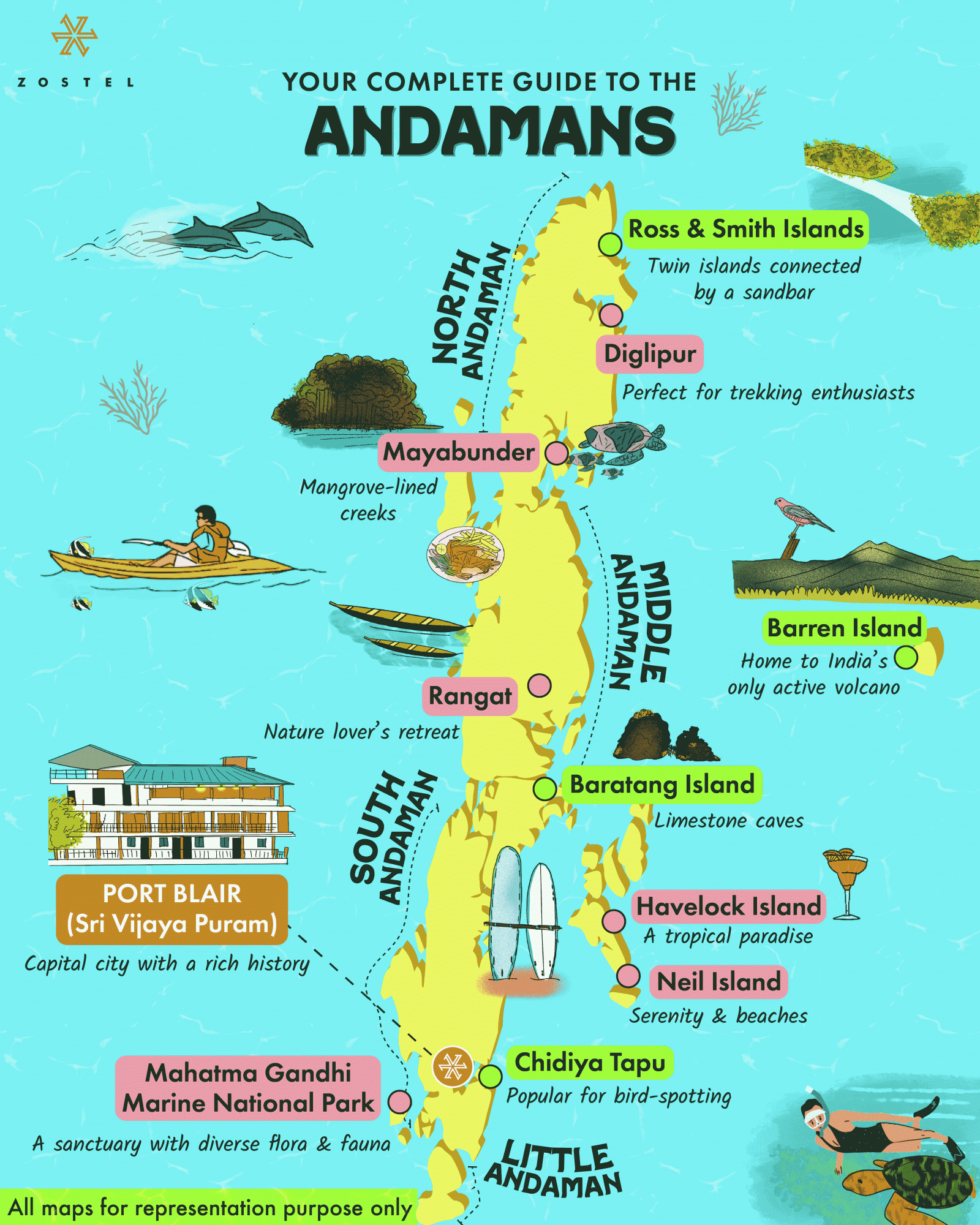 Planning the right duration for your Andaman winter trip is crucial for a fulfilling experience. Here are some recommended itineraries based on different trip lengths:
5-Day Quick Getaway
Day 1: Arrive in Port Blair. Visit Cellular Jail and catch the evening light and sound show. Overnight in Port Blair. Day 2: Morning ferry to Havelock Island (2.5 hours). Check into your resort and spend the afternoon at Radhanagar Beach for the famous sunset. Overnight in Havelock. Day 3: Morning snorkeling at Elephant Beach. Afternoon relax at Vijaynagar Beach. Second sunset at Radhanagar Beach. Overnight in Havelock. Day 4: Morning ferry to Neil Island (1 hour). Visit Bharatpur Beach for snorkeling, then Laxmanpur Beach for sunset. Overnight in Neil Island. Day 5: Sunrise at Sitapur Beach, ferry back to Port Blair, and depart. This rushed itinerary covers the absolute highlights but leaves you wanting more.7-Day Classic Experience
Days 1-2: Port Blair – Explore Cellular Jail, Anthropological Museum, Corbyn's Cove Beach, and Chatham Saw Mill. Days 3-5: Havelock Island – Three full days allow for scuba diving, multiple beaches, and relaxed exploration. Don't miss the sunset at Radhanagar Beach at least twice. Days 6-7: Neil Island – Two days to properly experience both beaches and the island's relaxed pace. This is the minimum duration I recommend for a satisfying Andaman experience.10-Day Comprehensive Trip
Days 1-2: Port Blair – Add a day trip to Ross Island and North Bay Island for snorkeling and sea walking. Days 3-5: Havelock Island – Include a day trip to John Lawrence Island for pristine beaches and excellent snorkeling. Complete PADI Open Water Diver certification if interested. Days 6-7: Neil Island – Explore both beaches at leisure, rent a scooter to discover hidden corners, and enjoy the island's famous fresh seafood. Days 8-9: Either return to Port Blair for Baratang Island's limestone caves and mud volcanoes, or head to Diglipur for Ross and Smith Islands. Day 10: Departure from Port Blair. This comprehensive itinerary allows you to experience Andaman's diversity without rushing.14-Day Ultimate Andaman Experience
For those who can spare two weeks, split your time evenly: 3 days in Port Blair area, 5 days in Havelock, 3 days in Neil Island, and 3 days for either Baratang or Diglipur. This pace allows for genuine relaxation, multiple scuba dives, and discovering hidden gems that most tourists miss. You'll have time to simply sit at a beach cafe, read a book, and let the island rhythm take over – which is ultimately what Andaman is all about.Winter Packing Guide
Packing for Andaman winter requires different considerations than packing for mainland India's winter. Here's what you should bring:Clothing
Light cotton clothing is essential. Pack t-shirts, shorts, and light dresses. While you won't need winter wear, bring 1-2 light sweaters or long-sleeved shirts for early morning ferry rides and air-conditioned interiors. A light jacket might feel comfortable on flights and in hotel rooms with strong AC. Beachwear is obvious – swimwear, cover-ups, and flip-flops. However, also pack modest clothing for temple visits and town areas. Andaman, while relaxed, appreciates modest dress in religious and urban spaces. A rain jacket or poncho is worth packing despite winter being the dry season. Occasional showers can occur, especially in November. It's also useful for ferry rides where sea spray might get you wet.Footwear
Comfortable walking shoes are needed for sightseeing and walking around towns. Water shoes or sandals with straps are essential for rocky beaches and coral areas to protect your feet from cuts. Flip-flops are perfect for casual beach time and easily slipping on and off.Essential Items
Sunscreen is non-negotiable. The tropical sun, even in winter, is intense. Bring broad-spectrum sunscreen with at least SPF 30. A wide-brimmed hat and sunglasses provide additional protection. Insect repellent is important, especially for evening activities. Mosquitoes can be bothersome, particularly after sunset. Bring a good repellent with DEET or picaridin. A waterproof phone case or dry bag is invaluable for boat trips and beach activities. Protecting your electronics from saltwater and sand is crucial. A basic first-aid kit with band-aids, antiseptic, motion sickness medication (for ferry rides), and any personal medications is essential. While pharmacies exist in Port Blair and major islands, they might not have your preferred brands.Water Sports Gear
If you have your own snorkeling gear, bring it. While rental gear is available, having your own mask and snorkel ensures proper fit and hygiene. However, don't burden yourself with bulky items like fins – rent those locally. Underwater camera? The excellent visibility and vibrant marine life make winter perfect for underwater photography. Even a simple waterproof phone case can capture incredible shots.Booking and Planning for Peak Season
Winter's peak season demand requires strategic planning and early bookings. Here's how to approach planning your winter Andaman trip:Flights
Book flights as early as possible, especially for December travel. Direct flights connect Port Blair to major Indian cities like Delhi, Mumbai, Bangalore, Chennai, and Kolkata. Prices increase significantly 2-3 months before travel dates for peak season. If your travel dates are flexible, mid-week flights are often cheaper than weekend flights. Consider flying to Chennai or Kolkata and taking a ferry if flight prices are prohibitive. However, the ferry journey takes 3-4 days round trip, eating into your vacation time. For winter visits with limited days, flying is usually worth the extra cost.Accommodation
Hotel bookings should be made at least 2-3 months in advance for December-January visits. For February, 1-2 months advance booking might suffice. Andaman offers options from luxury resorts to budget guesthouses. Luxury resorts in Havelock and Neil Island offer beachfront cottages, excellent restaurants, and organized activities. These cost ₹8,000-15,000 per night during peak season but provide a complete experience. Mid-range hotels and guesthouses (₹3,000-6,000 per night) offer good value and comfort. Many are family-run and provide personalized service. Budget options (₹1,000-2,500 per night) include basic guesthouses and homestays. While facilities are basic, they're clean and functional. In peak season, even these budget options require advance booking.Ferries
Ferry tickets between islands should be booked online in advance during winter. Government ferries are cheaper but book out quickly. Private ferries like Makruzz and Green Ocean are more expensive but offer more frequent sailings and better comfort. For the Port Blair-Havelock route, morning departures (usually 6-7 AM) are recommended as seas are calmer. The afternoon return ferry from Havelock allows you to maximize your time on the island.Activities
Scuba diving, sea walking, and other activities should be booked through your hotel or reputable operators. In peak season, popular time slots fill up. Booking a day in advance ensures you get your preferred timing. For scuba diving, choose operators affiliated with PADI or SSI for safety standards. Don't choose based on price alone – diving safety equipment and procedures vary between operators.Permits
Indian nationals don't need special permits for most areas. However, foreign nationals require Restricted Area Permits (RAP) for visiting certain islands. These are usually arranged by tour operators or can be obtained on arrival in Port Blair. For Baratang Island and Jarawa reserve areas, all tourists require permits, which are typically arranged as part of tour packages due to convoy timing requirements.Winter Cost Considerations
Winter is the most expensive time to visit Andaman, but the premium is justified by the excellent conditions. Here's what you should expect to spend:Flights
Round-trip flights to Port Blair from major Indian cities cost ₹15,000-30,000 per person during peak season, depending on departure city and how far in advance you book. December is most expensive; February offers the best value within the winter season.Accommodation
Peak season rates are approximately 30-50% higher than off-season. Budget accommodations cost ₹1,500-2,500 per night, mid-range hotels ₹3,500-7,000 per night, and luxury resorts ₹10,000-20,000 per night.Activities
Scuba diving costs ₹4,000-6,000 per dive including equipment. Discover scuba experiences are similarly priced. Snorkeling trips cost ₹1,500-2,500. Sea walking is ₹3,500-4,500. Ferry tickets between islands cost ₹1,000-2,500 per journey depending on the ferry type.Total Trip Budget
For a 7-day winter trip including flights, accommodation, activities, and meals, expect to spend: Budget traveler: ₹35,000-45,000 per person Mid-range: ₹50,000-70,000 per person Luxury: ₹90,000+ per person These are rough estimates, and actual costs vary based on your choices and how far in advance you book.Winter Travel Tips
Stay Hydrated and Protected
The tropical sun can be deceptive. Even though it doesn't feel extremely hot, UV exposure is significant. Drink plenty of water, reapply sunscreen frequently, and seek shade during peak sun hours (11 AM - 3 PM).Respect Marine Life
Andaman's coral reefs are fragile. Don't touch or step on coral. Maintain distance from marine creatures. Choose reef-safe sunscreen to minimize your environmental impact.Support Local Businesses
Eat at local restaurants, hire local guides, and buy souvenirs from local artisans. Your tourism dollars directly support island communities.Be Patient with Crowds
Peak season means crowds at popular spots. Radhanagar Beach will be busy, ferries will be full, and restaurants might have waits. Embrace the popularity – these places are famous for good reason. Early morning and late afternoon visits to popular spots help avoid peak crowds.Keep Travel Documents Handy
Carry copies of your ID, permits, and booking confirmations. Internet connectivity can be spotty, and having physical copies of important documents prevents issues.Book Ferries Carefully
Government ferries are cheaper but less frequent and more crowded. Private ferries cost more but offer better comfort and more sailing options. For inter-island travel during peak season, private ferries are often worth the extra cost for reliability.Conclusion
Andaman in winter offers the quintessential tropical island experience – pristine beaches, crystal-clear waters, vibrant coral reefs, and reliable weather that lets you make the most of every day. Yes, it's more expensive and more crowded than other seasons. Yes, you need to plan months in advance. But the experience of watching a sunset at Radhanagar Beach, swimming with sea turtles in Neil Island's shallow reefs, and waking up to the sound of gentle waves is absolutely worth it. The key to a successful winter Andaman trip is balancing must-see attractions with relaxed downtime. Don't try to pack too much into your itinerary. Choose 2-3 islands maximum and really experience them rather than rushing between 5-6 islands. Spend an entire afternoon at a single beach cafe reading a book. Take a nap in a hammock. Wake up early for sunrise even when you don't have to. These moments of unplanned magic often become the trip's highlights. Whether you're a solo traveler seeking adventure, a couple looking for romance, or a family wanting a beach vacation, Andaman winters deliver something special. The islands' natural beauty, combined with winter's excellent conditions, creates memories that last a lifetime. Start planning early, pack light, and get ready to discover why Andaman's winter season is truly peak season magic. For those inspired to explore more of India's incredible destinations, our Kerala backwaters guide offers another tropical paradise experience. If you're interested in island destinations beyond India, check out our Maldives travel guide for luxury island experiences. And don't miss our guide to Goa in December for another fantastic winter beach destination in India. The Andaman Islands are waiting to show you their winter magic – all that's missing is you.Location
Frequently Asked Questions
Q1.Is winter the best time to visit Andaman?
Yes, winter (November-February) is undoubtedly the best time to visit Andaman. The weather is perfect with temperatures ranging from 22-30°C, virtually no rainfall, calm seas, and excellent underwater visibility.
This peak season offers ideal conditions for all activities - from beach lounging to scuba diving and island hopping. The only downsides are higher prices and larger crowds, which can be managed by booking in advance and planning strategically.
Q2.Is Andaman very cold in December?
No, Andaman is not cold in December. The tropical islands maintain pleasant temperatures between 22-30°C throughout winter.
December brings comfortable weather - warm enough for beach activities and water sports without being scorching hot like summer months. You won't need winter clothing, though a light sweater might feel comfortable during early morning ferry rides or in air-conditioned spaces.
Q3.Which month is best for Andaman trip?
October to May is considered the best period for Andaman, with November-February being peak season.
January offers the absolute best weather with crystal-clear skies, minimal humidity, and excellent underwater visibility. February is equally beautiful with slightly fewer tourists. December is fantastic but more expensive due to Christmas and New Year. March-May offers good value with warm weather perfect for water activities.
Q4.Can we swim in Andaman in January?
Absolutely! January is one of the best months for swimming in Andaman. The sea temperature is a comfortable 28°C, and the water is calm and clear.
Conditions are perfect for all water activities - swimming, snorkeling, scuba diving, and other water sports. The excellent visibility (up to 40 meters) makes January ideal for underwater activities. Beaches like Radhanagar, Bharatpur, and Elephant Beach offer fantastic swimming experiences.
Q5.How many days are enough for Andaman in winter?
For a satisfying Andaman experience, plan at least 7 days. A 5-day trip covers highlights but feels rushed.
7 days allows for Port Blair (2 days), Havelock (3 days), and Neil Island (2 days) - the classic itinerary. 10-14 days is ideal for a relaxed experience including either Baratang Island's limestone caves or Diglipur's twin islands. Longer trips let you discover hidden gems and truly embrace the island pace of life.
Q6.Is Andaman expensive in December?
Yes, December is the most expensive month to visit Andaman due to peak tourist season, Christmas holidays, and New Year celebrations.
Hotel rates can be 50-100% higher than off-season. Flights are at their most expensive. Activities and ferries also see price increases. Budget approximately 30-40% more for a December trip compared to March-April. However, the excellent weather and festive atmosphere make it worth the premium for many travelers.
Q7.What should I pack for Andaman in winter?
Pack light cotton clothing - t-shirts, shorts, summer dresses. You don't need winter clothes, but bring 1-2 light sweaters for early mornings and AC spaces.
Essential items include swimwear, beach cover-ups, comfortable walking shoes, water shoes for rocky beaches, flip-flops, sunscreen (SPF 30+), hat, sunglasses, insect repellent, rain jacket for occasional showers, waterproof phone case, and basic first-aid kit including motion sickness medication for ferries.
Q8.Are there any festivals in Andaman during winter?
December brings Christmas and New Year celebrations with special events at resorts and beaches. Radhanagar Beach hosts spectacular New Year's Eve celebrations.
Island Tourism Festival in January showcases Andaman's culture through performances, food stalls, and water sports competitions. The pleasant weather makes these outdoor festivals thoroughly enjoyable. These festive periods add unique cultural experiences to your beach vacation, though they also bring larger crowds and higher prices.
Recommended For You
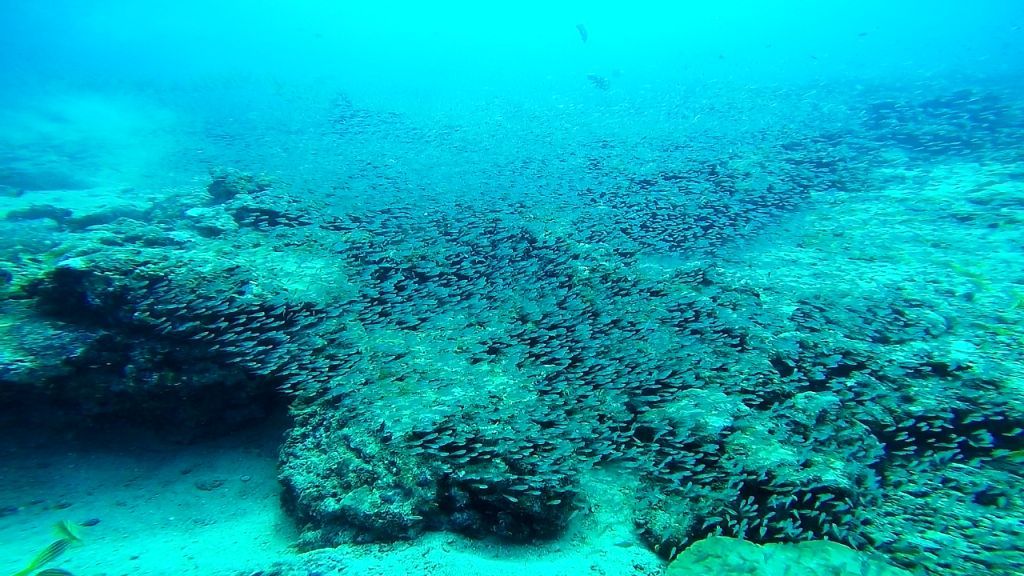
Scuba Diving in Andaman: Best Spots & Prices
Scuba diving in Andaman guide with best dive spots, price ranges, beginner safety rules, no-fly timing, and practical planning tips for Havelock and Neil.
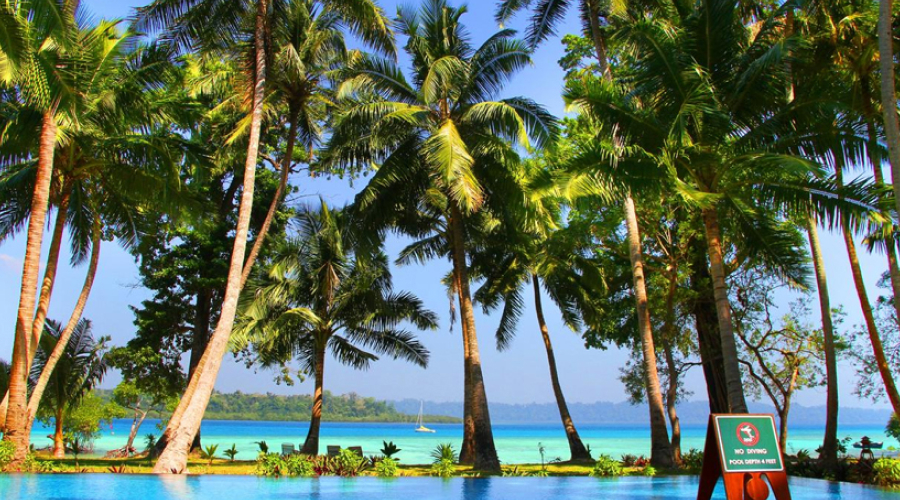
Havelock Island (Swaraj Dweep): Beaches, Stay & Ferry Planning
Discover Havelock Island (Swaraj Dweep) in Andaman - home to the legendary Radhanagar Beach. Explore pristine beaches, world-class scuba diving, water sports, and island adventures in this tropical paradise. Complete travel guide with practical tips and itineraries.
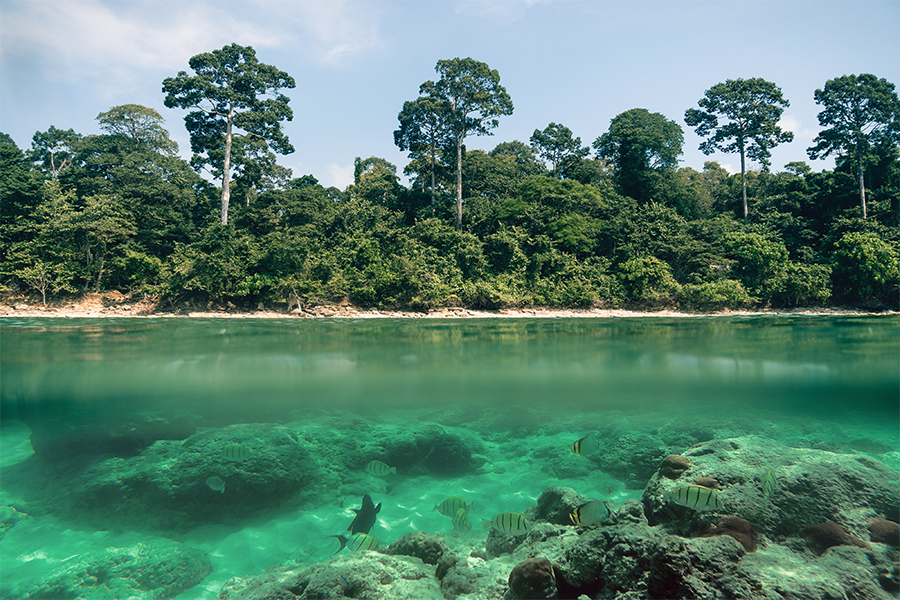
Neil's Cove Andaman: Access, Reef Views & Photo Points
A complete Neils Cove guide covering location, snorkeling, best season, how to reach, nearby spots, and practical planning tips for Neil Island.
Never Miss an Adventure
Get the latest trekking guides, travel tips, and exclusive offers delivered straight to your inbox.
