
Aryan Valley Ladakh: The Brokpa Tribe's Last Homeland

Neha Kapoor
February 19, 2026
Explore Aryan Valley Ladakh, home to the unique Brokpa tribe. Discover their culture, villages, how to reach, best time to visit, and responsible tourism tips.
Aryan Valley Ladakh: Practical Guide to the Brokpa Region
Aryan Valley in Ladakh is one of the most discussed cultural destinations in the Himalayas, but many itineraries reduce it to a quick “tribe visit” without context. That approach misses the point. This region, often associated with the Brokpa community, deserves careful planning, respectful behavior, and time for real interaction. If you want the trip to be meaningful, treat Aryan Valley as a cultural landscape, not a checklist stop.
This guide covers route logistics, village planning, permits, responsible travel behavior, and what first-time visitors should realistically expect. It is designed for travelers who want a balanced plan with cultural sensitivity. For broader route design, pair this with places to visit in Leh Ladakh and acclimatization support from acute mountain sickness guidance.
What Is Aryan Valley in Ladakh?
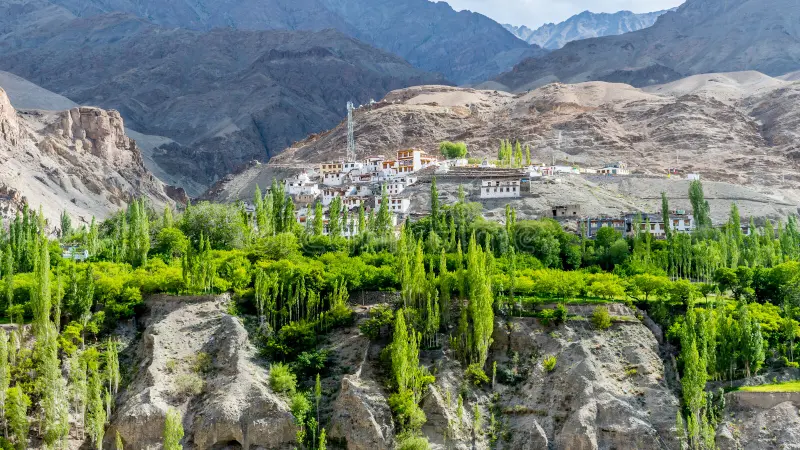
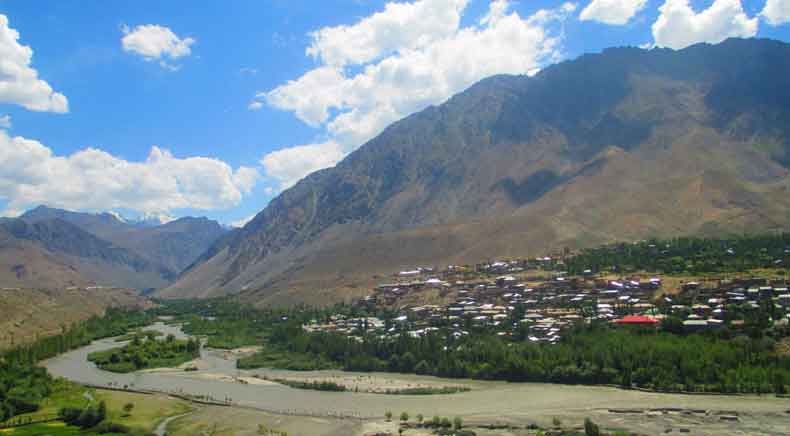
Aryan Valley usually refers to a set of villages in western Ladakh, especially around Dha, Hanu, Garkone, and nearby settlements. The area has gained visibility because of the Brokpa community and its distinct cultural identity. Travelers visit for local architecture, traditional attire, oral traditions, farming practices, and mountain village life that differs from central Leh circuits.
However, the region should not be marketed through sensational narratives. Identity discussions in Ladakh are complex, and respectful interpretation matters. As a visitor, your role is to observe and learn, not to label communities with shallow stereotypes. Local guides and hosts can provide better cultural framing than social media myths.
How to Reach Aryan Valley from Leh
Leh is the standard base. From Leh, Aryan Valley generally needs a full-day road plan depending on stop patterns and road conditions. Private taxi is the most practical option for first-time visitors because public transport is limited and schedule-dependent. If you are using a cab, discuss day plan clearly: villages, waiting time, meal halt, and return or overnight drop.
Do not rush the route immediately after landing in Leh. Keep at least 48 hours for acclimatization in town before long drives. Many travelers combine a soft first day around Leh Bazaar and monastery visits before taking western routes. This reduces fatigue and altitude-related discomfort.
Permits and Entry Considerations
Permit needs can vary by nationality and current administration rules. Indian travelers usually face fewer restrictions in standard tourist areas, while foreign travelers may need additional checks depending on zones and policy updates. Always verify current requirements with local authorities or reliable Leh-based operators before finalizing travel dates.
Carry original ID/passport and multiple photocopies. Mobile network can be unreliable on certain stretches, so keep both printed and offline digital copies of bookings and IDs. Do not assume app-based documents will always load during field verification.
Best Time to Visit Aryan Valley
The most practical season is late spring to early autumn, when roads are generally more stable and village movement is easier. Summer and early autumn offer clearer skies, farm activity, and better walking conditions. Winter travel is possible for experienced mountain travelers, but services are fewer and road uncertainty is higher.
If your goal is photography and cultural interaction, avoid over-compressed same-day runs. Overnight stay improves the experience significantly. You get softer light, slower interactions, and more grounded observation of daily village life. Plan weather buffers in case of route delays.
Village Experience: What to Expect
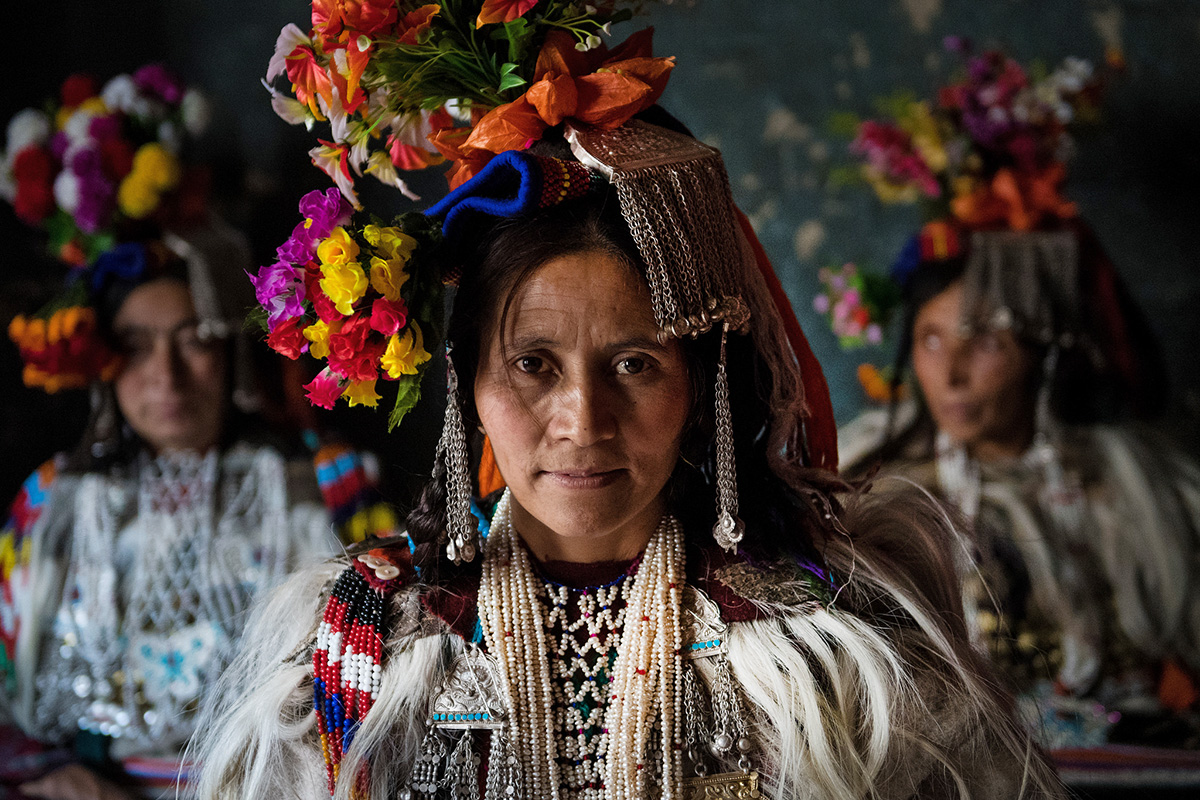
Villages in Aryan Valley are not curated tourist sets. They are active settlements where people farm, trade, study, and follow local social rhythms. You may see traditional houses, storage structures, prayer spaces, and cultivated fields depending on season. The value of the visit lies in quiet observation and respectful conversation, not in intrusive photo-chasing.
Ask before entering any private space. Do not assume every resident wants to be photographed in traditional attire. Some homes may welcome short interactions, while others prefer privacy. A calm, polite approach usually opens better conversations than a hurried group-tour style.
Culture and Identity: Travel Responsibly
Much of Aryan Valley tourism is distorted by dramatic claims about “pure race” narratives. Responsible travel avoids such framing. Communities here are living cultures, not museum categories. Use local terms respectfully, avoid loaded language, and do not push residents into identity-based performance for entertainment.
If you are hiring guides, choose operators who prioritize cultural context over sensational storytelling. Ask for history, migration patterns, agricultural systems, and local language insights. This gives a richer understanding and supports better community-centered tourism.
Homestays and Accommodation
Homestays are often the best way to experience Aryan Valley because they offer direct exposure to local food, routine, and hospitality. Facilities are usually basic compared with urban hotels, so adjust expectations accordingly. Carry warm layers, personal medicine, and essentials if you are staying overnight.
Confirm inclusions before arrival: meals, heating, hot water availability, and electricity timing. In mountain regions, simple preparation prevents avoidable friction. If you prefer hotel comfort, stay in Leh and do an extended day trip, but keep realistic travel hours.
Food and Daily Essentials
Meals in homestays are generally simple, seasonal, and filling. Depending on host household, you may get local grains, vegetables, tea, and basic meat options. Travelers with strict dietary requirements should communicate early and keep backup snacks. Do not expect city-style menus in remote village setups.
Carry a refillable bottle, dry snacks, and motion-sickness support if long drives affect you. Keep waste with you until proper disposal points. Mountain ecosystems are fragile, and visitor responsibility matters.
Photography Guidelines
Photography is one of the biggest reasons people visit Aryan Valley, but ethics are non-negotiable. Always ask for consent before close portraits. Do not photograph children without guardian approval. Avoid staged “cultural” shots that pressure locals to perform for tips. Respect is more important than content volume.
Use long-lens observation from public spaces when uncertain. If someone declines a photo, accept immediately and move on. A respectful photographer usually receives better opportunities than an aggressive one.
Suggested 2-Day Plan from Leh
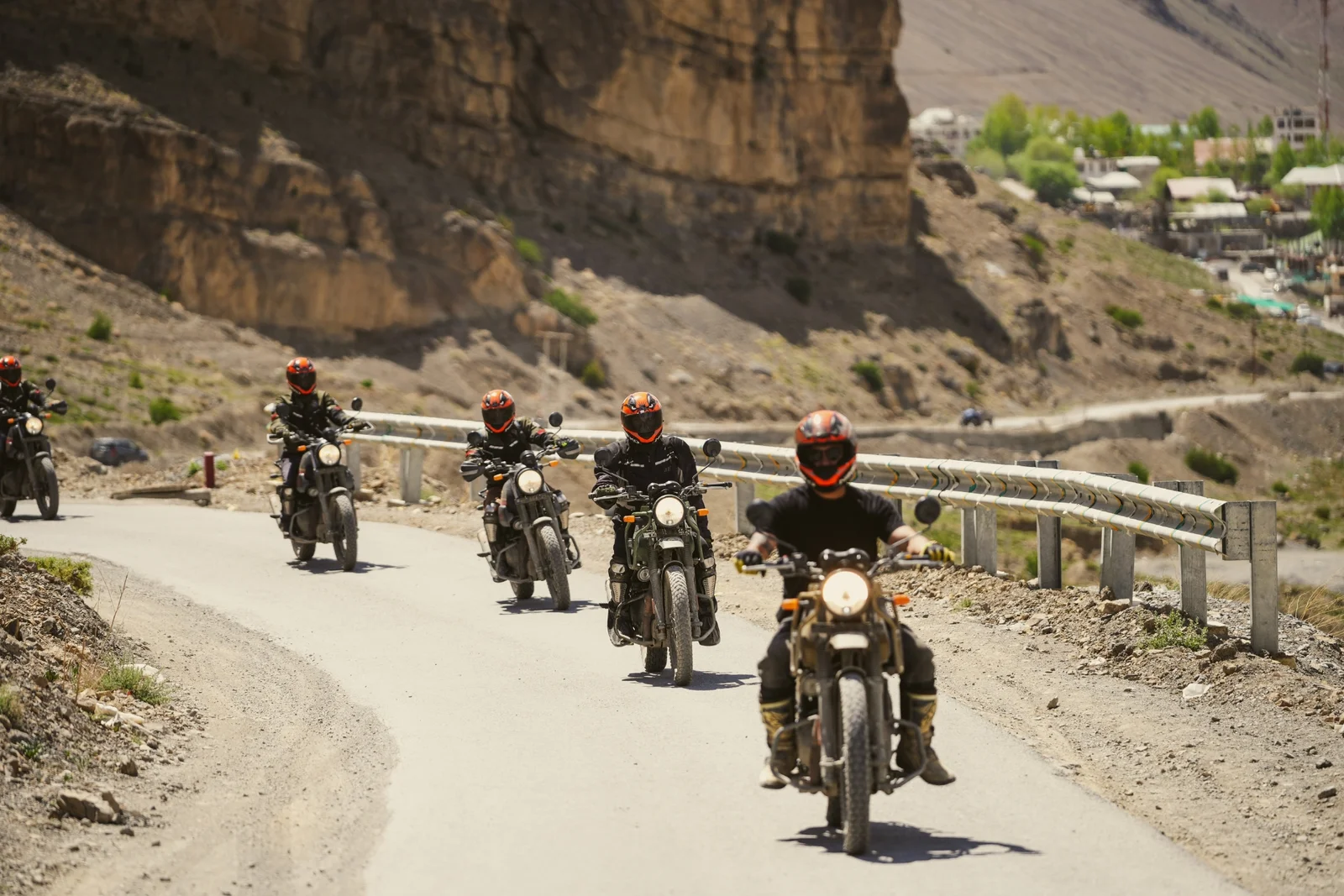
Day 1: Depart Leh after early breakfast, stop at viewpoints en route, reach village zone by noon, local walk with guide, homestay check-in, evening conversation with host family.
Day 2: Morning village exploration and agriculture observation, early lunch, return drive to Leh with photo halts, rest evening.
This structure allows cultural depth without exhausting transfers. If weather is uncertain, keep flexible return timing and avoid late-night road pushes.
Cost and Planning Tips
Main cost heads are transport, stay, guide support, and meals. Shared plans are cheaper but less flexible. Private transport is costlier but better for controlled timing and responsible village interactions. Build a small contingency for weather, route delays, and emergency medical needs.
Do not over-optimize for lowest cost at the expense of local fairness. Paying responsible rates to local hosts and guides improves tourism quality and directly benefits the community.
Final Advice for First-Time Visitors
Aryan Valley is worth visiting when approached with patience, context, and humility. Keep your expectations realistic: roads can be long, services can be basic, and interactions depend on trust. If you slow down and travel respectfully, the experience is deeply rewarding.
Use this route as part of a wider Ladakh circuit with cultural and natural balance. Add monastery and pass experiences such as Hemis Monastery and landscape-focused days from Ladakh by road. Done well, Aryan Valley becomes one of the most meaningful parts of your Ladakh journey.
Location
Frequently Asked Questions
Q1.Where is Aryan Valley located in Ladakh?
Q2.Who are the Brokpa people of Aryan Valley?
Q3.How do I reach Aryan Valley from Leh?
Q4.Do I need a permit to visit Aryan Valley?
Q5.What is the best time to visit Aryan Valley?
Q6.Are the Brokpa people really the last pure Aryans?
Q7.What are homestays like in Aryan Valley?
Q8.How many days should I spend in Aryan Valley?
Recommended For You
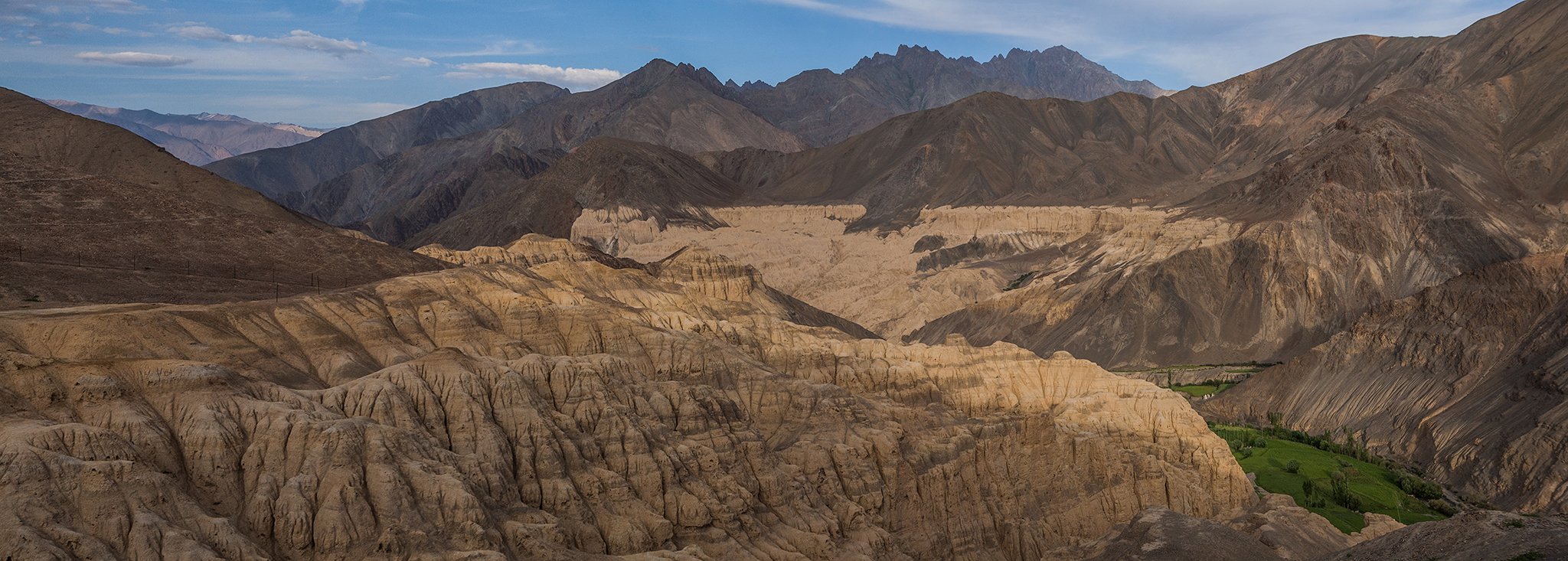
Lamayuru Moonland Ladakh: Trekking Guide, Best Time & How to Reach
Complete Lamayuru Moonland Ladakh guide. Trekking routes, best time to visit, how to reach, monastery details, and photography tips for Ladakh's lunar landscape.
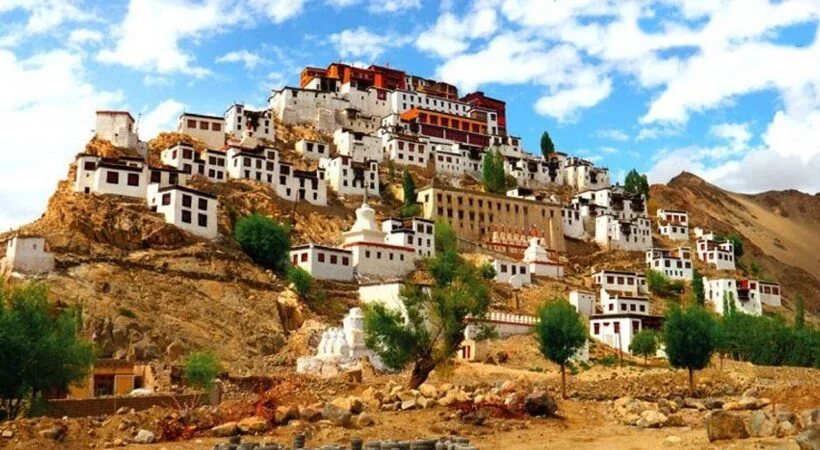
Alchi Monastery Ladakh: Murals, Timings & Travel Information
Explore Alchi Monastery Ladakh – the oldest monastery in Ladakh with 1000-year-old paintings. Complete guide with history, timings, entry fee & travel tips.
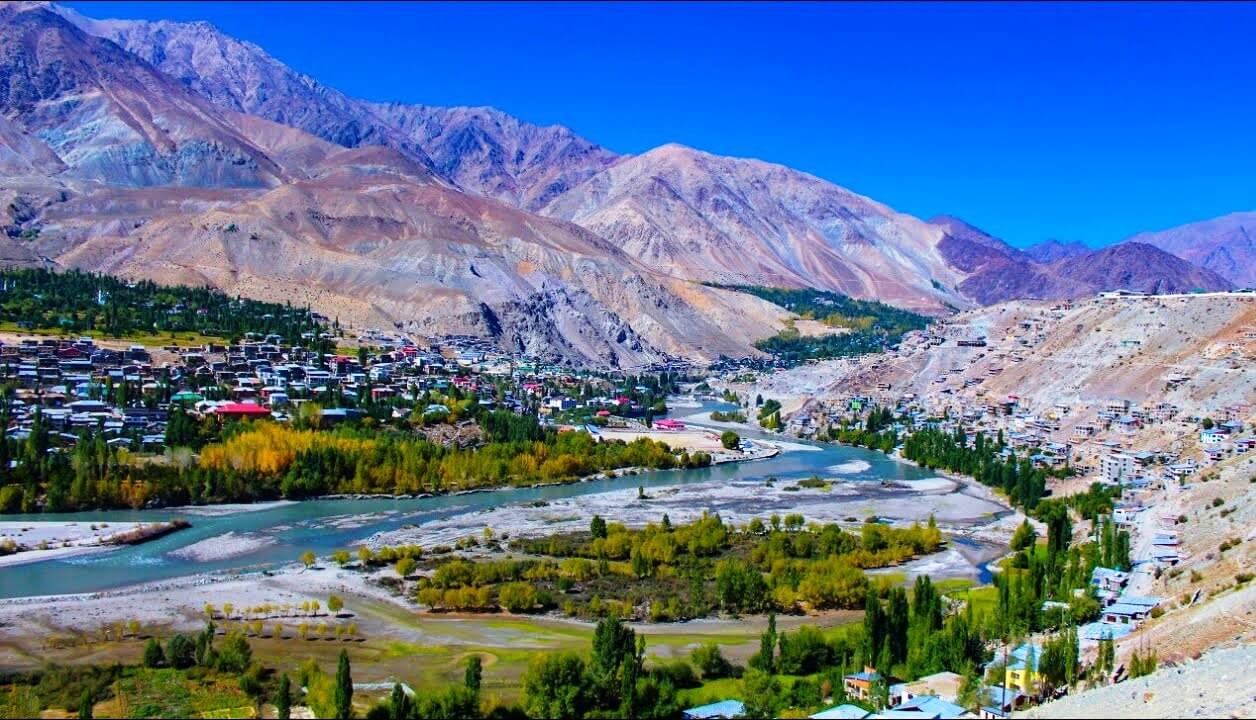
Places to Visit in Kargil: Monasteries, War Memorials & Valley Routes
Explore places to visit in Kargil with War Memorial, Drass, Suru Valley, monastery routes, road-trip planning, and practical mountain travel tips.
Never Miss an Adventure
Get the latest trekking guides, travel tips, and exclusive offers delivered straight to your inbox.
