
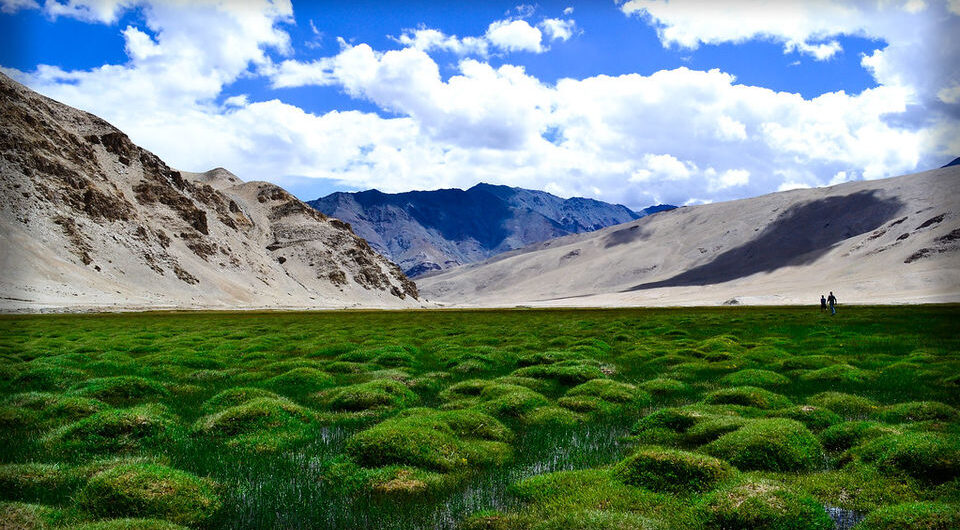
Amazing Places to Visit in Leh Ladakh: Monasteries, Lakes & Passes

Neha Kapoor
February 2, 2026
Discover the amazing places to visit in Leh Ladakh - from Pangong Lake and Nubra Valley to ancient monasteries and high mountain passes. Complete travel guide with itineraries, permits, and best time to visit.
Introduction: The Land of High Passes
Nestled between the Great Himalayas and the Kunlun mountain range, Leh Ladakh is one of India's most spectacular destinations. Often called the "Land of High Passes," this remote region offers dramatic landscapes that seem to belong to another planet. From turquoise lakes that change colors with the sun to ancient monasteries perched on cliff tops, from the world's highest motorable roads to pristine valleys that remain frozen in time, Ladakh is a destination that captivates every traveler who makes the journey to this high-altitude paradise.
What makes Ladakh truly special is its incredible diversity. Within a single trip, you can experience Tibetan Buddhist culture in ancient monasteries, witness the confluence of rivers, camp beside lakes that reflect snow-capped peaks, drive over passes that take you to the roof of the world, and interact with locals who have preserved their traditions for centuries. This comprehensive guide covers all the amazing places you must visit in Leh Ladakh, along with practical information to help you plan your dream trip to this Himalayan wonderland.
Best Time to Visit Leh Ladakh
Choosing the right time to visit Ladakh is crucial, as the region remains inaccessible for nearly half the year due to extreme weather conditions. The tourist season is short but spectacular, running from May to October when roads are open and the weather is pleasant.
Summer Season (May - June)
May and June mark the beginning of the tourist season in Ladakh. The snow has melted, roads have opened, and the landscape is lush and green from the spring thaw. This is an excellent time to visit if you want to avoid the peak crowds of July and August. Daytime temperatures are pleasant (15-25°C), though nights can still be chilly. The famous Hemis Festival usually takes place in June, offering a spectacular cultural experience. This is also the best time for trekking as the trails are clear and the weather is stable.
Peak Season (July - August)
July and August constitute the peak tourist season in Ladakh. The weather is at its warmest (20-30°C during the day), all roads and passes are open, and the region is fully accessible. This is the best time for motorcycle trips and road journeys. However, this is also when Ladakh sees maximum tourist traffic, so popular places can be crowded and accommodation prices are at their highest. If you visit during these months, book your accommodations well in advance. The region is beautiful during this time, with valleys in full bloom and clear skies offering stunning mountain views.
Late Season (September - October)
September and early October are arguably the best months to visit Ladakh. The crowds have thinned out considerably, prices drop, and the weather remains stable and pleasant. Days are sunny and clear (15-20°C), making it perfect for sightseeing and photography. The landscapes begin to change color as autumn approaches, creating stunning contrasts between the blue skies, brown mountains, and golden valleys. By late October, temperatures start dropping significantly, and some passes may receive early snowfall, but this is also when you can experience the traditional Ladakhi festivals.
Winter Season (November - April)
Ladakh remains largely inaccessible during winter due to heavy snowfall. Most roads close, including the Manali-Leh and Srinagar-Leh highways. However, Leh is accessible by air throughout the year, and a small but growing number of travelers visit Ladakh in winter to experience the frozen landscapes, the Chadar Trek on the frozen Zanskar River, and unique winter festivals. Temperatures can drop to -30°C at night, so winter travel is only recommended for experienced adventurers with proper preparation and equipment.
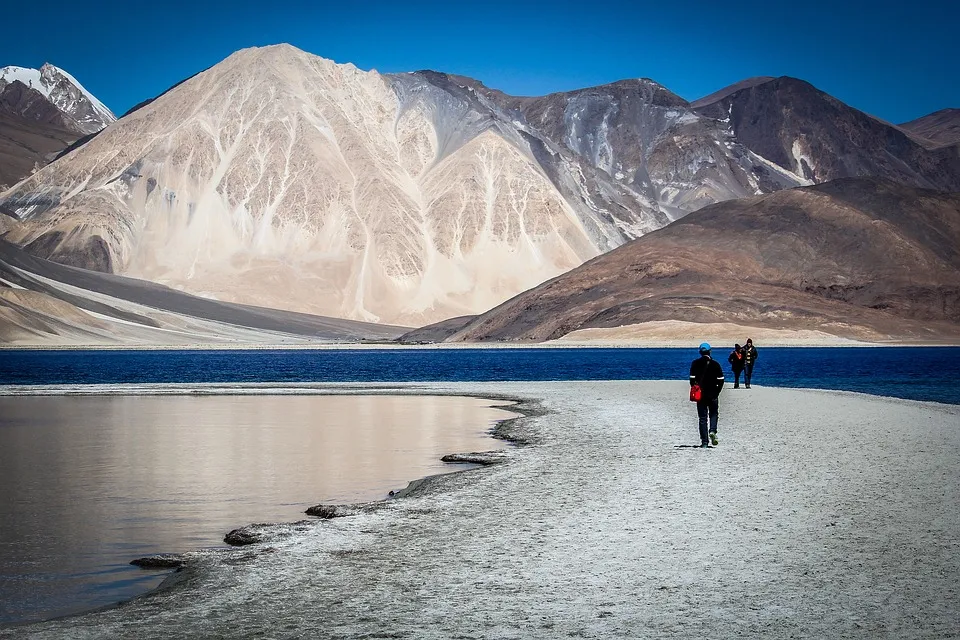
Inner Line Permit for Leh Ladakh
Before exploring Ladakh, it's essential to understand the permit requirements. Many of Ladakh's most spectacular destinations lie in restricted areas near the borders, requiring special permits for both Indian and foreign tourists.
Who Needs a Permit?
All tourists (Indian and foreign) require an Inner Line Permit (ILP) to visit certain areas in Ladakh including Pangong Tso Lake, Tso Moriri Lake, Nubra Valley, Turtuk Village, and parts of eastern Ladakh near the Chinese border. Indian nationals from other states also need an ILP to visit Leh town itself, though this requirement is sometimes waived. Domestic tourists from Jammu and Kashmir, and Ladakh residents do not need permits.
How to Obtain the Permit
The Inner Line Permit can be obtained through multiple channels:
- Online: The official website of the Ladakh Autonomous Hill Development Council (LAHDC) allows you to apply for permits online. This is the most convenient option.
- In Person in Leh: Visit the DC Office in Leh town to apply for permits. The process is usually straightforward and takes a few hours.
- Through Travel Agents: Most hotels and tour operators in Leh can arrange permits for you for a small service fee.
Required Documents
To obtain the Inner Line Permit, you need:
- Valid ID proof (Aadhar card for Indian citizens, passport and visa for foreigners)
- Passport-sized photographs
- Details of places you plan to visit
- Approximate travel dates
The permit typically costs around ₹200-400 per person and is valid for the duration specified (usually up to 14 days). You can get permits for multiple destinations on a single application. Carry multiple copies of your permit as you'll need to present them at various checkpoints along your journey.
Pangong Tso Lake
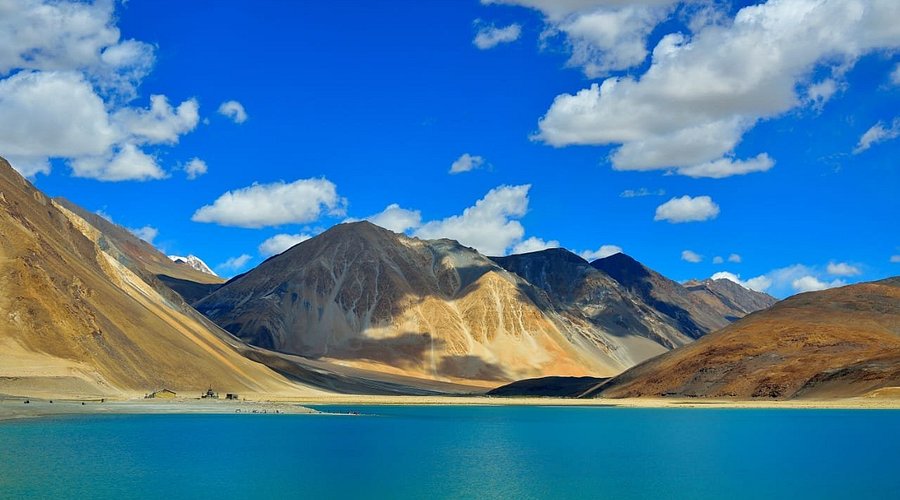
Pangong Tso is undoubtedly Ladakh's most famous destination, and for good reason. This spectacular high-altitude lake stretches for 134 kilometers, extending from India into Tibet, with nearly 60% of the lake lying in Chinese territory. What makes Pangong truly magical is its ever-changing colors - the lake appears in different shades of blue, green, and even purple depending on the angle of the sun and time of day.
The journey to Pangong is an adventure in itself. From Leh, you drive through Chang La, one of the world's highest motorable passes at 5,360 meters. The road offers spectacular views of rugged mountains, winding through landscapes that seem otherworldly. As you descend from the pass, the first glimpse of Pangong's turquoise waters is breathtaking - the lake appears like a jewel set in the brown mountains.
What to Experience at Pangong
The main attraction at Pangong is simply being there. Walk along the shores of the lake, marvel at the crystal-clear waters that reflect the surrounding peaks, and watch the colors change as the sun moves across the sky. The silence and vastness of this place are meditative. Many visitors describe feeling a deep sense of peace in Pangong's presence.
Spituk is a popular village along the lake where most tourists stop. There are several campsites and basic guesthouses where you can spend the night. Waking up to the sunrise over Pangong is an unforgettable experience - the light slowly paints the mountains in gold as the lake begins to shimmer.
Best Time to Visit Pangong
Pangong is accessible from May to October when the roads are open. July and August are warmest, but also the most crowded. September offers beautiful autumn colors and fewer tourists. The lake freezes completely in winter, creating a stark but beautiful landscape that's accessible only by air and with special arrangements.
Where to Stay
Several campsites operate along the lake, offering luxury tents with basic facilities. These camps provide an unforgettable experience of sleeping under Ladakh's incredibly starry skies. Popular camps include Pangong Camp, Watermark Camps, and various eco-friendly tented accommodations. Book in advance during peak season.
Travel Tips
- Altitude sickness is a real concern at Pangong's 4,350 meters. Acclimatize properly in Leh before visiting.
- The journey from Leh takes approximately 5-6 hours each way.
- Carry warm clothing even in summer - temperatures drop significantly at night.
- Respect the environment - don't litter or disturb the fragile ecosystem.
- Mobile connectivity is extremely limited. Inform family before you go.
Nubra Valley
Nubra Valley, often called the "Valley of Flowers," is a high-altitude cold desert that surprises visitors with its stark beauty and unique landscapes. Located approximately 150 kilometers from Leh, reaching Nubra involves driving over Khardung La, once claimed to be the highest motorable pass in the world. The descent from the pass reveals a dramatically different landscape - the valley is surprisingly green with villages, barley fields, and apricot orchards nestled between dramatic mountains.
What makes Nubra Valley special is its diversity. Within the valley, you'll find sand dunes where you can ride double-humped Bactrian camels, ancient monasteries dating back centuries, the confluence of rivers, hot springs, and some of Ladakh's most picturesque villages. The valley follows the course of the Shyok and Nubra rivers, creating a fertile oasis in this high-altitude desert.
Diskit Monastery and Maitreya Buddha
Diskit is the main town in Nubra Valley and home to the oldest and largest monastery in the valley. The Diskit Monastery, dating back to the 14th century, belongs to the Gelugpa (Yellow Hat) sect of Tibetan Buddhism. The monastery complex is perched on a hill overlooking the valley, offering panoramic views of the surrounding landscape.
The most iconic sight in Diskit is the massive open-air Maitreya Buddha statue, completed in 2010. Standing 32 meters tall, the golden statue of the future Buddha dominates the landscape and is visible from far away. The statue was built to promote peace and protection in the region. Climbing to the monastery offers not just spiritual insights but also spectacular views of the Nubra Valley.
Hunder Village and Sand Dunes
Hunder, approximately 7 kilometers from Diskit, is famous for its sand dunes and the double-humped Bactrian camels that roam here. These camels, originally from the Central Asian silk route, are descendants of the camels used by traders who once traveled this route. Riding these gentle giants through the sand dunes with dramatic mountains as a backdrop is one of Ladakh's most unique experiences.
The sand dunes at Hunder are surreal - amidst the cold desert landscape, these rolling dunes create a scene that seems transported from the Arabian desert. Sunset is the best time to visit, when the dunes glow golden and the lighting is perfect for photography.
Turtuk Village
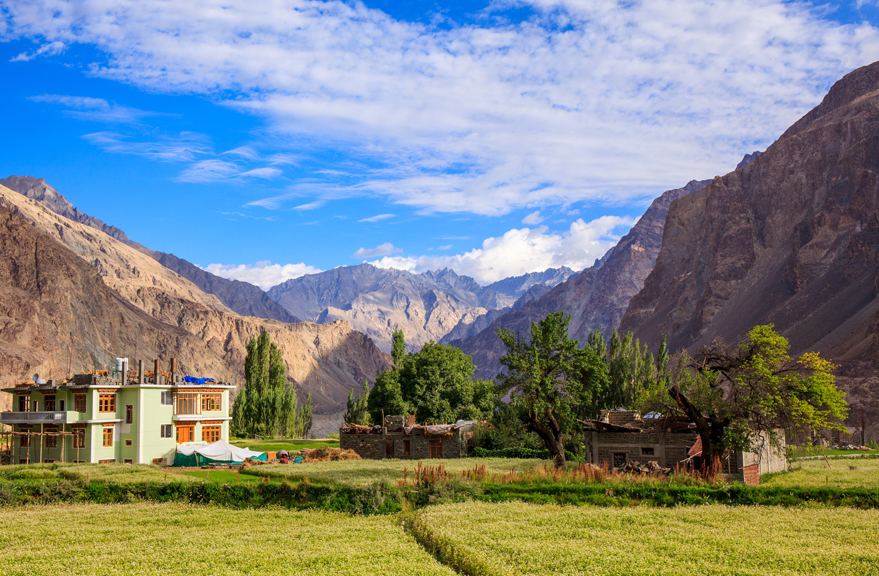
For travelers wanting to explore beyond the usual tourist circuit, Turtuk village in the northernmost part of Nubra Valley offers a completely different cultural experience. Turtuk was part of Pakistan until 1971, and the Balti Muslim culture here is distinct from the Buddhist culture predominant in the rest of Ladakh. The village is famous for its apricots, warm hospitality, and stunning location along the Shyok River. A visit to Turtuk requires an additional day but rewards with authentic cultural experiences and the distinction of visiting India's northernmost village.
Best Time to Visit Nubra
Like most of Ladakh, Nubra Valley is accessible from May to October. The valley is particularly beautiful in July and August when the barley fields are green and fruit trees are laden with apricots. September offers clear skies and pleasant temperatures, perfect for exploring the valley.
Where to Stay in Nubra
Accommodation options in Nubra range from basic guesthouses to comfortable campsites. Diskit and Hunder have the most options with several hotels and camps. Staying in a Swiss tent camp under the stars in Nubra is a memorable experience. Popular stays include the Nubra Valley Camp, Himalayan Eco Camps, and various homestays that offer a glimpse into local life.
Khardung La Pass
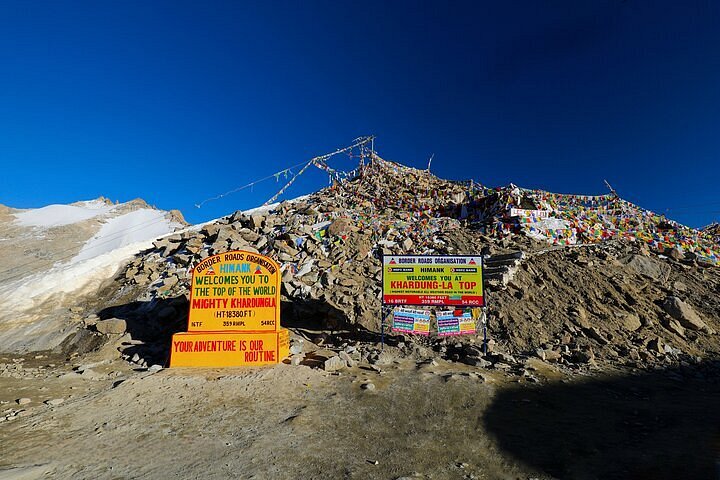
At an elevation of 5,359 meters (17,582 feet), Khardung La is one of the highest motorable passes in the world. While its claim to being "the highest" is disputed (with Umling La holding that record), crossing Khardung La remains a bucket-list experience for many travelers to Ladakh. The pass connects Leh to the Nubra Valley and offers spectacular views of the snow-capped peaks of the Zanskar range.
The journey to Khardung La is as memorable as the destination itself. The road winds its way up from Leh, gaining altitude rapidly. As you climb, the vegetation becomes sparse and the air thinner. Most travelers stop at South Pullu, the last checkpoint before the pass, to acclimatize and show their permits.
What to Expect at Khardung La
At the top of Khardung La, you'll find a military checkpoint, a small cafeteria serving tea and snacks, and a signboard proclaiming the pass's elevation. The views from the top are spectacular - on a clear day, you can see for miles across the mountains. Many travelers take photos with the signboard, though the high altitude means you shouldn't exert yourself too much.
The pass is usually covered in snow, even in summer. The cold wind at this altitude is biting, so carry warm clothing regardless of when you visit. Many people experience mild altitude sickness symptoms here - headaches, shortness of breath, and nausea are common. Take your time, don't run or jump, and descend if symptoms are severe.
Best Time to Cross
Khardung La is generally open from May to October, though weather can change rapidly and the pass can close temporarily due to snowfall even in summer. The best time to cross is from June to September when the road is most likely to be clear. Start early in the morning to avoid the clouds that often roll in by afternoon.
Tips for Crossing Khardung La
- Acclimatize properly in Leh for at least 2 days before attempting the pass.
- Don't stay at the top for more than 20-30 minutes due to the thin air.
- Carry warm clothing, water, and snacks.
- Respect the environment - don't litter.
- Drive carefully - the road can be treacherous with narrow sections and no guardrails.
Leh Town and Monasteries
Leh, the capital of Ladakh, serves as the base for most travelers exploring the region. This historic town was once an important stop on the silk route and has a rich history dating back over a thousand years. Today, Leh combines traditional Ladakhi culture with modern tourist infrastructure, offering everything from ancient monasteries and palaces to cafes serving espresso and pizza.
Leh Palace
Dominating the Leh skyline, the nine-story Leh Palace is a stunning example of medieval Tibetan architecture. Built in the 17th century by King Sengge Namgyal, the palace was once the royal residence of the Ladakhi kings. Today, it stands mostly empty but offers a fascinating glimpse into Ladakh's royal history.
The palace architecture is reminiscent of the Potala Palace in Lhasa, Tibet. Climbing to the top offers panoramic views of Leh town, the Indus Valley, and the surrounding mountains. The palace museum houses artifacts, paintings, and photographs that tell the story of Ladakh's royal past. Sunset views from the palace are particularly spectacular.
Shanti Stupa
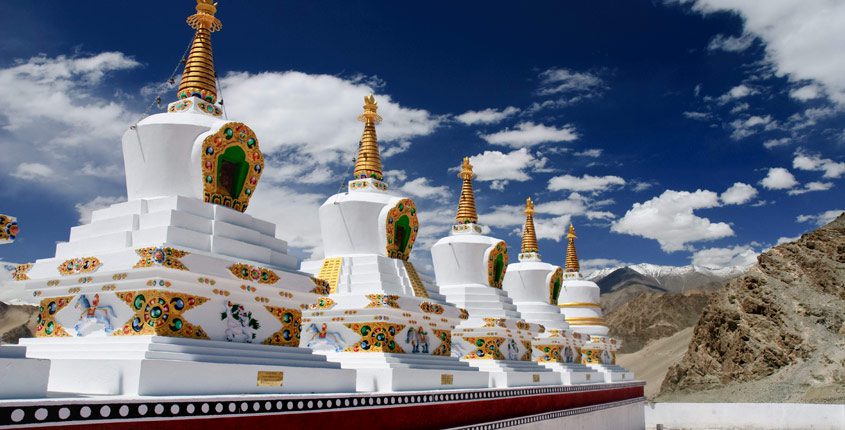
Perched on a hilltop overlooking Leh, the white-domed Shanti Stupa is one of Leh's most iconic landmarks. Built in 1991 by Japanese Buddhist Bhikshu Gyomyo Nakamura to promote world peace, the stupa has become a symbol of Leh and a must-visit for tourists.
The stupa is particularly beautiful at sunrise and sunset when the changing light paints the white dome in different colors. The views from Shanti Stupa are spectacular - you can see the entire Leh town, the Indus Valley, and the snow-capped peaks in the distance. The peaceful atmosphere makes it an excellent place for meditation and reflection.
Hemis Monastery
Located approximately 45 kilometers from Leh, Hemis is the largest and wealthiest monastery in Ladakh. Belonging to the Drukpa lineage of Tibetan Buddhism, Hemis dates back to the 11th century, though the current structure was rebuilt in the 17th century.
Hemis is famous for its annual Hemis Festival, held usually in June or July, which celebrates the birth of Guru Padmasambhava. During the festival, monks perform elaborate masked cham dances, and the monastery comes alive with color and music. Even outside festival time, Hemis is worth visiting for its stunning collection of thangkas (paintings), statues, and the largest thangka in Ladakh, which is displayed only during the Hemis Festival.
Thiksey Monastery
Thiksey Monastery, approximately 19 kilometers from Leh, is often called the "mini Potala" due to its resemblance to the Potala Palace in Lhasa. This spectacular monastery is built on a hill overlooking the Indus Valley and offers one of the most photogenic sights in Ladakh.
The monastery complex comprises twelve levels, housing numerous stupas, statues, thangkas, and wall paintings. The main attraction is the 49-foot tall statue of Maitreya Buddha, the largest such statue in Ladakh. The statue covers two stories of the building and is an impressive sight. Thiksey is particularly beautiful in the morning when the first rays of the sun light up the golden spires of the monastery.
Shey Palace and Monastery
Located on a hilltop 15 kilometers from Leh, Shey was the summer retreat of the royal family of Ladakh. The palace, built in 1655, offers beautiful views of the surrounding valleys. The main attraction is the three-story copper statue of Shakyamuni Buddha, covered in gold leaf and standing nearly 40 feet tall.
Shey monastery is smaller than Thiksey or Hemis but offers a more intimate and peaceful experience. The location, surrounded by chortens (stupas) with views of the Indus River, makes it a perfect place for quiet contemplation.
Spituk Monastery
Just 8 kilometers from Leh, Spituk is one of the most accessible monasteries and offers excellent views of the Indus Valley and the airport. The monastery, belonging to the Gelugpa sect, dates back to the 11th century and features a stunning collection of ancient thangkas, statues, and artifacts.
Spituk is particularly famous for its annual Gustor Festival, usually held in January, which features the dramatic unveiling of a large thangka and masked cham dances. Even during a regular visit, the monastery's hilltop location and panoramic views make it worth the short trip from Leh.
Magnetic Hill and Confluence Points
Ladakh is full of natural wonders, but few are as intriguing as Magnetic Hill, located approximately 30 kilometers from Leh on the Leh-Srinagar highway. This stretch of road appears to defy gravity - vehicles seem to roll uphill when left in neutral. The phenomenon is actually an optical illusion caused by the surrounding terrain, but it's no less fascinating for visitors.
The area around Magnetic Hill has been developed as a tourist spot with a signboard explaining the phenomenon and a yellow box painted on the road where you should park your vehicle to experience it. While scientific explanations attribute this to a gravity hill optical illusion, local legends speak of magnetic forces in the mountains. Whether you believe in the magnetic theory or not, stopping here is a fun experience and the surrounding scenery is beautiful.
Sangam: Confluence of Indus and Zanskar
Just a few kilometers past Magnetic Hill is Sangam, the confluence of the Indus and Zanskar rivers. This dramatic meeting point is one of Ladakh's most spectacular sights. The two rivers, flowing from different directions, merge in a beautiful display of contrasting colors - the muddy brown Indus meets the clearer, greenish-blue Zanskar.
The best place to view the confluence is from the viewpoint above or by walking down to the riverbank. The contrast between the two rivers is striking - you can clearly see the different colors swirling together before merging completely. During winter, parts of the Zanskar freeze, creating a stunning white landscape against the flowing Indus.
This area is also the starting point for the famous Chadar Trek during winter, when adventurous trekkers walk on the frozen Zanskar River. Rafting is possible here in summer for those seeking adventure. Several cafes and restaurants near the viewpoint offer refreshments with panoramic views of the confluence.
Nimmu-Padum Road
The road from Nimmu village to Padum follows the Zanskar River and offers some of the most dramatic scenery in Ladakh. This route takes you deep into the Zanskar region, though most tourists only drive a section of it for the spectacular views. The road winds through gorges with sheer cliffs on either side, following the course of the turquoise Zanskar River far below.
Alchi Monastery and Likir Monastery
Located on the road to Leh from Srinagar, Alchi and Likir monasteries are among the oldest and most artistically significant in Ladakh. While most monasteries in Ladakh are perched on hilltops, Alchi is built on flatland near the Indus River, making it unique in Ladakhi monastery architecture.
Alchi Monastery
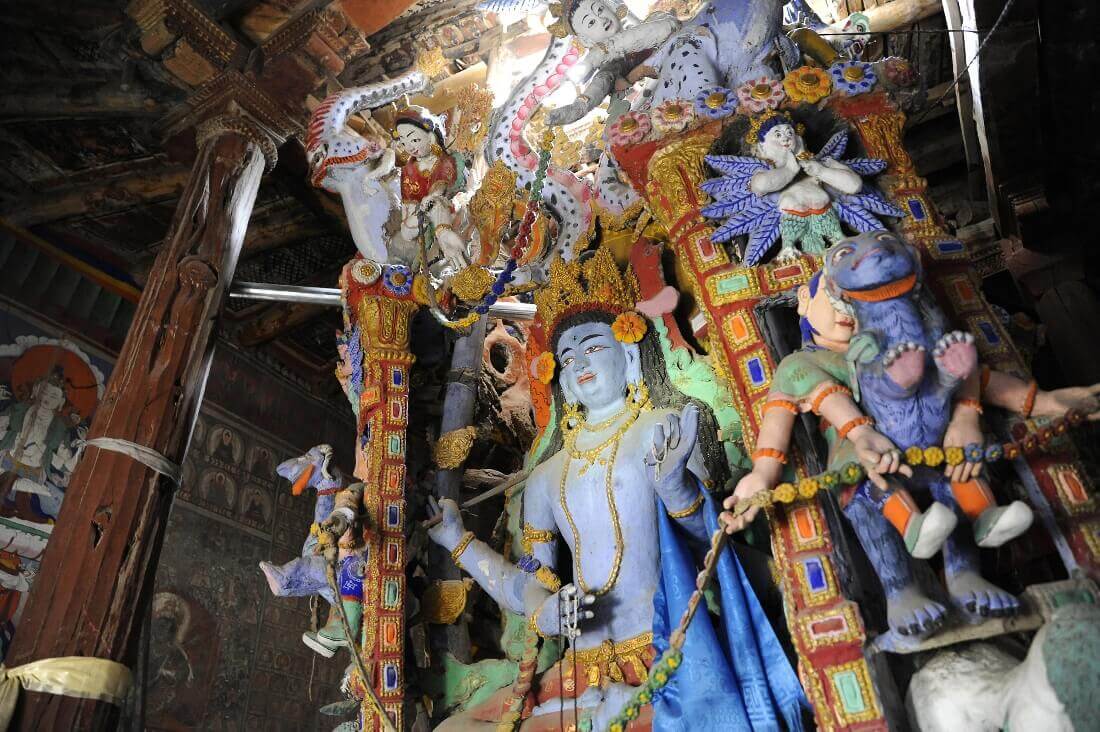
Alchi Monastery, dating back to the 11th century, is one of the oldest in Ladakh and is famous for its exceptional artwork. Unlike most Tibetan monasteries which were destroyed and rebuilt, Alchi's original paintings and sculptures have survived remarkably intact. The monastery complex consists of several temples including the Du-khang (assembly hall), Sum-tsek, and Manjushri temple.
What makes Alchi special are its Kashmiri-influenced paintings and sculptures, which are different from the Tibetan-style art found in most Ladakhi monasteries. The detailed artwork, depicting Buddhist deities and scenes, represents some of the finest surviving examples of Himalayan Buddhist art. Alchi is quieter than the more famous monasteries closer to Leh, allowing for a more peaceful and contemplative visit.
Likir Monastery
Approximately 52 kilometers from Leh, Likir Monastery sits dramatically on a hilltop overlooking the village. Established in the 11th century and rebuilt in the 18th, Likir belongs to the Gelugpa sect. The monastery is famous for its 75-foot tall gold-covered Maitreya Buddha statue, which can be seen from far away.
The name "Likir" means "the naga encircled," referring to the bodies of the two great serpent spirits, the Naga-rajas, who supposedly guard the monastery. The monastery offers excellent views of the surrounding valley and is less crowded than the monasteries closer to Leh. The annual Likir Dosmochey festival, usually in February or March, features traditional cham dances and draws visitors from across Ladakh.
Tso Moriri Lake
While Pangong Tso gets most of the attention, Tso Moriri Lake in the Changthang region is equally spectacular and far less crowded. At 4,522 meters, this high-altitude lake is the largest of the high-altitude lakes entirely within India. The lake's name means "mountain lake," and it's surrounded by snow-capped peaks that reflect perfectly in its crystal-clear blue waters.
Tso Moriri is part of the Tso Moriri Wetland Conservation Reserve, home to numerous species of birds including the black-necked crane, bar-headed geese, and Brahminy ducks. The lake is also home to the rare Himalayan wolves and snow leopards, though sightings are extremely rare. The relative lack of tourism infrastructure means Tso Moriri remains pristine and peaceful - the perfect place for those seeking solitude in nature.
Korzok Village and Monastery
The village of Korzok, on the western bank of Tso Moriri, is one of the highest permanently inhabited villages in the world. The Korzok Monastery, dating back to the 17th century, is an important spiritual site for the local Changpa nomads. The monastery, with its white buildings and golden roof, creates a stunning picture against the backdrop of the lake and mountains.
Korzok is home to a small community of Changpa nomads who herd yaks and goats in the surrounding high-altitude pastures. The village has basic homestays and campsites where you can spend the night. Waking up at Tso Moriri, with the lake reflecting the first light of dawn, is a spiritual experience that few places in the world can match.
Best Time to Visit Tso Moriri
Tso Moriri is accessible from May to October. The lake is particularly beautiful in September when the surrounding landscape turns golden with autumn colors. Being more remote and higher than Pangong, Tso Moriri remains colder, so bring warm clothing even in summer. The journey from Leh takes approximately 7-8 hours, so plan for a long but spectacular drive.
Lamayuru Monastery
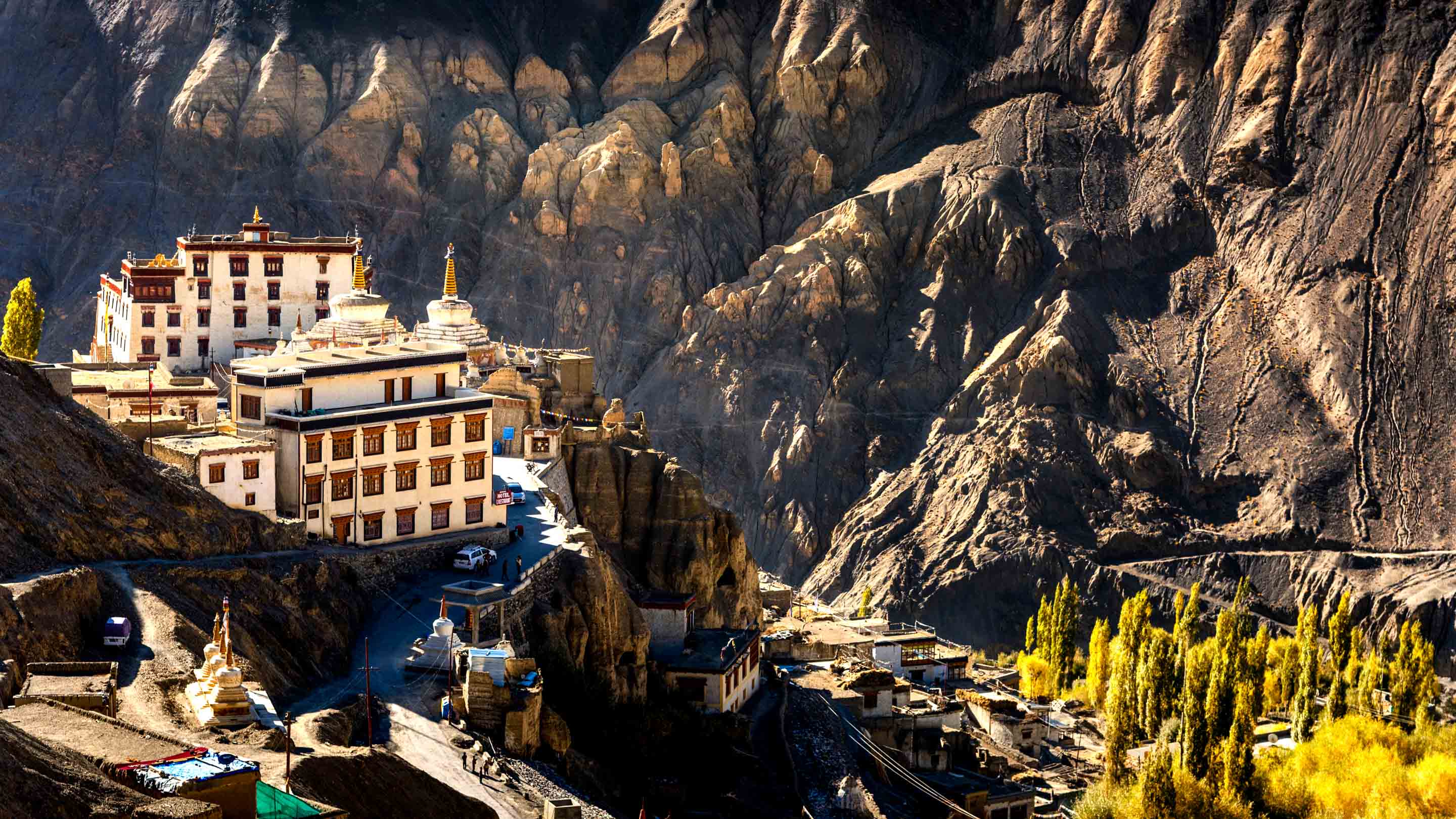
Perched dramatically on a steep hill approximately 127 kilometers west of Leh, Lamayuru is one of Ladakh's oldest and most spectacularly located monasteries. The landscape around Lamayuru is unlike anything else in Ladakh - erosion has created a "moonland" terrain of stark, barren hills that seem to belong to another planet. This surreal landscape, combined with the ancient monastery perched above, makes Lamayuru one of Ladakh's most photogenic destinations.
Lamayuru, belonging to the Drikung Kagyu sect, dates back to the 10th or 11th century, making it one of the oldest monasteries in Ladakh. According to legend, Lamayuru was once a lake that dried up, leaving behind the moonland landscape. The name "Lamayuru" means "swamp of enlightenment," referring to the lake that once existed here.
The monastery complex includes several temples, assembly halls, and residential buildings for monks. The main attraction is the Senge Phang cave, where the founder of Lamayuru, Naropa, is said to have meditated. The views from the monastery are spectacular, overlooking the moonland landscape and the valley below.
Lamayuru hosts an annual festival usually in summer, featuring traditional cham dances and religious ceremonies. The festival draws visitors from across Ladakh, offering a chance to see the monastery at its most vibrant. Even outside festival time, Lamayuru's unique setting and ancient spiritual atmosphere make it one of Ladakh's must-visit monasteries.
Moonland Landscape
The area around Lamayuru is famous for its moonland landscape - a surreal, barren terrain of eroded hills that looks like the surface of the moon. This unique landscape is the result of centuries of erosion by wind and water. The hills are streaked with different colors - browns, yellows, and reds - creating patterns that seem otherworldly.
Several viewpoints around Lamayuru offer panoramic views of the moonland. The best time to photograph this landscape is during the golden hours of sunrise and sunset when the low-angle light emphasizes the textures and colors of the hills. Lamayuru is approximately 3-4 hours from Leh and can be combined with a visit to Alchi and Likir monasteries on the same day.
Suggested Itineraries for Leh Ladakh
Planning a Ladakh trip requires careful consideration of acclimatization, travel time between destinations, and your interests. Here are some suggested itineraries that cover the major attractions:
5-Day Itinerary (Essential Ladakh)
Day 1: Arrive in Leh, rest and acclimatize. Visit Leh Palace and Shanti Stupa in the evening. Day 2: Local sightseeing - visit Thiksey, Shey, and Hemis monasteries. Day 3: Day trip to Pangong Tso Lake (start early at 5 AM). Return to Leh by evening. Day 4: Day trip to Nubra Valley via Khardung La. Visit Diskit Monastery and Hunder sand dunes. Return to Leh. Day 5: Visit Magnetic Hill and Sangam confluence. Depart from Leh.
7-Day Itinerary (Comprehensive)
Day 1: Arrive in Leh, acclimatize. Light walk around Leh market. Day 2: Leh local - Leh Palace, Shanti Stupa, Hall of Fame museum. Day 3: Monastery tour - Thiksey, Shey, Hemis, and Stok Palace. Day 4: Leh to Pangong Tso via Chang La. Overnight at Pangong. Day 5: Pangong to Leh via same route. Evening free in Leh. Day 6: Leh to Nubra Valley via Khardung La. Visit Diskit Monastery and Hunder sand dunes. Overnight in Nubra. Day 7: Nubra to Leh via Khardung La. Visit Magnetic Hill and Sangam on the way. Depart Leh.
10-Day Itinerary (Complete Experience)
Day 1: Arrive in Leh, rest and acclimatize. Day 2: Leh local sightseeing - Leh Palace, Shanti Stupa, local monasteries. Day 3: Leh to Pangong Tso. Overnight at Pangong. Day 4: Pangong to Tso Moriri via Changthang. Overnight at Korzok. Day 5: Tso Moriri to Leh via Upshi. Overnight in Leh. Day 6: Leh to Nubra Valley. Visit Diskit Monastery. Overnight in Nubra. Day 7: Explore Nubra Valley - Hunder sand dunes, Turtuk village. Overnight in Nubra. Day 8: Nubra to Leh via Khardung La. Day 9: Visit Alchi, Likir, and Lamayuru monasteries. Return to Leh. Day 10: Magnetic Hill, Sangam confluence, and departure from Leh.
For stronger route planning in Ladakh, add permit and acclimatization checks from Ladakh by road guide, lake-focused logistics via Pangong Lake guide, monastery depth from Hemis Monastery, and market breaks in Leh Bazaar.
Practical Travel Tips
Altitude Sickness
Altitude sickness is the most serious concern when traveling to Ladakh. Leh is at 3,500 meters, and many destinations are higher. Symptoms include headache, nausea, dizziness, and shortness of breath.
- Acclimatize properly - spend 2-3 days in Leh before traveling to higher altitudes.
- Drink plenty of water and stay hydrated.
- Avoid alcohol and smoking for the first few days.
- Take it easy - don't exert yourself.
- Consider carrying Diamox (acetazolamide) after consulting with a doctor.
- Descend immediately if symptoms are severe.
Packing for Ladakh
- Warm Clothing: Even in summer, temperatures drop at night. Bring a jacket, thermals, and warm layers.
- Sun Protection: At high altitude, UV radiation is strong. Bring sunscreen, sunglasses, and a hat.
- Lip Balm: The air is extremely dry.
- Comfortable Walking Shoes: You'll be doing lots of walking and climbing.
- Medications: Carry any prescription medications plus a basic first-aid kit.
- Cash: ATMs are limited outside Leh. Carry sufficient cash.
- Power Bank: Electricity can be unreliable.
Getting to Leh
By Air: Kushok Bakula Rimpochee Airport in Leh is well-connected to Delhi, Mumbai, and other major cities. The flight offers spectacular views of the Himalayas. Air India, Vistara, and GoAir operate regular flights.
By Road from Manali: The Manali-Leh highway (490 km) is open from June to October. The journey takes 2 days with an overnight stop at Keylong or Sarchu. This is one of the most spectacular road journeys in India, crossing several high passes including Rohtang La, Baralacha La, and Tanglang La.
By Road from Srinagar: The Srinagar-Leh highway (434 km) is open from May to October. The journey takes 2 days with an overnight stop in Kargil or Drass. This route passes through beautiful Kashmiri landscapes and the Zoji La pass.
Getting Around in Ladakh
- Private Taxi: The most convenient option. Taxis can be hired in Leh for specific trips or full-day tours.
- Rented Motorcycle: Popular with adventure travelers. Several agencies in Leh rent bikes including Royal Enfields.
- Shared Taxi: Budget-friendly option for popular routes like Leh-Nubra and Leh-Pangong.
- Self-Drive: Possible but challenging. Roads can be difficult, especially at high altitudes.
Conclusion
Ladakh is one of those rare destinations that exceeds even the highest expectations. The stark beauty of its landscapes, the richness of its Buddhist culture, the warmth of its people, and the sheer adventure of traveling at high altitude combine to create an experience that is transformative and unforgettable. Every traveler who makes the journey to this roof of the world returns with stories that last a lifetime.
What makes Ladakh truly special is its ability to humble and inspire simultaneously. Standing on the banks of Pangong Tso, watching the colors change as the sun moves across the sky, you realize how small we are in the face of nature's grandeur. Yet, interacting with the resilient Ladakhi people, who have thrived in this harsh environment for centuries, you're inspired by human adaptability and spirit.
The monasteries, with their ancient rituals and stunning artwork, offer windows into a culture that has preserved its traditions despite modernization. The high passes, with their breathtaking views, remind us of the incredible diversity of our planet. The villages, with their sustainable lifestyles, show us alternative ways of living in harmony with nature.
As you plan your trip to Ladakh, remember that this is a fragile ecosystem. Travel responsibly, respect local customs, support local businesses, and leave no trace. The mountains will always be here, but it's our responsibility to ensure they remain pristine for future generations.
Whether you're a first-time visitor or returning for another journey, Ladakh will captivate you. The Land of High Passes is not just a destination - it's an experience that changes you. Pack your bags, prepare for altitude, and get ready for the adventure of a lifetime in one of the most spectacular places on Earth.
The mountains are calling, and Ladakh awaits.
Location
Frequently Asked Questions
Q1.What is the best time to visit Leh Ladakh?
The best time to visit Leh Ladakh is during the summer months from May to October when roads are open and the weather is pleasant. May-June offers fewer crowds and pleasant temperatures (15-25°C), while July-August is peak season with warmest weather but maximum tourists. September-October is ideal with clear skies, fewer crowds, and beautiful autumn colors. Winter (November-April) is extremely cold with most roads closed, though Leh is accessible by air for winter experiences like the Chadar Trek.
Q2.How many days are enough for Leh Ladakh trip?
For a comprehensive Leh Ladakh experience, plan for at least 7-8 days. This allows 2 days for acclimatization in Leh, 2-3 days for Pangong Tso and Nubra Valley visits, and 2-3 days for local monasteries and sightseeing. A 5-day trip can cover the essentials (Leh, Pangong day trip, Nubra day trip), but it will be rushed. For a relaxed experience covering Tso Moriri, Turtuk, and other offbeat places, plan for 10-12 days. Always include buffer days for weather-related delays.
Q3.Do I need Inner Line Permit for Leh Ladakh?
Yes, Inner Line Permits are required for certain areas in Ladakh including Pangong Tso Lake, Tso Moriri Lake, Nubra Valley, Turtuk, and parts of eastern Ladakh near border areas. Indian nationals need the permit, while foreign nationals need Protected Area Permits (PAP). Permits can be obtained online through the official LAHDC website or in Leh at the DC office. Required documents include ID proof (Aadhar for Indians, passport/visa for foreigners) and photographs. Permit costs range from ₹200-400 per person. Carry multiple copies as you'll need them at various checkpoints.
Q4.How can I reach Leh Ladakh?
Leh can be reached by air or road. By air, Kushok Bakula Rimpochee Airport connects Leh to Delhi, Mumbai, and other major cities with flights operated by Air India, Vistara, and GoAir. The flight offers spectacular Himalayan views. By road, two routes are available: Manali-Leh highway (490 km, open June-October) and Srinagar-Leh highway (434 km, open May-October). Both road journeys take 2 days with an overnight stop. The Manali route crosses Rohtang La, Baralacha La, and Tanglang La passes, while the Srinagar route crosses Zoji La pass.
Q5.Is Ladakh safe for tourists?
Yes, Ladakh is generally very safe for tourists. Crime rates are very low, and locals are known for their hospitality. The main concerns are altitude sickness and road safety. Altitude sickness is a real risk - always acclimatize properly in Leh for 2-3 days before traveling to higher altitudes. Road conditions can be challenging, especially on mountain passes with narrow sections and no guardrails. Always hire experienced drivers for high-altitude driving. Carry basic medications, travel insurance, and emergency contacts. During peak season, tourist areas are well-monitored and safe.
Q6.What should I pack for Leh Ladakh trip?
Pack in layers as temperatures vary greatly. Essential items include warm clothing (jacket, thermals, sweater) even in summer - nights are cold. Sun protection is crucial at high altitude - sunscreen (SPF 50+), sunglasses with UV protection, and wide-brimmed hat. Lip balm for dry air. Comfortable walking shoes with good grip. Basic medications including Diamox for altitude (after consulting doctor), headache medicine, and first-aid kit. Power bank and universal charger. Cash as ATMs are limited outside Leh. Reusable water bottle. Motion sickness medication for winding roads. Camera with extra batteries - cold drains batteries faster.
Q7.What are the must-visit places in Leh Ladakh?
Must-visit places in Leh Ladakh include Pangong Tso Lake (famous for changing colors), Nubra Valley (sand dunes, Bactrian camels, Diskit Monastery), Khardung La Pass (one of the highest motorable roads), and Leh town attractions (Leh Palace, Shanti Stupa, Hall of Fame). Important monasteries include Thiksey (mini Potala), Hemis (largest and wealthiest), Alchi (oldest with unique artwork), and Lamayuru (with moonland landscape). Tso Moriri Lake for a less-crowded alternative to Pangong, Magnetic Hill for the gravity illusion, and Sangam (Indus-Zanskar confluence) are also essential stops.
Q8.Is Ladakh suitable for family travel with kids?
Ladakh can be suitable for family travel with proper planning, but caution is needed due to high altitude. Children are more susceptible to altitude sickness, so extra acclimatization time is recommended. Avoid traveling to very high altitudes like Pangong and Tso Moriri with very young children (under 5 years). For older children (8+ years), ensure gradual ascent and proper hydration. Choose a comfortable itinerary with ample rest. Carry pediatric medications and consult a pediatrician before travel. Avoid strenuous activities. Family-friendly accommodations are available in Leh. Consider visiting during summer when weather is milder. Road journeys can be long and tiring - factor in children's tolerance for winding mountain roads.
Recommended For You
Turtuk Village Ladakh: Balti Culture, Stay Options & Border Views
Explore Turtuk Village in Nubra Valley, Ladakh. Complete guide to Balti culture, how to reach, places to visit, homestays & best time.
Best Time for Leh Ladakh Bike Trip: Season Guide Tips
Choose the best time for Leh Ladakh bike trip with season-wise planning, permit timing, and practical high-altitude ride tips.
Bike Rental for Leh Ladakh Trip: Complete Guide Tips
Plan bike rental for Leh-Ladakh trips with practical checks, budget strategy, and high-altitude route safety tips for smoother rides.
Never Miss an Adventure
Get the latest trekking guides, travel tips, and exclusive offers delivered straight to your inbox.
