
Banganga Tank: Mumbai's Hidden Ancient Heritage

Rohit Verma
January 10, 2026
Discover Banganga Tank in Malabar Hill, Mumbai - an ancient water tank with mythological roots from the Ramayana. Guide to Walkeshwar Temple, history, rituals, and visiting this sacred heritage site.
Introduction: The Kashi of Mumbai
In a city defined by its relentless pace, towering skyscrapers, and overcrowded local trains, finding a place that feels timeless seems impossible. Yet, tucked away in the upscale Malabar Hill neighborhood, exists an ancient water tank that has witnessed Mumbai's transformation from a cluster of fishing villages to a megalopolis. This is Banganga Tank – a sacred oasis that has remained virtually unchanged for nearly 900 years. Walking down the steps that lead to Banganga feels like stepping through a portal into another era. The noise of traffic fades away, replaced by the sound of temple bells, chanting priests, and the gentle splash of water. The tank, surrounded by ancient temples and weathered buildings, sits in stark contrast to the luxury high-rises that now dominate Malabar Hill. It's this remarkable coexistence of the ancient and modern that makes Banganga one of Mumbai's most intriguing heritage sites. Often called the "Kashi of Mumbai" due to its spiritual significance, Banganga is not just a tourist attraction but a living, breathing religious site where locals come daily for prayers, rituals, and moments of reflection. Whether you're a history enthusiast, a spiritual seeker, or simply someone looking for a peaceful escape from Mumbai's chaos, Banganga Tank offers an experience that's both deeply moving and profoundly serene.History & Mythology: The Ramayana Connection
 What makes Banganga truly extraordinary is its mythological significance. According to the Ramayana, Lord Rama, during his search for Sita, stopped at this spot on his way to Lanka. Thirsty and exhausted, he asked his brother Lakshman to fetch him some water. Realizing there was no fresh water source nearby and needing to purify himself before worship, Lakshman shot an arrow (bana) into the ground.
Miraculously, water sprung forth from the earth – not ordinary water, but the sacred Ganges River (Ganga) itself. This is how the tank got its name: Banganga (Bana + Ganga). To this day, believers hold that the water in Banganga is a tributary of the holy Ganges, which explains why the water remains fresh despite being just a few hundred meters from the Arabian Sea.
Before leaving, Lord Rama created a Shivalinga from sand (valuka) to worship – giving the area its other name: Walkeshwar (from Valuka Ishwar, meaning "Sand Lord"). This mythological connection transforms Banganga from a mere historical site into a sacred space where time seems to stand still.
Historically, the tank was built in 1127 AD under the Silhara dynasty, which ruled the region between 800-1240 AD. The Silharas, devoted followers of Lord Shiva, constructed the tank as they built the Walkeshwar Temple. Over the centuries, the temple was destroyed and rebuilt multiple times – first by the Portuguese in the 16th century, then reconstructed again in 1715 by devout Hindus under British rule.
What's remarkable is that despite centuries of political upheaval, colonialism, and Mumbai's rapid urbanization, Banganga has survived. The water tank you see today is essentially the same structure built nearly 900 years ago – a testament to both its engineering and its enduring spiritual significance.
What makes Banganga truly extraordinary is its mythological significance. According to the Ramayana, Lord Rama, during his search for Sita, stopped at this spot on his way to Lanka. Thirsty and exhausted, he asked his brother Lakshman to fetch him some water. Realizing there was no fresh water source nearby and needing to purify himself before worship, Lakshman shot an arrow (bana) into the ground.
Miraculously, water sprung forth from the earth – not ordinary water, but the sacred Ganges River (Ganga) itself. This is how the tank got its name: Banganga (Bana + Ganga). To this day, believers hold that the water in Banganga is a tributary of the holy Ganges, which explains why the water remains fresh despite being just a few hundred meters from the Arabian Sea.
Before leaving, Lord Rama created a Shivalinga from sand (valuka) to worship – giving the area its other name: Walkeshwar (from Valuka Ishwar, meaning "Sand Lord"). This mythological connection transforms Banganga from a mere historical site into a sacred space where time seems to stand still.
Historically, the tank was built in 1127 AD under the Silhara dynasty, which ruled the region between 800-1240 AD. The Silharas, devoted followers of Lord Shiva, constructed the tank as they built the Walkeshwar Temple. Over the centuries, the temple was destroyed and rebuilt multiple times – first by the Portuguese in the 16th century, then reconstructed again in 1715 by devout Hindus under British rule.
What's remarkable is that despite centuries of political upheaval, colonialism, and Mumbai's rapid urbanization, Banganga has survived. The water tank you see today is essentially the same structure built nearly 900 years ago – a testament to both its engineering and its enduring spiritual significance.
Architecture: A Glimpse into Pre-Colonial Mumbai
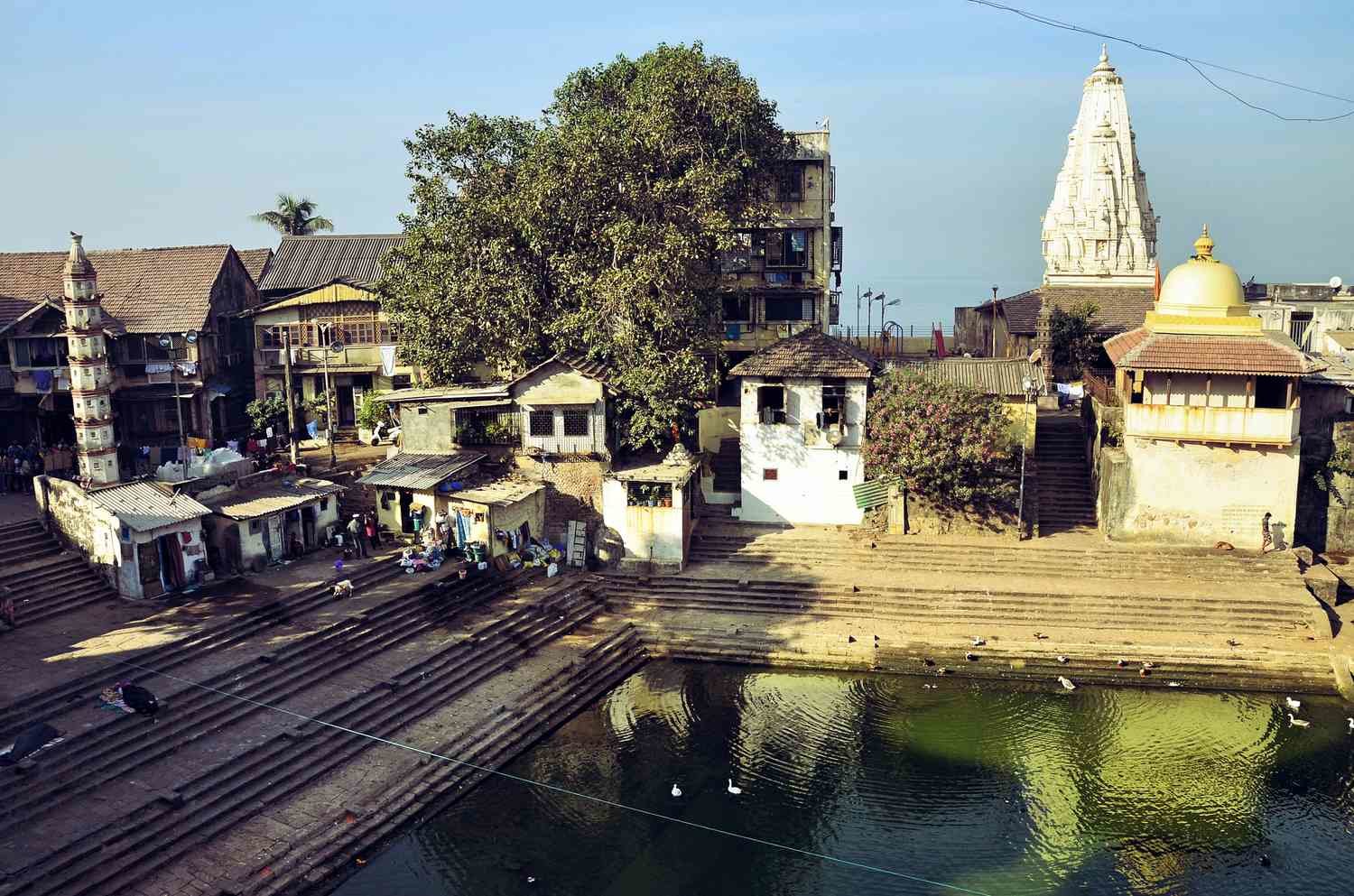
 The Banganga Tank is rectangular, surrounded by stone steps on all four sides that descend into the water. These steps, known as ghats, are where devotees sit, perform rituals, and offer prayers. Walking along the perimeter, you'll notice dozens of small temples and shrines dedicated to various Hindu deities – Lord Hanuman, Lord Ganesha, Goddess Durga, and many others.
Surrounding the tank are narrow lanes lined with old buildings, some dating back over a century. Many of these are traditional Brahmin homes with wooden balconies and tiled roofs. These lanes, called wadis, have changed little in appearance despite the surrounding area's transformation into one of Mumbai's most expensive neighborhoods.
From an architectural perspective, Banganga offers a rare glimpse into pre-colonial Mumbai – a city that existed before the Portuguese arrived, before the British developed it into a major port, before it became Bombay and then Mumbai. The simplicity of the design – a rectangular tank with steps and temples – belies its spiritual and historical importance.
Perhaps the most striking architectural element is how the tank manages to remain hidden. Surrounded by buildings on all sides, you can't see it from the main road. You have to descend a flight of stairs to reach it, adding to the sense of entering a sacred, secluded space. This hidden nature has protected Banganga from the commercialization that affects many other religious sites.
The Banganga Tank is rectangular, surrounded by stone steps on all four sides that descend into the water. These steps, known as ghats, are where devotees sit, perform rituals, and offer prayers. Walking along the perimeter, you'll notice dozens of small temples and shrines dedicated to various Hindu deities – Lord Hanuman, Lord Ganesha, Goddess Durga, and many others.
Surrounding the tank are narrow lanes lined with old buildings, some dating back over a century. Many of these are traditional Brahmin homes with wooden balconies and tiled roofs. These lanes, called wadis, have changed little in appearance despite the surrounding area's transformation into one of Mumbai's most expensive neighborhoods.
From an architectural perspective, Banganga offers a rare glimpse into pre-colonial Mumbai – a city that existed before the Portuguese arrived, before the British developed it into a major port, before it became Bombay and then Mumbai. The simplicity of the design – a rectangular tank with steps and temples – belies its spiritual and historical importance.
Perhaps the most striking architectural element is how the tank manages to remain hidden. Surrounded by buildings on all sides, you can't see it from the main road. You have to descend a flight of stairs to reach it, adding to the sense of entering a sacred, secluded space. This hidden nature has protected Banganga from the commercialization that affects many other religious sites.
Walkeshwar Temple: The Sacred Heart
The Walkeshwar Temple, dedicated to Lord Shiva, is the main temple complex adjacent to the tank. It is this temple that gives the area its name – Walkeshwar, derived from "Valuka Ishwar" (Lord of the Sand). According to legend, the original Shivalinga in this temple was created by Lord Rama himself from sand. Over time, this sand linga was replaced with a stone one, though the temple continues to honor its mythological origins. The temple complex houses several shrines, with the main sanctum sanctorum (garbhagriha) containing the Shivalinga. The temple sees a steady stream of devotees throughout the day, with crowds peaking during Shivratri (the great night of Lord Shiva) and in the month of Shravan (usually July-August), which is considered especially auspicious for Shiva worship. The temple priests perform daily rituals (pujas) and abhishekam (ritual bathing of the linga) with water drawn from Banganga Tank – maintaining the sacred connection between the tank and the temple. Surrounding the main temple are smaller shrines dedicated to other deities, reflecting the inclusive nature of Hindu worship. The atmosphere inside the temple complex is always charged with spiritual energy – the sound of bells, the scent of incense and flowers, and the sight of devotees deep in prayer create an ambiance that's both powerful and peaceful.Rituals & Festivals: Living Traditions
 Banganga Tank is not a museum piece – it's a living religious site where rituals continue uninterrupted. The tank witnesses various religious ceremonies throughout the year, each adding to its spiritual significance.
Pitru Paksha: Honoring Ancestors
The most significant ritual period at Banganga is Pitru Paksha (fortnight of the ancestors), usually occurring in September or October. During this 16-day period, Hindus perform rituals to honor their deceased ancestors. Devotees come to Banganga to offer pind daan (ritual offerings of rice and sesame seeds) to their ancestors, believing that performing these rituals at sacred water bodies helps souls attain peace. Families arrive early in the morning, often accompanied by priests who guide them through the elaborate rituals. The sight of hundreds of families performing these ancient ceremonies simultaneously, with the sun rising over the tank, is both moving and mesmerizing. It's a powerful reminder that Banganga is not just a heritage site but a space where living people connect with their past.Dev Diwali: Festival of Lights
While Diwali is celebrated across India, Dev Diwali (Diwali of the Gods) at Banganga is particularly special. Occurring on the full moon day after Diwali (Kartik Purnima, usually in November), the festival sees thousands of earthen lamps (diyas) floated on the tank's surface. The sight of innumerable lamps reflecting on the water, surrounded by the ancient temples, is breathtaking. Devotees believe that on this day, the gods themselves descend to bathe in sacred rivers, and lighting lamps helps guide them. The combination of the flickering lights, the sound of chanting, and the cool November air creates an almost otherworldly atmosphere.Banganga Music Festival
For many years, Banganga hosted the Banganga Music Festival – a prestigious classical music concert series held annually in January. Organized by the Maharashtra Tourism Development Corporation (MTDC), the festival saw renowned classical musicians performing against the backdrop of the illuminated tank. The festival, started in 1992, became a cultural highlight, attracting music lovers from across Mumbai and beyond. However, in recent years, the festival has been discontinued or held irregularly due to various reasons including logistical challenges and conservation concerns. If you're planning to visit specifically for the festival, it's best to check the current status with MTDC or local authorities.Life Around the Tank: A Community Preserved
What makes Banganga special isn't just its history or architecture – it's the living community that continues to surround it. The lanes around the tank are home to Brahmin families, many of whom have lived here for generations. These residents maintain the tank's religious and cultural traditions, ensuring that Banganga remains a place of worship rather than becoming a commercialized tourist attraction. Walking through the narrow wadis (neighborhood lanes), you'll see traditional Mumbai homes with verandahs, old women drawing rangoli patterns outside their doors, and children playing in the courtyards. It's a side of Mumbai that's increasingly rare – a neighborhood that hasn't been completely transformed by high-rise development. The tank itself sees a constant stream of visitors. In the early morning, elderly locals come for their daily prayers and to perform abhishekam at the temples. Throughout the day, pilgrims arrive, many of whom combine a visit to Banganga with other religious sites in the area. The atmosphere is busiest during festivals and auspicious days, but there's always some activity – a priest performing a ritual, a family offering prayers, or simply devotees sitting in quiet contemplation. This living heritage is what sets Banganga apart from other historical sites. It's not a monument preserved behind glass or recreated for tourists. It's an authentic religious space where life continues much as it has for centuries, even as modern Mumbai grows up around it.How to Reach Banganga Tank
By Train: The nearest railway stations are Grant Road and Charni Road, both on the Western Line. From either station, you can take a taxi, auto-rickshaw, or even walk (approximately 20-25 minutes) to Walkeshwar Road in Malabar Hill. By Road: Banganga is accessible via Walkeshwar Road in Malabar Hill. Taxis, auto-rickshaws, and ride-hailing services (Uber, Ola) are readily available. If you're coming from South Mumbai (Colaba, Churchgate), it's approximately 30-45 minutes by road depending on traffic. On Foot: Once you reach the main Walkeshwar Road area, look for signs leading to Banganga. The tank is located down a flight of stairs – it's not visible from the main road, which adds to its hidden oasis feel. The walk down takes about 5 minutes from the main road.Nearby Attractions
Hanging Gardens (Pherozeshah Mehta Gardens): Located just 10 minutes walk from Banganga, these terraced gardens sit on top of Malabar Hill and offer panoramic views of Marine Drive and the Arabian Sea. It's a perfect spot to combine with your Banganga visit – start with the spiritual atmosphere of Banganga and end with sunset views from the gardens. See our detailed guide for more information. Kamala Nehru Park: Also known as the "Old Woman's Shoe" park (because of its boot-shaped structure), this park is adjacent to the Hanging Gardens. It's a quiet green space popular with families and offers lovely views of the city. Babu Amichand Panalal Adishwarji Jain Temple: A beautiful Jain temple located nearby, known for its colorful frescoes and intricate carvings. The temple is dedicated to Adinath, the first Tirthankara, and is a fine example of modern Jain architecture. Haji Ali Dargah: While not in Malabar Hill, this famous mosque and dargah (shrine) is located about 20 minutes away and is one of Mumbai's most recognizable landmarks. The dargah, situated on an islet off Worli coast, is accessible via a narrow causeway during low tide. For more details, read our guide.Best Time to Visit
Banganga Tank can be visited year-round, but certain times offer better experiences:- Early Morning (6-8 AM): The tank is at its most serene, with the morning light reflecting on the water. This is when locals come for daily prayers, offering an authentic cultural experience.
- Sunrise/Sunset: The golden hour light makes for beautiful photography, especially with the temples silhouetted against the sky.
- Festivals: Dev Diwali (Kartik Purnami, usually November) is spectacular with thousands of lamps. Pitru Paksha (September-October) offers insight into ancestor worship rituals.
- Monsoon (June-September): The tank fills up completely during the rains, and the surrounding greenery is lush. However, the steps can be slippery, so walk carefully.
Photography Tips
Banganga offers excellent photography opportunities, but keep in mind that it's an active religious site:- Early morning light is best – soft, golden, and free of harsh shadows.
- Respect rituals: Don't interrupt prayers or ceremonies for a photo. Always ask permission before photographing people, especially priests and devotees engaged in worship.
- Wide angle: Bring a wide-angle lens to capture the tank surrounded by temples and the sky above.
- Details: Don't just take wide shots. Look for details – temple carvings, oil lamps, flowers offered to deities, weathered steps worn smooth by centuries of use.
- Reflections: The still water of the tank creates beautiful reflections, especially in the early morning or when lamps are lit during festivals.
Travel Tips
- Dress modestly: As this is an active religious site, dress conservatively. Shoulders and knees should be covered. Remove footwear before entering temple premises.
- Maintain silence: People come here for prayer and reflection. Keep conversations low and avoid loud behavior.
- Don't enter the water: The water is considered sacred, and entering it for recreational purposes is disrespectful. Only priests and devotees performing specific rituals should enter the water.
- Respect rituals: If a ceremony is in progress, observe respectfully from a distance. Don't walk between a priest and the sacred fire during ongoing rituals.
- No entry fee: There's no charge to visit Banganga Tank or the temples, though donations are welcome.
- Facilities: Basic facilities are limited. There are no restaurants or cafes immediately nearby, so plan accordingly.
- Combine visits: Since Banganga is relatively small, combine it with other Malabar Hill attractions like the Hanging Gardens to make the most of your trip.
Conclusion: A Timeless Oasis
In a city that's constantly reinventing itself, Banganga Tank stands as a reminder of Mumbai's ancient past. It's a place where mythology, history, and living faith come together to create an experience that's both spiritually enriching and historically fascinating. Whether you're captivated by the Ramayana legend, interested in pre-colonial architecture, seeking spiritual solace, or simply looking for a quiet spot away from Mumbai's famous chaos, Banganga delivers. It's a heritage site that's not behind glass or ropes – it's a living, breathing space where you can walk the same steps that devotees have walked for nearly a millennium. For travelers seeking to understand Mumbai beyond the obvious attractions – beyond Gateway of India, Marine Drive, and the Bollywood tours – Banganga offers a deeper, more authentic experience. It's a testament to this city's ability to preserve its sacred spaces even as it races toward the future. And that, ultimately, is what makes it special. For more of Mumbai's hidden heritage and must-visit attractions, check out our comprehensive Mumbai guide.Location
Frequently Asked Questions
Q1.What is the story behind Banganga Tank?
According to the Ramayana, when Lord Rama was searching for Sita and stopped at this spot, he became thirsty. His brother Lakshman shot an arrow (bana) into the ground, and the holy Ganges River (Ganga) sprung forth – hence the name Banganga (Bana + Ganga).
Lord Rama also created a Shivalinga from sand (valuka) for worship, giving the area its name Walkeshwar (from Valuka Ishwar, meaning "Sand Lord"). The tank was historically built in 1127 AD under the Silhara dynasty.
Devotees believe the water in Banganga is a tributary of the sacred Ganges, which is why it remains fresh despite being located just a few hundred meters from the Arabian Sea.
Q2.Is the water in Banganga Tank fresh or salty?
Remarkably, the water in Banganga Tank is fresh water, not salty – despite being located just a few hundred meters from the Arabian Sea.
This phenomenon is explained by the natural spring that feeds the tank from underground. According to legend and local belief, this underground water source is connected to the holy Ganges River. While geologically it's likely a freshwater spring that pushes back the seawater, the sacred explanation is that it's the Ganges itself that Lord Rama summoned.
The fresh water nature of Banganga is what makes it spiritually significant – devotees believe they're bathing in the Ganges without traveling to Varanasi or Haridwar, which is why it's called "The Kashi of Mumbai."
Q3.Can tourists enter Banganga Tank and take a bath?
No, tourists should not enter the water or bathe in Banganga Tank.
Banganga is a sacred religious site, not a recreational water body. The tank is used by devotees for religious rituals, and entering the water for non-religious purposes is considered disrespectful.
However, visitors can:
• Walk around the perimeter on the stone steps (ghats)
• Sit by the water and observe
• Visit the temples surrounding the tank
• Photography is permitted from outside the water
If you're observing a ritual where priests or devotees enter the water, maintain respectful distance and don't interrupt. The water is considered sacred, and only those performing specific religious ceremonies should enter it.
Q4.What are the visiting timings for Banganga Tank?
Banganga Tank is open throughout the day with no restricted timings. As an open religious site, you can visit anytime from early morning to evening.
Best times to visit:
• Early Morning (6:00 AM - 8:00 AM): Most serene, with devotees performing morning prayers. Beautiful light for photography.
• Sunrise/Sunset: Golden hour light creates magical reflections on the water
• Evening (around 6:00 PM - 7:30 PM): Temples are illuminated, and the atmosphere is peaceful
Avoid: Mid-afternoon (12 PM - 3 PM) especially in summer, as it can get quite hot. The stone steps offer little shade.
Note: During festivals like Dev Diwali, the tank remains busy late into the night with thousands of lamps and devotees.
Q5.Is there an entry fee for Banganga Tank?
No, there is no entry fee to visit Banganga Tank or the surrounding temples.
As an active religious site, Banganga is open to all free of cost. This includes:
• Access to the tank and surrounding ghats
• Visiting the Walkeshwar Temple and smaller shrines
• Attending rituals and ceremonies (if occurring)
While there's no entry fee, donations are accepted at the temples. If you wish to contribute, there are donation boxes where you can offer any amount you deem appropriate.
Other costs to consider:
• Transportation to/from Malabar Hill
• If hiring a guide, negotiate the rate beforehand (though guides aren't necessary – the site is small and self-explanatory)
Banganga remains one of Mumbai's most accessible heritage sites – no tickets, no queues, just open doors.
Q6.When is the Banganga Music Festival held?
The Banganga Music Festival was traditionally held annually in January, usually over a weekend.
Organized by the Maharashtra Tourism Development Corporation (MTDC), this prestigious classical music festival featured renowned musicians performing Hindustani classical music against the illuminated backdrop of Banganga Tank. Started in 1992, it became a cultural highlight.
Important Update: In recent years, the festival has been discontinued or held irregularly due to: • Logistical challenges in the narrow lanes • Conservation concerns for the ancient site • Funding issues
If you're planning to visit specifically for the festival, check current status with MTDC or local authorities before making travel plans. The festival may be revived, or alternative cultural events may be organized.
Even without the festival, Banganga is worth visiting for its spiritual and historical significance.
Q7.What is the significance of Pitru Paksha at Banganga?
Pitru Paksha (literally "fortnight of the ancestors") is a 16-day period when Hindus perform rituals to honor their deceased ancestors. Banganga Tank witnesses large gatherings during this period.
Why Banganga is significant for Pitru Paksha:
• Hindus believe that performing ancestor rituals at sacred water bodies helps souls attain peace (moksha) • Since Banganga's water is believed to be connected to the holy Ganges, it's considered especially auspicious • Performing pind daan (offering rice and sesame balls) here is believed to be equivalent to doing it in Varanasi
What happens during Pitru Paksha:
• Families arrive early morning, often accompanied by priests • Elaborate rituals are performed including offering pind, tarpan (water offerings), and recitation of prayers • The tank sees hundreds of families simultaneously performing these ancient ceremonies
When: Pitru Paksha usually falls in September or October, based on the lunar calendar. The exact dates vary each year.
Q8.How do I reach Banganga Tank by public transport?
By Train (Recommended):
• Nearest stations: Grant Road or Charni Road (both on Western Line) • From Churchgate: Take a Western Line local train towards Borivali/Virar/Andheri – both Grant Road and Charni Road are 10-15 minutes away • From either station, take a taxi/auto-rickshaw to Walkeshwar Road (10-15 minute ride)
By Road:
• Taxis, auto-rickshaws, and app-based cabs (Uber, Ola) can drop you at Walkeshwar Road • From Colaba/Churchgate: 30-45 minutes depending on traffic • From Bandra/Andheri: 45-75 minutes depending on traffic
Final approach:
• Once on Walkeshwar Road, look for signs pointing to Banganga • You'll need to walk down a flight of stairs – the tank is hidden from the main road (5-minute walk)
Pro tip: Combine Banganga with nearby Hanging Gardens (10-minute walk) to make the most of your trip to Malabar Hill.
Recommended For You
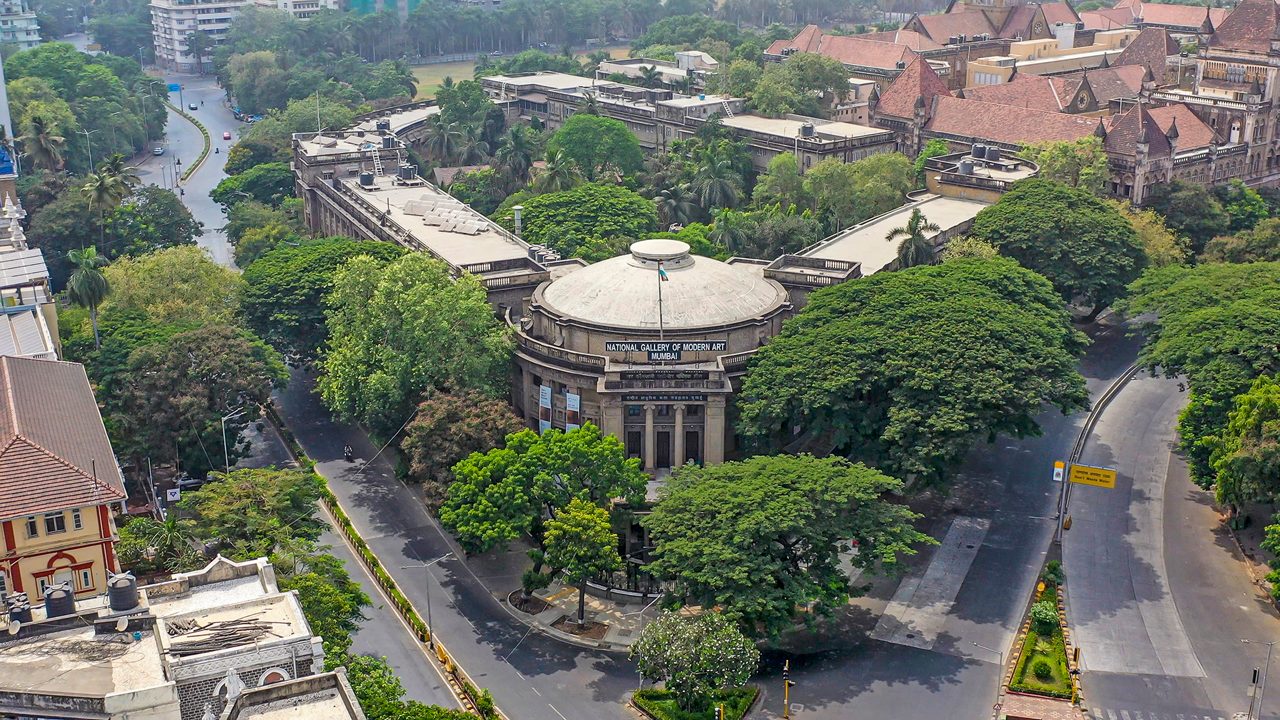
Best Places to Visit in Mumbai: Top Tourist Attractions
Discover the best places to visit in Mumbai from iconic Gateway of India and Marine Drive to Elephanta Caves and Juhu Beach. Explore Mumbai's top tourist attractions, heritage sites, beaches, and practical travel tips.
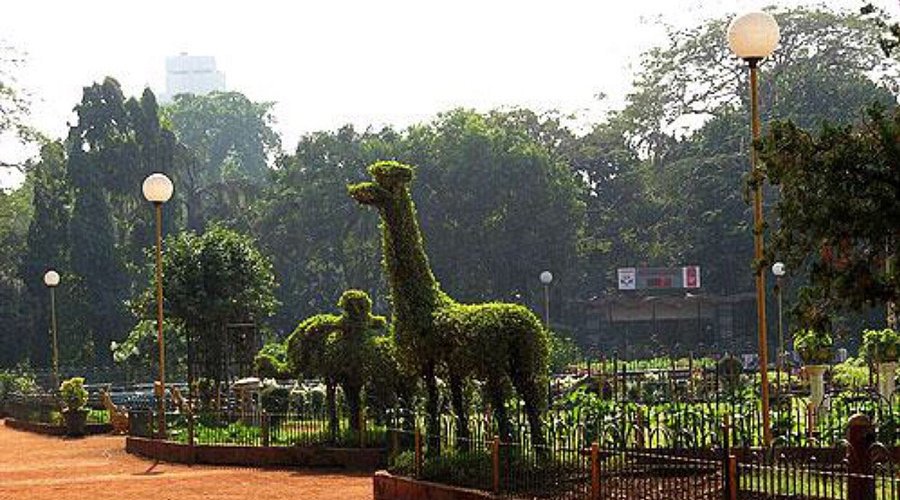
Hanging Gardens Mumbai: Timings, Best Viewpoints & Visitor Info
Visit Hanging Gardens in Mumbai! Discover timings, entry fee, best time to visit, how to reach & complete travel guide to this terraced garden on Malabar Hill.
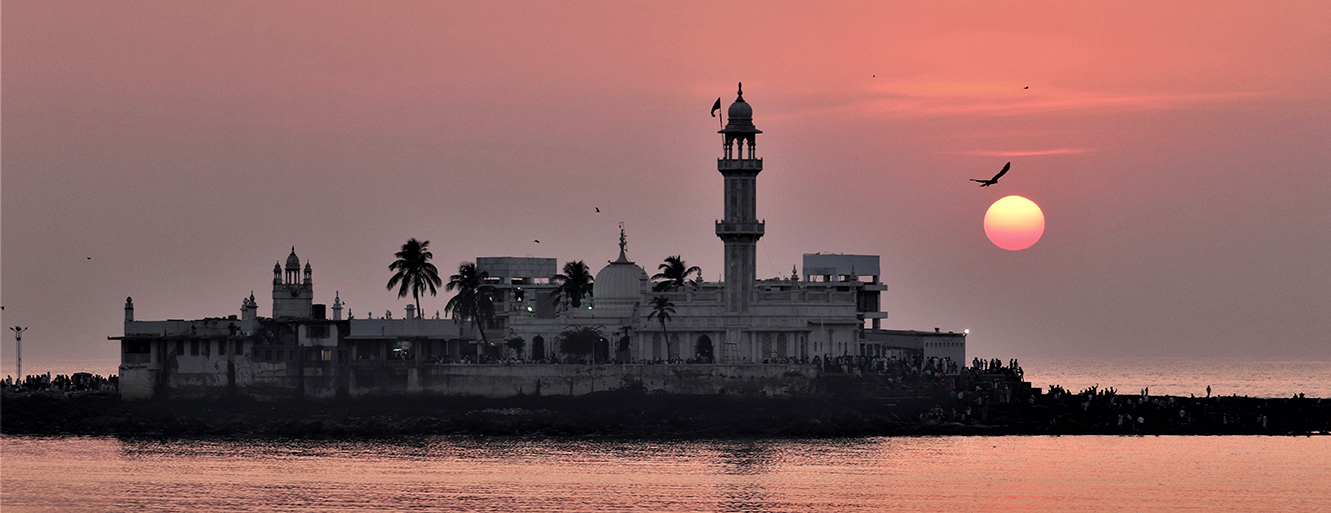
Haji Ali Dargah Mumbai: Timings, Causeway Access & Visitor Rules
Complete guide to Haji Ali Dargah Mumbai with timings, history, architecture, causeway access, qawwali performances, and practical travel tips.
Never Miss an Adventure
Get the latest trekking guides, travel tips, and exclusive offers delivered straight to your inbox.
