
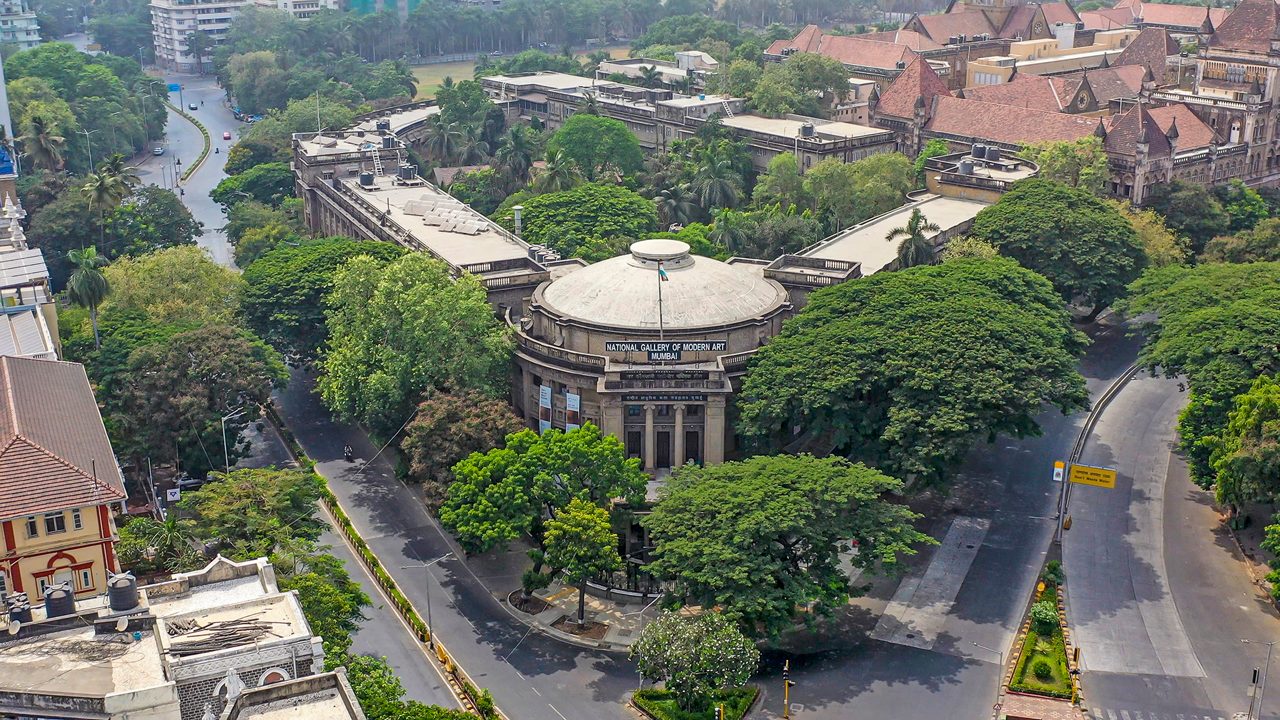
Best Places to Visit in Mumbai: Top Tourist Attractions

Rohit Verma
January 16, 2026
Discover the best places to visit in Mumbai from iconic Gateway of India and Marine Drive to Elephanta Caves and Juhu Beach. Explore Mumbai's top tourist attractions, heritage sites, beaches, and practical travel tips.
Best Places to Visit in Mumbai: A Practical City Guide for First-Time Travelers
Mumbai is not a city you “cover” in one day. It is a city you experience in layers: colonial architecture, waterfront promenades, religious landmarks, cultural districts, fast-paced neighborhoods, and food streets that stay active long after midnight. If you are searching for the best places to visit in Mumbai, the right approach is not just listing attractions. You need a route strategy that respects traffic, neighborhood clusters, and time-of-day experience quality.
This guide is built for exactly that. It helps you choose what to see, when to go, and how to combine major Mumbai tourist attractions without wasting energy in long cross-city transfers. Whether you have 1 day, 2 days, or 3 days, this plan will help you prioritize iconic locations and still leave room for local experiences. If you prefer slower destination pacing after a busy metro trip, see places to visit in Alleppey for a backwater contrast.
South Mumbai Landmarks You Should Prioritize First
Gateway of India
Gateway of India remains the most recognized symbol of Mumbai tourism. Its waterfront setting, colonial-era scale, and proximity to other attractions make it an ideal starting point. Visit early morning for better photos and lighter crowds. This also gives you efficient access to nearby Colaba lanes and heritage precincts.
Chhatrapati Shivaji Maharaj Terminus (CSMT)
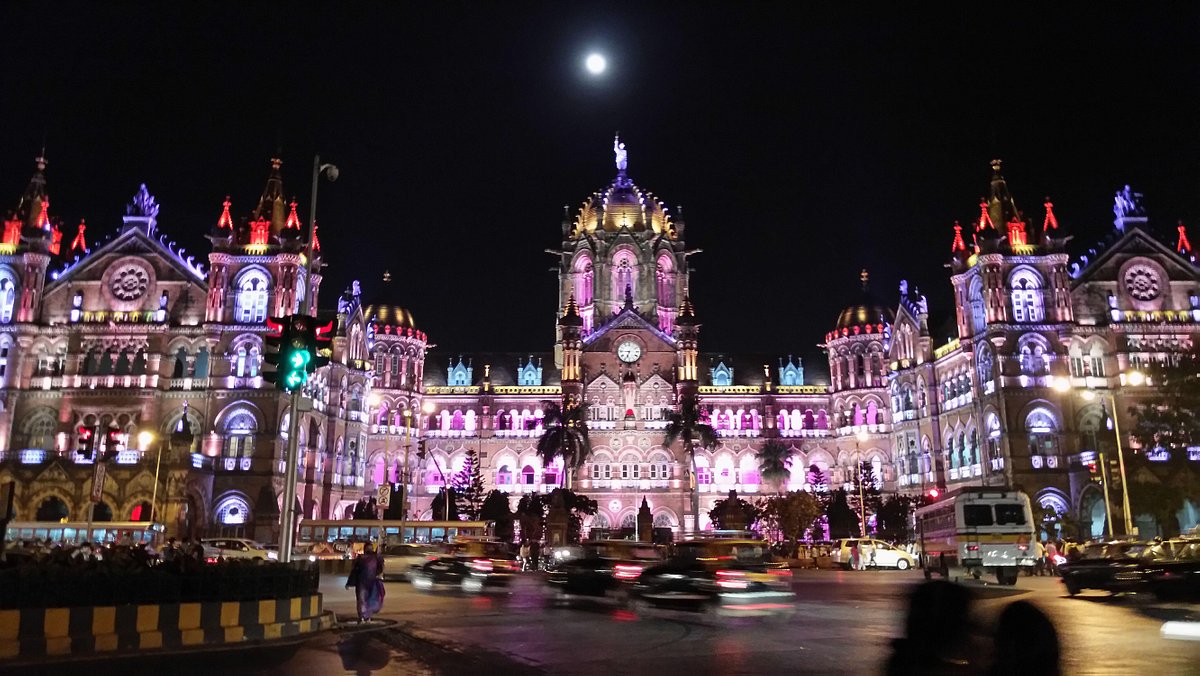
A UNESCO-listed architectural masterpiece and a functioning transport hub, CSMT reflects Mumbai’s historic and economic identity in one frame. Even a short exterior stop is worthwhile, and architecture lovers can spend longer studying details and facades.
Kala Ghoda Precinct
This zone is great for art, design, and urban heritage walks. You can combine it with cafes and museum stops depending on your pace. Keep it in the same South Mumbai block to avoid unnecessary travel time.
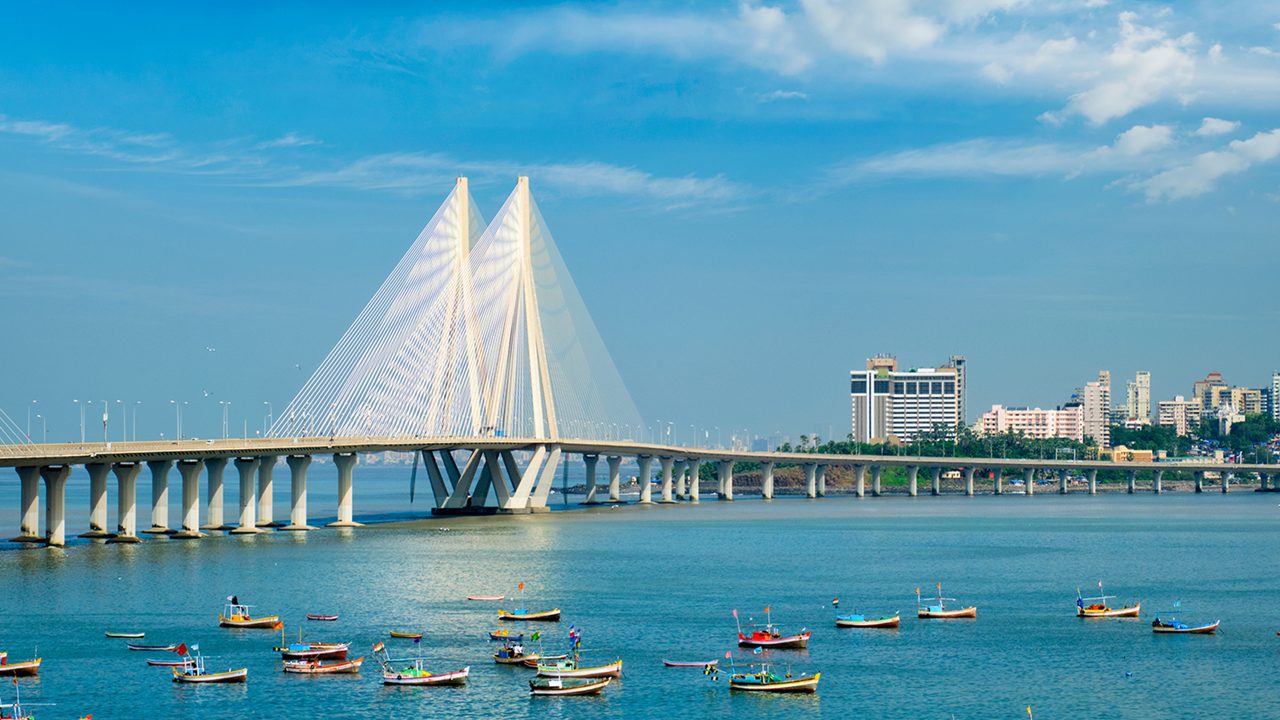
Marine Drive, Chowpatty, and the City Waterfront Mood
Marine Drive is one of the most popular places to visit in Mumbai for a reason. It is the city’s public living room. Morning here feels calm and reflective; evenings feel energetic and social. If you want the iconic “Queen’s Necklace” city-light view, dusk is the ideal time.
Chowpatty nearby adds street-food and local crowd culture. This stretch is less about monuments and more about Mumbai’s rhythm. Do not rush it. Sit for a while, watch movement, and let the city atmosphere settle in. This is often the moment first-time visitors remember most.
Religious and Cultural Stops That Add Depth
Haji Ali Dargah
Located along the coast, Haji Ali is spiritually significant and visually distinctive. Access flow depends on timing and conditions, so keep flexibility. Respectful clothing and calm conduct are essential.
Siddhivinayak Temple
One of Mumbai’s most visited temple sites, Siddhivinayak draws daily devotees and festival crowds. Early timing can help reduce queue pressure.
Mount Mary Church and Bandra Spiritual Circuit
If your route includes Bandra, this stop fits well into a mixed cultural itinerary with sea-facing points and local neighborhoods.
Beaches in Mumbai: What to Expect Realistically
Mumbai beaches are more about public life and evening culture than tropical seclusion. Juhu Beach is lively, social, and food-centric. It is best for sunset strolls and local snack tasting rather than quiet relaxation.
Versova and selected Bandra sea-facing points offer alternative mood pockets depending on your comfort with crowds. For cleaner and calmer coastal experiences, travelers often add out-of-city beach destinations in separate trips. In-city beach time should be planned as a city-culture experience.
Markets and Shopping Zones in Mumbai
Mumbai shopping is highly diverse and depends on your interest: fashion, street style, local design, books, antiques, or food-based takeaways. Colaba Causeway is ideal for tourist browsing and gifting. Linking Road and Hill Road in Bandra are popular for trend-led street and casual shopping.
If you prefer curated retail and cafes, mixed urban neighborhoods in Bandra and Lower Parel can work better than high-density bargain markets. Decide your shopping style first, then allocate time. Random shopping without area planning usually consumes too much of the day.
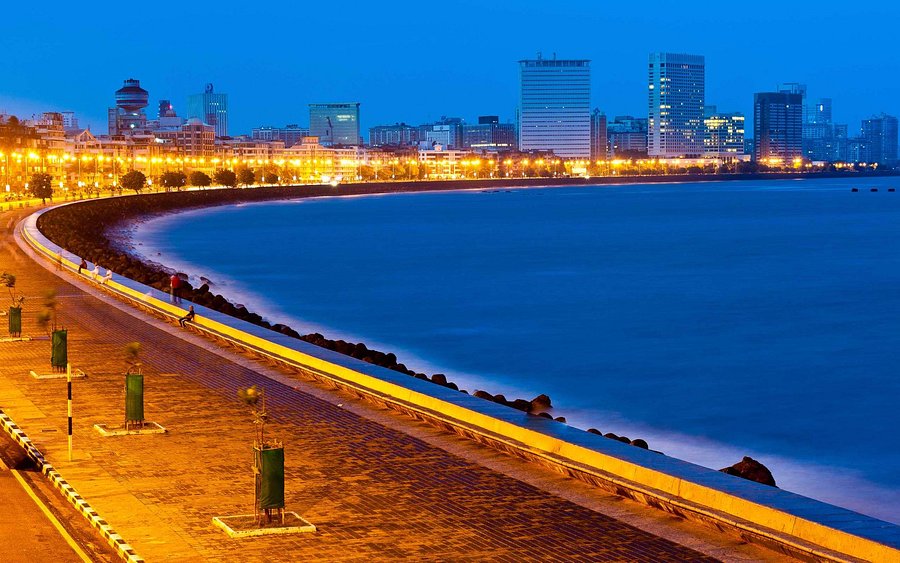
Modern Mumbai: Bandra, Sea Link, and Urban Lifestyle
To experience modern Mumbai, include Bandra-Worli Sea Link views, Bandra cafes, and nearby art-lifestyle neighborhoods. This side of the city feels different from South Mumbai’s colonial core. It is younger, faster, and more trend-focused.
Many travelers do South Mumbai in one day and Bandra-Juhu in another. This two-zone split usually works better than mixing everything in one day. It reduces commute fatigue and gives each area proper time.
Food Experiences: What to Try Without Overcomplicating
Mumbai is one of India’s strongest food cities. You can sample classic street options, regional Maharashtrian flavors, and modern global menus in the same trip. For short stays, do not chase too many far-apart “viral” recommendations. Keep food stops close to your route clusters.
Simple strategy that works: breakfast in your neighborhood, lunch near attraction zone, sunset snack at waterfront, dinner in your evening district. This keeps energy stable and avoids wasting hours in traffic just for one meal stop.
How Many Days Are Enough for Mumbai?
1 day: South Mumbai highlights only (Gateway, heritage zone, Marine Drive sunset).
2 days: Add Bandra-Juhu and one religious/cultural circuit.
3 days: Include market walk, museum/art zone, and a flexible half-day for slower exploration.
Mumbai rewards route discipline. The more geographically clustered your plan, the more you will enjoy the city instead of commuting through it.
Suggested 2-Day Itinerary (Most Practical for First-Time Travelers)
Day 1: South Mumbai
Gateway of India, Colaba, CSMT area, Kala Ghoda walk, Marine Drive, Chowpatty.
Day 2: Bandra + Juhu + Cultural Stops
Bandra lanes, sea-facing points, optional Siddhivinayak or Haji Ali, Juhu evening, dinner in West Mumbai.
If you are extending into weekend escapes, compare terrain and travel mood with places to visit near Bangalore for hill-and-nature alternatives.
Best Time to Visit Mumbai
November to February is generally the most comfortable window for outdoor movement and city walks. Monsoon gives dramatic city visuals and strong local mood, but can disrupt timing and increase road delays. Summer is manageable with early starts and afternoon indoor planning.
Whatever the month, keep buffer between major attractions. Mumbai traffic is the single biggest planning variable for tourists.
Budget Planning: Quick Guide
| Travel Style | Daily Spend Pattern |
|---|---|
| Budget | Public transport + local food + basic stay |
| Mid-Range | Cab mix + curated food + central hotel |
| Premium | Private transfers + premium stays + experience dining |
Your total cost changes more by hotel location and transport choices than by attraction entry fees. Staying in the wrong zone can increase commute cost and fatigue significantly.
Common Mistakes Tourists Make in Mumbai
1. Trying to cover South Mumbai and far western suburbs in one tight day.
2. Ignoring traffic buffers between major stops.
3. Planning all outdoor attractions at midday heat or monsoon peak windows.
4. Choosing stays far from intended sightseeing clusters.
Fix these four issues and your Mumbai trip quality improves immediately.
Safety and Practical Tips
Mumbai is one of the more travel-friendly metros in India, but standard city safety habits still apply. Use trusted transport options, avoid isolated late-night lanes, and keep valuables secure in crowded areas. For local movement, combining app cabs with train/metro where suitable can save time.
Carry hydration support, keep offline maps, and plan your return timing after late-evening activities. If you are comparing city trip styles before booking flights, you can also read Jaipur vs Udaipur for a slower heritage alternative.
Final Take: Which Mumbai Attractions Matter Most?
If your time is limited, prioritize this order: Gateway of India, heritage South Mumbai, Marine Drive, one cultural/religious stop, then Bandra-Juhu urban circuit. This sequence gives you history, skyline, spirituality, and modern lifestyle in one structured flow.
Mumbai is worth visiting not because of one attraction, but because of its range. It can feel historic and futuristic in the same day. Plan by neighborhood, keep flexible windows, and choose experience quality over checklist quantity. If your next trip needs a complete pace shift, pair Mumbai with Alleppey backwaters or a mountain route like Spiti in October.
Mumbai by Neighborhood: The Smart Way to Explore
If you want to enjoy Mumbai without constant commute stress, think in neighborhood clusters. South Mumbai works for heritage and waterfront classics. Bandra-West side works for urban lifestyle, cafe culture, and evening social scenes. Juhu-side blocks work for beach-time and food-driven outings. Planning by neighborhood lowers travel fatigue and gives better in-location immersion. It also helps families and first-time travelers keep day structure simple.
A good travel pattern is one major neighborhood block per day with one optional secondary stop nearby. This avoids excessive vehicle time and gives your itinerary natural breathing space. If you stay centrally located for your chosen day theme, even short trips can feel surprisingly complete. This strategy is also useful during monsoon and weekend windows when traffic variation can be significant.
Mumbai for Different Travel Styles
Culture-first travelers: Prioritize heritage architecture, museum precincts, and old city walks.
Food-first travelers: Build route around signature local neighborhoods and evening snack corridors.
Photo-first travelers: Focus sunrise and sunset waterfront windows plus selective skyline points.
Family travelers: Keep daytime movement compact and avoid overloading evening schedules.
Mumbai can serve all these styles, but only when your route matches your travel goal. Trying to do every style in one short trip usually reduces experience quality. Treat each visit as a theme-based city chapter and return for the next layer.
Location
Frequently Asked Questions
Q1.What is Mumbai famous for?
Q2.What are the top places to visit in Mumbai?
Q3.How many days are needed to visit Mumbai?
Q4.How do I reach Mumbai?
Q5.Best time to visit Mumbai?
Q6.Is Mumbai worth visiting?
Q7.What are the famous attractions in Mumbai?
Q8.Is Mumbai safe for tourists?
Q9.What can I buy at Colaba Causeway?
Q10.How do I reach Elephanta Caves?
Q11.What is special about Marine Drive?
Recommended For You
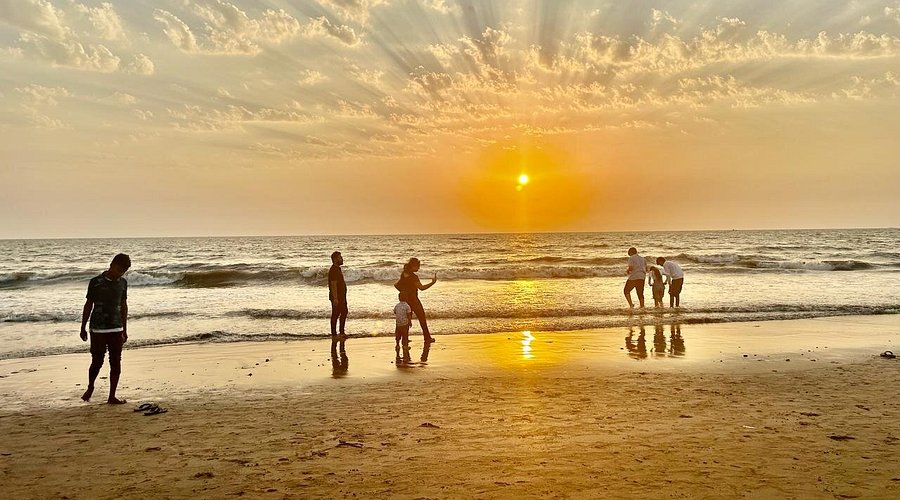
Juhu Chowpatty Mumbai: Street Food, Sunset & Beach Activities
Visit Juhu Chowpatty in Mumbai! Discover street food, beach timings, sunset views, how to reach, things to do, & complete guide to this famous Mumbai beach.
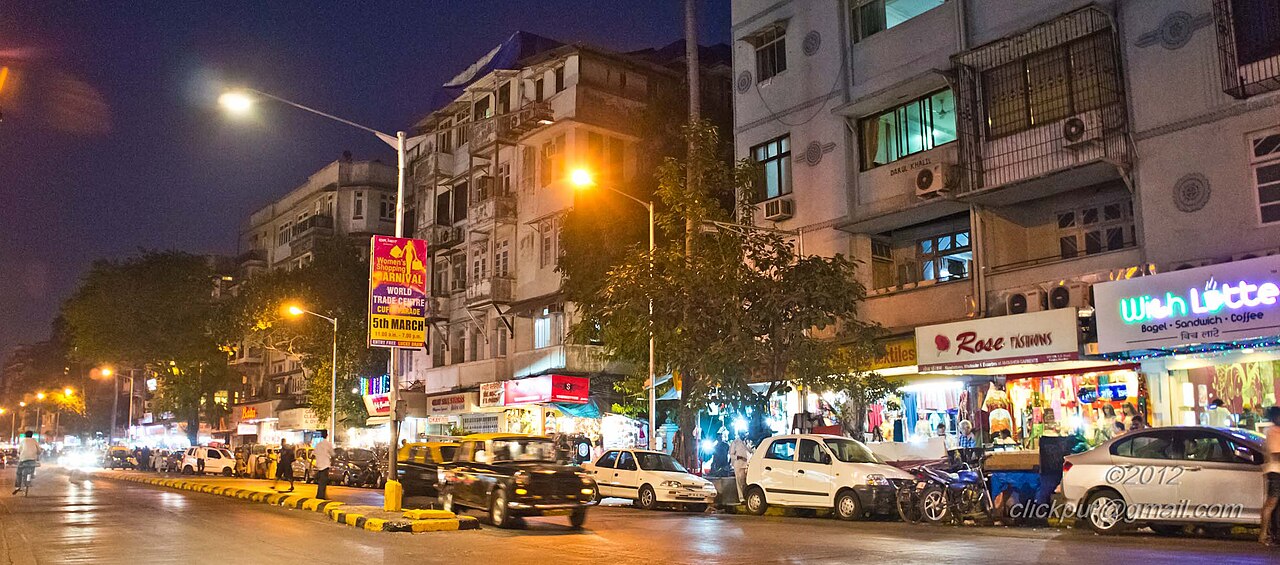
Colaba Causeway Mumbai: Shopping Guide with Tips & Timings
Discover Mumbai's iconic Colaba Causeway shopping destination. Learn what to buy, bargaining strategies, best times to visit, nearby cafes, and practical tips for budget shopping in South Mumbai.
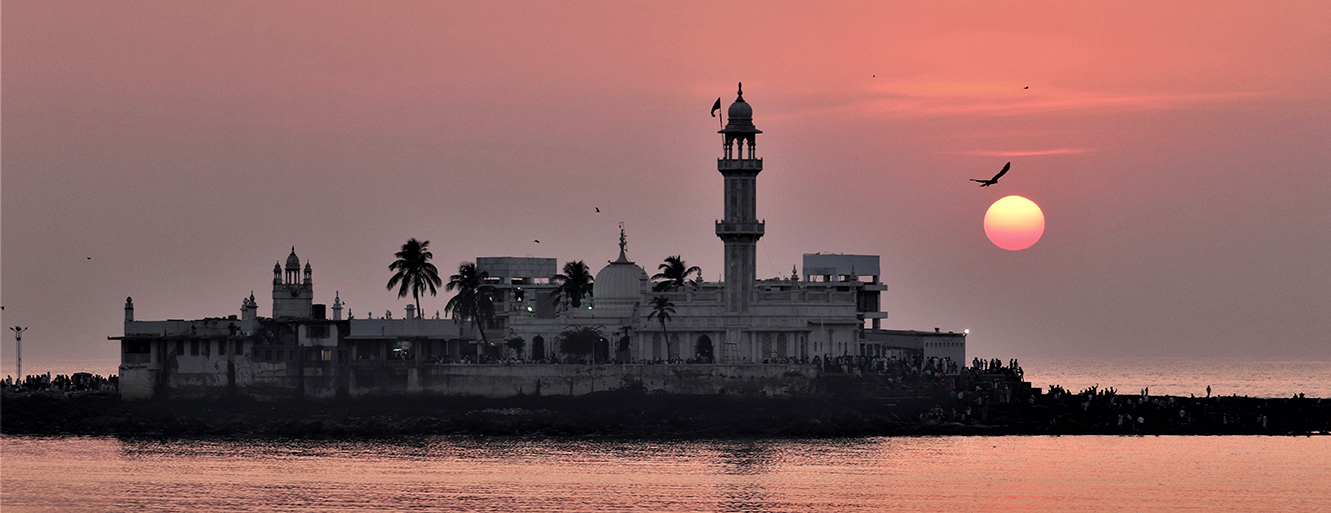
Haji Ali Dargah Mumbai: Timings, Causeway Access & Visitor Rules
Complete guide to Haji Ali Dargah Mumbai with timings, history, architecture, causeway access, qawwali performances, and practical travel tips.
Never Miss an Adventure
Get the latest trekking guides, travel tips, and exclusive offers delivered straight to your inbox.
