
Haji Ali Dargah Mumbai: Timings, Causeway Access & Visitor Rules

Neha Kapoor
February 3, 2026
Complete guide to Haji Ali Dargah Mumbai with timings, history, architecture, causeway access, qawwali performances, and practical travel tips.
Introduction: Mumbai's Iconic Island Mosque
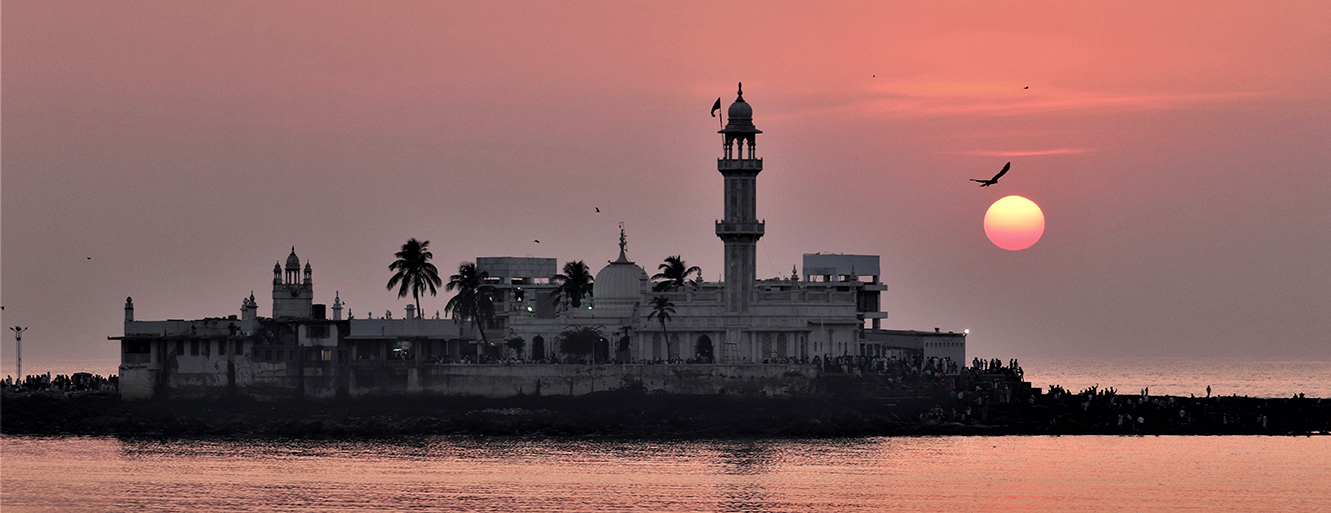
Haji Ali Dargah Mumbai is one of the most recognizable spiritual landmarks in India, located on a small islet off the coast of Worli in Mumbai. This beautiful white marble mosque and tomb complex sits in the Arabian Sea, connected to the mainland by a narrow causeway that disappears during high tide, creating a mystical and memorable visitor experience. Built in 1431 AD, the dargah houses the tomb of the revered Sufi saint Haji Ali Shah Bukhari and attracts millions of devotees and tourists annually regardless of their religious background.
The dargah's unique setting, architectural beauty, and spiritual significance make it a must-visit destination in Mumbai. Whether you're seeking blessings, interested in Sufi culture, or simply want to witness one of Mumbai's most photographed landmarks, this comprehensive guide covers everything you need to know about visiting Haji Ali Dargah. If you're exploring Mumbai's attractions, this should definitely be on your list. You can also visit Marine Drive which is nearby.
History and Legend of Haji Ali Shah Bukhari
The story of Haji Ali Dargah begins with Haji Ali Shah Bukhari, a wealthy merchant from Uzbekistan who gave up all his worldly possessions before embarking on a pilgrimage to Mecca. Legend says that after completing his Haj pilgrimage, he traveled to Mumbai where he spent his remaining years spreading Islam and helping the poor through his teachings and miraculous powers.
The Saint's Journey
According to popular belief, Haji Ali Shah Bukhari had a recurring dream after his pilgrimage that instructed him to spread his spiritual wisdom. He settled on a small island off the Mumbai coast and spent his days in meditation and prayer. His reputation for granting wishes and performing miracles attracted devotees from far and wide.
The Miraculous Death
The most fascinating aspect of the dargah's history is how Haji Ali died. As the story goes, he instructed his followers to cast his coffin into the Arabian Sea after his death. Miraculously, the coffin floated back and settled at the exact spot where the dargah stands today. His followers then built the tomb at this location, which became the revered shrine we see now.
Construction and Evolution
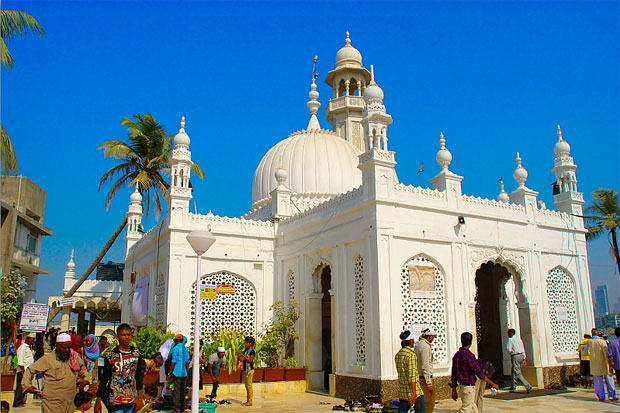
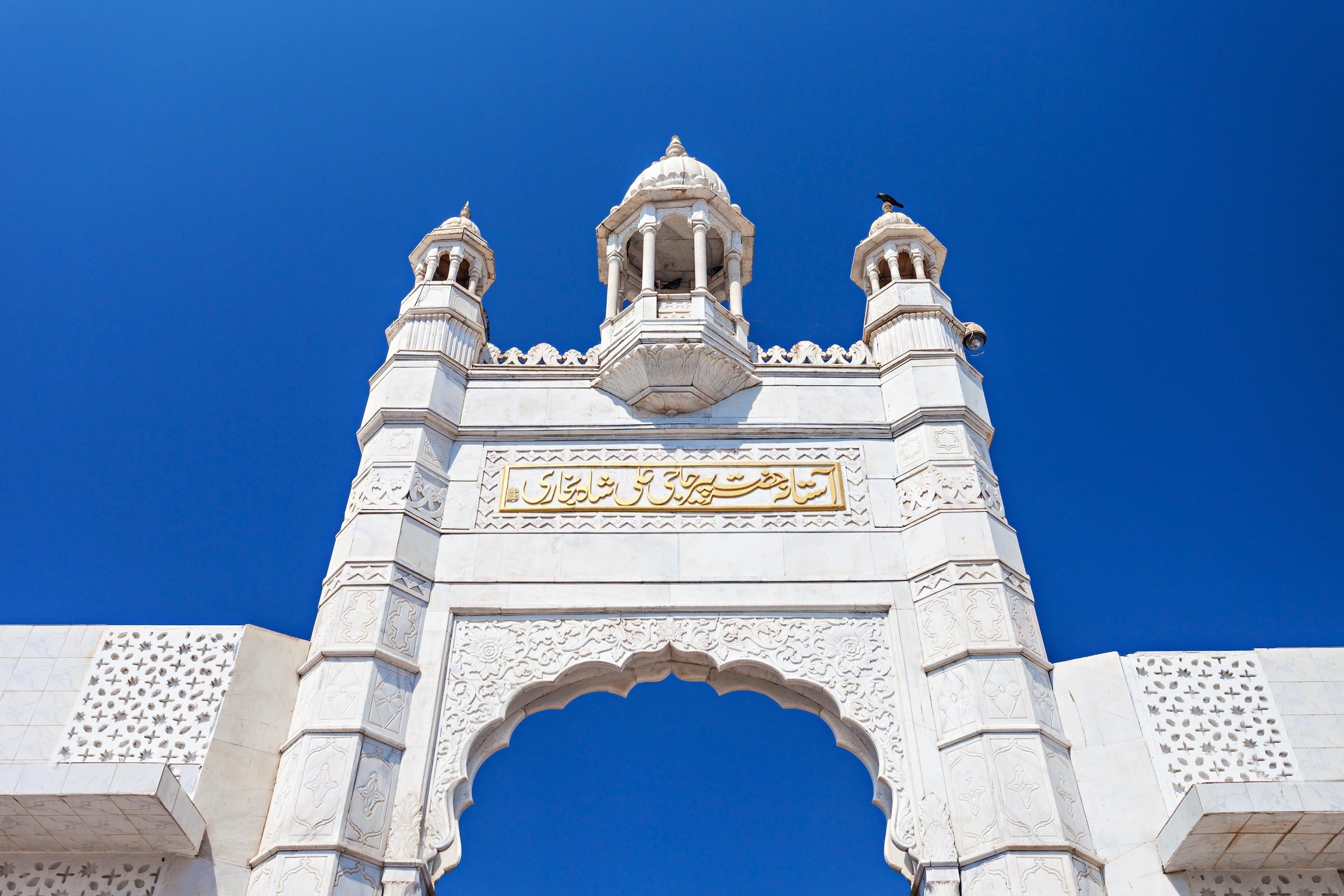
The current structure was built in 1431 AD and has undergone several renovations over the centuries. The dargah complex as we see it today reflects Indo-Islamic architecture with beautiful white marble construction, intricate mirror work, and elaborate calligraphy displaying verses from the Quran. The complex includes the main tomb, a mosque, and several supporting structures.
Symbol of Religious Harmony
One of the most remarkable aspects of Haji Ali Dargah is its inclusive nature. People from all religions visit the dargah to seek blessings, making it a powerful symbol of India's secular fabric and Sufi tradition of embracing all humanity. The dargah management maintains this inclusive atmosphere, welcoming visitors regardless of their faith.
| Historical Period | Key Events |
|---|---|
| 1431 AD | Original construction of the dargah |
| Mughal Era | Patronage and expansion of complex |
| British Period | Major renovations and maintenance |
| 1940s-50s | Post-independence restoration work |
| 1960s | Addition of modern amenities |
| 2010s | UNESCO heritage consideration |
Haji Ali Dargah Timings
Understanding the prayer timings at Haji Ali Dargah is essential for planning your visit. The dargah follows Islamic prayer schedules, and certain times are more crowded than others. Here are the typical timings throughout the week:
Daily Schedule
- Fajr Prayer: 5:00 AM - 6:00 AM (Early morning prayers)
- Zohar Prayer: 12:30 PM - 1:30 PM (Midday prayers)
- Asr Prayer: 3:30 PM - 4:30 PM (Afternoon prayers)
- Maghrib Prayer: Sunset (varies by season)
- Isha Prayer: 7:00 PM - 8:00 PM (Night prayers)
- General Visiting: 5:00 AM - 10:00 PM (Open throughout)
Special Day Timings
On Fridays, the dargah sees extended hours and larger crowds due to the special Jumu'ah (Friday congregation) prayers. During Ramadan, the holy month of fasting, the dargah remains open for longer hours, with special late-night prayers and increased devotional activities.
Best Time to Visit
For a peaceful experience with fewer crowds, early morning visits between 6:00 AM and 8:00 AM are ideal. The cool morning breeze from the Arabian Sea and the serene atmosphere create perfect conditions for meditation and prayer. If you prefer evening visits, arrive before sunset to witness the dargah beautifully illuminated against the darkening sky.
Causeway Timing Consideration
The most important practical consideration when visiting Haji Ali Dargah is the tide timing. The causeway connecting the islet to the mainland is accessible only during low tide. During high tide, the pathway gets submerged, and visitors must either wait for the tide to recede or use boats provided by local operators.
| Time of Day | Crowd Level | Best For |
|---|---|---|
| 6:00 AM - 9:00 AM | Low | Peaceful darshan, meditation |
| 12:00 PM - 4:00 PM | Moderate | Cultural exploration |
| 5:00 PM - 8:00 PM | High | |
| Friday Prayers | Very High | Weekly congregation (for devout) |
Entry Fee and Donations
One of the most welcoming aspects of Haji Ali Dargah is that there is no entry fee for visitors. The dargah management believes in keeping this sacred space accessible to everyone, regardless of their financial status. However, donations are accepted and encouraged for the maintenance of the complex and charitable activities run by the trust.
Donation Boxes
Several donation boxes are placed throughout the complex for voluntary contributions. The dargah trust uses these funds for maintaining the beautiful white marble structure, organizing free community meals (langar), running educational programs, and supporting various charitable causes.
Offerings at the Tomb
Devotees often bring offerings to the tomb of Haji Ali Shah Bukhari. Common offerings include flowers (especially rose petals), chadar (cloth covering), incense sticks, and perfumes (attar). Some devotees also offer food items which are later distributed to the poor as part of the dargah's charity work.
Commercial Photography
While personal photography is free, commercial photography and filming require prior permission from the dargah authorities. Professional photographers and film crews must contact the dargah office and obtain necessary permits before shooting.
Architecture and Design Highlights
The architectural beauty of Haji Ali Dargah is a testament to the skill of Indian craftsmen and the vision of its builders. The complex showcases a perfect blend of Indo-Islamic architectural styles with predominantly white marble construction that gleams against the blue Arabian Sea backdrop.
Main Structure
The central tomb chamber houses the grave of Haji Ali Shah Bukhari, covered with an intricately carved marble canopy and surrounded by a silver railing. The chamber's walls feature beautiful mirror work (kashikari) and marble jali (lattice) screens that filter light in ethereal patterns. The floor is made of cool marble that remains pleasant even during hot Mumbai summers.
The Central Dome
The impressive central dome dominates the skyline and is visible from afar. The dome is surrounded by smaller minarets, all adorned with intricate geometric patterns and Arabic calligraphy. The top of the dome features a finial that adds to its elegant silhouette.
Prayer Hall
The main prayer hall can accommodate several hundred worshippers at a time. The hall features beautifully carved marble pillars, ornate chandeliers, and walls inscribed with Quranic verses in exquisite calligraphy. Separate prayer areas are designated for men and women.
The Courtyard
The open courtyard surrounding the main tomb provides space for devotees to sit, meditate, and offer prayers. The courtyard is typically filled with the fragrance of incense and the sound of devotional prayers. Benches are placed around the perimeter for elderly visitors and those who wish to rest.
The Unique Causeway Experience
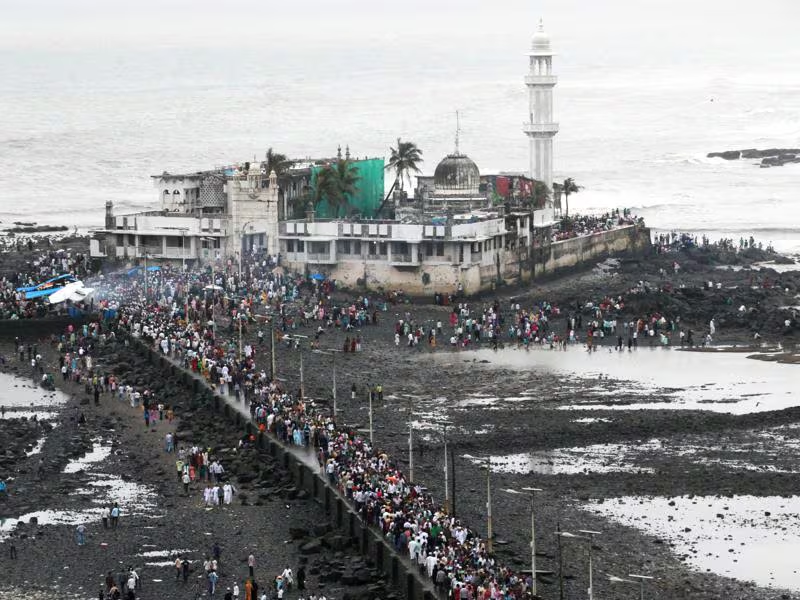
The 500-meter-long causeway connecting Haji Ali Dargah to the mainland is one of the most distinctive features of visiting this sacred site. Walking along this narrow pathway with the Arabian Sea on both sides is an experience unlike any other in Mumbai.
Causeway Features
The causeway is built with 11 arches and pillars, all constructed with white marble that matches the main dargah building. The pathway is approximately 15 feet wide and can accommodate a steady stream of visitors. During low tide, the walkway is fully accessible, and visitors can enjoy stunning views of the Mumbai skyline and the endless sea.
Tide-Dependent Access
The most important thing to understand about the causeway is that it's only accessible during low tide. During high tide, the pathway gets submerged under 3-4 feet of water, cutting off access to the dargah for several hours. The tide timing changes daily based on the lunar calendar, so it's important to check tide schedules before planning your visit.
High Tide Options
When the causeway is submerged due to high tide, local boat operators provide ferry services to transport visitors to and from the dargah. These boats charge a nominal fee and can be hired from the main jetty. However, most visitors prefer to wait for the tide to recede and walk across the causeway for the full experience.
Safety Considerations
The causeway can be slippery due to sea spray and moss growth, especially during the monsoon season. Visitors should wear appropriate footwear and walk carefully, avoiding the edges. The pathway has railings for safety, but children must be supervised at all times. During very high tides and rough seas, access may be temporarily restricted for visitor safety.
Qawwali Performances
One of the most enchanting aspects of visiting Haji Ali Dargah is the live qawwali performances. These traditional Sufi devotional songs create an atmosphere of spiritual ecstasy and are a major draw for visitors.
Performance Schedule
Qawwali performances typically take place in the evenings between 6:00 PM and 8:00 PM. The schedule is especially active on Thursday and Friday evenings, considered spiritually significant days in Islamic tradition. Special performances are also organized during festivals and Urs (death anniversary celebrations of the saint).
Qawwali Groups
The dargah hosts several renowned qawwali groups who have been performing here for generations. These groups maintain the traditional style of qawwali singing, featuring powerful vocals, rhythmic clapping, and harmonium and tabla accompaniment. The lead singer (qawwal) recites mystical poetry praising Allah and the saints.
Qawwali Themes
The qawwalis performed here cover various themes including divine love, the emptiness of worldly pursuits, the beauty of prophetic teachings, and the spiritual journey of the soul. The poetry is primarily in Urdu and Persian, touching deep emotional chords even in listeners who may not understand the language.
Qawwali Etiquette
Visitors attending qawwali performances should maintain respect and decorum. Photography and videography during performances should be done discreetly without disturbing the performers or other devotees. The atmosphere during qawwali is one of devotion, and visitors are encouraged to listen respectfully.
Religious Significance and Spiritual Practices
Haji Ali Dargah holds special significance in the Sufi tradition of Islam, which emphasizes love, devotion, and the direct experience of the divine. The dargah is believed to be a place where prayers are answered and wishes are fulfilled.
Sufi Shrine Status
In Sufi tradition, the tombs of saints are considered portals through which devotees can connect with the divine. The dargah of Haji Ali Shah Bukhari is one such powerful shrine where devotees come to seek blessings for various needs including health, prosperity, marriage, children, and spiritual enlightenment.
Prayer Practices
Devotees offer prayers at the tomb using various traditional practices. These include reciting Fatiha (opening chapter of Quran), offering flowers and chadar, tying threads (kalava) on the tomb railing while making wishes, and circling the tomb seven times. The atmosphere inside the tomb chamber is charged with devotion, and many visitors report feeling a sense of peace and blessing.
Interfaith Appeal
What makes Haji Ali Dargah truly special is its universal appeal. People from all religious backgrounds visit the dargah, reflecting the inclusive nature of Sufi Islam. This interfaith harmony is embodied in the dargah's management and daily operations, welcoming everyone with open arms.
Annual Celebrations
The Urs of Haji Ali Shah Bukhari, commemorating the saint's death anniversary, is the most important annual event at the dargah. This three-day festival features special prayers, qawwali performances, community feasting, and decorations. Thousands of devotees from across India and abroad attend this celebration.
Photography Guidelines
Photography at Haji Ali Dargah is a wonderful way to capture memories of your visit, but it's important to follow certain guidelines and respect the religious nature of the site.
Allowed Areas
Photography is permitted in the outdoor areas including the causeway, courtyard, and exterior of the main building. The architecture and sea views provide stunning photo opportunities. Sunset and evening shots when the dargah is illuminated are particularly spectacular.
Restricted Areas
Photography inside the main tomb chamber where the grave is located is generally restricted. During prayer times, photography anywhere in the prayer halls is not permitted as it disturbs worshippers. Flash photography is prohibited inside the building to preserve the tranquility and respect religious sensitivities.
Best Photo Spots
- Causeway approach: Classic shot with sea on both sides
- Main entrance: Traditional dargah architecture
- Sunset from courtyard: Golden hour lighting
- Dome at twilight: Illuminated against dark sky
- Qawwali performances: Captured respectfully from distance
Photography Etiquette
Always ask for permission before photographing people, especially devotees engaged in prayer. Be mindful of worshippers and avoid blocking pathways or disrupting the spiritual atmosphere for the sake of a photograph. During prayer times, put your camera away and respect the sanctity of the moment.
How to Reach Haji Ali Dargah
Located in the heart of South Mumbai, Haji Ali Dargah is easily accessible by various modes of transport. Here's how to reach the dargah from different parts of Mumbai:
By Local Train
Western Line: Get off at Mahalakshmi Station, which is the closest railway station. From there, it's a 20-minute walk or a short auto-rickshaw ride to the dargah. The walk takes you through some busy markets and offers a glimpse of local Mumbai life.
Central Line: Get off at Dadar or Byculla and take a taxi or BEST bus towards Worli. From these stations, the journey takes approximately 30-40 minutes depending on traffic.
Harbour Line: Get off at Mumbai CST or Churchgate and continue by bus or taxi. The journey from Churchgate takes about 25-30 minutes.
By Bus
BEST buses connect Haji Ali Dargah to various parts of Mumbai. Key bus routes include buses from Churchgate, Mumbai CST, Dadar, and Fort areas. The bus stop is a short walk from the dargah entrance. Bus frequency is good, especially during peak hours.
By Taxi/Auto-Rickshaw
Taxis and auto-rickshaws are readily available throughout Mumbai and can drop you directly at the dargah entrance. App-based cab services like Uber and Ola also operate in this area. This is the most convenient option, especially during hot or rainy weather.
From Airport
Chhatrapati Shivaji Maharaj International Airport is approximately 20 km from Haji Ali Dargah. Pre-paid taxis, app cabs, and airport shuttle buses are available. The journey takes 45-60 minutes depending on traffic conditions, which can be heavy during peak hours.
From Major Mumbai Landmarks
- Gateway of India: 20-25 minutes by taxi
- Marine Drive: 15-20 minutes by taxi
- Churchgate Station: 20-30 minutes by taxi
- Dadar: 25-35 minutes by taxi
| Starting Point | Distance | Travel Time | Best Transport |
|---|---|---|---|
| Mahalaxmi Station | 2.5 km | 20 min walk | |
| Churchgate | 6 km | 25-30 min | Taxi/Bus |
| Mumbai CST | 8 km | 30-40 min | Taxi/Bus |
| Domestic Airport | 18 km | 45-60 min | Taxi/App Cab |
| International Airport | 20 km | 45-60 min | Taxi/App Cab |
Nearby Attractions to Combine with Your Visit
Since Haji Ali Dargah is located in South Mumbai, you can easily combine your visit with several other famous attractions in the area. Here are some popular nearby places:
Religious and Cultural Sites
Mahalaxmi Temple, one of Mumbai's most famous Hindu temples, is located just 1.5 km from Haji Ali Dargah. Dedicated to Goddess Mahalaxmi, this temple attracts thousands of devotees daily. The beautiful architecture and spiritual atmosphere make it worth a visit.
Siddhivinayak Temple in Prabhadevi is another important religious site, approximately 4 km from the dargah. This temple dedicated to Lord Ganesha is one of the most visited temples in Mumbai.
Nature and Recreation
Worli Sea Face offers beautiful views of the Arabian Sea and is a popular spot for evening walks. The sea face promenade is about 2 km from the dargah and provides a relaxing place to watch the sunset.
The Bandra-Worli Sea Link, an engineering marvel, is visible from the dargah area. This cable-stayed bridge connects Bandra and Worli and offers stunning views, especially when illuminated at night.
Markets and Shopping
For those interested in shopping, the bustling markets of Bhuleshwar and Crawford Market are accessible by a short taxi ride. These markets offer everything from religious items to textiles and spices.
Best Time to Visit Haji Ali Dargah
Choosing the right time for your visit can significantly enhance your experience at Haji Ali Dargah. Here's a seasonal and daily breakdown to help you plan:
Seasonal Considerations
November to February (Winter): This is the most pleasant time to visit with cooler temperatures and comfortable humidity levels. The sea breeze is refreshing, and walking across the causeway is enjoyable. This period also sees many tourists, so expect moderate crowds.
March to May (Summer): Mumbai gets hot and humid during these months, but the sea breeze at the dargah provides some relief. Early morning or late evening visits are recommended to avoid the harsh sun. The crowds are generally thinner during this period.
June to September (Monsoon): The monsoon season brings dramatic skies and rough seas. While the dargah looks stunning against dark clouds and rain-sweet surroundings, the causeway may be inaccessible during high tide and rough weather. Check weather conditions before planning your visit during this season.
Daily Timing Recommendations
Morning (6:00 AM - 9:00 AM): The best time for a peaceful visit with fewer crowds. The cool morning air and calm sea create a perfect atmosphere for meditation and prayer. Photography is excellent during the soft morning light.
Afternoon (12:00 PM - 4:00 PM): While the sun can be harsh, this is a good time for cultural exploration and architectural appreciation. The crowds are moderate, and you can spend time examining the intricate details of the dargah.
Evening (5:00 PM - 8:00 PM): The most popular time to visit, especially for qawwali performances and sunset views. Expect larger crowds, but the vibrant devotional atmosphere and beautiful evening illumination make it worthwhile.
Travel Tips for Visitors
Here are some essential tips to make your visit to Haji Ali Dargah comfortable and meaningful:
Dress Code
While there is no strict dress code, modest clothing is recommended out of respect for the religious nature of the site. Both men and women should avoid shorts, sleeveless tops, and revealing clothing. Women may be required to cover their heads before entering the main tomb area. It's a good idea to carry a scarf or dupatta for this purpose.
Footwear Etiquette
Like all religious sites in India, footwear must be removed before entering the main prayer areas and tomb chamber. There is a designated shoe storage area near the entrance where you can leave your footwear for a nominal fee. It's advisable to wear easily removable shoes or sandals.
What to Carry
- Offerings: Flowers, chadar, or incense if you wish to offer at the tomb
- Cash: Small denominations for donations and offerings
- Water bottle: Especially important during summer months
- Sunscreen: For protection during daytime visits
- Scarf/Dupatta: For women to cover head if required
Safety Considerations
The dargah is generally safe, but like any crowded place in Mumbai, be mindful of your belongings. Pickpockets may operate during peak visiting hours. Avoid carrying large amounts of cash or valuables. Keep mobile phones and cameras secure, especially when taking photographs on the causeway.
Health Precautions
During the monsoon season, the causeway can be slippery. Walk carefully and hold handrails where available. The humid atmosphere can be taxing for elderly visitors, so take breaks and stay hydrated. Those with mobility issues should be extra careful on the uneven marble surfaces.
Respectful Behavior
Maintain silence inside the prayer halls and tomb chamber. Do not disturb devotees engaged in prayer. Avoid taking photographs during prayer times. Follow the instructions of dargah staff and security personnel. If you're unsure about any custom or practice, don't hesitate to ask politely.
Conclusion
Haji Ali Dargah Mumbai is much more than just a tourist attraction – it's a living spiritual center that embodies the inclusive Sufi tradition of India. Whether you're a devotee seeking blessings, a culture enthusiast interested in Sufi heritage, or simply a traveler wanting to experience one of Mumbai's most unique landmarks, the dargah offers a profound experience.
The combination of stunning architecture, mystical location, devotional music, and spiritual atmosphere creates memories that last long after your visit. Plan your trip during low tide, respect the religious customs, and allow yourself to be immersed in the peace and devotion that permeates this sacred space. A visit to Haji Ali Dargah is not just about seeing a monument – it's about experiencing centuries of faith, culture, and the timeless message of love and harmony that Sufi saints like Haji Ali Shah Bukhari preached.
Location
Frequently Asked Questions
Q1.What is Haji Ali Dargah famous for?
Q2.When is the best time to visit Haji Ali Dargah?
Q3.What are the Haji Ali Dargah timings?
Q4.Is there an entry fee for Haji Ali Dargah?
Q5.How to reach Haji Ali Dargah from Mumbai airport?
Q6.What is the causeway timing at Haji Ali Dargah?
Q7.Are non-Muslims allowed inside Haji Ali Dargah?
Q8.Is photography allowed at Haji Ali Dargah?
Recommended For You
CSMT Mumbai: Complete Guide to Victoria Terminus Heritage Site
Discover Chhatrapati Shivaji Maharaj Terminus (CSMT), Mumbai's UNESCO World Heritage Site. Explore Victorian Gothic architecture & heritage gallery guide.
Gateway of India Mumbai: Complete Guide to History, Timings & Ferry Rides
Visit Gateway of India, Mumbai's iconic 26-meter arch overlooking the Arabian Sea. Built in 1924, this Indo-Saracenic monument offers free entry 24/7, harbor views, and ferry rides to Elephanta Caves.
Ajmer Sharif Dargah: Complete Guide for Pilgrims
Complete guide to Ajmer Sharif Dargah including history, rituals, best time to visit, how to reach, and travel tips for pilgrims.
Never Miss an Adventure
Get the latest trekking guides, travel tips, and exclusive offers delivered straight to your inbox.
