
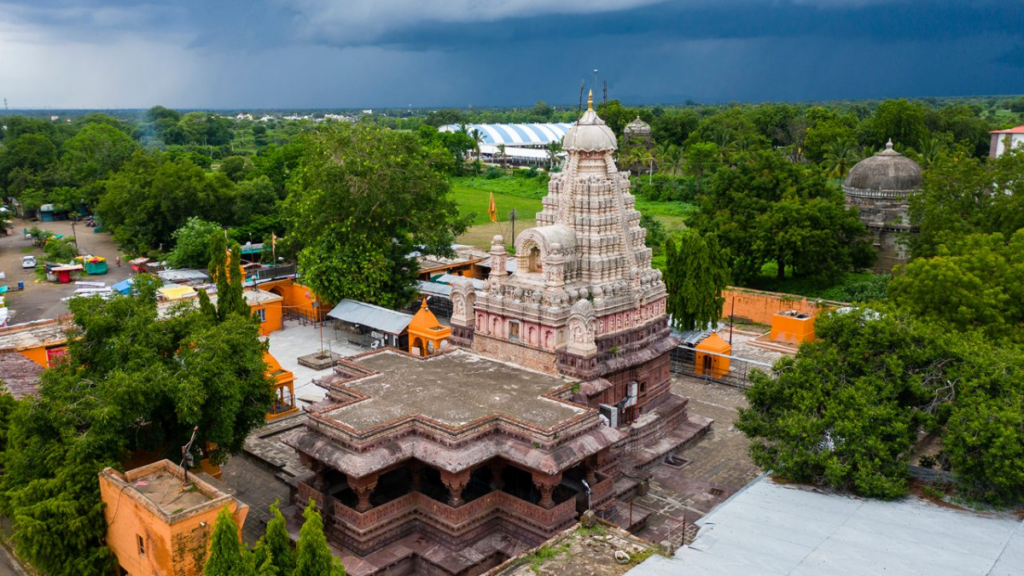
12 Jyotirlingas in India: Temple List, States, Route & Darshan Tips

Ananya Sharma
February 18, 2026
Explore all 12 Jyotirlingas in India - sacred shrines of Lord Shiva. Complete guide with locations, significance, darshan timings, best time to visit, pilgrimage routes & travel tips.
Introduction: The Sacred Journey to Lord Shiva's Light
The 12 Jyotirlingas represent the holiest shrines of Lord Shiva in India, where the divine deity is believed to have manifested as an infinite pillar of light. The word "Jyotirlinga" comes from two Sanskrit words: "Jyoti" meaning light or radiance, and "Linga" meaning sign or symbol. These sacred temples hold immense spiritual significance in Hinduism, drawing millions of devotees from across the world who seek blessings, spiritual enlightenment, and liberation from the cycle of birth and death. According to ancient Hindu scriptures, Lord Shiva revealed himself in these 12 locations as a dazzling column of light, proving his supremacy over other gods. Each Jyotirlinga temple has its own unique legend, architectural splendor, and spiritual aura that has been preserved for centuries. A pilgrimage to all 12 Jyotirlingas, known as the "Jyotirlinga Yatra," is considered one of the most sacred journeys a Hindu can undertake, believed to cleanse the soul of all sins and lead to moksha (salvation).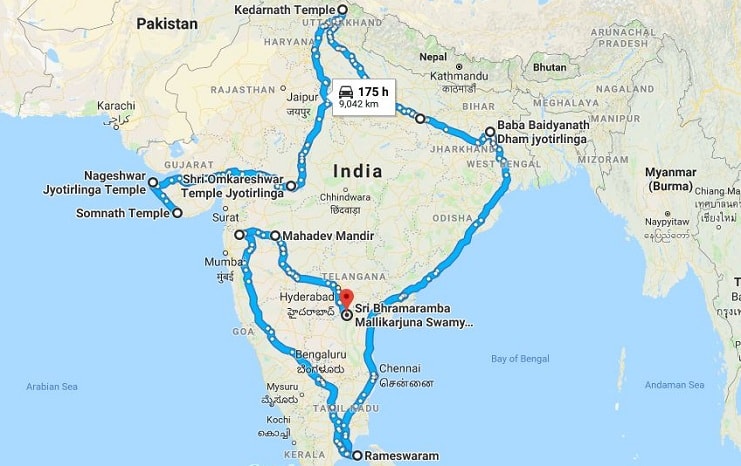 This comprehensive guide takes you through each of the 12 sacred shrines, their significance, best time to visit, darshan timings, and practical tips for planning your spiritual journey across India's most revered Shiva temples.
Significance of the 12 Jyotirlingas
The Jyotirlingas are not just temples but manifestations of Lord Shiva's infinite nature. Unlike ordinary Shiva lingams which are installed and consecrated by humans, Jyotirlingas are believed to be self-manifested (Swayambhu) - they appeared on their own divine accord. This makes them exceptionally powerful and sacred. In the Shiva Purana, it is mentioned that there were originally 64 Jyotirlingas, but 12 of them are considered the most sacred and important. These 12 are mentioned in the Dwadasa Jyotirlinga Stotram, a hymn praising all 12 shrines. Devotees believe that merely visiting these temples and having darshan (sacred viewing) of the Jyotirlinga can fulfill all desires and grant liberation from worldly attachments. What makes these temples particularly special is their geographical spread across India - from the Himalayas in the north to Tamil Nadu in the south, from Gujarat in the west to Odisha in the east. This distribution represents Lord Shiva's omnipresence throughout the country. Each Jyotirlinga has a unique form and story, yet they all represent the same infinite light of consciousness that Shiva embodies.Complete List of 12 Jyotirlingas with Locations
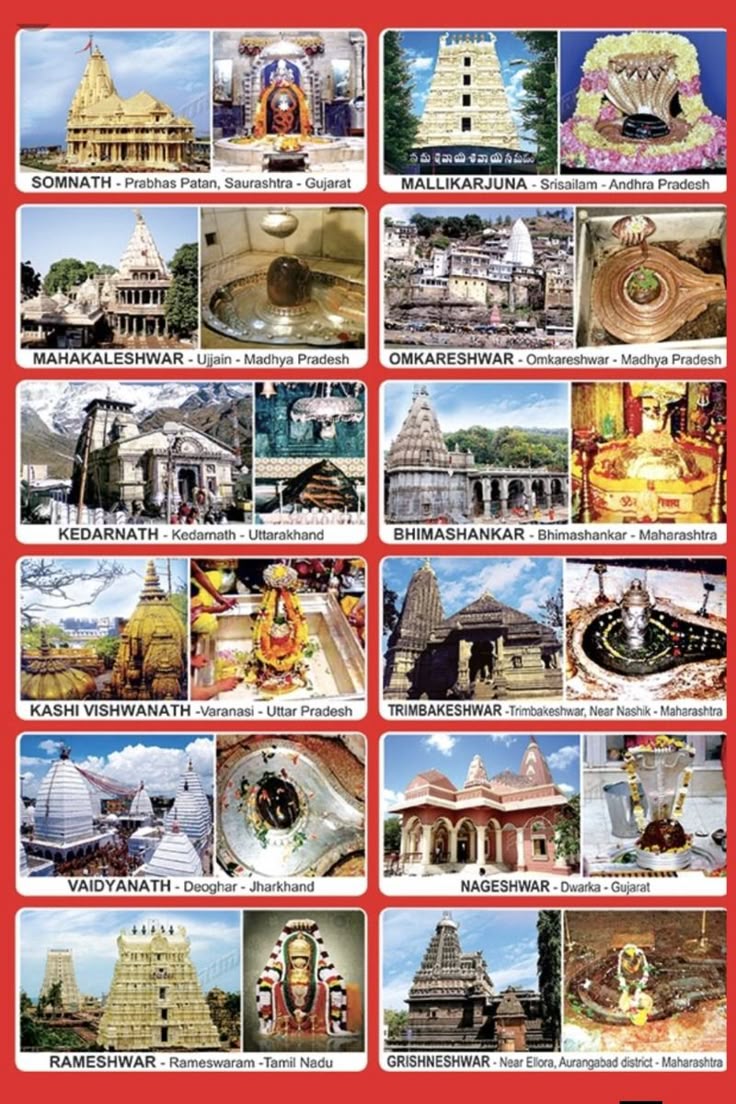
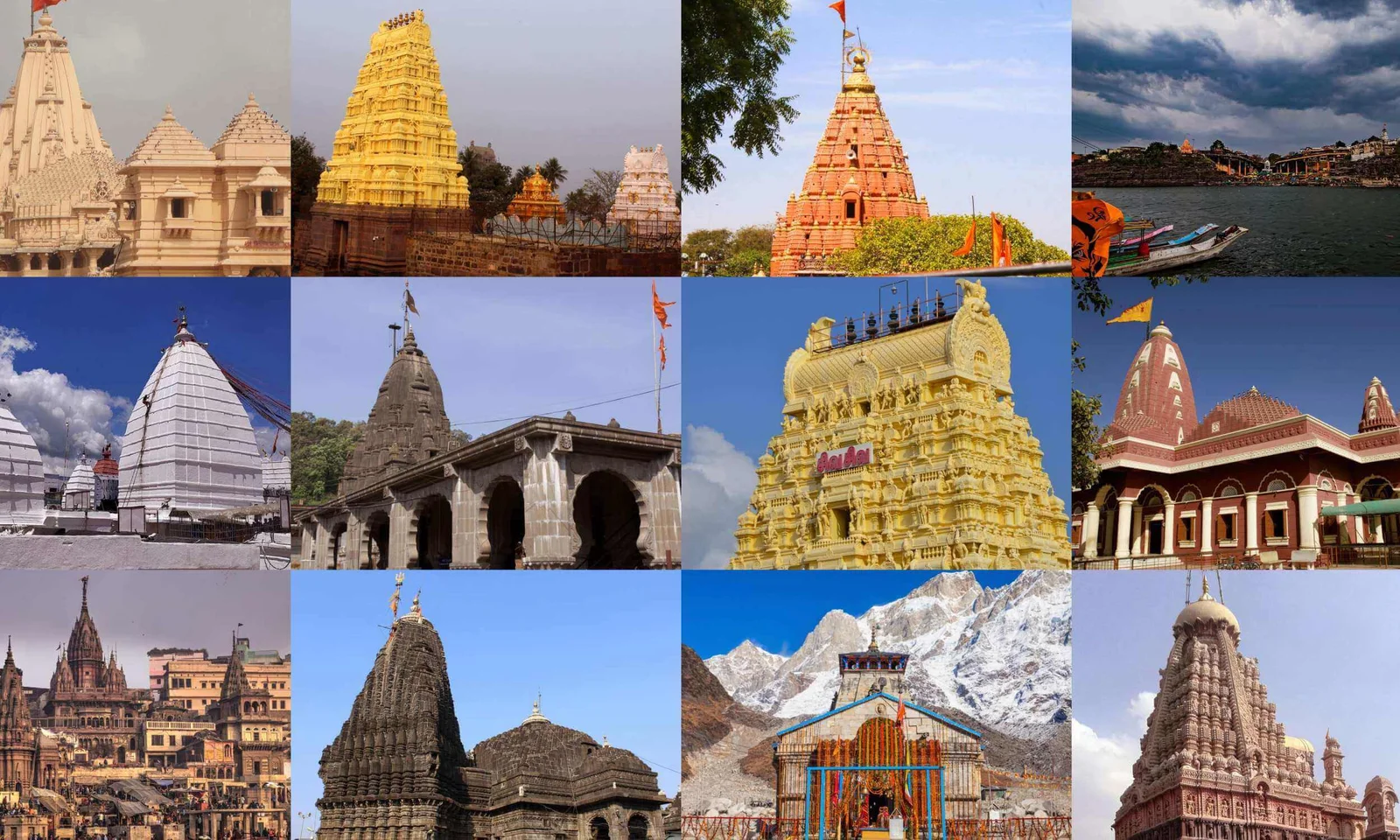
Here are all 12 Jyotirlinga temples with their respective states:- Somnath - Prabhas Patan, Gujarat
- Mallikarjuna - Srisailam, Andhra Pradesh
- Mahakaleshwar - Ujjain, Madhya Pradesh
- Omkareshwar - Khandwa, Madhya Pradesh
- Kedarnath - Rudraprayag, Uttarakhand
- Bhimashankar - Pune, Maharashtra
- Kashi Vishwanath - Varanasi, Uttar Pradesh
- Trimbakeshwar - Nashik, Maharashtra
- Vaidyanath - Deoghar, Jharkhand
- Nageshwar - Dwarka, Gujarat
- Ramanathaswamy - Rameswaram, Tamil Nadu
- Grishneshwar - Aurangabad, Maharashtra
Complete List Snapshot for Quick Planning
Before booking tickets, keep a compact list of all twelve temples with state names and nearest transport hubs. This avoids route confusion and helps when splitting the journey into multiple trips. Many travelers complete nearby clusters first and then return for the remaining temples based on leave availability and budget.
Detailed Guide to Each Temple
1. Somnath Temple, Gujarat - The First Jyotirlinga
Located in Prabhas Patan near Veraval in Gujarat, Somnath is the first among the 12 Jyotirlingas and holds the prestige of being one of the most important pilgrimage sites in India. The temple's name means "Lord of the Moon," and it is believed that the Moon God built this temple to worship Lord Shiva to seek relief from a curse.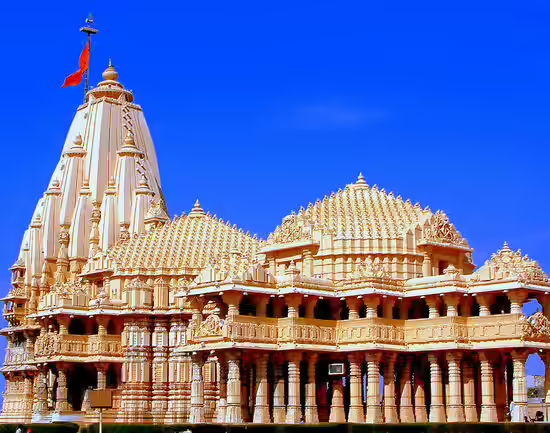 Somnath Temple has a remarkable history of destruction and reconstruction. It was destroyed several times by invaders but was rebuilt each time, demonstrating the resilience of faith. The present temple, rebuilt in 1951, stands tall overlooking the Arabian Sea, creating a breathtaking sight especially during sunrise and sunset. The temple's shikhara (spire) rises to 150 feet, and the flag mast stands 27 feet tall.
Best Time to Visit: October to March when the weather is pleasant. The temple is particularly beautiful during Kartik Purnima (November) when special celebrations are held.
Darshan Timings: 6:00 AM to 9:00 PM daily. The Aarti timings are 7:00 AM, 12:00 PM, and 7:00 PM.
How to Reach: The nearest airport is Diu (90 km). Veraval railway station (5 km) is the closest railhead. Regular buses and taxis are available from major Gujarat cities.
Somnath Temple has a remarkable history of destruction and reconstruction. It was destroyed several times by invaders but was rebuilt each time, demonstrating the resilience of faith. The present temple, rebuilt in 1951, stands tall overlooking the Arabian Sea, creating a breathtaking sight especially during sunrise and sunset. The temple's shikhara (spire) rises to 150 feet, and the flag mast stands 27 feet tall.
Best Time to Visit: October to March when the weather is pleasant. The temple is particularly beautiful during Kartik Purnima (November) when special celebrations are held.
Darshan Timings: 6:00 AM to 9:00 PM daily. The Aarti timings are 7:00 AM, 12:00 PM, and 7:00 PM.
How to Reach: The nearest airport is Diu (90 km). Veraval railway station (5 km) is the closest railhead. Regular buses and taxis are available from major Gujarat cities.
2. Mallikarjuna Temple, Andhra Pradesh - The Divine Union
Situated on the banks of the Krishna River in Srisailam, Andhra Pradesh, Mallikarjuna Jyotirlinga is unique as it is both a Jyotirlinga and a Shakti Peetha (sacred shrine of Goddess Shakti). This temple celebrates the divine union of Lord Shiva and Goddess Parvati, who are worshipped here as Mallikarjuna and Bhramaramba respectively. The temple's architecture follows the Dravidian style and dates back to the 2nd century AD, though the present structure was built by the Vijayanagara Empire in the 14th-15th centuries. The temple complex is vast, surrounded by the Nallamala Hills, offering a serene spiritual atmosphere. The towering gopurams (gateway towers) are adorned with intricate carvings depicting Hindu mythology. Best Time to Visit: October to February. Avoid summer months (March-June) as the region gets extremely hot. The Shivaratri festival (February/March) is particularly special here. Darshan Timings: 4:30 AM to 10:00 PM (timings may vary during festivals). How to Reach: The nearest airport is Hyderabad (180 km). Markapur Road (85 km) and Kurnool (180 km) are the nearest railway stations. Regular bus services connect Srisailam to Hyderabad and other major towns.3. Mahakaleshwar Temple, Madhya Pradesh - The South-Facing Lingam
Located in the ancient city of Ujjain on the banks of the Shipra River, Mahakaleshwar Temple is one of the most revered Jyotirlingas. What makes this temple unique is that its Shiva lingam faces south (Dakshinamurti), a rarity among Shiva temples. The temple is also one of the 18 Maha Shakti Peethas.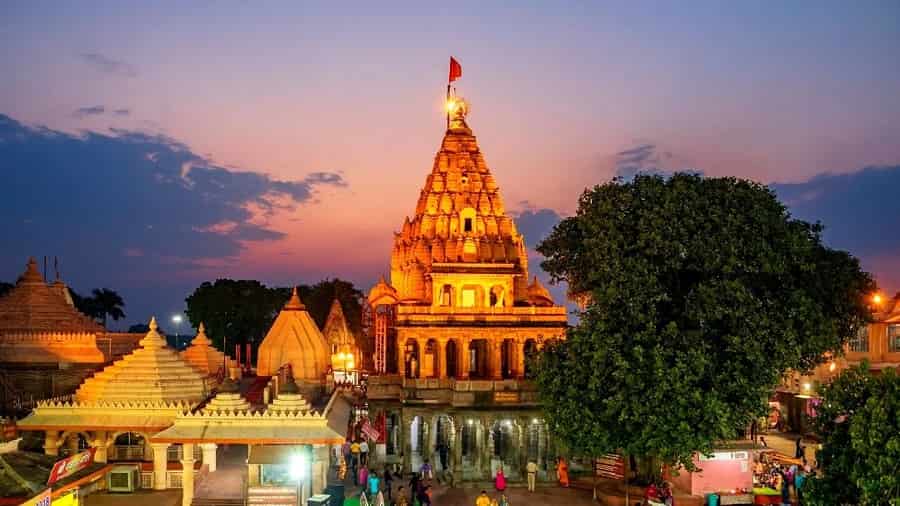 The temple is famous for its Bhasma Aarti (ash ritual) performed at dawn, where the lingam is bathed in sacred ash from funeral pyres. This unique ritual, not performed anywhere else in India, draws thousands of devotees who witness the powerful ceremony that symbolizes the transient nature of life. The temple's shikhara is adorned with intricate architecture, and the underground level (Mahakala) adds to its mystical charm.
Best Time to Visit: October to March. Try to visit during Mahashivratri (February/March) for special celebrations. The Kumbh Mela (held every 12 years in Ujjain) is an extraordinary time to visit.
Darshan Timings: 4:00 AM to 11:00 PM. Bhasma Aarti is at 4:00 AM (requires prior booking months in advance).
How to Reach: Indore airport (55 km) is the nearest. Ujjain railway station is well-connected to major cities. Regular trains and buses connect Ujjain to Indore, Bhopal, and other cities.
The temple is famous for its Bhasma Aarti (ash ritual) performed at dawn, where the lingam is bathed in sacred ash from funeral pyres. This unique ritual, not performed anywhere else in India, draws thousands of devotees who witness the powerful ceremony that symbolizes the transient nature of life. The temple's shikhara is adorned with intricate architecture, and the underground level (Mahakala) adds to its mystical charm.
Best Time to Visit: October to March. Try to visit during Mahashivratri (February/March) for special celebrations. The Kumbh Mela (held every 12 years in Ujjain) is an extraordinary time to visit.
Darshan Timings: 4:00 AM to 11:00 PM. Bhasma Aarti is at 4:00 AM (requires prior booking months in advance).
How to Reach: Indore airport (55 km) is the nearest. Ujjain railway station is well-connected to major cities. Regular trains and buses connect Ujjain to Indore, Bhopal, and other cities.
4. Omkareshwar Temple, Madhya Pradesh - The Sacred Island
Situated on an island in the Narmada River in Khandwa district, Omkareshwar Temple gets its name from the island's shape, which resembles the sacred Hindu symbol 'Om'. The island, known as Mandhata or Shivapuri, is surrounded by the Narmada's pristine waters, creating a naturally spiritual atmosphere. The temple's architecture blends North and South Indian styles, featuring a grand shikhara and intricate carvings. The Jyotirlinga here is believed to self-manifest, and devotees believe that worshipping here brings peace and spiritual growth. Omkareshwar is also home to several other ancient temples, including the Mamleshwar Temple, which together form a significant pilgrimage complex. A unique feature of Omkareshwar is the Parikrama (circumambulation) path around the island. Pilgrims perform this 6-kilometer walk around the island, considered highly meritorious. Boat rides on the Narmada offer stunning views of the temple against the backdrop of the Vindhya Range. Best Time to Visit: October to March. The weather is pleasant for temple exploration and the parikrama walk. Avoid monsoon (July-September) when the river water level rises. Darshan Timings: 5:00 AM to 10:00 PM (timings may vary seasonally). How to Reach: The nearest airport is Indore (77 km). Omkareshwar Road railway station (12 km) connects to major cities. Regular buses and taxis are available from Indore, Ujjain, and Khandwa.5. Kedarnath Temple, Uttarakhand - The Himalayan Abode
Perched at an altitude of 3,583 meters in the Garhwal Himalayan range, Kedarnath is not just the highest among the 12 Jyotirlingas but also one of the Char Dham pilgrimage sites. This ancient temple, believed to be built by the Pandavas and later renovated by Adi Shankaracharya, stands near the Mandakini River surrounded by snow-capped peaks. The temple's extraordinary location makes it one of the most challenging Jyotirlingas to reach. Accessible only by a 16-kilometer trek from Gaurikund or by helicopter during the pilgrimage season (May-October), the journey itself is considered an integral part of the spiritual experience. The temple remained miraculously preserved during the devastating 2013 Uttarakhand floods, standing as a testament to divine protection. Kedarnath closes for winter (November-April) due to extreme snowfall, and the deity is moved to Ukhimath where winter worship continues. The temple opens in May (dates vary according to Hindu calendar), marking the beginning of the pilgrimage season. Best Time to Visit: May to June (opening season) or September to October (before closing). July-August sees heavy rainfall. The temple remains closed November to April. Darshan Timings: 4:00 AM to 9:00 PM (when open). Special poojas and Abhishekam require additional donations. How to Reach: The nearest airport is Jolly Grant (Dehradun, 238 km). Rishikesh railway station (216 km) is the major railhead. From Gaurikund, a 16 km trek or helicopter ride reaches Kedarnath. Pony and palanquin services are available for the trek.6. Bhimashankar Temple, Maharashtra - The Wild Shrine
Located in the Sahyadri hills of Pune district, Bhimashankar Jyotirlinga is surrounded by the dense forests of the Bhimashankar Wildlife Sanctuary, home to the endangered Indian Giant Squirrel. The temple's remote location amidst pristine nature creates an intensely spiritual atmosphere. The temple features Nagara-style architecture with intricate wood carvings depicting scenes from Hindu mythology. According to legend, this is where Lord Shiva defeated the demon Bhima, who was tormenting the world. The shrine's peaceful setting, far from urban chaos, makes it ideal for meditation and spiritual contemplation. The area around the temple offers opportunities for nature walks and wildlife spotting. The origin of the Bhima River, believed to have emerged from the temple, adds to the site's significance. Monsoon season transforms the region into a lush green paradise, though trekking becomes challenging. Best Time to Visit: October to February for pleasant weather. August-September (monsoon) offers spectacular greenery but difficult access. Avoid March-June (summer). Darshan Timings: 4:30 AM to 12:00 PM and 3:00 PM to 9:30 PM. How to Reach: Pune is the nearest airport (120 km). Pune railway station (110 km) connects to major cities. Regular state transport buses and private taxis connect from Pune and Mumbai. The final stretch involves a journey through ghat roads.7. Kashi Vishwanath Temple, Uttar Pradesh - The Spiritual Heart
Situated in Varanasi (Kashi), one of the world's oldest continuously inhabited cities, Kashi Vishwanath Temple is perhaps the most revered of all Jyotirlingas. Located on the western bank of the sacred Ganges River, this temple stands at the spiritual heart of Hinduism. Varanasi itself is believed to be Lord Shiva's favorite city, and dying here is thought to bring liberation.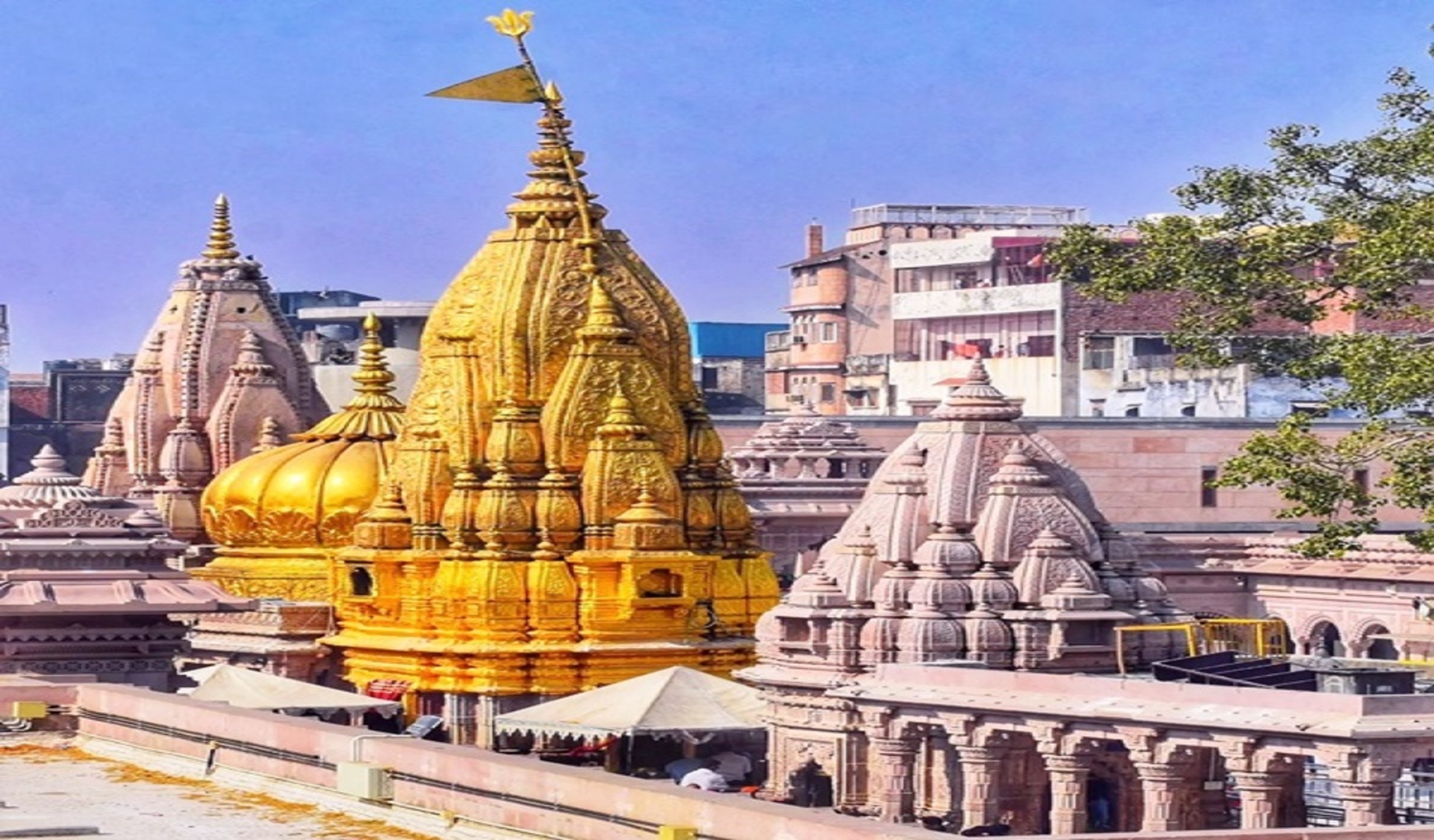 The temple complex features three domes covered in gold, earning it the name "Golden Temple." The main lingam, known as Vishwanatha (Lord of the Universe), is housed in a sanctum that draws millions of devotees annually. The temple has been destroyed and rebuilt multiple times throughout history, with the current structure built by Maharani Ahilyabai Holkar of Indore in 1780.
The spiritual energy of Kashi Vishwanath is intensified by its location in Varanasi, a city where life and death, devotion and philosophy coexist. The nearby Ganga Aarti at Dashashwamedh Ghat, performed every evening, is a spectacular ritual that complements the temple visit.
Best Time to Visit: October to March (winter). Avoid summer (April-June) when temperatures exceed 40°C. Mahashivratri (February/March) is particularly special.
Darshan Timings: 3:00 AM to 11:00 PM (timings may vary during festivals). Special queues available for faster darshan (fee applicable).
How to Reach: Varanasi airport (Lal Bahadur Shastri Airport, 26 km) connects to major cities. Varanasi and Mughalsarai railway stations are major railheads. Well-connected by road to all major North Indian cities.
The temple complex features three domes covered in gold, earning it the name "Golden Temple." The main lingam, known as Vishwanatha (Lord of the Universe), is housed in a sanctum that draws millions of devotees annually. The temple has been destroyed and rebuilt multiple times throughout history, with the current structure built by Maharani Ahilyabai Holkar of Indore in 1780.
The spiritual energy of Kashi Vishwanath is intensified by its location in Varanasi, a city where life and death, devotion and philosophy coexist. The nearby Ganga Aarti at Dashashwamedh Ghat, performed every evening, is a spectacular ritual that complements the temple visit.
Best Time to Visit: October to March (winter). Avoid summer (April-June) when temperatures exceed 40°C. Mahashivratri (February/March) is particularly special.
Darshan Timings: 3:00 AM to 11:00 PM (timings may vary during festivals). Special queues available for faster darshan (fee applicable).
How to Reach: Varanasi airport (Lal Bahadur Shastri Airport, 26 km) connects to major cities. Varanasi and Mughalsarai railway stations are major railheads. Well-connected by road to all major North Indian cities.
8. Trimbakeshwar Temple, Maharashtra - The Source of Godavari
Located in the holy town of Trimbak near Nashik, Trimbakeshwar Jyotirlinga is unique for its three-faced lingam representing Lord Shiva, Lord Vishnu, and Lord Brahma. The temple is situated at the source of the Godavari River, India's second-longest river, known as the Dakshin Ganga (Ganges of the South). Built by the Maratha ruler Peshwa Balaji Baji Rao in the 18th century, the temple features classic Hindu architecture with a black stone lingam that naturally displays three faces. The temple's proximity to the Brahmagiri Hills, from where the Godavari emerges, adds to its spiritual significance. Pilgrims often combine the Trimbakeshwar visit with a trek to Brahmagiri to see the river's origin. The Kumbh Mela, held every 12 years in Nashik-Trimbakeshwar, is one of the largest religious gatherings in the world. During this time, millions of pilgrims bathe in the Godavari's sacred waters. The temple town's spiritual atmosphere is enhanced by numerous ashrams and ghats along the riverbanks. Best Time to Visit: October to February. August (during Shravan month) sees heavy crowds due to Shiva worship. Avoid March-June (summer heat). Darshan Timings: 5:30 AM to 9:00 PM (timings may vary during festivals and Shravan month). How to Reach: Nashik is the nearest airport (30 km). Nashik Road railway station (40 km) connects to Mumbai and other cities. Regular buses and taxis connect from Nashik to Trimbak.9. Vaidyanath Temple, Jharkhand - The Divine Healer
Situated in Deoghar (also known as Baidyanath Dham), Vaidyanath Jyotirlinga represents Lord Shiva as the divine healer. The temple complex houses 22 temples dedicated to various deities, with the main temple dedicated to Vaidyanath (Lord of Physicians). According to legend, this is where Lord Shiva cured the demon king Ravana, who worshipped Shiva here with immense devotion. The temple's architecture follows the Nagara style, featuring a tall shikhara and intricate carvings. The lingam is unusual as it is slightly tilted, believed to be from Ravana offering his prayers. The temple is particularly sacred to devotees seeking health and healing, and many come here praying for relief from illnesses. Deoghar is also home to the Babadham Temple complex, and the annual Shravani Mela (July-August) sees millions of devotees walking barefoot from Sultanganj (100 km away) carrying holy water (Gangajal) to offer at the temple. Best Time to Visit: October to March. Shravani Mela (July-August) is crowded but spiritually charged. Avoid summer (April-June). Darshan Timings: 4:00 AM to 9:00 PM (extended during festivals). How to Reach: The nearest airport is Patna (280 km) or Kolkata (350 km). Jasidih railway junction (7 km) is the nearest major station. Deoghar is now connected by rail with the Deoghar terminal. Regular buses connect from major cities in Jharkhand, Bihar, and West Bengal.10. Nageshwar Temple, Gujarat - The Protector
Located in Dwarka, the sacred city of Lord Krishna, Nageshwar Jyotirlinga is believed to protect devotees from all poisons—both physical and spiritual. The temple, situated on the route between Dwarka and Bet Dwarka, is also known as Nagnath Temple. According to legend, a demon named Daruka captured a Shiva devotee named Supriya, who continued to worship Shiva even in captivity. Pleased with her devotion, Lord Shiva appeared as a Jyotirlinga and defeated the demon, saving his devotee. This story symbolizes Shiva's role as protector of the faithful. The present temple structure is relatively new but houses an ancient lingam believed to be self-manifested. The temple's location near the Arabian Sea adds to its serene atmosphere. Many pilgrims combine Nageshwar darshan with a visit to the famous Dwarkadhish Temple (Krishna's temple) and Bet Dwarka. Best Time to Visit: October to March. The weather is pleasant for temple visits and exploring Dwarka. Avoid monsoon (July-September) if planning beach activities. Darshan Timings: 6:00 AM to 9:30 PM. Aarti timings are 7:30 AM, 12:30 PM, and 7:30 PM. How to Reach: Jamnagar airport (145 km) is the nearest. Dwarka railway station is well-connected. The temple is 20 km from Dwarka town, accessible by road. Regular buses connect Dwarka to major Gujarat cities.11. Ramanathaswamy Temple, Tamil Nadu - The Rama Connection
Located on Rameswaram Island in the Gulf of Mannar, Ramanathaswamy Temple is one of the holiest shrines in India and part of the Char Dham pilgrimage. According to the Ramayana, Lord Rama built this temple to worship Lord Shiva after defeating Ravana and rescuing Sita. The lingam here was established by Rama, while the deity's consort Parvathavardhini was worshipped by Sita. The temple is famous for having the longest temple corridor in India, stretching 1,220 meters with 1,212 intricately carved pillars. Built in the Dravidian architectural style, the temple's 54-meter tall gopuram dominates the skyline. The temple complex houses 22 holy teerthams (water bodies), and bathing in these is believed to wash away all sins. Rameswaram's location at the tip of the Indian peninsula, surrounded by the Bay of Bengal and the Indian Ocean, creates a unique spiritual atmosphere. The town is connected to the mainland by the Pamban Bridge, India's longest sea bridge. The nearby Dhanushkodi, destroyed in the 1964 cyclone, is now a pilgrimage site where Rama is believed to have built a bridge to Lanka (Ram Setu). Best Time to Visit: October to March. Avoid summer (April-June) due to high humidity. Mahashivratri (February/March) is particularly auspicious. Darshan Timings: 5:00 AM to 1:00 PM and 3:00 PM to 9:00 PM. Special abhishekams require additional fees. How to Reach: Madurai airport (170 km) is the nearest. Rameswaram railway station is the terminus of the rail line connected to Chennai and Madurai. Well-connected by road to major Tamil Nadu cities.12. Grishneshwar Temple, Maharashtra - The Final Shrine
Located near the Ellora Caves in Aurangabad, Grishneshwar Temple is the last among the 12 Jyotirlingas. Also known as Grishneshwar Jyotirlinga or Ghushmeshwar, this temple dedicated to Lord Shiva as Grishnesha (Lord of Compassion) holds great spiritual significance.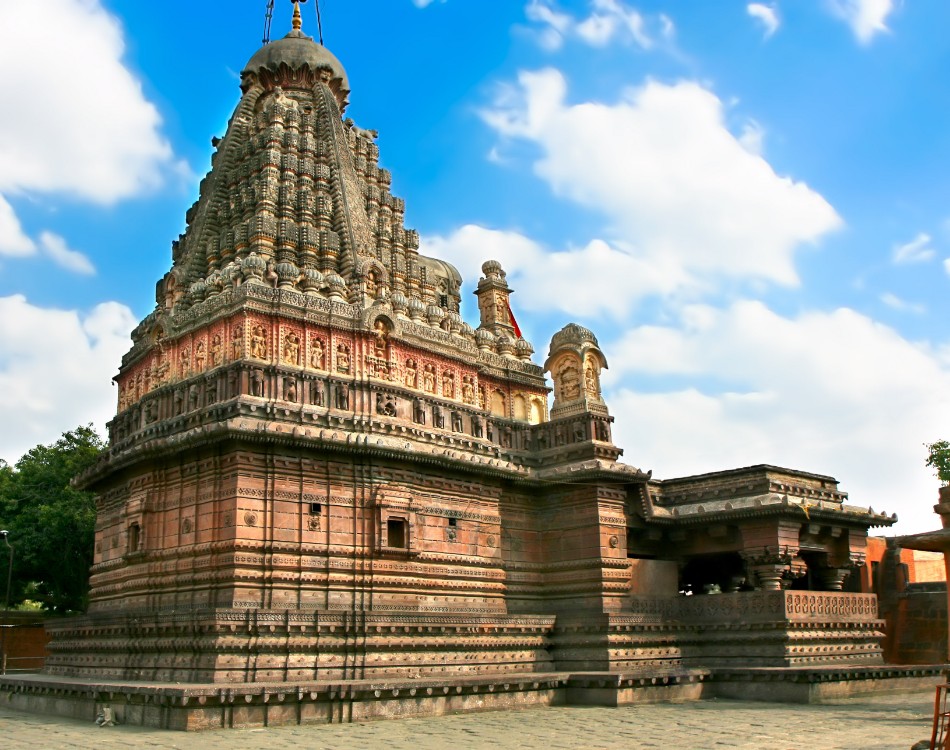 The temple's red stone structure features a five-story shikhara and intricate carvings characteristic of Maratha architecture. Built by Ahilyabai Holkar in the 18th century, it stands as a testament to devotion and architectural beauty. According to legend, a devout woman named Kusuma worshipped Shiva here daily, and the Lord appeared as a Jyotirlinga in response to her unwavering faith.
Grishneshwar's proximity to the UNESCO World Heritage Ellora Caves (just 1 km away) makes it a popular destination for both pilgrims and heritage tourists. Many travelers combine the Jyotirlinga darshan with a visit to the famous Ellora caves, which feature Buddhist, Hindu, and Jain rock-cut temples.
Best Time to Visit: October to March. Summer (April-June) is extremely hot. The temple is particularly crowded during Mahashivratri (February/March).
Darshan Timings: 5:30 AM to 9:30 PM (timings may vary during festivals).
How to Reach: Aurangabad airport (30 km) connects to major cities. Aurangabad railway station (30 km) is well-connected. Regular buses and taxis connect Aurangabad to Grishneshwar. The temple is 11 km from Ellora.
The temple's red stone structure features a five-story shikhara and intricate carvings characteristic of Maratha architecture. Built by Ahilyabai Holkar in the 18th century, it stands as a testament to devotion and architectural beauty. According to legend, a devout woman named Kusuma worshipped Shiva here daily, and the Lord appeared as a Jyotirlinga in response to her unwavering faith.
Grishneshwar's proximity to the UNESCO World Heritage Ellora Caves (just 1 km away) makes it a popular destination for both pilgrims and heritage tourists. Many travelers combine the Jyotirlinga darshan with a visit to the famous Ellora caves, which feature Buddhist, Hindu, and Jain rock-cut temples.
Best Time to Visit: October to March. Summer (April-June) is extremely hot. The temple is particularly crowded during Mahashivratri (February/March).
Darshan Timings: 5:30 AM to 9:30 PM (timings may vary during festivals).
How to Reach: Aurangabad airport (30 km) connects to major cities. Aurangabad railway station (30 km) is well-connected. Regular buses and taxis connect Aurangabad to Grishneshwar. The temple is 11 km from Ellora.
How to Plan Your 12 Jyotirlinga Yatra
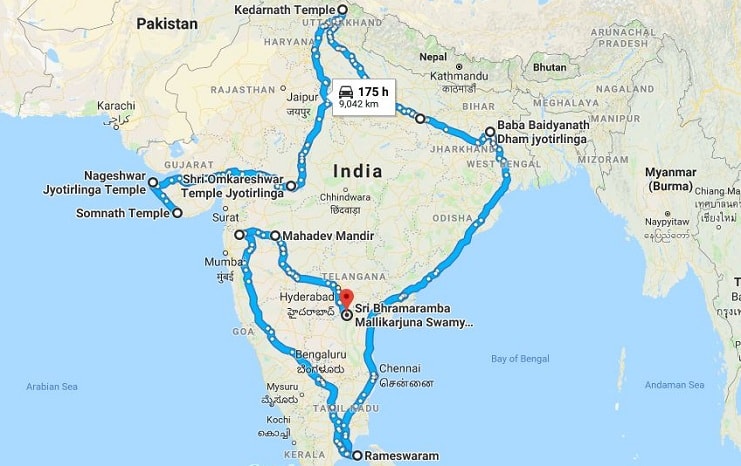
Planning a pilgrimage to all 12 Jyotirlingas requires careful consideration of geography, time, and logistics. Here are practical circuits to help you plan your journey:North India Circuit (4 Jyotirlingas)
Route: Kedarnath → Kashi Vishwanath → Mahakaleshwar → Omkareshwar Duration: 10-12 days Transport: Start from Haridwar/Rishikesh for Kedarnath, fly or take train to Varanasi, then proceed to Ujjain and Omkareshwar via Indore.Maharashtra Circuit (4 Jyotirlingas)
Route: Trimbakeshwar → Grishneshwar → Bhimashankar → (and include Shani Shingnapur if time permits) Duration: 5-6 days Transport: Start from Nashik/Mumbai, rent a car or use Maharashtra state transport buses. The circuit is well-connected by road.Gujarat Circuit (2 Jyotirlingas)
Route: Somnath → Nageshwar (via Dwarka) Duration: 3-4 days Transport: Fly to Rajkot or Ahmedabad, rent a car for road travel. Gir National Park can be added for wildlife enthusiasts.South India Circuit (2 Jyotirlingas)
Route: Mallikarjuna → Ramanathaswamy Duration: 4-5 days Transport: Fly to Hyderabad, drive to Srisailam, then fly to Madurai and drive to Rameswaram. Combine with Tirupati Balaji temple if time permits.Complete Yatra (All 12 Jyotirlingas)
Duration: 20-25 days Best Route: Start in April-May with Kedarnath (when it opens), then proceed to Uttarakhand → Uttar Pradesh → Madhya Pradesh → Maharashtra → Gujarat → Andhra Pradesh → Tamil Nadu → Jharkhand (or save for Shravan month, July-August). Budget: ₹80,000-1,50,000 per person depending on travel class (2AC/3AC trains vs. flights, budget vs. luxury accommodation).Suggested Route Strategy
A practical approach is to group temples by geography and avoid backtracking. Start with one region, finish nearby Jyotirlingas, then move onward by rail or flight. This reduces total transit fatigue and gives enough time for darshan at each location. Always check local temple timings before finalizing the sequence.
Best Time to Visit Jyotirlingas
The ideal time to undertake the Jyotirlinga Yatra depends on which temples you're visiting and your tolerance for weather conditions:| Season | Months | Pros | Cons |
|---|---|---|---|
| Winter | October - March | Pleasant weather, ideal for temple exploration and trekking | Peak season, crowds higher at all temples |
| Summer | April - June | Fewer crowds, lower prices | Extremely hot in most regions (40°C+), not suitable for extensive travel |
| Monsoon | July - September | Lush greenery, spiritual atmosphere during Shravan month | Heavy rainfall disrupts travel, humidity, risk of landslides in hilly areas |
Special Considerations:
- Kedarnath: Only open May-October. Best visited in May-June or September-October. Avoid July-August (heavy rains and risk of landslides).
- Shravan Month (July-August): Most auspicious for Shiva worship but expect massive crowds, especially at Mahakaleshwar and Vaidyanath. Book accommodations well in advance.
- Mahashivratri (February/March): Special celebrations at all Jyotirlingas but extremely crowded. Book darshan tickets and accommodation months ahead.
Best Time to Plan a 12 Jyotirlinga Pilgrimage
The pilgrimage can be done year-round, but weather affects comfort and travel speed. October to March is usually the easiest window for long-distance temple circuits because heat is lower and road conditions are more predictable. If you are covering both western and central India in one route, keep 2 to 3 buffer days for festival crowds and train availability.
Practical Tips for Your Pilgrimage
Physical Preparation
The Jyotirlinga Yatra, especially if you're visiting all 12, requires considerable physical stamina. Kedarnath involves a 16 km trek (though helicopter and pony options exist), while temples like Bhimashankar and Trimbakeshwar require walking in hilly terrain. Start walking 30-45 minutes daily at least a month before your trip to build stamina. If you have any health conditions, consult your doctor and plan for alternatives (helicopter for Kedarnath, porter services at difficult temples).Accommodation Booking
Most temple towns offer a range of accommodation from budget dharamshalas (₹200-500 per night) to mid-range hotels (₹1000-3000) to luxury properties (₹4000+). Dharamshalas run by temple trusts are clean and affordable but fill up quickly during festivals. For Kedarnath, book GMVN tourist rest houses or tent accommodation well in advance, as options are limited. During Shravan month and Mahashivratri, book at least 2-3 months ahead.VIP Darshan Tickets
Most Jyotirlinga temples offer special entry tickets for faster darshan. These cost ₹200-1000 depending on the temple and festival season. For Kashi Vishwanath, book online in advance. For Mahakaleshwar Bhasma Aarti, booking opens months ahead and costs ₹500-1500. Special abhishekams (ritual baths) cost ₹500-5000 and include close darshan. Consider these if you're short on time or visiting during peak season.Packing Essentials
- Comfortable walking shoes with good grip (you'll walk 10,000+ steps daily)
- Modest clothing (covered shoulders and knees required at all temples; carry a dupatta or shawl for women)
- Rain gear if traveling during monsoon (umbrella, raincoat, waterproof bags)
- Warm clothes for Kedarnath (even in May, temperatures drop to 5°C at night)
- Reusable water bottle (most temples have drinking water facilities)
- Basic first aid kit (including motion sickness tablets for hilly roads)
- Power bank (charging points may be unavailable in remote areas)
- Offerings (bilva leaves, milk, flowers if you wish to perform puja)
Food and Facilities
All temple towns have vegetarian food options. Most temples have prasad distribution (free blessed food). Dharamshalas often include simple meals in accommodation costs. For specific dietary requirements (jain food, vegan options), research restaurants in advance. In remote areas like Bhimashankar and Kedarnath, carry dry snacks as options are limited.Photography Rules
Important: Photography is strictly prohibited inside the sanctum sanctorum (garbhagriha) of all Jyotirlinga temples. You can photograph the temple exterior and courtyard but respect the rules. At some temples like Kedarnath and Mahakaleshwar, mobile phones may need to be deposited at lockers before entering. Check the specific temple's rules when you arrive.Responsible Pilgrimage
Temple tourism generates significant waste. Carry a reusable water bottle and avoid plastic. Don't litter in temple premises or natural areas. Many Jyotirlingas are in ecologically sensitive regions (Kedarnath, Bhimashankar, Omkareshwar). Respect the environment by not plucking flowers or plants, and disposing of waste in designated bins. Dress modestly and respect local customs. If you're traveling to Rameswaram, avoid littering the beaches and marine ecosystem.Cash and Payments
While digital payments (UPI, cards) are accepted at most temples for donations and tickets, carry sufficient cash for remote areas where connectivity may be poor (especially Kedarnath, Bhimashankar, and parts of Madhya Pradesh). Keep smaller denominations (₹10, ₹20, ₹50) for offerings and small purchases.Health and Safety
The pilgrimage involves considerable travel through different climate zones. Stay hydrated, especially in summer. Protect yourself from the sun with hats and sunscreen. If traveling during monsoon, be cautious of slippery surfaces and leeches in forest areas (Bhimashankar). For the Kedarnath trek, carry emergency medicines and ensure your travel insurance covers high-altitude activities.Conclusion: The Transformative Journey
The 12 Jyotirlinga Yatra is more than a religious pilgrimage—it's a transformative journey that takes you through India's diverse landscapes, ancient traditions, and profound spiritual heritage. From the snow-capped peaks of Kedarnath to the tropical shores of Rameswaram, from the ancient ghats of Varanasi to the sacred islands of Omkareshwar, each temple offers a unique experience of the divine. Whether you're undertaking the complete yatra or visiting individual Jyotirlingas, approach with devotion, preparation, and an open heart. The journey will challenge you physically, inspire you spiritually, and leave you with memories that last a lifetime. The light of Shiva that manifested in these 12 sacred shrines continues to illuminate the path of millions of devotees, offering solace, strength, and salvation to all who seek it with sincere faith. For those inspired to explore more spiritual destinations in India, the sacred Char Dham Yatra offers another profound pilgrimage experience. The ancient temples of Hampi showcase a different facet of India's spiritual heritage, while Brahma Temple in Pushkar represents one of the few shrines dedicated to Lord Brahma. May your journey to the 12 Jyotirlingas bring peace, prosperity, and spiritual fulfillment. Har Har Mahadev!Frequently Asked Questions
Q1.What is a Jyotirlinga?
Q2.How many Jyotirlingas are there in India?
Q3.Which is the first Jyotirlinga?
Q4.Can we visit all 12 Jyotirlingas in one trip?
Q5.Are there dress codes for Jyotirlinga temples?
Q6.What is the best time to visit Jyotirlingas?
Q7.How to plan a 12 Jyotirlinga yatra?
Q8.What is the approximate cost of 12 Jyotirlinga yatra?
Recommended For You
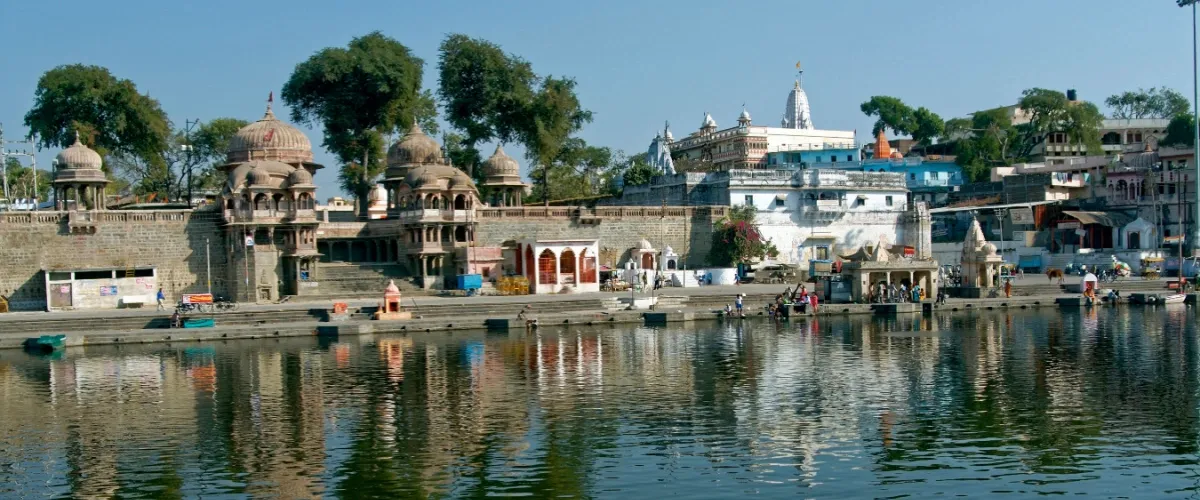
Best Places to Visit in Ujjain: Mahakal Temple & Attractions
Explore the best places to visit in Ujjain - from the sacred Mahakaleshwar Jyotirlinga to the spiritual Ram Ghat. Discover ancient temples, sacred ghats, and the rich cultural heritage of one of India's seven sacred cities.
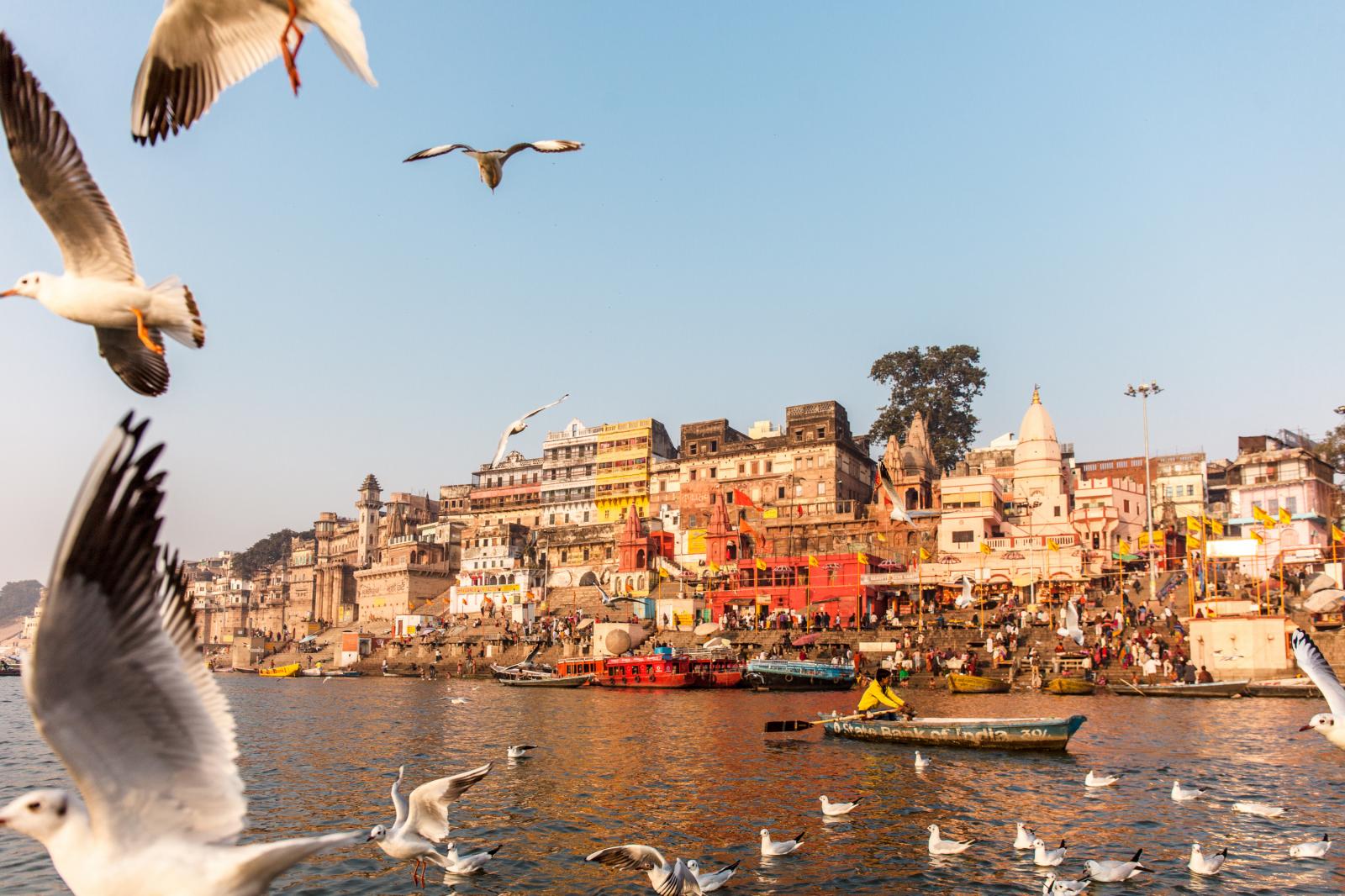
Best Time to Visit Varanasi: Weather, Ganga Aarti Season & Crowd Levels
Discover the best time to visit Varanasi with month-wise weather, Ganga Aarti comfort windows, festival crowd insights, and practical planning tips.
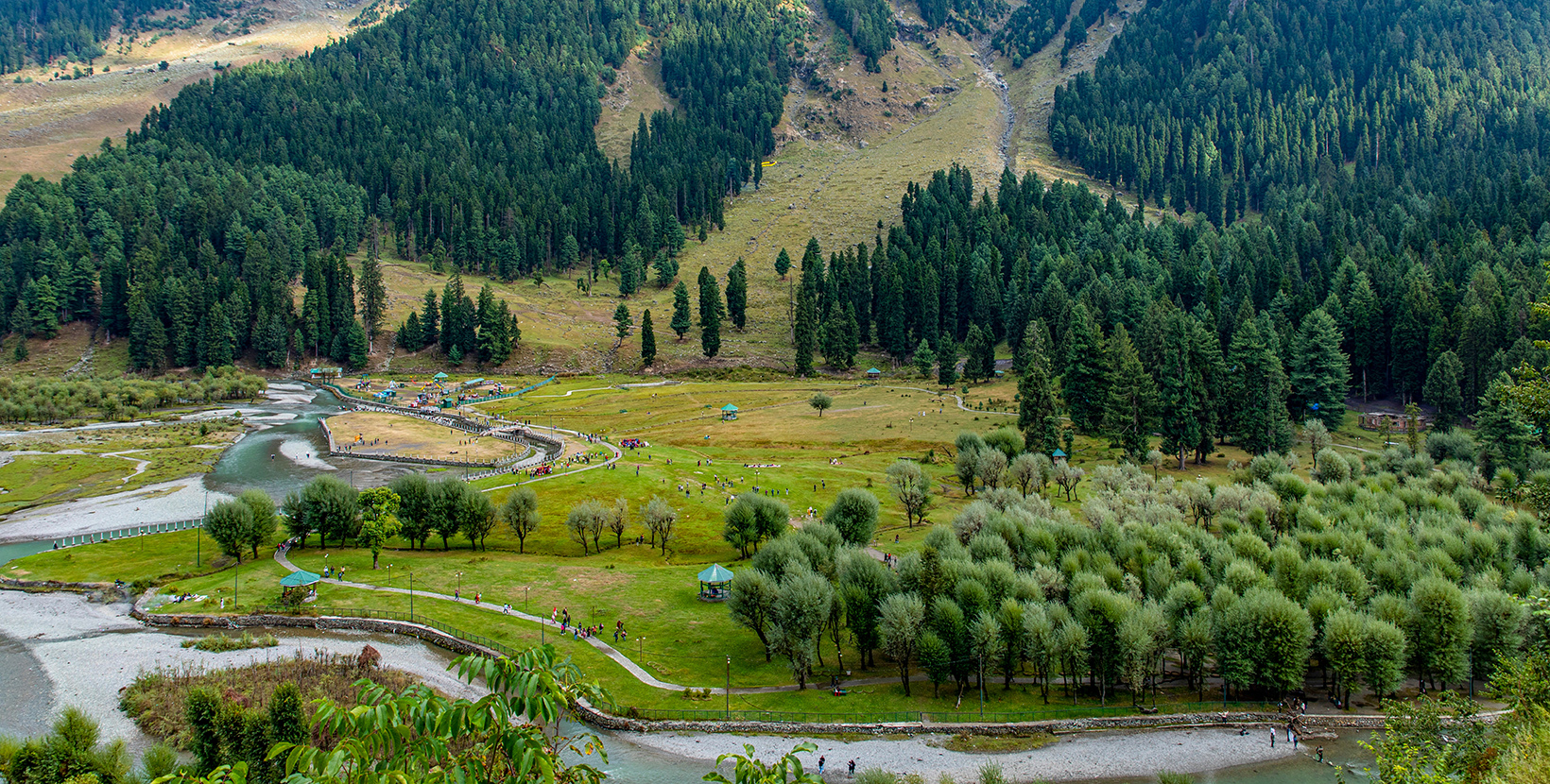
Kashmir: Complete Travel Plan Places And Weather
Complete Kashmir travel guide! Discover best time to visit, places to visit, itineraries, things to do, budget planning & tips for your Kashmir valley trip.
Never Miss an Adventure
Get the latest trekking guides, travel tips, and exclusive offers delivered straight to your inbox.
