
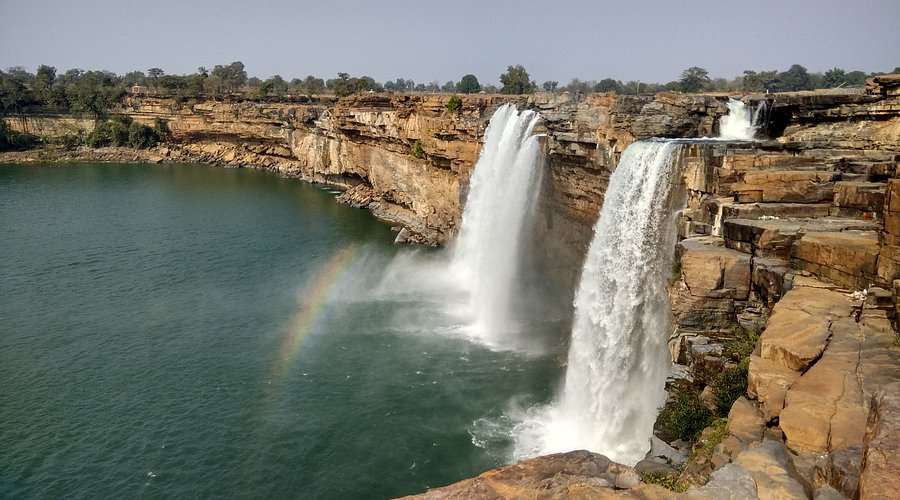
Chitrakote Waterfalls: Best Time, Route & Travel Tips
Rohit Verma
February 20, 2026
Plan your Chitrakote Waterfalls trip with season-based timing, route guidance, safety checklist, and practical nearby attraction combinations.
Chitrakote Overview and What Makes It Special
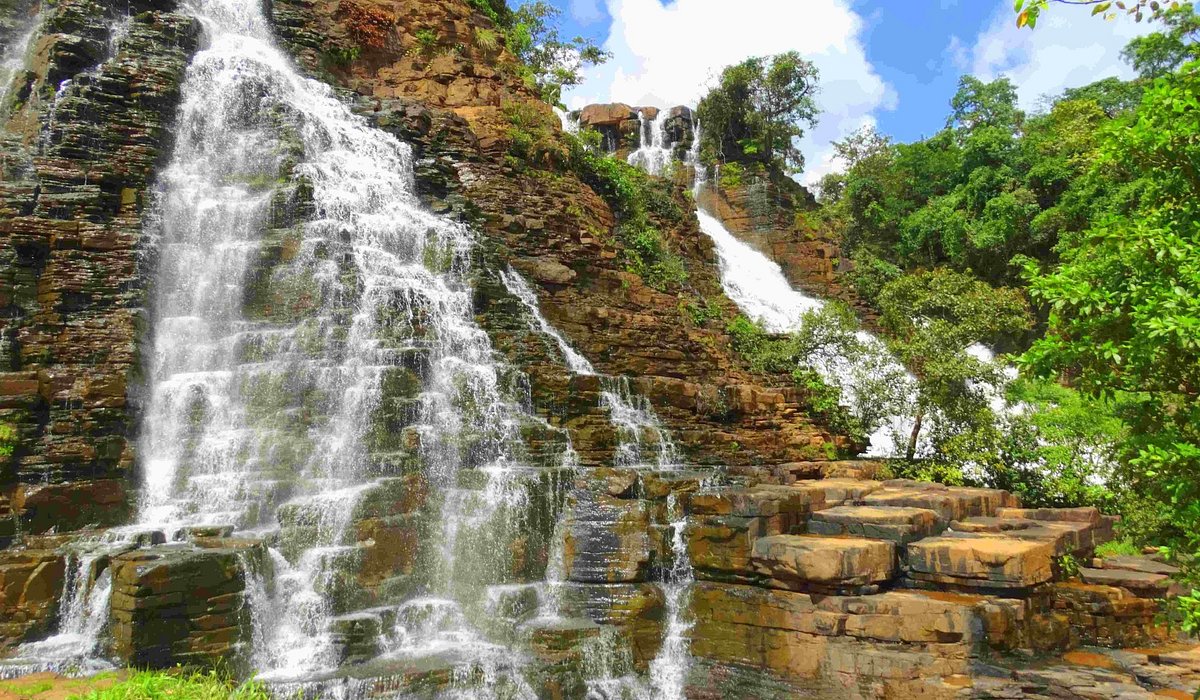
Chitrakote Waterfalls is one of the most iconic natural attractions in Chhattisgarh and is often called the Niagara of India because of its broad horseshoe-like spread in high-flow periods. Located on the Indravati River in Bastar district, this waterfall changes character across seasons: thunderous and expansive in monsoon, calmer and more structured in drier months. For first-time visitors, understanding this seasonal behavior is essential because timing determines not just visual impact but also safety, access comfort, and photography quality.
Many blogs list Chitrakote as a quick stop, but the best experience comes from practical planning. You need route clarity from Jagdalpur/Raipur side, a weather-aware visit window, and a simple on-ground checklist for movement near wet zones. This guide focuses on exactly that: when to go, how to reach, what to carry, where to spend time near the falls, and how to combine Chitrakote with nearby attractions without overloading one day.
Best Time and Water-Flow Based Planning
Chitrakote is visitable through the year, but experience quality varies with river flow. Official district and tourism references commonly highlight monsoon and post-monsoon as peak visual phases. If your priority is the widest and most dramatic flow, rainy months usually deliver that. If your priority is easier movement, clearer sky windows, and balanced sightseeing, post-monsoon and winter periods are often more comfortable.
| Season | Waterfall Experience | Planning Advice |
|---|---|---|
| July to October | High-volume dramatic flow, mist-heavy views | Best for scale and power; keep extra safety margin |
| November to February | Pleasant weather and stable travel comfort | Good for family visits and balanced itineraries |
| March to June | Lower flow and warmer daytime conditions | Start early and combine with nearby attractions |
If photography is your priority, early morning and late afternoon light usually give better depth and softer highlights compared with harsh midday glare.
How to Reach Chitrakote Falls
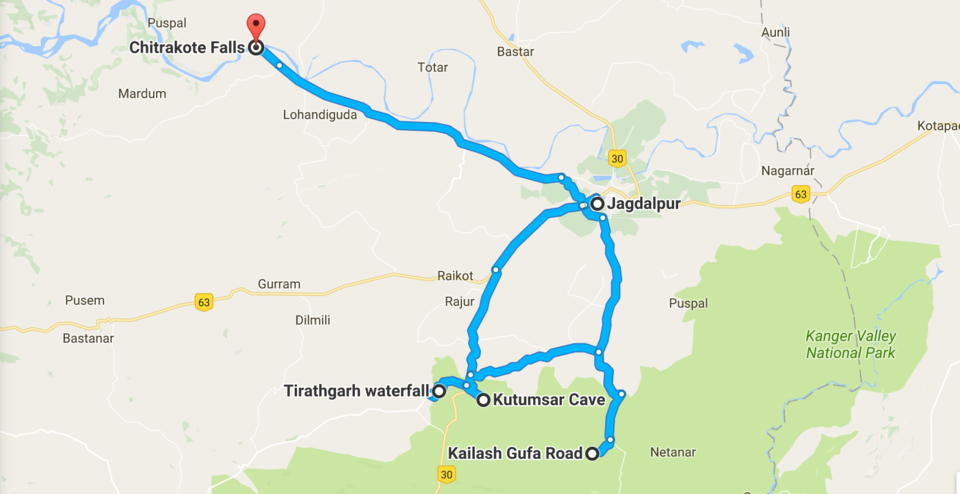
Chitrakote is commonly approached from Jagdalpur and Raipur corridors. Official Bastar district info places the falls roughly 40 km from Jagdalpur and about 273 km from Raipur, with road connectivity through regular routes. Rail and flight access is usually planned up to Jagdalpur/Raipur first, followed by road transfer to the waterfall zone.
Practical approach options
- From Jagdalpur: easiest day-trip base with shorter transfer time.
- From Raipur: longer approach best planned as part of multi-day Bastar itinerary.
- By rail + road: arrive at Jagdalpur railhead, then continue by taxi/local transport.
- By air + road: use nearest operational airport option, then road transfer.
For first-time travelers, staying in Jagdalpur-side base before visiting Chitrakote usually improves pacing and reduces same-day fatigue.
Safety, Photography, and Comfort Checklist
Waterfall safety at Chitrakote depends on season and river intensity. Monsoon visuals are stunning but require stricter movement discipline near edges, wet rocks, and spray zones. Families with children and senior travelers should prefer designated safe viewpoints and avoid unnecessary movement toward slippery sections.
Safety essentials
- Use grip footwear; avoid smooth soles near wet surfaces.
- Respect local barricades and warning signs.
- Do not attempt risky edge photography in high-flow periods.
- Keep children within arm's reach in crowded viewpoint zones.
- Monitor weather updates during rain-heavy months.
Comfort and photo tips
- Carry rain protection for gear in misty conditions.
- Use lens cloth and waterproof pouch for phones/cameras.
- Plan one sunrise/sunset window for softer light.
- Hydrate well; heat and humidity can still be draining.
Simple preparation makes a major difference to experience quality and safety.
Nearby Attractions and Day-Plan Combinations
Chitrakote works best when combined with one or two nearby high-value stops, not a long wish-list. Keep your day objective clear: nature-heavy visuals, mixed culture-nature route, or relaxed family outing.
- Waterfall pairing: combine with ghatarani-waterfalls on separate segments if route allows.
- Nature + regional overview: use chhattisgarh-attractions to structure broader state trip.
- Alternative cascade stop: consider hajra-waterfall-chhattisgarh for another waterfall-focused day.
If you are doing a one-day plan from Jagdalpur, choose Chitrakote as anchor and add only one light nearby stop. For two days, split attractions by direction and keep one buffer for weather variation.

Budget and Family Travel Tips
A short Chitrakote trip is usually budget-friendly, with spend level driven mainly by transport style and accommodation base. Day-trippers from Jagdalpur often manage costs efficiently, while Raipur-origin routes usually need higher transport allocation due to distance.
| Travel Style | Indicative Per-Person Day Spend | Best For |
|---|---|---|
| Budget | INR 1,500-3,000 | Solo or budget pairs with local/simple stays |
| Mid-range | INR 3,500-7,000 | Families with private vehicle share |
| Comfort | INR 8,000+ | Flexible routes and upgraded stay choices |
Family groups should prioritize early starts, meal breaks, and conservative movement near wet terrain. A relaxed pace always performs better than rushing multiple stops in one slot.
Common Mistakes to Avoid
- Choosing midday-only timing and missing best light windows.
- Underestimating slippery surfaces in monsoon or after rainfall.
- Overpacking one day with distant attractions.
- Traveling without weather and route updates.
- Carrying no rain protection for electronics in high mist zones.
Most first-time issues at Chitrakote come from poor timing and over-ambitious routing, not destination difficulty.
Final Takeaway
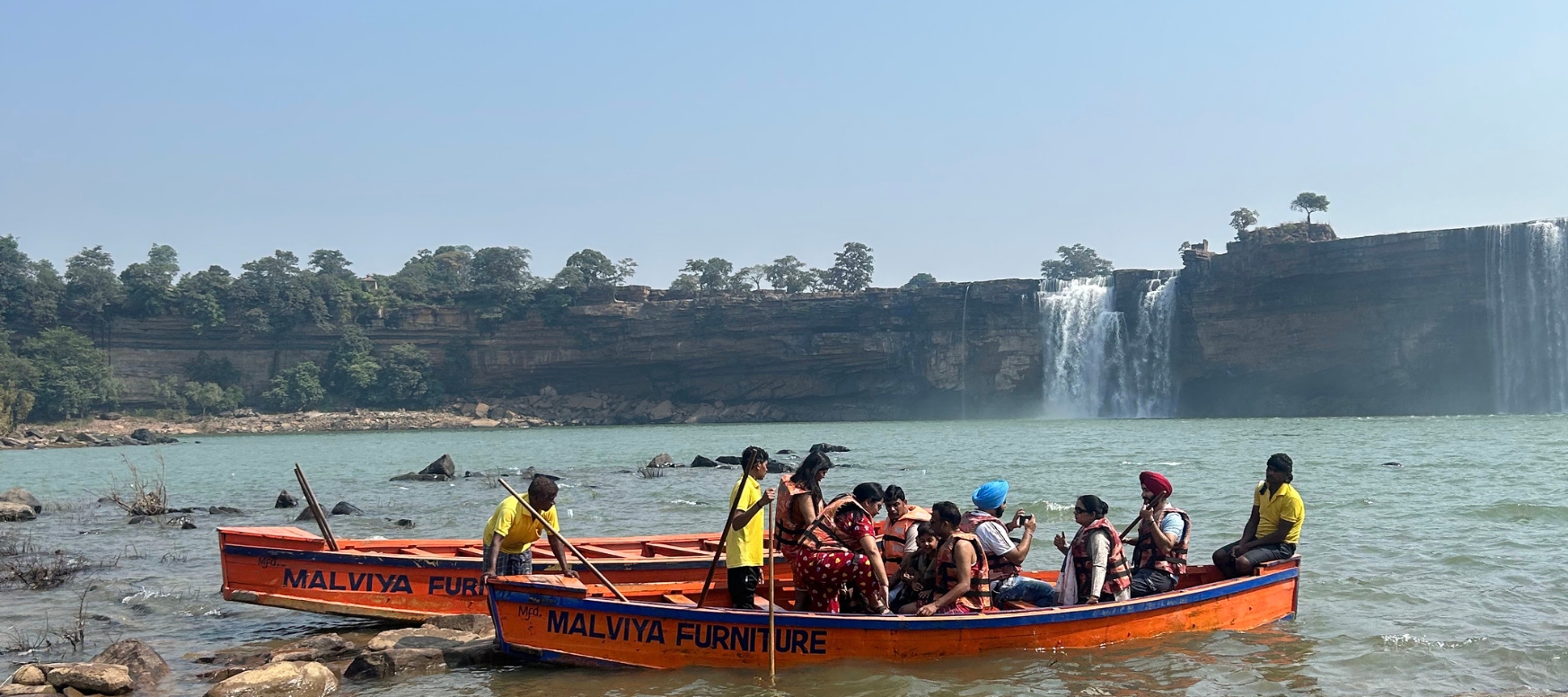
Chitrakote Waterfalls is a high-reward destination when approached with season-aware planning and on-ground safety discipline. Pick your visit window based on whether you want maximum water volume or easier travel comfort, anchor your route around Jagdalpur where possible, and keep itinerary load realistic. With this approach, first-time visitors, families, and photographers can all enjoy Chitrakote in a safer and more meaningful way.
Location
Frequently Asked Questions
Q1.What is the best time to visit Chitrakote Waterfalls?
Q2.Is Chitrakote suitable for a one-day trip?
Q3.How can travelers reach Chitrakote Falls?
Q4.Is Chitrakote safe for family travelers?
Q5.What budget is needed for a short Chitrakote trip?
Q6.Which nearby attractions can be combined with Chitrakote?
Q7.What should visitors carry for a waterfall trip?
Q8.What mistakes should first-time visitors avoid?
Recommended For You
Heritage Sites in Chhattisgarh: Historical Places & Cultural Landmarks
Explore heritage sites in Chhattisgarh with practical circuit templates, seasonal guidance, and route-first cultural travel planning.
Barnawapara Wildlife Sanctuary: Safari Guide, Route & Tips
Plan Barnawapara Wildlife Sanctuary with safari timing guidance, Raipur route options, season-wise travel tips, and practical do's and don'ts.
Famous Places to Visit in Raigarh: Top 15 Attractions & Route Plan
Discover famous places to visit in Raigarh with Ram Jharna, Gomarda sanctuary, temple circuits, and practical route-based travel planning tips.
Never Miss an Adventure
Get the latest trekking guides, travel tips, and exclusive offers delivered straight to your inbox.
