
Barnawapara Wildlife Sanctuary: Safari Guide, Route & Tips

Neha Kapoor
February 20, 2026
Plan Barnawapara Wildlife Sanctuary with safari timing guidance, Raipur route options, season-wise travel tips, and practical do's and don'ts.
Introduction: Chhattisgarh's Accessible Wildlife Gem
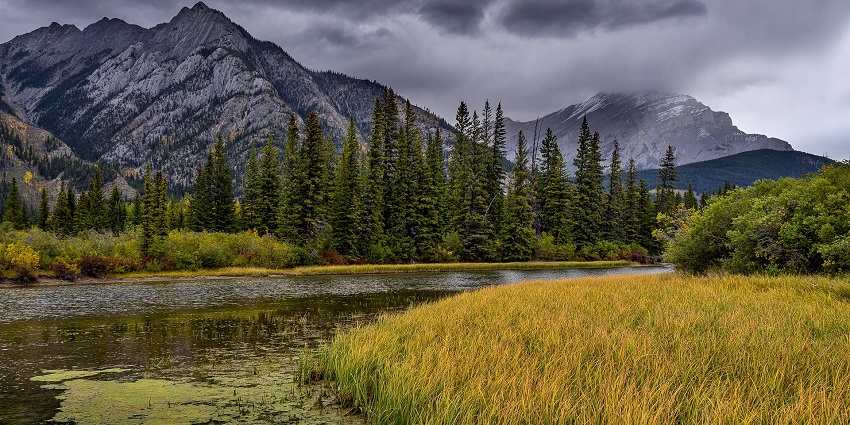
Barnawapara Wildlife Sanctuary offers one of Central India's most accessible and rewarding wildlife experiences, yet remains surprisingly overlooked by mainstream tourists. Located in Chhattisgarh's Mahasamund district, this 245-square-kilometer sanctuary protects dense Sal forests, grasslands, and water bodies that support diverse wildlife including wild buffaloes, chital, sambar, and the elusive leopard. What makes Barnawapara special is its proximity to Raipur—just 100 kilometers away—making it perfect for weekend getaways and wildlife enthusiasts who want an alternative to crowded tiger reserves.
The sanctuary's landscape features undulating terrain with hills, valleys, and seasonal streams that create varied habitats. The protected area connects to larger forest corridors, allowing wildlife movement between Barnawapara and neighboring forests. Unlike more famous reserves that focus exclusively on tigers, Barnawapara offers a more holistic wildlife experience where you can observe multiple species in their natural habitat without the pressure of tiger-centric tourism.
For travelers from Raipur, Bilaspur, and other parts of Chhattisgarh, Barnawapara provides an opportunity to experience Central Indian forests without traveling to Madhya Pradesh or Maharashtra. The sanctuary's relative obscurity means fewer tourists, more authentic safari experiences, and significantly lower costs than flagship reserves. This guide helps you plan your visit with practical information on safari timings, route options, realistic wildlife expectations, and responsible travel practices.
Why Visit Barnawapara
Barnawapara's appeal lies in its accessibility and the variety of wildlife it offers. The sanctuary is home to over 150 bird species, making it a rewarding destination for birdwatchers. The principal attraction is the wild buffalo (gaur)—Barnawapara has a healthy population of these magnificent bovines that are increasingly rare in Central India. Herds of chital (spotted deer) and sambar are commonly sighted, while lucky visitors might encounter sloth bears, wild dogs, or leopards.
The sanctuary's forest cover consists primarily of Sal trees, mixed with bamboo, tendu, and other deciduous species. This vegetation creates different forest types—from dense canopy to open grasslands—that support diverse wildlife. The terrain ranges from flat plains in some areas to hills in others, offering varied safari experiences. Several nullahs (seasonal streams) and waterholes provide crucial water sources, especially in summer months when wildlife congregates around remaining water.
What sets Barnawapara apart is the quality of guiding. Forest department guides are locals who know the forest intimately, understanding animal behavior, bird calls, and seasonal patterns. Unlike commercialized reserves where guides rush to tiger sightings, Barnawapara's guides focus on the overall forest experience, pointing out birds, tracking pugmarks, explaining tree species, and helping visitors appreciate the ecosystem as a whole.
For families, Barnawapara works well because safaris aren't overly long (typically 2-3 hours), the terrain isn't extremely rugged, and the probability of seeing some wildlife (even if not tigers) is reasonably high. The sanctuary also offers educational value—children learn about forest conservation, wildlife identification, and the importance of protecting habitats beyond just charismatic megafauna.
How to Reach from Raipur and Nearby Cities
From Raipur (100 km, 2.5-3 hours)
The most common route to Barnawapara is from Raipur, Chhattisgarh's capital. Drive south on NH-53 towards Mahasamund. At Bagbahara, take the turn towards Pata and continue to the sanctuary entrance. The roads are generally good, though the last 20 kilometers from Pata to the sanctuary entrance can be patchy in sections. The route passes through rural Chhattisgarh, offering glimpses of village life and agricultural fields—a pleasant transition from city to forest.
Start early from Raipur (before 6 AM) to reach the sanctuary in time for the morning safari. The drive takes approximately 2.5-3 hours depending on road conditions and stops. Private vehicles are recommended for flexibility—you can stop for breakfast, photography, or breaks as needed. The route has adequate fuel stations, but fill up in Raipur to avoid searching for fuel in smaller towns.
From Bilaspur (150 km, 3.5-4 hours)
Visitors from Bilaspur can reach Barnawapara via Raipur or take the more direct route through Mungeli and Kawardha. The Raipur route is longer but on better-maintained roads. The direct route is shorter but road quality varies. If choosing the direct route, check current conditions before travel as some stretches can be challenging after rain.
Public Transport Options
Public transport to Barnawapara is limited but possible. State transport buses run from Raipur to Pata, from where shared jeeps or auto-rickshaws can be hired for the final 15 kilometers to the sanctuary. However, this option lacks flexibility—you're tied to bus schedules and might miss safari timings. For serious wildlife enthusiasts, hiring a private vehicle or joining an organized tour group is highly recommended.
Route Tips
The last 15 kilometers from Pata to the sanctuary entrance pass through forest buffer zones—drive slowly and watch for wildlife crossing the road, especially in early morning or evening. Network connectivity becomes intermittent as you approach the sanctuary—download offline maps beforehand. There are few establishments between Pata and the sanctuary, so carry water and snacks. The sanctuary entrance has basic parking space but no fuel stations—plan accordingly.
Safari Timing Windows and Season Strategy
Safari Timings
Morning Safari: 6:00 AM to 9:00 AM (summer), 6:30 AM to 9:30 AM (winter). Morning safaris offer the best wildlife viewing as animals are active before the heat sets in. The forest is alive with bird calls, and there's a higher chance of encountering predators returning from night hunts. Morning light is excellent for photography, though winter mornings can be surprisingly cold—carry layers.
Evening Safari: 3:00 PM to 6:00 PM (summer), 2:30 PM to 5:30 PM (winter). Evening safaris can be productive near waterholes as animals come to drink. The light is softer for photography, and temperatures more comfortable. However, wildlife activity decreases as the day cools. Evening safaris sometimes feel rushed as guides try to maximize viewing time before sunset.
Important: Timings change seasonally and can vary based on forest department regulations. Always confirm current timings when booking. Gates close strictly at the appointed time—plan to arrive 30 minutes early for permit verification and guide assignment.

Best Season to Visit
Winter (November-February): Pleasant temperatures (15-25°C) make this the most comfortable season. Deciduous trees shed some leaves, improving visibility into the forest. This is peak tourist season, so book safaris and accommodation in advance. Mornings can be surprisingly cold—carry warm layers for early morning drives.
Summer (March-June): Hot (35-42°C) but excellent for wildlife sightings. As water sources dry up, animals congregate around remaining waterholes, making sightings more predictable. March and April are particularly good—greenery persists but heat drives wildlife to water. Carry sun protection, plenty of water, and light-colored, breathable clothing.
Monsosoon (July-September): The sanctuary remains closed during monsoon. Forest department uses this period for maintenance and allowing wildlife respite from tourism. Roads become impassable, and leeches make trekking difficult.
Post-Monsoon (October): The sanctuary reopens in October after the first rains. The forest is lush green, but dense vegetation can make wildlife spotting challenging. However, this is excellent for birdwatching as migratory species arrive and resident birds begin breeding activities.
Booking Safari
Safari bookings can be made at the sanctuary entrance subject to availability. Weekends and holidays see higher demand—arrive early or book in advance if possible. Each safari vehicle carries up to 6 passengers plus guide and driver. Private vehicle safaris inside the sanctuary are generally not permitted—you must use forest department-approved jeeps.
Safari fees include entry permit, jeep charges, and guide fees. Rates are reasonable compared to more famous reserves, making Barnawapara excellent value. However, fees and regulations can change—verify current rates when planning your trip.
What Wildlife You May See: Realistic Expectations
Mammals
Wild Buffalo (Gaur): Barnawapara's flagship species. These massive bovines are frequently sighted, especially in grassland areas and near water. Herds of 5-15 animals are commonly seen, and solitary bulls are occasionally encountered. Gaur are active in early morning and late evening—these are the best times to look for them.
Chital (Spotted Deer): Abundant and easily seen throughout the sanctuary. Large herds graze in grasslands, often near the safari tracks. Chital are excellent alarm calls—their barking alerts other animals (and you) to predator presence.
Sambar: Larger than chital and usually found in denser forest or near water. Sambar are shyer and less frequently seen, but patient observers might spot them at forest edges. Large stags with impressive antlers are a prized sighting.
Leopard: Present but elusive. Barnawapara has a healthy leopard population, but sightings are rare and require luck. Leopards are most active at night and typically rest during the day. Your best chance is if alarm calls from deer or monkeys alert you to one moving through the area.
Sloth Bear: Occasionally encountered, particularly in areas with termite mounds and fruiting trees. Sloth bears are generally shy but can be aggressive if surprised. Sightings are unpredictable—a matter of being in the right place at the right time.
Wild Dogs (Dhole): These highly social predators are sometimes seen in packs. They're active hunters, and sightings often involve brief glimpses as they move through the forest. If you're fortunate enough to encounter wild dogs, it's usually a memorable experience.
Other Species: Jungle cats, foxes, hyenas, and various smaller mammals inhabit the sanctuary but are seldom seen on safari. Langur monkeys are common and often provide early warning systems for predator presence through their alarm calls.
Birds
Barnawapara is a birdwatcher's paradise with over 150 recorded species. Look for: Raptors: Crested Serpent Eagle, Changeable Hawk Eagle, and various vultures. Waterbirds: Around waterholes and nullahs, spot egrets, herons, storks, and occasionally migratory ducks in winter. Forest Birds: Woodpeckers, barbets, drongos, orioles, and colorful species like Indian Pitta (in season). Grassland Birds: Partridges, quails, and the occasional Bustard species in open areas.
Carry binoculars and a bird field guide if you're seriously interested in ornithology. Guides are knowledgeable about common bird species and can help locate and identify them. Winter months bring additional migratory species, increasing the sanctuary's bird diversity.

Important: Managing Expectations
Barnawapara is not a tiger reserve, and tigers are rarely if ever sighted here. If your primary goal is tiger watching, consider alternative destinations. However, if you appreciate forests, biodiversity, and the excitement of not knowing what you might encounter around the next bend, Barnawapara delivers a genuinely rewarding wildlife experience. Sightings are never guaranteed—this is wild nature, not a zoo. The magic of Barnawapara lies in the uncertainty and the joy of being in pristine forest, even if you don't see large mammals.
Suggested 1-Day and 2-Day Itinerary
1-Day Itinerary from Raipur
5:00 AM: Depart Raipur early to maximize your chances for the morning safari. Carry breakfast to eat on the way or stop at a dhaba en route.
7:30 AM: Arrive at Barnawapara entrance. Complete permit formalities, pay fees, and get assigned to a safari jeep. The gate opens at 6:00 AM sharp—don't be late.
8:00 AM - 10:30 AM: Morning safari. The first 2 hours are most productive for wildlife sightings. Your guide will navigate tracks based on recent sightings, animal alarm calls, and waterhole activity. Keep quiet, keep eyes scanning, and follow the guide's instructions.
10:30 AM - 12:00 PM: Post-safari break. There are limited food options at the sanctuary entrance—pack a substantial breakfast or eat at the forest rest house if prior arrangements are made. Use this time to rest, photography around the entrance area, or birdwatching in the buffer zone.
12:00 PM - 2:00 PM: Lunch break. The hottest part of the day when animal activity is minimal. If you're only doing one safari, you could begin your return journey now. If staying for the evening safari, rest in the shade, avoid strenuous activity, and conserve energy for the afternoon.
3:00 PM - 5:30 PM: Evening safari. Focus on waterholes and grassland areas where animals come to drink and feed. The light is softer for photography, and temperatures more pleasant.
6:00 PM: Depart Barnawapara for Raipur. Arrive back in Raipur by 8:30-9:00 PM.
2-Day Itinerary with Overnight Stay
Day 1: Follow the 1-day itinerary until after the evening safari. Check into your accommodation (forest rest house or nearby resort). Evening: Relax, recount the day's sightings with fellow travelers, enjoy a simple dinner. Early to bed—tomorrow's safari starts early.
Day 2 Morning: Second safari opportunity. Visiting the sanctuary twice increases your wildlife sighting chances significantly—each safari is different, and animals move through different areas. After the morning safari and breakfast, check out and begin your return journey to Raipur.
Extended Options
For dedicated wildlife enthusiasts, combine Barnawapara with other Chhattisgarh attractions. Visit the Raipur tourist places including the Swami Vivekanand Sarovar, or extend to other wildlife areas like Udanti Sitanadi Tiger Reserve (requires additional travel time). Check the Chhattisgarh attractions list for more destination ideas.
Stay Options and Food Planning Basics
Forest Rest House
The forest department operates a rest house within the sanctuary boundary. This is the most authentic accommodation option, offering the chance to stay inside the protected area. Waking to forest sounds and possibly seeing wildlife around the rest house is a unique experience. However, facilities are basic—rooms are clean but simple, there's no air conditioning (rooms have fans), and meals need to be arranged in advance.
Booking the forest rest house requires contacting the forest department office in Raipur or Mahasamund well in advance. Priority is given to researchers, forest department staff, and organized groups. Individual travelers can sometimes secure rooms, but have a backup plan. Rest house stays include the privilege of entering the sanctuary for morning safaris before regular tourists arrive—a significant advantage for serious wildlife enthusiasts.
Private Resorts and Hotels
Several private resorts and homestays operate outside the sanctuary boundary in villages like Pata and nearby areas. These properties offer more comfortable amenities—attached bathrooms with hot water, sometimes air conditioning, and arranged meals. However, they're outside the sanctuary, so you need to travel to the gate for each safari.
Resorts range from budget to mid-range. Don't expect luxury—this is rural Chhattisgarh, and facilities are basic but adequate. Book in advance, especially for weekends and holidays when local tourists also visit. Check recent reviews before booking—standards vary significantly between properties.
Camping
Camping within the sanctuary is generally not permitted for casual tourists. However, some organized nature camps and school groups occasionally arrange camping with special permission. Independent camping in buffer zones is sometimes possible but requires prior forest department approval and strict adherence to guidelines.
Food Planning
Food options near the sanctuary are limited. The forest rest house serves simple meals if arranged in advance—basic vegetarian fare of dal, rice, roti, and local vegetables. Private resorts typically provide meals as part of the package or for an additional charge.
If you're particular about food or have dietary restrictions, carry adequate supplies from Raipur. There's no refrigeration in most places, so pack non-perishable items. Carry sufficient drinking water—bottled water is available but selection is limited. The sanctuary and surrounding areas are not vegetarian-only, but finding pure vegetarian food requires planning in some establishments.

Safety, Permits, and Responsible Travel Notes
Permits and Entry Requirements
All visitors require entry permits obtained at the sanctuary gate. Foreigners may need additional documentation—carry your passport. Entry fees are nominal compared to major reserves, contributing to conservation efforts. Safari fees are separate and vary based on vehicle type and duration.
Photography is permitted, but professional equipment (tripods, long lenses) might require additional permissions. Commercial filming or photography requires prior forest department approval and separate fees.
Safety Guidelines
Vehicle Safety: Remain seated in the safari vehicle at all times. Never disembark unless the guide explicitly permits it at designated safe areas. Keep arms and legs inside the vehicle—animals can unexpectedly approach close.
Wildlife Respect: Maintain silence when animals are nearby. Avoid sudden movements or loud noises. Never attempt to feed, touch, or provoke wildlife. Respect the guide's instructions—they know animal behavior better than you do.
Health Precautions: Carry basic first aid, insect repellent (mosquitoes and other insects are present, especially in monsoon), and any personal medications. The area is malaria-endemic—consult your doctor about prophylaxis. Drink only bottled or purified water. Food hygiene is important—stick to freshly cooked meals at established places.
Children and Elderly Travelers: The safari is generally suitable for children above 5 years old who can follow instructions and remain seated. Very young children might find the long bumpy ride tiring. Elderly travelers with mobility issues should assess the physical demands—getting into and out of safari jeeps requires some agility, and the ride can be jarring on rough forest tracks.
Responsible Wildlife Viewing
Follow these principles for ethical wildlife tourism: Observe from distance: Don't encroach on wildlife space. If an animal appears disturbed, back away. No littering: Carry back all waste. The forest is not a dustbin. No feeding: Feeding wildlife habituates them to humans, creates dependency, and is illegal. Respect quiet: Loud voices and music disturb wildlife and diminish everyone's experience. Support conservation: Your entry fees contribute to protection—pay them willingly and report any unethical behavior to forest department staff.
Network and Connectivity
Mobile network coverage is intermittent and disappears entirely inside the sanctuary. Inform family about your itinerary before leaving Raipur. Emergency communication is possible through forest department staff at the entrance, but don't rely on mobile connectivity. Carry some cash—ATMs are not available near the sanctuary, and digital payment may not work consistently.
Conclusion
Barnawapara Wildlife Sanctuary represents exactly the kind of authentic wildlife experience that's increasingly rare in India—uncrowded, reasonably priced, focused on biodiversity rather than single-species tourism, and accessible enough for practical weekend trips. For travelers based in or visiting Chhattisgarh, Barnawapara offers a rewarding alternative to the mad rush for tiger sightings in more famous reserves.
The sanctuary's real appeal lies in its holistic forest experience. Here, you learn to appreciate the ecosystem as a whole—the interplay of species, the importance of different habitat types, the significance of conservation beyond protecting just one charismatic animal. Your guide might point out pugmarks, identify bird calls, explain medicinal plants, and help you understand the forest's complexity in ways that rushed tiger-focused safaris rarely achieve.
Visit Barnawapara with an open mind and reasonable expectations. You might see gaur herds, encounter chital everywhere, and if exceptionally fortunate, spot a leopard or sloth bear. But even if large mammals prove elusive, the forest itself delivers—with birdlife, butterflies, ancient trees, and the profound peace of being in nature. For children, Barnawapara offers an excellent introduction to wildlife and conservation, teaching them that forests are about far more than just tigers.
Plan ahead, respect the forest and its inhabitants, and embrace whatever wildlife experience unfolds. Barnawapara might not have the fame of Kanha or Bandhavgarh, but for many visitors, that's precisely its charm. This is Central Indian wilderness as it should be—wild, accessible, and genuinely worth protecting. The sanctuary and its wildlife need responsible visitors who value biodiversity and support conservation—be one of them.
Location
Frequently Asked Questions
Q1.What is the best time to visit Barnawapara Wildlife Sanctuary?
Q2.How far is Barnawapara from Raipur?
Q3.Is safari booking available online?
Q4.What animals are commonly seen in Barnawapara?
Q5.Can Barnawapara be covered in one day?
Q6.Are children and elderly travelers comfortable for this trip?
Q7.Is a private vehicle better than public transport for Barnawapara?
Q8.What should I carry for a safari day?
Recommended For You
Forts in Chhattisgarh: Top Historic Sites & Travel Routes
Explore forts in Chhattisgarh with route-based planning, seasonal strategy, and practical heritage travel tips.
Heritage Sites in Chhattisgarh: Historical Places & Cultural Landmarks
Explore heritage sites in Chhattisgarh with practical circuit templates, seasonal guidance, and route-first cultural travel planning.
Chhattisgarh Attractions: Top Places, Route Plan & Itinerary
Plan Chhattisgarh attractions with route-based itineraries, seasonal strategy, and practical budget and transport tips for first-time travelers.
Never Miss an Adventure
Get the latest trekking guides, travel tips, and exclusive offers delivered straight to your inbox.
