
Batubelig Beach Bali: Sunset Spots, Access & Nearby Seminyak

Priya Mehta
February 20, 2026
Plan Batubelig Beach Bali with practical sunset timing, access notes, and side-by-side comparison with nearby Seminyak and Petitenget.
Introduction
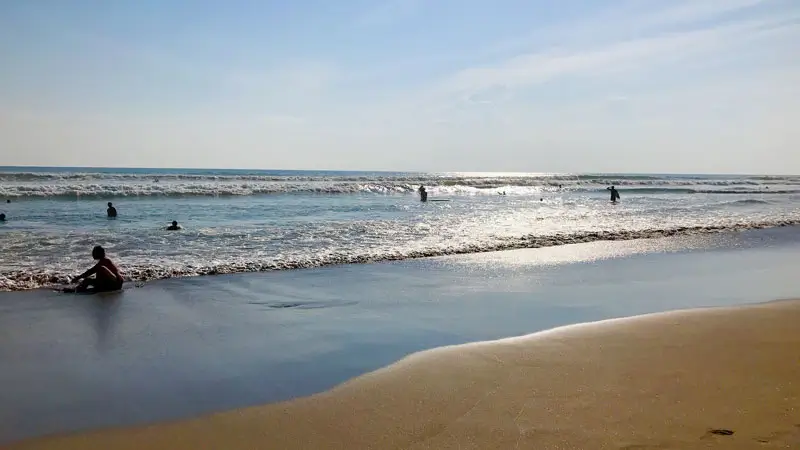
Batubelig Beach Bali is often chosen by travelers who want a calmer shoreline experience than core Seminyak, while still staying close to cafes and accommodation clusters. It works especially well for sunset walkers, short beach breaks, and low-pressure half-day plans. The mistake many visitors make is treating all nearby beaches as the same when crowd flow, access ease, and vibe can differ by time slot.
For route context, pair this with Seminyak Beach Bali, nearby comparisons in Petitenget Beach Bali, and wider planning through Bali travel guide. This guide covers comparison logic, sunset timing, practical access, and route-ready itinerary ideas.
Location and Overall Vibe
Batubelig sits in a strategic band between busier lifestyle zones and quieter coastal pockets, making it useful for travelers who want flexibility. You can keep the beach as a standalone evening stop or combine it with nearby dining and short scenic movement.
The vibe is typically more relaxed than ultra-busy stretches, especially outside peak sunset windows. This does not mean empty, but it often feels more manageable for visitors who prefer breathing space over high-volume beach scenes.
Batubelig vs Seminyak vs Petitenget
Choose beach by intent, not popularity. Seminyak often suits travelers wanting action and dense activity. Petitenget can balance style with accessibility. Batubelig usually works for calmer pacing and sunset-focused short plans.
None is universally better. The right option depends on what kind of beach time you are trying to create that day.
| Beach | Best For | Crowd Pattern |
|---|---|---|
| Batubelig | Calm sunset sessions | Moderate, grows by evening |
| Seminyak | High-energy beach scene | High in prime slots |
| Petitenget | Balanced lifestyle + beach | Moderate to high |
Best Sunset Timing and Crowd Strategy
For best results, arrive before peak sunset build-up rather than exactly at sunset. This gives parking or drop-off stability and better vantage choice. Late arrivals often spend the best light window navigating crowd pockets.
Weather and cloud layers influence sunset quality daily. Keep expectations flexible and treat the shoreline walk as primary value, with sunset as bonus when conditions align.
Things to Do Around Batubelig
Batubelig works well with a simple sequence: beach walk, short break at nearby cafe cluster, and low-pressure dinner transition. This flow is efficient and avoids overloading transfers.
Travelers with more time can extend toward nearby Seminyak belts, but avoid crisscrossing too many points in one evening. Depth at one shoreline plus one food stop usually gives a better outcome.

Suggested Half-Day and Full-Day Plans
Half-day: arrive in late afternoon, settle at the beach, watch sunset, then continue to nearby dining. Full-day: combine one inland activity earlier, keep Batubelig as evening anchor, and avoid late cross-city jumps.
If you are combining with Canggu or Seminyak in one day, lock hard transfer caps so you do not reach Batubelig after your preferred light window.
Transport, Parking, and Safety Notes
Access can vary by time and local movement conditions. Keep a small buffer for parking searches or pickup coordination. If using app cabs, define clear meeting points to avoid delay loops.
Beach safety depends on live sea conditions. For casual swimmers, remain conservative and follow local guidance. Wet-sand and edge areas can be slippery during changing tides.
Nearby Food and Stay Clusters
The nearby area has strong options for casual dining and short-stay accommodations, making Batubelig practical for travelers who want easy evening wind-down without long transfer commitments.
Choose stay location based on your daily pattern. If sunset and beach walks are recurring priorities, staying nearby can reduce transport friction significantly.

Execution Layer for Better Travel Outcomes
High-quality travel results rarely come from long destination lists alone. They come from sequencing, buffers, and clear decision rules. Start each day with one anchor objective, define two optional adds, and keep a fallback near your current zone. This protects your schedule when weather, crowds, or transport drift from plan.
Use a simple control method throughout the day. First, check live conditions. Second, confirm your next transfer and time cap. Third, decide whether to continue deeper at the current stop or move to the next one. This three-step method prevents rushed decisions and reduces fatigue from reactive changes.
Group travelers should assign roles to avoid confusion. One person tracks timing, one tracks navigation, and one confirms bookings and payments. Role clarity improves movement speed and cuts repetitive discussion at every transition point. If your group includes elders or children, add more recovery windows and avoid long standing blocks.
Budget planning should prioritize certainty over impulse. Spend where it improves outcomes directly: reliable transfers, verified tickets, and essentials like hydration and weather gear. Keep a small contingency reserve for route changes. Travelers who protect certainty usually get stronger overall experiences at similar total spend.
End each day with a short review: what worked, what delayed, and what should change tomorrow. This feedback loop compounds quickly across a multi-day trip and helps you maintain both comfort and depth.
Extended Local Planning Notes
Use a weather-aware evening checklist: cloud trend, traffic trend, and return transfer certainty. This takes two minutes and can save an hour of frustration.
For photographers, keep a two-shot strategy: one wide shoreline frame and one human-scale lifestyle frame. This gives strong storytelling without moving into unsafe or congested positions.
If your day is running late, skip optional detours and protect Batubelig as the only evening anchor. Simpler evenings are usually more enjoyable and less expensive.
Extended Coastal Planning Notes
Batubelig works best when treated as a quality-time beach rather than a checkbox between bigger names. Define your session outcome before arriving: calm walk, sunset photo set, or social beach-cafe transition. Once the outcome is clear, decisions become easier. Without that clarity, travelers tend to drift, overmove, and spend on low-value transitions.
Use weather-smart pacing. Cloud movement, wind direction, and tide behavior can influence both comfort and photo quality. If conditions are harsher than expected, shift to short shoreline windows with indoor breaks nearby. Flexible alternation between beach time and support zones helps maintain enjoyment without forcing prolonged exposure.
For couples, the most stable format is early arrival, one uninterrupted shoreline block, then controlled dining transition. For groups, set a regroup point and time cap before splitting for photos. This avoids confusion near dusk when movement density increases. Small coordination protocols keep the evening smooth and reduce last-minute delays.
If you combine Batubelig with other areas, keep directionality consistent. Avoid backtracking between north-south zones during peak traffic periods. A one-direction route with one anchor beach and one support stop is usually enough. Over-combining locations reduces depth and increases transfer stress.
Safety near wet sand and edge zones requires attention. Footwear with stable grip matters more than style choices at this beach profile. If you carry camera gear, use compact setup and avoid unstable positions for dramatic shots. Safe composition from secure distance usually delivers better images with lower risk.
Budget-wise, Batubelig days can remain efficient when you pre-decide spend categories: transport, beach snacks, meal stop, and optional extras. Spontaneous over-ordering near sunset is common, so set soft limits before arrival. Planned spending gives more control and often extends your overall Bali budget meaningfully.
Close the day with a short debrief if you are building a multi-beach itinerary: compare crowd comfort, sunset quality, and route efficiency against your expectations. These notes help choose better beaches for the next day and prevent repeating weak planning patterns.
Operational Buffer Notes
Add one protected buffer block near the end of your day. This buffer absorbs delays without harming your primary experience. If no delays occur, use it for deeper exploration at the most valuable stop instead of adding a random new stop.
Keep confirmations, maps, and key contacts offline. Network instability can disrupt otherwise good plans, especially during transitions. Simple offline preparation improves confidence and reduces avoidable friction.
If conditions change, reduce optional activities first and preserve anchor goals. Controlled simplification is usually the best decision for quality and safety.
Micro-Itinerary for Sunset Travelers
A reliable Batubelig micro-itinerary starts two hours before sunset. First 20 minutes: arrival, orientation, and preferred shoreline selection. Next 45 minutes: relaxed walk and selective photo captures while light is still even. Last 40 minutes before sunset: hold one stable viewpoint instead of constantly moving. After sunset: transition to pre-selected cafe zone with a confirmed return plan. This sequence reduces stress and increases visual quality.
If traffic unexpectedly expands, skip any secondary stop and protect the sunset anchor. Trying to recover delay by rushing through multiple stops usually produces weak results. One well-executed sunset session delivers better value than fragmented movement.
Travelers using rented scooters should finalize parking strategy before peak window. Those using ride apps should confirm exact pickup wording and nearest recognizable landmark. These minor details prevent the common post-sunset confusion loop.
Keep a lightweight checklist before leaving your stay: transport confirmation, hydration, and one clear return option. This simple preparation improves sunset-day reliability.
Check tide and wind shortly before leaving for the beach. Small condition checks can improve both comfort and safety for evening plans.
Arriving a little early consistently improves viewpoint choice and keeps the evening relaxed.
If you're extending this trip, Seminyak Beach Bali is worth adding to your plan. It also helps to read up on Petitenget Beach Bali before you finalize your plans. Travelers often pair this with Kuta Beach Bali for a fuller itinerary. Many visitors combine this with Bali while in the region.
Location
Frequently Asked Questions
Q1.Is Batubelig Beach less crowded than Seminyak Beach?
Q2.What is the best time to visit Batubelig Beach for sunset?
Q3.Is Batubelig Beach good for families?
Q4.Can beginners swim safely at Batubelig Beach?
Q5.How do I reach Batubelig Beach from Seminyak center?
Q6.Are there cafes and restaurants near Batubelig Beach?
Q7.How much time should I spend at Batubelig?
Q8.Can Batubelig be combined with Canggu in one day?
Recommended For You

Bali: Complete Travel Plan Places And Weather
Complete Bali travel guide with 7-day itinerary, best time to visit, cost breakdown, top attractions, transport options & insider tips for first-time visitors to Indonesia's Island of Gods.

Sunset in Bali: Top 10 Magical Spots You Can't Miss
Discover the best sunset spots in Bali, from iconic temple views at Uluwatu and Tanah Lot to romantic beach dinners in Jimbaran and luxury cliff bars. Complete guide.

Bali Indonesia: Best Time To Visit And Things To Do
Essential Bali travel tips covering visa, transport, SIM cards, currency, temple etiquette, bargaining, safety, best areas, beach safety, scooter rental, food safety and cultural respect.
Never Miss an Adventure
Get the latest trekking guides, travel tips, and exclusive offers delivered straight to your inbox.
