

Sunset in Bali: Top 10 Magical Spots You Can't Miss

Neha Kapoor
December 11, 2025
Discover the best sunset spots in Bali, from iconic temple views at Uluwatu and Tanah Lot to romantic beach dinners in Jimbaran and luxury cliff bars. Complete guide.
Sunset in Bali: How to Choose the Right Spot for Views, Photos, and Evenings
Sunset in Bali is one of the island’s strongest travel themes, but not all sunset spots deliver the same experience. Some are best for temple silhouettes, some for beach dining, and others for relaxed social ambience. Travelers often waste peak light by hopping between locations. A better strategy is choosing one primary sunset zone and committing to it early. For route planning, combine this with Bali travel guide, seasonal timing from best time to visit Bali, cliffside classics like Uluwatu Temple, and beach options such as Jimbaran Beach and Seminyak Beach. This guide helps you pick the right sunset style and avoid crowd-time mistakes.
Choose Sunset Style Before Location
Start by deciding your sunset objective: scenic photo, romantic dinner, cultural performance, or social beach lounge. This decision narrows location and timing instantly. Without that clarity, many visitors switch plans late and miss best light.
High-Value Sunset Types
Temple sunset
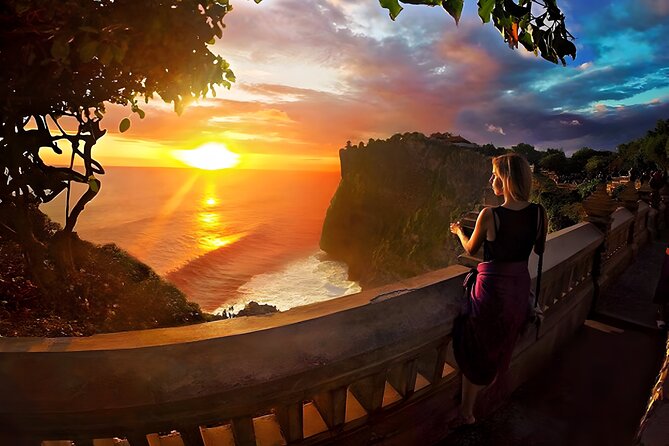
Best for silhouette drama and cultural atmosphere, especially at places like Uluwatu.
Beach sunset
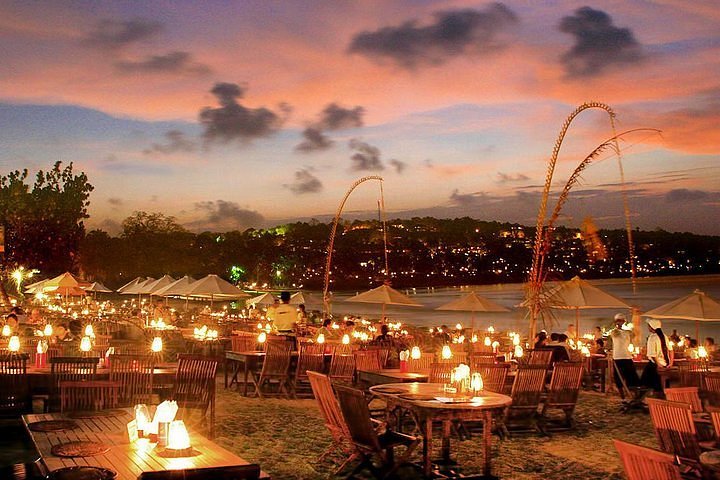
Great for relaxed movement, reflections, and easy dining transitions at Jimbaran or Seminyak.
Bar/lounge sunset
Good for comfort-focused travelers who prefer seated views and curated ambience.
Timing Strategy That Works
Arrive 60-90 minutes before sunset. This gives you buffer for entry, seating, or walking to the exact viewing angle. The most common failure is arriving at "sunset time" and spending prime minutes in traffic or queues.
| Phase | What to Do | Result |
|---|---|---|
| Pre-sunset (early) | Scout framing points and seating | No rush during golden light |
| Peak window | Shoot key frames or hold best viewpoint | Cleaner visuals and less stress |
| Post-sunset | Stay 15-20 mins for color fade | Often best mood shots |
Photography Tips for Better Sunset Results
Use one wide composition for environment and one tight frame for subject detail. Slight underexposure helps preserve sky color. If shooting people, place them in side profile against horizon glow. Keep lens clean in salty air and avoid over-editing orange tones.
How to Build a Sunset-Focused Bali Day
Keep daytime activities near your chosen sunset zone to reduce transfer risk. For example, temple or cliff visits before Uluwatu sunset, or beach-and-cafe loops before Seminyak evening. Use Bali guide planning and seasonal context from timing guides for stronger daily flow.
- Pick one sunset location per evening.
- Pre-book high-demand dinner zones if needed.
- Carry light layer for sea breeze comfort.
- Plan return transport before peak exit crowd.
Common Mistakes to Avoid
- Trying to cover multiple sunset spots in one evening.
- Arriving too late and losing best light.
- Ignoring transport congestion around sunset windows.
- Using only one camera angle for all shots.
- Leaving immediately after sunset and missing post-glow frames.
Final Takeaway
The best sunset in Bali is the one you plan properly. Choose your sunset style first, arrive early, and commit to one location with enough buffer.
That single decision consistently gives better photos and a better evening.
Simple timing discipline beats location-hopping every time.
Protect the light window, and Bali sunsets rarely disappoint.
Sunset Crowd and Transport Strategy
Bali sunset zones can become crowded fast, so transport planning is part of the sunset experience. Pre-book your return where possible, or set pickup points away from the most congested exit lanes. If you leave this decision for post-sunset rush, you lose the calm ending and often spend more time in queues than at the view itself.
Couple, Family, and Solo Sunset Formats
Couples generally prefer one viewpoint plus dinner sequence. Families benefit from easier beach access and shorter walking zones. Solo travelers often get better photos by arriving earlier and choosing quieter side angles instead of central crowd points. The key is matching sunset style with traveler type before reaching the location.
- Choose one sunset zone each evening.
- Protect 60-90 minute pre-sunset arrival window.
- Stay 15-20 minutes after sunset for color fade.
- Keep a rain/sea-breeze layer for comfort.
Final Planning Principle
In Bali sunset travel, timing beats distance. One well-planned location with strong arrival discipline delivers better evenings than multiple rushed spot hops.
Extended Planning Playbook
Strong travel outcomes usually come from preparation habits, not from adding more destinations. Use a layered plan before departure: define one primary objective, one secondary objective, and one fallback option. The primary objective is what makes the day worthwhile even if weather or delays affect everything else. The secondary objective is optional and should be dropped quickly if timing slips. The fallback option should be low-risk and close to your route so you can still have a meaningful day without forcing difficult movement. This structure reduces stress and protects experience quality.
Next, map your day in realistic blocks rather than exact minute-by-minute promises. A practical approach is to assign 90-120 minute activity blocks with 20-30 minute transition buffers. Most travelers skip buffers and then rush decisions late in the day. Buffer time is not wasted time; it is decision margin. It allows for weather delays, traffic shifts, short rest stops, or queue variation without breaking the entire plan. Trips feel smoother when flexibility is built in from the start.
On-Ground Execution Rules
Once on site, run a simple three-step check before every major movement: current weather, group energy, and daylight margin. If any of these are weak, reduce scope immediately. This is the most effective way to prevent avoidable risk. Travelers often keep original plans even when conditions change, and that creates rushed exits and lower-quality experiences. Smart travel means adapting early, not reacting late.
- Hydrate at regular intervals instead of waiting for fatigue signs.
- Keep food simple and energy-stable to avoid long unplanned breaks.
- Maintain one clear group communication rule for movement timing.
- Protect return schedules, especially in low-support or mountain routes.
- Use conservative decision-making when weather uncertainty appears.
Budget and Comfort Controls
Good itineraries also control hidden costs. Carry essential basics so you are not forced into overpriced last-minute purchases. Keep a small contingency budget for transport changes and safety-driven rerouting. Comfort planning matters too: appropriate footwear, light weather layers, and power backup improve decision quality throughout the day. Small discomforts become major problems when combined with long transit and shifting weather.
Content and Photography Balance
If you are capturing photos or video, separate documentation from exploration. Spend the first pass understanding the place, and the second pass creating content. This prevents rushed, repetitive shots and reduces unsafe positioning choices. The best travel content usually comes from patient observation rather than constant motion. When the environment is dynamic, a stable viewpoint often gives better results than frequent location switching.
Post-Visit Reset
End each day with a short reset: hydrate, review what worked, and simplify the next day’s plan based on real conditions. This keeps multi-day itineraries sustainable. Travelers who do quick daily resets make better choices and avoid cumulative fatigue. The goal is not maximum checklist completion, it is high-quality, safe, and memorable travel across the full trip.
Plan your evening around one strong view, one smooth exit route, and one flexible fallback option in case weather or traffic changes unexpectedly.
When in doubt, pick the simpler plan and protect the sunset window from unnecessary movement.
Early arrival and simple choices usually produce the best Bali sunset evenings.
Location
Frequently Asked Questions
Q1.What time is sunset in Bali?
Q2.Where is the best sunset in Bali?
Q3.Can you see the sunset from Ubud?
Q4.Is Uluwatu better than Tanah Lot for sunset?
Q5.Which beach has the best sunset in Bali?
Q6.Do I need to book tables for sunset bars in Bali?
Q7.Is there an entry fee for Uluwatu sunset?
Q8.What's the best sunset spot for honeymooners in Bali?
Recommended For You

Nusa Penida Island: East-West Itinerary, Transport & Stay Areas
Discover Nusa Penida Island, Bali's rugged paradise. Explore Kelingking Beach, swim with manta rays, and discover hidden beaches in this complete travel guide.
Sunset Dinner Cruises Bali: Booking, Timing, and Tips
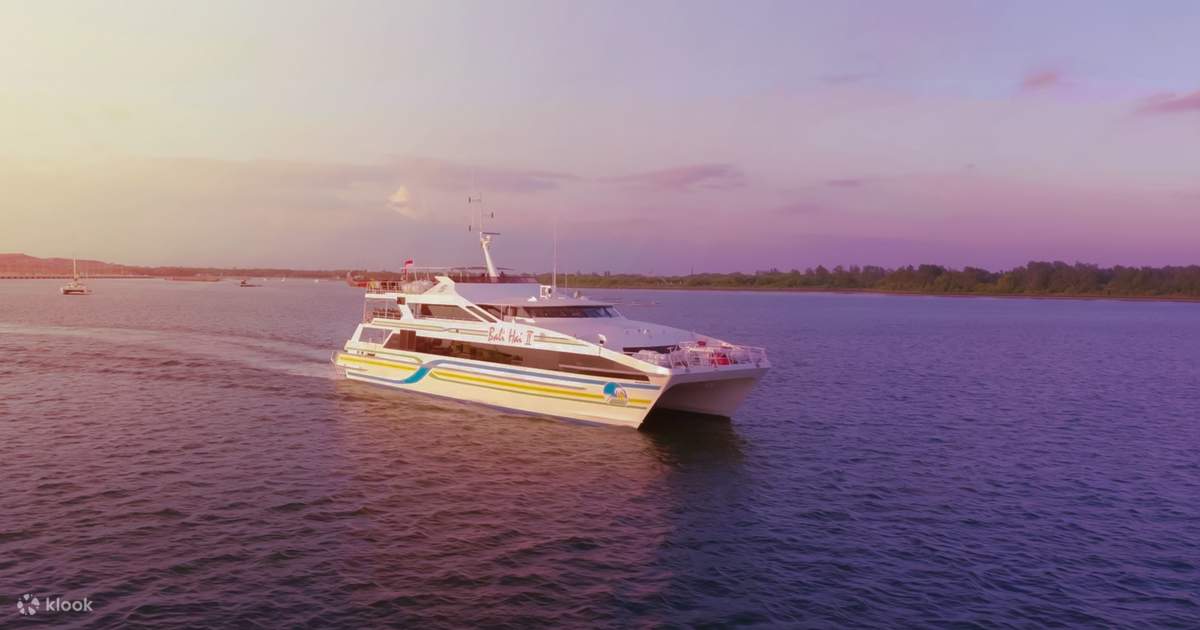
Plan sunset dinner cruises in Bali with operator selection tips, transfer timing advice, and package comparison for couples and groups.

Best Time to Visit Bali: Season Guide and Travel Tips
Plan the best time to visit Bali with weather-wise strategy, route planning, and practical tips for smoother island travel.
Never Miss an Adventure
Get the latest trekking guides, travel tips, and exclusive offers delivered straight to your inbox.
