

Beaches in Andaman Guide: Best Beach Types, Island Pairing, and Practical Trip Planning

Priya Mehta
February 26, 2026
Plan beaches in Andaman better with island pairing, activity timing, transfer discipline, and practical day-structure strategies.
Introduction
Andaman is one of India’s strongest beach destinations, but most travelers still plan it by social-media clips rather than by beach type, island distance, and activity fit. That usually leads to rushed transfers and underwhelming experiences. A better approach is to classify beaches by what they are best for: calm swimming windows, sunset sessions, snorkeling access, family-friendly movement, or low-crowd relaxation. This guide helps you design that structure. It explains which beach profiles to prioritize, how to sequence islands, how to avoid transfer mistakes, and how to align activities with weather windows. If this is your first island trip, start with Andaman complete travel guide and then build your beach-heavy route around realistic movement times.

How to Choose the Right Beaches
Not every Andaman beach gives the same experience. Some are best for postcard visuals, some for beginner-friendly water sessions, and some for quiet walking with minimal crowd pressure. Choosing randomly often creates disappointment because expectations and beach characteristics do not match. Before selecting beaches, define your top priority for each day: activity, relaxation, photography, or family-time convenience. Then choose one primary beach and one optional nearby extension only. This keeps the day manageable and prevents overtravel. Travelers who reduce daily beach count usually enjoy each beach more deeply and with less fatigue.
Best Time of Day for Beach Sessions
Morning and late afternoon are the strongest windows for most Andaman beaches. Morning gives calmer conditions in many zones, better visibility for marine-oriented activities, and lower footfall. Late afternoon gives softer light and more comfortable beach walks. Midday can still work for short sessions, but longer stays under direct sun reduce comfort quickly. Use midday for transfers, meals, and recovery. If you are planning snorkeling or diving the same day, keep beach lounging lighter beforehand. Good beach travel is not about staying longer at one stretch; it is about choosing the right window for each purpose.
Island Pairing Strategy for Beaches
Beach quality in Andaman is tied to island selection and transfer discipline. For first-time travelers, two or three island bases are usually enough for a high-value beach itinerary. Excessive base switching wastes time in packing and ferry movement. Keep one anchor island for activity-heavy beach days and one for calm scenic balance. If your route includes top marine sessions, combine with Havelock Island Andaman coverage in a dedicated block. Keep one transfer buffer day where possible. Beach plans fail most often not due to weather, but due to unrealistic island chaining.

Beach Types You Should Include
A balanced Andaman beach trip should include at least three types: one activity-centric beach, one calm scenic beach, and one easy family-friendly shoreline. Activity beaches are ideal for guided marine sessions and often have better service support. Scenic beaches are better for slower evenings and photography. Family-friendly beaches need accessible approach paths, manageable wave conditions, and nearby essentials. If your group includes children or seniors, prioritize accessibility over popularity. A practical beach plan is built on comfort fit, not only on famous names.
Snorkeling and Water Activity Integration
If water experiences are your priority, choose beach sessions around activity timing rather than vice versa. Keep your first marine session early in the itinerary so you can reschedule if weather shifts. Use verified operators and avoid last-minute price-only decisions. For depth planning, refer to scuba diving in Andaman and keep one major water activity per day for energy control. Overstacking high-intensity activities with long beach days reduces quality and can increase fatigue. A better model is one major activity plus one relaxed shoreline block.
Family and Couple Planning Differences
Couples usually prefer fewer transfers and longer golden-hour beach sessions with curated meal stops. Families usually need shorter mobility windows, frequent hydration breaks, and easy-return beaches near stays. Group trips should define a shared beach objective before leaving the hotel to avoid split expectations. If half the group wants activity and half wants calm shoreline, plan split sessions with a fixed regroup point and time. This simple coordination rule prevents day disruption and improves everyone’s experience.

Food and Comfort Planning Around Beaches
Beach days fail quickly when meals and hydration are ignored. Keep a stable breakfast, light midday meal, and one planned post-beach food stop. Avoid heavy meals just before water activities. Carry sun-safe basics and keep footwear suited for mixed sand and pathway conditions. If your trip is beach-dominant, pack day-wise essentials in one compact kit so you do not repack daily. Practical comfort choices improve how long you can enjoy each beach without burnout.
Budget and Time Control for Beach Itineraries
Set daily budget buckets: transfers, activities, food, and contingency. Beach destinations can trigger unplanned expenses through impulse add-ons and transport inefficiencies. Complete your high-priority activity first, then choose optional extras only if budget and time remain. Keep one daily cutoff time for beach exit so evening transport stays smooth. A clear cutoff prevents delayed returns and protects next-day performance.
Sample 6-Day Beach-First Framework
Day 1: arrival and short orientation beach. Day 2: major activity beach day. Day 3: scenic relaxation beach plus sunset. Day 4: transfer and moderate beach session. Day 5: second major marine/shoreline mix day. Day 6: buffer and departure. This structure avoids overcompression and gives room for weather adjustments. Modify based on transfer schedule, but keep the one-major-focus-per-day principle.
Common Mistakes to Avoid
The most common mistakes are selecting beaches only by popularity, underestimating transfer times, overloading daily activity count, and ignoring midday heat impact. Another frequent issue is planning zero buffer around ferries. Travelers also often skip pre-booking during high-demand windows and lose better time slots. Avoid these by using a simple planning matrix: beach objective, transfer load, activity fit, and fallback option.

Weather Backup and Alternate-Day Design
Even in strong seasons, sea conditions and ferry schedules can shift. Keep one backup beach list for each island and one low-mobility alternative day that still feels meaningful. Good alternatives include short local cultural walks, slower waterfront sessions, or recovery-focused planning for the next transfer. This flexibility protects your trip from frustration and helps maintain momentum when weather does not align with initial expectations. Travelers who prepare alternates usually recover faster from disruptions and preserve overall trip quality.
Photography and Memory Planning
If photography matters to you, plan specific windows rather than shooting continuously through the day. Keep one sunrise or morning-light beach session and one sunset session on different days. During high UV hours, focus on details, candid movement, and shaded compositions instead of wide horizon shots. This approach produces better visuals and keeps you physically comfortable. Balanced memory planning also means keeping some time camera-free so the beach experience is not reduced to only documentation.
Transfer-Day Micro Planning Template
On every transfer day, use a simple micro template: wake-up buffer, ticket reconfirmation, terminal reporting margin, hydration check, and one realistic post-arrival beach block only if time permits. This template prevents common cascade delays that happen when travelers assume best-case timings. Keep your day-access bag ready the previous night with essentials, and avoid last-minute packing stress in the morning. If the transfer goes smoothly, treat any extra time as bonus relaxation rather than adding new distant points. This discipline helps preserve energy for the next full beach day and reduces avoidable friction in multi-island itineraries.
Conclusion
Beaches in Andaman deliver outstanding value when planned by beach type and island logic, not by random lists. Keep your days structured, transfers realistic, and activity pace sustainable. With that approach, your Andaman beach trip becomes scenic, practical, and consistently enjoyable from first island to final departure.
If you're extending this trip, Andaman Complete is worth adding to your plan. Many travelers also pair this with Homestays in Port Blair for a fuller itinerary.
Location
Frequently Asked Questions
Q1.How many beaches should I cover per day in Andaman?
Q2.Can I combine beach time and marine activity on the same day?
Q3.Do I need ferry buffers in a beach-first itinerary?
Q4.Which Andaman beach is best for first-time visitors?
Q5.Do Andaman beaches require special permits?
Recommended For You
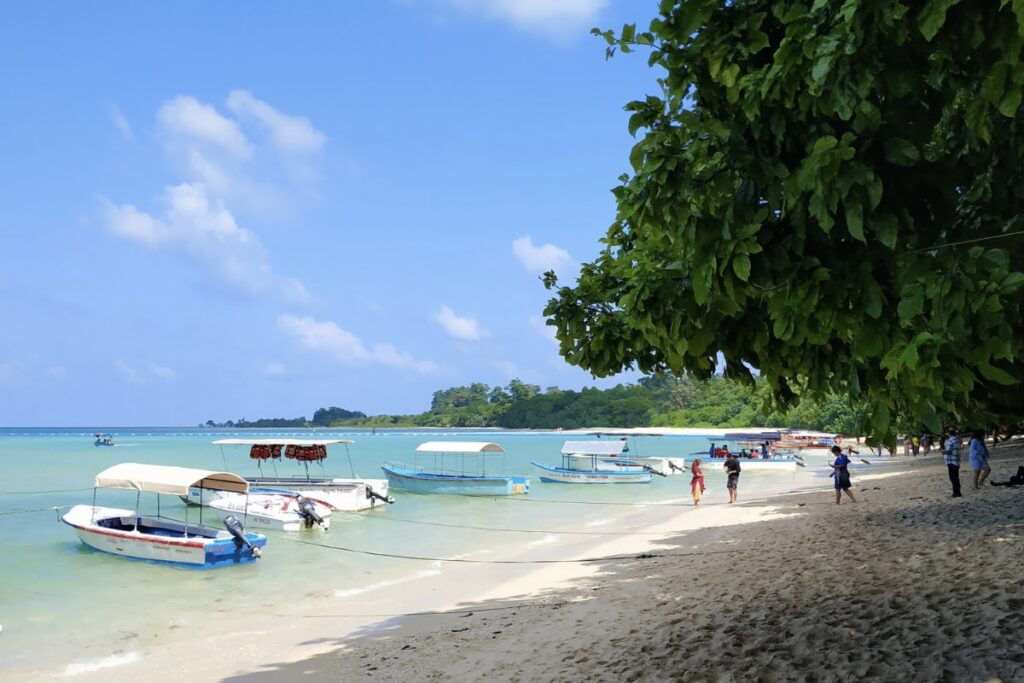
Bharatpur Beach: Neil Island's Coral Gem
Bharatpur Beach Andaman guide with coral-view activities, glass-bottom boat tips, swimming advice, pricing table, and practical route planning from Neil Island jetty.

Places to Visit in Andaman: Islands, Beaches & Planning Tips
Explore the best places to visit in Andaman with island-wise highlights, beach picks, activity ideas, and practical route planning tips.

Wandoor Beach Andaman: Entry Info, Boat Trips & Nearby Islands
Plan Wandoor Beach Andaman with ferry context, marine park rules, travel timing, and practical tips for a smooth Port Blair day trip.
Never Miss an Adventure
Get the latest trekking guides, travel tips, and exclusive offers delivered straight to your inbox.
