
Beaches in Malaysia: Island Picks, Activities & Travel Planning

Priya Mehta
December 10, 2025
Discover Malaysia's stunning beaches from Langkawi's luxury shores to Perhentian's pristine coral reefs. Complete guide with best time to visit, activities, and travel tips.
Discover Malaysia's Stunning Coastal Paradise
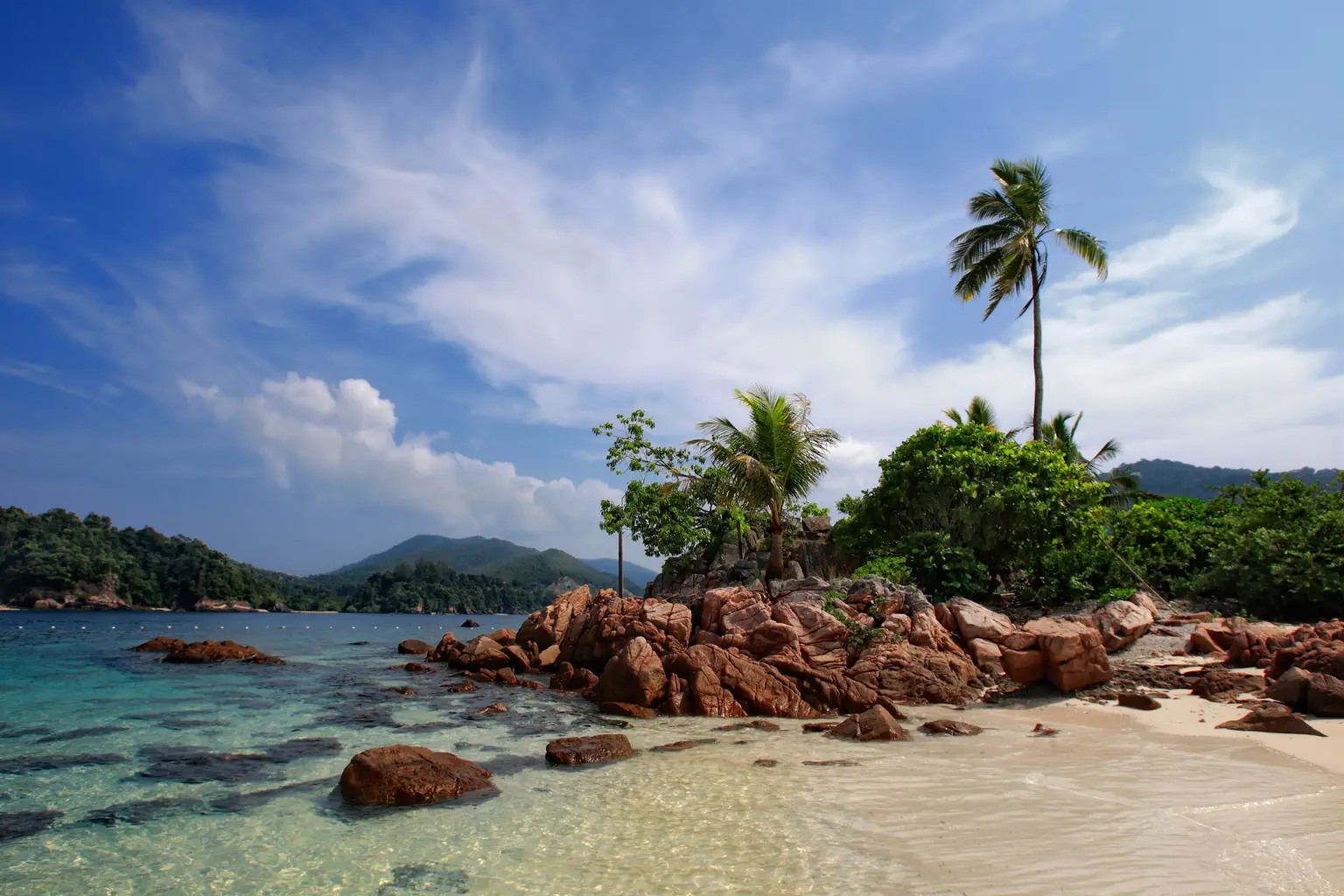
Malaysia, a Southeast Asian gem, boasts some of the most pristine and diverse beaches in the world. With over 4,600 kilometers of coastline stretching along the South China Sea, the Strait of Malacca, and the Andaman Sea, this tropical paradise offers beach lovers an incredible variety of coastal experiences. From the crystal-clear waters of the East Coast islands to the accessible shores of the West Coast, Malaysia's beaches cater to every type of traveler – whether you seek adventure, relaxation, or cultural exploration. What makes Malaysia's beaches truly special is their remarkable diversity. The East Coast islands, including the famous Perhentian Islands, Redang, and Tioman, offer world-class snorkeling and diving destinations with turquoise waters that rival the Maldives. Meanwhile, the West Coast provides convenient beach getaways near major cities, perfect for quick weekend escapes.Langkawi: The Jewel of Kedah
 Langkawi, an archipelago of 99 islands, stands as one of Malaysia's premier beach destinations. This duty-free island combines natural beauty with excellent infrastructure, making it perfect for families and luxury travelers alike.
Pantai Cenang: Langkawi's Most Famous Beach
Pantai Cenang is Langkawi's most developed and popular beach, stretching for 2 kilometers along the island's western coast. The powdery white sand and calm, shallow waters make it ideal for swimming and water sports. Along the beachfront, you'll find numerous restaurants, bars, and souvenir shops, creating a vibrant atmosphere that comes alive especially during sunset. The beach offers various activities including jet skiing, parasailing, and banana boat rides.Tanjung Rhu: Secluded Luxury
For those seeking tranquility, Tanjung Rhu offers an exclusive experience surrounded by limestone cliffs and mangrove forests. The beach gets its name from the casuarina trees lining the shore, creating a picturesque setting. This area is home to luxury resorts like The Datai, and its secluded location makes it perfect for romantic getaways. The nearby mangrove tours offer unique opportunities to witness eagles, monkeys, and diverse marine life.Datai Bay: Paradise Found
Often ranked among Asia's best beaches, Datai Bay boasts pristine waters and lush rainforest surroundings. The beach's remote location on the island's northwestern coast has helped preserve its natural beauty. Luxury resorts here provide world-class amenities while maintaining harmony with the environment. The bay's excellent coral reefs make it a fantastic spot for snorkeling and diving enthusiasts.Activities and Experiences in Langkawi
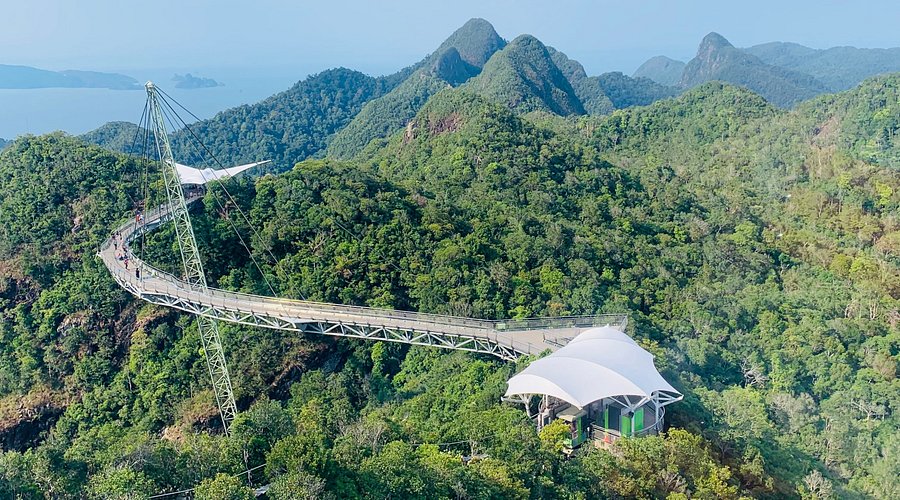
Beyond its beaches, Langkawi offers the famous Langkawi Sky Bridge, one of the world's longest curved suspension bridges. The Langkawi Cable Car takes visitors on a breathtaking journey to the top of Mount Mat Cincang, offering panoramic views of the islands. Island hopping tours explore nearby attractions like the pregnant maiden lake and hidden waterfalls. For nature lovers, the Kilim Karst Geoforest Park showcases magnificent limestone formations and diverse wildlife.Penang: Where Culture Meets Coast
 Penang Island offers a unique blend of beautiful beaches and rich cultural heritage. While perhaps not as pristine as the East Coast islands, Penang's beaches provide easy accessibility and the chance to combine beach relaxation with UNESCO World Heritage site exploration.
Batu Ferringhi: The Main Tourist Beach
Located on Penang's north coast, Batu Ferringhi is the island's most popular beach destination. The beach offers a wide range of water sports including jet skiing, parasailing, and windsurfing. What makes Batu Ferringhi special is its famous night market, held every evening, where visitors can shop for local handicrafts, try street food, and experience the vibrant local culture. The beach is lined with resorts ranging from budget-friendly to luxury options.Teluk Bahang: Quieter Alternative
For those seeking a more peaceful beach experience, Teluk Bahang, located further north, offers a serene escape from the crowds. The beach is less developed and maintains a more natural atmosphere. It's also the gateway to the Penang National Park, where hiking trails lead to hidden beaches like Monkey Beach and the famous Turtle Beach.Monkey Beach: Secluded Cove
Accessible only by boat or hiking through Penang National Park, Monkey Beach lives up to its name with its resident monkey population. The beach offers a genuine tropical island experience with crystal-clear waters and pristine surroundings. It's an excellent spot for picnicking, swimming, and snorkeling away from the tourist crowds.East Coast Islands: Marine Paradise
 Malaysia's East Coast is home to some of the country's most spectacular beach destinations. These islands are known for their crystal-clear waters, excellent diving spots, and relaxed atmosphere. However, it's important to note that the East Coast has a distinct monsoon season, and many resorts close from November to February.
Perhentian Islands: Diving Heaven
The Perhentian Islands, consisting of Perhentian Besar (Big Island) and Perhentian Kecil (Small Island), are renowned for their spectacular coral reefs and diverse marine life. The islands offer some of the best diving and snorkeling in Malaysia, with frequent sightings of turtles, reef sharks, and colorful tropical fish. Perhentian Kecil attracts backpackers with its budget accommodation and social atmosphere, while Perhentian Besar caters to families and luxury travelers with upscale resorts. The absence of cars on both islands adds to their laid-back charm.Redang Island: Marine Park Wonderland
Redang Island, located in Terengganu, is famous for its protected marine park and exceptionally clear waters. The island's main attraction is its spectacular snorkeling – just steps from the shore, you can find vibrant coral gardens teeming with marine life. Redang is home to several upscale resorts, making it perfect for those seeking comfort alongside natural beauty. The island's commitment to marine conservation has helped preserve its underwater treasures, making it a must-visit for diving enthusiasts.Tioman Island: Volcanic Beauty
Tioman, the largest of Malaysia's East Coast islands, is actually a massive volcanic peak rising from the sea floor. The island's dramatic interior, covered in lush rainforest, provides a stunning backdrop to its beautiful beaches. Tioman was once voted one of the world's most beautiful islands by Time Magazine, and it's easy to see why. The island offers excellent diving opportunities, including several World War II shipwrecks. The village-style atmosphere and friendly local community make Tioman a charming destination for extended stays.Kapas Island: Barefoot Luxury
For those seeking to escape modern life completely, Kapas Island offers the perfect retreat. With no cars and limited electricity, this tiny island lives up to its name (Malay for "cotton") with its soft white sand and relaxed pace of life. The island has just a handful of basic chalets, making it ideal for travelers seeking simplicity and tranquility. The surrounding waters offer excellent snorkeling, and the island's small size means you can explore it entirely on foot.West Coast Beaches: Accessible Getaways
Malaysia's West Coast offers numerous beach destinations that are easily accessible from major cities like Kuala Lumpur. While these beaches may not match the crystal-clear waters of the East Coast, they provide convenient options for quick getaways.Pangkor Island: Fishing Village Charm
Pangkor Island, located off the coast of Perak, retains its traditional fishing village atmosphere despite growing tourism. The island's beaches, including Teluk Nipah and Coral Bay, offer calm waters suitable for swimming and snorkeling. What makes Pangkor special is its authentic local culture – you can still see fishermen heading out to sea at dawn and colorful wooden boats lining the shores. The island is famous for its fresh seafood, and numerous floating restaurants serve excellent catches of the day.Port Dickson: Kuala Lumpur's Beach
Located just 90 minutes from Kuala Lumpur, Port Dickson is the most accessible beach destination from the capital. While the beaches may not be Malaysia's finest, PD (as it's affectionately called) serves as a convenient spot for city dwellers to escape for a weekend. The area offers numerous water parks, making it popular with families. The long coastline provides ample space for various water sports, and the development of several luxury resorts has elevated PD's status as a beach destination.Morib Beach: Hidden Gem
Morib Beach, located in Selangor, offers a quieter alternative to Port Dickson. The beach is known for its unique mangrove ecosystem and is a popular spot for bird watching. During low tide, the extensive shallow waters reveal numerous marine creatures, making it an educational destination for families. The beach maintains a local feel with several seafood restaurants serving fresh catches.Best Time to Visit Malaysian Beaches
Timing is crucial when planning a beach holiday in Malaysia due to the country's two distinct monsoon systems that affect different coasts at different times of year.West Coast: Year-Round Destination
The West Coast, including Langkawi, Penang, and Pangkor, enjoys relatively stable weather throughout the year. The best time to visit is between December and March when rainfall is minimal and temperatures are pleasant. However, even during the wetter months (April to November), the West Coast typically experiences only short, intense showers that give way to sunshine. This year-round accessibility makes West Coast beaches perfect for flexible travel plans.East Coast: Seasonal Paradise
The East Coast has a pronounced monsoon season, and timing your visit is essential. The best period to visit the East Coast islands is from March to October when the seas are calm and visibility is excellent for diving and snorkeling. From November to February, many resorts close completely due to rough seas and heavy rainfall. The monsoon season can bring dramatic storms and dangerous sea conditions, making water activities impossible. Always check resort availability before planning an East Coast beach holiday.Water Clarity and Marine Life
For the best underwater visibility, plan your East Coast visit during the dry season (April to September). During these months, visibility can reach up to 30 meters, creating ideal conditions for diving and snorkeling. The calmer seas also make boat transfers more comfortable and reduce the likelihood of seasickness. Marine life, including sea turtles, are most active during these months, increasing your chances of memorable encounters.Water Activities and Adventures
 Malaysia's beaches offer a wide range of water sports and activities that cater to all skill levels and interests.
Snorkeling and Diving
The East Coast islands, particularly Perhentian, Redang, and Tioman, offer world-class snorkeling and diving experiences. The warm waters (typically 28-30°C) and excellent visibility make these islands perfect for underwater exploration. Popular dive sites include coral gardens, shipwrecks, and underwater pinnacles teeming with colorful reef fish, barracudas, and occasionally, whale sharks. Most islands offer PADI certification courses for beginners, while experienced divers can explore deeper sites and challenging currents.Kayaking and Stand-Up Paddleboarding
The calm waters around many Malaysian islands are perfect for kayaking and stand-up paddleboarding. Langkawi's mangrove rivers offer unique kayaking experiences where you can paddle through ancient limestone formations and spot wildlife including eagles, monkeys, and monitor lizards. Many resorts offer free kayaks to guests, and guided tours are available for those wanting to explore hidden coves and secluded beaches.Jet Skiing and Parasailing
For adrenaline junkies, popular beaches like Pantai Cenang in Langkawi and Batu Ferringhi in Penang offer thrilling jet ski rentals and parasailing experiences. Soaring above the turquoise waters provides a unique perspective of the coastline and neighboring islands. Safety equipment is provided, and operators generally cater to beginners with brief instructions.Island Hopping
Island hopping tours are available from most major beach destinations and provide an excellent way to explore multiple locations in a single day. In Langkawi, tours typically include stops at pregnant maiden lake, eagle feeding, and beach BBQ on a deserted island. From the East Coast mainland, you can visit multiple islands in a day, each offering slightly different experiences and landscapes.Fishing Charters
Fishing enthusiasts can charter boats for deep-sea fishing adventures. The waters around Malaysia are home to numerous game fish including marlin, sailfish, tuna, and barracuda. Many charters provide all necessary equipment and cater to both beginners and experienced anglers. Night fishing trips offer a different experience and the chance to catch squid and other nocturnal species.Practical Travel Tips
Getting There
Langkawi has its own international airport with direct flights from Kuala Lumpur, Singapore, and several other regional cities. Penang is also accessible by air, and the island is connected to the mainland by the spectacular Penang Bridge. East Coast islands typically require flying to Kuala Terengganu or Kerteh airports, followed by a road journey to the coast and a boat transfer. These boat transfers can range from 30 minutes to over an hour depending on the island and sea conditions.Accommodation Options
Malaysian beaches offer accommodation to suit every budget, from basic backpacker hostels to ultra-luxury resorts. The Perhentian Islands are famous for their chalet-style accommodation, while Langkawi boasts several five-star international chains. Booking in advance is essential, especially during peak seasons (school holidays and Malaysian public holidays). Many East Coast resorts require minimum stay requirements during peak periods.What to Pack
Pack light, breathable clothing suitable for tropical weather. Essential items include reef-safe sunscreen, a hat, sunglasses, and water shoes for rocky beaches. If you plan to snorkel or dive, consider bringing your own mask and snorkel for hygiene and comfort. A waterproof phone case or dry bag is useful for boat trips. Most importantly, don't forget your sense of adventure!Currency and Costs
Malaysia offers excellent value for money compared to many other beach destinations. Budget travelers can get by on RM100-150 ($25-35) per day including basic accommodation and meals. Mid-range travelers should budget RM200-400 ($50-95) per day, while luxury experiences can exceed RM500 ($120) daily. Cash is essential on smaller islands where ATMs may be limited or non-existent. Credit cards are widely accepted at larger resorts.Responsible Tourism
Help preserve Malaysia's beautiful beaches by practicing responsible tourism. Choose reef-safe sunscreen to protect coral ecosystems. Avoid touching or standing on coral while snorkeling or diving. Respect marine life by maintaining distance and not feeding fish. Support local businesses and choose eco-friendly tour operators when possible. Many islands are now implementing plastic-free initiatives – support these efforts by bringing reusable water bottles and bags. Malaysia's beaches offer a perfect blend of natural beauty, adventure, and cultural experiences. Whether you're seeking luxury resorts with world-class amenities or primitive islands where you can truly escape, Malaysia has a beach destination that's perfect for you. The warm hospitality of the Malaysian people, combined with excellent food and stunning natural scenery, creates beach holidays that you'll remember for a lifetime. Start planning your Malaysian beach adventure today and discover why this Southeast Asian paradise is becoming one of the region's most popular beach destinations.Location
Frequently Asked Questions
Q1.Which are the best beaches in Malaysia?
Q2.Does Malaysia have good beaches?
Q3.What is the best time to visit beaches in Malaysia?
Q4.Which is better: Langkawi or Penang?
Q5.Is Perhentian Island worth visiting?
Q6.Which is the most beautiful island in Malaysia?
Q7.Can we swim at Malaysian beaches?
Q8.Is snorkeling good in Malaysia?
Recommended For You
Langkawi Sky Bridge: Ticket Price, Cable Car Timings & Tips
Plan your Langkawi Sky Bridge Malaysia visit with tickets, timings, cable car details, weather tips, photo spots, and nearby attractions for a smooth island day.
Taman Negara Malaysia: Trekking Trails, Canopy Walk & Travel Plan
Complete Taman Negara guide with routes from Kuala Lumpur, trekking options, canopy walkway planning, wildlife tips, permits, and best season advice.
Wildlife Safaris in Malaysia: Top 5 Sanctuaries & Travel Tips
Discover the best wildlife safaris in Malaysia featuring orangutans, pygmy elephants, and pristine rainforests in Borneo and Peninsula Malaysia. Complete guide to top sanctuaries, best time to visit, and essential tips.
Never Miss an Adventure
Get the latest trekking guides, travel tips, and exclusive offers delivered straight to your inbox.
