
Wildlife Safaris in Malaysia: Top 5 Sanctuaries & Travel Tips

Rohan Malhotra
February 20, 2026
Discover the best wildlife safaris in Malaysia featuring orangutans, pygmy elephants, and pristine rainforests in Borneo and Peninsula Malaysia. Complete guide to top sanctuaries, best time to visit, and essential tips.
Introduction: Malaysia's Wildlife Paradise
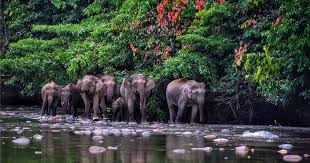
Malaysia stands as one of Southeast Asia's most incredible destinations for wildlife enthusiasts, home to some of the world's oldest rainforests and an astounding diversity of flora and fauna. This tropical paradise, divided into Peninsula Malaysia and the states of Sabah and Sarawak on the island of Borneo, offers unparalleled opportunities for wildlife safaris that bring you face-to-face with some of the planet's most fascinating creatures. The crown jewel of Malaysia's wildlife offerings is undoubtedly Borneo, shared with Indonesia and Brunei, which harbors the legendary orangutans, proboscis monkeys, pygmy elephants, and the elusive Bornean clouded leopard. Peninsula Malaysia, meanwhile, boasts Taman Negara, believed to be the world's oldest rainforest at approximately 130 million years, where Malayan tigers, Asian elephants, and rare tapirs still roam free. Visitors planning to explore Southeast Asia's wildlife may also consider Bali's diverse ecosystems or Malaysia's cultural attractions. What makes Malaysian wildlife safaris truly special is the country's commitment to conservation and sustainable tourism. From rehabilitation centers for orphaned orangutans to protected marine parks and vast national parks, Malaysia has created sanctuaries that allow visitors to experience nature responsibly while supporting critical conservation efforts. For those interested in exploring more of Malaysia beyond wildlife, the country offers rich culinary experiences that reflect its diverse cultural heritage. Whether you're a serious wildlife photographer, a nature-loving family, or an adventure traveler seeking authentic rainforest experiences, Malaysia's wildlife safaris offer something extraordinary.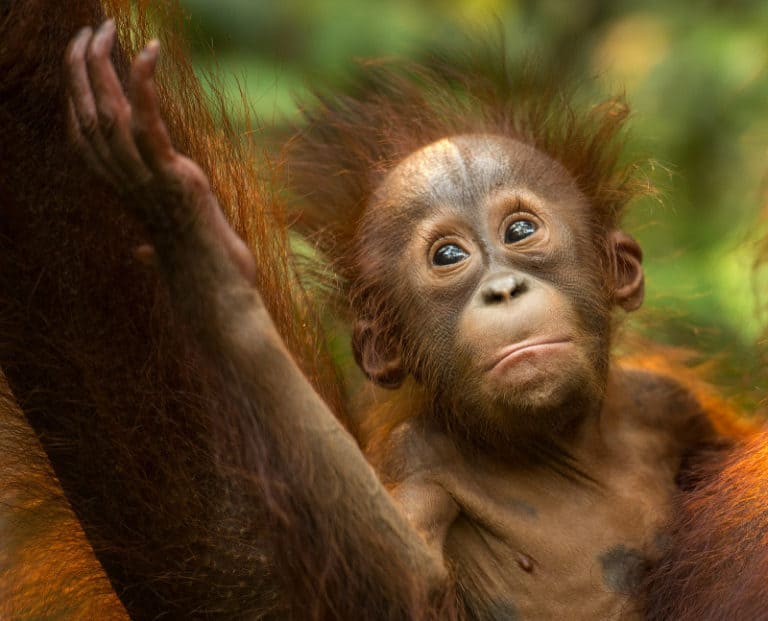
Top 5 Wildlife Safari Destinations in Malaysia
1. Sepilok Orangutan Rehabilitation Centre (Sabah, Borneo)
Located in the Malaysian state of Sabah on Borneo Island, the Sepilok Orangutan Rehabilitation Centre is perhaps Malaysia's most famous wildlife sanctuary. Established in 1964, this 43-square-kilometer protected reserve within the Kabili-Sepilok Forest Reserve focuses on rehabilitating orphaned and injured orangutans for release back into the wild. The center has successfully returned hundreds of these magnificent great apes to their natural habitat over the decades. The highlight for visitors is the twice-daily feeding times at 10:00 AM and 3:00 PM, when semi-wild orangutans come to feeding platforms. While sightings can never be guaranteed (wild animals follow their own schedules), the platform experience offers incredible opportunities to observe orangutans up close. Beyond feeding, visitors can explore the Sepilok Orangutan Centre's nursery, where young orangutans are cared for, and walk along elevated boardwalks through the pristine lowland dipterocarp forest. The center also features the nearby Sun Bear Conservation Centre, dedicated to Malayan sun bears, the smallest bear species in the world. Combined tickets allow visitors to experience both conservation efforts. The sanctuary emphasizes education about orangutan conservation and the threats facing these critically endangered primates, including deforestation and the illegal pet trade.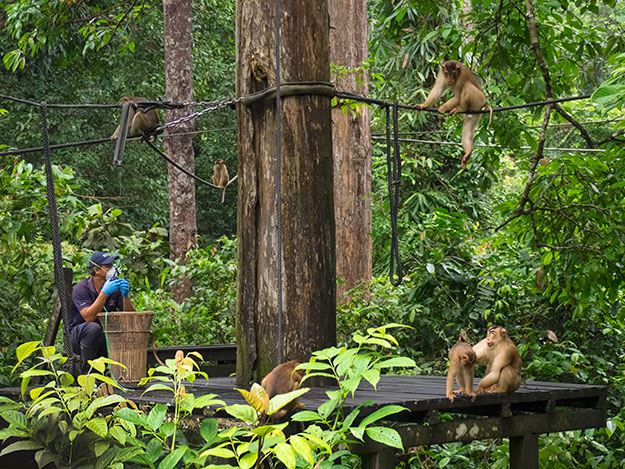
2. Kinabatangan River (Sabah, Borneo)
The Kinabatangan River, Sabah's longest at 560 kilometers, flows through a fascinating floodplain ecosystem that boasts the highest concentration of wildlife in all of Borneo. This remarkable riverine ecosystem, easily accessible from Sandakan and Sukau, offers some of the most rewarding wildlife viewing opportunities in Southeast Asia. The river corridor, though degraded by past logging, remains a crucial habitat corridor connecting fragmented forests. River safaris here typically involve morning and evening boat cruises in small motorized boats. Early morning tours (6-9 AM) are particularly productive as animals are most active, while late afternoon cruises (4-7 PM) offer spectacular wildlife viewing against the backdrop of stunning sunsets. Night safaris with spotlights reveal nocturnal creatures including crocodiles, owls, and sleeping birds. The wildlife list is impressive: ten species of primates including proboscis monkeys (endemic to Borneo), orangutans, silver leaf monkeys, and long-tailed macaques; Bornean pygmy elephants (the smallest elephant subspecies); crocodiles; and incredible birdlife including all eight species of hornbills found in Borneo. The river is also home to the rare estuarine crocodile and numerous species of kingfishers, egrets, and raptors. Most visitors spend 2-3 days in the area, staying at jungle lodges along the river. Typical packages include multiple river cruises, jungle treks, and visits to oxbow lakes. The best time to visit is during the fruiting season (August-October) when wildlife congregates along the river to feed.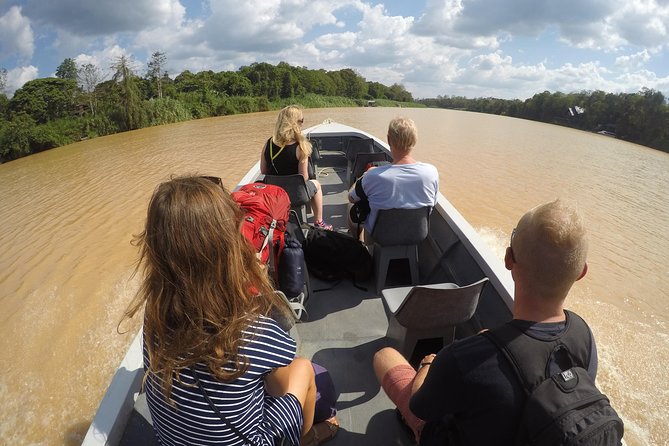
3. Taman Negara National Park (Peninsula Malaysia)
Taman Negara, which literally means "National Park" in Malay, protects Malaysia's premier wilderness area and is widely believed to encompass the world's oldest primary rainforest at approximately 130 million years. This 4,343-square-kilometer protected area spans three states (Pahang, Kelantan, and Terengganu) and represents the heart of Peninsula Malaysia's wildlife conservation efforts. The park's incredible biodiversity includes Malayan tigers (though rarely seen), Asian elephants, Malayan tapirs, various deer species, and primates including gibbons and macaques. The true stars, however, are the birds – over 380 species have been recorded here, making it a paradise for birdwatchers. The park is also home to numerous reptile, amphibian, and insect species, many found nowhere else on Earth. Top activities include walking the famous canopy walkway – 530 meters long and suspended 40 meters above the forest floor – which offers unique access to the rainforest canopy and excellent opportunities for spotting birds and monkeys. Night jungle walks reveal nocturnal wildlife, while river cruises along the Tembeling River provide sightings of wildlife coming to drink. Serious trekkers can attempt Gunung Tahan, the highest mountain in Peninsula Malaysia, though this requires 7-9 days and a guide. Most visitors access the park via Kuala Tahan, where numerous accommodation options range from budget hostels to riverside resorts. A typical 2-4 day visit includes canopy walks, jungle trekking, river cruises, and night walks. The best time to visit is during the drier months from March to September, though the park is open year-round. Travelers combining wildlife with cultural experiences may also want to explore Kuala Lumpur's vibrant Chinatown.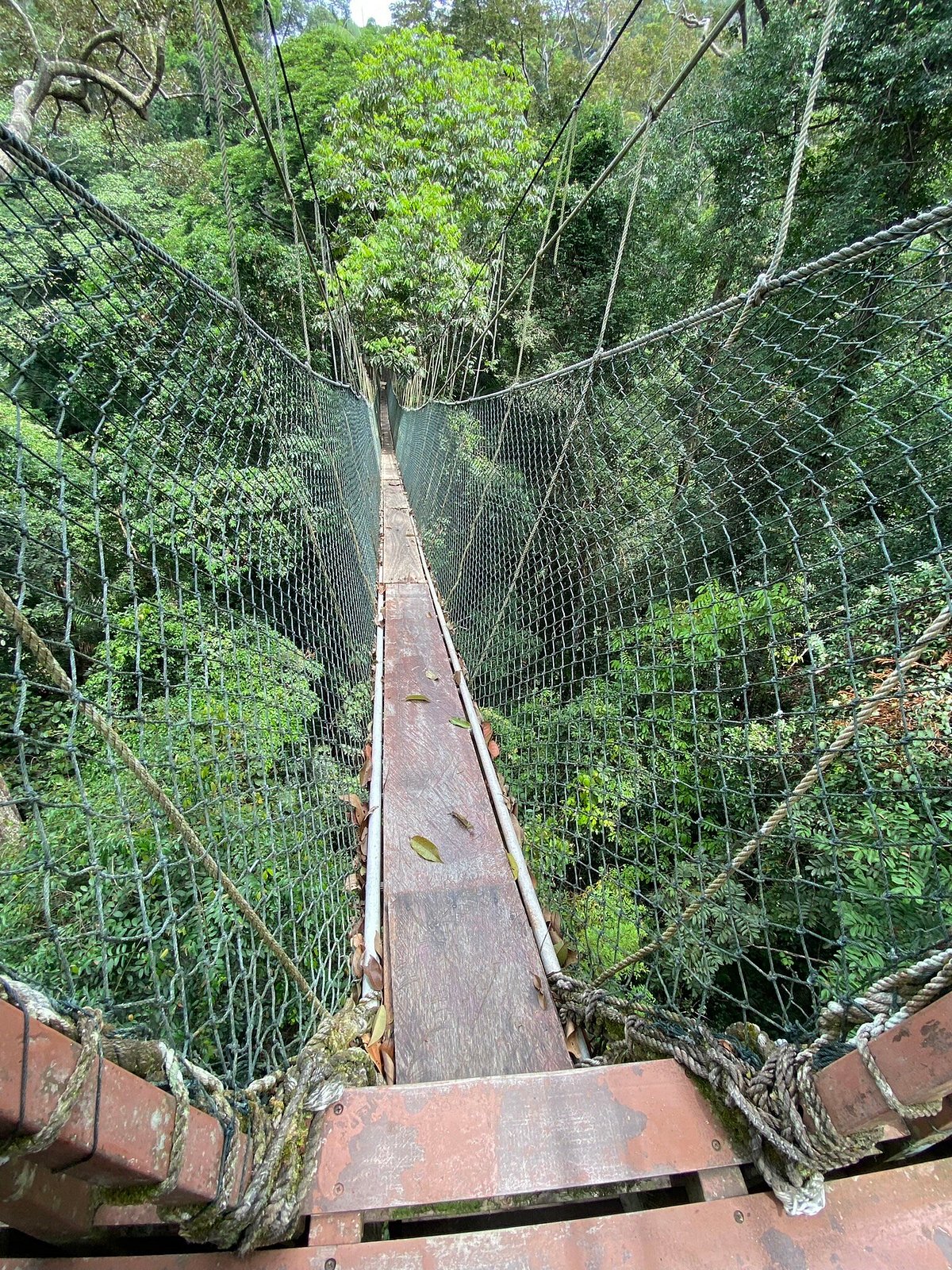
4. Bako National Park (Sarawak, Borneo)
Bako National Park, established in 1957, holds the distinction of being Sarawak's oldest national park and remains one of its most rewarding wildlife destinations. What makes Bako special is its remarkable diversity of ecosystems – all within a manageable 27-square-kilometer area. Here, visitors can explore pristine beaches, mangrove forests, dipterocarp rainforest, heath forest, and dramatic cliff formations, each supporting distinct wildlife communities. The park is most famous for its proboscis monkeys, the unusual-looking primates with distinctive large noses found only on Borneo. Bako offers perhaps the most reliable proboscis monkey sightings in Malaysia, and these remarkable creatures are often seen easily from park headquarters. Alongside them, visitors can observe silver leaf monkeys, long-tailed macaques, monitor lizards, and flying lemurs (colugos) gliding through the trees. The park features a network of 16 color-coded jungle trails ranging from easy strolls to challenging hikes. The Lintang loop trail is particularly popular, passing through multiple ecosystem types and offering excellent wildlife viewing. Beach exploration reveals mudskippers, fiddler crabs, and occasionally bearded pigs. The park's coastal location also makes it ideal for combining wildlife viewing with beach relaxation. Access to Bako requires a combination of road travel from Kuching and a 30-minute boat ride, adding to the adventure. Most visitors visit as a day trip, though overnight accommodation is available in the park. A typical visit lasts 1-2 days, combining wildlife viewing with hiking and beach time.5. Danum Valley Conservation Area (Sabah, Borneo)
For the serious wildlife enthusiast seeking a premium rainforest experience, Danum Valley represents the pinnacle of Malaysian wildlife destinations. This 438-square-kilometer conservation area protects one of the world's most complex and pristine ecosystems – a largely undisturbed primary rainforest that has never been logged. The valley's remote location and strict conservation policies have created a sanctuary for an incredible density of wildlife. Danum Valley is renowned for its exceptional biodiversity, including all ten Bornean primate species, Bornean pygmy elephants, clouded leopards (extremely rarely seen but present), and over 275 bird species. The valley is also home to the critically endangered Bornean orangutan and numerous endemic plant species. Scientific research conducted here has documented over 120 tree species in a single hectare – a world record. The experience here is premium in every sense. Accommodation is at the prestigious Borneo Rainforest Lodge, an eco-lodge offering comfortable rooms, excellent food, and expert guiding. Activities include guided jungle walks to salt licks and waterfalls, canopy walks, night drives with spotlights, and wildlife observation from the lodge's decks. The exceptional guiding ensures visitors see and understand the forest's complexity, from the smallest insects to the largest mammals. The premium experience comes with a premium price tag – expect to pay $115-180 USD per day, all-inclusive. However, for wildlife enthusiasts, the opportunity to explore pristine primary rainforest with expert guidance and potentially see clouded leopards (though sightings remain extremely rare) makes Danum Valley worth the investment. Most visitors spend 2-3 days here, often combining it with other Sabah destinations like Kinabatangan and Sepilok.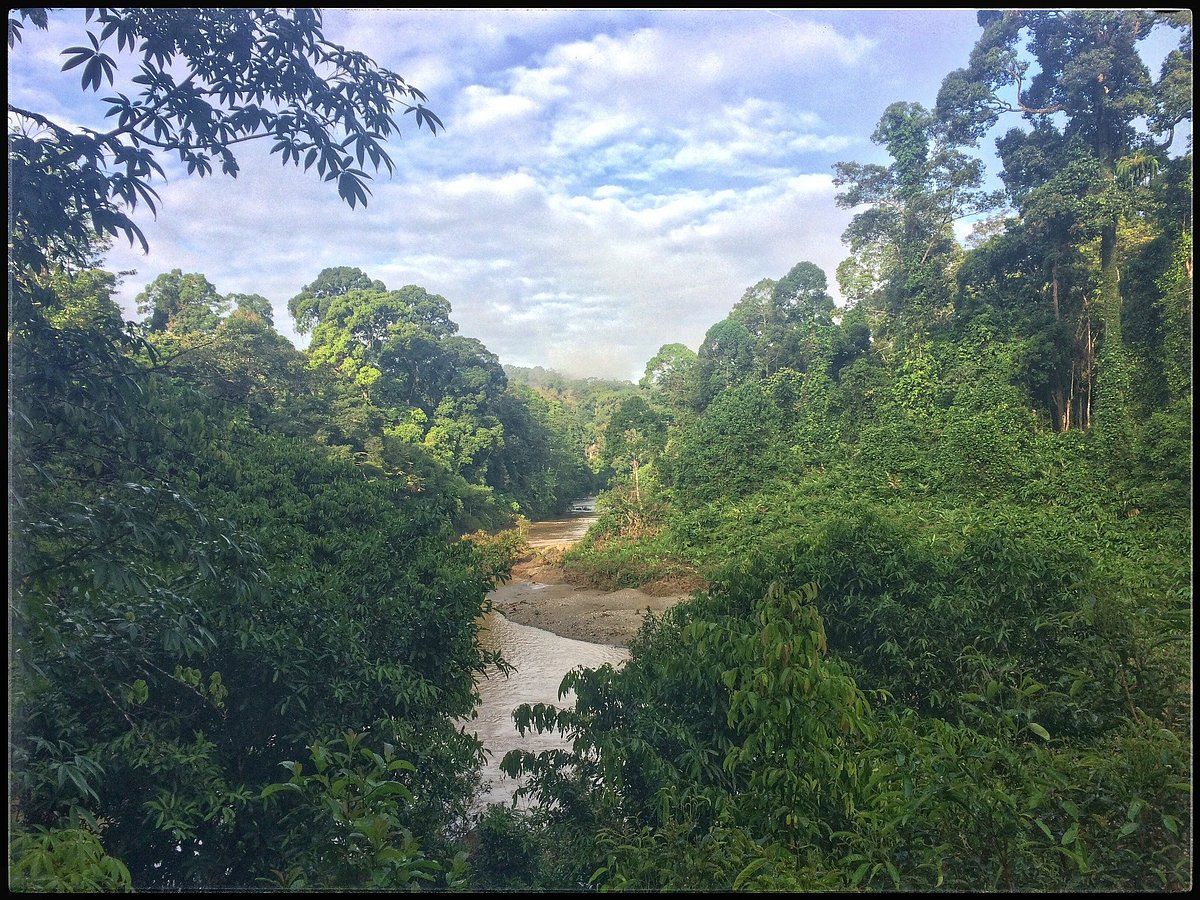
Borneo Wildlife Experiences: Sabah & Sarawak
Borneo, the world's third-largest island shared between Malaysia, Indonesia, and Brunei, represents the ultimate destination for wildlife enthusiasts visiting Malaysia. The Malaysian states of Sabah and Sarawak offer distinctly different but equally rewarding wildlife experiences, each showcasing unique ecosystems and species found nowhere else on Earth.Sabah: Malaysia's Wildlife Paradise
Sabah, in northern Borneo, is undoubtedly Malaysia's premier wildlife destination. The state's protected areas encompass an extraordinary range of habitats from lowland rainforests to montane forests and marine ecosystems. Sabah's wildlife tourism infrastructure is well-developed, with excellent lodges, professional guides, and reliable access to key areas. Beyond the famous destinations of Sepilok, Kinabatangan, and Danum Valley, Sabah offers additional wildlife experiences. Tabin Wildlife Reserve, accessible from Lahad Datu, protects one of the largest remaining swathes of lowland dipterocarp forest in Sabah and is home to elephants, orangutans, and all three of Borneo's hornbill species. The reserve's mineral-rich mud volcanoes ("licks") attract wildlife and create excellent observation opportunities. For those seeking marine wildlife, Semporna Islands and Tun Sakaran Marine Park offer world-class snorkeling and diving with sea turtles, reef sharks, and incredible coral reef biodiversity. Turtle Islands Park, accessible from Sandakan, provides opportunities to witness green and hawksbill turtles nesting and hatching.Sarawak: Diverse Ecosystems & Endemic Species
Sarawak, occupying western Borneo, offers wildlife experiences that differ from Sabah. The state is larger and more varied, with different wildlife highlights and ecosystems. Sarawak's wildlife destinations are generally less developed and attract fewer visitors, offering a more off-the-beaten-path experience. Beyond Bako National Park, Sarawak offers Gunung Mulu National Park, a UNESCO World Heritage Site famous for its limestone karst formations, extensive cave systems, and phenomenal bat exoduses. Millions of bats emerge from Deer Cave each evening in one of nature's most spectacular displays. The park also offers excellent trekking through pristine rainforest and opportunities to spot primates including gibbons. Semenggoh Wildlife Centre, near Kuching, provides an alternative to Sepilok for viewing orangutans. Though less developed for tourism, Semenggoh offers rewarding orangutan viewing during feeding times and supports rehabilitation work. For serious birdwatchers, Batang Ai National Park protects Sarawak's largest reservoir and offers opportunities to spot orangutans in a different habitat type, along with various hornbill species.Unique Borneo Wildlife
Borneo's endemic wildlife represents a major draw for wildlife enthusiasts. The island hosts approximately 15,000 plant species (including 3,000 tree species), 222 mammal species, 420 bird species, and hundreds of reptile and amphibian species – many found nowhere else on Earth. The charismatic megafauna draws most attention: orangutans, the great red apes of Borneo; proboscis monkeys, with their distinctive large noses and pot bellies; Bornean pygmy elephants, the smallest elephant subspecies; and Sunda clouded leopards, Borneo's largest predators. All face conservation pressures from habitat loss and fragmentation, making protected areas and rehabilitation centers crucial for their survival. Beyond these stars, Borneo hosts numerous other endemic species: various slow loris species, tarsiers, multiple primate species including maroon langurs and white-fronted langurs, and fascinating birdlife including all eight hornbill species, Bornean bristleheads, and numerous pheasant species. The island's reptile and amphibian diversity is equally impressive, with numerous endemic frogs, snakes, and lizards.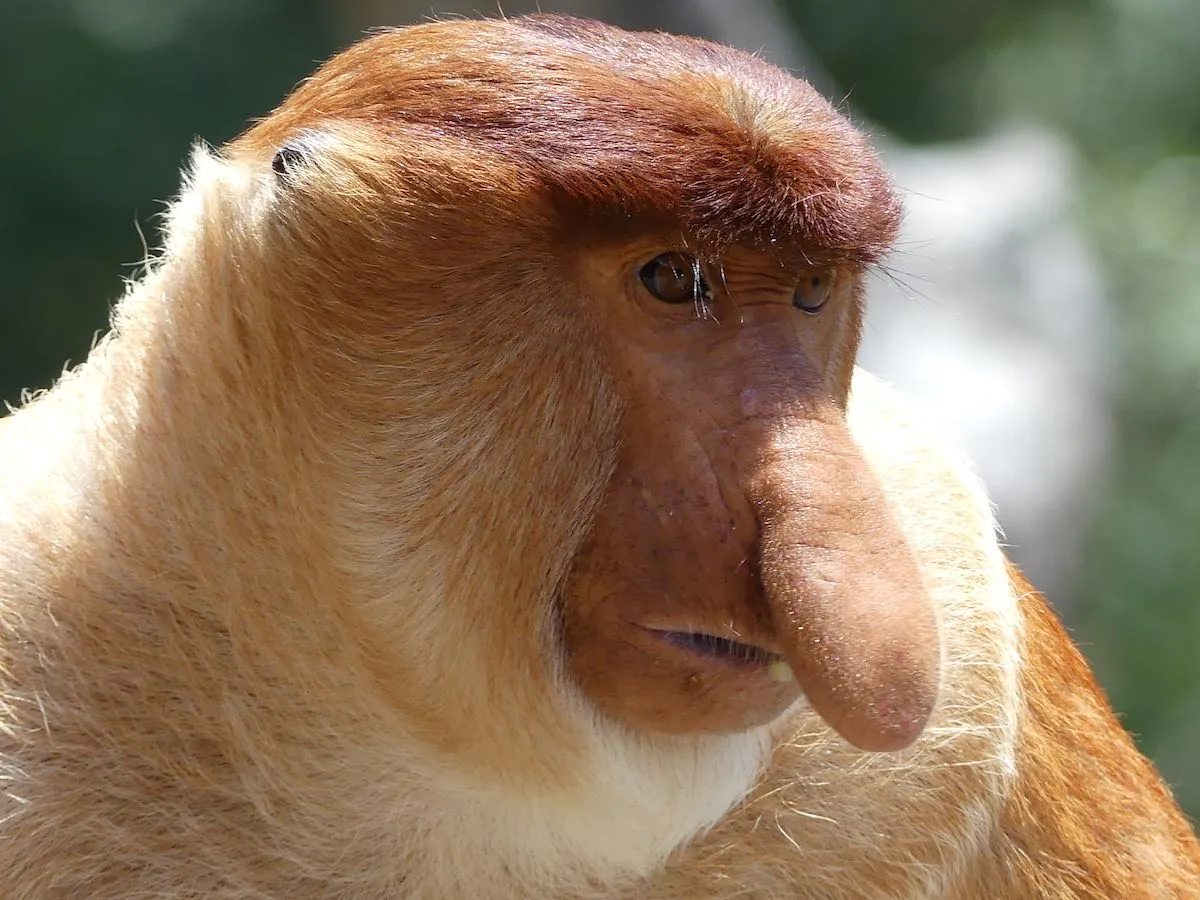
Peninsula Malaysia Rainforests
Taman Negara: The Ancient Rainforest
Taman Negara stands as Peninsula Malaysia's premier wildlife destination and protects what is widely believed to be the world's oldest rainforest. Having remained largely ice-free during Pleistocene glaciations, this forest has evolved continuously for approximately 130 million years, resulting in extraordinary biodiversity and ecological complexity. The park's wildlife includes large mammals like Malayan tigers, Asian elephants, and Malayan tapirs, though these shy species are rarely seen. More commonly encountered are various primates including white-handed gibbons (whose haunting calls echo through the forest), dusky leaf monkeys, and long-tailed macaques. The park is also home to numerous smaller mammals, reptiles including king cobras and reticulated pythons, and incredible birdlife including hornbills, pheasants, and numerous songbird species. The park's accessibility is a major advantage – visitors can reach Kuala Tahan via boat from Jerantut or road from Kuala Lumpur. Once in the park, the network of trails allows exploration of various habitats. The canopy walkway provides unique access to the forest canopy, while river cruises along the Tembeling and its tributaries offer wildlife viewing from a different perspective. Night walks reveal a different cast of characters including owls, nightjars, civets, and various nocturnal insects.Endau-Rompin National Park
Endau-Rompin, straddling the border of Pahang and Johor states, protects one of Peninsula Malaysia's remaining extensive lowland dipterocarp forests. Less visited than Taman Negara, Endau-Rompin offers a more remote wilderness experience with excellent opportunities to experience primary rainforest with fewer crowds. The park's wildlife includes Asian elephants (though sightings are rare), Malayan tapirs, various primates, and excellent birdlife. Endau-Rompin is also known for its beautiful waterfalls and excellent trekking opportunities. The park requires permits and must be visited with a registered guide, adding to the adventurous nature of the experience. Access is more challenging than Taman Negara, contributing to its wilder feel and fewer visitors.Belum-Temengor Forest Reserve
The Belum-Temengor Forest Complex in northern Peninsula Malaysia protects one of the region's largest remaining contiguous forest blocks. This vast wilderness encompasses Royal Belum State Park (in Perak) and the Temengor Forest Reserve, protecting incredible biodiversity including all ten Peninsula Malaysia hornbill species, Malayan tigers, elephants, and numerous primate species. Belum-Temengor is particularly renowned for its birdlife – it's one of the best places in Southeast Asia to see hornbills, with all ten species present including the rare helmeted hornbill. The area is also home to numerous endemic plant species and offers excellent opportunities for jungle trekking, river cruises, and wildlife viewing. The area's relative inaccessibility has preserved its wilderness character, though access is improving and tourism infrastructure is developing.Best Time for Wildlife Safaris in Malaysia
Borneo (Sabah & Sarawak)
Borneo's climate is tropical and humid year-round with rainfall distributed throughout the year. However, there are wetter and drier periods that affect wildlife viewing and travel conditions. The best overall period for wildlife safaris in Borneo is from March to October when rainfall is generally lower and trails are in better condition. The fruiting season (approximately August to October) is particularly productive for wildlife viewing. During this period, fruit trees throughout the forest produce abundant food, attracting wildlife including orangutans, hornbills, monkeys, and other frugivores. This increased animal activity can improve wildlife sightings significantly, particularly in areas like Danum Valley and Kinabatangan. The wettest months are typically November to January, though rainfall patterns can vary. While wildlife can still be seen year-round, heavy rain can make trekking challenging and cause river levels to rise, potentially affecting river safaris. However, the wet season also means fewer crowds and lush, green landscapes. Some travelers appreciate the rainforest atmosphere during rainfall, though leeches are more common in wet conditions.Peninsula Malaysia
Peninsula Malaysia experiences two monsoon seasons: the northeast monsoon (November to February) brings heavier rainfall to the east coast, while the southwest monsoon (June to September) affects the west coast. The best time to visit Taman Negara and other Peninsula wildlife destinations is generally March to September when rainfall is lower overall. Taman Negara is best visited from May to September when rainfall is lowest and trail conditions are optimal. During the wetter months, trails can be muddy and leeches more numerous, though the park remains open year-round. River levels can rise during heavy rain, potentially affecting boat access to the park and river safari conditions. Avoid planning extensive wildlife trekking during the peak of the northeast monsoon (December-January) on the east coast, as rainfall can be heavy and continuous. However, this period can still be rewarding for wildlife viewing, as animals remain active year-round and some visitors appreciate the moody rainforest atmosphere.General Timing Tips
Regardless of season, the best time for wildlife viewing is early morning (6-9 AM) and late afternoon (4-7 PM) when animals are most active. Midday hours typically see reduced wildlife activity, particularly for mammals. Many safari operators schedule their activities accordingly, with morning river cruises or treks starting at dawn and evening activities timed for the late afternoon peak. Wildlife viewing requires patience and luck – even in prime conditions, wild animals follow their own schedules. However, visiting during the recommended seasons and timing activities for peak wildlife hours increases your chances significantly. The fruiting season (August-October in Borneo) can be particularly rewarding as wildlife concentrates around fruiting trees.
Safari Types & Experiences in Malaysia
River Cruises & Wildlife Viewing by Boat
River safaris are among the most rewarding wildlife experiences in Malaysia, particularly in Borneo. The Kinabatangan River offers exceptional wildlife viewing from small motorized boats, with opportunities to see proboscis monkeys, orangutans, elephants, and numerous bird species. River access allows observers to approach wildlife relatively quietly and reach areas inaccessible by foot. Morning river cruises typically start at dawn (6-7 AM) to catch the peak wildlife activity period. Animals are most active in the cool morning hours, and the early light creates beautiful photography conditions. Evening cruises (4-7 PM) are equally productive and offer the added bonus of spectacular sunsets over the river and rainforest. Night cruises with spotlights reveal a completely different cast of nocturnal wildlife including crocodiles, owls, nightjars, and sleeping birds. In Taman Negara, river cruises along the Tembeling River offer opportunities to see wildlife coming to drink, monitor lizards basking on riverbanks, and numerous bird species including kingfishers and hornbills. Some operators also offer night cruises with spotlights to search for nocturnal wildlife along the riverbanks.Jungle Trekking & Night Walks
Walking through the rainforest offers an immersive wildlife experience, engaging all your senses as you explore the forest ecosystem. Guided jungle walks vary from easy strolls near accommodation to challenging multi-day treks through remote wilderness. A good guide dramatically enhances the experience by spotting and identifying wildlife and explaining forest ecology. Half-day walks are perfect for general wildlife viewing and introduction to rainforest ecology. These typically follow established trails near accommodation and offer opportunities to see primates, birds, insects, and smaller forest creatures. Full-day treks venture deeper into the forest and have higher chances of encountering more elusive wildlife, though nothing is guaranteed in dense rainforest. Night walks reveal a completely different side of the rainforest. Nocturnal wildlife emerges after dark, including various frog species, insects, sleeping birds, nocturnal primates like slow lorises and tarsiers, and occasionally mammals like civets and small cats. Night walks typically use flashlights with red filters, which disturb wildlife less than white light. The experience of walking through the rainforest at night, surrounded by the sounds of insects and frogs, is magical even without significant wildlife sightings.Canopy Walkways
Taman Negara's famous canopy walkway offers unique access to the rainforest canopy, a layer of the forest that's difficult to experience otherwise. The 530-meter walkway suspended 40 meters above the forest floor provides a different perspective on the forest and excellent opportunities for viewing canopy-dwelling wildlife. From the canopy walkway, visitors can spot various bird species including hornbills, spiderhunters, and broadbills that spend most of their time in the canopy. Primates including gibbons and leaf monkeys are also frequently seen from the walkway as they move through the trees. The experience of walking among the canopy, with views across the forest canopy to distant hills, is unforgettable even without significant wildlife sightings.Wildlife Viewing Platforms & Feeding Stations
Sepilok Orangutan Rehabilitation Centre features feeding platforms where semi-wild orangutans come for supplementary feedings. While this is a managed situation rather than pure wilderness observation, it offers incredible opportunities to see orangutans up close and support conservation efforts. The viewing experience includes observing the orangutans' behavior and learning about the conservation challenges facing these critically endangered great apes. Similarly, Semenggoh Wildlife Centre in Sarawak offers orangutan viewing during feeding times. Some lodges in Kinabatangan and other areas have their own viewing platforms or hides that overlook salt licks or fruiting trees where wildlife congregates naturally. These fixed positions allow patient observation and excellent photography opportunities.Night Safaris & Spotlighting
Night drives with spotlights offer opportunities to see nocturnal wildlife that's rarely active during daylight hours. This activity is particularly productive in Danum Valley, where night drives can reveal civets, small cats, slow lorises, flying squirrels, and occasionally larger mammals like sambar deer. In Kinabatangan, night boat safaris focus on crocodiles and nocturnal birds including owls and nightjars. Experienced guides use spotlights with red filters, which disturb wildlife less than white light. The goal is to spot eye-shine (the reflection of light in animals' eyes) and identify whatever is revealed. Night safaris require patience and luck but can produce some of the most memorable wildlife encounters as they reveal the rainforest's secretive nocturnal residents.Planning Your Wildlife Safari in Malaysia
Duration & Itinerary Planning
A meaningful wildlife safari experience in Malaysia requires adequate time. While it's possible to visit individual destinations in 2-3 days, a comprehensive wildlife experience typically requires 5-7 days minimum, and serious wildlife enthusiasts often spend 10-14 days exploring multiple destinations. A classic Borneo wildlife itinerary (7-10 days) might include Sepilok Orangutan Centre (1-2 days), Kinabatangan River (2-3 days), and either Danum Valley (2-3 days) for a premium experience or Tabin Wildlife Reserve (2-3 days) for a more budget-friendly option. This combination offers opportunities to see orangutans, proboscis monkeys, elephants, and incredible birdlife across different habitats. Peninsula Malaysia itineraries typically focus on Taman Negara (3-4 days), potentially combined with Endau-Rompin or Belum-Temengor for a more extensive rainforest experience. For those with limited time, 3-4 days in Taman Negara provides an excellent introduction to Peninsula Malaysia's rainforest wildlife. Combining Borneo and Peninsula Malaysia in one trip requires significant time (minimum 14 days) due to travel between the regions. Most travelers focus on either Borneo (for the best wildlife) or Peninsula Malaysia, depending on their interests and available time.Budget Planning
Malaysian wildlife safaris can accommodate various budgets, from basic adventures to premium experiences. Budget travelers typically spend RM 200-400 ($45-90 USD) per day, staying in basic accommodation, eating local food, and joining group tours. This approach allows for rewarding wildlife experiences but requires compromise on comfort and sometimes activity options. Mid-range travelers typically spend RM 400-700 ($90-160 USD) per day, staying in comfortable lodges or mid-range hotels, eating a mix of local and international food, and joining organized tours with reliable operators. This budget range offers good comfort and access to excellent wildlife experiences, particularly in popular destinations like Kinabatangan and Taman Negara. Luxury travelers typically spend RM 700-1500 ($160-340 USD) or more per day, staying in premium eco-lodges like Borneo Rainforest Lodge, enjoying excellent food, and accessing exclusive experiences with expert guides. The premium is particularly pronounced for places like Danum Valley, where luxury accommodation and exceptional guiding come at higher prices. Key budget considerations include: internal flights in Borneo (Kota Kinabalu to Sandakan or Lahad Datu), which add significant cost; park entrance fees and permits; guide services (often compulsory and worth the expense); and boat transfers. Booking through local operators can provide better value than international packages while supporting local communities.Transportation & Access
Getting to Malaysia's wildlife destinations requires some logistical planning. International travelers typically fly into Kuala Lumpur (for Peninsula Malaysia) or Kota Kinabalu/Kuching (for Borneo). From these hubs, domestic flights, road transport, and boat transfers connect to individual wildlife destinations. For Borneo wildlife safaris, fly to Kota Kinabalu (Sabah) or Kuching (Sarawak). From Kota Kinabalu, connect by air to Sandakan (for Sepilok and Kinabatangan) or Lahad Datu (for Danum Valley and Tabin). From Sandakan, road transfer (2 hours) reaches Sukau for Kinabatangan, while Sepilok is just 40 minutes from Sandakan. Boat transfers are common for river lodges in Kinabatangan. For Peninsula Malaysia, Taman Negara is most commonly accessed via Jerantut, reachable by road from Kuala Lumpur (3-4 hours) or by train to Jerantut followed by road transfer. From Jerantut, boats travel to Kuala Tahan (2-3 hours) in the park. Alternatively, road access to Kuala Tahan is possible, reducing travel time but missing the scenic river journey.Accommodation Options
Accommodation in Malaysia's wildlife destinations ranges from basic to luxurious. Jungle lodges are common, particularly in wildlife areas, and range from very basic structures with shared facilities to comfortable eco-lodges with private rooms and attached bathrooms. River lodges in Kinabatangan typically offer comfortable rooms with en-suite facilities and include meals and river cruises in packages. At the budget end, hostels and basic guesthouses provide simple accommodation at affordable prices. These are particularly common around park entrances like Kuala Tahan. Facilities are basic but adequate for short stays. Mid-range options include comfortable lodges and hotels with air conditioning, private bathrooms, and often restaurants serving both local and international food. Luxury options are limited to certain destinations – most notably Danum Valley's Borneo Rainforest Lodge, which offers premium accommodation, excellent food, and expert guiding at premium prices. Some higher-end lodges also exist in Kinabatangan and at Taman Negara, offering more comfort and personalized service.Packing Essentials
Proper preparation is essential for a comfortable and rewarding wildlife safari experience. Malaysia's tropical rainforest climate requires specific gear and preparation. Lightweight, quick-dry clothing is essential – avoid cotton, which stays wet when sweaty or rained on. Long sleeves and long pants provide protection from sun, insects, and vegetation. Rain gear is absolutely essential – lightweight, breathable rain gear is preferable to plastic ponchos. A good rain jacket with a hood plus rain pants keeps you dry during tropical downpours. Waterproof bags for electronics and important documents are also essential. Footwear should be comfortable for walking and potentially getting wet/muddy. Lightweight hiking shoes or trail runners with good grip are ideal. Some travelers wear rubber boots in leech-prone areas like Taman Negara – leech socks (cotton socks treated with insect repellent or designed specifically to prevent leech entry) provide effective leech protection. Insect repellent is essential – products containing DEET are most effective against mosquitoes and other biting insects. Apply generously and frequently. A good torch/flashlight with red light mode is valuable for night walks and moving around accommodation at night. Binoculars dramatically enhance wildlife viewing – 8x or 10x magnification is ideal. A camera with zoom capability (200mm+ equivalent) allows for rewarding wildlife photography. Don't forget spare batteries and memory cards. Other useful items include a small daypack, water bottle, hat, sunglasses, and sunscreen (though sun exposure is limited under forest cover).Guides & Permits
Professional guides dramatically enhance the wildlife safari experience by spotting animals, identifying species, and explaining ecosystem dynamics. In many protected areas, guides are compulsory for treks and certain activities. Even where not required, the investment in a good guide is typically worthwhile for the enhanced experience and safety in remote wilderness. Guides vary in quality and specialization. Some are excellent spotters with encyclopedic knowledge of local wildlife, while others provide more general information. For serious wildlife enthusiasts, requesting experienced wildlife guides is often possible at additional cost. In premium lodges like Borneo Rainforest Lodge, guiding is typically included and of high standard. Permits are required for most national parks and protected areas. These are typically arranged by tour operators or accommodation providers and included in package prices. Foreigners often pay higher permit fees than locals. Some popular areas have daily visitor limits, so advance booking is advisable, particularly during peak season and school holidays.Wildlife Photography Tips for Malaysian Safaris
Equipment Considerations
Wildlife photography in Malaysian rainforests presents specific challenges and opportunities. A DSLR or mirrorless camera with a telephoto lens (minimum 200mm equivalent, 300-400mm preferable) provides the best results for wildlife photography. However, even compact cameras with good zoom capabilities can capture memorable images, particularly for more approachable subjects like orangutans at Sepilok. Camera protection from humidity and rain is essential. Silica gel packets in camera bags help absorb moisture in the humid tropical environment. Rain covers for cameras are invaluable – lightweight options that pack small are ideal. Some photographers use waterproof housings or bags for additional protection during heavy rain or boat travel. A versatile lens combination works best in rainforests where subjects range from small insects to large mammals. A telephoto zoom (70-200mm or 100-400mm) combined with a standard zoom (24-70mm) covers most situations. Macro enthusiasts should bring a macro lens for rainforest close-ups of insects, frogs, and plants. Tripods are challenging in dense rainforest but can be useful for low-light situations and night photography.Lighting & Exposure
Rainforest lighting presents specific challenges. The canopy blocks much of the sunlight, creating relatively dark conditions even during daylight hours. Higher ISO settings are often necessary to achieve fast enough shutter speeds for wildlife photography. Modern cameras handle high ISO well, enabling acceptable quality at ISO 1600-3200 or even higher. Early morning and late afternoon provide the most attractive light – the "golden hours" produce warm, directional light that enhances images. Mid-day light under the forest canopy is flat and less appealing, though this is often when primates are most active. Overcast days actually provide nice, even light for forest photography, avoiding harsh contrast and bright highlights. For boat-based wildlife photography on rivers, fast shutter speeds are essential to counteract boat movement and subject motion. Shutter speeds of 1/1000 second or faster freeze motion effectively. This may require increasing ISO or opening aperture (reducing depth of field). Consider panning with moving subjects for creative motion blur shots at slower shutter speeds.Technique & Approach
Patience is perhaps the most important wildlife photography skill. Wild animals move on their own schedules, and the perfect shot often requires waiting quietly for the right moment. Use burst mode for action sequences – animals moving, feeding, or interacting – but be selective about which frames to keep. Focus on the eyes for impactful wildlife portraits. Sharp eyes create connection and engagement even if other elements are slightly soft. When possible, position yourself at the subject's eye level – this creates more intimate, engaging images. For primates in trees, this may require finding an elevated position. Include habitat elements to show context and tell a story. An orangutan framed by rainforest foliage, a proboscis monkey in a riverine tree, or a hornbill perched on a dead snag conveys more than a tight portrait alone. However, be careful not to clutter the frame – sometimes less is more.Ethical Considerations
Respect wildlife and follow responsible photography guidelines. Never feed wild animals to attract them – this creates problematic dependencies and habituation. Don't use flash photography on nocturnal animals or in situations where it might disturb wildlife. Keep appropriate distance from animals, particularly those with young. Follow guide instructions regarding appropriate behavior around wildlife. Some situations call for quiet observation, while others may allow closer approach under controlled circumstances. Prioritize animal welfare over getting the shot – no image is worth causing stress or disturbance to wild animals. Be respectful of habitat and follow "leave no trace" principles. Stick to designated trails to avoid damaging vegetation and disturbing ground-dwelling wildlife. Don't remove plants, rocks, or other natural elements. Consider carrying out litter you encounter, even if it's not yours. Malaysia's incredible biodiversity and conservation efforts create world-class opportunities for wildlife safaris. From the iconic orangutans of Borneo to the ancient rainforests of Taman Negara, wildlife enthusiasts will find rewarding, authentic experiences that support vital conservation work while creating unforgettable memories. Proper planning, appropriate expectations, and respect for the wild nature of these experiences will ensure your Malaysian wildlife safari exceeds expectations.Location
Frequently Asked Questions
Q1.Where can I see orangutans in Malaysia?
Q2.What is the best time for wildlife safaris in Malaysia?
Q3.How much does a wildlife safari in Malaysia cost?
Q4.Which is better for wildlife: Borneo or Peninsula Malaysia?
Q5.Is Taman Negara worth visiting?
Q6.Are wildlife safaris in Malaysia safe?
Q7.Do I need permits for wildlife sanctuaries in Malaysia?
Q8.How many days should I spend on wildlife safari in Malaysia?
Recommended For You
Manas National Park: Complete Travel & Safari Guide 2026
Explore Manas National Park, a UNESCO World Heritage Site in Assam. Complete guide with safari booking, wildlife highlights, accommodation, and conservation success story.
Periyar Wildlife Sanctuary Thekkady: Boating Safari & Entry Details
Complete guide to Periyar Wildlife Sanctuary Thekkady - boat safari booking, timings, best time to visit, elephants, and accommodation.
Ranthambore National Park: Safari Zones, Ticket Booking & Best Time
Discover Ranthambore National Park, India's premier tiger reserve. Complete guide to safaris, best time to visit, zones, wildlife, booking tips & accommodation.
Never Miss an Adventure
Get the latest trekking guides, travel tips, and exclusive offers delivered straight to your inbox.
