
Perhentian Islands Malaysia: Transfers, Budget & Island Planning

Neha Kapoor
December 14, 2025
Plan your Perhentian Islands trip with practical transfer workflow, season-smart timing, activity planning, and realistic budget guidance.
Perhentian Islands overview
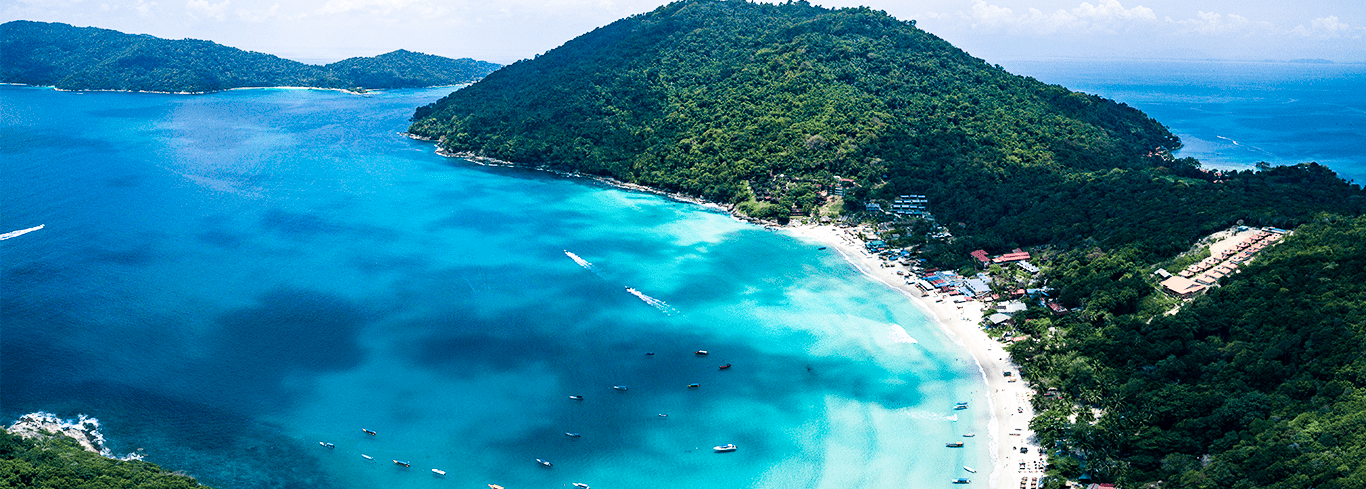
Perhentian Islands are among Malaysia's most practical tropical getaways for travelers who want reef activities, beach downtime, and a low-rise island atmosphere. The two main islands, Perhentian Kecil and Perhentian Besar, cater to different travel styles: Kecil is generally better for budget and social stays, while Besar is usually calmer and better for families or slower-paced trips. The islands reward good planning. Most first-time visitors underestimate transfer sequencing and overestimate how much they can do in one day. A transfer-first plan works best: lock mainland arrival and boat timing first, then schedule snorkeling, diving, and beach blocks around sea conditions.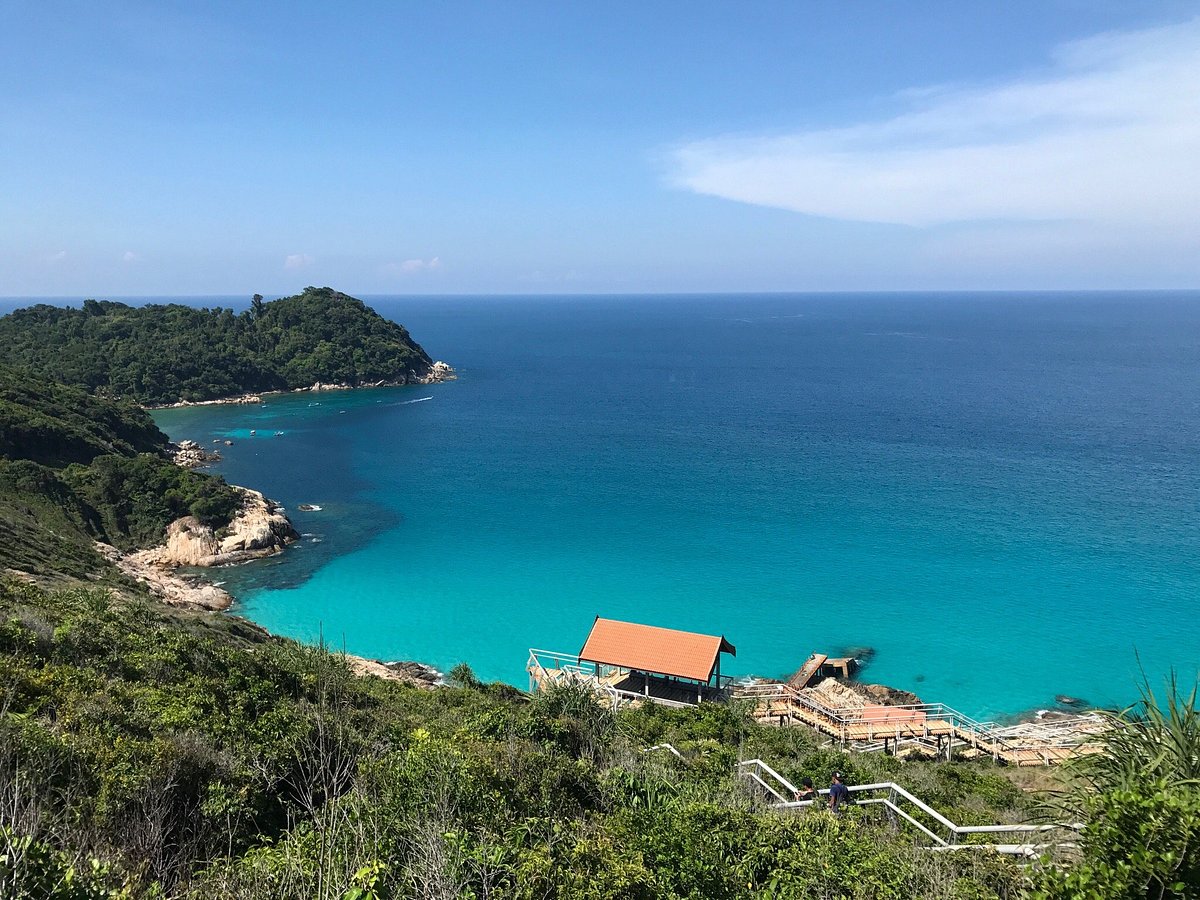
Best season and ideal duration
Season choice directly affects both trip smoothness and underwater experience quality. During the east-coast monsoon window, operations can reduce significantly, while the open season offers better marine visibility and easier transfer planning.| Travel Window | Typical Conditions | Best For |
|---|---|---|
| March to October | More stable sea, better activity reliability | Snorkeling, diving, first-time island trips |
| Shoulder transition weeks | Mixed weather and variable schedules | Flexible travelers with buffer time |
| November to February | Heavy monsoon impact and limited tourism operations | Avoid for standard leisure itineraries |
How many days are enough?
1. `3 days`: quick island break with one core activity day. 2. `4 to 5 days`: balanced plan with snorkeling/diving plus downtime. 3. `6+ days`: relaxed pace, weather buffers, and optional island hopping.
How to reach and transfer workflow
The most common route is mainland transfer to Kuala Besut, followed by speedboat to the islands. This is where trip quality is won or lost. Keep realistic buffers between flight, road, and boat segments.| Route Stage | Common Option | Planning Priority | Practical Tip |
|---|---|---|---|
| Mainland arrival | Reach Kota Bharu / Kuala Terengganu side first | Timing accuracy | Arrive early instead of targeting last possible boat window |
| Kuala Besut transfer | Taxi/shared transfer/bus onward to jetty | Coordination buffer | Keep extra time for traffic and ticketing delays |
| Boat to island | Scheduled speedboat | Sea-condition dependence | Protect electronics and avoid tight same-day return assumptions |
| Island-side movement | Walk + water taxi between beaches | Stay-location fit | Pick accommodation near your highest-priority activity zone |
Activities: snorkeling, diving, and beach time
Perhentian offers high value for both beginners and experienced water-activity travelers. The right approach is to prioritize quality sessions instead of maximizing activity count.| Activity | Best For | Recommended Timing | Execution Tip |
|---|---|---|---|
| Snorkeling trips | Beginners and mixed groups | Morning slots with calmer water | Choose fewer sites with better time at each stop |
| Scuba diving | Certified and learning divers | Stable-weather days | Book core sessions early, especially in peak months |
| Beach downtime | Families and slower itineraries | Late afternoon/evening | Avoid overloading post-boat arrival day |
| Short jungle trails | Active travelers between beaches | Cooler hours | Carry water and light rain protection |
Budget and stay planning
Budget outcomes depend less on headline room rates and more on transfer efficiency, activity selection, and stay location. Build a category-wise plan before you book.| Budget Bucket | What It Covers | Control Strategy |
|---|---|---|
| Transport | Mainland travel + jetty transfer + boat | Use one-direction buffers instead of same-day tight links |
| Stay | Room cost by island zone and comfort level | Choose by activity convenience, not only lowest room price |
| Activities | Snorkeling/diving/tours and rentals | Prioritize 1-2 core experiences per day |
| Food + essentials | Meals, hydration, basic supplies | Keep a practical daily ceiling |
| Contingency | Weather/timing disruption buffer | Reserve 10-15% of total budget |
Besar vs Kecil stay logic
1. `Perhentian Kecil`: better for budget and social environment. 2. `Perhentian Besar`: better for families, quieter sleep, and slower pace. 3. `Split stay`: useful when you want both social and relaxed segments.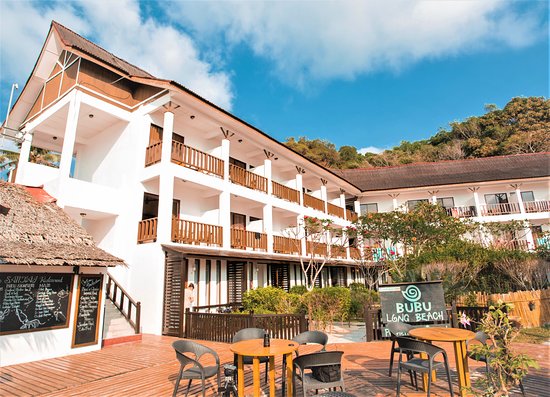
Itinerary options by trip length
Perhentian works best when itineraries are built around transfer constraints and weather windows, not fixed activity volume.| Trip Format | Suggested Structure | Ideal For |
|---|---|---|
| 3-day quick trip | Arrival + one snorkeling/diving block + departure | Short-break travelers |
| 4-5 day balanced trip | Two water-activity days + one rest/beach day | First-time Perhentian visitors |
| Family-paced itinerary | Lower activity intensity + recovery windows | Mixed-age groups |
| Activity-focused itinerary | Dive-centric blocks + contingency day | Divers and repeat island travelers |
Common mistakes to avoid
1. Planning flight-to-boat connections with no buffer. 2. Visiting in monsoon months expecting full operations. 3. Booking stay without checking beach-zone access for activities. 4. Overloading arrival day after long transfers. 5. Ignoring sea-state variability for return-day planning. 6. Skipping contingency budget for transfer disruptions. 7. Not carrying dry protection for electronics on speedboats. 8. Treating Kecil and Besar as identical stay experiences.Connectivity, Power, and Staying Off-Grid
Mobile signal on the Perhentians is patchy at best and nonexistent in some coves, which is either a selling point or a dealbreaker depending on why you're traveling. Most budget chalets run on generator power for a few hours in the evening rather than 24-hour electricity, so charge devices when the power is on and don't expect air conditioning to run all night at the cheaper end of the market. Wi-Fi exists at a handful of resorts on Perhentian Besar but is slow and unreliable, closer to what you'd expect from a satellite connection than a city broadband line.
If you need to stay reachable for work, treat the islands as a genuine digital detox rather than a remote-work base, and let people know in advance that replies may be delayed by a day or two. This lack of connectivity is part of what keeps the Perhentians feeling less commercialized than islands like Koh Phi Phi or Boracay, so most repeat visitors come to see it as a feature rather than an inconvenience.
Choosing Between Perhentian Kecil and Perhentian Besar
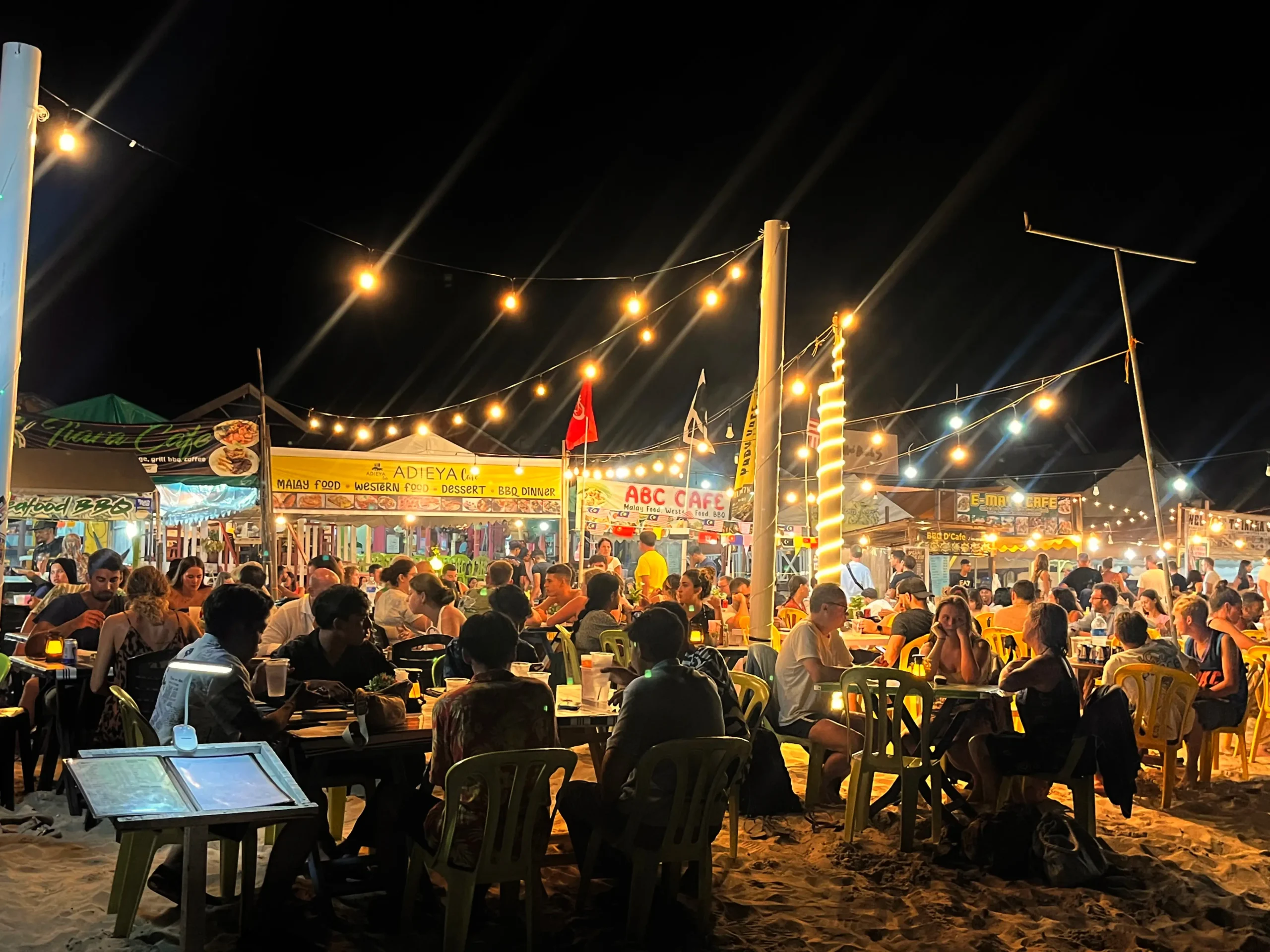
The two main islands have distinctly different personalities. Perhentian Kecil (Small Perhentian) is the backpacker-friendly side, with cheaper chalets, a livelier evening scene around Long Beach, and easier access to budget dive operators. Perhentian Besar (Big Perhentian) is quieter and more family-oriented, with fewer bars and a more spread-out layout that suits travelers who want early nights and calmer beaches. Both islands share the same underlying reef system, so diving and snorkeling quality doesn't differ much between them; the choice really comes down to budget and the kind of evening atmosphere you want after a day in the water.
Conclusion
Perhentian Islands are best planned as a season-aware, transfer-led beach trip. Once route timing is secure, activity planning becomes simpler and budgets stay controlled. Most travelers get the best outcome with a 4 to 5 day itinerary, clear weather buffers, and a stay choice that matches their pace and travel style.Location
Frequently Asked Questions
Q1.What is the best time to visit Perhentian Islands?
Q2.How many days are enough for a Perhentian trip?
Q3.How should first-time visitors plan transfers to Perhentian?
Q4.Is Perhentian suitable for family travel?
Q5.What is a practical budget for Perhentian Islands?
Q6.Which island area is better for beginner travelers?
Q7.What should visitors carry for island activities?
Q8.What common planning mistakes should travelers avoid?
Recommended For You

Langkawi: Complete Travel Plan Beaches And Weather
Complete Langkawi travel guide with best time to visit, top attractions, beaches, activities, accommodation, cost breakdown, and practical tips for Malaysia's duty-free island paradise.

Kuala Lumpur Nightlife: Rooftop Bars, Clubs & Areas
Kuala Lumpur nightlife guide covering Bukit Bintang, Bangsar, KLCC rooftops, top clubs, prices, dress code, safety tips, and a practical one-night plan.

Places to Visit in Malaysia: Cities, Islands & Nature Escapes
Discover the best places to visit in Malaysia with a complete guide covering Kuala Lumpur, Langkawi, Penang, Borneo, highlands, itinerary planning, and travel tips.
Never Miss an Adventure
Get the latest trekking guides, travel tips, and exclusive offers delivered straight to your inbox.
