
Bermuda Triangle Mystery: Ships, Planes & Theories Explained

Rohit Verma
February 15, 2026
Uncover the truth behind Bermuda Triangle mystery - ships, planes lost, scientific theories vs myths. Discover real explanations, statistics, and facts about this famous Atlantic region's disappearances.
Introduction: The World's Most Mysterious Ocean Region
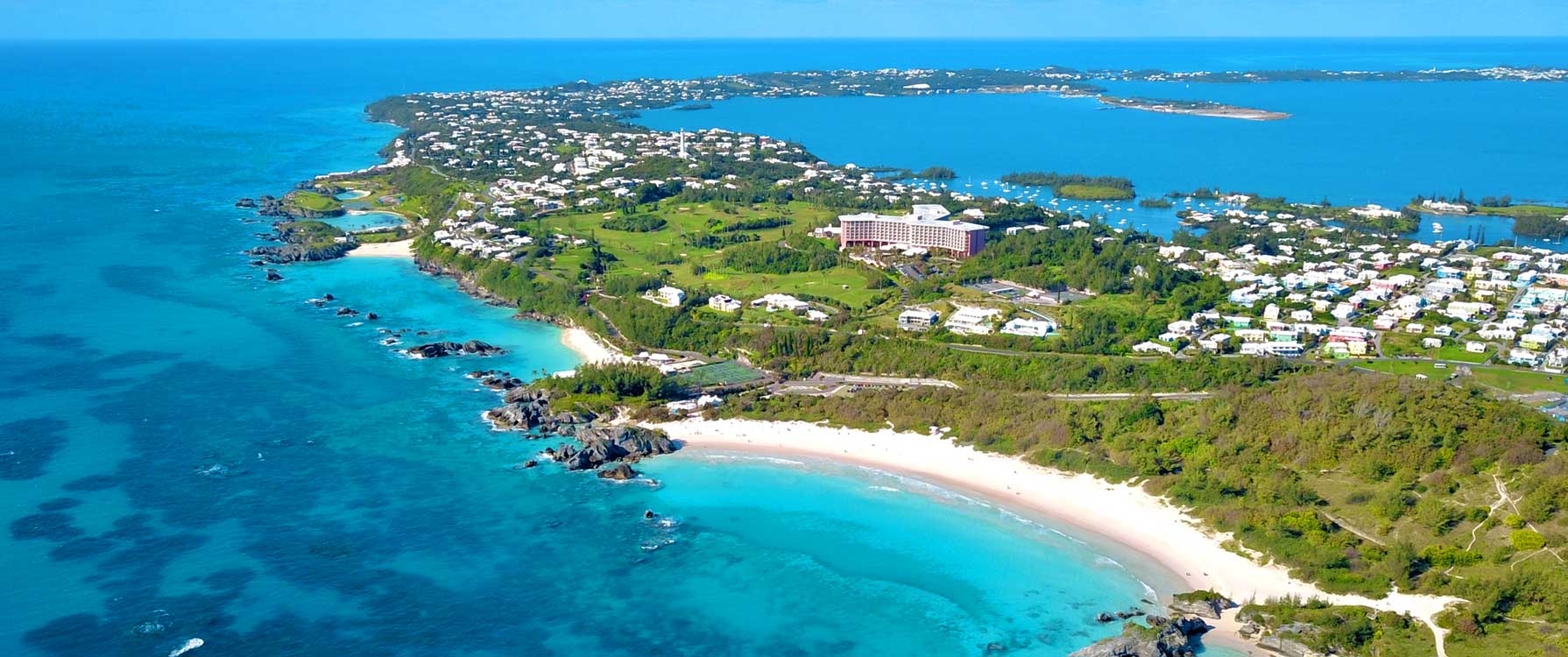
The Bermuda Triangle, often called the Devil's Triangle, has captured human imagination for decades. This loosely defined region in the western North Atlantic Ocean has become synonymous with unexplained disappearances of ships and aircraft. Spanning approximately 500,000 square miles between Miami, Bermuda, and Puerto Rico, the area has been the subject of countless documentaries, books, and investigations. Public fascination with the Bermuda Triangle stems from the mysterious circumstances surrounding numerous disappearances over the years. From Flight 19 in 1945 to various merchant vessels, the region has developed a reputation for seemingly impossible vanishings. However, as we explore this comprehensive analysis, we'll separate fact from fiction and examine the scientific explanations behind these incidents. In this detailed investigation, we'll uncover the real story behind the Bermuda Triangle mystery, examining notable disappearances, scientific theories, official stances, and whether there's any truth to the supernatural claims that have made this region famous worldwide.Geographic Location and Boundaries
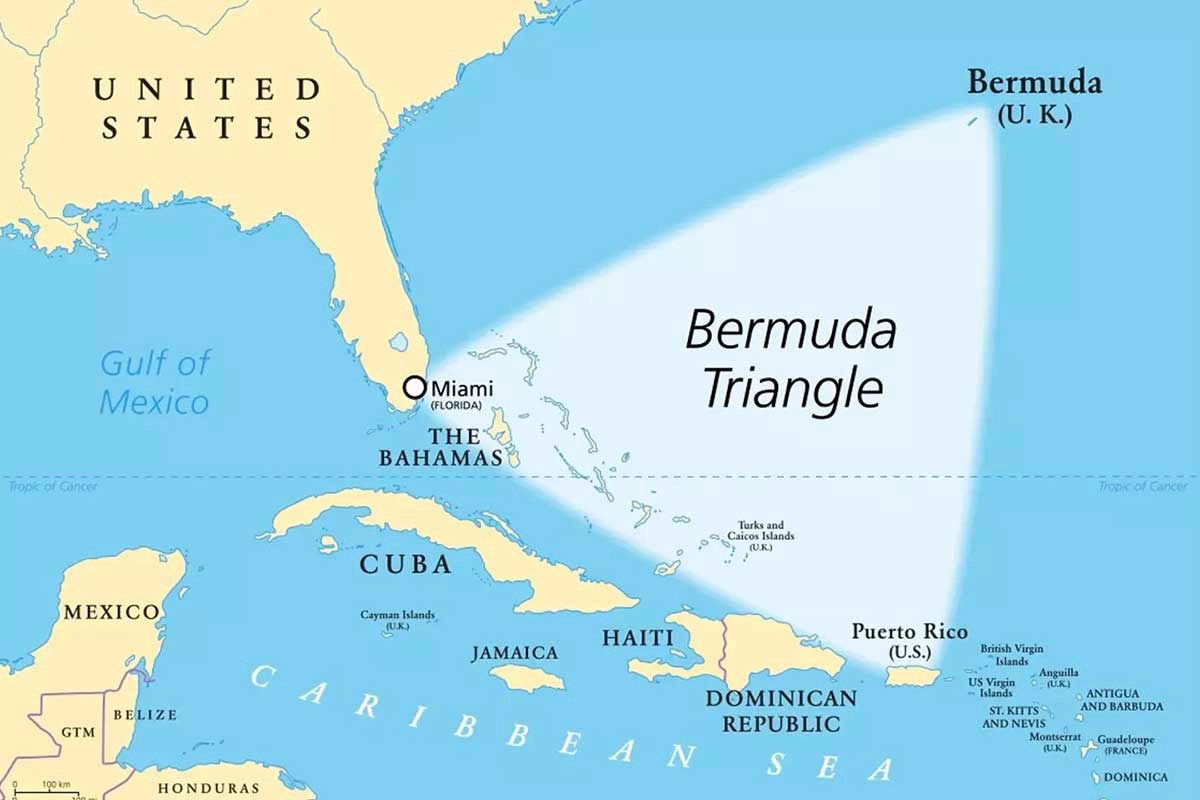 The Bermuda Triangle's boundaries are not officially recognized by any government organization, but the generally accepted area forms a triangular region in the western North Atlantic Ocean. The three points that define this mysterious region are:
- Miami, Florida - The northwestern point
- Bermuda - The northeastern point
- Puerto Rico - The southern point
Geographic Features
Several natural characteristics make this region particularly interesting from a geographical perspective:- Deep Ocean Trenches: The Puerto Rico Trench, reaching depths of over 28,000 feet, lies within this region. It's the deepest part of the Atlantic Ocean.
- Gulf Stream Current: This powerful ocean current flows through the Triangle, creating strong and unpredictable water movements that can affect vessels.
- Caribbean-Atlantic Intersection: The area sits where the Caribbean Sea meets the Atlantic Ocean, creating unique weather patterns.
- Shipping Lane Concentration: As a major maritime crossroads, the area sees heavy traffic from commercial vessels, cruise ships, and private boats.
- Aviation Routes: Numerous flight paths cross this region, carrying millions of passengers annually between North America, the Caribbean, and Europe.
Origins of the Bermuda Triangle Legend
The concept of the Bermuda Triangle as a mysterious or dangerous region didn't emerge until relatively recently in maritime history. Understanding how this legend developed helps explain why it has captured public imagination despite lacking scientific evidence.Early Reports and Observations
Long before the term "Bermuda Triangle" was coined, sailors and explorers reported unusual phenomena in the Atlantic region. Christopher Columbus, during his 1492 voyage, documented strange compass readings and witnessed what he described as "a great flame of fire" crashing into the sea. These early observations likely resulted from natural phenomena such as:- Magnetic variations affecting compass needles
- Meteor showers or lightning storms
- The St. Elmo's fire phenomenon (plasma discharge)
Popularization and Media Attention
The modern Bermuda Triangle legend truly began taking shape in the mid-20th century:- 1945 - Flight 19 Disappearance: The loss of five Navy bombers provided the first major incident that would later be cited as evidence of the Triangle's mysterious nature.
- 1964 - Coining the Term: Writer Vincent Gaddis first used the term "Bermuda Triangle" in an article for Argosy magazine.
- 1974 - Berlitz's Bestseller: Charles Berlitz published "The Bermuda Triangle," which became a bestseller and popularized many of the myths surrounding the region.
Hollywood and Pop Culture Impact
The entertainment industry embraced the Bermuda Triangle mystery, featuring it in numerous movies, television shows, and documentaries. This constant exposure in popular culture reinforced the supernatural aspects while often ignoring scientific explanations. The result was a feedback loop where media portrayals influenced public perception, which in turn drove more media coverage of any incidents in the region.Notable Bermuda Triangle Disappearances
Several high-profile disappearances have become central to Bermuda Triangle lore. While these cases are indeed tragic, closer examination often reveals natural explanations that were overlooked or misunderstood in the initial aftermath.Flight 19 (1945) - The Incident That Started It All
Perhaps the most famous Bermuda Triangle case, Flight 19 remains frequently cited as evidence of supernatural forces at work. On December 5, 1945, five U.S. Navy TBM Avenger torpedo bombers departed from Naval Air Station Fort Lauderdale, Florida, for a routine training mission.What Happened During the Mission
The flight, led by Lieutenant Charles Taylor, was supposed to practice bombing runs and navigation exercises over the Atlantic. However, several factors contributed to the tragedy:- Lieutenant Taylor, though experienced, had only recently been transferred to the area and wasn't familiar with the local geography
- The flight's compasses reportedly malfunctioned (though this claim is disputed)
- Weather conditions deteriorated during the mission, with unexpected storms moving into the area
- Taylor became disoriented and led the flight away from land instead of returning
Rational Explanations
The Navy's investigation concluded that Taylor became disoriented and led his squadron out to sea, where they ran out of fuel and ditched in rough seas. The subsequent search and rescue mission also suffered a tragic loss when a PBM Mariner flying boat exploded in mid-air, killing all 13 crew members.USS Cyclops (1918) - Largest Loss of Life
The disappearance of the USS Cyclops remains the single largest loss of life in U.S. Navy history not related to combat. This massive cargo ship, carrying 309 crew members and a load of manganese ore, vanished in March 1918 while sailing from Barbados to Baltimore.Cargo and Mission Details
The Cyclops was heavily loaded with manganese ore, making her sit low in the water. This, combined with engine problems reported by Captain Worley, may have contributed to her disappearance. The ship's only message after departing Barbados was simply "Weather fair, all well."Likely Scientific Explanation
Naval investigators concluded that the ship's cargo shift or structural failure likely caused her to sink quickly. The overloading combined with possible engine failure made the Cyclops vulnerable to the sudden storms that frequently occur in the region. The absence of any distress message suggests a catastrophic event that sank the ship almost instantly.Douglas DC-3 NC16002 (1948) - Commercial Flight Mystery
On December 28, 1948, a Douglas DC-3 commercial aircraft disappeared while en route from San Juan, Puerto Rico, to Miami. The plane carried 29 passengers and three crew members. The pilot's final radio communication indicated he was approaching Miami, but the aircraft never arrived.Weather and Communication Issues
Investigators later determined that the aircraft's batteries were insufficient for the radio equipment, potentially causing communication problems. Weather conditions in the area were poor, with rain and fog reported. The most likely explanation is that the plane ran out of fuel and crashed into the ocean after becoming disoriented in the bad weather.Star Tiger and Star Ariel (1948-1949) - British South American Airways
These two British South American Airways flights disappeared under similar circumstances just a year apart. Both were Avro Tudor IV aircraft flying in the Bermuda Triangle region.Star Tiger (January 1948)
The Star Tiger disappeared on January 30, 1948, while flying from the Azores to Bermuda. Thirty-one people were on board. The official investigation concluded that the aircraft's heater may have malfunctioned, causing instrument failure and pilot disorientation in poor weather conditions.Star Ariel (January 1949)
Exactly one year later, the Star Ariel vanished while flying from Bermuda to Jamaica. Twenty people were aboard. The investigation revealed that the aircraft was flying at a lower altitude than recommended for fuel efficiency, possibly suggesting navigation issues or weather-related problems.Marine Sulphur Queen (1963) - Tanker Disappearance
The Marine Sulphur Queen, a converted tanker carrying molten sulfur and 39 crew members, vanished in February 1963. The ship's last communication indicated she was near the Florida Keys, but no wreckage was ever found despite extensive searching.Safety Violations Discovered
The subsequent Coast Guard investigation revealed numerous safety violations and maintenance issues with the vessel. The ship had a history of problems with its refrigeration system, and the sulfur cargo was extremely hot when loaded. The most likely explanation is that a fire or explosion caused by equipment failure sank the ship quickly.Scientific Explanations for Disappearances
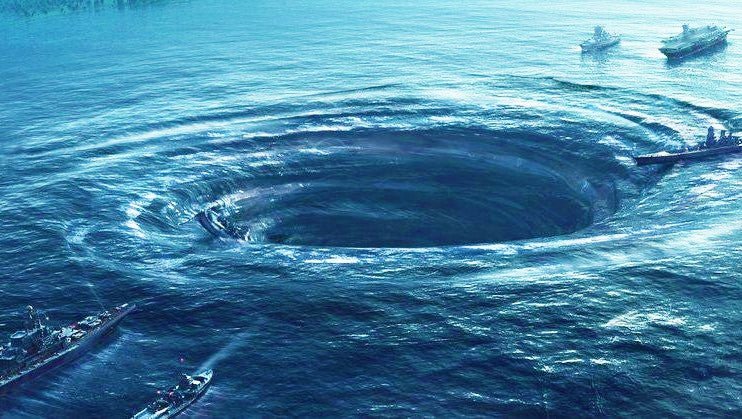 While supernatural theories capture the imagination, scientific research has identified numerous natural explanations for incidents in the Bermuda Triangle region. These factors, individually or in combination, can account for most, if not all, documented disappearances.
Natural Causes and Environmental Factors
Hurricanes and Tropical Storms
The Bermuda Triangle region is prone to some of the most severe weather on Earth. Hurricanes regularly pass through this area during the Atlantic hurricane season (June to November), bringing:- Extremely high winds exceeding 150 mph
- Massive waves that can overwhelm vessels
- Poor visibility making navigation nearly impossible
- Rapidly changing weather patterns
Gulf Stream Current
The Gulf Stream is a powerful ocean current that flows through the Bermuda Triangle at speeds of up to 5.5 mph. This rapid current can:- Quickly carry disabled vessels far from their reported position
- Create rough seas even in otherwise calm weather
- Disperse debris over vast distances, making recovery unlikely
- Affect small aircraft flying low over the water
Rogue Waves
Once considered maritime myths, rogue waves are now scientifically documented phenomena. These massive walls of water can reach heights of 100 feet or more and appear without warning in otherwise calm seas. In the Bermuda Triangle region, the convergence of different ocean currents and weather patterns creates ideal conditions for rogue wave formation. A vessel or small aircraft encountering a rogue wave would have little time to react, and the extreme force could overwhelm even large ships instantly, leaving no time to send distress signals.Methane Hydrates Theory
One fascinating scientific theory involves methane hydrates - methane gas trapped in ice-like structures beneath the ocean floor. When these deposits rupture, they can release massive bubbles of methane gas that rise to the surface.How Methane Affects Ships
- Reduces water density, decreasing buoyancy
- Can cause ships to lose buoyancy and sink rapidly
- May ignite if exposed to sparks, causing explosions
Magnetic Field Anomalies
The Bermuda Triangle region is one of two places on Earth where true north and magnetic north align (the other is off the coast of Japan). This means compasses point directly to true north without requiring adjustment.Compass Variations
- Navigators not familiar with the area might find compass readings confusing
- Magnetic anomalies exist throughout the region
- Equipment calibration issues could lead to navigation errors
Geographic and Human Factors
Deep Ocean Trenches
The Puerto Rico Trench, reaching depths of over 28,000 feet, lies within the Bermuda Triangle region. Vessels that sink in this area are unlikely to be found or recovered due to the extreme depths involved. This explains why many ships have "vanished without a trace" - they simply sank in waters too deep for exploration or recovery with historical technology.Underwater Seismic Activity
The Caribbean region experiences regular seismic activity, including underwater earthquakes and volcanic activity. These events can create:- Tsunamis that could strike vessels with little warning
- Underwater landslides that could trigger methane gas releases
- Sudden water displacement affecting vessel stability
Human Error and Equipment Failure
The most common explanation for maritime and aviation incidents worldwide is human error, and the Bermuda Triangle is no exception:- Navigation mistakes, especially with unfamiliar equipment or locations
- Poor decision-making in adverse weather conditions
- Inexperienced sailors or pilots unfamiliar with the region
- Equipment failures without proper backup systems
- Maintenance neglect or inadequate safety procedures
Rapid Weather Changes
The convergence of different air masses in the Caribbean region creates conditions where weather can change rapidly and unexpectedly:- Clear skies can turn to storms within hours
- Microbursts - sudden downdrafts - can affect aircraft without warning
- Squall lines can develop quickly over the ocean
- Fog can descend rapidly, reducing visibility to near zero
Debunking Bermuda Triangle Myths
Despite popular belief, scientific analysis and statistical research reveal that the Bermuda Triangle mystery is largely an exaggeration. When examined critically, many of the claims about supernatural danger don't withstand scrutiny.Statistical Analysis and Accident Rates
Multiple studies have compared accident rates in the Bermuda Triangle to other similarly trafficked regions worldwide:- Similar Rates Elsewhere: The percentage of vessels and aircraft lost in the Bermuda Triangle is consistent with, and in many cases lower than, other heavily traveled regions
- Insurance Company Data: Major insurance companies charge no additional premiums for travel through the Bermuda Triangle, indicating they don't consider it unusually dangerous
- Coast Guard Statistics: The U.S. Coast Guard, which is responsible for search and rescue in the region, reports no higher incidence of accidents than elsewhere
No Higher Disappearance Rate
When examining raw numbers versus the percentage of traffic, the Bermuda Triangle doesn't show unusual patterns:- The area sees some of the heaviest maritime and aviation traffic in the world
- More traffic means more accidents simply due to statistical probability
- The rate of incidents per vessel/flight is not significantly different from other regions
Official Positions and Stances
U.S. Coast Guard Position
The U.S. Coast Guard officially states: "The Coast Guard does not recognize the existence of a so-called Bermuda Triangle as a geographic area of specific hazard." Their official position is that:- The combined forces of nature and human fallibility outdo even the most incredulous science fiction
- There is no evidence that mysterious disappearances occur with greater frequency here than elsewhere
- Weather and ocean conditions in the area, while sometimes challenging, are not unique
NOAA's Scientific Assessment
The National Oceanic and Atmospheric Administration (NOAA) states that "there is no evidence that mysterious disappearances occur with any greater frequency in the Bermuda Triangle than in any other large, well-traveled area of the ocean." They emphasize that:- Environmental factors explain all documented incidents
- No scientific evidence supports supernatural theories
- The area's reputation comes from media sensationalism rather than facts
Insurance Industry Perspective
Perhaps the most telling rebuttal of Bermuda Triangle danger comes from the insurance industry. Insurance companies, whose business relies on accurate risk assessment, charge no additional premiums for travel through the region. This indicates that:- Statistical analysis doesn't show unusual risk
- Claims frequency is consistent with other regions
- Underwriters would adjust rates if the area were genuinely more dangerous
Media Exaggeration and Confirmation Bias
Much of the Bermuda Triangle's reputation stems from how incidents are reported and remembered:- Confirmation Bias: People notice and remember incidents that fit the pattern while ignoring safe passages
- Pattern-Seeking Behavior: Humans naturally look for patterns, even where none exist
- Sensationalism Over Facts: Media outlets prioritize mysterious explanations over mundane ones
- Not Reporting Safe Passages: Millions of vessels pass through the region safely every year, but these don't make headlines
Evolution of Myth vs. Reality
The Bermuda Triangle myth has evolved through decades of repetition and embellishment:- Early reports were exaggerated in retelling
- Fictional accounts were presented as factual
- Natural explanations were ignored in favor of supernatural ones
- Each new book or documentary recycled the same unverified stories
Real Dangers in the Area
While the supernatural aspects of the Bermuda Triangle are unfounded, the region does present genuine maritime and aviation hazards. Understanding these real dangers provides a more accurate perspective than supernatural theories.Actual Maritime Hazards
Weather-Related Risks
The Caribbean region experiences some of the most dynamic weather patterns on Earth:- Hurricanes: From June to November, powerful hurricanes regularly pass through the area, bringing winds exceeding 150 mph
- Tropical Storms: Even weaker storms can generate dangerous seas and conditions
- Sudden Squalls: Rapidly developing storms can catch vessels unprepared
- Microbursts: Sudden downdrafts can affect aircraft and vessels
Human Error Factors
Human mistakes account for the majority of maritime incidents worldwide:- Navigational errors, especially in unfamiliar waters
- Poor decision-making when facing adverse conditions
- Inadequate training or experience
- Fatigue and stress on long voyages
- Communication breakdowns between crew members
Equipment Failures and Maintenance Issues
Vessels with poor maintenance or aging equipment face higher risks:- Engine failures in rough seas
- Navigation equipment malfunctions
- Communication system breakdowns
- Structural failures in older vessels
Navigational Challenges
The region presents unique navigational difficulties:- The Gulf Stream can push vessels off course
- Magnetic variations require compass corrections
- Deep waters limit navigation aids
- Heavy traffic creates collision risks
Natural Phenomena
Rogue Waves Documented
Scientific research has confirmed that rogue waves - massive waves appearing in otherwise calm seas - are real and potentially dangerous. The Bermuda Triangle region's unique current patterns create conditions conducive to rogue wave formation.- Can reach heights of 100 feet or more
- Appear without warning
- Capable of overwhelming even large vessels
Compass Variations
The agonic line, where true north and magnetic north align, passes through the region:- Compasses point directly to true north
- Navigators must account for this variation
- Can cause confusion for those unfamiliar with the area
Comparison with Other Areas
Similar "triangles" and mysterious regions exist worldwide:- Dragon's Triangle: A region near Japan with similar mysterious claims
- Michigan Triangle: An area in the Great Lakes with unexplained incidents
- Other Vortices: Various locations worldwide with similar reputations
Modern Era and Recent Incidents
Advances in technology have dramatically reduced maritime and aviation incidents worldwide, including in the Bermuda Triangle region. Understanding these improvements helps explain why the mystery has faded in recent decades.Modern Technology Impact
Improved Tracking Systems
Today's vessels and aircraft benefit from advanced tracking technology:- Satellite Tracking: GPS provides precise location data at all times
- Automatic Identification Systems (AIS): Ships continuously broadcast their position
- Emergency Beacons: EPIRBs and ELTs automatically transmit distress signals
- Radar and Sonar: Advanced detection systems prevent collisions
GPS and Satellite Monitoring
Global Positioning System technology has revolutionized navigation:- Eliminates most navigation errors
- Provides real-time position updates
- Works in all weather conditions
- Available to everyone, from large ships to small boats
Better Weather Forecasting
Satellite technology and computer modeling have transformed weather prediction:- Accurate forecasts up to a week in advance
- Real-time weather satellite imagery
- Storm tracking with precise path predictions
- Immediate weather alerts via multiple channels
Enhanced Rescue Capabilities
Modern search and rescue operations are far more effective:- Satellite communication ensures distress signals are received immediately
- Long-range rescue aircraft can respond quickly
- Improved survival equipment increases chances of survival
- Coordinated international rescue efforts
Decrease in Incidents
The combination of improved technology and safety procedures has led to a significant decrease in maritime and aviation incidents worldwide, including in the Bermuda Triangle region. Several factors contribute to this improvement:- Built-in Redundancy: Modern vessels have multiple backup systems
- Automated Safety Systems: Computers detect and respond to problems
- Better Training: Enhanced simulation and safety training for crews
- Stricter Regulations: International safety standards have improved dramatically
Current Perspective and Regular Traffic
Cruise Ships Regularly Sail Through
The cruise ship industry, worth billions of dollars, operates extensively in the Bermuda Triangle region:- Major cruise lines maintain regular routes through the area
- Millions of passengers travel through the region annually
- No cruise lines avoid the area or take special precautions
- Insurance companies don't charge higher premiums for these routes
Commercial Flights Overhead Daily
Commercial aviation operates normally over the region:- Daily flights connect major cities through the area
- Airlines don't recognize any special hazards
- No flight paths are altered to avoid the region
- Modern aircraft have advanced navigation and safety systems
No Avoidance by Major Carriers
Neither shipping companies nor airlines take special precautions for Bermuda Triangle transit beyond standard safety procedures. This practical decision-making, based on actual risk assessment, speaks volumes about the real danger level.Tourism in the Region
Far from being avoided, the region is a popular tourist destination:- Bermuda is a major vacation destination
- Puerto Rico attracts millions of visitors annually
- Florida's coast is heavily developed with tourist infrastructure
- Water sports and recreational boating are popular activities
Conclusion: Separating Fact from Fiction
After examining the evidence, the conclusion becomes clear: the Bermuda Triangle mystery is more myth than reality. While the region has seen tragic incidents, these can be explained through natural causes and don't occur at unusual rates compared to other heavily traveled areas. The real story behind the Bermuda Triangle is a combination of:- Natural hazards that exist in many regions worldwide
- Human error and equipment failure, common causes of maritime incidents
- Media sensationalism that created and perpetuated the myth
- Public fascination with mysteries and the unexplained
Location
Frequently Asked Questions
Q1.What is the Bermuda Triangle and where is it located?
Q2.Why is it called the Bermuda Triangle?
Q3.Is the Bermuda Triangle actually dangerous?
Q4.How many ships and planes have disappeared in the Bermuda Triangle?
Q5.What caused Flight 19 to disappear?
Q6.What are the scientific explanations for Bermuda Triangle incidents?
Q7.Is there any supernatural activity in the Bermuda Triangle?
Q8.What is the US Coast Guard's stance on the Bermuda Triangle?
Q9.Do ships and planes avoid the Bermuda Triangle today?
Q10.Has anyone survived a Bermuda Triangle disappearance?
Recommended For You
Bali: Complete Travel Plan Places And Weather
Complete Bali travel guide with 7-day itinerary, best time to visit, cost breakdown, top attractions, transport options & insider tips for first-time visitors to Indonesia's Island of Gods.
Can Planes Stop in Mid Air? Aviation Science Explained
Discover why planes cannot stop in mid air - Learn about aerodynamics, lift, and what happens if engines fail. Science explained.

Best Time to Visit Bali: Season Guide and Travel Tips
Plan the best time to visit Bali with weather-wise strategy, route planning, and practical tips for smoother island travel.
Never Miss an Adventure
Get the latest trekking guides, travel tips, and exclusive offers delivered straight to your inbox.
