
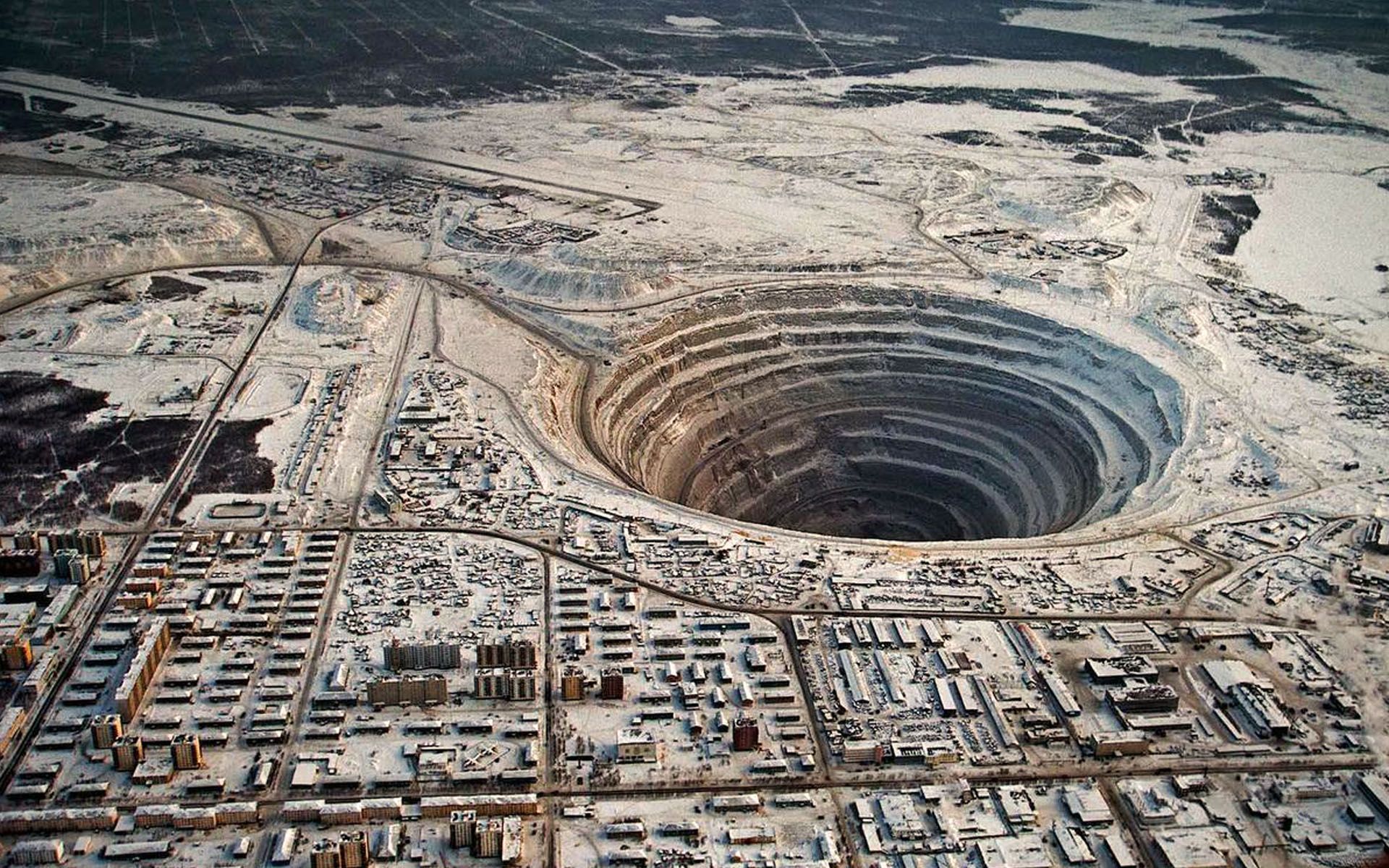
Biggest Man-Made Hole: Facts, Context and Travel Tips
Rohit Verma
February 18, 2026
Understand the biggest man-made hole claim with metric-based comparisons, fact-check methods, and safety-first travel context.
Biggest Man-Made Hole: How to Understand the Claim with Facts
The phrase “biggest man-made hole” appears often in travel and curiosity content, but it can refer to different sites depending on what “biggest” means: deepest, widest, or most visible excavation by surface area. Without that definition, comparisons become misleading. A good guide should help travelers and readers evaluate claims with clear criteria before planning visits or sharing information.
This article takes a fact-first approach: define the metric, verify sources, and interpret site context safely. For related large-scale engineering references, you can compare with biggest dams in India, planning context from best time to visit Almaty Kazakhstan, and global trip ideas via things to do Vietnam.
Why the Claim Is Confusing
People use one label for multiple sites: deep boreholes, open-pit mines, and large excavation zones. A site might be the deepest borehole but not the largest open pit by width. Another might be huge by diameter but not by depth. Mixing these categories creates viral confusion.
Before trusting a headline, always ask: biggest by what measure? This one question filters most inaccurate comparisons.
Three Practical Metrics to Compare
To compare claims responsibly, use structured metrics instead of emotional language. The following framework keeps analysis clear and avoids misinformation:
| Metric | What It Measures | Common Mistake |
|---|---|---|
| Depth | How far excavation extends vertically | Confusing boreholes with open pits |
| Surface Width | Top-level diameter or spread | Ignoring depth when calling it “biggest” |
| Excavated Volume | Total material removed | Using visual impression instead of data |
When articles do not specify one of these, treat the claim as incomplete.

Industrial and Historical Context Matters
Large excavations are often tied to mining, energy, or scientific programs. Understanding the project purpose helps interpret scale responsibly. A scientific drilling project and a commercial open-pit mine are not directly comparable in social impact, risk profile, or visitor access.
This context also helps travelers avoid turning serious industrial landscapes into careless “extreme tourism” narratives.
Safety and Access Reality
Many of the world’s largest excavations are active or controlled sites. Public access may be restricted, and unofficial entry can be dangerous. Always prioritize official viewing points, authorized tours, and current local rules. Do not rely on outdated social posts for access information.
- Check current access status before travel.
- Use only designated observation areas.
- Avoid edge-risk photography behavior.
- Carry safety-first essentials in remote zones.
Safety-first behavior is non-negotiable around industrial terrain.
How to Verify Claims Before Sharing
A simple verification pipeline works well: official source first, technical reference second, independent reporting third. If all three disagree, do not present the claim as settled fact. Mark it as contested and specify uncertainty.
This method is useful not just for geology topics but for all viral travel claims that involve superlatives.
Planning a Visit Around Large Excavation Sites
If you intend to visit a site associated with “biggest hole” narratives, build your itinerary around logistics and safety, not novelty headlines. These locations may have limited services, long transfer times, and strict entry windows. Keep route buffers and backup stops ready.
For international planning comparisons, resources like best places to visit Vietnam can help structure broader multi-country travel decisions while keeping destination contexts separate.
Photography and Ethical Documentation
Industrial heritage and extraction landscapes can be visually dramatic, but photography should remain responsible. Avoid drones or restricted equipment where rules prohibit them. Never enter unsafe zones for dramatic angles. A balanced photo set should include one wide context frame, one scale-reference frame, and one interpretation frame from authorized viewpoints.
Ethical documentation respects both safety and local policy frameworks.

Common Errors in Online Content
Recurring errors include mixing units, comparing unrelated categories, and quoting old numbers without date context. Another major issue is copy-pasted claims that no longer match current site conditions. Always attach date context to statistics and state your source logic clearly.
Evidence-first writing is the best defense against viral misinformation.

Case Study Approach for Better Understanding
If you are researching this topic academically or for serious travel writing, select two sites and compare them with one fixed metric each. For example, one deep scientific drilling record and one large open-pit excavation record. This method prevents category confusion and keeps conclusions transparent.
Always include date context with measurements. Industrial landscapes evolve and reported figures can change with ongoing activity, closure status, or revised technical documentation.
Communication Tips for Content Creators
When publishing about “biggest” claims, avoid absolute language unless your metric and source base are explicit. Use phrasing like “largest by surface diameter in this category” or “deepest known borehole in documented records.” Precision reduces misinformation and builds audience trust.
Responsible framing is especially important for educational travel audiences who may base route decisions on your content.
Final Verification Reminder
Never repeat “biggest” claims without naming the metric and source date. Clear definitions protect your credibility and help readers make informed, safety-aware decisions.
When evidence is uncertain, state uncertainty directly instead of filling gaps with speculation.
Travel Decision Use Case
If you are evaluating whether to visit one of these large excavation landmarks, prioritize legal access, observation quality, and safety infrastructure over online hype. A site with clear viewing protocol and reliable local guidance is usually a better choice than a “famous” location with unclear rules.
Good decisions come from operational clarity, not superlative labels. Treat this topic as technical heritage, and your planning quality will improve.
Final Safety Reminder
Industrial landscapes are not adventure playgrounds. Follow official boundaries, avoid edge-risk behavior, and prioritize evidence-backed planning over dramatic narratives.
Note
Define the metric before using the word biggest.
Quick Rule
Use measured data, not dramatic wording, when comparing industrial landmarks.
Final Check
Confirm numbers, dates, and source category before publishing any comparison summary.
Closing Note
Precision protects credibility and safety.
Micro Addendum
Use clear definitions, dated numbers, and category-specific comparisons every time.
Conclusion
The “biggest man-made hole” topic is useful only when defined with clear measurement criteria and verified context. Use depth, width, or volume explicitly, check official sources, and prioritize safety-aware interpretation. With this method, your understanding stays accurate and your travel decisions remain responsible.
Location
Frequently Asked Questions
Q1.What is meant by biggest man-made hole?
Q2.Is factual context important before visiting?
Q3.Can access be restricted?
Q4.Should I plan safety-first?
Q5.How to improve visit quality?
Q6.Is this suitable for casual travelers?
Q7.Can I combine with nearby attractions?
Q8.What is key planning factor?
Recommended For You
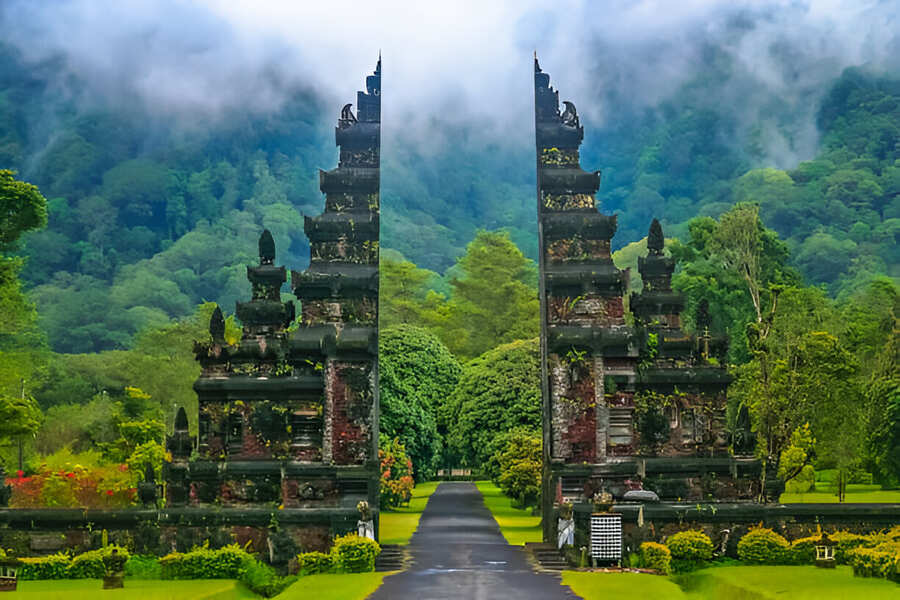
Best Places to Visit Bali: Region Guide and Tips
Plan the best places to visit in Bali with region-wise route strategy, timing guidance, and practical travel tips for smoother itineraries.
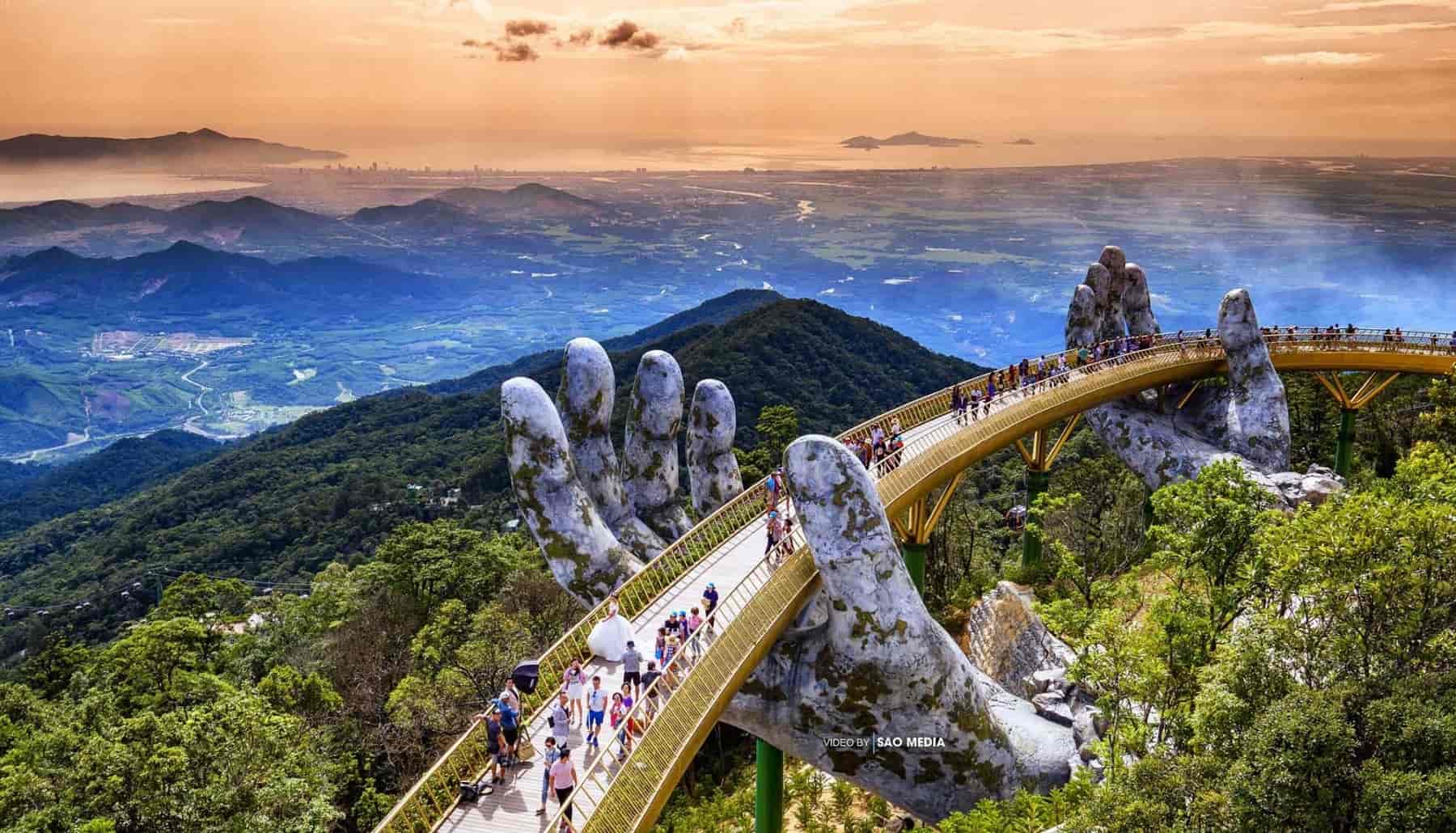
Best Places to Visit Vietnam: Top 15 Spots
Discover Vietnam's top 15 must-visit destinations including Ha Long Bay, Hoi An, Hanoi, and Da Nang. This comprehensive travel guide covers the best time to visit, costs, itineraries, and essential tips for exploring Southeast Asia's most captivating country.
Best Time to Visit Georgia: Season Chart, Activities & Travel Tips
Discover the best time to visit Georgia country! Weather guide, skiing, hiking seasons & wine harvest. Plan your perfect Georgia trip.
Never Miss an Adventure
Get the latest trekking guides, travel tips, and exclusive offers delivered straight to your inbox.
