
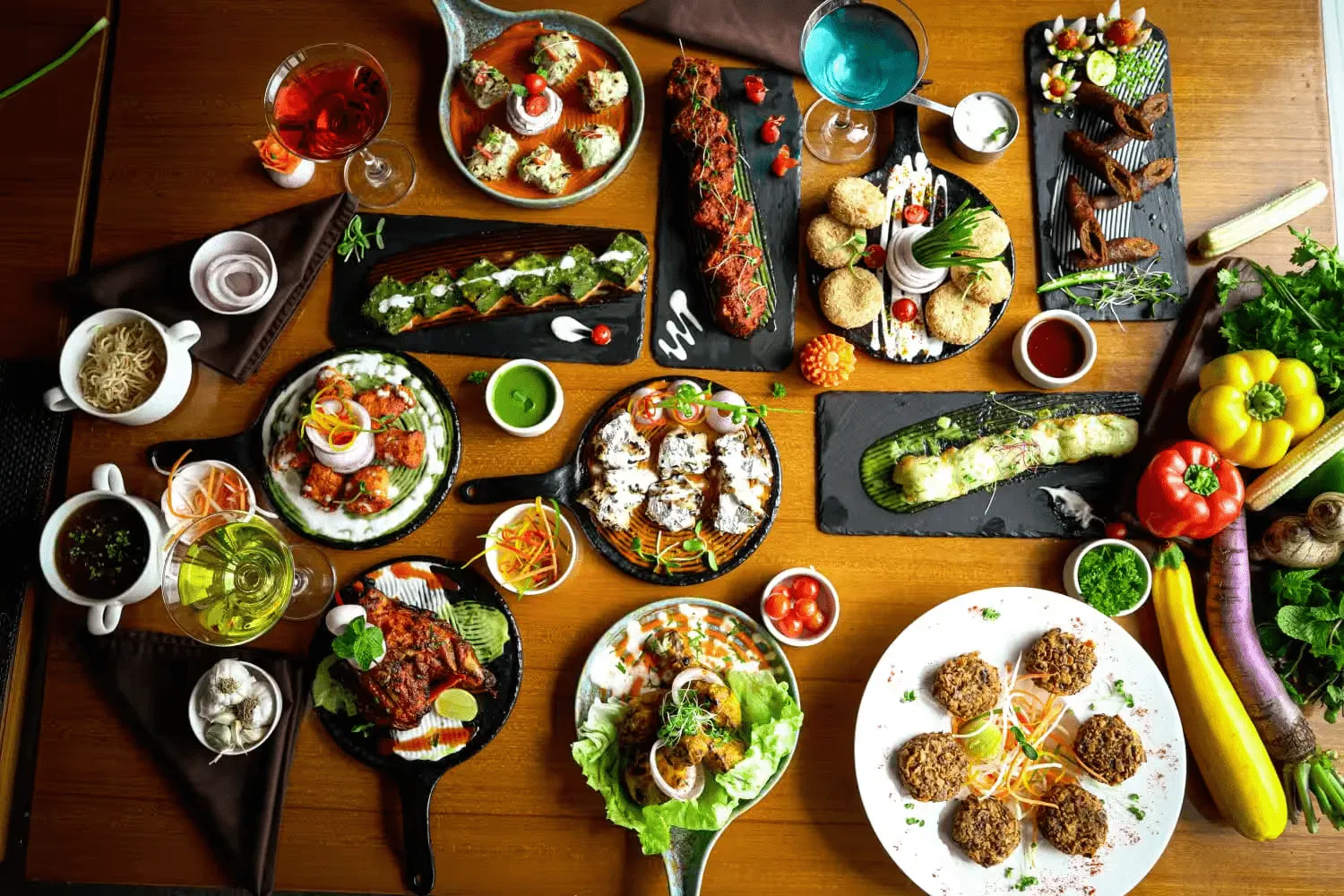
Best Places to Eat in Siliguri: Food Guide and Tips

Neha Kapoor
February 18, 2026
Best places to eat in Siliguri guide with transit-aware timing, route clustering, and practical dining choices for onward travelers.
Best Places to Eat in Siliguri: Transit-Friendly Food Planning for Faster, Better Stops
Siliguri is more than a transit city; it is a practical food hub for travelers moving toward the hills and Northeast corridors. Because many visitors are in a hurry, they often settle for random meals near transport points and miss better options in nearby clusters. The right strategy is transit-aware dining: choose one primary stop near your route and one fallback close to it.
This guide helps you plan food in Siliguri with timing logic, route efficiency, and balanced meal pacing. You can combine it with onward planning for places to visit in Gangtok, dining comparisons from Gangtok restaurants, and regional timing context via best time to visit Guwahati.
How to Plan Meals in a Transit City
Siliguri works best with time-boxed dining decisions. If you have a transfer window, avoid exploratory detours and pick places with predictable service turnaround. If you have a full day, use one local specialty meal and one relaxed evening meal in a connected district.
A simple rule: travel-heavy day equals simple meals; stay-heavy day equals broader tasting.
Meal Timing and Service Rhythm
Transport-linked cities have sharp demand spikes around departure and arrival windows. Eating slightly before peak transit periods improves both table availability and meal quality.
| Window | Typical Demand | Best Approach |
|---|---|---|
| Early morning | Moderate transit movement | Quick reliable breakfast stop |
| Lunch hours | Mixed local + traveler demand | Pre-select one main venue |
| Evening | High in central hubs | Reserve or keep local backup |
This timing discipline prevents rushed or low-quality decisions near transfer deadlines.
Cuisine Mix and Practical Selection
Siliguri offers a blend of regional and multi-cuisine options. Instead of trying everything in one day, select one local-leaning meal and one comfort meal. This gives variety without fatigue. Travelers with long onward trips should avoid excessively heavy combinations before departure.
For groups, shared tasting portions work well and save time in ordering.

Budget and Travel Coordination
Food spending in Siliguri is manageable when travel is planned alongside meals. The biggest spend leak is repeated short-distance ride-hops caused by poor sequencing. Keep all meal points within one corridor when possible.
- Set one meal cap for each major time block.
- Prioritize high-turnover places for faster service.
- Use one backup restaurant in the same area.
- Track time-to-station/stand before ordering.
These basics keep dining smooth even in tight schedules.
One-Day Siliguri Food Template
Block 1: breakfast near your first transit or activity zone. Block 2: one proper lunch in a reliable area. Block 3: evening light meal close to departure point or stay area. This is practical for most transit-driven itineraries.
If your onward travel is early, shift dinner earlier and keep menu choices lighter.

Common Mistakes and Better Alternatives
The most common mistake is assuming “any nearby place” will work before departure. Another is underestimating queue times at peak travel hours. Better alternatives: pre-check one main place, one nearby fallback, and maintain a 30-45 minute food-to-departure buffer.
For longer route design, align Siliguri stops with your next-city food plan rather than treating it as a random break.

Conclusion
The best places to eat in Siliguri are best chosen through transit-aware planning, compact routing, and simple meal sequencing. Keep one strong primary stop, one fallback nearby, and enough buffer before onward movement. This gives better meals with less stress.
Extended Planning Notes for Siliguri Food Stops
Siliguri is most useful when treated as a strategic food checkpoint instead of a rushed transit break. If you have more than four hours, plan one proper sit-down meal and one short local tasting. If you have less than two hours, choose one dependable venue close to your onward departure point and skip detours. This decision rule avoids most missed-transport stress and improves meal quality. Travelers often waste time searching for perfection when consistency is what matters in transfer cities.
A strong travel-day method is to rank choices by service speed, hygiene confidence, and distance from transit. Food quality still matters, but execution reliability should come first when schedules are tight. Keep digital payments, small cash, and offline map pins ready to avoid last-minute delays. If traveling in a group, assign one person to coordinate orders while others handle tickets or luggage logistics. This simple split makes stops smoother and faster.
For multi-day routes, use Siliguri as a reset day: balanced meal, hydration, and lower-spice choices before high-movement hill travel. A stable food day before long transfers can improve comfort significantly. The objective is not maximum dish count, but practical recovery and consistent quality.
Final Execution Checklist
For Siliguri, keep one fixed food stop per major transfer block and finalize it before arrival. Confirm service hours, keep a backup in the same corridor, and avoid experimental detours when departure time is tight. Efficient food routing lowers stress and helps maintain reliable onward schedules.
If travel delays happen, prioritize hydration and one balanced meal over multiple quick stops. Transit cities reward clarity and discipline more than variety-heavy plans.
For Siliguri food days, pre-plan meal windows around arrival and departure checkpoints. Keep one major meal block and one recovery block with light options. Travelers often feel better when they avoid heavy late meals before road or train departures. Keep your final meal close to your transport zone and leave enough buffer for boarding formalities.
When schedules are uncertain, choose reliability over novelty. One known good stop in the right place is better than multiple uncertain stops with travel risk.
Siliguri travelers should keep one operational rule: no new food stop if departure buffer drops below 60 minutes. This protects schedules and reduces stress during high-volume transit periods.
If your itinerary includes long road transfer after dinner, keep the final meal lighter and earlier. This improves comfort and travel readiness.
Keep your final stop operationally simple and close to departure points.
Siliguri meal plans are strongest when every stop has a clear purpose: one for nourishment, one for convenience, and one optional for local flavor. This purpose-driven approach prevents indecision and keeps transit schedules secure.
Siliguri is a common gateway for onward hill travel — see our Darjeeling travel guide if you are continuing up into the hills after your Siliguri stop.
Location
Frequently Asked Questions
Q1.How to plan food in Siliguri during transit?
Q2.Can I do quick food routes here?
Q3.What is best meal timing?
Q4.Should I keep backups?
Q5.Is this suitable for family travel?
Q6.How many stops are ideal?
Q7.What improves dining comfort?
Q8.Can I combine local and quick meals?
Recommended For You
Best Local Food in Shimla: Dishes, Spots and Tips
Best local food in Shimla guide with Himachali dish priorities, market snack timing, budget tips, and practical one-day tasting routes.
Best Local Food in Varanasi: Must-Try Guide and Tips
Best local food in Varanasi guide with breakfast-first sequencing, street food strategy, sweet-stop planning, and practical one-day routes.
Best Places to Eat in Chennai: Area Guide and Tips
Best places to eat in Chennai guide with breakfast-first planning, area clustering, budget strategy, and practical one-day dining routes.
Never Miss an Adventure
Get the latest trekking guides, travel tips, and exclusive offers delivered straight to your inbox.
