
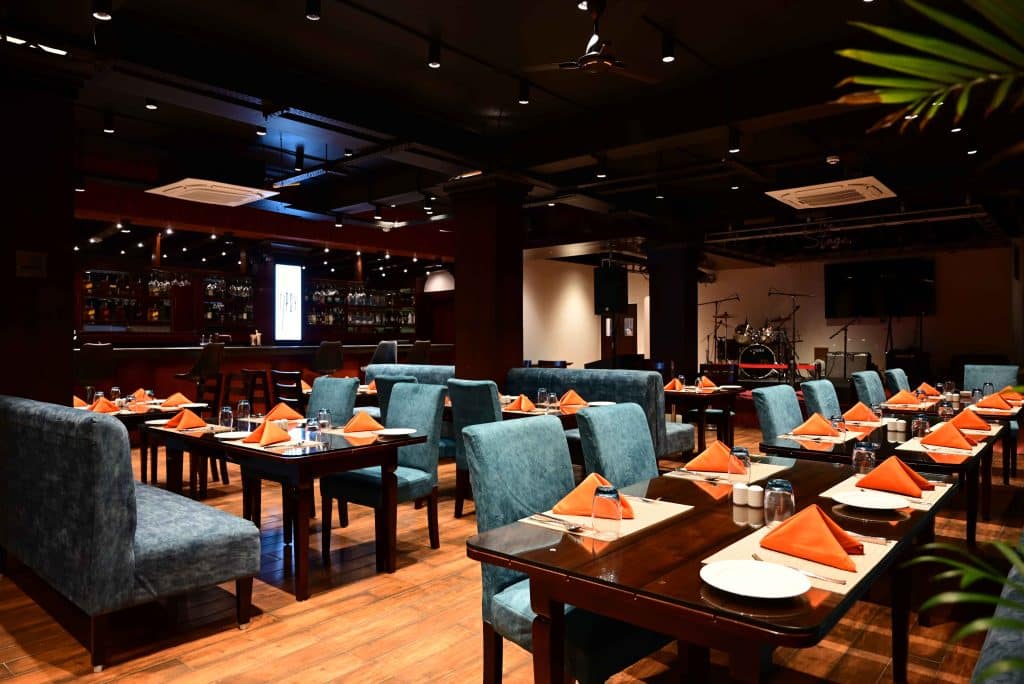
Best Restaurants in Gangtok: Local Cuisine, Cafes & View Spots

Neha Kapoor
February 19, 2026
Explore the best restaurants in Gangtok with MG Marg picks, Tibetan and Sikkimese food, budget tips, and must-try local dishes for every traveler.
Introduction
Gangtok may be known first for mountain views, monasteries, and winding roads, but the city is also one of the most rewarding food stops in the eastern Himalayas. The dining scene reflects a mix of Sikkimese, Tibetan, Nepali, and Indian influences, which means you can move from steaming bowls of thukpa and handmade momos to modern cafes and multi-cuisine dinners in one day. For travelers, that variety is a major advantage: whether you want budget food, comfort meals after day tours, or a relaxed evening table, Gangtok has practical options across price points.
To plan better, pair this guide with Gangtok travel planning, top places to visit in Gangtok, and MG Marg insights. This blog is designed around real search intent: where to eat by area, cuisine, budget, and meal type.
What Top-Ranking Restaurant Lists Usually Prioritize
Across high-visibility Gangtok dining roundups, a few patterns repeat. First, users want dependable names near MG Marg because walkability matters in hilly terrain. Second, food intent is highly specific: best momos, Tibetan soup meals, family dinner spots, or cafes with a mountain-facing ambience. Third, cost expectations are important, since Gangtok serves backpackers, family travelers, and couples on short vacations at the same time.
Based on those ranking patterns, the most useful format is not a long random list. It is a structured guide by cuisine and by zone, with practical notes on crowd timings, meal budget, and what to order first.
| Dining Intent | Best Area or Type | Typical Cost for Two |
|---|---|---|
| Authentic local and Tibetan dishes | MG Marg side streets and local market pockets | Rs 500 to Rs 1,200 |
| Family-friendly sit-down dinner | Central Gangtok multi-cuisine restaurants | Rs 1,000 to Rs 2,000 |
| Cafes and bakery stops | MG Marg stretch and nearby lanes | Rs 500 to Rs 1,500 |
| Premium or occasion dining | Hotel restaurants and upscale outlets | Rs 1,800 to Rs 3,200+ |
Authentic Sikkimese Cuisine Restaurants
If your priority is regional flavors, start with kitchens known for Sikkimese and Himalayan dishes instead of generic all-day menus. Travelers often look for phagshapa, kinema-style preparations, fermented greens, and millet-based staples, but availability can vary by season and restaurant specialization. Ask the staff for house recommendations rather than ordering only familiar dishes.
Places like Nimtho are often highlighted for introducing visitors to local-style food in a more approachable setting. You may also find hybrid menus where local recipes are offered alongside Tibetan staples and Indian mains for mixed groups. This is common in Gangtok and useful when families have different preferences at one table.
When trying Sikkimese cuisine for the first time, order one local plate and one comfort dish to balance taste expectations. This approach works well for children and first-time visitors while still giving you a meaningful local food experience.

Tibetan Food Specialties You Should Not Miss
Tibetan food is central to Gangtok's everyday dining culture. In most practical itineraries, momos and thukpa are not just snacks; they are full meals, especially in colder weather. If you want consistency and local popularity, restaurants associated with Tibetan comfort food, including names like Taste of Tibet, are frequently recommended by both travelers and locals.
For a reliable order, start with steamed momos, one clear or rich thukpa bowl, and a side like tingmo or stir-fried vegetables depending on appetite. Local eateries usually prepare these quickly, which is helpful between sightseeing blocks. You can also explore Taste of Tibet in Gangtok for a focused food stop if this cuisine is your top priority.
Soup-based dishes become especially valuable during monsoon and winter when temperatures drop. If you are sensitive to spice, confirm chili level before ordering because some local sauces can be significantly hotter than standard tourist palettes.
MG Marg Restaurant Scene
MG Marg is the most convenient dining anchor for most visitors. The pedestrian-friendly setup, concentration of restaurants, and easy access from central stays make it the default area for breakfast, evening snacks, and dinner. The advantage here is flexibility: you can compare menus on foot and choose based on wait time, ambience, and budget.
During peak travel weeks, the most visible outlets near prime corners can fill up quickly after 7 PM. A practical strategy is to eat slightly earlier or walk a little beyond the busiest stretch to find quieter, often better-value alternatives. For first-time travelers, combining MG Marg walking with planned meal windows reduces transport dependency in a hilly city where short distances can still take time.

If shopping is part of your day, align meals with Gangtok shopping areas and keep one buffer meal slot for spontaneous cafe stops.
Cafes with Mountain Views and Slow Evenings
Gangtok's cafe culture has grown rapidly, and many travelers now plan half-day food breaks around coffee, baked items, and conversation-friendly spaces. The best cafes are not always the most visible on the main road; some of the better ambience-led places are tucked into side streets or upper floors with partial valley views.
On clear days, morning to early afternoon can offer better light and cleaner mountain visibility than late evenings. If your goal is photography with food, choose daytime cafe slots and sit by window-facing sections. For remote workers, many cafes provide decent Wi-Fi and long-stay seating, but you should still confirm network stability before planning work calls.
Cafe menus in Gangtok generally mix continental comfort items, sandwiches, noodles, and dessert-heavy options. This makes cafes useful recovery stops between sightseeing days when you want lighter, non-spicy meals.

Multi-Cuisine and Family Dinner Restaurants
Not every group wants a cuisine-specific meal every time. Multi-cuisine restaurants in Gangtok are popular because they reduce decision fatigue for families and large groups. A typical menu in this segment includes North Indian gravies, Chinese starters, rice bowls, local noodle dishes, and kid-friendly comfort options.
For family dinners, prioritize restaurants with indoor heating during colder months, predictable service pace, and easier vehicle access. In hilly destinations, convenience and comfort can matter as much as menu variety, especially for older travelers and children. Hotel-based restaurants can be a good fallback on days with rain or dense evening fog.
If your day includes nearby travel routes, return timing can be uncertain. In those cases, pre-booking dinner tables is safer than walk-ins. This is especially true on weekends and during holiday traffic when central Gangtok sees heavy evening demand.
Budget-Friendly Local Eateries
Gangtok is very manageable for budget diners if you use local meal patterns. Small eateries serving momos, thukpa, chowmein, and rice-based plates usually deliver the best value-to-quality ratio. You can comfortably build a full day food plan with breakfast, two hot meals, and tea breaks without overspending.
The key is to avoid ordering premium-category dishes at every meal. Keep one experience meal for ambience and use local counters for practical, filling food the rest of the day. This approach is useful for backpackers and long-stay travelers.
| Budget Type | Meal Strategy | Approx Daily Food Spend (Per Person) |
|---|---|---|
| Budget | Local eateries, momos, thukpa, tea, simple dinners | Rs 400 to Rs 900 |
| Mid-range | One cafe meal, one local meal, one restaurant dinner | Rs 900 to Rs 1,800 |
| Premium | Upscale cafe + fine dining + curated local tasting | Rs 1,800 to Rs 3,500+ |

Must-Try Dishes in Gangtok
If you are short on time, focus on a compact list of reliable local favorites. Steamed momos and thukpa are essential. Add one regional specialty where available, and include a warm beverage stop during evening walks because weather can shift quickly. For mixed groups, pairing local items with standard mains helps keep everyone comfortable.
- Steamed momos: The most searched and most repeated order in Gangtok.
- Thukpa: Ideal in cool weather; available in veg and non-veg variants.
- Tingmo with gravy sides: Simple but satisfying for group sharing.
- Local fermented side dishes: Try when available and recommended by staff.
- Bakery and cafe desserts: Good for afternoon breaks around MG Marg.
Ordering, Delivery, and Practical Dining Logistics
Gangtok has active app-based ordering in central zones, but delivery quality depends on weather and slope-based distance. During rain, delivery times can increase, so dine-in may be faster for hot food. If you are staying in a hotel on upper roads, confirm whether outlets deliver to your exact location before ordering.
Digital payments are commonly accepted in most established restaurants and cafes, but carrying small cash remains practical for smaller counters and quick roadside meals. Always confirm current operating hours directly with the outlet because timings may change by season, local events, or weather conditions.
Quick One-Day Food Plan in Gangtok
A practical one-day plan is: breakfast cafe near MG Marg, lunch focused on Tibetan staples, sunset tea or bakery stop, then a multi-cuisine or local-specialty dinner based on weather and appetite. This structure minimizes commuting and keeps your best meal for the evening atmosphere.
If your trip includes activity-heavy days, place lighter meals before road travel and larger meals after you return. Pair this with Gangtok sightseeing routes and your day becomes much easier to execute.
Conclusion
The best restaurants in Gangtok are not defined by one cuisine or one street. The real strength of the city is range: authentic Himalayan flavors, practical local eateries, walkable MG Marg options, and growing cafe culture in one compact destination. If you plan meals by intent, weather window, and area rather than only by popularity, Gangtok delivers a much better food experience for every type of traveler.
Location
Frequently Asked Questions
Q1.What food is famous in Gangtok?
Q2.Which area has the best restaurants in Gangtok?
Q3.Are restaurants in Gangtok expensive?
Q4.Where can I find good momos in Gangtok?
Q5.Are there vegetarian options in Gangtok restaurants?
Q6.Do Gangtok restaurants serve alcohol?
Q7.What is the average meal cost in Gangtok?
Q8.Do restaurants in Gangtok accept digital payments?
Recommended For You
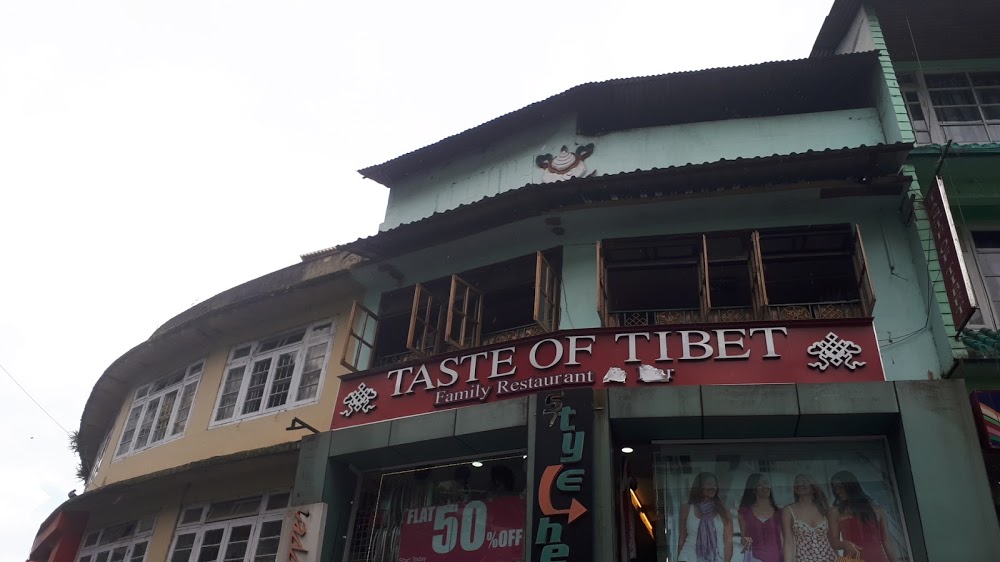
Taste of Tibet Gangtok: Menu, Ambience & Signature Dishes
Visit Taste of Tibet restaurant in Gangtok Sikkim. Guide to menu, timings, location, what to eat & authentic Tibetan food in MG Marg.
Banjhakri Falls Gangtok: Waterfall Park, Timings & Entry Fee
Explore Banjhakri Falls and Energy Park Gangtok: discover the mythical waterfall, energy park activities, kids play area, picnic spots, and complete travel guide.

Shopping in Gangtok: MG Marg & Local Markets
Discover shopping in Gangtok Sikkim: MG Marg pedestrian street, Tibetan handicrafts, Temi tea & Buddhist souvenirs. Complete Himalayan shopping guide.
Never Miss an Adventure
Get the latest trekking guides, travel tips, and exclusive offers delivered straight to your inbox.
