
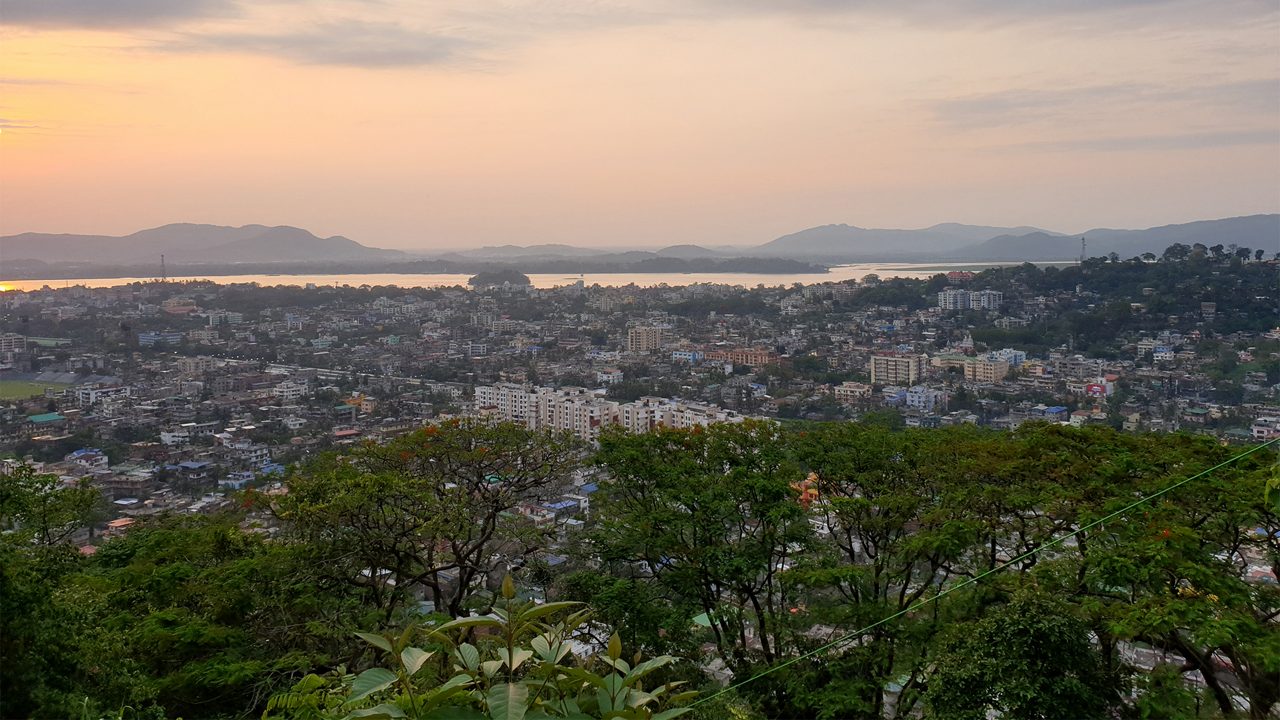
Best Time to Visit Guwahati: Month-Wise Weather & Festival Season

Rohit Verma
February 19, 2026
Plan the best time to visit Guwahati with season-wise weather, temple timing, festival windows, and practical monthly travel tips for a smooth Assam trip.
Introduction
Guwahati is the main gateway to Northeast India, and season choice can significantly change your trip quality. The city sits on the Brahmaputra and is influenced by a humid subtropical pattern, which means summers can feel warm and sticky, monsoon months can bring heavy rain, and winter is usually the most comfortable for sightseeing. Because many travelers combine Guwahati with temple visits, river cruises, and onward routes to Meghalaya or Kaziranga, weather planning is not optional, it directly affects transport, activity access, and daily comfort.
This guide breaks down the best time to visit Guwahati by season, activity, and budget. It also includes practical timing for Kamakhya Temple visits and festival planning. For itinerary pairing, see places to visit in Guwahati, one-day Guwahati plans, and cafe routes in Guwahati.
Quick Answer: Best Months to Visit Guwahati
For most travelers, the best period is October to April. Weather is generally more pleasant, rainfall is lower than peak monsoon months, and city movement is easier for temple tours, riverfront experiences, and day trips. If your trip focuses on festivals, April (Rongali Bihu period) can be culturally rich, while winter months are best for comfortable sightseeing.
| Travel Goal | Best Months | Why It Works |
|---|---|---|
| General sightseeing | October to February | Cooler and drier weather |
| Temple visits | November to March | Comfortable queues and easier movement |
| Festival travel | April and June (event-based) | Bihu and Ambubachi cultural windows |
| Budget-focused travel | Monsoon shoulder months | Often lower hotel rates, but rain risk |
| Wildlife add-ons from Guwahati | November to April | Better safari season alignment |
Winter Season (October to February): Most Comfortable Window
Winter and early post-monsoon months are the most practical period for first-time travelers. Skies are often clearer, humidity is lower, and daytime exploration is easier compared to peak summer. This season works especially well for city sightseeing, temple circuits, and evening river activities on the Brahmaputra side.
For families and older travelers, this is usually the safest time to plan because weather disruption risk is lower than monsoon season. Morning and night can feel cooler in peak winter, so carry light winter layers. If you want a high-comfort, low-stress trip, this is the default season to choose.
Best Winter Use Cases
- Kamakhya Temple and city heritage tours
- Brahmaputra cruise slots
- Day trips and multi-stop city itineraries
- Short 2-3 day Guwahati gateway trips

Spring and Early Summer (March to May): Cultural and Event-Oriented Travel
March to May is warmer, but still workable if you plan around heat windows. Mornings and evenings are better for outdoor movement, while midday can feel uncomfortable on high-humidity days. This period is useful for travelers who want to experience Assamese cultural energy, especially around spring festivals and city events.
April is particularly important due to Bihu-linked celebrations. If your interest is culture over weather-perfect comfort, spring can be rewarding. Keep hydration and midday break planning in your schedule, and choose accommodation with good cooling support.
This season can also work as a transition point for onward travel to other Northeast destinations when planned with route buffers.
Monsoon (June to September): Green but Weather-Sensitive
Monsoon turns Guwahati and surrounding landscapes lush and dramatic, but travel reliability decreases. Heavy rain events can cause waterlogging, route slowdowns, and occasional schedule disruption. If you choose this season for lower costs or monsoon scenery, plan with flexibility and avoid over-packed day schedules.
For monsoon travelers, the best strategy is short-distance city plans, indoor-heavy attractions, and backup options for each major outing. This is not the best season for tightly timed multi-point day trips. If your priority is smooth logistics, avoid peak monsoon dates for first-time visits.
That said, experienced flexible travelers can still enjoy monsoon Guwahati, especially with weather-aware planning and adaptable transport windows.

Best Time for Kamakhya Temple Visits
Kamakhya Temple is one of the most significant reasons travelers visit Guwahati. For general darshan comfort, winter and shoulder months are usually easier due to more manageable weather. Peak devotional periods can significantly increase footfall, so expect longer waits during major festival windows.
Ambubachi Mela is typically held in June and is a major spiritual event. It offers a powerful cultural-religious experience, but crowd intensity and monsoon overlap make it less comfortable for casual sightseeing travelers. If you plan for Ambubachi, prioritize accommodation close to your access route and keep extra time buffers.
For a balanced temple visit with lower physical stress, November to February is often the most practical range for most visitors.
Festival Calendar and Seasonal Relevance
Festivals can strongly influence trip value in Guwahati. They add depth and atmosphere but also change crowd density and availability.
| Festival / Event | Usual Timing | Travel Impact |
|---|---|---|
| Rongali Bihu | April | High cultural value, warm weather |
| Ambubachi Mela | June (dates vary yearly) | Very high footfall, monsoon overlap |
| Durga Puja period | September-October | Festive city atmosphere |
| Winter cultural season | November-January | Pleasant conditions for events and outings |
If festival participation is your top priority, travel dates should be fixed around event windows. If comfort and movement are your priority, choose non-peak festival days within the same season.
Best Time for Activities from Guwahati
River Cruises
Usually best from post-monsoon through winter when weather is more stable and evening visibility is better.
Temple and Heritage Circuits
Best in winter and shoulder months due to lower heat stress and easier daytime walking.
Wildlife Extensions (Kaziranga-linked planning)
November to April generally aligns better with core wildlife travel windows in Assam.
Cafes and City Leisure
Year-round possible, but most comfortable from October to March.
Month-by-Month Snapshot
January-February: Cool and comfortable for city travel.
March: Warm transition month, still manageable for sightseeing.
April: Festival-rich and culturally vibrant; warmer days.
May: Humid build-up, plan around midday heat.
June-July: Heavy rain risk rises; keep plans flexible.
August-September: Continued rain influence, occasional improvement windows.
October: Strong restart month for tourism comfort.
November-December: Excellent for broad itineraries and city exploration.

Budget and Crowd Strategy
For lower prices, shoulder and rain-sensitive months can offer better hotel rates, but you trade off weather reliability. For maximum comfort and smooth itineraries, winter and post-monsoon months are worth the higher demand and potentially higher prices.
A practical middle path is late October, November, or early March, where conditions are often good and crowd intensity may be lower than absolute peak holiday windows.
How to Choose Your Best Time (Simple Framework)
- If this is your first Guwahati trip: choose October-February.
- If you want festival energy: choose April or Ambubachi period in June.
- If you want lower costs and flexible plans: shoulder monsoon periods can work.
- If you are combining with Meghalaya or wildlife routes: align with November-April windows.
- If wildlife spotting is a priority, plan around the dry season used for Kaziranga National Park safaris, which typically run from November to April.
Use one decision priority first (comfort, festival, budget, or activity), then pick the month accordingly.
Conclusion
The best time to visit Guwahati depends on your intent, but for most travelers October to April gives the best balance of weather comfort, activity access, and planning reliability. Summer can work for cultural trips with heat-aware pacing, while monsoon is best for flexible itineraries and rain-season travelers. Build your plan by season, not just by calendar convenience, and Guwahati becomes a much smoother gateway to the Northeast.
Location
Frequently Asked Questions
Q1.What is the best month to visit Guwahati?
Q2.Is Guwahati good to visit during monsoon?
Q3.When is the best time to visit Kamakhya Temple?
Q4.What is the temperature in Guwahati in winter?
Q5.When does monsoon start in Guwahati?
Q6.Which season is best for festivals in Guwahati?
Q7.Is October a good month to visit Guwahati?
Q8.Can Guwahati be combined with Meghalaya in one trip season-wise?
Recommended For You
Rishikesh One-Day Itinerary: Ghats, Cafes & Adventure Stops
Plan a perfect one-day Rishikesh itinerary covering Laxman Jhula, Ram Jhula, Beatles Ashram, adventure activities and Ganga Aarti at Triveni Ghat.

Baku Weather Guide: Climate, Seasons & Best Time to Visit
Discover Baku weather patterns through seasons: summer heat, winter cold, spring/autumn mildness, wind phenomenon, and the best time to visit for beach activities or cultural exploration.
Best Time to Visit Meghalaya: Rainfall, Season & Waterfall Views
Understand Meghalaya weather by season with practical month-wise planning tips for waterfalls, root bridges, caving, and safer route timing.
Never Miss an Adventure
Get the latest trekking guides, travel tips, and exclusive offers delivered straight to your inbox.
