
15 Best Places to Visit in Gangtok: Monasteries, Lakes & Ropeways

Neha Kapoor
November 19, 2025
Explore the best places to visit in Gangtok including Tsomgo Lake, Nathula Pass, Rumtek Monastery, MG Marg, and practical permit-aware travel tips.
Introduction: Gangtok as the Gateway to Sikkim
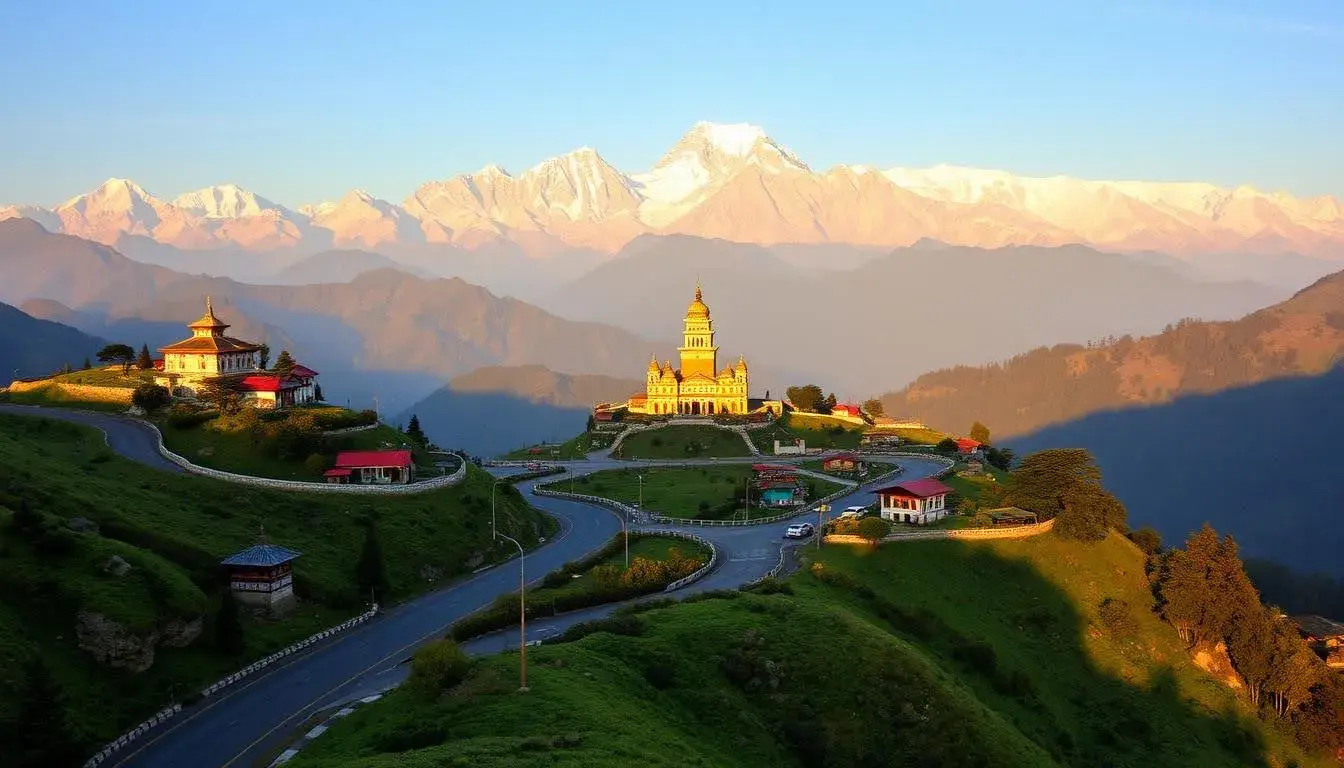
Gangtok, the capital of Sikkim, is one of the most complete hill destinations in Northeast India, combining monasteries, high-altitude lakes, mountain viewpoints, clean urban streets, and easy access to protected highland routes. If you are searching for places to visit in Gangtok, the best plan is to split your itinerary into city attractions and permit-based excursions. This helps avoid rushed travel and lets you handle weather and permit logistics properly.
The city itself is walkable in parts, especially around MG Marg, while outskirts and high-altitude sites need vehicle planning. A two-day trip can cover major highlights, but three days gives a better balance of sightseeing, acclimatization, and local market experience. This guide covers top attractions, route logic, permits, best seasons, and practical travel planning for first-time and repeat visitors.
For broader planning, continue with Gangtok travel guide and things to do in Sikkim.
1. Tsomgo Lake (Changu Lake)
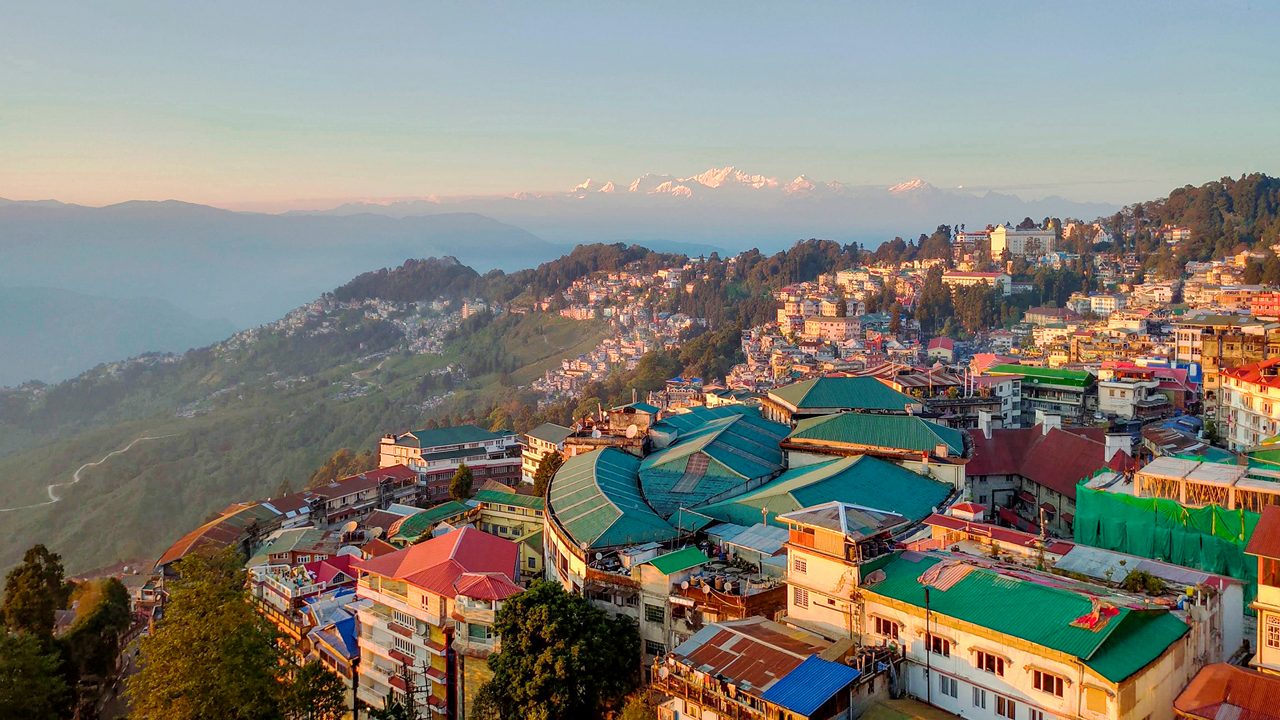
Tsomgo Lake is one of Gangtok's most famous high-altitude excursions and a core stop in almost every itinerary. Located in East Sikkim, the glacial lake offers dramatic mountain scenery and seasonal landscape shifts. In winter and early spring, snow presence can significantly change the experience, while clearer post-monsoon windows offer better road visibility and views.
Tsomgo is typically covered with Baba Mandir and sometimes Nathula in a single high-altitude day route. Because the region falls under protected movement controls, permits are required and usually handled through registered operators or approved channels.
Tsomgo Planning Tips
- Start early from Gangtok for weather and traffic buffer.
- Carry warm layers even outside deep winter.
- Avoid overexertion if you are not acclimatized.
- Keep original ID proofs ready for checkpoints.
2. Nathula Pass
Nathula Pass is a high-altitude Indo-China border pass and one of Gangtok's most searched attractions. It is permit-controlled and not open under all conditions. Access depends on weather, road status, security directives, and permit approval. Do not treat it as a guaranteed same-day stop even if included in preliminary plans.
According to official Sikkim Tourism permit guidance, Nathula permits for domestic tourists are issued through registered travel agencies and involve both tourist and vehicle-side permission processes. Always verify current policy before finalizing your route.
| Excursion | Permit Need | Best Planning Style |
|---|---|---|
| Tsomgo Lake | Permit-controlled route | Book via registered local operator |
| Nathula Pass | Separate approval layer | Keep weather and permit fallback |
| Baba Mandir | Usually paired with Tsomgo route | Combine in one day with buffer |
3. Rumtek Monastery
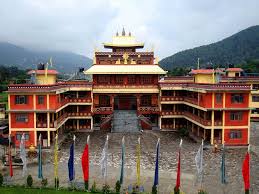
Rumtek Monastery is one of the most important Buddhist centers near Gangtok and a must-visit for travelers seeking spiritual and cultural depth. It offers a calmer experience compared with busy city streets and is ideal for visitors who want architecture, prayer-space atmosphere, and monastic heritage in one stop.
Keep enough time to experience the space respectfully rather than treating it as a quick photo point. This route pairs well with a lighter evening plan back in city center.
4. MG Marg and City Core
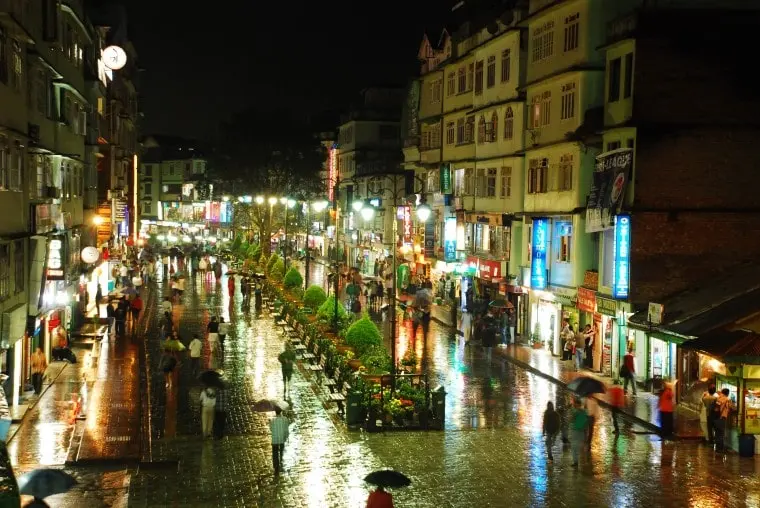
MG Marg is the heart of Gangtok's urban visitor experience. It is known for clean pedestrian movement, cafes, shops, and evening city energy. For many travelers, this is the most comfortable place to spend downtime between day excursions. It is also a strong base for food exploration and souvenir shopping.
Plan your market walk in the evening after excursion-heavy daytime movement. If you want a dedicated shopping day, pair MG Marg with shopping in Gangtok, New Market, and Old Market Sikkim.
5. Ban Jhakri Falls and Energy Park
Ban Jhakri Falls is a family-friendly attraction near Gangtok, combining landscaped park space and waterfall visuals. It works well as a lower-intensity stop, especially for travelers who have already completed high-altitude day routes. The site is easy to include in half-day city plans.
Visit during daylight and keep this as part of a wider city loop rather than a standalone day.
6. Ganesh Tok and Hanuman Tok
Ganesh Tok and Hanuman Tok are classic Gangtok viewpoints and temple stops, popular for mountain panoramas and sunrise/sunset atmosphere depending on weather. Hanuman Tok is often preferred for clear city-and-range views when visibility is good. These stops are short but memorable and are ideal for travelers with limited time.
Morning is generally the better window for cleaner visibility, especially outside monsoon.
7. Himalayan Zoological Park and Nature Side Stops
The Himalayan Zoological Park area is suitable for travelers interested in regional highland fauna context and forest-edge movement without committing to deeper wilderness routes. This stop works best for families and slower itineraries. Pair it with one viewpoint and one market segment for a balanced day.
If your focus is pure city culture, you may skip this and allocate more time to monasteries and markets.
8. Enchey Monastery and Tsuklakhang Circuit
Gangtok has multiple monastery options beyond Rumtek. Adding one city-side monastery such as Buddhism in Sikkim context or similar routes gives spiritual continuity without long transfers. These stops are especially valuable for travelers interested in Sikkim's Buddhist cultural identity.
Keep noise low, follow local etiquette, and avoid crowding ritual spaces.
9. Lal Bazaar and Local Market Experience
Lal Bazaar offers a more local market profile compared with MG Marg. You can see produce, daily goods, and local buying behavior that reflects Gangtok's everyday life beyond tourism-facing storefronts. It is good for cultural observation and practical purchases.
Use this market in daylight hours and combine with nearby city attractions rather than late-night plans.
10. One-Day, Two-Day, and Three-Day Gangtok Itineraries
One-Day Fast Plan
- Morning: city viewpoints (Ganesh Tok / Hanuman Tok)
- Afternoon: Rumtek or Ban Jhakri
- Evening: MG Marg and dining
Two-Day Balanced Plan
- Day 1: Tsomgo excursion (permit route)
- Day 2: Rumtek + city markets + viewpoints
Three-Day Better Coverage Plan
- Day 1: Tsomgo/Nathula route (if permits and weather allow)
- Day 2: Monastery circuit + Ban Jhakri + MG Marg
- Day 3: Zoological/nature side + market depth + cafes
Three days gives better flexibility against weather and permit uncertainty.
11. Best Time to Visit Gangtok
Gangtok can be visited throughout the year, but trip quality changes by season. March to June and October to mid-December are commonly preferred for comfortable movement and clearer views. Monsoon months can bring heavy rain and road variability, while winter can provide dramatic high-altitude scenery but colder conditions on permit routes.
- Mar-Jun: pleasant city weather and good sightseeing windows.
- Oct-Dec: clearer skies and strong mountain visibility.
- Jan-Feb: colder high-altitude circuits with snow chances.
- Jul-Sep: lush monsoon landscapes but higher travel uncertainty.
12. How to Reach Gangtok and Permit Notes
Most travelers reach Gangtok via Bagdogra/Pakyong side access and rail-linked gateways in North Bengal, then continue by road. Road conditions and travel time vary by season and traffic. For high-altitude permit routes (Tsomgo/Nathula sector), paperwork should be arranged in advance through authorized channels.
Official Sikkim Tourism guidance indicates protected area permits for key East Sikkim sectors are processed through designated systems and agencies. Always follow latest official instructions instead of outdated forum advice.
13. Practical Travel Tips for Gangtok
- Keep one full buffer half-day for weather-related changes.
- Carry both warm layers and rain protection in shoulder seasons.
- Do not overpack high-altitude and city-heavy routes in one day.
- Keep IDs and permit copies accessible at checkpoints.
- Hydrate well on Tsomgo/Nathula day circuits.
For meal planning, refer to best restaurants in Gangtok.
14. Budget and Stay-Zone Strategy
Your stay location in Gangtok affects traffic exposure and evening convenience. Staying near MG Marg side is useful for walkability and food access, while quieter peripheral stays can suit slower travel styles. Budget planning should prioritize transport and permit-route logistics first, then accommodation category.
For most travelers, a mid-range stay with central access gives the best balance between comfort and movement efficiency.
15. Common Mistakes to Avoid
- Assuming Nathula is always open and permit-approved.
- Ignoring acclimatization and layering needs on high-altitude days.
- Trying Tsomgo, monastery circuit, and full city market in one day.
- Relying only on one payment mode in mixed market zones.
- Not checking latest official permit requirements before departure.
A realistic route with buffers improves trip quality far more than attraction count maximization.
16. Acclimatization and Health Readiness for High-Altitude Excursions
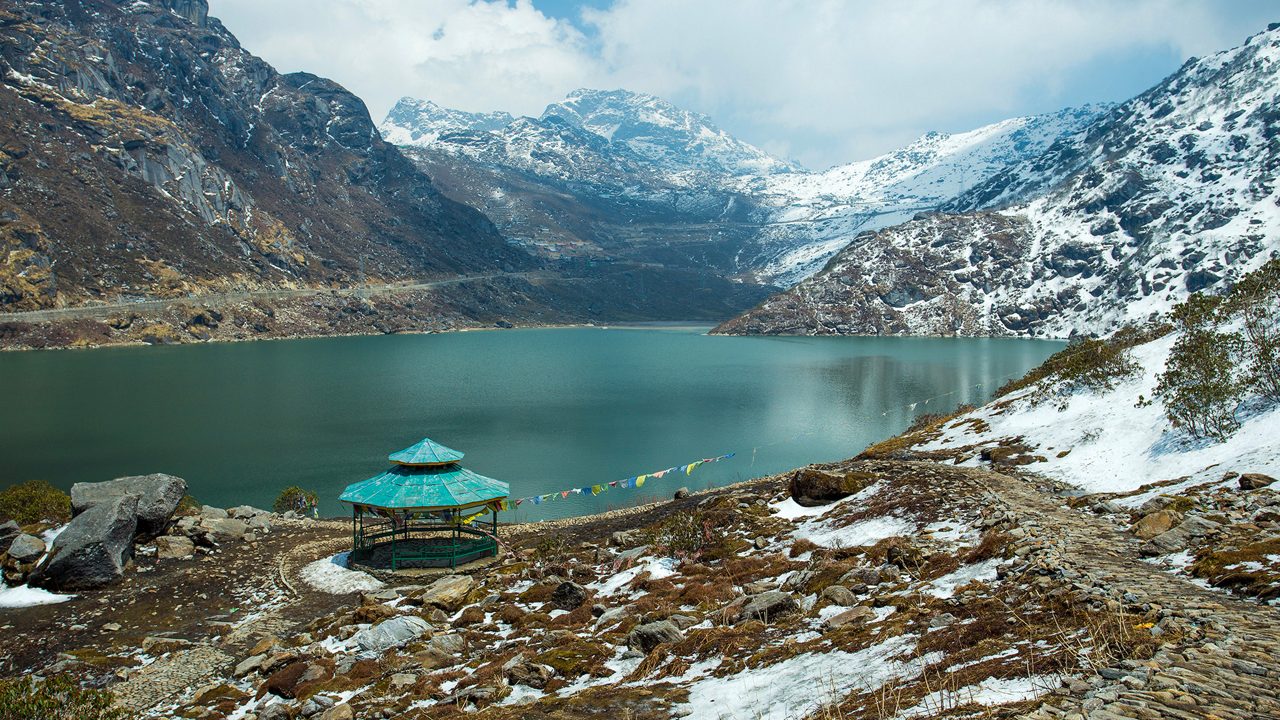
Many Gangtok itineraries include high-altitude day routes where weather and oxygen levels can feel very different from city center conditions. Keep the first day lighter if possible, hydrate well, and avoid heavy exertion before Tsomgo-Nathula circuits. Travelers with respiratory concerns should seek medical advice before planning rapid elevation gain routes.
A practical approach is to keep one backup city plan in case permits or weather impact your excursion day. This keeps your trip productive even when high-altitude movement is restricted.
- Carry layered clothing, gloves, and wind protection.
- Avoid overexertion at altitude if you feel discomfort.
- Keep basic medicines and emergency contacts ready.
- Return early if weather visibility starts dropping.
Final Take
The best places to visit in Gangtok combine high-altitude classics like Tsomgo and Nathula, spiritual depth at Rumtek, and urban comfort at MG Marg and local markets. Plan by route logic, respect permit processes, and keep weather flexibility built into every day. With that approach, Gangtok becomes one of the most rewarding hill-city gateways in India.
Location
Frequently Asked Questions
Q1.How many days are enough for Gangtok?
Q2.What is the best time to visit Gangtok?
Q3.How do I reach Gangtok from Bagdogra?
Q4.Is Nathula Pass open throughout the year?
Q5.Do we need permits for Tsomgo Lake and Nathula?
Q6.What is famous in Gangtok for shopping?
Q7.Is Gangtok safe for solo travelers?
Q8.What is the distance from Gangtok to Darjeeling?
Recommended For You
Best Restaurants in Gangtok: Local Cuisine, Cafes & View Spots
Explore the best restaurants in Gangtok with MG Marg picks, Tibetan and Sikkimese food, budget tips, and must-try local dishes for every traveler.
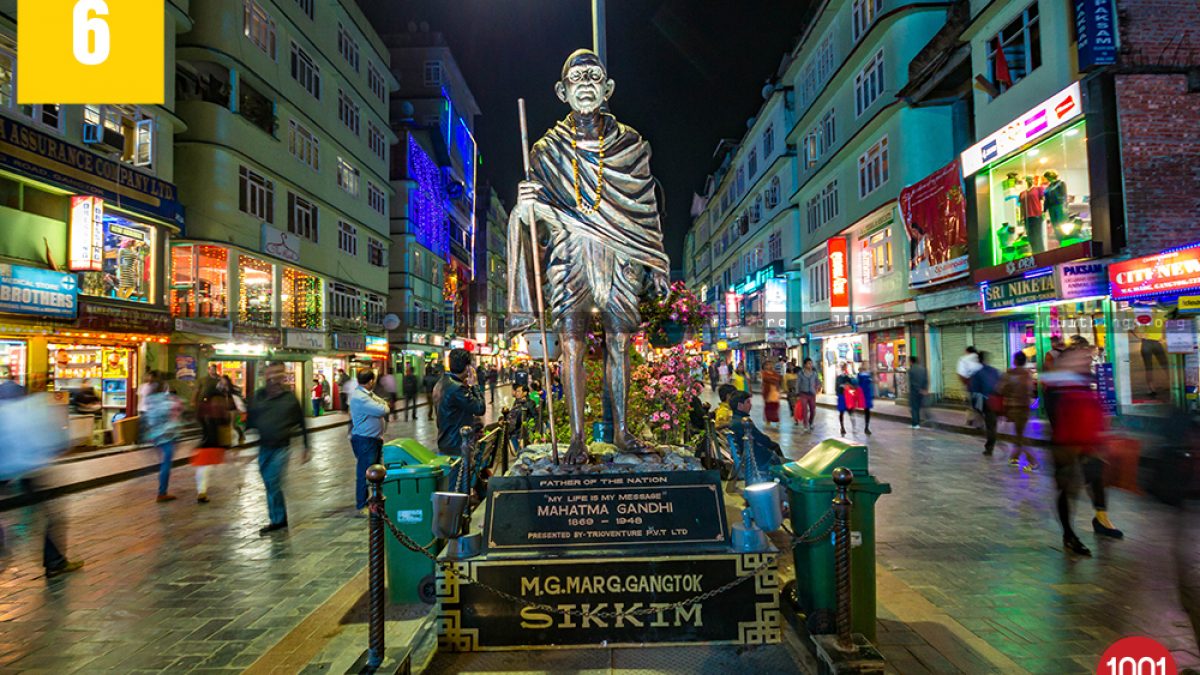
MG Marg Gangtok: Shopping, Cafes & Evening Walk Highlights
Discover MG Marg Gangtok: India's cleanest pedestrian mall with Tibetan handicrafts, cafes, shopping & food guide.

Shopping in Gangtok: MG Marg & Local Markets
Discover shopping in Gangtok Sikkim: MG Marg pedestrian street, Tibetan handicrafts, Temi tea & Buddhist souvenirs. Complete Himalayan shopping guide.
Never Miss an Adventure
Get the latest trekking guides, travel tips, and exclusive offers delivered straight to your inbox.
