
Best Places to Visit Rajasthan: Top 20 Destinations
Rohit Verma
February 19, 2026
Explore the best places to visit Rajasthan, India's royal state. Discover Jaipur's pink forts, Udaipur's romantic lakes, Jodhpur's blue streets, and Jaisalmer's golden desert with this comprehensive guide.
Introduction: The Land of Kings
Rajasthan, the largest state in India, is a mesmerizing tapestry of colors, culture, and courage. Known as the "Land of Kings," this royal state boasts magnificent forts, opulent palaces, golden deserts, and vibrant traditions that have captivated travelers for centuries. From the pink-hued streets of Jaipur to the serene lakes of Udaipur, every corner of Rajasthan tells a story of valor, romance, and architectural brilliance. The state's rich heritage dates back to ancient times, when Rajput warriors ruled these lands with honor and chivalry. Their legacy lives on through the imposing forts that stand as silent sentinels of history and the palaces that now welcome travelers from around the world. Rajasthan is not just a destination; it's an experience that transports you to an era of kings and queens, where every monument has a tale to tell. Whether you're a history enthusiast, a culture seeker, or simply someone looking for an unforgettable journey, Rajasthan offers something special for everyone. The state's diverse landscapes range from the arid Thar Desert to the lush hills of Mount Abu, providing a variety of experiences within one region. Let's explore the best places to visit in Rajasthan and discover what makes each destination unique.
Jaipur - The Pink City
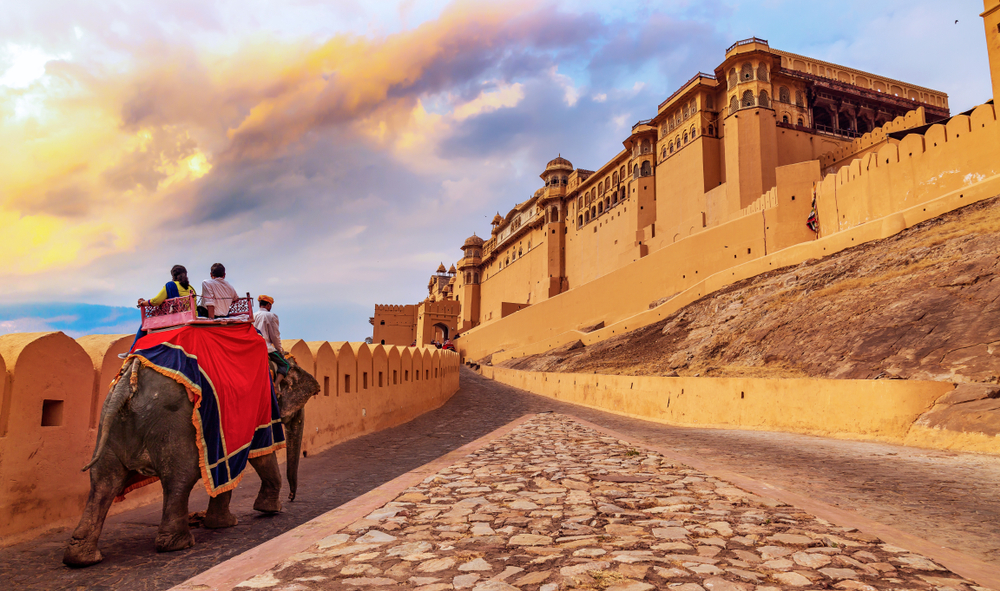
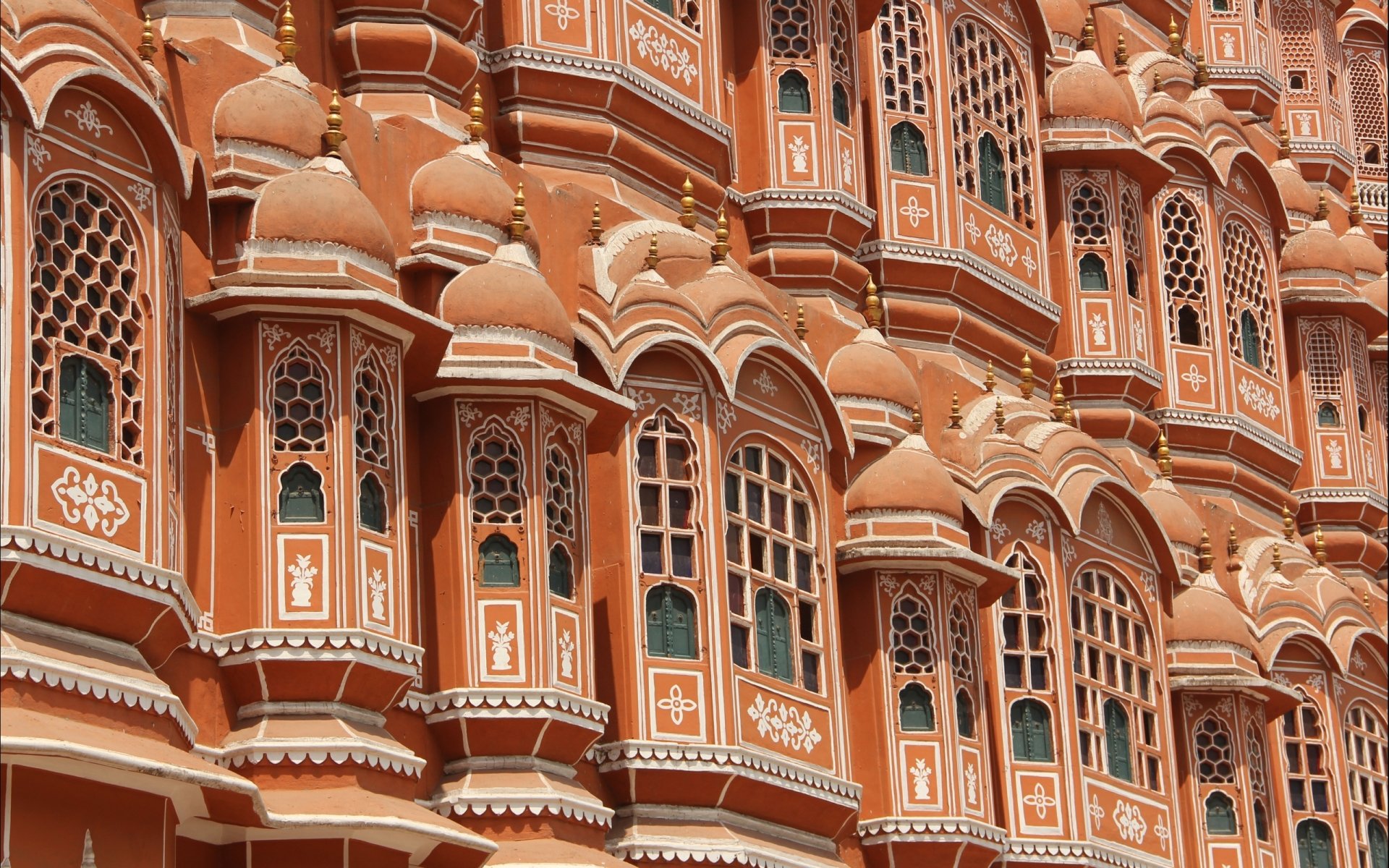
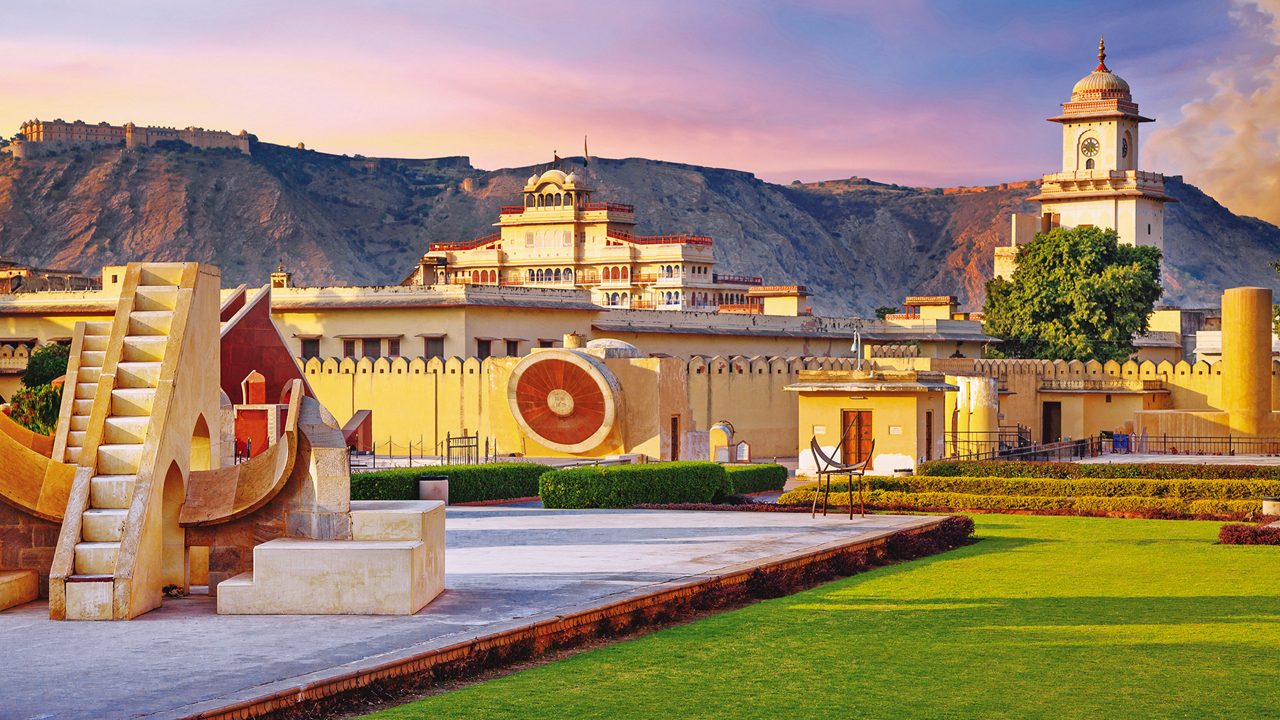
Jaipur, the capital of Rajasthan, is affectionately known as the Pink City due to the distinctive color of its buildings. Founded in 1727 by Maharaja Sawai Jai Singh II, Jaipur is a perfect blend of ancient heritage and modern vibrancy. The city's planning was far ahead of its time, designed according to Vastu Shastra principles with wide streets and distinct sectors. The Hawa Mahal, or Palace of Winds, is Jaipur's most iconic landmark. This five-story structure with 953 small windows (jharokhas) was built for the royal ladies to observe street festivals and daily life without being seen. The honeycomb-shaped facade creates a stunning visual, especially during sunrise when it glows golden-pink. Don't miss exploring the different floors and enjoying panoramic views of the city from the top. The Amber Fort, located just outside Jaipur, is a majestic example of Rajput architecture. This UNESCO World Heritage Site sits atop a hill and can be reached by a thrilling elephant ride or a jeep safari. The fort's Sheesh Mahal (Mirror Palace) is a masterpiece where walls and ceilings are adorned with thousands of mirror tiles that reflect light to create a dazzling effect. The Diwan-e-Aam and Diwan-e-Khas showcase the grandeur of royal gatherings. The City Palace complex in the heart of Jaipur continues to be the residence of the royal family. Part of it has been converted into a museum displaying royal costumes, manuscripts, and weapons. The blend of Mughal and Rajput architecture is evident in the intricate peacock gates and courtyard designs. The Jantar Mantar observatory, a UNESCO site, houses the world's largest stone sundial and 19 other architectural astronomical instruments built by Maharaja Jai Singh II.
For stunning sunset views, visit Nahargarh Fort perched on the Aravalli hills. The fort's name means "abode of tigers," and it offers a panoramic view of the pink city. In the evenings, the fort comes alive with locals and tourists enjoying the cool breeze and scenic vistas. Don't forget to explore Jaipur's vibrant bazaars - Johari Bazaar for jewelry, Bapu Bazaar for textiles, and Tripolia Bazaar for handicrafts.
The City Palace complex in the heart of Jaipur continues to be the residence of the royal family. Part of it has been converted into a museum displaying royal costumes, manuscripts, and weapons. The blend of Mughal and Rajput architecture is evident in the intricate peacock gates and courtyard designs. The Jantar Mantar observatory, a UNESCO site, houses the world's largest stone sundial and 19 other architectural astronomical instruments built by Maharaja Jai Singh II.
For stunning sunset views, visit Nahargarh Fort perched on the Aravalli hills. The fort's name means "abode of tigers," and it offers a panoramic view of the pink city. In the evenings, the fort comes alive with locals and tourists enjoying the cool breeze and scenic vistas. Don't forget to explore Jaipur's vibrant bazaars - Johari Bazaar for jewelry, Bapu Bazaar for textiles, and Tripolia Bazaar for handicrafts.
| Attraction | Best Time to Visit | Entry Fee (Indians) | Timings |
|---|---|---|---|
| Hawa Mahal | Early Morning | ₹50 | 9:00 AM - 4:30 PM |
| Amber Fort | October - March | ₹25 | 8:00 AM - 5:30 PM |
| City Palace | October - March | ₹130 | 9:30 AM - 5:00 PM |
| Jantar Mantar | October - March | ₹50 | 9:00 AM - 4:30 PM |
Udaipur - The City of Lakes
Udaipur, often called the "Venice of the East" or the "City of Lakes," is Rajasthan's most romantic destination. Founded by Maharana Udai Singh II in 1559, the city is built around the shimmering Lake Pichola and surrounded by the Aravalli hills. Udaipur's serene ambiance, beautiful lakes, and stunning palaces make it a favorite among couples and honeymooners. The City Palace of Udaipur is the largest palace complex in Rajasthan, standing majestically on the banks of Lake Pichola. This architectural marvel showcases a blend of Rajasthani and Mughal styles with intricately designed balconies, towers, and cupolas. The palace museum displays incredible artifacts including crystal chairs, porcelain, and miniature paintings. The Moran Chowk with its beautiful peacock mosaics is a highlight not to be missed. Lake Pichola is the heart of Udaipur, offering magical boat rides especially during sunset. The lake is dotted with two island palaces - Jag Mandir and Jag Niwas (now the luxurious Lake Palace Hotel). A boat ride on these calm waters, with the City Palace reflecting in the lake and the hills creating a stunning backdrop, is an experience you'll cherish forever. The Saheliyon ki Bari, or Garden of the Maidens, is a beautiful garden with fountains, kiosks, marble elephants, and a lotus pool. Built for the 48 attendants who accompanied the princess as dowry, this garden offers a peaceful retreat from the city's hustle. The Monsoon Palace (Sajjangarh Fort), situated on a hilltop, offers breathtaking views of Udaipur's lakes and the surrounding countryside, especially during monsoon when the palace seems to float above the clouds.
Udaipur is also known for its vibrant arts and crafts scene. The streets around the City Palace are filled with shops selling miniature paintings, colorful puppets, silver jewelry, and textiles. Don't miss exploring the Bagore ki Haveli, a beautifully restored mansion on the waterfront of Lake Pichola, which now houses a museum displaying costumes, modern art, and glasswork.
The Saheliyon ki Bari, or Garden of the Maidens, is a beautiful garden with fountains, kiosks, marble elephants, and a lotus pool. Built for the 48 attendants who accompanied the princess as dowry, this garden offers a peaceful retreat from the city's hustle. The Monsoon Palace (Sajjangarh Fort), situated on a hilltop, offers breathtaking views of Udaipur's lakes and the surrounding countryside, especially during monsoon when the palace seems to float above the clouds.
Udaipur is also known for its vibrant arts and crafts scene. The streets around the City Palace are filled with shops selling miniature paintings, colorful puppets, silver jewelry, and textiles. Don't miss exploring the Bagore ki Haveli, a beautifully restored mansion on the waterfront of Lake Pichola, which now houses a museum displaying costumes, modern art, and glasswork.
Jodhpur - The Blue City
Jodhpur, the second-largest city in Rajasthan, is dominated by the massive Mehrangarh Fort, one of the largest forts in India. The fort sits atop a 150-meter high hill and offers spectacular views of the blue-washed houses below, earning Jodhpur the nickname "The Blue City." The blue color traditionally denoted Brahmin households but now extends throughout the old city. Mehrangarh Fort is an architectural masterpiece with imposing walls that rise up to 36 meters high and 21 meters wide in some places. The fort's palaces, including the Phool Mahal (Flower Palace) and Sheesh Mahal (Mirror Palace), showcase intricate carvings, expansive courtyards, and stunning views of the city. The fort also houses a museum displaying royal artifacts including palanquins, arms, costumes, and paintings. The Jaswant Thada, often called the Taj Mahal of Marwar, is a beautiful white marble cenotaph built in memory of Maharaja Jaswant Singh II. The monument features delicate marble lattice work and portraits of Rathore rulers. The serene surroundings and the reflection of the monument in the small lake make it a perfect spot for photography and quiet contemplation.
The Umaid Bhawan Palace, one of the world's largest private residences, is a blend of Indian and European architectural styles. Built between 1928 and 1943, the palace is divided into three parts - a luxury Taj hotel, a royal residence, and a museum displaying vintage cars, clocks, and royal artifacts. The golden-yellow sandstone monument appears especially beautiful during sunset.
Exploring the blue streets of the old city is an experience in itself. Wander through the narrow lanes near the Clock Tower, the heart of the old city, where you'll find vibrant markets selling spices, textiles, handicrafts, and antiques. The Toorji ka Jhalra, an ancient stepwell, has been beautifully restored and is a great spot to appreciate the architectural ingenuity of the past while enjoying a quiet moment away from the bustling streets.
The Jaswant Thada, often called the Taj Mahal of Marwar, is a beautiful white marble cenotaph built in memory of Maharaja Jaswant Singh II. The monument features delicate marble lattice work and portraits of Rathore rulers. The serene surroundings and the reflection of the monument in the small lake make it a perfect spot for photography and quiet contemplation.
The Umaid Bhawan Palace, one of the world's largest private residences, is a blend of Indian and European architectural styles. Built between 1928 and 1943, the palace is divided into three parts - a luxury Taj hotel, a royal residence, and a museum displaying vintage cars, clocks, and royal artifacts. The golden-yellow sandstone monument appears especially beautiful during sunset.
Exploring the blue streets of the old city is an experience in itself. Wander through the narrow lanes near the Clock Tower, the heart of the old city, where you'll find vibrant markets selling spices, textiles, handicrafts, and antiques. The Toorji ka Jhalra, an ancient stepwell, has been beautifully restored and is a great spot to appreciate the architectural ingenuity of the past while enjoying a quiet moment away from the bustling streets.
Jaisalmer - The Golden City
Jaisalmer, rising from the heart of the Thar Desert, is a golden miracle that seems straight out of an Arabian Nights tale. The city gets its name from the yellow sandstone used in all its buildings, which glow beautifully during sunset, earning it the title "The Golden City." The Jaisalmer Fort, a living fort with thousands of people still residing within its walls, dominates the landscape. Unlike most forts in India, Jaisalmer Fort is a living monument where you'll find shops, hotels, restaurants, and homes within its massive walls. The fort's yellow sandstone creates a camouflaged effect, blending seamlessly with the desert. The four massive gateways - Akhai Pole, Suraj Pole, Ganesh Pole, and Hawa Pole - lead you into a world of narrow lanes lined with beautiful havelis and temples. The Patwon ki Haveli is a cluster of five havelis built by a wealthy merchant brothers in the 19th century. This architectural marvel features intricate carvings, beautiful jharokhas (balconies), and elaborate mirror work. The first haveli is now a museum displaying artifacts from the merchant era, giving visitors a glimpse into the opulent lifestyle of Jaisalmer's wealthy traders. No visit to Jaisalmer is complete without experiencing the Thar Desert. The Sam Sand Dunes, about 40 kilometers from the city, offer spectacular desert camping experiences. Enjoy camel safaris at sunset, watch traditional folk performances under the starlit sky, and spend the night in luxury tents. The desert comes alive with cultural evenings featuring Kalbeliya dance, puppet shows, and traditional Rajasthani music.
The Gadisar Lake, a man-made reservoir, is a serene spot in the middle of the desert. Built by Maharwal Gadsi Singh in the 14th century, the lake was once the only source of water for Jaisalmer. Today, it's a peaceful spot where you can enjoy boat rides while admiring the beautiful temples and ghats surrounding the lake. The Desert National Park, located near Jaisalmer, is home to unique desert wildlife including the Great Indian Bustard, desert foxes, and chinkaras.
No visit to Jaisalmer is complete without experiencing the Thar Desert. The Sam Sand Dunes, about 40 kilometers from the city, offer spectacular desert camping experiences. Enjoy camel safaris at sunset, watch traditional folk performances under the starlit sky, and spend the night in luxury tents. The desert comes alive with cultural evenings featuring Kalbeliya dance, puppet shows, and traditional Rajasthani music.
The Gadisar Lake, a man-made reservoir, is a serene spot in the middle of the desert. Built by Maharwal Gadsi Singh in the 14th century, the lake was once the only source of water for Jaisalmer. Today, it's a peaceful spot where you can enjoy boat rides while admiring the beautiful temples and ghats surrounding the lake. The Desert National Park, located near Jaisalmer, is home to unique desert wildlife including the Great Indian Bustard, desert foxes, and chinkaras.
Other Must-Visit Cities in Rajasthan
While the four main cities dominate most Rajasthan itineraries, the state has several other gems worth exploring. Bikaner, located in the heart of the Thar Desert, is home to the magnificent Junagarh Fort, one of the few major forts in Rajasthan not built on a hilltop. The fort complex features beautiful palaces, temples, and pavilions showcasing a blend of Rajput and Mughal architecture. Bikaner is also famous for its camel breeding farm and the annual Camel Festival held in January. Pushkar, one of India's oldest cities, holds immense religious significance as home to the only temple dedicated to Lord Brahma in the world. The sacred Pushkar Lake, surrounded by 52 ghats and hundreds of temples, attracts thousands of pilgrims who believe a dip in its waters washes away all sins. The town comes alive during the annual Pushkar Fair, one of the world's largest cattle fairs, where thousands of camels and cattle are traded alongside cultural events and competitions. Ajmer, located just 15 kilometers from Pushkar, is home to the Ajmer Sharif Dargah, the shrine of Sufi saint Khwaja Moinuddin Chishti. This revered pilgrimage site attracts devotees from all religions who come to seek blessings. The dargah complex includes beautiful buildings, courtyards, and massive cauldrons used to prepare food for devotees. The Adhai Din Ka Jhonpra, a mosque built in just two and a half days, is a architectural marvel featuring intricately carved pillars. Mount Abu, Rajasthan's only hill station, offers a refreshing escape from the desert heat. Situated at an altitude of 1,220 meters, this cool retreat is home to the magnificent Dilwara Temples, a complex of five Jain temples known for their stunning marble architecture. The intricate marble carvings on the ceilings, pillars, and doorways are so delicate that they seem almost translucent. The Nakki Lake, surrounded by hills and rocks, is perfect for boating, and the sunset point offers panoramic views of the surrounding landscape. For wildlife enthusiasts, Ranthambore National Park is one of India's premier tiger reserves. Located in Sawai Madhopur district, the park is spread over 1,334 square kilometers and is home to the majestic Royal Bengal Tigers, leopards, sloth bears, and various species of deer. The Ranthambore Fort within the park adds a historical dimension to wildlife safaris. October to June is the best time to visit, with tiger sightings being most frequent during the summer months.Desert Experiences in Rajasthan
Rajasthan's desert experiences are among the most unique and memorable in India. The Thar Desert, also known as the Great Indian Desert, covers about 70% of Rajasthan's geographical area and offers adventures that range from luxury camping to cultural immersion. Desert camping in Jaisalmer's Sam and Khuri sand dunes is an absolute must-do. These camps offer a perfect blend of rustic charm and modern comfort. Imagine spending the night in traditional Swiss tents under a canopy of billions of stars, with the silence of the desert broken only by the gentle rustle of sand and distant folk music. Most desert camps include cultural programs featuring Kalbeliya dancers, known for their graceful and energetic performances, and traditional Manganiyar musicians whose soulful songs echo through the desert night. Camel safaris are the quintessential desert experience in Rajasthan. These gentle "ships of the desert" have been the primary mode of transport in this region for centuries. A camel safari takes you through remote villages, shifting sand dunes, and provides a unique perspective of desert life. The best time for a camel safari is late afternoon when the sun starts descending, painting the desert in golden hues. The safari typically ends at a sunset point where you can watch the sky transform through brilliant colors.
The Desert National Park in Jaisalmer district offers a different kind of desert experience. Spread over 3,162 square kilometers, it's one of the largest national parks in India. The park's landscape includes craggy rocks, compact salt lake bottoms, and intermedial sand dunes. It's home to several endangered species including the Great Indian Bustard, a critically endangered bird. Other wildlife includes desert foxes, chinkaras, desert cats, and various reptile species adapted to the harsh desert conditions.
The annual Desert Festival held in Jaisalmer (usually in February) is a three-day extravaganza that showcases Rajasthan's rich desert culture. The festival features camel races, turban tying competitions, longest mustache competitions, folk music and dance performances, and a spectacular sound and light show at the Sam Sand Dunes. It's the perfect time to experience the desert at its vibrant best.
Camel safaris are the quintessential desert experience in Rajasthan. These gentle "ships of the desert" have been the primary mode of transport in this region for centuries. A camel safari takes you through remote villages, shifting sand dunes, and provides a unique perspective of desert life. The best time for a camel safari is late afternoon when the sun starts descending, painting the desert in golden hues. The safari typically ends at a sunset point where you can watch the sky transform through brilliant colors.
The Desert National Park in Jaisalmer district offers a different kind of desert experience. Spread over 3,162 square kilometers, it's one of the largest national parks in India. The park's landscape includes craggy rocks, compact salt lake bottoms, and intermedial sand dunes. It's home to several endangered species including the Great Indian Bustard, a critically endangered bird. Other wildlife includes desert foxes, chinkaras, desert cats, and various reptile species adapted to the harsh desert conditions.
The annual Desert Festival held in Jaisalmer (usually in February) is a three-day extravaganza that showcases Rajasthan's rich desert culture. The festival features camel races, turban tying competitions, longest mustache competitions, folk music and dance performances, and a spectacular sound and light show at the Sam Sand Dunes. It's the perfect time to experience the desert at its vibrant best.
Best Time to Visit Rajasthan
Timing your Rajasthan visit correctly is crucial for a comfortable and enjoyable experience. The state has extreme climatic conditions, with scorching summers and chilly winters. Understanding the seasonal variations will help you plan your trip according to your preferences and the experiences you seek. Winter (October to March) is undoubtedly the best time to visit Rajasthan. The weather is pleasant with daytime temperatures ranging between 15°C to 25°C, making it perfect for sightseeing and outdoor activities. This is also the peak tourist season, so expect larger crowds and higher prices. December and January are the coolest months, with temperatures sometimes dropping to 5°C or lower at night, especially in desert areas. Pack warm clothing if you're visiting during these months. This season also hosts several major festivals including the Pushkar Fair (November) and the Desert Festival (January/February). Summer (April to June) is extremely hot with temperatures frequently exceeding 45°C during the day. This is the off-season, and while you'll find great deals on hotels and fewer tourists at popular sites, the heat can be overwhelming, especially for those not used to such extremes. However, if you can brave the heat, this is the best time for wildlife sightings in Ranthambore and Sariska national parks as animals congregate around water sources. Carry adequate sun protection, stay hydrated, and plan outdoor activities for early morning or late afternoon.| Season | Months | Temperature | Best For |
|---|---|---|---|
| Winter | October - March | 15°C - 25°C | Sightseeing, Desert Safari, Forts |
| Summer | April - June | 35°C - 48°C | Wildlife, Budget Travel |
| Monsoon | July - September | 25°C - 35°C | Green Landscapes, Photography |
Location
Frequently Asked Questions
Q1.What is the best time to visit Rajasthan?
Q2.How many days are enough for Rajasthan?
Q3.Which cities should I visit in Rajasthan?
Q4.Is Rajasthan safe for solo female travelers?
Q5.What is Rajasthan famous for?
Q6.Is it too hot in Rajasthan during summer?
Q7.How do I travel between cities in Rajasthan?
Q8.What should I pack for Rajasthan trip?
Recommended For You
Best Time to Visit Rajasthan: Weather by City & Ideal Travel Months
Plan the best time to visit Rajasthan with season-wise weather, month-by-month insights, activity timing, festival impact, and smart itinerary guidance.
Hawa Mahal Jaipur: Complete Guide to Palace of Winds
Discover Hawa Mahal, Jaipur's iconic Palace of Winds with 953 windows. Explore its history, unique architecture inspired by Lord Krishna's crown, and practical visitor information.
Jantar Mantar Jaipur: Timings, Tickets & Observatory Highlights
Explore Jantar Mantar Jaipur - the world's largest stone astronomical observatory. Get timings, entry fee, instruments guide & UNESCO heritage details.
Never Miss an Adventure
Get the latest trekking guides, travel tips, and exclusive offers delivered straight to your inbox.
