
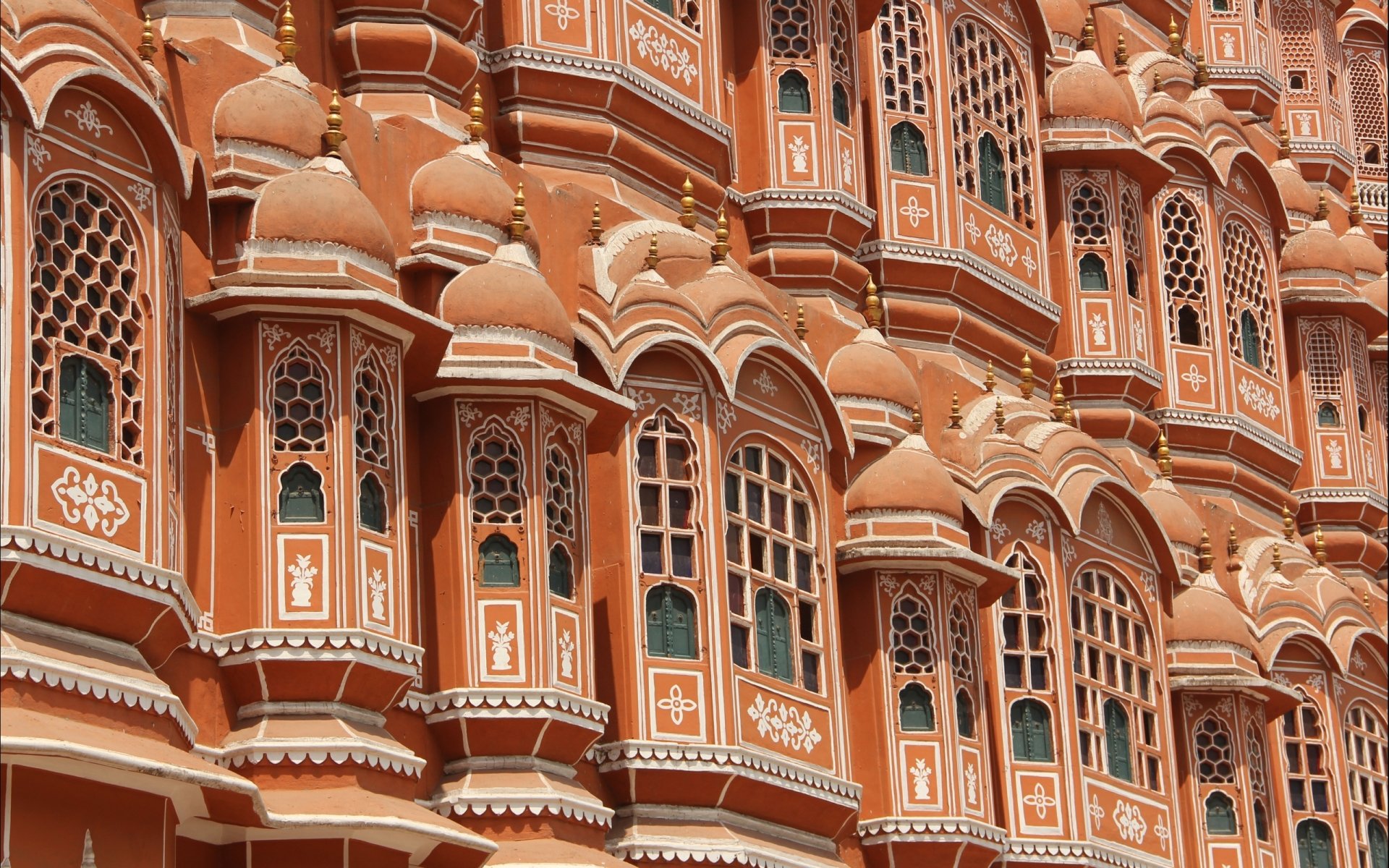
Hawa Mahal Jaipur: Complete Guide to Palace of Winds

Neha Kapoor
December 3, 2025
Discover Hawa Mahal, Jaipur's iconic Palace of Winds with 953 windows. Explore its history, unique architecture inspired by Lord Krishna's crown, and practical visitor information.
Jaipur's Iconic Pink Sandstone Masterpiece
Standing tall in the heart of Jaipur's Old City, Hawa Mahal reigns as one of Rajasthan's most distinctive architectural marvels and an enduring symbol of the Pink City's rich heritage. This stunning five-story palace, shaped like a honeycomb with its 953 intricate windows (jharokhas), has captivated travelers for over two centuries.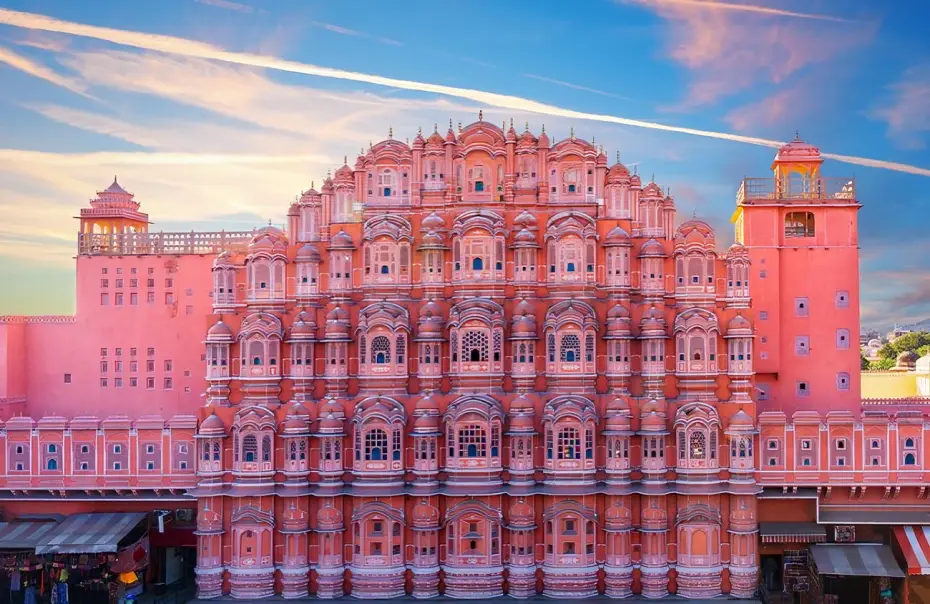 Built in 1799 by Maharaja Sawai Pratap Singh, Hawa Mahal translates to "Palace of Winds"—a name that perfectly captures its design purpose and ethereal beauty. The palace's striking pink and red sandstone exterior rises 50 feet from the street level, creating an impressive sight that has become synonymous with Jaipur's identity.
What makes Hawa Mahal truly remarkable is the ingenious engineering behind its design. The elaborate latticework windows were specifically crafted to allow royal women to observe street festivals and everyday life without being seen, adhering to the strict purdah system while still letting them experience the vibrant world outside.
Today, Hawa Mahal stands as a testament to the artistic vision and engineering prowess of Rajput architects. Whether you're a history enthusiast, architecture lover, or simply someone seeking to experience Jaipur's cultural treasures, this iconic monument offers a journey through time.
Built in 1799 by Maharaja Sawai Pratap Singh, Hawa Mahal translates to "Palace of Winds"—a name that perfectly captures its design purpose and ethereal beauty. The palace's striking pink and red sandstone exterior rises 50 feet from the street level, creating an impressive sight that has become synonymous with Jaipur's identity.
What makes Hawa Mahal truly remarkable is the ingenious engineering behind its design. The elaborate latticework windows were specifically crafted to allow royal women to observe street festivals and everyday life without being seen, adhering to the strict purdah system while still letting them experience the vibrant world outside.
Today, Hawa Mahal stands as a testament to the artistic vision and engineering prowess of Rajput architects. Whether you're a history enthusiast, architecture lover, or simply someone seeking to experience Jaipur's cultural treasures, this iconic monument offers a journey through time.
The Fascinating History Behind Hawa Mahal
The story of Hawa Mahal begins in 1799, when Maharaja Sawai Pratap Singh, the Kachhwaha ruler of Jaipur, commissioned this architectural masterpiece. The Maharaja, a devotee of Lord Krishna, was inspired by the temple architecture of Vrindavan. He wanted to create something that would reflect both his devotion and his kingdom's artistic prowess. He entrusted the design to Lal Chand Ustad, one of the most renowned architects of his time, who had already played a significant role in designing Jaipur's city layout.| Year | Historical Event |
|---|---|
| 1799 | Hawa Mahal built by Maharaja Sawai Pratap Singh |
| 18th Century | Designed as extension of City Palace complex |
| 1800s-1900s | Used as summer retreat by royal women |
| Present Day | Protected monument under Archaeological Survey of India |
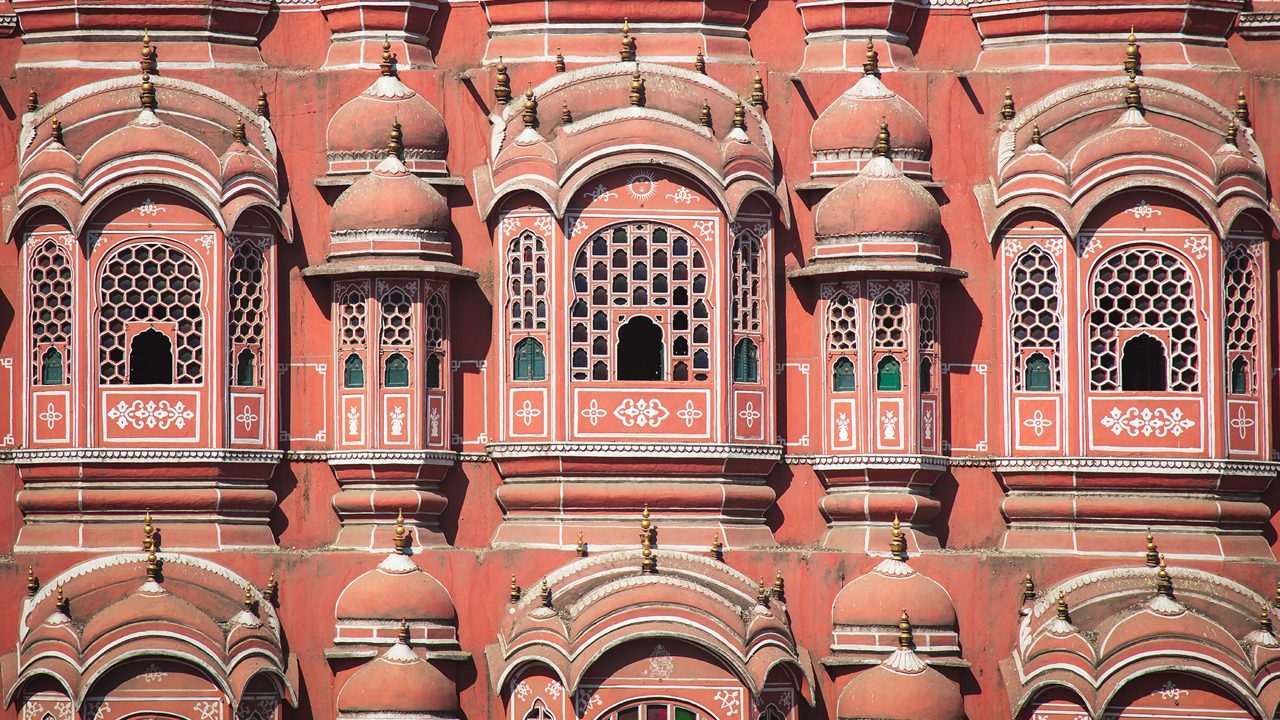 The pyramidal shape, with its five stories gradually narrowing as they rise, creates a silhouette that is both graceful and imposing—a true masterpiece of Rajput architecture.
Architectural Marvel: Understanding Hawa Mahal's Unique Design
The most striking feature of Hawa Mahal is undoubtedly its facade—a stunning example of Islamic and Rajput architectural fusion that resembles a giant honeycomb. The palace's exterior is adorned with 953 intricately carved jharokhas (windows), each a masterpiece of craftsmanship in its own right. These windows are not merely decorative; they serve the dual purpose of providing ventilation while maintaining the privacy of the royal women who once used them.| Feature | Details |
|---|---|
| Height | 50 feet (15 meters) |
| Floors | 5 stories |
| Windows | 953 jharokhas |
| Material | Red and pink sandstone |
| Architectural Style | Rajput and Islamic fusion |
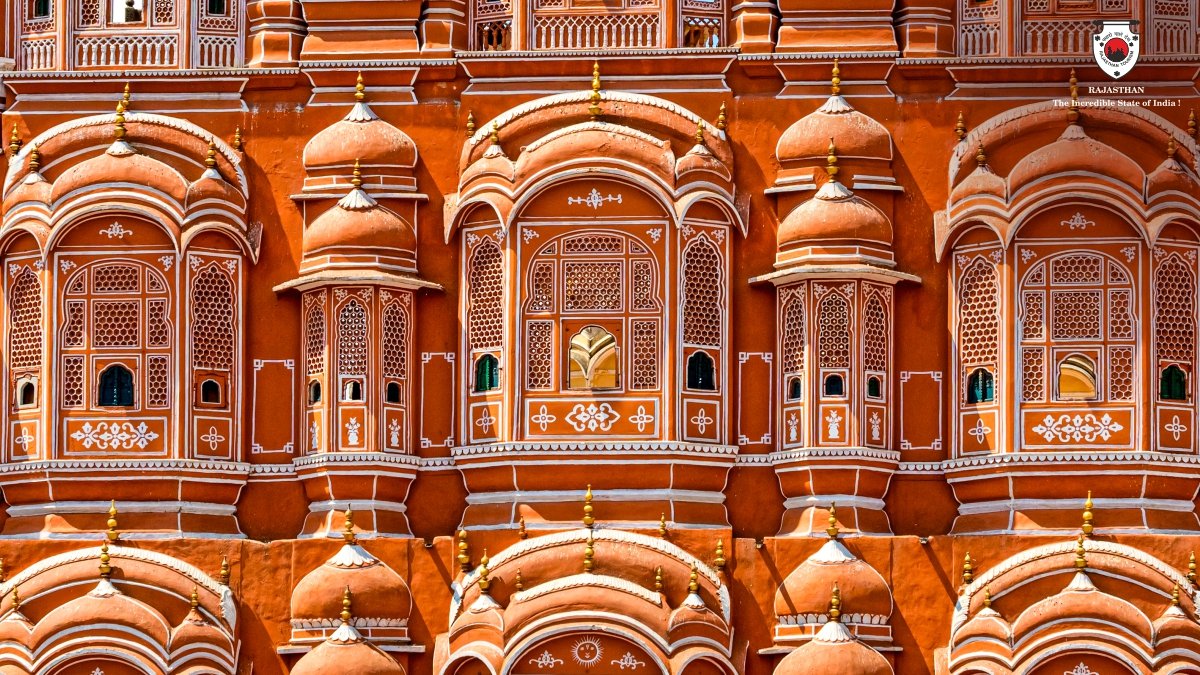 The top floor, known as the "Mukut Mandir" or Crown Temple, offers the most spectacular views of Jaipur's Old City and was particularly favored by the royal women for its panoramic vistas.
Best Time to Visit Hawa Mahal
Planning your visit to Hawa Mahal requires understanding Jaipur's seasonal variations and how they affect your experience.| Season | Months | Temperature | Pros | Cons |
|---|---|---|---|---|
| Winter | Oct - Mar | 20°C - 25°C | Ideal weather, clear skies | Peak tourist season |
| Summer | Apr - Jun | Up to 40°C | Fewer tourists | Extremely hot |
| Monsoon | Jul - Sep | 25°C - 30°C | Pleasant temperatures | Humidity, occasional rain |
Recommended Seasons
Winter (October to March) is undoubtedly the best time to visit Hawa Mahal. Daytime temperatures range from a comfortable 20°C to 25°C, making it perfect for exploring monuments on foot. The weather is pleasant, the skies are generally clear, and the cool temperatures make climbing stairs enjoyable. Summer in Rajasthan is intense, with daytime temperatures often exceeding 40°C. However, if you visit during summer, you'll encounter far fewer tourists. Plan your monument visits for early morning or late afternoon when temperatures are more bearable. The monsoon brings relief from the summer heat but also humidity. The pink sandstone of Hawa Mahal takes on a deeper, richer hue when wet, and the cloudy skies create dramatic lighting for photography.Best Time of Day
Early morning (9:00-10:00 AM) offers fewer crowds and excellent photography lighting. The soft morning light illuminates the pink sandstone beautifully, creating warm golden tones. Late afternoon (4:00-5:00 PM) during golden hour is equally spectacular, with the setting sun creating dramatic shadows.Practical Visitor Information
Timings and Entry Fee
Timings: Hawa Mahal is open to visitors throughout the week from 9:00 AM to 5:00 PM, giving visitors ample time to explore the palace at their own pace.| Category | Entry Fee |
|---|---|
| Indian Adults | ₹50 per person |
| Foreign Tourists | ₹200 per person |
| Jaipur Composite Ticket (Indians) | ₹300 |
| Jaipur Composite Ticket (Foreigners) | ₹1,000 |
What to Expect During Your Visit
Your visit to Hawa Mahal begins at the entrance on the side of the building, which can be somewhat confusing for first-time visitors expecting an entrance through the iconic facade. This side entrance was intentionally designed to maintain the royal women's privacy. As you enter, you'll notice an archaeological museum on the ground floor that houses various artifacts, paintings, and weapons from the Rajput era. While small, this museum provides valuable context for understanding the history and culture of the period.Essential Visitor Tips
- Wear comfortable shoes: You'll be climbing five floors of stairs
- Carry water: Especially important during summer months
- Start early: Beat the crowds and heat by visiting in the morning
- Bring a camera: The windows offer incredible photo opportunities
- Respect the monument: Don't lean on or damage the delicate jharokhas
- Allow 1-2 hours: Sufficient time to explore all floors properly
Location and How to Reach Hawa Mahal
Prime Location in Jaipur's Heart
Hawa Mahal enjoys a strategic location in the center of Jaipur's Old City, on the intersection of Badi Chaupad, the main market street. This central location makes it easily accessible from anywhere in Jaipur.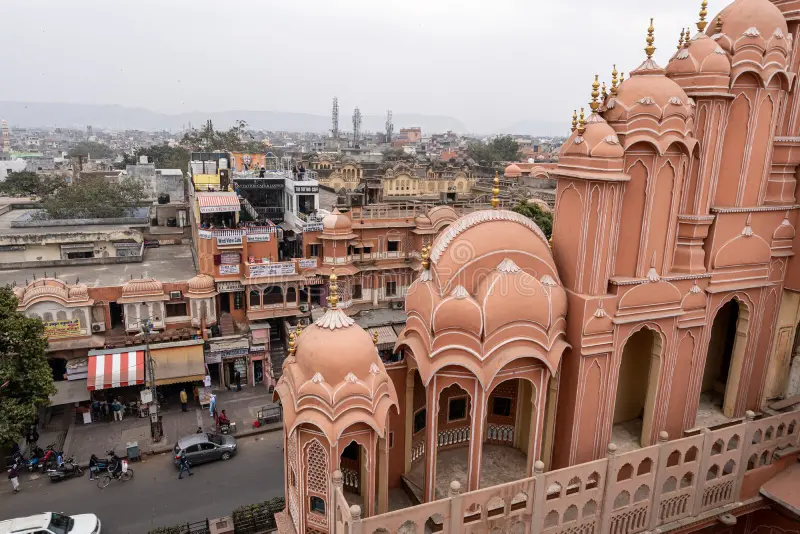 The palace is part of the larger City Palace complex and is surrounded by Jaipur's most famous markets, including Johari Bazaar (famous for jewelry) and Bapu Bazaar (known for textiles and handicrafts).
Transportation Options
| Transport Mode | Time | Cost (Approx.) |
|---|---|---|
| From Airport | 30-45 mins | ₹300-500 by taxi |
| From Railway Station | 15-20 mins | ₹50-70 by auto |
| From City Palace | 5 mins walk | Free |
| From Amer Fort | 30-40 mins | ₹200-300 by taxi |
Nearby Attractions: Complete Your Jaipur Experience
City Palace Jaipur
Located just a short walk from Hawa Mahal, the City Palace is a sprawling complex that served as the seat of the Maharaja of Jaipur. Since Hawa Mahal was originally built as part of the City Palace complex, visiting both gives you a complete understanding of how they functioned together in royal life.Jantar Mantar Observatory
Just a few minutes' walk from Hawa Mahal lies Jantar Mantar, an astronomical observatory built by Maharaja Sawai Jai Singh II. This UNESCO World Heritage Site features the world's largest stone sundial and numerous other architectural astronomical instruments.Amber Fort and Jaigarh Fort
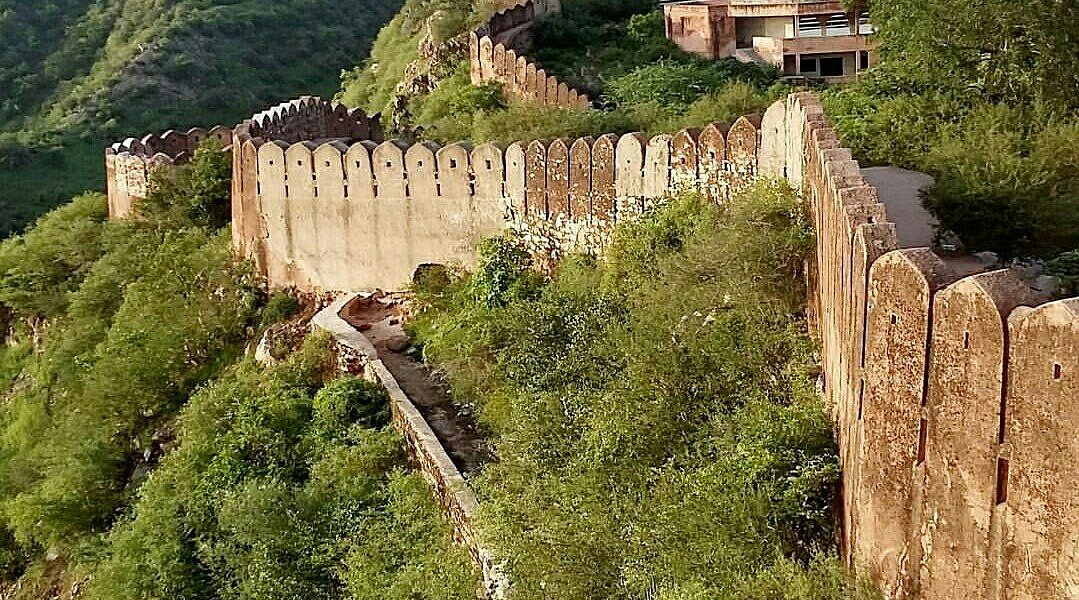
While slightly further away (approximately 11 kilometers from Hawa Mahal), the majestic Amber Fort is an essential stop on any Jaipur itinerary. Amber Fort, with its stunning blend of Hindu and Mughal architecture, offers beautiful mirror work and panoramic views of Maota Lake.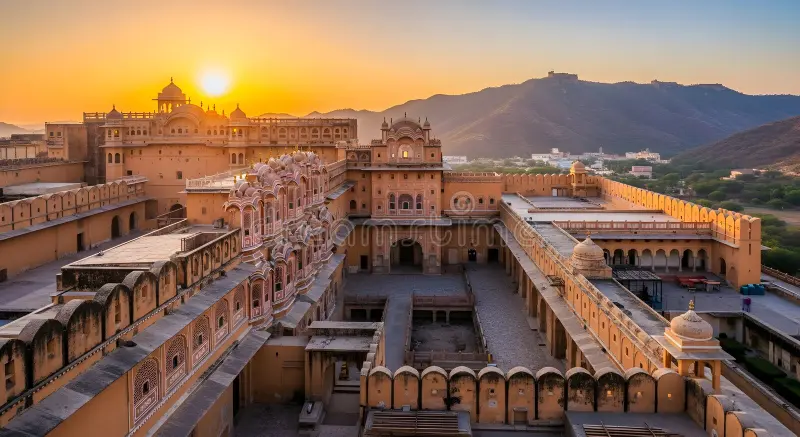 Jaigarh Fort, located above Amber Fort, offers spectacular views of the Aravalli hills and houses the world's largest cannon on wheels, Jaivana. These forts, along with Hawa Mahal and Nahargarh Fort, formed Jaipur's defensive network.
Photography Tips for Capturing Hawa Mahal
Exterior Photography
The iconic facade of Hawa Mahal is one of India's most photographed monuments. The best exterior shots are taken from the street directly in front of the palace. Early morning light (shortly after sunrise) creates soft, warm tones on the pink sandstone. For unique perspectives, try shooting from the side streets that intersect with the main road in front of Hawa Mahal. These angles allow you to capture the palace's unusual shape and the way it rises above the surrounding buildings.Interior Photography
When photographing through the jharokhas (windows), use the windows as natural frames for your shots. The intricate latticework creates beautiful foreground elements that add depth and interest to your compositions. The details of the latticework itself deserve close-up attention. Each window features different patterns and levels of intricacy. Use a zoom lens or macro lens to capture these details, highlighting the craftsmanship.Conservation and Responsible Tourism
As a centuries-old monument exposed to the elements, Hawa Mahal faces several conservation challenges. The Archaeological Survey of India has undertaken several conservation projects to preserve Hawa Mahal for future generations.How You Can Help
- Avoid touching windows: The oils from skin can damage the stone
- Don't lean on walls: The structure is fragile in places
- Respect barriers: Stay in designated visitor areas
- No flash photography: Protect the delicate stone work
- Carry out trash: Keep the monument clean
- Follow guidelines: Respect posted rules and regulations
Conclusion: Why Hawa Mahal Should Be on Your Bucket List
Hawa Mahal is more than just a monument—it's a testament to human creativity, architectural innovation, and the complexities of royal life in historic Rajasthan. Its unique design, born from the need to balance strict social customs with the royal women's desire to connect with the world outside, resulted in one of India's most recognizable landmarks. For photographers, history enthusiasts, architecture lovers, and curious travelers alike, Hawa Mahal offers something unique. Its unusual shape, intricate details, and fascinating history make it a destination that rewards careful exploration. Standing behind those latticed windows, watching Jaipur go by, you become part of a continuum that spans centuries, connecting you to the royal women who once stood in that exact spot, finding freedom and connection through the palace's brilliant design.Location
Frequently Asked Questions
Q1.What is the best time to visit Hawa Mahal?
Q2.What are Hawa Mahal's opening hours?
Q3.What is the entry fee for Hawa Mahal?
Q4.Why is Hawa Mahal called the Palace of Winds?
Q5.Who built Hawa Mahal and when?
Q6.How many floors does Hawa Mahal have?
Q7.What is the significance of Hawa Mahal's 953 windows?
Q8.Is photography allowed inside Hawa Mahal?
Q9.How much time should I spend at Hawa Mahal?
Q10.What are the nearby attractions to Hawa Mahal?
Q11.How do I reach Hawa Mahal from Jaipur airport?
Q12.What is the architectural style of Hawa Mahal?
Recommended For You
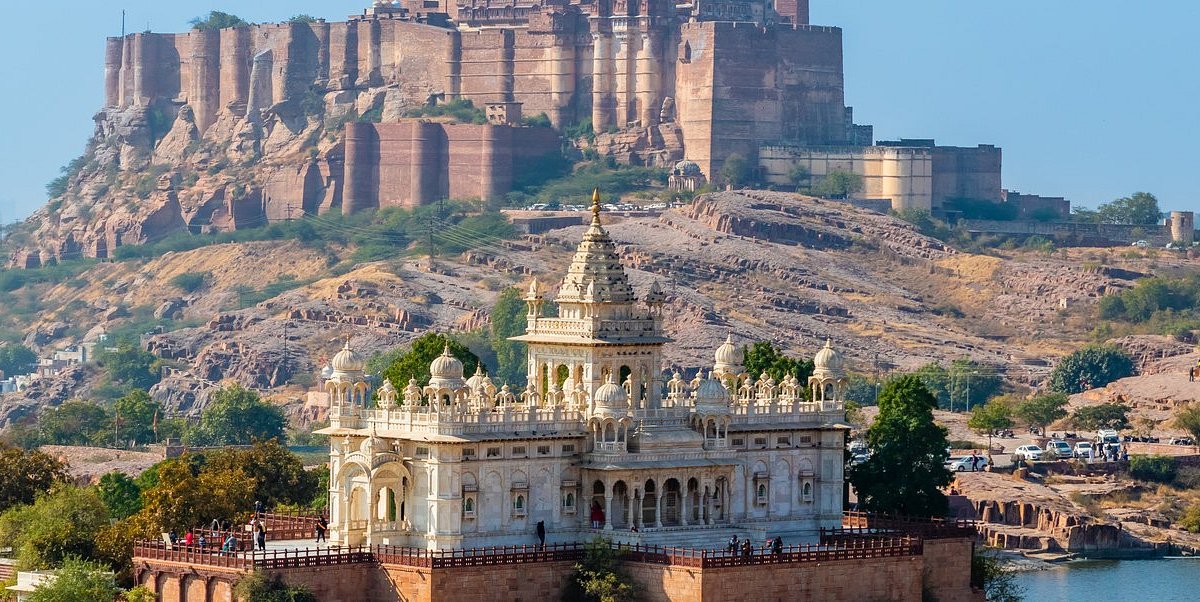
Things to Do in Rajasthan: Desert, Heritage & Cultural Experiences
Discover 50 amazing things to do in Rajasthan - explore forts, palaces, deserts, culture & cuisine. Complete guide with timings, fees & tips for 2026.
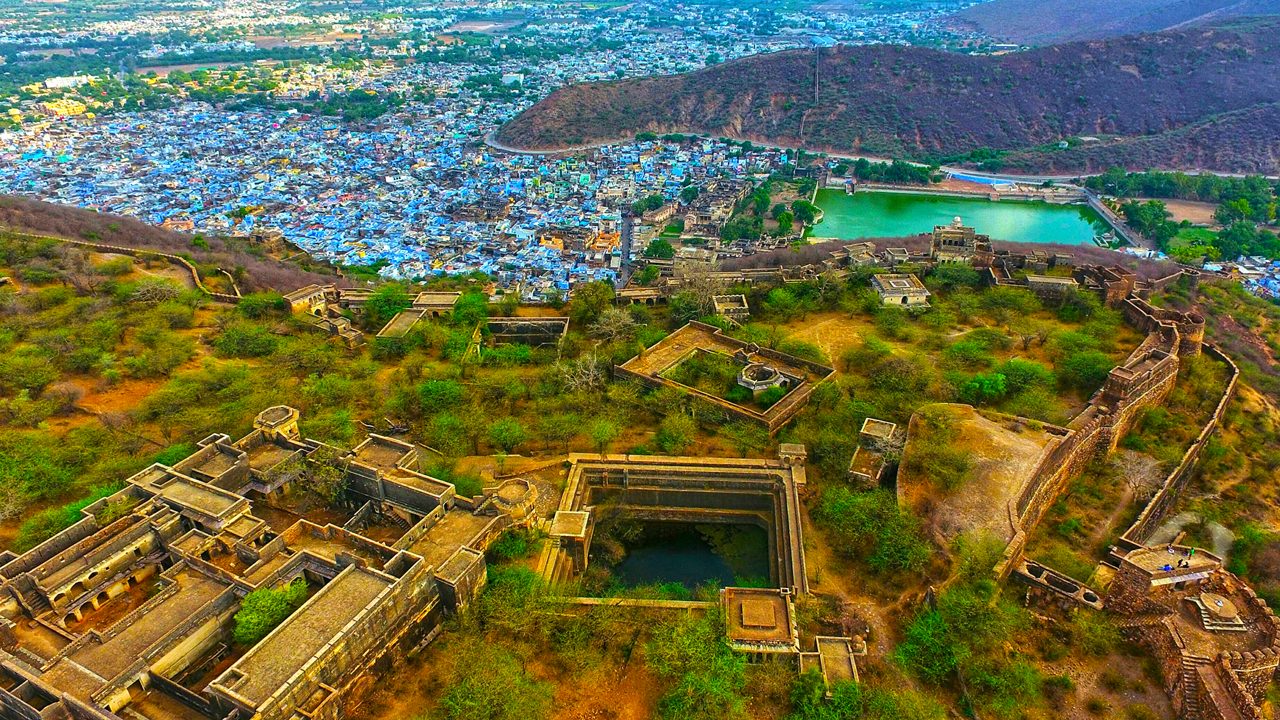
Best Time to Visit Rajasthan: Weather by City & Ideal Travel Months
Plan the best time to visit Rajasthan with season-wise weather, month-by-month insights, activity timing, festival impact, and smart itinerary guidance.
Best Places to Visit in Jaipur: Forts, Bazaars & Royal Landmarks
Discover the best places to visit in Jaipur with forts, palaces, markets, timings strategy, transport tips, and practical 2-3 day itinerary planning.
Never Miss an Adventure
Get the latest trekking guides, travel tips, and exclusive offers delivered straight to your inbox.
