
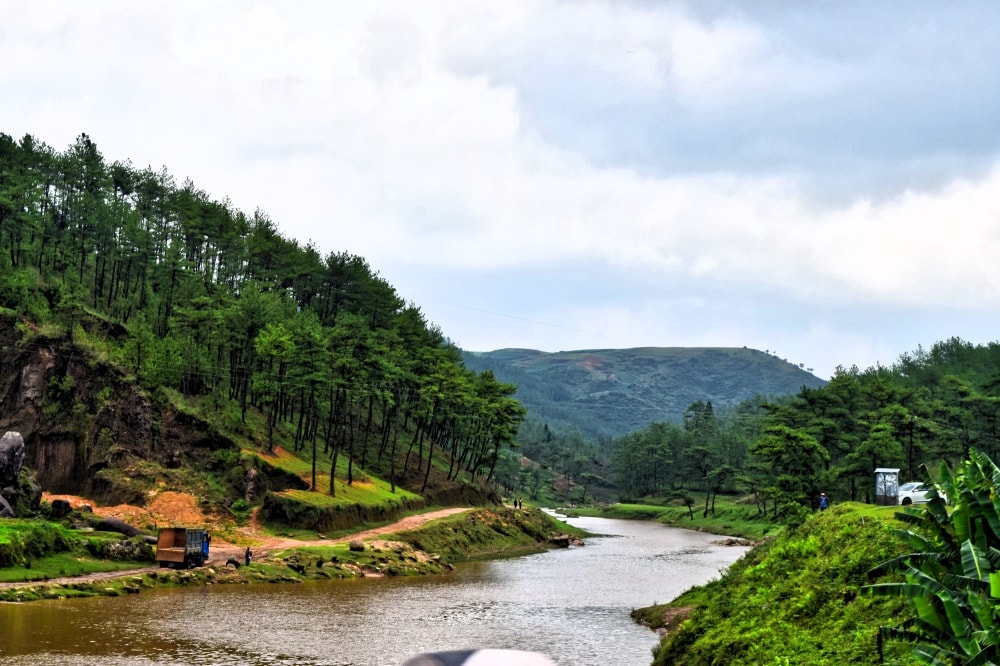
Best Time to Visit Meghalaya: Rainfall, Season & Waterfall Views

Rahul Garg
February 18, 2026
Understand Meghalaya weather by season with practical month-wise planning tips for waterfalls, root bridges, caving, and safer route timing.
Best Time to Visit Meghalaya: Season Guide for Waterfalls, Treks, and Culture
The best time to visit Meghalaya depends on what kind of experience you want: full-force waterfalls, safer trekking windows, cave exploration, or dry-weather road comfort. Meghalaya, known as the Abode of Clouds, is one of India’s most weather-dynamic destinations. Season choice can completely change route speed, trail difficulty, and visibility quality. A monsoon trip and a winter trip here can feel like two different destinations.
This guide is designed to help you plan by activity priority, not generic month names. If you are building a multi-stop Meghalaya itinerary, combine this with places to visit meghalaya, trek details from double decker living root bridge, and regional timing support from best time to visit shillong meghalaya.

Understanding Meghalaya’s Seasonal Pattern
Meghalaya’s appeal is deeply tied to rainfall behavior. Monsoon months deliver intense greenery and dramatic waterfalls, while winter and spring months provide drier trails and more predictable movement. Your season should match your comfort level for rain, road conditions, and walking difficulty.
A common planning mistake is mixing monsoon-heavy waterfall goals with rigid transfer-heavy schedules. In Meghalaya, weather-responsive pacing is more important than attraction count.
Winter (October to February): Best for Comfortable Sightseeing
Winter is often considered one of the best windows for first-time visitors. Weather is relatively pleasant, trails are easier, and long day routes are more manageable. If your itinerary includes root bridges, village experiences, and moderate trekking, winter gives strong reliability.
This is also a good season for travelers who prefer predictable road days and lower rain-related disruption.
Spring (March to April): Mild and Scenic Transition Window
Spring works well for travelers who want greenery without peak monsoon intensity. Temperatures are moderate and many routes remain comfortable for mixed activity days. This period is useful for photography and balanced itineraries that combine viewpoints, short hikes, and local culture stops.
Monsoon (May to September): Waterfall Peak and High Rain Drama
If your main priority is seeing Meghalaya at its lushest and most dramatic, monsoon is unmatched. Waterfalls are fuller, cloud movement is dynamic, and the landscape becomes intensely vibrant. However, this season demands flexibility. Trails can get slippery, visibility can change rapidly, and some routes may slow due to rain.
Monsoon is best for travelers who enjoy weather-rich environments and can adapt day plans quickly.

Best Time by Activity Type
| Activity | Best Window | Why It Works | Caution |
|---|---|---|---|
| Waterfall viewing | Monsoon and post-monsoon | Maximum flow and lush scenery | Road and trail conditions vary |
| Root bridge treks | October to April | Safer footing and easier trail pace | Carry hydration and grip shoes |
| Caving | Winter and spring | More stable conditions | Use local guide support |
| Road sightseeing | Winter and spring | Predictable visibility and movement | Watch local advisories always |
Waterfalls vs Trekking: Choosing Priority
If waterfalls are your top priority, monsoon months deliver the strongest visual impact. If trekking safety and comfort are top priorities, dry months are better. Travelers often try to optimize both equally in one short trip and end up with compromised days. Choose one primary theme and one secondary theme for better results.
For specific waterfall add-ons, consider spread eagle falls shillong and weinia falls meghalaya in route planning.
Month-Level Practical Guidance
October-November: balanced weather and strong movement comfort.
December-February: cooler and drier, ideal for trek-focused trips.
March-April: mild transition with good overall usability.
May-July: heavy rains begin and intensify, waterfall lovers benefit most.
August-September: lush landscapes continue with variable road windows.
Budget and Crowd Strategy
Dry high-comfort windows can attract more visitors in key circuits, while monsoon periods may offer better value in stays. Budget travelers should compare total trip efficiency, not just room prices. A cheaper season with significant movement delays may reduce overall experience quality if you have limited days.
The most cost-effective model is usually shoulder timing with moderate weather and manageable crowd levels.

Suggested 5-Day Meghalaya Structure by Season
Day 1: arrival and local acclimatization.
Day 2: city and viewpoint circuit.
Day 3: root bridge or trek-focused day.
Day 4: waterfall and scenic route day.
Day 5: flexible weather buffer and departure.
In monsoon, keep Day 4 adaptable and avoid rigid cross-region timing.
What to Pack for Meghalaya by Season
- Dry months: layered clothing, walking shoes, and light wind/rain cover.
- Monsoon: quick-dry clothes, strong rain jacket, anti-slip footwear, waterproof bags.
- All months: hydration, power backup, and basic medical kit for long road days.
Season-specific footwear matters most in Meghalaya, especially for trail and stair-heavy routes.

Final Recommendation
For most first-time travelers, October to April is the best time to visit Meghalaya due to better trekking comfort and reliable movement. For travelers focused on dramatic waterfalls and lush monsoon scenery, May to September can be highly rewarding with flexible planning. Match your travel window to your priority activity, and Meghalaya will deliver a far stronger experience.
Meghalaya Route Discipline for Better Trips
Meghalaya itineraries perform best when each day stays geographically tight. Avoid jumping between distant zones in one day, especially during rain-prone months. A focused plan with one major site and one nearby secondary stop gives more reliable outcomes than a long checklist route.
If your trip includes stairs, root bridge paths, and cave segments, protect energy by avoiding heavy transfer days before trek-intensive days. Local conditions can be tiring even when distances look short on maps. Keep one weather buffer to protect the most important activity of your trip.
First-Time Visitor Recommendation
For first-time travelers, late autumn to early spring remains the easiest window for route reliability and trekking comfort. Monsoon should be chosen intentionally for waterfall-focused outcomes, not by default date availability.
Weather Buffer Rule for Meghalaya
Always keep one uncommitted half-day in your itinerary. This single buffer can recover missed waterfall windows, delayed transfers, or trail timing changes. In Meghalaya, schedule flexibility directly improves trip quality and safety. The more weather-sensitive your route, the more important this buffer becomes.
For a reliable first trip, pick comfort months and avoid overlong day transfers. Meghalaya rewards deliberate pacing far more than rushed attraction checklists.
Location
Frequently Asked Questions
Q1.What is the best month to visit Meghalaya?
Q2.Is Meghalaya worth visiting in monsoon?
Q3.When are waterfalls best in Meghalaya?
Q4.When is root bridge trekking easiest?
Q5.Does Meghalaya receive heavy rainfall?
Q6.How many days are ideal for Meghalaya?
Q7.What should I pack for Meghalaya?
Q8.Can road conditions change quickly?
Recommended For You
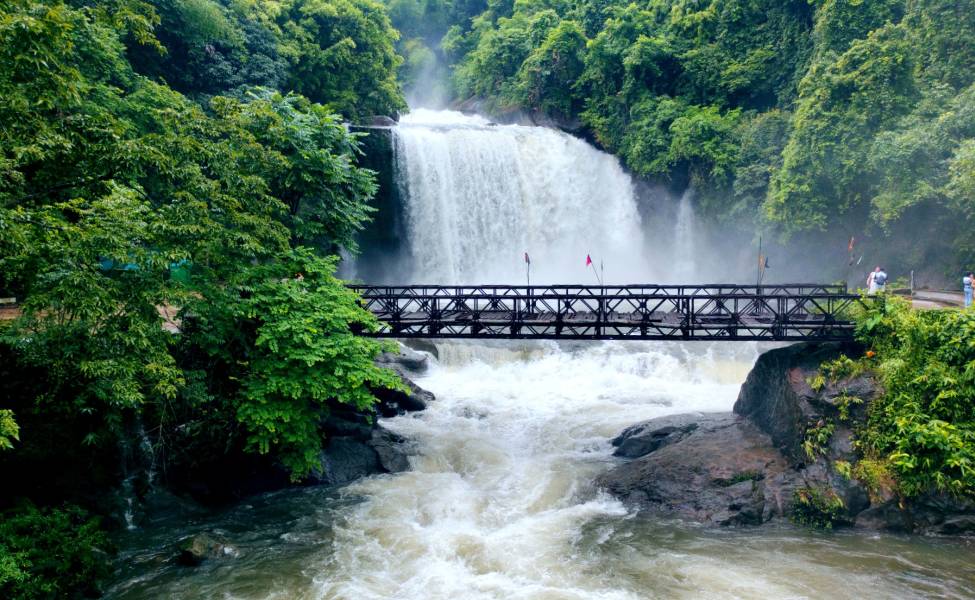
Tourist Places in Shillong: Sightseeing Route, Timings & Best Views
Discover the top tourist places in Shillong with waterfalls, lakes, viewpoints, museums, markets, and practical day-trip planning for Cherrapunji and Dawki.
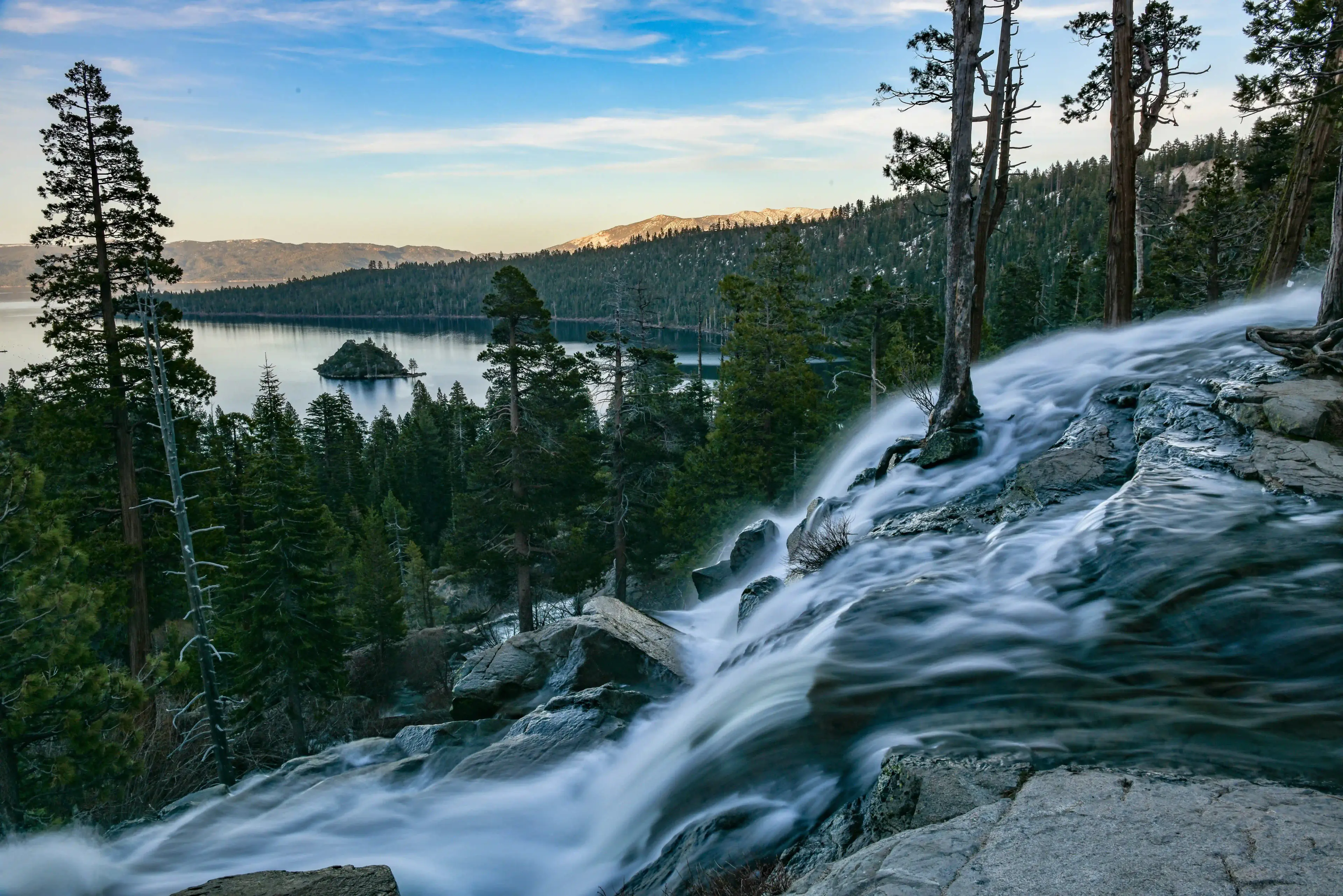
Spread Eagle Falls Shillong: Route, Timing and Safety
Visit Spread Eagle Falls Shillong with practical route, timing, and safe-viewing guidance for smoother waterfall travel.
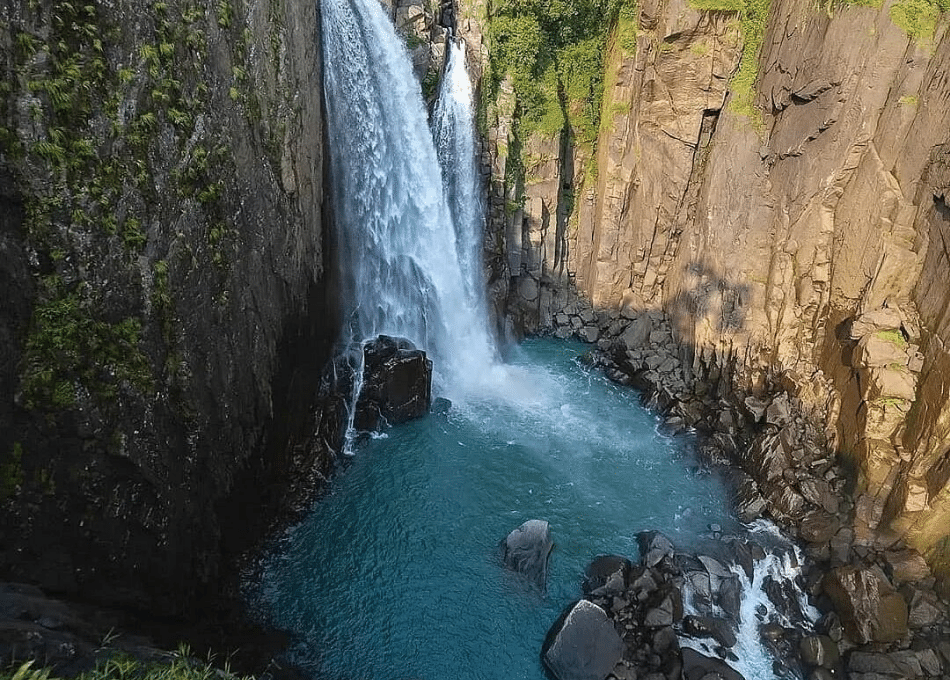
Weinia Falls Meghalaya: Route, Best Time and Safety
Explore Weinia Falls Meghalaya with route guidance, seasonal planning, and practical waterfall safety advice.
Never Miss an Adventure
Get the latest trekking guides, travel tips, and exclusive offers delivered straight to your inbox.
