
Double Decker Root Bridge: Trek Guide & Tips

Neha Kapoor
February 20, 2026
Trek to the Double Decker Living Root Bridge in Nongriat with practical route, season, fitness, stay, and safety planning tips for first-time visitors.
Introduction: Nature's Engineering Marvel
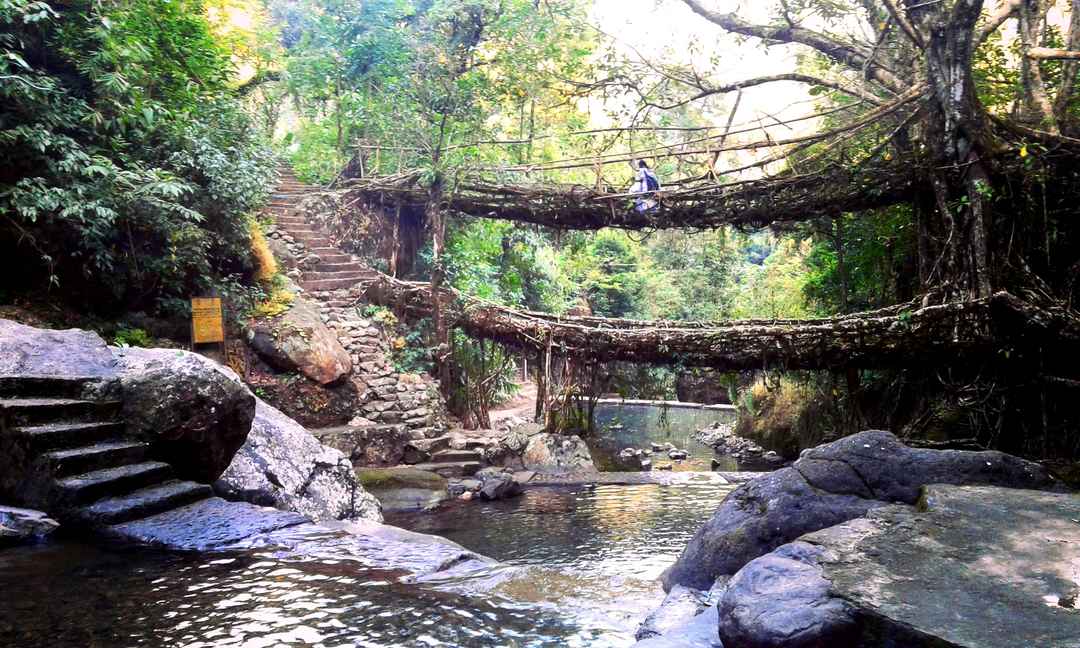
The Double Decker Living Root Bridge in Nongriat, Meghalaya, is one of India’s most unique trekking experiences, not because of altitude but because of bioengineering heritage. Unlike concrete bridges, this one is created over time by training the aerial roots of rubber fig trees across streams. The result is a functional, living structure that becomes stronger as it ages. For first-time visitors, this is both a trekking destination and a cultural landscape shaped by Khasi ecological knowledge.
Most planning errors happen when travelers treat this as a simple viewpoint stop. It is a real trek involving long stair descent and a demanding return climb. If you plan timing, fitness, hydration, and stay correctly, the experience becomes deeply rewarding. This guide covers route details, trek difficulty, season strategy, packing checklist, stay planning, nearby add-ons, and practical safety notes so your Nongriat visit is smooth and responsible.
About Living Root Bridges
Living root bridges are traditional Khasi ecological structures formed by guiding roots of Ficus elastica (rubber fig) across streams and valleys. These bridges are not built in a day or even a year. They grow into usable form over decades and continue to strengthen with time if maintained. This long-term craftsmanship is why Meghalaya’s root bridges are globally discussed as sustainable infrastructure examples.
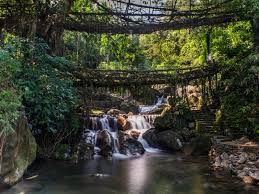
The Double Decker bridge is special because of its two-level structure and scenic location in a forested valley around Nongriat. It represents not just an attraction but a living community asset. Visitors should treat it as a heritage ecosystem, which means careful movement, no root damage, and responsible waste behavior.
Double Decker Root Bridge History and Context
Nongriat’s double-decker bridge is widely referenced as one of the most iconic living root bridges in Meghalaya. Community stewardship is central to its survival. Local residents and village systems continue to protect and maintain these structures, especially as footfall has increased in recent years.
The region has multiple root bridges, but this one draws the highest tourist attention due to its size, layered structure, and trek narrative. For a broader context on Meghalaya routes, combine this with cherrapunji-tourist-places while planning your stay and travel blocks.
The Trek to Nongriat
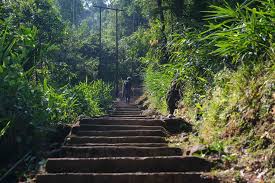
The standard trek begins from Tyrna village and involves a long descent toward Nongriat through stone steps, forested segments, and suspension bridge sections. Official Meghalaya tourism references describe roughly 3,500 steps on the descent. Distance and time vary by pace, weather, and stop frequency, but most first-time trekkers should plan conservatively.
| Trek Factor | Practical Expectation | Planning Note |
|---|---|---|
| Starting point | Tyrna village | Reach early to avoid midday heat/humidity |
| Descent profile | Approx 3,500 steps | Descent feels easy, return climb is demanding |
| One-way duration | Usually 1.5 to 2.5 hours | Depends on fitness and weather |
| Trail nature | Steps, bridges, humid forest path | Grip shoes and hydration are mandatory |
Some travelers do a same-day return, but many find an overnight stay in Nongriat more rewarding and physically manageable.
Trek Difficulty and Preparation
The trek is best classified as moderate to challenging for average travelers because of stair load, humidity, and the strenuous return ascent. Fitness requirement is more about leg endurance and pacing than technical trekking skill. Beginners can do it with preparation, but should not underestimate the climb back.
Preparation checklist (minimum)
- 2 to 3 weeks of stair and cardio conditioning before travel.
- Trekking shoes with strong grip and ankle support.
- Electrolytes, water, and quick-energy snacks.
- Light rain protection in all seasons (weather shifts fast).
- Small daypack; avoid heavy luggage for the trek segment.
Travelers with knee issues should use support braces and trekking poles if needed, and keep extra time on the return ascent.
Best Time to Visit
October to April is generally preferred for clearer trail conditions and easier movement. Monsoon months are visually rich but can increase trail risk due to wet steps, leeches, and reduced footing reliability. If you are visiting in rain-prone periods, downgrade pace expectations and prioritize safety over itinerary speed.
- Post-monsoon/winter: better trekking comfort and clearer route management.
- Monsoon: lush landscapes, stronger water flow, higher slip risk.
- Summer: humid but manageable with early starts.
Start early in all seasons. Afternoon fatigue + humidity makes the return climb harder than expected.
How to Reach Cherrapunji and Tyrna
Most travelers base from Shillong or Cherrapunji (Sohra), then proceed to Tyrna by local taxi/private vehicle. The final trek starts from Tyrna. Planning one transit day before trek day is useful if you are coming from Guwahati or long overland routes.
Route logic
- Guwahati -> Shillong/Sohra (road).
- Sohra -> Tyrna (local road transfer).
- Tyrna -> Nongriat (trek descent).
If this is your first Meghalaya trip, keep one buffer day for weather and transport unpredictability.
Where to Stay in Nongriat
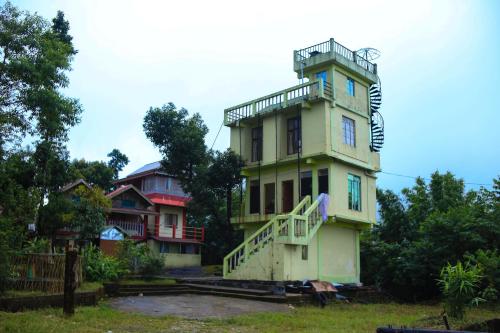
Nongriat offers basic homestay/guesthouse options suitable for trekkers. Comfort standards are usually simple, but the experience is valuable for travelers who want early bridge access, slower pace, and optional continuation toward Rainbow Falls the next morning.
- Pre-book in peak periods where possible.
- Carry essential medicines and personal items (limited access locally).
- Keep expectations aligned with village-style stays, not urban hotels.
A same-day return is possible, but overnight stays reduce fatigue and let you explore nearby trail segments more safely.
Nearby Attractions and Route Extensions
The most common extension from Nongriat is Rainbow Falls, which adds time and energy demand. Do not attempt extra trail segments if your primary trek already exhausted your group. Plan extensions only if fitness and daylight conditions support them.
For wider Meghalaya experiences outside trek day, pair with kongthong-whistling-village and local Shillong/Meghalaya stops based on your total trip length. For post-trek food stops in the region, see dylans-cafe-restaurant-meghalaya when you are back on road routes.
Travel Tips for First-Time Visitors
- Start descent early and keep strict daylight discipline.
- Pack light; every extra kilogram hurts on the return climb.
- Use reusable bottles and carry waste back.
- Respect bridge structures; no jumping or rough handling of roots.
- If unsure, hire local guidance for route confidence and community support.
The trek reward comes from pacing, not speed. Treat it like an endurance nature day with cultural respect.
Common Mistakes to Avoid
- Assuming the trek is easy because it starts with descent.
- Carrying heavy luggage on staircase routes.
- Starting late and returning in low light.
- Ignoring hydration in humid weather.
- Not accounting for weather and trail slipperiness.
Most difficulties are preventable with better timing, lighter packs, and realistic effort planning.
Final Takeaway
The Double Decker Living Root Bridge trek is one of Meghalaya’s most distinctive travel experiences because it combines natural beauty, indigenous bioengineering heritage, and an honest physical challenge. Plan it with fitness preparation, early starts, and respectful trail behavior. Done right, the journey to Nongriat becomes more than a trek stop; it becomes one of the most meaningful nature-culture experiences in Northeast India.
Location
Frequently Asked Questions
Q1.Where is Double Decker Root Bridge located?
Q2.How do I reach Nongriat village?
Q3.What is the best time to visit the root bridges?
Q4.How difficult is the Double Decker Root Bridge trek?
Q5.How long does it take to trek to the root bridge?
Q6.Is the trek suitable for beginners?
Q7.Where can I stay in Nongriat?
Q8.What should I carry for the trek?
Recommended For You
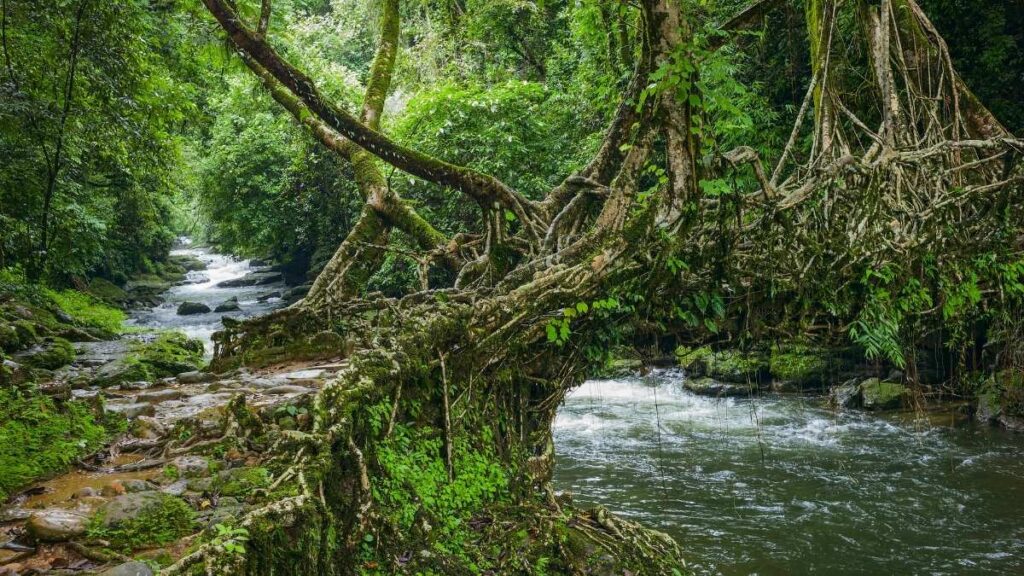
Living Root Bridges Meghalaya: Trek Routes, Villages & Local Tips
Discover Meghalaya's incredible living root bridges - nature's bioengineering marvel grown by the Khasi tribes. Complete trekking guide to the Double Decker Root Bridge in Nongriat, best time to visit, how to reach, difficulty level, and photography tips.
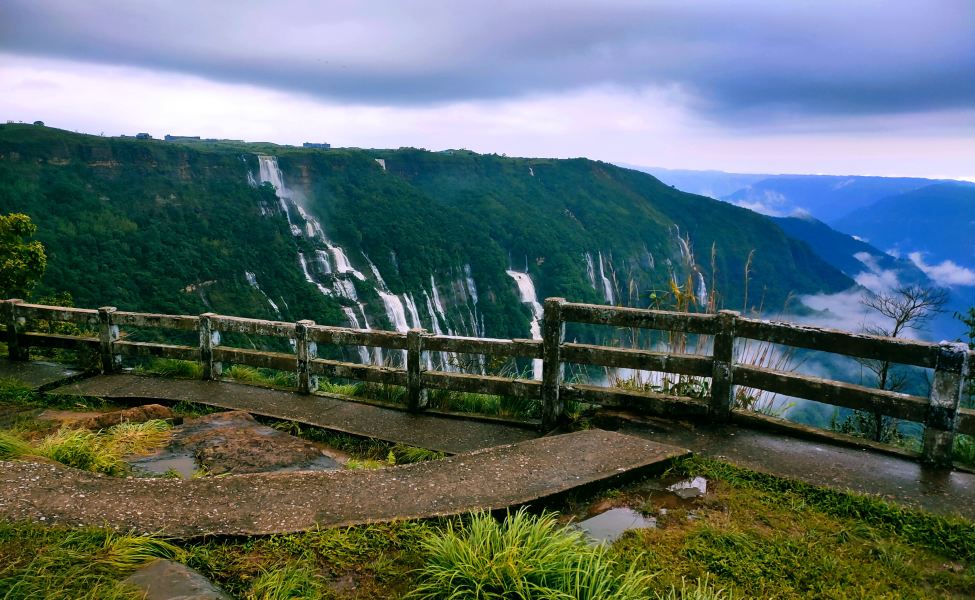
How to Reach Cherrapunji Meghalaya: Complete Travel Guide 2026
Complete guide on how to reach Cherrapunji Meghalaya - flights, trains, road routes from Guwahati, best time to visit, and travel tips.
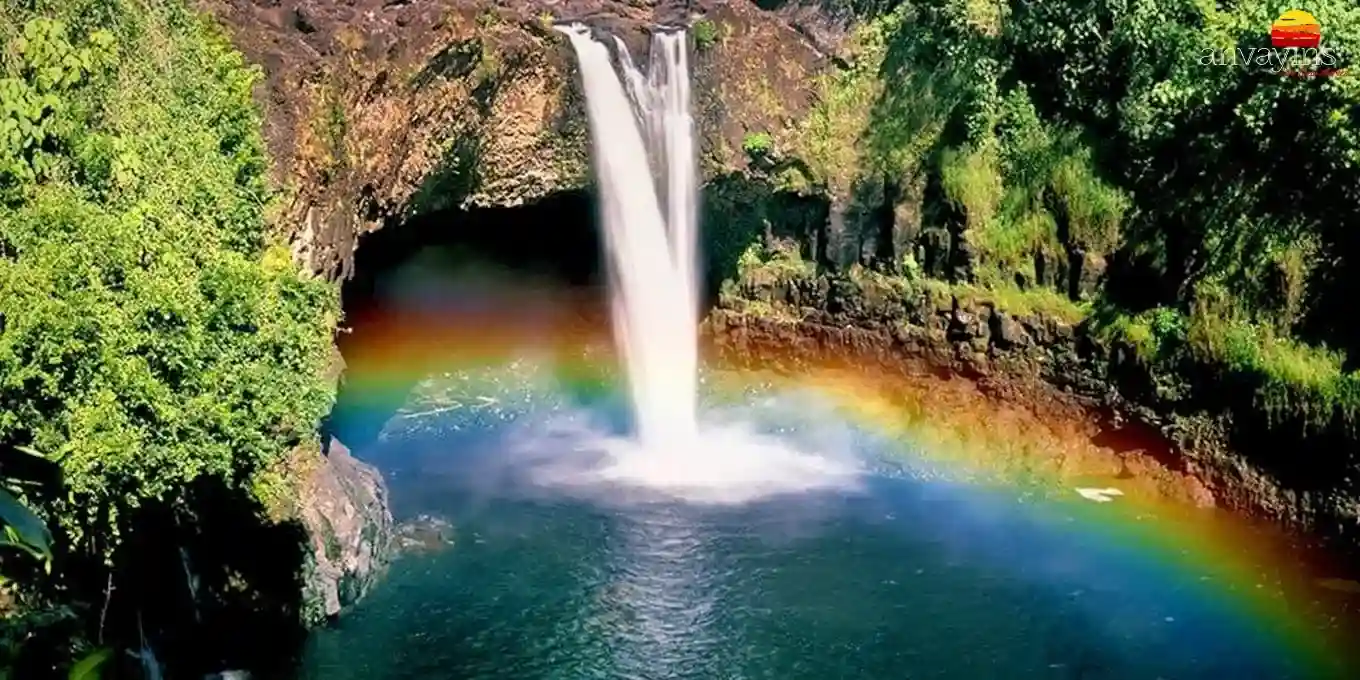
Rainbow Falls Meghalaya: Trek Guide & Best Time
Discover Rainbow Falls in Cherrapunji with complete trek guide, best time to visit, route details, photography tips, and nearby attractions for an unforgettable Meghalaya adventure.
Never Miss an Adventure
Get the latest trekking guides, travel tips, and exclusive offers delivered straight to your inbox.
