
Travel
Meghalaya in Monsoon: Travel Guide & Tips
Rohit Verma
December 27, 2025
20 min read2,526 views
Explore Meghalaya in monsoon - wettest place on Earth. Waterfalls, root bridges, safety tips & travel guide.
Meghalaya in Monsoon: Experience the Wettest Place on Earth
Meghalaya, meaning "abode of clouds," lives up to its name most dramatically during monsoon season. This northeastern Indian state, home to the wettest places on Earth. For planning your trip beyond monsoon, you might want to explore best time to visit Meghalaya or Meghalaya travel guide for comprehensive planning information., transforms into a magical realm of mist-covered hills, thundering waterfalls, and emerald green landscapes from June to September. While many travelers avoid monsoon in India, adventure seekers and nature lovers consider this the best time to witness Meghalaya at its most spectacular. The monsoon brings Meghalaya's landscapes to life in ways that no other season can match. The entire state becomes a lush green paradise—hills that are already green turn into vibrant shades of emerald, waterfalls that trickle in other seasons roar with full force, and clouds descend to envelope the mountains in ethereal mist. It's a sensory experience like no other—the constant sound of falling rain, the misty air, the earthy fragrance of wet soil, and the visual drama of clouds playing hide and seek with mountains. What makes Meghalaya's monsoons unique is the sheer volume of rainfall. Cherrapunji and Mawsynram, located just kilometers apart, compete annually for the title of wettest place on Earth. Mawsynram holds the Guinness World Record with average annual rainfall exceeding 11,872 mm, while Cherrapunji consistently records some of the highest rainfall totals globally. This extreme rainfall has shaped not just the landscape but also the culture, architecture, and way of life in Meghalaya. Visiting Meghalaya during monsoon is not for everyone. It requires preparation, flexibility, and a certain comfort with rain and unpredictability. But for those willing to embrace the elements, the rewards are unparalleled experiences that simply cannot be had any other time of year. The living root bridges are strongest and most vibrant, the waterfalls are at their most dramatic, and the entire state feels alive and breathing with the rhythm of the rains.Understanding Monsoon in Meghalaya
The monsoon season in Meghalaya typically runs from June through September, with July and August being the wettest months. Southwest monsoon winds carry moisture-laden clouds from the Bay of Bengal, which collide with the Khasi Hills and release their moisture in torrential downpours. This geographical feature is why this relatively small area receives such extraordinary rainfall. The rainfall pattern in Meghalaya is unique—it doesn't rain continuously throughout the day. Instead, the state experiences heavy bursts of intense rainfall, often followed by periods of drizzle or even partial clearing. A typical day might see several heavy downpours, each lasting from a few minutes to an hour, interspersed with breaks where the sun might make a brief appearance. This pattern means that despite the enormous total rainfall, it's not constantly pouring rain all day, every day. Cherrapunji (now officially called Sohra) has historically been famous as the wettest place, though Mawsynram has surpassed it in recent decades. Both places receive astonishing rainfall—Cherrapunji averages about 11,430 mm annually, while Mawsynram exceeds 11,872 mm. To put this in perspective, most Indian cities receive 1,000-2,000 mm of rainfall annually. The volume of water that falls here in a single monsoon season exceeds what many regions receive in decades. Landslides are an unfortunate but common occurrence during monsoon in Meghalaya. The hilly terrain, combined with heavy rainfall, makes the soil unstable and prone to sliding. Landslides can cause road blockages, sometimes for hours or even days, disrupting travel plans. However, the Meghalaya government and local authorities work continuously to clear major roadways, and most tourist routes are generally accessible despite the challenging conditions. The greenery during monsoon in Meghalaya is at its absolute peak. Every surface—hills, valleys, trees, buildings—seems covered in moss and ferns. The forests are dense and vibrant, orchids bloom abundantly, and even the rocks are covered in various shades of green. This verdant landscape creates stunning visual contrast with the dark rain clouds and mist, making for dramatic photography opportunities.| Month | Average Rainfall | Weather Pattern |
|---|---|---|
| June | High (2,000-2,500 mm) | Monsoon onset, increasing intensity |
| July | Very High (3,000-3,500 mm) | Peak monsoon, heaviest rainfall |
| August | Very High (2,500-3,000 mm) | Peak monsoon, heavy but slightly less than July |
| September | High (1,500-2,000 mm) | Monsoon retreating, moderate rainfall |
Pros and Cons of Visiting Meghalaya in Monsoon
The Advantages
Lush green landscapes are at their most spectacular during monsoon. Meghalaya is green year-round, but monsoon brings out colors and vibrancy that don't exist in other seasons. The hills become carpeted in thick grass and ferns, the forests are dense with foliage, and every surface seems alive with moss and creeping plants. Photographers will find endless opportunities to capture dramatic scenes of green against dark skies. Waterfalls reach their full glory only during monsoon. While many of Meghalaya's waterfalls flow year-round, the monsoon volume makes them spectacular. Nohkalikai Falls, India's tallest plunge waterfall, creates a dramatic curtain of water that can be seen from kilometers away. Seven Sisters Falls, Krang Suri Falls, Dainthlen Falls, and countless other waterfalls become thundering, impressive sights during monsoon that simply cannot be experienced in dry seasons. Living root bridges are strongest and most vibrant during monsoon. These bio-engineering marvels, created by guiding ficus tree roots across rivers, are unique to Meghalaya. Learn more about these incredible structures in our guide to living root bridges., benefit from the moisture and growth conditions of monsoon. The bridges are green with moss, strong with fresh growth, and most impressive to visit. The rivers beneath them flow with full force, creating dramatic scenes that emphasize the engineering genius of the Khasi people who created them. Fewer tourists mean a more authentic, peaceful experience. Most travelers avoid monsoon in Meghalaya, which means popular attractions are less crowded. You'll often have living root bridges, viewpoints, and waterfalls mostly to yourself. Hotels and homestays offer lower rates, making it a more budget-friendly time to visit. The lack of crowds also means more meaningful interactions with local people and a more relaxed pace of exploration. Photography opportunities are unmatched during monsoon. The dramatic light, the play of mist and clouds, the vibrant greens, and the powerful waterfalls create visual spectacles that serious photographers dream of. Sunrise and sunset viewpoints like Laitlum Canyons or Mawkdok Dympep Valley Viewpoint offer scenes of clouds, valleys, and hills that look like something out of a fantasy world.The Challenges
Frequent and heavy rain is the obvious challenge. Even when it's not pouring, the air is humid, surfaces are wet, and dampness is constant. Activities that depend on dry conditions—like some viewpoints or river activities—may be unsafe or inaccessible. You need to be comfortable spending significant time in rain and having outdoor plans potentially disrupted by weather. Landslides causing road blockages can derail travel plans. Roads to some attractions may be temporarily closed due to landslides. Some routes, particularly in remote areas, might remain closed for extended periods. This requires flexibility—having buffer days in your itinerary, being willing to change plans, and accepting that some desired destinations might be inaccessible. Limited access to certain attractions is a reality of monsoon travel. Some living root bridges, particularly the more remote ones like the double-decker at Nongriat, might be difficult or dangerous to access due to slippery trails and swollen rivers. Some viewpoints might be shrouded in fog, offering no visibility. Caves might be closed due to flooding. The crystal clear water of Dawki's Umngot River becomes murky brown during heavy rains, making the famous boat experience less impressive. High humidity can make the experience uncomfortable for some. The combination of rain and humidity means everything stays wet. Clothes don't dry easily, shoes are constantly damp, and the air feels heavy. While temperatures remain pleasant (20-25°C in most areas), the humidity can make it feel more oppressive, especially when combined with physical activity like trekking. Leeches in forest areas are a common annoyance during monsoon. While not dangerous, they can be bothersome for those uncomfortable with them. Forest trails, particularly those leading to living root bridges, may have leeches. Proper preparation—leech socks, salt, or other deterrents—is necessary if you plan to explore forest areas. Travel delays are common and should be expected. Roads may be slow due to rain and conditions, and actual road blockages from landslides occur. Flight delays due to weather at Guwahati or Shillong airports are possible. Having a flexible mindset and not packing too many activities into each day helps manage these delays without ruining the experience.Best Places to Visit in Monsoon
Shillong: The Accessible Capital
Shillong, Meghalaya's capital, remains largely accessible throughout monsoon and serves as an excellent base. The city's attractions include covered areas like the Don Bosco Museum (excellent for rainy days), Police Bazaar (covered shopping), and multiple restaurants and cafes. Ward's Lake offers pleasant walking even in light rain, and Elephant Falls within the city can be visited between rain spells. The advantage of basing in Shillong is the availability of amenities, healthcare, and transport options. If weather prevents travel to more remote areas, Shillong itself offers enough to keep visitors occupied for several days. The city's higher elevation means slightly cooler temperatures and sometimes less intense rainfall compared to lower areas.Cherrapunji: Wettest Place Alive with Waterfalls
>Cherrapunji (Sohra) is spectacular during monsoon, despite (or perhaps because of) the massive rainfall. This area hosts some of Meghalaya's most famous waterfalls—Nohkalikai Falls, Seven Sisters Falls, Dainthlen Falls—all of which are at their most dramatic. The valleys around Cherrapunji are lush and green, and the play of clouds around the hills creates atmospheric scenes. The living root bridges in this area, including the famous double-decker bridge at Nongriat, are accessible during monsoon, though the trails become slippery and challenging. Mawsmai Cave near Cherrapunji is a good monsoon activity—caves offer shelter from rain and are fascinating to explore regardless of weather. The road from Shillong to Cherrapunji is generally well-maintained and accessible, though occasional delays due to weather occur.Mawlynnong: Cleanest Village Accessible Year-Round
>Mawlynnong, recognized as Asia's cleanest village, is accessible during monsoon via roads that are generally in good condition. The village's main attraction—a living root bridge—is just a short walk from the village center. The Sky View platform offers views of the plains of Bangladesh, weather permitting. The village's cleanliness is maintained even during monsoon, and the bamboo structures, pathways, and gardens remain picturesque despite the rain. Mawlynnong makes for a pleasant day trip from Shillong, and homestays here offer a chance to experience Khasi village life during the rainiest time of year.Dawki: Weather-Dependent Destination
>Dawki and the famous Umngot River are weather-dependent during monsoon. The crystal clear water that makes Dawki famous becomes muddy and brown during heavy rains, reducing the appeal of the boat ride. However, between rain spells, the water may clear somewhat, and boats still operate most days unless conditions are unsafe. The Indo-Bangladesh border viewpoint at Dawki offers dramatic scenes of clouds and mist, and the suspension bridge crossing into Bangladesh (for those with permits) is accessible. If you're in the Jaintia Hills area, Dawki can be visited, but manage expectations about water clarity and be prepared for the possibility that the boat experience might not be at its best.Jowai: Hidden Gem of Jaintia Hills
>Jowai in the Jaintia Hills region is less visited than Shillong or Cherrapunji but offers spectacular monsoon experiences. Krang Suri Falls, located near Jowai, is magnificent during monsoon—the turquoise pool below the falls creates an almost magical scene. Lalong Park offers scenic views, and the Jaintia Hills are generally lush and beautiful during rains. The roads to Jowai are generally in good condition, and the area receives fewer tourists than the more famous destinations. Nartiang Monoliths, ancient megalithic structures, can be visited rain or shine. Jowai offers a chance to see a different side of Meghalaya, with Jaintia culture and landscapes that differ from the Khasi Hills.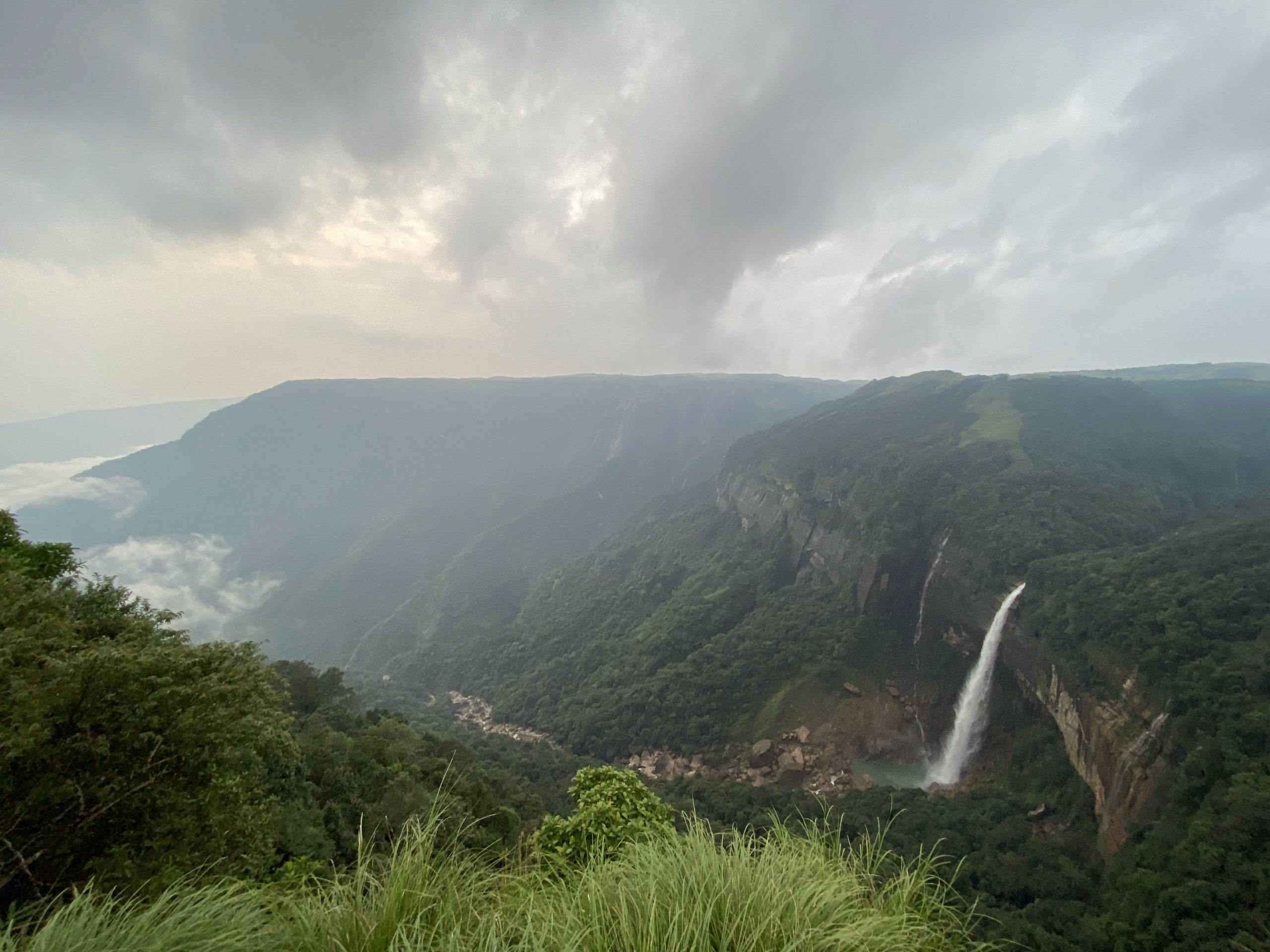
Waterfalls at Their Best
Nohkalikai Falls: India's Tallest Plunge Waterfall
>Nohkalikai Falls, plunging 335 meters, is India's tallest plunge waterfall and a sight to behold during monsoon. Located near Cherrapunji, the waterfall creates a dramatic curtain of water that can be seen from kilometers away. The viewing platform offers a perfect vantage point to appreciate the scale and power of the falls. During monsoon, the volume of water creates a mist that rises from the base, often obscuring the bottom of the falls. The green pool at the base, normally visible as a distinct green lake, is often turbulent and white with foam. The surrounding valley is lush and green, and clouds frequently descend to add atmosphere. Early morning visits, when clouds still hug the mountains, offer especially dramatic scenes.Seven Sisters Falls: Cascading Beauty
>Seven Sisters Falls, named for the seven segments that the waterfall divides into, is particularly impressive during monsoon. Located on the road from Shillong to Cherrapunji, the waterfall is easily accessible from the highway. During monsoon, the seven segments merge into a wider, more powerful cascade that's visible even from the road. The falls are best viewed from a distance—from viewing points along the highway or from Mawkdok Dympep Valley Viewpoint further back. Up close, the spray is intense during monsoon, making close viewing challenging. The falls are at their most impressive during or immediately after heavy rain, though heavy fog can sometimes obscure visibility.Dainthlen Falls: Roadside Spectacle
>Dainthlen Falls, located just off the main Shillong-Cherrapunji highway, is easily accessible and impressive during monsoon. The waterfall drops in a wide curtain over a rock face that features natural rock formations. Legend has it that the rock formations resemble a python that was killed here by local people. During monsoon, Dainthlen's volume increases dramatically, and the waterfall creates significant spray. A viewing platform offers good views, and the short walk to the viewpoint is manageable even in light rain. The falls are a popular stop on the Cherrapunji road and are worth the brief detour.Krang Suri Falls: Turquoise Magic
>Krang Suri Falls, located near Jowai in the Jaintia Hills, might be Meghalaya's most beautiful waterfall during monsoon. What sets Krang Suri apart is the turquoise pool at its base—the color remains striking even during rains, though it may become less vibrant during very heavy downpours. The waterfall itself drops into a pool that's surrounded by cliffs on three sides, creating a stunning amphitheater effect. The falls require a short walk from the parking area, and steps lead down to the pool level. During monsoon, the pool becomes turbulent and swimming may not be possible, but viewing from above remains spectacular. Krang Suri is less visited than other famous waterfalls, making it a peaceful, less crowded experience.Safety Tips for Monsoon Travel
Weather Monitoring
>Checking weather forecasts and local conditions daily is essential when traveling Meghalaya in monsoon. Weather can change rapidly, and forecasts provide valuable guidance for planning activities. Local residents, hotel owners, and taxi drivers have valuable on-the-ground knowledge about road conditions and which areas are accessible or should be avoided.Road Condition Verification
>Verifying road conditions before travel is crucial, especially for routes to more remote destinations. Local authorities and your accommodation can provide updates on whether roads are open, any major landslides, or expected delays. Some remote attractions might be inaccessible without warning, so checking before setting out saves time and disappointment.Landslide Preparedness
>Being prepared for landslides means understanding they can happen with little warning. Avoid driving in extremely heavy rain if possible. If you encounter a landslide, don't attempt to cross until cleared by authorities. Keep emergency supplies in your vehicle—water, snacks, and basic emergency tools. Landslide clearance can take hours, so patience is required.Emergency Contacts
>Saving important emergency contacts before your trip is essential. This includes local police, ambulance services, your hotel or homestay contact, and a reliable local taxi driver. Meghalaya has good mobile connectivity in most areas, but keep in mind that signal can be weak in remote areas or during bad weather.Flexible Itinerary
>Building flexibility into your itinerary is perhaps the most important monsoon travel tip. Include buffer days that can be used if travel is delayed. Have alternative indoor activities or alternative destinations that don't require long drives. Don't overpack activities into each day—plan one major activity per day during monsoon, allowing weather to dictate the pace.Local Advice
>Following guidance from local residents is important. Locals know which roads are safe, which areas to avoid during particular weather conditions, and when it's better to stay put. Don't attempt risky drives or crossings against local advice—their experience with monsoon conditions is invaluable.Travel Insurance
>Travel insurance is non-negotiable for monsoon travel in Meghalaya. Ensure your policy covers trip cancellations, delays, medical emergencies, and evacuation if necessary. Document any cancellations or delays thoroughly with photos and written records from airlines, hotels, or authorities if needed for insurance claims.First Aid Kit
>Carrying a comprehensive first aid kit is recommended. Include items for minor injuries, cold and flu medication, diarrhea treatment, and basic medications you might need. During monsoon, minor cuts and scrapes are more prone to infection in humid conditions, so antiseptic and bandages are particularly important.Packing for Meghalaya Monsoon
A quality rain jacket is your most important item. Look for a waterproof, breathable jacket rather than a simple plastic poncho. Ponchos are useful but can be inconvenient for active days. A good jacket keeps you dry while allowing movement and breathability, which is important during physical activities in humid conditions. A sturdy umbrella is essential for city walking and light rain. However, umbrellas are less useful in heavy monsoon downpours or during outdoor activities. Bring at least one compact, wind-resistant umbrella. Having a small collapsible umbrella in your day bag at all times is recommended. Waterproof bags for electronics are crucial. Your phone, camera, chargers, and other electronics need protection from moisture. Waterproof dry bags, ziplock bags, or specialized waterproof pouches work. Keep these items in your waterproof bag whenever you're outside, not just when it's actively raining—mist and humidity can damage electronics. Quick-dry clothing should form the bulk of your wardrobe. Cotton takes too long to dry in humid monsoon conditions. Synthetic materials like polyester and nylon dry quickly and are more comfortable when wet. Bring multiple sets of clothing so you always have dry options available. Evenings can be cool, so include one warm layer like a fleece. Leech socks are essential if you plan to visit forest areas or trek to living root bridges. These are thick, tightly woven socks that extend to the knee and prevent leeches from attaching. Alternatively, tuck trousers into socks and apply salt or leech repellent to shoes and ankles. Leeches are common during monsoon, especially in forested areas. Good shoes with grip are non-negotiable. Waterproof hiking shoes or boots with good tread are ideal for monsoon trekking. If they're not fully waterproof, ensure they dry quickly. Avoid sandals or open shoes for serious trekking. Bring multiple pairs of shoes so you have a dry pair while others dry out. Plastic bags for wet clothes are useful to keep your dry clothes from getting dampened by wet ones. Use separate plastic bags for wet and dry items in your main luggage. Small plastic bags for dirty or muddy clothing prevent contamination of clean items. Quick-dry microfiber towels are practical for monsoon travel. Regular towels take too long to dry in humidity. Microfiber towels absorb moisture well and dry quickly, making them ideal for multiple uses throughout your trip. Having two towels—one for body, one for hair—ensures you always have a dry option.| Category | Essential Items | Purpose |
|---|---|---|
| Rain Protection | Rain jacket, umbrella | Stay dry outdoors |
| Clothing | Quick-dry clothes, warm layer | Comfort and drying |
| Footwear | Waterproof shoes with grip | Safety on slippery surfaces |
| Protection | Leech socks | Forest area trekking |
| Electronics | Waterproof bags/dry bags | Protect devices from moisture |
| Utilities | Plastic bags, quick-dry towels | Manage wet items |
Monsoon Travel Itinerary
7-Day Flexible Itinerary
A 7-day itinerary provides enough time to explore Meghalaya's main attractions while allowing flexibility for weather-related delays. Start with 2-3 days in Shillong to acclimatize and explore the city's attractions. This allows time for weather to pass before venturing further afield. The next 2-3 days can be spent in the Cherrapunji area, visiting waterfalls and potentially a living root bridge if conditions permit. Include 1-2 buffer days that aren't assigned to specific activities. These days can be used if weather disrupts travel plans, or they can become additional exploration time if everything goes smoothly. Building buffer days into your itinerary reduces stress when delays occur.Flexible Planning Approach
>Have alternative activities for rainy days. Indoor museums, covered markets, restaurants with views, and shorter excursions that don't require long drives are good backup options. In Shillong, the Don Bosco Centre for Indigenous Cultures can easily occupy half a day. Police Bazaar offers covered shopping and numerous cafes. Stay longer at each destination rather than trying to cover many places. Monsoon travel is slower—driving takes longer, and you need breaks from rain. Spending 2-3 nights in Shillong and 2-3 nights in Cherrapunji allows for a more relaxed pace and flexibility to skip activities on particularly rainy days.Prioritize Key Experiences
>Identify your must-see attractions and prioritize them. If living root bridges are your priority, focus on those and be flexible about everything else. If waterfalls are what you came for, ensure you hit the major ones and consider other experiences as bonus. Having clear priorities helps make decisions when weather forces choices.Extended Stay Option
>If you have more time, extending to 10-14 days allows for a much more relaxed monsoon experience. This gives you time to wait out bad weather, explore areas more thoroughly, and potentially visit Jaintia Hills (Jowai area) or the Garo Hills in addition to Khasi Hills. The longer you stay, the better your chances of experiencing clear spells and optimal conditions for key activities.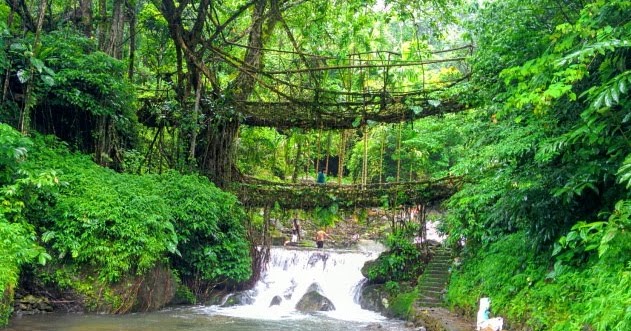
Conclusion
Meghalaya in monsoon offers an experience that's challenging, unpredictable, and absolutely magical. It's not the easy, comfortable travel that many seek, but for adventure lovers and nature enthusiasts, it's an opportunity to witness nature at its most powerful and dramatic. The wettest place on Earth comes alive during monsoon in ways that simply cannot be described—experienced but not fully captured in words or images. Success in monsoon Meghalaya comes down to preparation, flexibility, and attitude. Bring the right gear, build flexibility into your plans, and embrace the rain rather than fighting it. When you approach monsoon travel with the right mindset, the rewards are unforgettable experiences that few travelers have—the sight of waterfalls at full power, the misty mountains alive with clouds, the vibrant green forests, and the sense of being in a place that's truly special and alive. Whether you're chasing waterfalls, exploring living root bridges, or simply soaking in the atmosphere of clouds and rain, Meghalaya's monsoon offers an adventure that stays with you long after you've returned home. The challenge of traveling in such extreme conditions becomes part of the appeal—the difficulty of the journey makes the experience more meaningful and the memories more vivid.Location
Frequently Asked Questions
Q1.Is it safe to visit Meghalaya in monsoon?
Yes, it is generally safe to visit Meghalaya during monsoon if you take proper precautions. The main challenges are heavy rainfall, potential landslides, and slippery conditions. Roads are generally accessible though occasional delays occur due to landslides. Travel during daylight hours, check weather and road conditions regularly, avoid risky areas during heavy rain, and follow local advice. Hotels and tourist facilities remain open. With proper preparation and flexible planning, monsoon travel in Meghalaya can be safe and rewarding.
Q2.What is the best time to visit Meghalaya?
The best time to visit Meghalaya depends on your priorities. October to April is the traditional tourist season with pleasant weather and clear skies—ideal for sightseeing and outdoor activities. March-April sees pleasant spring weather. October-November offers post-monsoon freshness. June to September is monsoon season with spectacular waterfalls and lush greenery but heavy rain. Winter (December-February) is cold but clear. Each season offers unique experiences—choose based on your preferences for weather vs. scenery.
Q3.How much does it rain in Meghalaya?
Meghalaya receives extraordinary rainfall, being home to the wettest places on Earth. For planning your trip beyond monsoon, you might want to explore best time to visit Meghalaya or Meghalaya travel guide for comprehensive planning information.. Mawsynram, the wettest place, receives an average of 11,872 mm of rainfall annually. Cherrapunji averages about 11,430 mm. During peak monsoon months (July-August), monthly rainfall can exceed 3,000 mm. To put this in perspective, most Indian cities receive 1,000-2,000 mm annually. The rainfall comes in intense bursts rather than continuous rain, though total volume is enormous.
Q4.Does it rain all day in Meghalaya?
No, it doesn't rain all day continuously in Meghalaya. The rainfall pattern features heavy bursts of intense rain, often lasting from a few minutes to an hour, interspersed with periods of drizzle or even partial clearing. A typical day might see several heavy downpours. However, during peak monsoon (July-August), there can be days with nearly continuous rain, especially in Cherrapunji and Mawsynram. The unpredictability requires flexibility in planning.
Q5.Are roads safe in Meghalaya during monsoon?
Most roads in Meghalaya remain accessible during monsoon, though conditions can be challenging. Major roads like Shillong to Cherrapunji are generally maintained and passable. Landslides can cause temporary blockages, sometimes for hours to a few days. Roads to more remote areas are more vulnerable. Drive during daylight hours, check conditions before travel, allow extra time for journeys, and consider hiring local drivers experienced with monsoon conditions. Exercise caution on slippery, wet roads.
Q6.Can we see living root bridges in monsoon?
Yes, living root bridges can be visited during monsoon and are actually at their strongest and most vibrant during this time. The bridges are green with moss and look most impressive. However, trails to the bridges become slippery and challenging, and some remote bridges might be inaccessible due to swollen rivers or dangerous trail conditions. The famous single-decker root bridge near Mawlynnong is easily accessible. The double-decker root bridge at Nongriat requires trekking and may be difficult or unsafe during heavy rains. Check local conditions before attempting visits.
Q7.What to pack for Meghalaya in monsoon?
Essential monsoon packing for Meghalaya includes: a quality waterproof breathable rain jacket, sturdy umbrella, waterproof bags/dry bags for electronics, quick-dry synthetic clothing (not cotton), waterproof shoes or hiking shoes with good grip, leech socks for forest areas, warm layer for cool evenings, plastic bags for wet clothes, quick-dry microfiber towels, and a comprehensive first aid kit. Avoid cotton clothing as it takes too long to dry. Multiple sets of clothing ensure you always have dry options.
Q8.Are places open in Meghalaya during monsoon?
Yes, most tourist places, hotels, restaurants, and services remain open in Meghalaya during monsoon season. Major attractions like waterfalls, viewpoints, caves, and living root bridges are accessible, though some may close temporarily during very heavy rain for safety. Government tourist facilities operate normally. Some remote attractions might be inaccessible due to road conditions. Hotels and homestays operate year-round. Tourist numbers are lower, so many places are less crowded. Always check current conditions before visiting specific attractions.
Recommended For You
Travel
How to Reach Meghalaya: Flight, Train, Road & Entry Points
Complete guide on how to reach Meghalaya by flight, train & road. Routes from Guwahati, Kolkata, Delhi with timings, distances & travel tips.
Dec 24Read More
Trekking
Double Decker Root Bridge: Trek Guide & Tips
Trek to the Double Decker Living Root Bridge in Nongriat with practical route, season, fitness, stay, and safety planning tips for first-time visitors.
Feb 20Read More
Waterfalls
Best Places to Visit in Meghalaya: Waterfalls, Caves & Villages
Explore top places to visit in Meghalaya including Shillong, Cherrapunji, Dawki, Living Root Bridges, and practical route planning tips for travelers.
Nov 26Read More
Never Miss an Adventure
Get the latest trekking guides, travel tips, and exclusive offers delivered straight to your inbox.
