
Best Places to Visit in Meghalaya: Waterfalls, Caves & Villages

Priya Mehta
November 26, 2025
Explore top places to visit in Meghalaya including Shillong, Cherrapunji, Dawki, Living Root Bridges, and practical route planning tips for travelers.
Introduction: Meghalaya, the Abode of Clouds
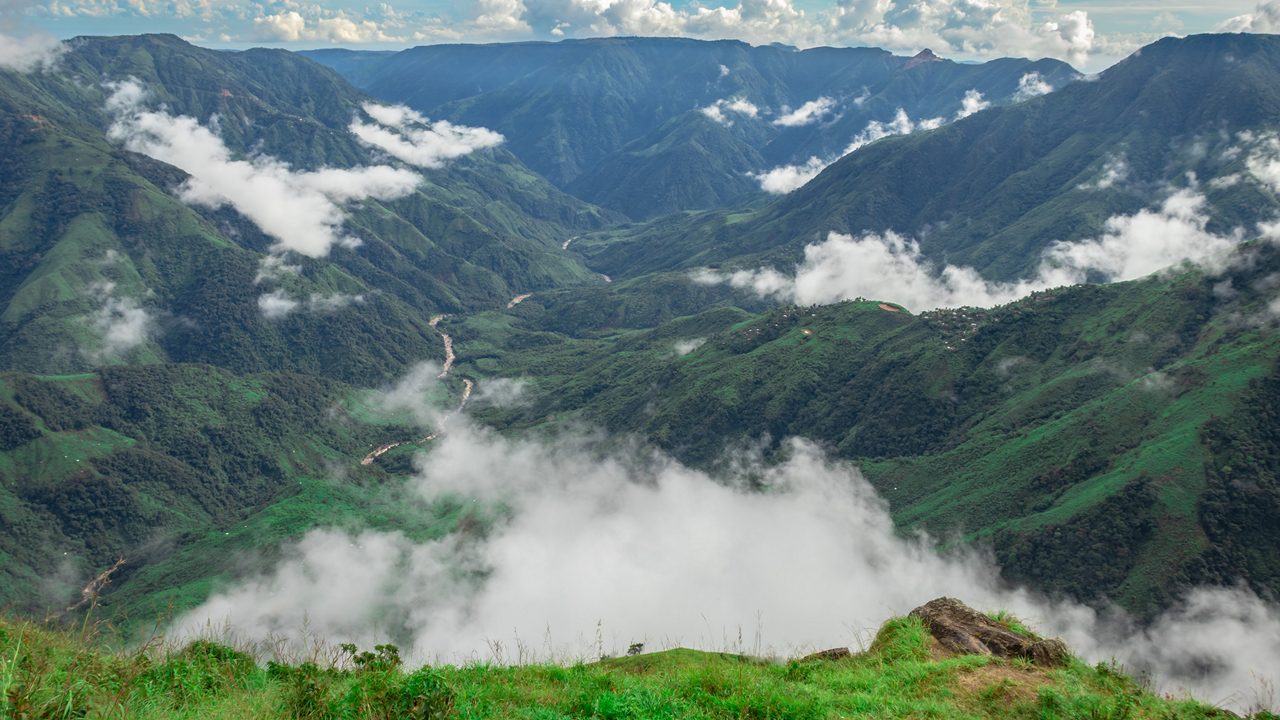
Meghalaya is one of India's most rewarding nature states for travelers who enjoy rain-washed landscapes, highland viewpoints, caves, waterfalls, and village-based culture. The state is known for Shillong's urban hill character, Cherrapunji's dramatic cliff-and-falls terrain, Dawki's clear river experience, and the engineering wonder of Living Root Bridges. Unlike many fast-paced destinations, Meghalaya works best when explored slowly, with enough time for roads, weather changes, and day-to-day flexibility.
The biggest mistake first-time visitors make is treating Meghalaya as a single-stop trip. In practice, it is a circuit destination: Shillong as base, Sohra/Cherrapunji for waterfalls and caves, Dawki side for river and border landscapes, and village routes like Mawlynnong for community tourism. This guide covers the best places to visit in Meghalaya, route logic, season planning, and practical travel tips for 4-7 day itineraries.
For deeper planning, combine this with tourist places in Shillong, Cherrapunji tourist places, and places to visit in Dawki.
1. Shillong: The Gateway City
Shillong is the most practical entry point for most Meghalaya itineraries and works as both arrival city and sightseeing destination. The city blends lakeside points, markets, cafes, music culture, and nearby viewpoints. Travelers often spend one to two nights here before moving to Sohra or Dawki.
What to Include in Shillong
- Umiam Lake and scenic drive stops on approach routes
- Ward's Lake and central city walk zones
- Police Bazaar for shopping and evening movement
- Shillong Peak and nearby lookout points (weather permitting)
Shillong is also ideal for logistics: transport arrangement, SIM/network checks, and final route confirmation before entering deeper Meghalaya belts.
2. Cherrapunji (Sohra): Cliffs, Caves, and Waterfalls
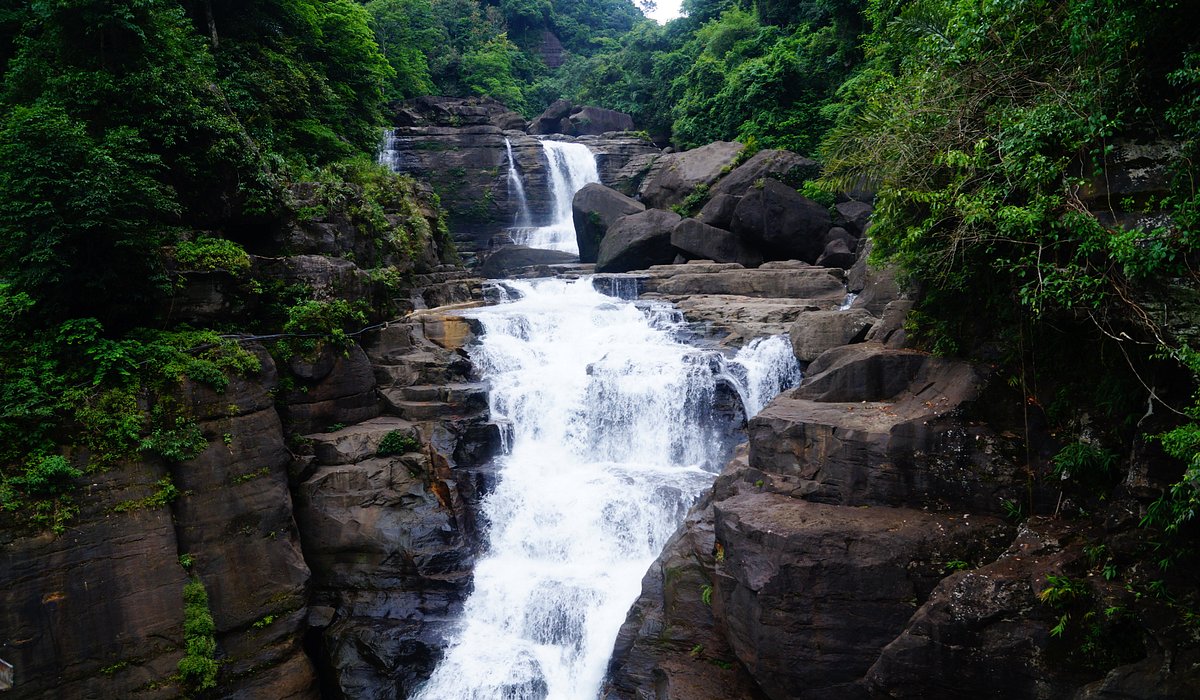
Sohra, popularly known as Cherrapunji, is one of Meghalaya's highest-impact landscape regions. It is known for dramatic escarpments, monsoon cloud walls, deep valleys, cave access, and iconic waterfalls. Even in non-monsoon months, the terrain remains visually dramatic and suitable for slow scenic exploration.
Popular attraction clusters include waterfall points, cave routes, and valley viewpoints that can be combined in a single day if your start is early. Keep realistic timing, because weather and fog can reduce visibility and alter movement pace.
Sohra Planning Notes
- Start early for better visibility windows.
- Keep one backup attraction in case of heavy fog/rain.
- Wear grippy footwear for wet surfaces and viewpoint paths.
- Avoid overloading too many far-apart points in one day.
| Destination Zone | Best For | Ideal Time |
|---|---|---|
| Shillong | Base city, markets, lakes, viewpoints | 1-2 days |
| Sohra/Cherrapunji | Waterfalls, caves, valley scenery | 1-2 days |
| Dawki belt | River activities and border landscapes | 1 day or overnight |
3. Living Root Bridges: Meghalaya's Signature Wonder
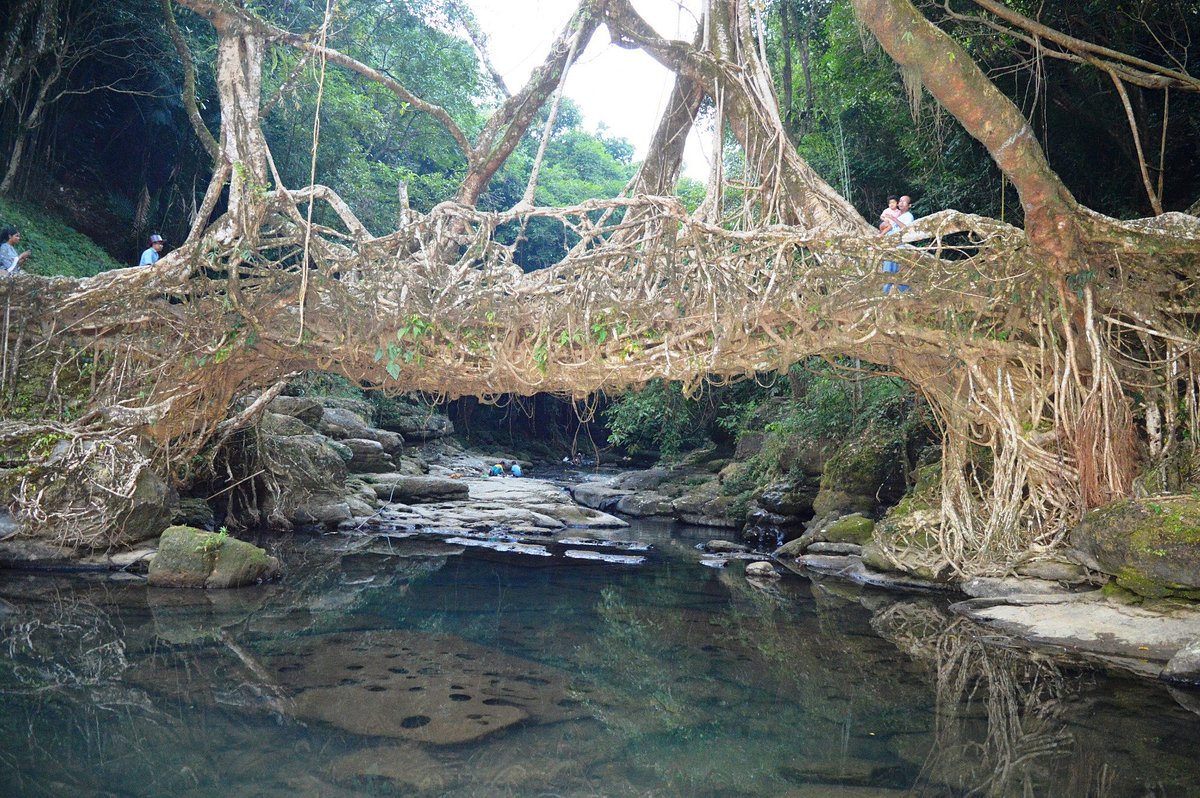
Living Root Bridges are among the most unique attractions in India and a core reason many travelers choose Meghalaya. Built over generations by training tree roots into functional bridge structures, these sites represent community knowledge, ecological adaptation, and long-term cultural engineering.
The double-decker root bridge routes are the most discussed, but Meghalaya has multiple bridge experiences across different village belts. Route difficulty varies, so plan according to fitness and weather. In monsoon and post-rain periods, trail surfaces can be slippery.
Root Bridge Travel Tips
- Start trek blocks early and keep daylight margin.
- Carry water, light snacks, and rain-safe layering.
- Use local guide support on unfamiliar trails.
- Respect village rules and avoid littering.
For route detail, see Living Root Bridges in Meghalaya.
4. Dawki and Umngot River
Dawki has become one of Meghalaya's most photographed destinations because of the Umngot River and clear-water boating experiences in suitable seasons. The area is also linked with Shnongpdeng for adventure-friendly stays and activity-based travel.
For best visual clarity, morning windows are generally preferred. If you are planning only a day trip, leave early from Shillong. If you want river plus activity pace, consider one-night stay in the Dawki-Shnongpdeng belt.
Continue with Dawki guide and camping in Dawki Meghalaya for detailed planning.
5. Mawlynnong and Village Tourism
Mawlynnong is often included in Meghalaya itineraries for its community-led cleanliness model, village experience, and scenic surroundings. This destination is less about high-adrenaline activity and more about local rhythm, short walks, and eco-conscious tourism. It pairs naturally with Dawki routes in a same-day or two-stop plan.
Village tourism in Meghalaya works best when travelers spend time respectfully: observe local routines, avoid noise and litter, and support local food/stay ecosystems where possible.
6. Mawsynram and High-Rainfall Landscapes
Mawsynram is globally recognized for extreme rainfall conditions and attracts travelers curious about Meghalaya's weather identity and cave-linked formations. This is an off-mainstream extension for visitors who already have core Shillong-Sohra-Dawki blocks covered and want additional depth.
Road and weather variability can affect comfort here more than in mainstream circuits, so keep expectations flexible and avoid rigid same-day multi-destination overplanning.
7. Waterfall and Canyon Belts Across Meghalaya
Beyond headline destinations, Meghalaya has extensive waterfall and canyon landscapes spread across Khasi, Jaintia, and Garo belts. Depending on your route, you can add selected falls, valley viewpoints, and river islands as themed extensions. Rather than trying to cover every famous point, choose one landscape theme per day: waterfalls, caves, village route, or river corridor.
For waterfall-heavy itineraries, combine weather-ready clothing, non-slip footwear, and conservative route timing. Distances may look short on maps but can take longer due to terrain and road conditions.
8. Suggested Meghalaya Itineraries
4-Day Intro Route
- Day 1: Shillong arrival and city highlights.
- Day 2: Sohra/Cherrapunji waterfalls and viewpoints.
- Day 3: Living Root Bridge or cave-focused day.
- Day 4: Dawki day trip and return/exit.
6-7 Day Balanced Route
- Shillong (1-2 days)
- Sohra and nearby points (2 days)
- Dawki + Mawlynnong (1-2 days)
- Optional Mawsynram or additional waterfall/canyon extension
This itinerary gives enough flexibility for weather-driven changes, which is essential in Meghalaya travel.
9. Best Time to Visit Meghalaya
Meghalaya can be visited year-round, but your best season depends on priorities. Monsoon creates dramatic greenery and heavy-rain character, while drier months are often easier for mobility and long road circuits. If your focus is trekking and frequent transfers, shoulder or drier periods are usually more practical. If your focus is cloudscapes and rain-fed landscapes, monsoon months are visually exceptional.
Use Meghalaya in monsoon and best time to visit Meghalaya for season-specific planning.
| Season Window | What It Suits | Planning Note |
|---|---|---|
| Monsoon | Rain landscapes, dramatic cloudscapes | Keep weather and road buffers |
| Post-monsoon / winter | Longer road circuits and trekking comfort | Better for multi-stop itineraries |
| Shoulder months | Balanced weather and moderate crowds | Good for mixed route plans |
10. How to Reach Meghalaya and Move Around
Most travelers enter Meghalaya through Guwahati and continue by road to Shillong. From Shillong, onward circuits to Sohra, Dawki, and other belts are typically done via local cabs, shared transport, or self-drive plans (with strong mountain-road confidence). Route sequencing from Shillong is key to minimizing travel fatigue.
Transport Strategy That Works
- Use Shillong as central base for first-day logistics.
- Cluster destinations by geography, not popularity list order.
- Start early for day trips and keep evening arrival buffers.
- Avoid overpacked same-day multi-district plans.
11. Stay Planning: Where to Base Yourself
For short trips, a Shillong-heavy base with one night in Sohra or Dawki can work well. For longer trips, distribute stays: Shillong for city and access, Sohra for waterfalls/caves, and Dawki-side belts for river and activity experiences. This approach reduces repeated long transfers and increases effective sightseeing time.
If traveling in peak seasons or long weekends, pre-book stays and transport to avoid last-minute pricing surges and limited availability.
12. Practical Travel Tips for First-Time Meghalaya Visitors
- Carry rain-ready gear in all seasons; weather shifts quickly.
- Use shoes with strong grip for trails and wet steps.
- Respect local community rules in village and bridge zones.
- Keep offline maps and backup cash for remote belts.
- Plan realistic day blocks; Meghalaya rewards slower pacing.
- Prioritize safety over checklist completion in rain-heavy conditions.
For full route depth, continue with Meghalaya travel guide and places to visit in Meghalaya in June.
13. Common Meghalaya Planning Mistakes and How to Avoid Them
Most itinerary issues in Meghalaya come from timing assumptions, not destination quality. A frequent mistake is planning too many far-apart points in one day. Even when map distance looks short, weather, road bends, viewpoint stops, and parking delays increase real travel time. Keep one landscape theme per day: waterfalls and caves, or villages and river, or city plus market.
Another mistake is ignoring weather flexibility. Meghalaya can shift quickly from clear conditions to heavy rain or fog. Build at least one backup attraction for every day and keep indoor-friendly alternatives for low-visibility periods. Travelers who keep 20-30 percent flexible time usually enjoy the trip more than those who try to complete long fixed checklists.
Finally, do not skip rest pacing on multi-day plans. Long road segments combined with trail walks can cause fatigue by day three. Balanced itineraries with an easier day in between high-activity days are safer and more enjoyable.
Final Take
The best places to visit in Meghalaya combine city comfort, village culture, rain-fed landscapes, and some of India's most unique natural attractions. Shillong, Cherrapunji, Living Root Bridges, Dawki, and Mawlynnong form a strong first-time core, while Mawsynram and additional waterfall belts add depth for longer trips. Plan by region, stay flexible for weather, and Meghalaya will reward you with one of the richest nature-travel experiences in the country.
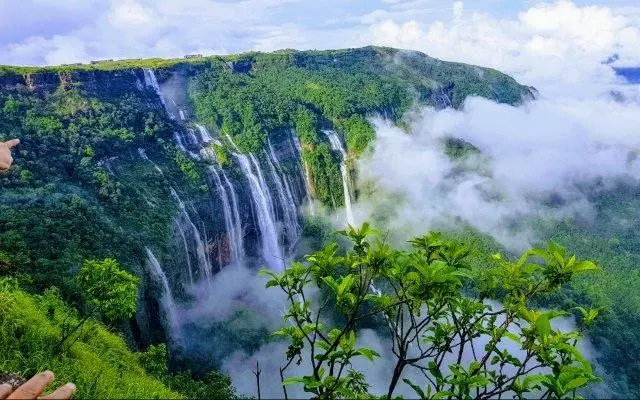
Location
Frequently Asked Questions
Q1.What is the best time to visit Meghalaya?
Q2.How many days are enough for Meghalaya?
Q3.What is Meghalaya most famous for?
Q4.Which are the must-visit places in Meghalaya for first-timers?
Q5.Is Meghalaya safe for tourists?
Q6.What is special about Living Root Bridges?
Q7.How do most travelers reach Meghalaya from Guwahati?
Q8.What should I pack for a Meghalaya trip?
Recommended For You
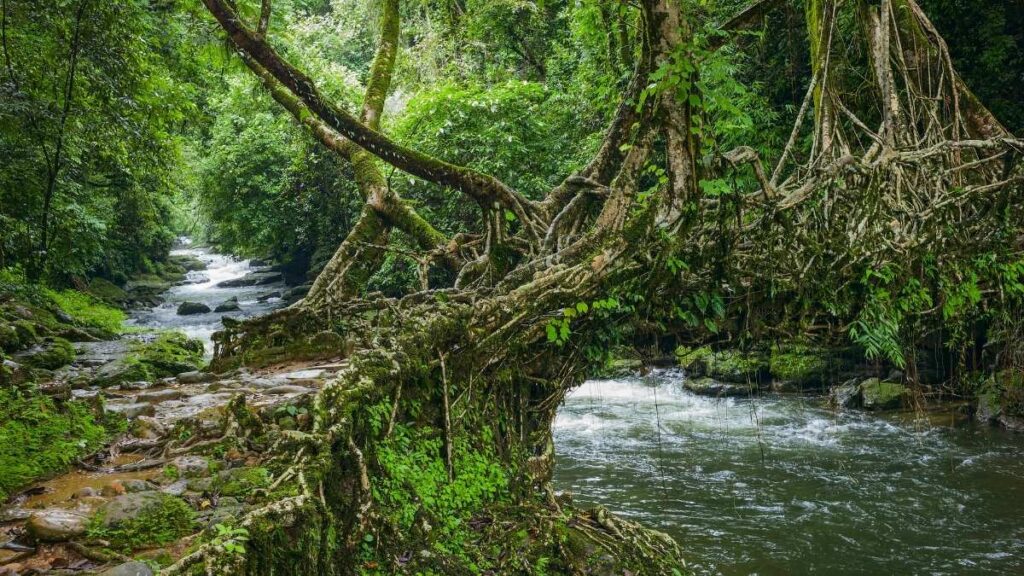
Living Root Bridges Meghalaya: Trek Routes, Villages & Local Tips
Discover Meghalaya's incredible living root bridges - nature's bioengineering marvel grown by the Khasi tribes. Complete trekking guide to the Double Decker Root Bridge in Nongriat, best time to visit, how to reach, difficulty level, and photography tips.
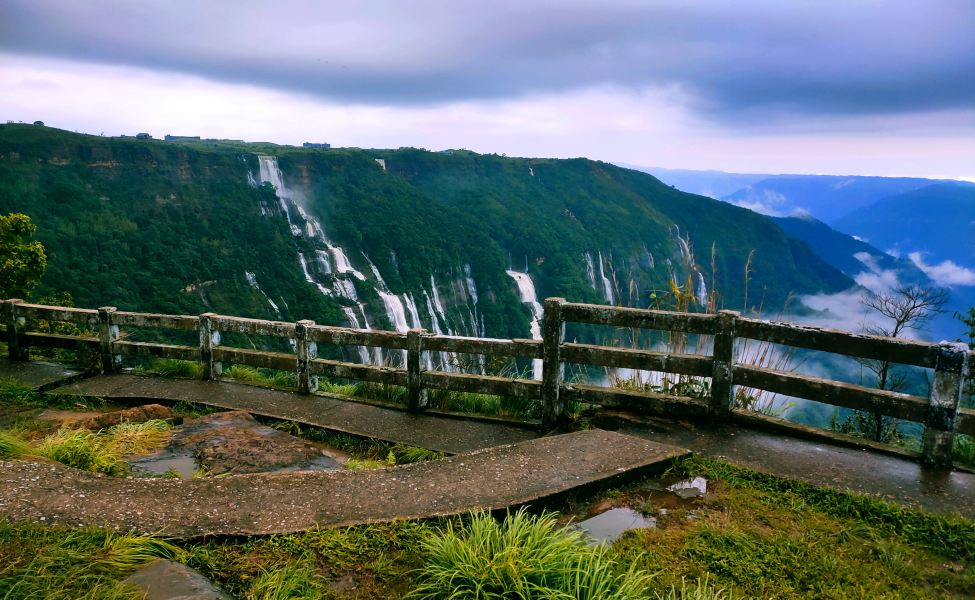
Meghalaya: Complete Travel Plan Places And Weather
Complete Meghalaya travel guide featuring living root bridges, Cherrapunji, Shillong, Dawki, caves, waterfalls & practical tips.
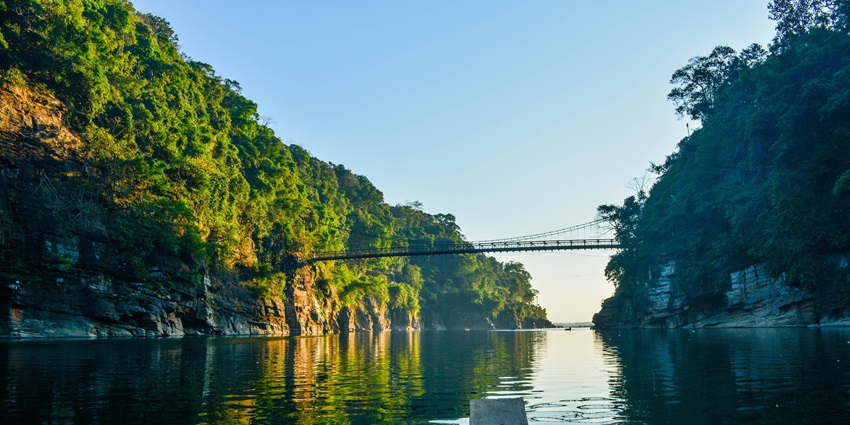
Best Places to Visit in Dawki: River Views, Camps & Border Points
Plan your Dawki trip with top places to visit, Umngot boating insights, Shnongpdeng activities, border viewpoints, seasonal tips, and practical travel logistics.
Never Miss an Adventure
Get the latest trekking guides, travel tips, and exclusive offers delivered straight to your inbox.
