
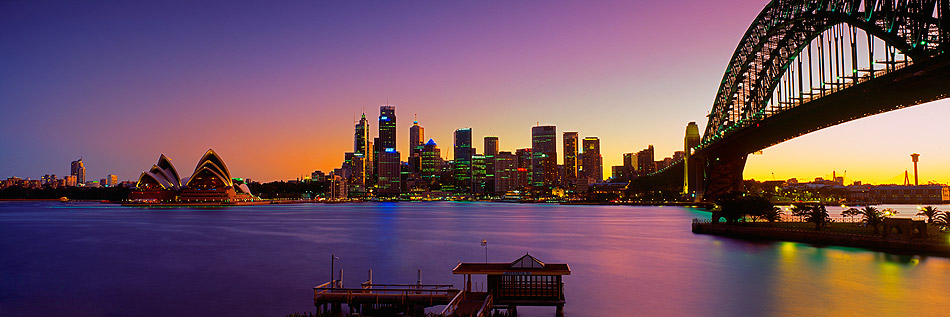
Best Time to Visit Sydney: Season Guide, Events & Beach Weather

Rahul Garg
February 19, 2026
Plan the best time to visit Sydney with season-wise weather, beach and budget timing, event windows, and month-by-month guidance for a smoother Australia trip.
Introduction
Sydney is one of those cities where timing can completely change your trip style. It is a harbor city with beaches, coastal walks, festivals, major sports events, and strong year-round tourism. But unlike many destinations in the Northern Hemisphere, Sydney follows Southern Hemisphere seasons. That means December to February is summer, while June to August is winter.
For travelers, this season reversal is the single most important planning point. If you arrive in December expecting cold weather, you will get beach weather instead. If you travel in July expecting peak heat, you will find mild winter conditions. The best time to visit Sydney depends on your purpose: swimming and beaches, mild sightseeing weather, event travel, or budget-focused planning.
This guide gives a practical season-by-season breakdown, month-wise weather direction, crowd and budget strategy, and event timing tips. For broader planning, you can also check winter in Australia, New Year events in Sydney, and Albert Park Melbourne guide.
Best Time to Visit Sydney: Quick Answer
For most travelers, the best time to visit Sydney is September to November and March to May. These shoulder seasons usually offer comfortable temperatures, lower humidity than peak summer, and smoother city exploration. If beaches and ocean activities are your main goal, choose December to February. If lower prices and thinner crowds matter most, winter months can offer value.
| Travel Goal | Best Months | Why It Works |
|---|---|---|
| Balanced weather and sightseeing | September to November, March to May | Mild temperatures and good city mobility |
| Beach and swimming season | December to February | Warm air and stronger beach culture |
| Budget-focused travel | May to August | Often lower hotel rates outside peak summer |
| Festival and city events | May to June, December | Vivid Sydney and New Year season energy |
| First-time city exploration | October, November, March, April | Pleasant weather with manageable crowds |
Sydney Summer (December to February): Peak Beach Season
Summer in Sydney is hot, bright, and active. Beaches like Bondi, Coogee, and Manly are at full energy, and outdoor life is central to city culture. December and January are especially busy because they combine summer holidays with major events. If your ideal Sydney trip includes coastal walks, beach swims, outdoor dining, harbor cruises, and long evening light, this is the strongest period.
The trade-off is demand. Accommodation and flights can rise around holiday weeks, and popular attractions have heavier footfall. If traveling in this season, book early and reserve key experiences in advance. Keep sun protection and hydration as non-negotiables, especially for long outdoor days.
Summer Snapshot
- Typical daytime range: around 18 degree C to 26 degree C, with hotter spikes possible
- Best for: beaches, outdoor experiences, coastal itineraries
- Challenges: higher prices, heavier crowds in peak holiday windows
- Planning tip: lock hotels and event tickets early for late December and January

Sydney Autumn (March to May): Mild and Comfortable
Autumn is one of the most practical seasons for general tourism in Sydney. Temperatures soften, humidity eases, and city exploration feels more comfortable than peak summer. This period works very well for travelers who want to mix iconic sightseeing with day trips, neighborhood walks, museum visits, and selective beach time without extreme heat.
March still carries summer energy, while April and May usually feel calmer. For many first-time visitors, autumn offers the best balance between weather quality and crowd pressure. If you want long city days without high-heat fatigue, this season is a smart choice.
Sydney Winter (June to August): Cool, Quieter, and Value-Friendly
Sydney winters are generally cool rather than severe. Day conditions are often suitable for city exploration, and snow is not a normal city feature. Winter is useful for travelers who prioritize lower crowd intensity and better value opportunities. Indoor attractions, dining, culture, harborside walks, and city neighborhoods can still be enjoyed comfortably with light layering.
This is also when Vivid Sydney usually takes place during May-June, bringing light installations and city events that can temporarily increase demand. Outside major event windows, winter often feels more relaxed than summer. If your goal is to experience Sydney without peak-season congestion, winter can work very well.
Winter Snapshot
- Typical daytime range: roughly 8 degree C to 17 degree C
- Best for: city breaks, museums, dining, lower crowd pressure
- Common misconception: Sydney winter is mild, not a snow-season city experience

Sydney Spring (September to November): Pleasant and High-Value Season
Spring is often considered one of the best all-round periods for Sydney travel. Weather becomes warmer without peak summer intensity, gardens and coastal areas look vibrant, and outdoor activities are easy to enjoy. September and October are especially attractive for travelers who want a balanced itinerary with both city landmarks and outdoor time.
November can become busier as summer approaches, but it still generally offers excellent conditions for walking-heavy days and harbor sightseeing. If you want to avoid both summer heat spikes and winter coolness, spring is usually the strongest recommendation.
Best Time for Sydney Beaches
If beach time is your top goal, choose December through February. Water and air conditions are generally most favorable for swimmers and beach-focused travelers. Bondi to Coogee coastal sections are highly active in this period, and beach culture is at its peak.
Shoulder months like November and March can also be excellent if you prefer warm but slightly less intense conditions. Winter beach visits are still scenic for walks and photos, but water and wind conditions feel cooler for most travelers. For first-time visitors who prioritize a classic Sydney beach experience, late spring to early autumn is usually ideal.
Best Time for Budget Travel in Sydney
Sydney is rarely a low-cost destination, but timing can improve value significantly. May to August often provides better accommodation deals than peak summer and year-end holiday windows. Flexible weekday travel and advance booking can further reduce costs.
Avoid expecting lowest rates during event spikes like Vivid season peaks or New Year celebrations. Budget planning works best when you combine shoulder/winter dates with early booking and neighborhood flexibility. Staying slightly outside highest-demand zones can also improve value without reducing overall trip quality, especially if you use Sydney's transport network efficiently.
Sydney Events and Festival Timing
| Event | Typical Timing | Travel Impact |
|---|---|---|
| New Year's Eve fireworks | 31 December | Very high demand, premium pricing, advance planning essential |
| Vivid Sydney | May to June | Major city event, evening crowds, strong accommodation demand |
| Sculpture by the Sea | Spring period | Excellent for coastal art walks and photography |
| Summer holiday season | Late December to January | Peak tourist volume across beaches and attractions |
Event-based travel can be highly rewarding, but demand rises sharply. If events are core to your trip, confirm dates early and secure stays before finalizing sightseeing plans.
Month-by-Month Sydney Weather Snapshot
| Month | Travel Character | Planning Note |
|---|---|---|
| January | Peak summer | Strong beach season, high demand |
| February | Warm summer | Great for outdoor experiences |
| March | Early autumn | Comfortable city exploration |
| April | Mild autumn | Balanced weather and pace |
| May | Late autumn | Good value potential before winter |
| June | Winter starts | Cool weather, Vivid season interest |
| July | Mid-winter | Quieter city window for many travelers |
| August | Late winter | Value-focused city travel month |
| September | Spring begins | One of the best all-round periods |
| October | Pleasant spring | Excellent for mixed itineraries |
| November | Late spring | Warm and active, pre-summer momentum |
| December | Summer returns | Holiday crowds and premium demand |

Crowd and Cost Trade-offs
The classic Sydney decision is simple: best beach weather usually means higher prices and larger crowds. If you want calmer city movement and potentially better rates, travel in late autumn or winter shoulder periods. If climate comfort matters more than beach priority, spring and autumn generally provide the best overall balance.
For many travelers, the most efficient strategy is to pick the experience first, then optimize dates inside that season. This prevents costly compromises and improves trip satisfaction. If your dates are fixed, shift the time of day rather than the whole plan: schedule coastal walks early morning in warmer months, keep museums and markets for midday, and reserve harbor viewpoints for evening light when temperatures are more comfortable.
Packing Tips by Season
- Summer: light breathable clothes, strong sun protection, hydration essentials.
- Autumn and spring: light layers for day-night variation.
- Winter: light jacket, full-length layers, and evening warmth essentials.
- All seasons: comfortable walking shoes for city and coastal routes.
Common Timing Mistakes to Avoid
- Forgetting that Sydney seasons are reversed versus Europe and North America.
- Booking New Year period late and expecting regular rates.
- Assuming winter means snow conditions in the city.
- Choosing summer without preparing for UV exposure and heat.
- Ignoring event calendars while planning accommodation.
Another practical tip is to align neighborhood choices with your season. In summer, bases near coastal transport links can reduce transit fatigue for beach-heavy plans. In cooler months, staying closer to CBD museums, dining streets, and harbor ferries can improve daily efficiency and help you cover more without long commutes.
Conclusion
The best time to visit Sydney depends on your priority, but for most travelers September to November and March to May offer the best balance of weather, comfort, and city exploration. Choose December to February for peak beach culture and summer energy, and choose May to August for quieter, often better-value travel. Plan around season goals, not only airfare price, and your Sydney trip will feel far more rewarding.
If you're extending this trip, Winter in Australia is worth adding to your plan. Many travelers also pair this with Sydney Tower Eye for a fuller itinerary.
Location
Frequently Asked Questions
Q1.What is the best month to visit Sydney?
Q2.When is Sydney least expensive for tourists?
Q3.Is Sydney worth visiting in winter?
Q4.Does it snow in Sydney city?
Q5.When is the hottest period in Sydney?
Q6.What is Sydney weather like in January?
Q7.When is the best time for Sydney beaches?
Q8.Can we visit Sydney in December?
Recommended For You
Best Time to Visit London: Weather, Events & Money-Saving Tips
Complete month-by-month guide to the best time to visit London UK. Learn about weather patterns, events, crowds, costs & insider tips for each season to plan your perfect London trip.
Sydney Tower Eye: Complete Visitor Guide 2026
Sydney Tower Eye: Complete guide to tickets, timings, best views, 4D cinema & tips for Sydney's highest observation deck with 360-degree city views.

7 Best Theme Parks in London & Near London
Discover the 7 best theme parks in London and near London, including Thorpe Park, LEGOLAND Windsor, Chessington, and Alton Towers. Complete guide with attractions, tips, and how to get there.
Never Miss an Adventure
Get the latest trekking guides, travel tips, and exclusive offers delivered straight to your inbox.
