
Winter in Australia: The Ultimate Travel Guide for Indian Tourists

Priya Mehta
December 12, 2025
Complete guide to winter in Australia for Indian tourists covering June-August travel, snow destinations, tropical Queensland escapes, skiing, wildlife, and practical travel tips.
Introduction: Discover Australia's Winter Wonderland
Australia during winter (June to August) offers an incredible diversity of experiences that many travelers never consider. While most Indians flock to Australia during the summer months of December to February, visiting during the Australian winter reveals a completely different side of this magnificent country. From snow-capped mountains in Victoria and New South Wales to the pleasant tropical warmth of Queensland, Australia's winter season provides something for every type of traveler.
What makes Australian winter particularly special is the reverse seasonality from India. When much of India is experiencing scorching summer heat from June to August, Australia offers a refreshing escape with mild temperatures in most regions and proper snow conditions in the alpine areas. This timing aligns perfectly with Indian school holidays, making it an excellent choice for family vacations.
This comprehensive guide covers everything you need to know about visiting Australia during winter, including the best destinations, weather patterns, packing essentials, activities, and practical tips specifically for Indian travelers.
Understanding Australia's Winter Season
Australia's winter officially spans from June to August, but the weather patterns vary dramatically across the country's vast landscape. Australia is about the same size as India, but with a fraction of the population, meaning the climate varies from tropical in the north to alpine in the southeast.Winter Months Overview
June (Early Winter): This transitional month sees temperatures beginning to drop across southern regions. The ski season typically kicks off in the Snowy Mountains around the Queen's Birthday long weekend (second Monday of June). Northern regions like Queensland remain pleasant and warm, making it perfect for beach activities. This is an excellent time to visit if you want to avoid peak winter crowds while still enjoying winter conditions in the mountains. July (Peak Winter): July is typically the coldest month across Australia. Ski resorts are in full operation, and the mountain regions receive their best snowfall. Cities like Sydney and Melbourne experience cool days and crisp nights. School holidays begin in many Australian states, so domestic tourism increases, particularly in coastal areas. This is the best month for snow sports and winter festivals. August (Late Winter): Temperatures start to gradually increase, especially in urban areas. The ski season continues, though snow conditions can become variable towards the end of the month. Wildflowers begin blooming in Western Australia, and whale watching season peaks along the southern and eastern coasts. This is a great month for combining winter activities with early spring experiences.Regional Weather Patterns
Australia's vast size means winter looks very different depending on where you visit. Understanding these regional variations is crucial for planning your trip. Southern Australia (Sydney, Melbourne, Adelaide): These regions experience proper winter conditions with daytime temperatures ranging from 12-18°C and nighttime temperatures dropping to 5-10°C. Rainfall is moderate, and occasional cold fronts can bring sudden temperature drops. Melbourne is famous for its "four seasons in one day" weather patterns, so layering is essential. These cities can experience frosty mornings but rarely see snowfall in urban areas. Alpine Regions (Snowy Mountains, Victorian Alps): This is where you'll find genuine winter wonderland conditions. Areas like Mount Buller, Falls Creek, and Thredbo receive substantial snowfall, with temperatures often remaining below freezing. Daytime temperatures range from -2 to 5°C, while nighttime temperatures can drop to -10°C or lower. These regions offer Australia's best skiing and snowboarding experiences from June to September. Tropical North (Cairns, Darwin, Brisbane): Winter in northern Australia is actually the dry season and the most pleasant time to visit. Days are sunny and warm with temperatures around 22-28°C, while nights are comfortably cool at 15-20°C. This is the perfect escape from the southern cold and ideal for Great Barrier Reef visits, rainforest explorations, and outdoor activities. Humidity is low, and rainfall is minimal. Western Australia (Perth, Margaret River): This region experiences mild winter weather with daytime temperatures of 16-20°C and cooler nights around 8-12°C. Winter is the wettest season in Perth, but rain typically comes in showers rather than continuous downpours. This is an excellent time for wine tasting in Margaret River, whale watching, and exploring the region's natural attractions without the summer heat. Central Australia (Uluru, Alice Springs): The Outback experiences pleasant daytime temperatures of 20-25°C but can get very cold at night, often dropping to 0-5°C. This is actually one of the best times to visit the Red Centre as the extreme summer heat is gone, making outdoor activities and hiking much more comfortable. Clear winter nights also offer spectacular stargazing opportunities.Top Winter Destinations in Australia
Melbourne and Surroundings
Melbourne transforms into a cozy winter destination with a vibrant cultural scene, excellent food and wine, and easy access to snowfields just a few hours away. The city's famous laneways come alive with warm cafes, restaurants, and bars. Winter in Melbourne means hot chocolate, roaring fireplaces, and the city's renowned hospitality scene. The city hosts several winter festivals, including the Winter Night Market at Queen Victoria Market (Wednesday evenings in winter), featuring food stalls, live music, and artisan crafts. The Australian Open tennis warm-up events typically occur in January, but winter is perfect for Australian Rules Football matches at the iconic Melbourne Cricket Ground. Day trips from Melbourne offer incredible winter experiences. The Mornington Peninsula, just an hour away, is famous for its hot springs, perfect for soaking in natural thermal pools while cool winter mist surrounds you. The Yarra Valley wine region comes alive with cozy cellar doors offering tastings by roaring fireplaces. Phillip Island offers winter wildlife viewing, including the famous penguin parade. Most importantly, Melbourne serves as the gateway to Victoria's ski resorts. Mount Buller and Mount Baw Baw are just 3-4 hours drive from the city, making Melbourne the perfect base for a ski trip.Sydney and New South Wales
Sydney's winter is mild compared to Melbourne, with average daytime temperatures around 17°C. The harbor city is beautiful in winter, with crisp clear days perfect for walking the Harbour Bridge, exploring the Rocks, or taking coastal walks from Bondi to Coogee. Winter means fewer crowds at major attractions and shorter lines at popular restaurants. The city's winter highlights include Vivid Sydney (May-June), a spectacular light, music, and ideas festival that illuminates the Sydney Opera House and Harbour Bridge. Winter is also prime time for whale watching along the Sydney coastline, as humpback whales migrate north. For snow enthusiasts, the Snowy Mountains are accessible from Sydney, with Perisher and Thredbo being Australia's largest ski resorts. The drive takes about 5-6 hours through beautiful changing landscapes. These resorts offer proper alpine experiences with skiing, snowboarding, and après-ski activities. The Blue Mountains, just two hours from Sydney, are spectacular in winter. While you won't find snow in the towns, occasional dustings occur on the highest peaks. The winter mist creates atmospheric conditions around the Three Sisters, and cozy guesthouses offer perfect weekend getaways.Tropical Queensland
For Indian travelers seeking warmth during Australia's winter, Queensland is paradise. The entire region from Cairns to Brisbane offers perfect winter weather, making it ideal for those who want to escape both Indian summer and Australian cold. Cairns and Great Barrier Reef: Winter is actually the best time to visit the Great Barrier Reef. Water visibility is excellent, air temperatures are around 26°C, and humidity is low. This is also the season for minke whale encounters, a unique experience available only from June to July. The Daintree Rainforest is more comfortable to explore without the summer heat and humidity. Brisbane: This subtropical capital offers sunny winter days with temperatures around 22-25°C. The city's outdoor lifestyle continues year-round, with winter being perfect for visiting South Bank Parklands, exploring the Lone Pine Koala Sanctuary, and taking day trips to nearby islands like Moreton and North Stradbroke. The Gold Coast: Famous for its beaches and theme parks, the Gold Coast offers pleasant winter weather perfect for outdoor activities. While the water might be cool for swimming, surfing continues year-round with appropriate wetsuits. Winter means fewer crowds and lower accommodation prices. The hinterland region offers rainforest walks and waterfalls that are spectacular after winter rains. The Whitsundays: This island paradise enjoys perfect winter conditions with calm seas, clear skies, and comfortable temperatures. Sailing around the 74 islands is magical during winter, and Whitehaven Beach is even more stunning without the summer crowds. This is prime season for snorkeling and diving.Snowy Mountains and Alpine Regions
For travelers seeking genuine winter experiences, Australia's alpine regions deliver proper snow conditions and European-style winter wonderlands. The Snowy Mountains in New South Wales and the Victorian Alps offer excellent skiing and snowboarding from June to September. Perisher Blue: Australia's largest ski resort, Perisher encompasses four interconnected ski areas across 1,245 hectares of terrain. With 47 lifts, including the eight-seat Jindabyne Express chairlift, Perisher offers terrain for all abilities, from beginner slopes to advanced tree runs. The resort gets reliable snowfall and has extensive snow-making capabilities. The village of Jindabyne at the base offers accommodation, restaurants, and equipment hire. Thredbo: Known for its longest runs in Australia and excellent vertical drop, Thredbo offers a European-style village atmosphere with slopeside accommodation and vibrant après-ski scene. The resort caters well to families and beginners, while also offering challenging advanced terrain. The Kosciuszko Express chairlift provides access to Australia's highest terrain. Falls Creek: Victoria's largest ski resort features ski-in/ski-out accommodation and a charming village atmosphere. Known for its excellent beginner and intermediate terrain, Falls Creek also offers fantastic cross-country skiing trails through stunning alpine scenery. The resort's layout makes it perfect for families who want to stay slopeside. Mount Buller: Just three hours from Melbourne, Mount Buller is the most accessible ski resort from the city. The resort offers excellent terrain for all levels, modern lift infrastructure, and stunning views across Victoria's high country. Buller is particularly popular with day trippers and weekend visitors from Melbourne.Tasmania
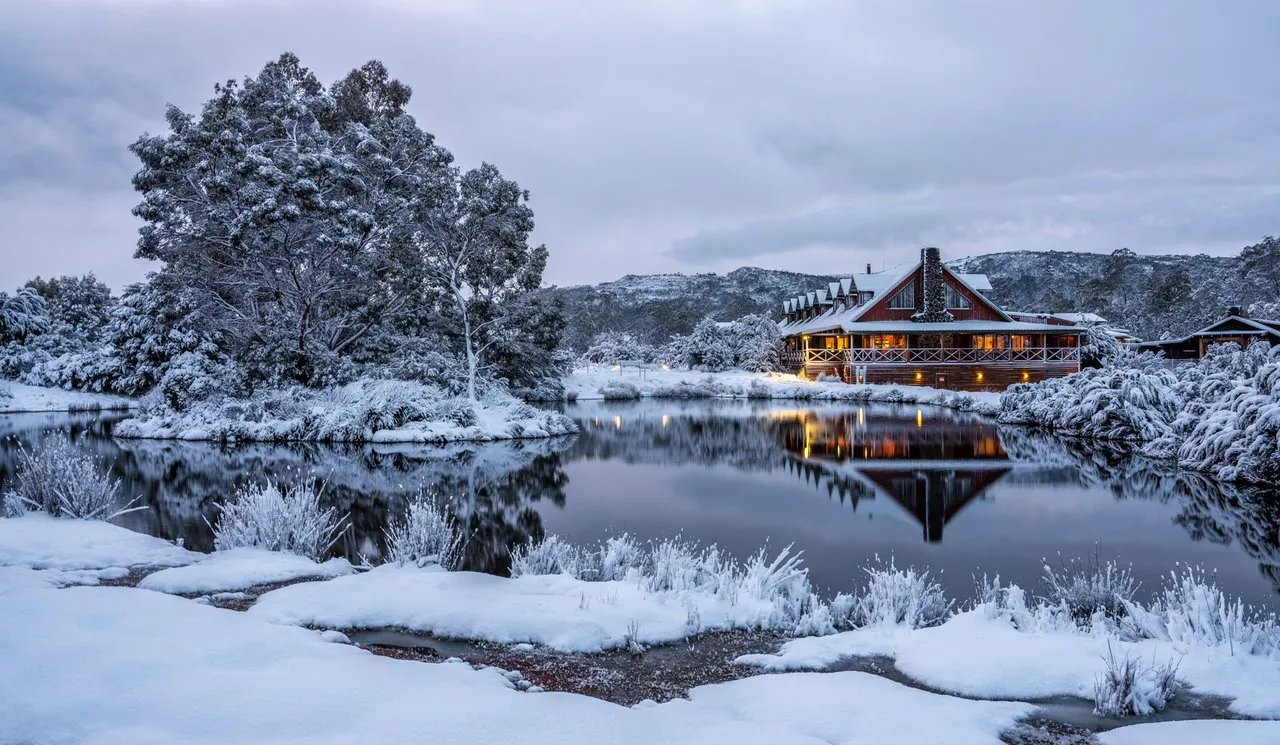
Tasmania experiences the coolest temperatures of any Australian state, making it a true winter destination. The island state comes alive with winter festivals, snow-covered highlands, and incredible food and wine experiences. Hobart: Tasmania's capital transforms in winter, with the famous Dark MoFo festival (June) bringing international artists, winter feasts, and spectacular light installations. The city's Salamanca Market continues year-round, and the Museum of Old and New Art (MONA) is fascinating in any season. Winter is also the peak season for the Tasmanian Symphony Orchestra. Mount Wellington: Rising behind Hobart, kunanyi/Mount Wellington frequently receives snow during winter, and the drive (or hike) to the summit offers spectacular snowy views across the city and harbor. The temperature difference between the city and summit can be 10°C or more, making it a genuine alpine experience. Cradle Mountain-Lake St Clair National Park: Winter hiking here is magical, with snow-dusted peaks reflected in mirror-like Dove Lake. The Overland Track remains open with proper equipment, and the weather creates dramatic, moody landscapes that photographers love. The historic Waldheim Chalet offers a cozy mountain retreat experience. East Coast: The Freycinet Peninsula and Bay of Fires are stunning in winter, with fewer crowds and dramatic coastal scenery. While swimming might be chilly, winter is excellent for wildlife viewing, including wombat, wallaby, and Tasmanian devil sightings. Wineglass Bay looks spectacular under moody winter skies.Adelaide and South Australia
South Australia offers a different winter experience focused on wine regions, wildlife, and cultural attractions. The state capital Adelaide experiences mild winters with occasional cool days perfect for indoor activities. Adelaide Hills: Just 30 minutes from the city, the Adelaide Hills transform into a misty, magical winter landscape. The region is famous for its cool-climate wines, charming villages like Hahndorf (Australia's oldest German settlement), and excellent restaurants. Winter is perfect for visiting German-style pubs, warming up with local wines, and browsing artisan shops. Barossa Valley: Australia's most famous wine region is spectacular in winter, with lush green vineyards and cozy cellar doors. Many wineries offer tastings by open fires, and winter is truffle season in the region. The Barossa's German heritage means excellent comfort food to match the hearty red wines. Kangaroo Island: Winter is an excellent time to visit for wildlife enthusiasts. The island's famous kangaroos, koalas, and sea lions are active year-round, and winter brings fewer tourists. The island's luxury accommodations offer perfect winter retreats, and local produce including honey, cheese, and seafood can be enjoyed in cozy restaurants.Winter Activities and Experiences
Skiing and Snowboarding
Australia may not be the first destination that comes to mind for snow sports, but the country offers excellent skiing and snowboarding conditions, particularly in July and August. The major resorts have invested heavily in snow-making equipment, ensuring reliable conditions even in low-snowfall years. For beginners, Australian resorts are perfect – they're less intimidating than European or North American resorts, have excellent ski schools with English-speaking instructors, and offer affordable packages. Most resorts have dedicated learner areas with magic carpets and gentle slopes. Intermediate and advanced riders will find plenty to enjoy, particularly at Perisher and Thredbo, which offer varied terrain and decent vertical drops. While Australian runs aren't as long as those in major international resorts, the well-maintained groomers and excellent lift infrastructure make for enjoyable days on the slopes. Ski season passes, equipment hire, and lesson packages are reasonably priced compared to international standards. Most resorts also offer night skiing on illuminated runs, adding to the experience. The après-ski scene, while not as wild as European resorts, includes cozy bars, restaurants, and live entertainment.Whale Watching
Winter is prime whale watching season along Australia's eastern and southern coasts. From May to November, humpback whales migrate from Antarctic waters to breeding grounds in Queensland, providing excellent viewing opportunities. Sydney: Whale watching cruises depart from Sydney Harbour between May and November. The migration peaks in June-July (northbound) and September-October (southbound). Headlands like Cape Solander in Kamay Botany Bay National Park offer excellent land-based viewing. Hervey Bay: Known as the whale watching capital of Australia, Hervey Bay on Queensland's Fraser Coast offers exceptional encounters from July to November. The calm waters of the bay make this one of the best places for close-up whale experiences. Victorian Coast: The Great Ocean Road region offers excellent whale viewing from June to September. Warrnambool's Logan's Beach is known as the "whale nursery" where southern right whales calve close to shore.Food and Wine Experiences
Winter is arguably the best season for food and wine tourism in Australia. The cooler weather pairs perfectly with hearty Australian cuisine and world-class red wines. Across the country, wine regions come alive with special winter events. Margaret River: This Western Australian wine region hosts the Margaret River Gourmet Escape in winter, featuring world-renowned chefs and winemakers. The region's famous cabernet sauvignon and chardonnay are perfect for winter tasting. Many wineries offer cozy tastings by wood fires. Yarra Valley: Just an hour from Melbourne, the Yarra Valley is spectacular in winter with mist-covered vineyards and mountain backdrops. The region is famous for pinot noir and chardonnay, and many cellar doors offer winter lunch specials with local produce. Barossa Valley: Winter coincides with truffle season in the Barossa, with special truffle hunts and dining events. The region's German heritage means excellent winter food including wursts, sauerkraut, and pretzels to match the famous shiraz. Hunter Valley: Australia's oldest wine region, two hours north of Sydney, offers excellent winter wine tasting experiences. The region's semillon and shiraz are world-renowned, and many restaurants offer winter menus featuring local produce.Wildlife Encounters
Winter offers unique wildlife viewing opportunities across Australia. Many animals are more active in cooler weather, and the lack of summer crowds means more intimate encounters. Kangaroos and Wallabies: These iconic Australian animals are active year-round but are often more visible in winter as they come out to feed during warmer parts of the day. Areas like Kangaroo Island, the Grampians in Victoria, and New South Wales national parks offer excellent viewing. Koalas: While koalas sleep up to 20 hours a day, cooler winter weather sometimes means they're more active during daytime. Places like Lone Pine Sanctuary in Brisbane and Kennett River on the Great Ocean Road offer reliable koala sightings. Penguins: Phillip Island's famous penguin parade occurs year-round, with the little penguins returning to shore at sunset every evening. Winter means colder viewing conditions but also fewer crowds. For a warmer experience, consider the penguin parade at London Bridge in Victoria or Steamer's Beach in Tasmania. Tasmanian Devils: These unique marsupials are best seen in Tasmania, where several wildlife sanctuaries offer feeding tours. Winter evenings are actually ideal as the devils are more active in cooler temperatures.City Experiences and Cultural Attractions
Australia's major cities come alive in winter with cultural events, exhibitions, and indoor attractions perfect for cooler weather. Melbourne: The city's cultural calendar is packed in winter. Major theatre productions, international exhibitions at ACMI and the National Gallery of Victoria, and live music venues offer world-class entertainment. The city's famous laneway arcades are perfect for winter browsing, and the coffee culture is ideal for warming up. Sydney: Beyond the major attractions, winter in Sydney means excellent theatre in the West End and local productions, concerts at the Sydney Opera House, and exhibitions at the Art Gallery of New South Wales. The city's museums, including the Australian Museum and Powerhouse Museum, are perfect for rainy winter days. Brisbane: The Queensland Museum and Sciencentre, Gallery of Modern Art, and Lone Pine Koala Sanctuary offer excellent indoor experiences. The city's winter weather is perfect for outdoor activities like climbing the Story Bridge or visiting the Mount Coot-tha Botanic Gardens.Packing Guide for Australian Winter
Packing for Australia in winter requires careful planning because you might experience multiple climates in one trip. Here's a comprehensive guide based on the regions you plan to visit.Southern Cities (Melbourne, Sydney, Adelaide)
For urban areas in southern Australia, pack layers that can be added or removed as temperatures fluctuate. The key is versatility and weather preparation.- Thermal base layers: 2-3 thermal tops (merino wool is ideal) for cold days and layering
- Long-sleeved tops: 4-5 lightweight long-sleeve shirts for mid-layers
- Sweaters and jumpers: 2-3 wool or cashmere sweaters for warmth
- Waterproof jacket: Essential, especially for Melbourne's unpredictable weather
- Warm trousers: 2-3 pairs including jeans and wool trousers
- Comfortable walking shoes: Waterproof sneakers or comfortable boots for city walking
- Scarf, gloves, and beanie: Essential for colder days and evenings
- Umbrella: Compact umbrella for sudden rain showers
- Warm sleepwear: Hotels may not have heating as powerful as you're used to
Snowy Mountains and Alpine Regions
If you're planning to visit ski resorts, you'll need proper winter gear. While you can hire equipment in Australia, bringing some items from home can save money.- Ski jacket and pants: Waterproof and breathable is essential
- Thermal underwear: Multiple sets for layering on the slopes
- Fleece or wool mid-layers: For insulation under your jacket
- Waterproof gloves or mittens: Mittens are warmer for people who feel the cold
- Beanie/hat: Essential for retaining body heat
- Neck warmer or buff: Versatile item for neck and face protection
- Ski socks: Merino wool ski socks (2-3 pairs)
- Snow boots: Waterproof, insulated boots for walking around resort villages
- Sunglasses and sunscreen: UV is strong even in winter, especially on snow
- Lip balm with SPF: Lips get sunburned and chapped in cold weather
Tropical Queensland
Packing for Queensland in winter is completely different – think warm days, cool nights, and sun protection.- Lightweight clothing: Cotton t-shirts, shorts, and summer dresses
- Light long pants: For evenings and sun protection
- Light jacket or cardigan: For air-conditioned places and cooler evenings
- Rash guard/swim shirt: For snorkeling and water activities
- Swimwear: Multiple sets for beach and pool time
- Water shoes: For reef walking and rocky beaches
- Wide-brimmed hat: Essential for sun protection
- Sunglasses: Polarized lenses are best for water activities
- Reef-safe sunscreen: High SPF, water-resistant
- Insect repellent: For evening outdoor activities, especially in tropical areas
- Light rain jacket: For occasional tropical showers
Essential Items for All Regions
- Universal power adapter: Australia uses Type I plugs (230V)
- Portable power bank: For charging devices during long days of sightseeing
- Camera with extra batteries: Cold weather drains batteries faster
- Reusable water bottle: Stay hydrated, especially in dry mountain air
- Medications: Bring sufficient supplies plus prescriptions
- Travel insurance documents: Essential, especially for adventure activities
- Copies of important documents: Passport, visa, travel insurance
Practical Travel Information
Visa Requirements for Indian Citizens
Indian citizens require a visa to visit Australia. The most common option for tourists is the Visitor Visa (Subclass 600), which can be applied for online through the Australian Department of Home Affairs website. The visa application process typically takes 2-4 weeks, so apply well in advance of your travel dates. You'll need to provide documentation including passport details, employment information, financial statements showing sufficient funds, and your travel itinerary. Visa costs vary but are approximately AUD 145 for a standard tourist visa. The visa is typically valid for 12 months and allows multiple entries with stays of up to 3, 6, or 12 months per visit. Most tourists receive 3-month stay permissions. Electronic Travel Authority (ETA) options are not available for Indian passport holders, so the full visa application process is required. Make sure your passport has at least six months of validity beyond your planned departure date from Australia.Flights from India to Australia
Direct flights are available from major Indian cities to Sydney, Melbourne, and Brisbane. Several airlines operate these routes including:- Air India: Direct flights from Delhi and Bangalore to Sydney and Melbourne
- Qantas: Direct flights from Delhi to Sydney and Melbourne
- Singapore Airlines: Connections via Singapore (excellent hub)
- Malaysian Airlines: Connections via Kuala Lumpur
- Thai Airways: Connections via Bangkok
- Emirates: Connections via Dubai
- Direct flights: 12-13 hours
- One-stop flights: 15-20 hours depending on layover time
Getting Around Australia
Australia is a vast country, and transportation options vary by region. Consider how much territory you want to cover and your budget.- Domestic flights: The most practical way to cover long distances. Qantas, Virgin Australia, and Jetstar operate extensive networks. Book in advance for better rates. Consider the Jetstar "StarCommuter" pass for multiple flights.
- Rental cars: Excellent for exploring regions like the Great Ocean Road, Tasmania, or wine country. Indian driving licenses are accepted in English, but an International Driving Permit is recommended. Cars drive on the left, same as India. Consider a 4WD for snow trips or outback exploration.
- Campervans: Popular for families and longer trips, offering accommodation and transport combined. Companies like Apollo, Maui, and Jucy offer various sizes. Campervan travel in winter requires careful planning – ensure you book powered sites for heating.
- Trains: While not as comprehensive as European networks, long-distance trains like the Indian Pacific (Sydney to Perth) and The Ghan (Darwin to Adelaide) offer spectacular journeys. Winter can be a great time for luxury train travel.
- Buses: Greyhound Australia operates an extensive network, offering budget-friendly long-distance travel. This is popular with backpackers but can be time-consuming.
- Rideshare: Uber operates in all major cities and is often cheaper than taxis. Regional rideshare options are limited.
Accommodation
Winter accommodation options range from budget hostels to luxury resorts, with seasonal variations in pricing and availability.- Ski resorts: Book well in advance for winter weekends and school holidays. Options range from budget lodge-style accommodation to luxury apartments. Ski-in/ski-out accommodation commands premium prices but offers convenience.
- Hotels and motels: In cities and major towns, standard hotel rooms range from AUD 120-200+ per night. Motels outside city centers offer good value and free parking.
- Airbnb and holiday rentals: Popular for families and longer stays. Entire homes/apartments offer kitchen facilities to save on dining costs. Book early for winter school holiday periods.
- Hostels: Budget dorm beds range from AUD 30-50 per night. Private rooms in hostels offer good mid-range value. YHA Australia operates a network of quality hostels nationwide.
- Glamping and luxury camping: Available in various regions, offering unique winter experiences. Ensure proper heating and amenities are provided.
Communication and Connectivity
- SIM cards: Major providers include Telstra, Optus, and Vodafone. Telstra has the best regional coverage. Prepaid SIMs with data are available at airports and convenience stores. Expect to pay AUD 30-50 for a starter pack with data.
- eSIM: Available through providers like Airalo for convenient data-only plans without physical SIM cards.
- WiFi: Widely available at hotels, cafes, and restaurants in urban areas. Free public WiFi is available in many city centers and shopping areas. Regional coverage can be limited.
- International roaming: Check with your Indian provider for rates – Australian roaming can be expensive. Local SIMs are usually much more economical.
Currency and Budgeting
Australian currency is the Australian Dollar (AUD). As of 2025, exchange rates fluctuate but typically range around 1 AUD = 53-55 INR.- Food: Budget AUD 20-30 per day (groceries and cheap eats), AUD 50-80 for restaurant meals
- Accommodation: Budget AUD 50-100 per night (hostels/motels), AUD 150-300+ for hotels
- Transport: Domestic flights AUD 150-400, car rental AUD 50-100 per day
- Activities: Ski lift passes AUD 100-150 per day, attraction entry AUD 20-50
- Shopping: Generally more expensive than India, especially for imported goods
Food and Dining
Australian dining is multicultural and high-quality. Winter dining often focuses on hearty comfort foods and excellent local wines.- Breakfast: AUD 15-25 at cafes, excellent coffee culture nationwide
- Lunch: AUD 15-30 for casual dining, AUD 30-50 for restaurants
- Dinner: AUD 25-40 for casual, AUD 50-100+ for fine dining
- Alcohol: AUD 8-15 for beer/wine by the glass, AUD 40+ for bottles of wine
Health and Safety
Australia is generally very safe for tourists, with excellent medical facilities. However, consider these health and safety aspects:- Travel insurance: Essential, especially for adventure activities and skiing. Medical costs in Australia are high for visitors.
- Sun safety: UV levels are high even in winter. Wear SPF 30+ sunscreen, hats, and sunglasses, especially when skiing or at higher altitudes.
- Winter driving: If driving to snow regions, carry chains (required in some conditions), and check road conditions. Rent 4WD vehicles for snow trips.
- Water safety: Beaches can be dangerous. Always swim between flags at patrolled beaches. Winter water temperatures are cold – know your limits.
- Bushfire safety: While winter is not peak bushfire season, always check warnings and follow advice from authorities.
- Wildlife: Australian wildlife is generally safe if given space. Do not approach or feed wild animals. Be aware of jellyfish season in tropical waters (check locally).
Suggested Winter Itineraries
10-Day Melbourne and Snow Discovery
This itinerary combines Melbourne's cultural attractions with skiing in the Victorian Alps, perfect for first-time winter visitors. Days 1-4: Melbourne. Explore the city's laneways, Federation Square, and Southbank. Take day trips to the Mornington Peninsula hot springs and Yarra Valley wineries. Visit Queen Victoria Market and attend the Winter Night Market if it's Wednesday. Days 5-7: Mount Buller. Drive 3 hours from Melbourne to Mount Buller ski resort. Spend three days skiing or snowboarding, or just enjoying the snow atmosphere. Take lessons if you're a beginner. Enjoy après-ski activities and mountain dining. Days 8-9: Great Ocean Road. Travel to Torquay and drive the Great Ocean Road. Winter means fewer crowds and dramatic coastal scenery. Visit the Twelve Apostles, Loch Ard Gorge, and charming seaside towns. Day 10: Return to Melbourne. Final shopping and departure.12-Day Tropical Queensland Adventure
Perfect for travelers seeking warmth and outdoor activities, this itinerary covers Queensland's winter highlights. Days 1-4: Cairns and Great Barrier Reef. Fly to Cairns and spend four days exploring the Great Barrier Reef. Take day trips to different reef locations, try snorkeling or introductory diving. Visit the Daintree Rainforest and Cape Tribulation. Days 5-7: Port Douglas. Relax in this resort town. Visit the Wildlife Habitat to see Australian animals up close. Take a food and wine tour. Beach time and resort activities. Days 8-9: Brisbane. Fly to Brisbane. Explore South Bank Parklands, the Lone Pine Koala Sanctuary, and Mount Coot-tha. City dining and cultural attractions. Days 10-12: Gold Coast. Short drive or train ride to the Gold Coast. Visit theme parks, explore the hinterland, enjoy winter beach walks, and perhaps take a whale watching tour.14-Day Sydney, Snow, and Coast
This comprehensive itinerary covers Sydney, the Snowy Mountains, and coastal attractions. Days 1-5: Sydney. Explore the harbor, Opera House, and Bondi Beach. Take day trips to the Blue Mountains and Hunter Valley wine region. Enjoy Sydney's cultural attractions and dining scene. Days 6-9: Snowy Mountains. Drive to Jindabyne and ski at Perisher or Thredbo for four days. Ski or snowboard lessons, winter walks, and mountain dining. Experience Australia's highest peak, Mount Kosciuszko. Days 10-12: Jervis Bay. Travel to Jervis Bay for some of Australia's whitest sand beaches. Winter wildlife watching, including possible whale sightings. Coastal walks and national parks. Days 13-14: Return to Sydney. Final sightseeing and departure.Conclusion
Winter in Australia offers an incredible diversity of experiences that many travelers never discover. From the snow-covered peaks of the Victorian Alps to the tropical warmth of Queensland, from Melbourne's cozy laneways to Tasmania's dramatic wilderness, Australia during June to August reveals sides of the country that summer tourists rarely experience. For Indian travelers, the timing is perfect – when much of India is experiencing peak summer heat, Australia offers refreshing cool weather and genuine winter activities. The reverse seasonality makes it an ideal destination for families traveling during school holidays, and the weather conditions across Australia's various regions mean you can choose your ideal winter experience. The key to a successful Australian winter trip is understanding the regional variations and planning accordingly. Don't try to cover too much territory – Australia's vast size rewards those who focus on one or two regions and explore them thoroughly. Whether you're seeking snow sports, wine tasting, wildlife encounters, or cultural experiences, Australia's winter has something special to offer. Australia's excellent tourism infrastructure, high safety standards, and welcoming attitude toward international visitors make it an accessible destination even for first-time travelers. While the country can be expensive, the value for money in terms of experiences, natural beauty, and service standards is excellent. Most importantly, travel with flexibility and curiosity. Australian weather can be unpredictable, especially in southern regions. Embrace whatever conditions you encounter – a snowy mountain day might become a cozy wine tasting afternoon, and a rainy Melbourne day might be perfect for museum hopping and café culture. A winter trip to Australia will challenge your perceptions of this beautiful country and reveal hidden depths that many travelers miss. The combination of adventure, relaxation, natural beauty, and cultural experiences makes it a destination that will stay with you long after you return home. Start planning your Australian winter adventure today – you won't regret it. For those planning to explore New South Wales, our Sydney travel guide offers detailed insights into the harbor city's attractions, including the iconic Sydney Tower Eye. If you're considering a multi-destination trip, our comparison of Singapore and Malaysia might help with regional planning. Travelers interested in Southeast Asia should also check out our comprehensive Bali travel guide for another excellent winter destination option from India.Location
Frequently Asked Questions
Q1.Is Australia good to visit in winter?
Yes, Australia is excellent to visit in winter (June-August). The country offers diverse experiences from snow sports in Victoria and NSW to tropical warmth in Queensland. Winter also means fewer crowds, lower prices, and excellent whale watching along the coasts.
The weather varies dramatically by region - while Sydney and Melbourne experience cool temperatures around 12-18°C, places like Cairns enjoy sunny 26°C days, making it perfect for Great Barrier Reef visits.
Q2.Does Australia have snow in winter?
Yes, Australia has excellent snow conditions during winter in the alpine regions of Victoria, New South Wales, and Tasmania. Major ski resorts like Perisher, Thredbo, Falls Creek, and Mount Buller receive reliable snowfall from June to September.
While snow in cities is extremely rare, the mountain regions offer proper winter conditions with temperatures often below freezing and excellent skiing and snowboarding opportunities.
Q3.Which month is coldest in Australia?
July is typically the coldest month across Australia. In southern cities like Melbourne and Sydney, July brings daytime temperatures around 12-16°C and cooler nights around 5-10°C.
In the alpine regions, July offers the best snow conditions with temperatures often staying below freezing. However, northern regions like Queensland remain pleasantly warm even in July, making it an ideal time to visit tropical areas.
Q4.Is Australia expensive to visit in winter?
Australia can be expensive, but winter offers good value for money. While ski resorts during peak season (July) can be pricey, many destinations offer lower accommodation rates during winter compared to summer peak season.
Budget travelers should plan AUD 100-150 per day, mid-range travelers AUD 200-300, and luxury travelers AUD 400+. Winter also means fewer crowds, allowing for better deals on tours and activities, especially in non-ski regions.
Q5.What should I pack for Australia in winter?
Packing depends on your destinations. For southern cities like Melbourne and Sydney, bring layers including thermal tops, sweaters, waterproof jacket, scarf, and gloves. For ski regions, you'll need proper winter gear including thermal underwear, waterproof jacket and pants, warm gloves, beanie, and snow boots.
For Queensland and tropical north, pack summer clothes, swimwear, light jacket for evenings, and sun protection. Always include a waterproof jacket and comfortable walking shoes regardless of region.
Q6.Can Indians get visa for Australia?
Yes, Indian citizens can obtain an Australian visitor visa (Subclass 600). The application is completed online through the Australian Department of Home Affairs website and typically takes 2-4 weeks to process.
The visa costs approximately AUD 145 and is usually valid for 12 months with multiple entries allowed, with stays up to 3 months per visit. Apply well in advance and ensure your passport has at least 6 months validity.
Q7.Is skiing in Australia good?
Australia offers surprisingly good skiing conditions, particularly in July and August. While the runs are shorter than European or North American resorts, major ski areas like Perisher, Thredbo, Falls Creek, and Mount Buller offer excellent terrain for all levels.
Modern snow-making equipment ensures reliable conditions even in low-snowfall years. Australian resorts are particularly good for beginners and families, with excellent English-speaking ski schools and well-maintained facilities.
Q8.Where is warm in Australia during winter?
Queensland offers the warmest winter weather in Australia. Cairns, the Gold Coast, and Brisbane enjoy sunny days with temperatures around 22-28°C and minimal humidity - perfect for Great Barrier Reef visits and outdoor activities.
The Northern Territory's Top End, including Darwin, also experiences excellent winter weather with warm dry days perfect for national park visits. Central Australia's Outback is pleasant during the day, though nights can be quite cold.
Recommended For You
Bali: Complete Travel Plan Places And Weather
Complete Bali travel guide with 7-day itinerary, best time to visit, cost breakdown, top attractions, transport options & insider tips for first-time visitors to Indonesia's Island of Gods.
Singapore vs Malaysia for Honeymoon: Which Destination is Best?
Singapore vs Malaysia honeymoon comparison by budget, romance, attractions, weather, and itinerary style to help couples choose the right destination.

Best Things to Do in Vietnam: Top Activities
Discover the best things to do in Vietnam with practical city, nature, food, and adventure ideas for a balanced trip.
Never Miss an Adventure
Get the latest trekking guides, travel tips, and exclusive offers delivered straight to your inbox.
