
Albert Park Melbourne: Complete Guide to Activities & Attractions

Neha Kapoor
November 21, 2025
Complete Albert Park Melbourne guide - discover lake activities, walk the F1 Grand Prix circuit, explore sports facilities, enjoy picnics, spot wildlife, and plan your visit to Melbourne's iconic urban park.
Introduction
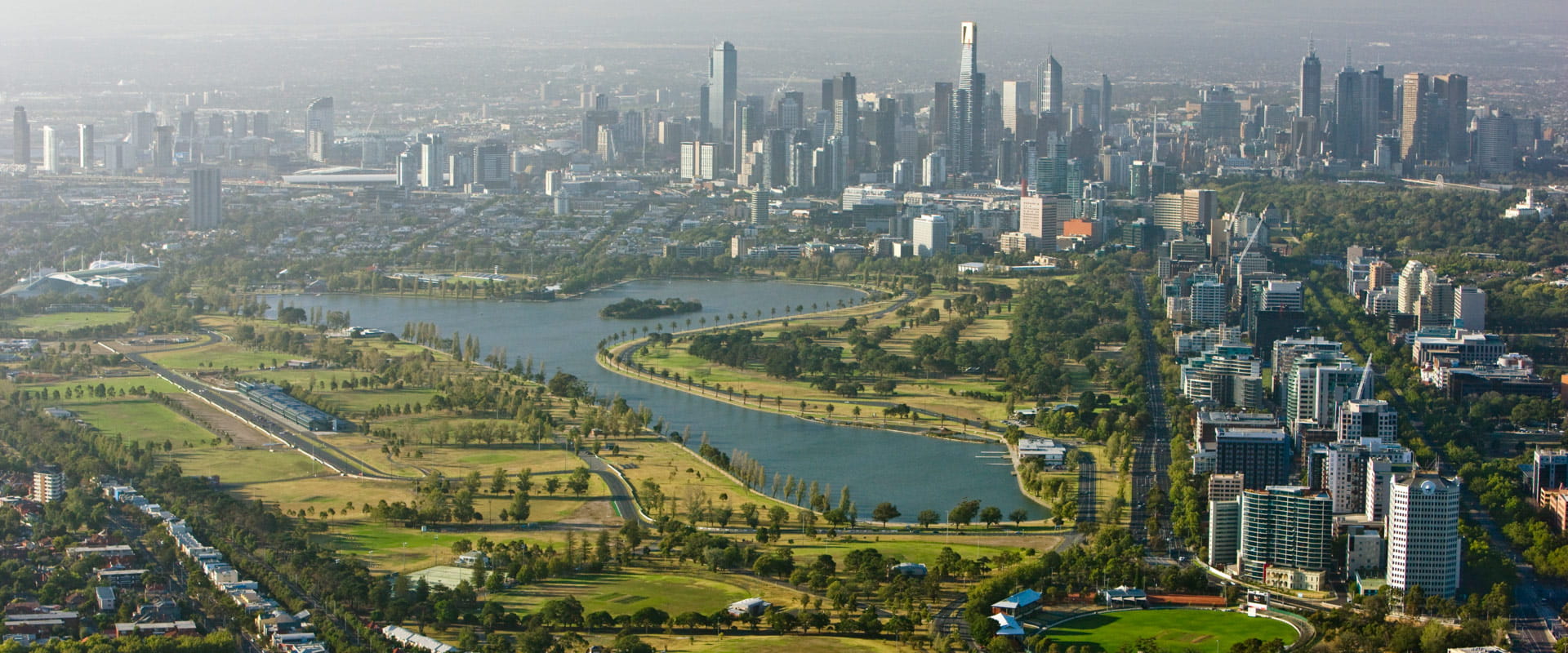
Albert Park Melbourne is one of the city’s most useful all-round outdoor spaces for travelers and locals alike. It offers a rare mix: a large lake loop for walking and jogging, open lawns for relaxed downtime, public sports facilities, and fast access from central districts. For many visitors, it becomes the easiest way to experience everyday Melbourne beyond museums and shopping streets. You can spend one hour here for a quick reset or half a day combining lake circuits, café breaks, and nearby neighborhoods.
The keyword albert park melbourne is searched by people trying to plan activities, transport, and timing in one place. This guide is built for exactly that: where the park sits, what to do, when to go, how to reach it by tram or car, and how to pair it with nearby stops. If you are planning a wider Australia trip, you can align seasonal expectations with winter in Australia before deciding your exact day plan.
About Albert Park
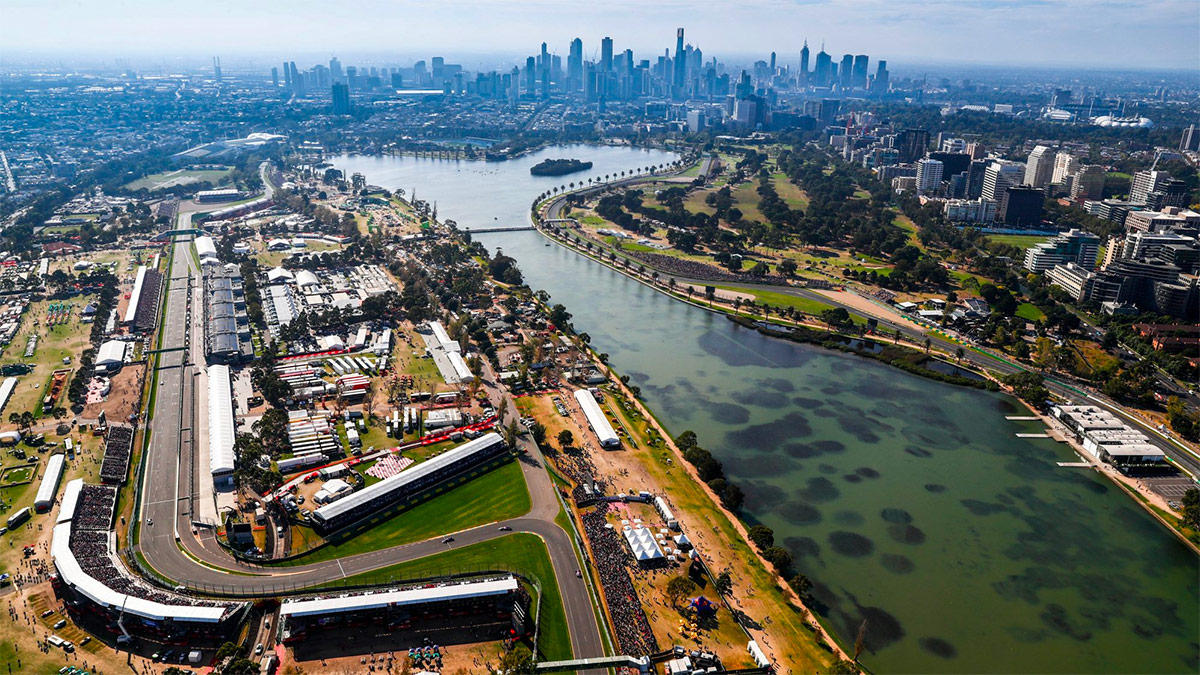
Located a short distance south of central Melbourne, Albert Park covers a large green zone built around Albert Park Lake. Historically, the area evolved from marsh-like land into a planned urban recreation precinct. Today it serves multiple user groups at once: morning runners, families, rowing communities, golfers, dog walkers, and visitors looking for open-sky city views.
The park’s scale is what makes it flexible. You are not locked into one experience. On the same visit, you can do a lake circuit, sit for birdwatching, pass by organized sport grounds, and still have time for a nearby meal. Because the terrain is relatively flat, the park is friendly for casual walkers as well as regular fitness users.
Another reason Albert Park appears in top search results is event association. Sections of this area are globally recognized for hosting the Formula 1 circuit setup period, which temporarily changes movement patterns and access in select zones.
Best Time to Visit
Albert Park works year-round, but your experience changes by season and time of day. Spring and autumn are usually the most comfortable for longer lake walks. Summer is active and lively, especially in the evenings, while winter can be quieter and better for reflective strolls if you do not mind cooler air.
For fitness and photography, early morning is the strongest slot. Light is softer, paths are less crowded, and temperatures are easier for full-loop walks. Sunset also works well for skyline-toned images and relaxed park pacing. Weekends attract more group activity, while weekdays feel steadier and less congested.
How to Reach
By Tram
Tram connectivity is one of the biggest advantages of Albert Park Melbourne. Depending on your origin point, several routes pass near the precinct. Always check the latest transit app updates because stop-level service can vary by day and events.
By Car
Driving is practical, especially for families or travelers carrying picnic gear. Parking availability depends on time and event schedule. During major event periods, expect restrictions and longer approach times.
By Bicycle or On Foot
If you are already staying nearby, cycling or walking to the park gives a smoother entry than searching for parking during busy hours. The approach roads are generally manageable for short-distance active transit.
| Mode | Best For | Watch Out For |
|---|---|---|
| Tram | Fast city access | Service changes during major events |
| Car | Family or gear-heavy visits | Parking pressure on weekends |
| Bike/Walk | Short-distance flexible plans | Weather and daylight planning |
Lake and Activity Highlights
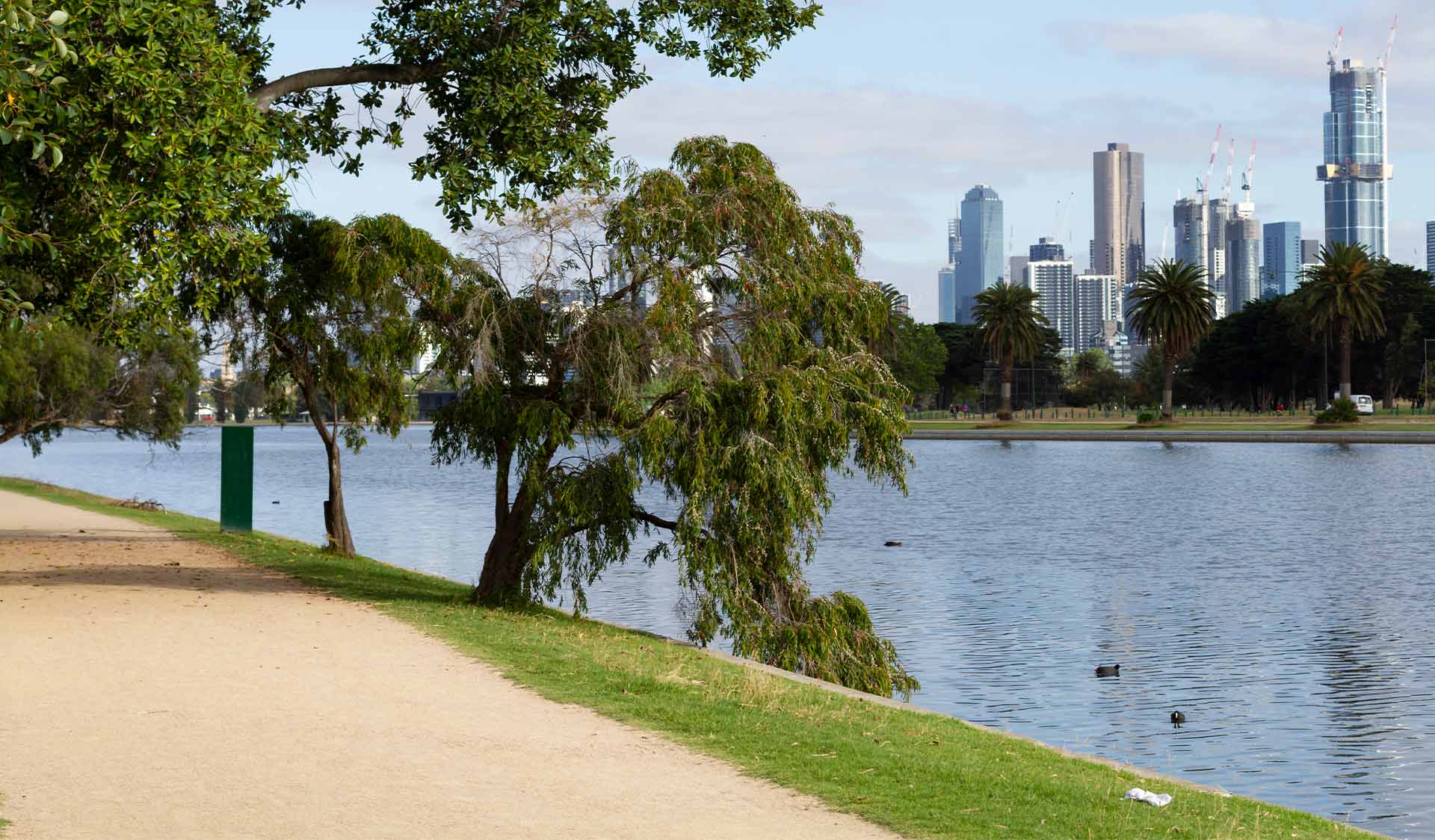
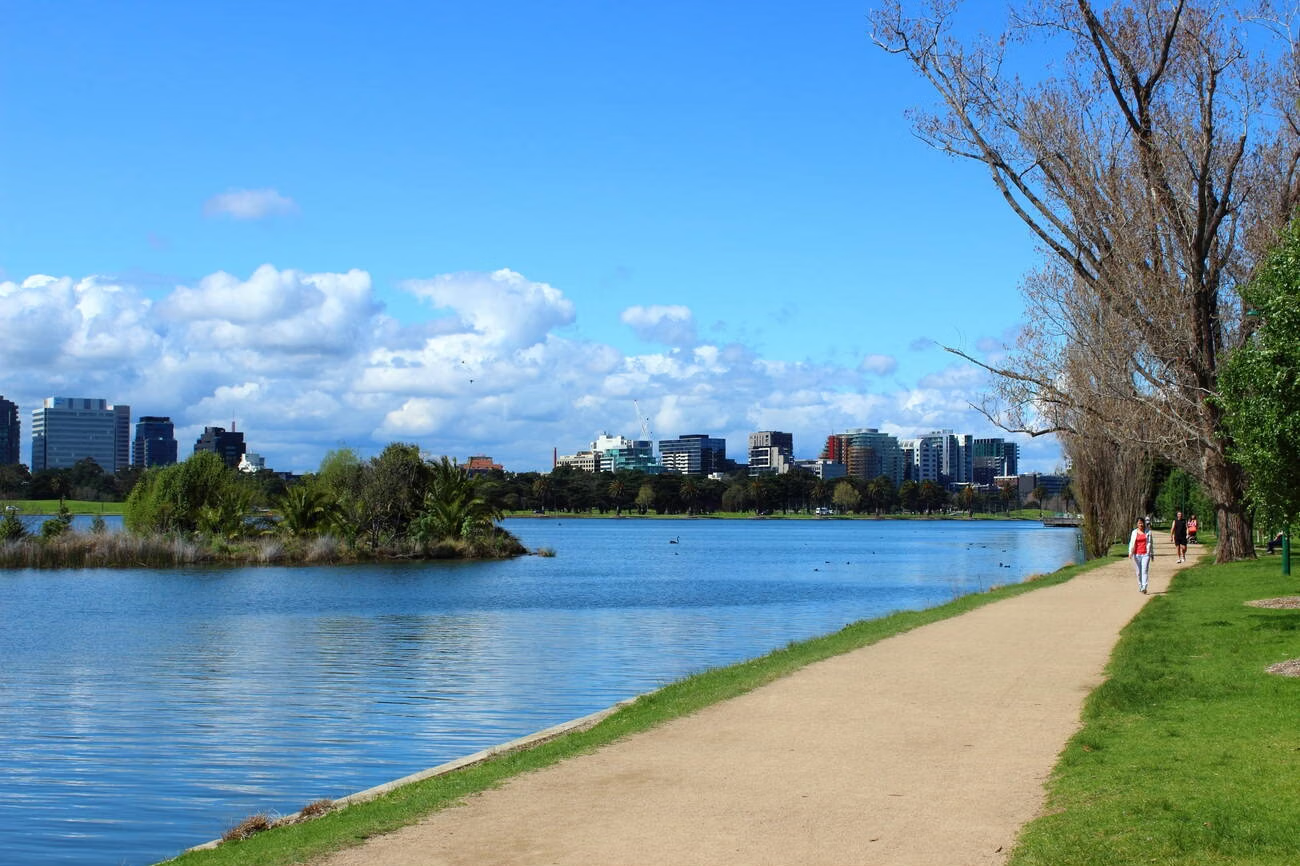
Albert Park Lake is the core attraction. The loop around the water is one of Melbourne’s most popular urban fitness circuits and suits all paces. Casual walkers can complete sections, while runners use full laps for structured workouts. The water edge also creates good visual relief for visitors who need a calm break between denser city experiences.
Beyond walking and jogging, you will see sailing and rowing communities in and around the lake depending on day and weather. Birdlife is another understated highlight, especially in quieter hours. Families often use open lawns for informal picnics, and solo travelers treat the area as a decompress zone before continuing to nearby neighborhoods.
Sports and Recreation
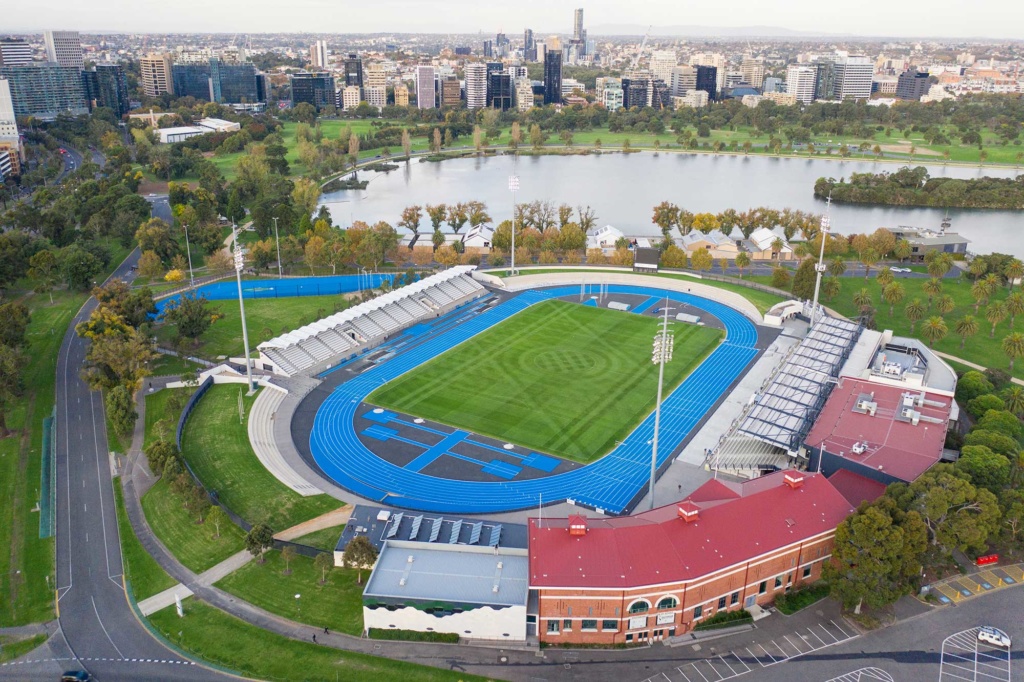
Albert Park is not just a scenic stop; it is an active sports precinct. Facilities in and around the zone support golf, athletics, field games, and routine fitness use. This diversity is why searches like things to do in albert park melbourne and albert park melbourne jogging remain high. You do not need a complex plan here. Pick one anchor activity, then add one secondary activity based on energy and weather.
The Formula 1 association adds another layer of interest. Even outside race days, many visitors enjoy seeing circuit-linked sections and understanding how a public recreation zone transforms during global events.
Dining and Nearby Areas
Albert Park can be combined with nearby café strips and neighborhood food options for a balanced outing. A practical flow is morning lake circuit, brunch nearby, and then optional city exploration. This keeps your day efficient without overloading transport transitions.
If your trip includes multiple city days, keep Albert Park as a low-pressure half-day rather than squeezing it into a packed museum schedule. You get better value when the park is used as breathing space between high-density attractions.
If Melbourne is one stop on a broader Australian itinerary, it is worth comparing city rhythms before you fix your dates. Travelers moving on to Sydney often check the best time to visit Sydney so that both legs of the trip land in comparably good weather, and many add a stop at the Sydney Tower Eye for a skyline view that pairs well with Albert Park's ground-level lake circuit.
Visitor Tips
- Start early: better weather, softer light, smoother pathways.
- Check event calendar: major sporting events can change route logic.
- Carry layers: weather can shift quickly, especially near open water.
- Hydrate: long loops feel easy at first but build effort over time.
- Keep it modular: one main activity plus one optional add-on works best.
Albert Park Melbourne is most rewarding when you use it intentionally: not as a rushed photo stop, but as a functional urban park experience. Whether you are into running, relaxed walking, sports culture, or simply quiet lake views, this park consistently delivers high value with minimal planning friction. If your Australia trip extends into late December, check what is happening at Sydney's New Year events so you can plan onward travel around the celebration crowds rather than into them.
Location
Frequently Asked Questions
Q1.Is Albert Park Melbourne free to enter?
Yes, Albert Park is completely free to enter and is open 24 hours a day, 7 days a week.
You can enjoy walking, cycling, picnicking, and bird watching without any cost.
Some activities within the park do charge fees, such as golf, boat hire on the lake, and using the Melbourne Sports and Aquatic Centre facilities.
The Formula 1 Grand Prix requires paid tickets, but access to watch from outside the circuit is free if you don't mind limited views.
Q2.How long does it take to walk around Albert Park Lake?
The full circuit around Albert Park Lake is approximately 5 kilometers (3.1 miles).
Most walkers complete the loop in 45-60 minutes at a leisurely pace, though this can vary depending on how often you stop for photos, wildlife viewing, or simply to enjoy the scenery.
Runners typically complete the circuit in 25-35 minutes, while cyclists usually take 15-20 minutes depending on their speed.
The path is mostly flat and well-maintained, making it suitable for all fitness levels.
Q3.Can you swim in Albert Park Lake?
Swimming in Albert Park Lake is generally not recommended and is not permitted in most areas.
The lake is primarily used for boating, rowing, and sailing rather than swimming.
Water quality can vary, and there are no designated swimming areas or lifeguards.
If you want to swim near Albert Park, the Melbourne Sports and Aquatic Centre (MSAC) at the northern edge of the park has excellent indoor and outdoor pools.
Alternatively, St Kilda Beach is just a short tram ride away for open water swimming.
Q4.When is the Melbourne F1 Grand Prix at Albert Park?
The Formula 1 Australian Grand Prix is held at Albert Park annually in March.
The event typically spans four days, from Thursday through Sunday, with the main race on Sunday afternoon.
Exact dates vary each year, so check the official Formula 1 or Australian Grand Prix websites for the current year's schedule.
The park is closed to regular public access in the weeks leading up to the event as the circuit is set up, though alternative paths are usually maintained.
Q5.What wildlife can you see at Albert Park?
Albert Park is home to diverse wildlife, particularly bird species around the lake.
The most famous residents are the black swans, which are commonly seen gliding across the water, often with cygnets in spring.
You'll also find Australian white pelicans, Pacific black ducks, Eurasian coots, purple swamphens, and colorful rainbow lorikeets.
The park's trees host sulfur-crested cockatoos and other parrots.
Possums are often seen at dusk, and the park occasionally visits from water dragons and various frog species around the wetland areas.
Q6.How do I get to Albert Park from Melbourne CBD?
Albert Park is located just 3 kilometers south of Melbourne's CBD, making it very accessible.
The easiest way is by tram: Tram Route 96 runs from the city (via Bourke Street) to St Kilda, stopping along Albert Park's edge.
The journey takes approximately 15-20 minutes by tram from Flinders Street Station.
You can also drive (though parking can be limited on weekends), cycle using Melbourne's bike network, or even walk in about 35-45 minutes if you enjoy a longer stroll.
Q7.What sports facilities are available at Albert Park?
Albert Park offers excellent sporting facilities including two 18-hole public golf courses (North and South), a driving range, and pro shop.
The Melbourne Sports and Aquatic Centre (MSAC) features Olympic pools, diving facilities, a gym, basketball/netball courts, and group fitness spaces.
The park also has multiple soccer pitches, cricket nets, tennis courts, baseball diamonds, and numerous fitness stations along the paths.
The lake is used for rowing, sailing, and other water sports, with several clubs based on its shores.
Q8.What is the best time of year to visit Albert Park?
The best time depends on your interests: March is ideal if you want to experience the Formula 1 Grand Prix atmosphere, though the park has limited access during setup.
Spring (September-November) offers mild weather, beautiful blooms, and active wildlife - perfect for outdoor activities.
Summer (December-February) provides long days and warm weather ideal for water activities, though it can get hot.
Autumn (March-May) delivers settled weather, fewer crowds, and beautiful autumn colors, making it excellent for walking, cycling, and picnics.
Recommended For You
New Year Events in Sydney: Fireworks, Cruises & Party Venues
Discover New Year events in Sydney with fireworks viewing plans, harbour cruise options, party zones, and practical transport tips for a smoother NYE.
KLCC Park Kuala Lumpur: Lake Symphony Timings & Family Activities
Planning KLCC Park Malaysia? Check Lake Symphony timing patterns, best visit windows, things to do, family activities, and route tips for Kuala Lumpur.
Ueno Park Tokyo: Top Attractions, Timings & Seasonal Highlights
Plan Ueno Park Tokyo with top attractions, cherry blossom timing, museum and zoo logistics, station access, and practical route tips for a smooth visit.
Never Miss an Adventure
Get the latest trekking guides, travel tips, and exclusive offers delivered straight to your inbox.
