
Pin Parvati Pass Trek: Itinerary, Cost, and Safety Plan
Rohit Verma
February 18, 2026
Plan Pin Parvati Pass Trek with realistic itinerary design, cost components, and safety-first high-altitude preparation.
Pin Parvati Pass Trek: Crossover Expedition Guide
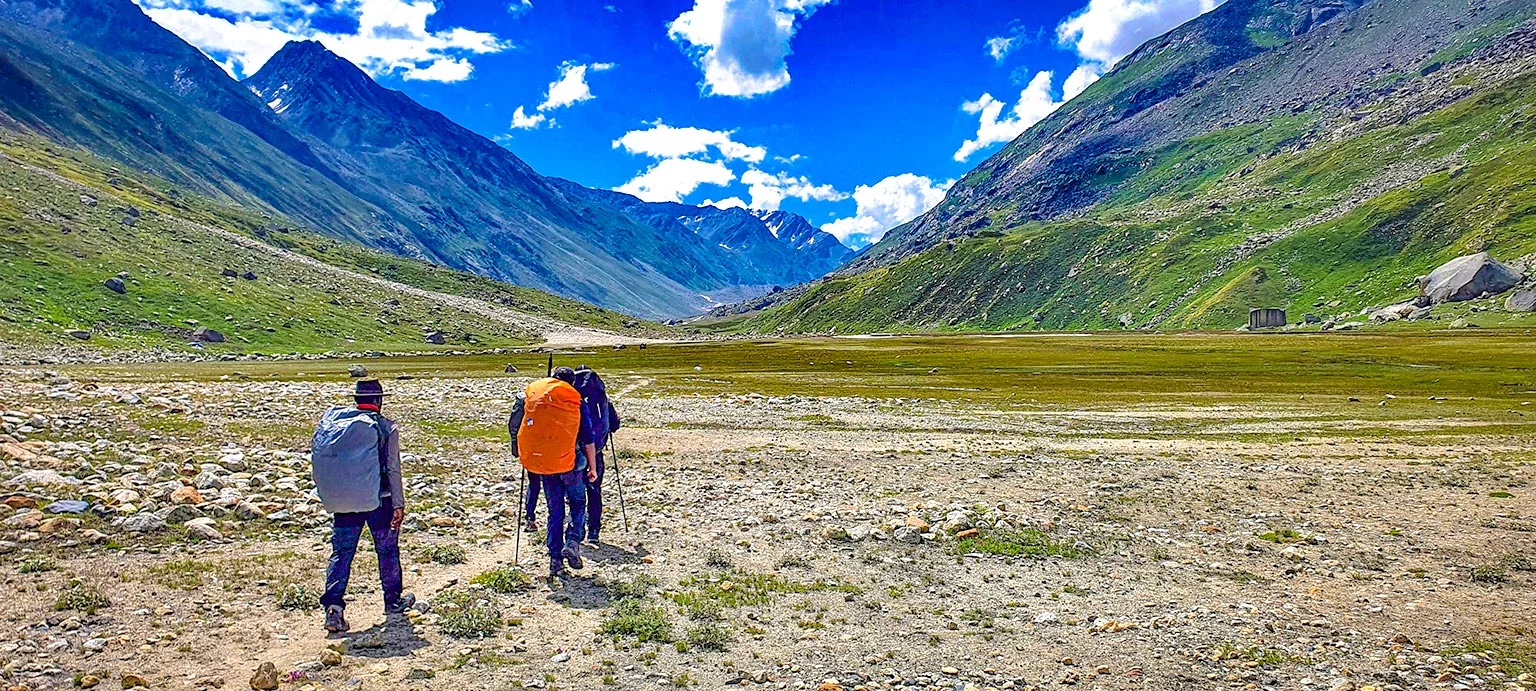
Pin Parvati Pass Trek is one of the most demanding crossover routes in Himachal Pradesh, connecting the green Parvati Valley side to the cold desert landscape of Spiti. This is not a weekend trek or a beginner challenge. It is a long, high-altitude objective where success depends on preparation quality, acclimatization discipline, and conservative mountain decisions. Trekkers who approach it like a standard commercial trail often struggle because the route combines distance, altitude, and weather uncertainty over multiple days.
If you are choosing between tough Himalayan crossovers, this trek is often compared with pin-bhaba-pass-trek. For broader regional planning, align it with spiti-valley-trek and spiti-weather-guide before locking dates.
Trek Overview and Route Character
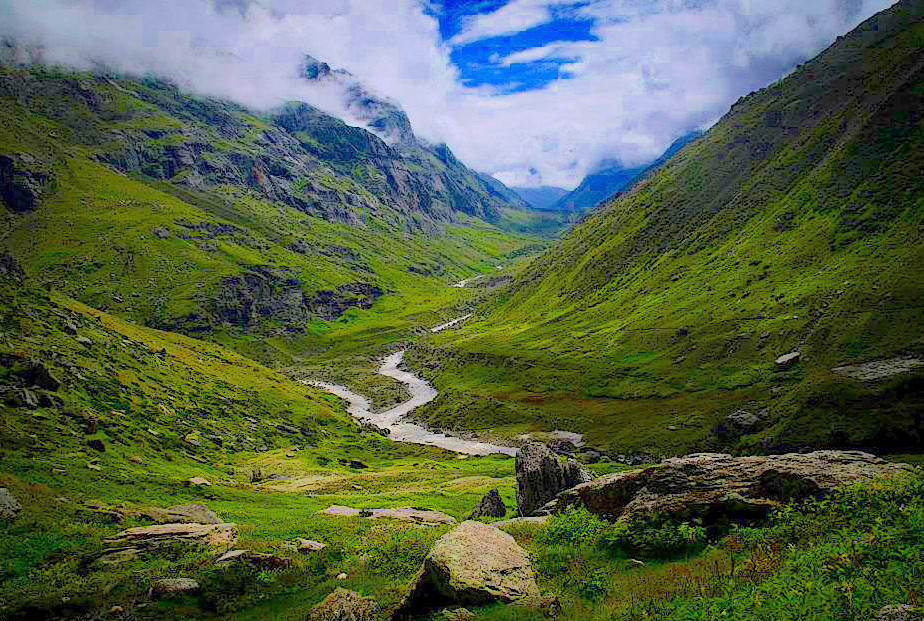
Pin Parvati is known for dramatic terrain transitions. You begin in wetter valley landscapes and gradually move into harsher high-altitude sections before descending toward Spiti-side terrain. This changing environment is what makes the route beautiful, but it is also what makes it operationally complex. Trail surfaces, weather behavior, and camp comfort can change quickly even within the same day.
Most itineraries run around 10 to 11 days depending on weather, team pace, and operator style. The key point is that schedule flexibility is not optional. Any plan without buffer logic is risky for this route.
Difficulty Level and Fitness Requirements
This trek is generally categorized as difficult to strenuous. The challenge comes from long walking days, steep sections, high elevation exposure, and cold conditions in upper camps. Even experienced trekkers can underperform if they come with weak conditioning or poor recovery habits.
| Trek Factor | Difficulty Impact | What You Need |
|---|---|---|
| Altitude gain | High physical stress | Acclimatization and slow pacing |
| Daily duration | Long effort windows | Endurance training and energy management |
| Terrain variability | Footing and balance demands | Stable shoes and trekking discipline |
| Weather shifts | Route unpredictability | Layering and backup day planning |
Minimum preparation should include multi-hour loaded walks, stair intervals, leg-strength training, and consistent cardio at least 6 to 8 weeks before departure.
Practical Itinerary Logic
Exact campsite names can vary by operator and current route condition, but good itineraries follow the same structure: gradual ascent, monitored adaptation, and no compressed push to save one day. Teams that rush lower sections usually pay for it near higher camps with fatigue and poor decision quality.
- Arrival and initial acclimatization in base region.
- Steady gain days with controlled pace and hydration monitoring.
- Buffer for weather hold or delayed movement.
- Pass day with early start and strict turnaround rule.
- Conservative descent plan toward exit side.
If you are combining post-trek travel, keep at least one light day before long road movement. This improves recovery and reduces errors after high-fatigue days.
Best Time to Attempt the Trek
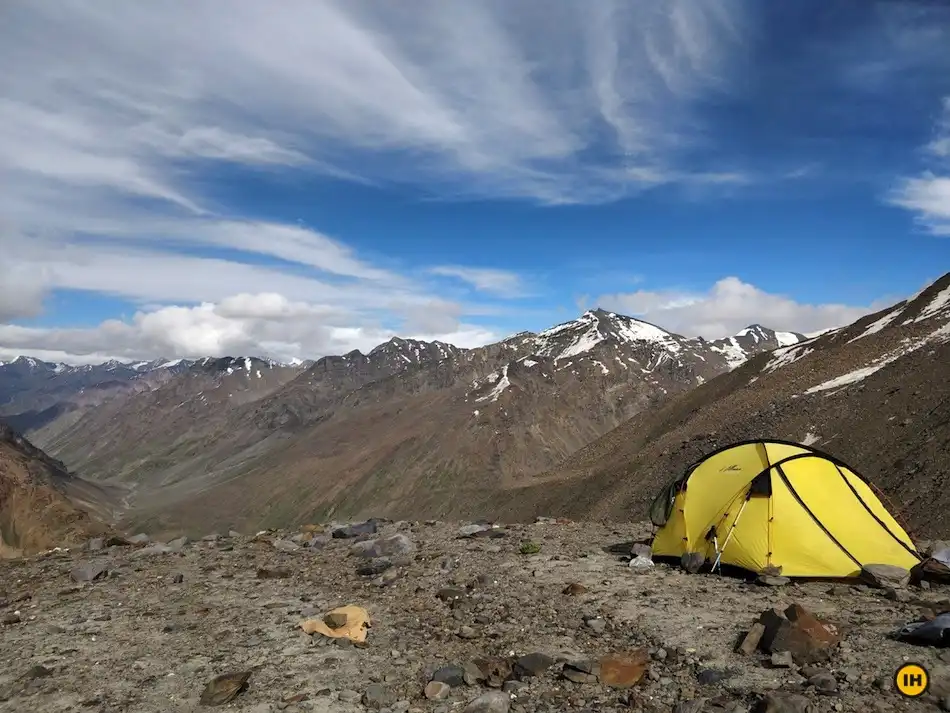
Season choice directly affects safety and route quality. The common trekking window is when trail access is relatively feasible and extreme snow risk is lower. Even then, mountain weather remains dynamic, and morning conditions can differ sharply from afternoon outlook.
Instead of asking only for "best month," ask for current condition updates from teams that recently attempted the route. Snow bridges, stream behavior, and campsite usability can change week to week.
Plan for early starts each day. On high routes, afternoon weather instability is common, and reaching camp early protects both safety and recovery.
Cost Breakdown and What to Verify
The total Pin Parvati cost varies by operator style, team size, logistics quality, and included services. Price-only comparisons are misleading unless you check safety infrastructure and planning depth.
Typical components include:
- Guide and support team fees.
- Transport to start and from exit point.
- Camping and meals on trail.
- Permits and administrative charges where required.
- Emergency communication and backup planning.
Before booking, confirm group size policy, expedition leader experience, acclimatization structure, and evacuation protocol. A lower headline price can become expensive if logistics are weak.
Packing and Gear Discipline
Overpacking slows you down; underpacking puts you at risk. The goal is functional, layered, weather-ready gear with reliable footwear and predictable thermal performance.
- Broken-in trekking boots with grip suitable for wet and rocky sections.
- Layering system for wind, cold, and moisture variation.
- Waterproof outer protection and pack cover.
- Gloves, thermal cap, and dry sock rotation.
- Headlamp, hydration setup, and personal medical kit.
- Energy snacks for long trail intervals.
Do not introduce brand-new shoes or untested gear on this trek. Trial all key equipment before travel.
Altitude and Safety Management
On this route, the biggest operational mistakes are rushing ascent, under-hydrating, and ignoring early altitude stress signs. Treat symptoms early and speak up immediately if you feel unusual fatigue, headache escalation, or nausea. Silent suffering is dangerous in high-altitude teams.
Use simple expedition rules:
- Walk in sustainable pace bands, not race pace.
- Hydrate and fuel at planned intervals.
- Never split from group without lead approval.
- Respect turnaround decisions without argument.
- Keep one weather buffer in plan from day one.
For general high-altitude awareness, review acute-mountain-sickness-in-ladakh and apply the same early-warning mindset here.
Common Mistakes to Avoid
- Choosing operator by price only, without safety audit.
- Skipping fitness prep and relying on trek-day motivation.
- Carrying heavy non-essential gear.
- Treating acclimatization day as optional.
- Forcing the pass in unstable weather.
Most failures on this trek are not from one dramatic incident. They come from repeated small mistakes in planning and pacing.
Team Strategy and Communication
A strong Pin Parvati team sets rules before day one. Agree on walking order, check-in frequency, medical transparency, and emergency command flow. This avoids confusion when weather turns or when someone slows down. Teams that communicate clearly make faster and safer decisions at high camps.
Daily evening briefings are useful for next-day risk control. Confirm weather outlook, water points, difficult segments, and individual health status. This simple process reduces surprises and helps the group start earlier and move more efficiently. On demanding routes, preparation routines are often the real reason expeditions succeed.
Food, Recovery, and Energy Management
High-altitude trekking performance drops quickly when nutrition and hydration are inconsistent. Keep a simple intake plan: small energy intake every 60 to 90 minutes and steady water consumption through the day. Avoid long gaps where you wait until exhaustion before fueling. These small routines reduce headache risk, improve walking rhythm, and help you recover faster by evening.
At camp, prioritize warm fluids, dry clothing rotation, and early sleep over unnecessary activity. Recovery quality decides next-day performance more than motivation speeches. On long crossover routes like Pin Parvati, teams with disciplined recovery habits usually maintain better pace and safer decision-making through upper camps.
Final Takeaway
Pin Parvati Pass Trek is a serious mountain expedition that rewards disciplined teams. If you plan conservatively, train well, and prioritize safety over ego, it becomes one of the most memorable crossover experiences in Himachal. Build flexibility into the itinerary, respect altitude, and keep decision quality high under stress. That is the difference between a risky attempt and a strong, successful traverse.
Location
Frequently Asked Questions
Q1.Is Pin Parvati Pass trek for beginners?
Q2.How many days are needed?
Q3.What is the main risk on this trek?
Q4.Do I need a guide?
Q5.When is best season for Pin Parvati?
Q6.How should I train?
Q7.Is weather buffer necessary?
Q8.Can this be combined with Spiti plans?
Recommended For You
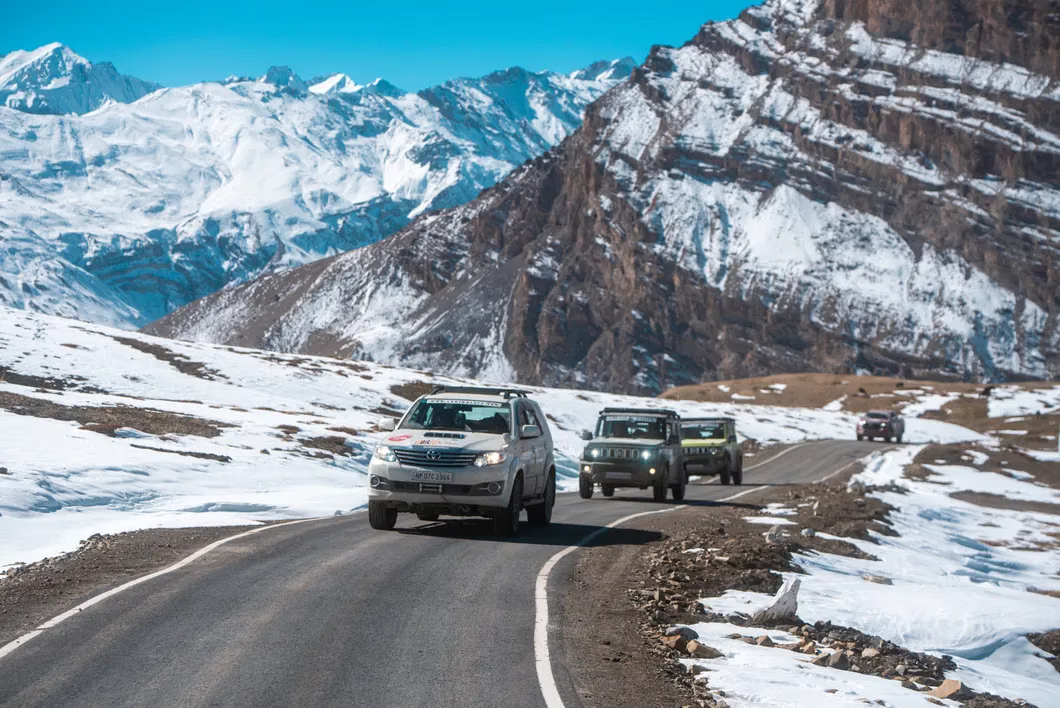
Spiti Valley Road Trip: The Ultimate Guide to Himalayan Adventure
Spiti Valley road trip guide: routes from Shimla/Manali, best time, permits, vehicles, itinerary, accommodation & tips for the ultimate Himalayan adventure.
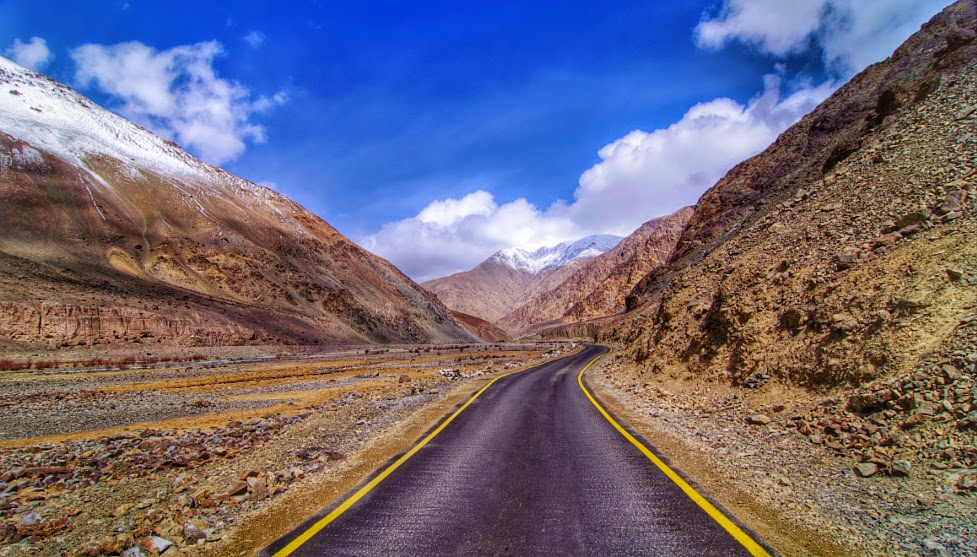
Acute Mountain Sickness in Ladakh: Prevention
Complete guide to Acute Mountain Sickness in Ladakh. Learn symptoms, prevention, medicines, acclimatization tips & safety measures for high-altitude travel.

Spiti Valley Weather: Best Time To Visit And Conditions
Complete Spiti Valley weather guide with month-wise temperature, rainfall, and snowfall details. Best time to visit plus essential weather travel tips.
Never Miss an Adventure
Get the latest trekking guides, travel tips, and exclusive offers delivered straight to your inbox.
