
Billoo Ki Powri Patnitop: Route, Viewpoints and Tips

Rahul Garg
February 18, 2026
Plan Billoo Ki Powri Patnitop with route pacing, weather-aware timing, and practical half-day pairing tips for smoother hill exploration.
Billoo Ki Powri Patnitop: Route, Pacing, and Scenic Viewpoint Guide
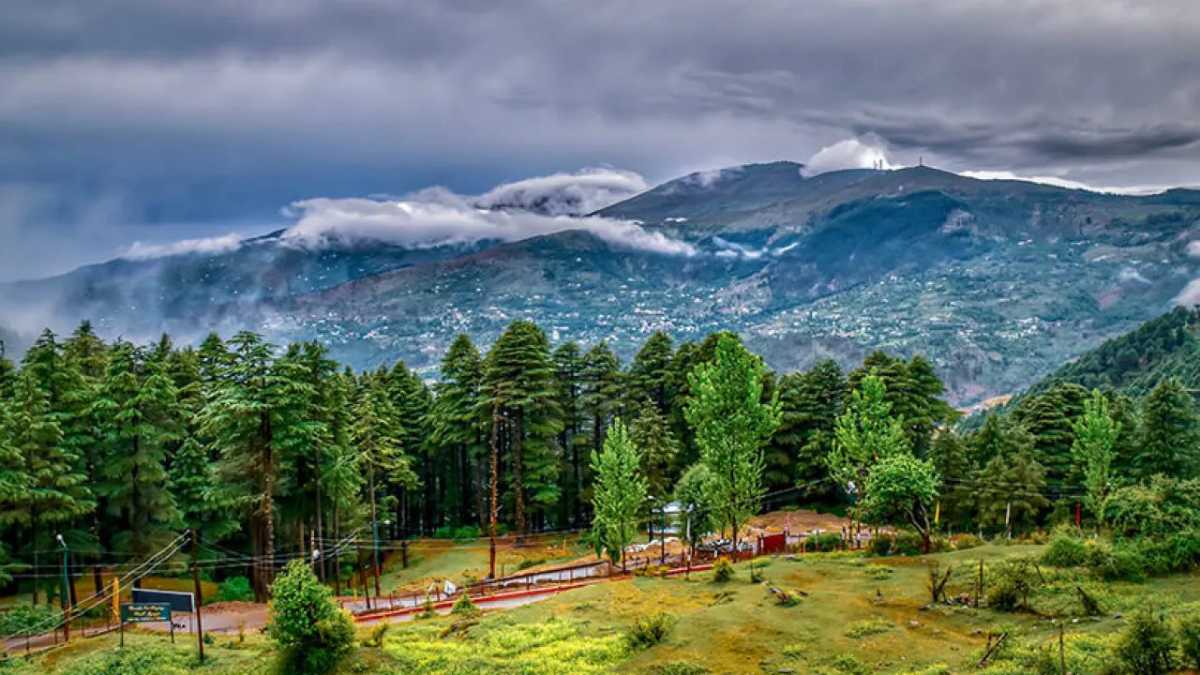
Billoo Ki Powri in Patnitop is one of those places that looks simple on a map but feels far better when planned properly. Travelers often treat it as a quick roadside stop, yet the experience is richer when you approach it as a short hill-walk with clear timing, water breaks, and weather awareness. The route is known for its stone-step sections, forest character, and viewpoint transitions that open up gradually instead of all at once. That slow reveal is exactly why many visitors remember it even after seeing larger destinations in Jammu and Kashmir.
This guide is built for practical execution: what to expect, how to pace the climb, what mistakes to avoid, and how to pair Billoo Ki Powri with nearby attractions in a half-day or full-day circuit. To expand your route logically, combine this stop with Naag Mandir Patnitop, hill stations near Patnitop, and Sanasar Lake.
What Makes Billoo Ki Powri Worth Visiting
The value here is not extreme adventure. It is controlled effort with good visual reward. Compared with long treks, Billoo Ki Powri is manageable for many travelers with average fitness, including families and short-stay visitors. The climb rhythm, shade pockets, and occasional viewpoints create a balanced mountain walk without needing heavy gear or full-day logistics. For people who enjoy calm nature movement rather than crowded activity points, it fits very well.
Because the route feels approachable, some visitors underestimate it and rush. That usually lowers comfort and reduces the actual scenic experience. A steady pace gives better breathing rhythm, safer footing, and more enjoyable pauses. Think of it as a scenic climb, not a race.
Route Profile and Difficulty in Real Terms
The route includes step-based ascent segments and uneven surfaces in parts. Difficulty is moderate for most fit travelers in dry weather. During wet conditions, traction can drop and descent control becomes more important than ascent speed. The path is not technically complex, but mountain discipline still matters.
| Route Factor | Ground Reality | Best Practice |
|---|---|---|
| Stone steps | Consistent climb effort | Use short, even stride rhythm |
| Surface grip | Varies by moisture level | Wear traction-focused shoes |
| Viewpoint pauses | Natural rest opportunities | Hydrate in small intervals |
| Descent segments | Higher slip risk in rain | Slow down, avoid hard braking |
If you treat descent seriously and keep effort controlled, most visitors can complete the route comfortably.

Best Time and Day Structure
Morning is usually the strongest window for visibility, cooler walking conditions, and lower crowd pressure. Late afternoon can also work for softer light, but cloud shifts can reduce clarity quickly in hill terrain. During monsoon, the landscape is beautiful, yet slip risk rises, so timing and footwear matter even more.
- Morning: Better visibility and route comfort.
- Shoulder months: Balanced weather and smoother movement.
- Monsoon: Strong atmosphere, but higher caution required.
- Weekend peaks: Start early to avoid bottlenecks.
A practical method is to schedule Billoo Ki Powri as your first active stop of the day, then add one lower-effort attraction after breakfast.
How to Build a Smart Half-Day Circuit
The most reliable format is one climb plus one nearby cultural or scenic stop. Overloading multiple distant points usually turns a calm day into a rushed transfer-heavy schedule. A simple sequence works better: early arrival, steady climb, short recovery break, and then one nearby extension. If weather deteriorates, skip the extension and end the day safely.
For broader planning, you can link this with hill stations in Jammu and Kashmir and keep a buffer window for road variation. This keeps the itinerary resilient instead of fragile.
Transport and Access Planning
Access strategy has a direct effect on how the route feels. If you are staying near Patnitop, private transport gives the easiest control for start and return windows. Shared options may be budget-friendly, but they reduce timing flexibility. Families and mixed-age groups generally benefit from fixed pickup and drop because post-walk fatigue can make ad hoc transport decisions harder.
Do not plan return logistics only after finishing the climb. Lock your return plan before starting so the group can focus on the route. If you are continuing to another location, verify travel duration with conservative estimates, not ideal map timing. Mountain roads can stretch unexpectedly with weather or traffic changes.

Safety and On-Ground Execution
Carry light essentials, keep hands free when possible, and avoid risky edge photography. If traveling with children or elders, define regroup points and keep one lead person at front pace. Most safety problems on such routes come from poor pacing and distraction, not from extreme terrain.
- Carry water and simple energy snacks.
- Use weather-adaptive layers for sudden wind or mist.
- Keep offline maps and sufficient phone battery.
- Avoid sharp pace changes during descent.
Controlled movement always beats aggressive speed in mountain walks.
Photography Without Disrupting the Trail
A good photo plan keeps both trail flow and story quality intact. Capture one route context shot, one viewpoint frame, one close texture detail, and one human-scale frame. This gives complete visual coverage without repeated stop-start fatigue. Morning light often gives better contrast for forest and valley layers.
When the trail gets busy, move off narrow sections before taking longer shots. Respect other visitors and avoid blocking the route at pinch points. You will still get strong results with fewer interruptions.

Common Mistakes to Avoid
- Starting late and losing clear viewpoint visibility.
- Treating the route as a sprint instead of a paced climb.
- Skipping hydration because distance looks short.
- Overpacking too many same-day attractions.
- Ignoring weather updates before departure.
Most avoidable issues are timing-related. Keep the day simple, stay weather-aware, and let the route pace define the schedule. That single change improves comfort and reduces fatigue.
Conclusion
Billoo Ki Powri Patnitop is a rewarding short scenic climb when managed with route discipline, practical timing, and conservative safety habits. Build a compact plan, walk at a steady rhythm, and pair it with one nearby attraction for a balanced experience. Done this way, it becomes calm, visual, and genuinely memorable rather than rushed.
Location
Frequently Asked Questions
Q1.Where is Billoo Ki Powri located?
Q2.What is best time to visit?
Q3.Can I combine with nearby spots?
Q4.Is this suitable for family travel?
Q5.How much time should I keep?
Q6.Should I track weather updates?
Q7.What improves viewpoint experience?
Q8.Is this a full-day attraction?
Recommended For You
Best Time to Visit Kashmir: Month-by-Month Weather & Activities
Plan the best time to visit Kashmir with month-by-month weather, snow and bloom seasons, and practical guidance for sightseeing, honeymoon, and family travel.
15 Hill Stations in Jammu and Kashmir: Distance, Weather & Best Time
Explore 15 scenic hill stations in Jammu and Kashmir including Srinagar, Gulmarg, Pahalgam, Sonamarg & more. Updated with travel tips.
Kashmir: Complete Travel Plan Places And Weather
Complete Kashmir travel guide! Discover best time to visit, places to visit, itineraries, things to do, budget planning & tips for your Kashmir valley trip.
Never Miss an Adventure
Get the latest trekking guides, travel tips, and exclusive offers delivered straight to your inbox.
