
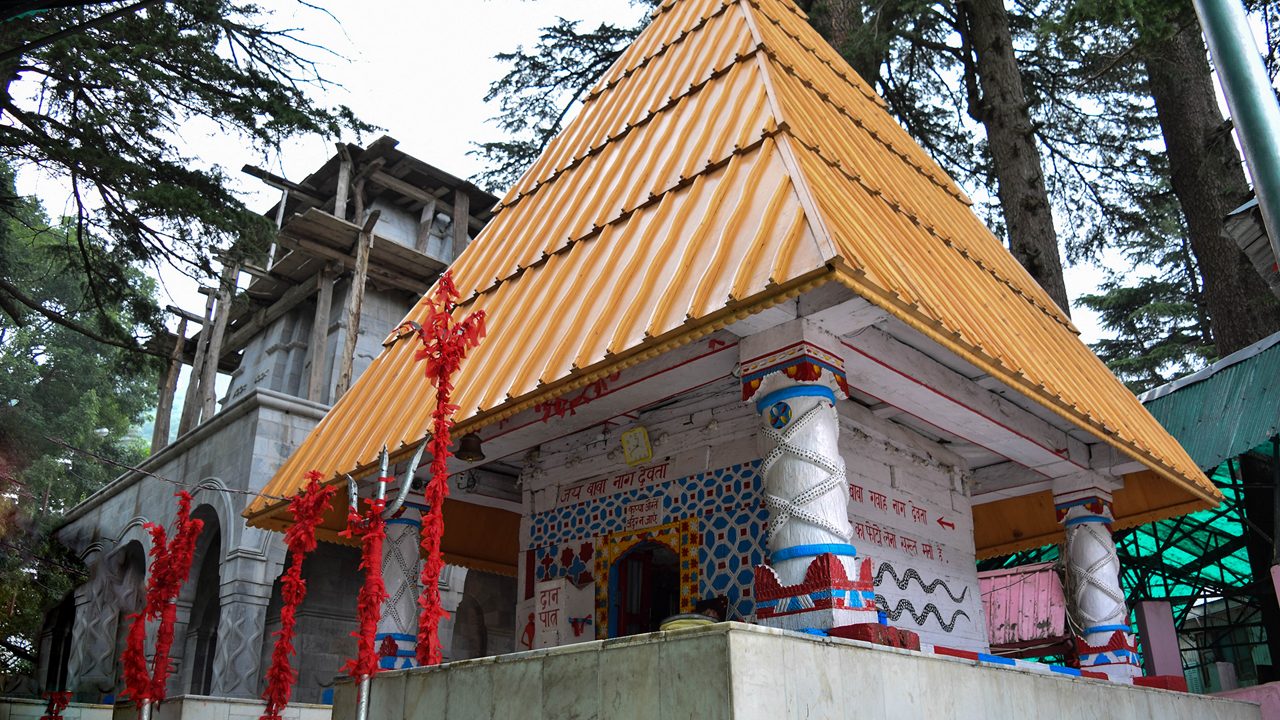
Naag Mandir Patnitop: Trek Route, Temple History & Darshan Info

Rohan Malhotra
November 17, 2025
Visit Naag Mandir in Patnitop. Complete guide with history, timings, trekking information, and how to reach this ancient serpent temple.
Introduction: The Serpent Temple
High in the majestic hills of Patnitop, overlooking lush green valleys and towering snow-capped peaks, stands an ancient temple that has drawn devotees and seekers for centuries. Naag Mandir, dedicated to the serpent deity Nag Devta, isn't just a place of worship—it's a spiritual sanctuary where nature, mythology, and faith converge in perfect harmony. The temple's setting is breathtaking. Located at an altitude of approximately 2,000 meters, it offers panoramic views of the surrounding Himalayan landscape. Deodar forests cloak the hillsides, streams flow through the valley below, and on clear days, distant mountain ranges create a stunning backdrop to this sacred site. What makes Naag Mandir special is its simplicity and authenticity. Unlike grand temple complexes, this ancient shrine retains an intimate, unpretentious atmosphere that allows devotees to connect deeply with the divine. The journey to the temple itself—whether by vehicle or a short trek—becomes part of the spiritual experience, preparing the mind and soul for worship. This comprehensive guide covers everything you need to know about Naag Mandir Patnitop: its fascinating history and legends, temple architecture and idol, best time to visit, how to reach, religious significance, and nearby attractions.History & Legend
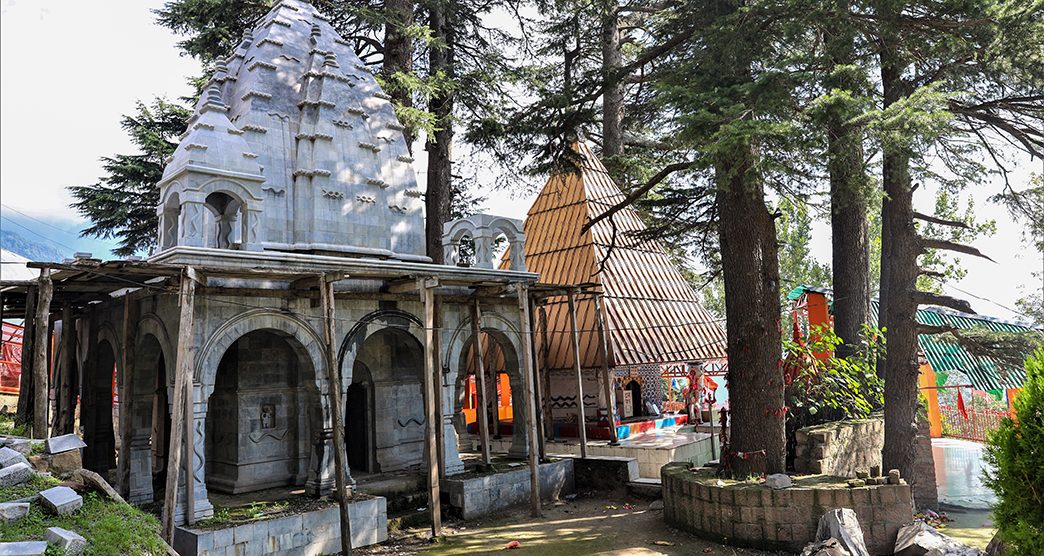 The history of Naag Mandir is shrouded in mythology, passed down through generations of devotees and local communities.
Ancient Origins
The exact age of Naag Mandir is not definitively known, but local traditions suggest it's several centuries old. The temple's simple, traditional construction style points to ancient origins, with some believing it dates back to the medieval period when snake worship was more widespread in the region. Historical Context:- Nag Worship Tradition: Snake (Nag) worship has ancient roots in Indian subcontinent
- Kashmiri Influence: The temple reflects Himalayan temple architecture traditions
- Royal Patronage: Historical rulers of the region supported the temple
- Restorations: Temple has been renovated over centuries while preserving ancient character
The Legend of Nag Devta
According to local legend, the temple's origin story is both fascinating and miraculous. The Tale: It is said that centuries ago, a villager from the area had a divine dream. In this dream, the serpent god Nag Devta appeared and revealed that he resided in these hills, protecting the land and its people. The god instructed the villager to build a temple at that very location. Following the Vision:- Construction: The villager, along with community members, built a simple temple at the site
- Manifestation: Once constructed, it's believed the serpent deity manifested in the idol
- Protection: The deity promised to protect the region and its people
- Grants: Devotees who worship with pure hearts would receive blessings
Historical References
Ancient Texts: The temple finds mention in local historical records and oral traditions. While not extensively documented in major religious texts, its presence in local folklore underscores its importance to the community. Royal Connections: Historical accounts suggest that rulers of the region supported the temple. This royal patronage helped the temple survive and prosper, becoming an important pilgrimage site for devotees from surrounding areas.Cultural Evolution
From Ancient to Present:- Original Temple: Simple structure, likely dating back centuries
- Renovations: Periodic updates while preserving traditional character
- Modern Facilities: Added amenities for visitor comfort
- Continuity: Original worship traditions maintained despite changes
Temple Architecture & Idol
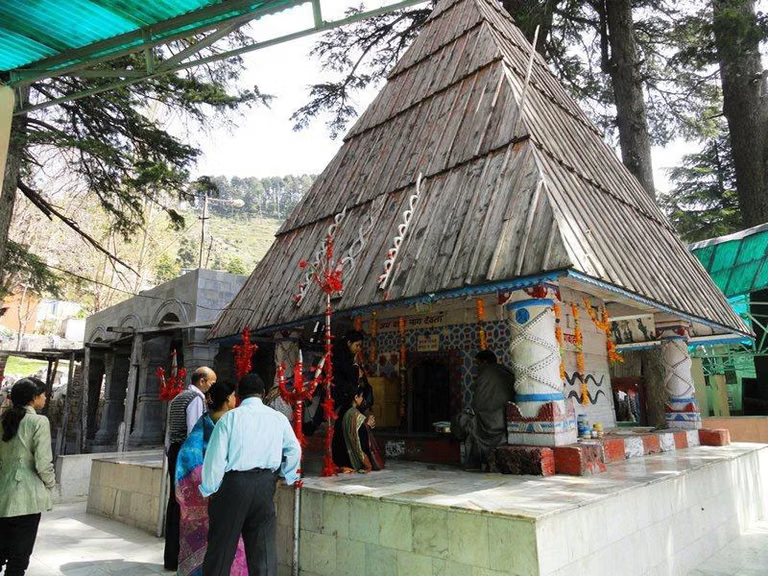 Naag Mandir's architecture reflects the simplicity and spiritual focus of traditional Himalayan temple design.
Temple Structure
Traditional Design: The temple follows traditional Himalayan temple architecture:- Materials: Stone and wood construction
- Style: Simple, unpretentious design focused on worship
- Layout: Single main shrine with surrounding areas
- Rooftop: Traditional wooden construction
- Setting: Integrated into natural landscape
- Main Sanctum: Houses the primary deity idol
- Open Areas: Spaces for devotees to gather and circumambulate
- Parking Area: Space for visitors and vehicles
- Views: Designed to take advantage of panoramic mountain views
The Nag Devta Idol
The temple's centerpiece is the idol of Nag Devta, the serpent deity. Idol Description:- Representation: Serpent deity in traditional form
- Material: Stone or metal construction (traditional materials)
- Size: Human-sized idol, approachable for darshan (viewing)
- Features: Ornate details reflecting traditional artistic style
- Serpent Form: Represents the protective, divine nature of Nag Devta
- Protective Stance: The idol's posture suggests guardianship and protection
- Traditional Elements: Decorations reflect regional artistic traditions
Surrounding Natural Beauty
The temple's architecture is designed to complement its natural setting:- Forest Setting: Surrounded by deodar and pine forests
- Mountain Views: Positioned to overlook valley and distant peaks
- Integration: Built in harmony with landscape, not dominating it
- Peaceful Atmosphere: Natural setting enhances spiritual experience
Best Time to Visit
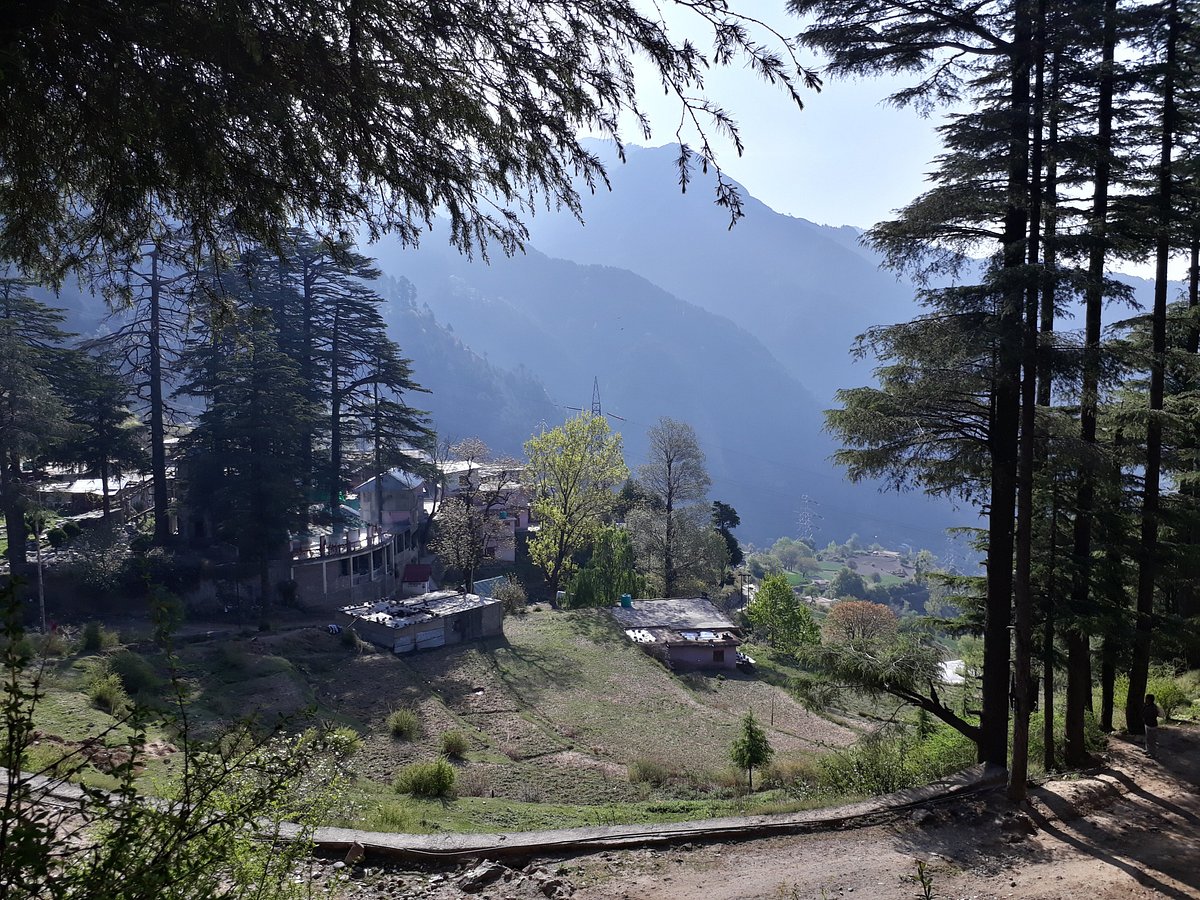 Timing your visit to Naag Mandir Patnitop affects both the spiritual experience and practical accessibility.
Summer: Pleasant Weather
Recommended Period: April to June- Temperature: Pleasant daytime temperatures (15-25°C)
- Nights: Cool (5-10°C), comfortable for staying
- Accessibility: Roads clear and accessible
- Scenery: Valley lush and green, wildflowers blooming
- Weather: Clear skies offer best views
Autumn: Crisp Air and Views
Recommended Period: September to October- Temperature: Crisp, pleasant (10-20°C)
- Nights: Cold (0-5°C), require warm clothing
- Scenery: Autumn colors in forests create stunning backdrop
- Visibility: Clear air and good mountain visibility
- Crowd Level: Moderate—pleasant for worship
Spring: New Beginnings
Recommended Period: March to April- Temperature: Warming up (10-18°C)
- Scenery: Valley turning green, snow melting
- Accessibility: Roads generally clear
- Spiritual: Spring considered auspicious for new beginnings
- Wildflowers: Valley carpets with seasonal blooms
Special Religious Periods
Nag Panchami: Occurring in the Hindu month of Sawan (usually July-August), Nag Panchami is a special day dedicated to serpent worship.- Significance: Celebrates Nag Devta and serpent deities
- Special Pujas: Elaborate worship ceremonies performed
- Devotee Turnout: Larger crowds on this auspicious day
- Offerings: Special offerings and rituals
- Significance: Period of heightened spiritual activity
- Special Pujas: Additional rituals performed
- Atmosphere: Temple especially vibrant and celebratory
Seasonal Considerations
| Season | Pros | Cons |
|---|---|---|
| Summer | Best weather, full accessibility | Potential crowds, hot afternoons |
| Autumn | Beautiful scenery, crisp air | Cold nights, some road issues |
| Winter | Snowy landscapes, fewer crowds | Limited accessibility, extreme cold |
| Spring | Green valleys, wildflowers | Muddy trails, unpredictable weather |
| Monsoon | Lush greenery | Rain, poor visibility, road risks |
How to Reach & Trek
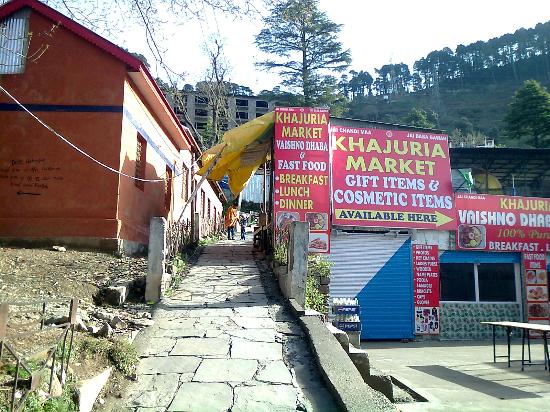 Reaching Naag Mandir Patnitop requires understanding the approach options.
From Patnitop Town
Distance: Approximately 2-3 km from Patnitop town center Travel Time: 30-45 minutes by road Route:- By Vehicle: Drive from Patnitop toward Jammu-Kashmir highway
- Turnoff: Take the temple road (well-marked)
- Road Condition: Paved up to temple base
- Final Stretch: May involve narrow mountain roads
From Jammu
Distance: Approximately 110 km Travel Time: 4-5 hours (depending on road conditions) Route:- Jammu to Udhampur: National Highway 1A
- Udhampur to Patnitop: Via Jammu-Srinagar Highway
- Road Type: Mountain road with curves and elevation gain
- Condition: Generally good, weather-dependent
From Srinagar
Distance: Approximately 150 km Travel Time: 5-6 hours (depending on traffic and conditions) Route:- Srinagar to Patnitop: Via Jammu-Srinagar Highway
- Road Condition: Generally well-maintained
- Traffic: Can be heavy during tourist season
Trek to the Temple
Distance: Approximately 1 km uphill from road access point Difficulty: Easy to Moderate Duration: 30-45 minutes Best Time: Early morning or late afternoon Trek Experience:- Trail: Well-defined path through pine forest
- Gradient: Moderate uphill climb
- Scenery: Beautiful forest and valley views
- Accessibility: Suitable for most fitness levels
- Best Season: Summer and autumn for most pleasant conditions
- Footwear: Comfortable walking shoes with good grip
- Water: Carry sufficient water for the trek
- Pace: Go slowly, enjoy the forest and views
- Altitude: Temple is at 2,000 meters—be prepared
Transportation Options
| Option | From | Approximate Time | Notes |
|---|---|---|---|
| Private Vehicle | Jammu/Srinagar | 4-6 hours | Most convenient, flexible timing |
| Public Bus | Jammu/Patnitop | Varies | From Patnitop town to temple base |
| Taxi/Auto | Patnitop town | 30-45 minutes | Available from Patnitop bus stand |
| Trek | Road end | 30-45 minutes | Scenic forest path |
Religious Significance & Rituals
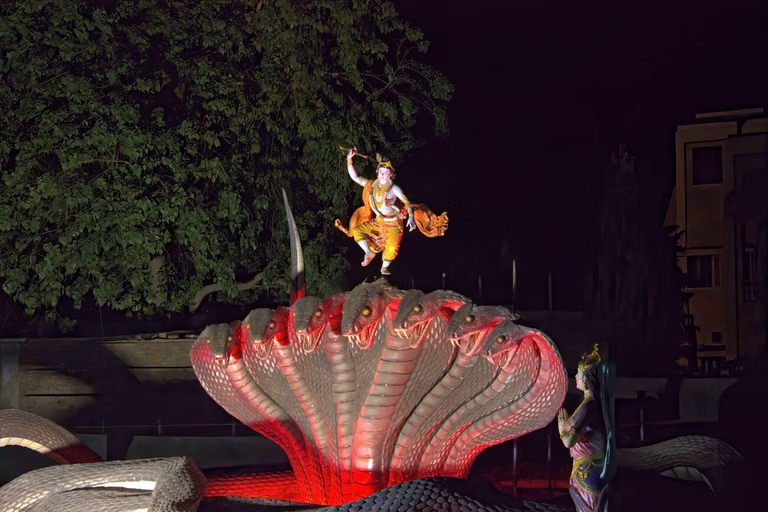 Naag Mandir holds deep spiritual importance for devotees.
Nag Worship Tradition
The temple's significance is rooted in ancient serpent worship traditions:- Divine Serpents: Nag Devta represents divine serpent beings
- Protection: Serpent deities believed to protect communities
- Wisdom: Associated with knowledge, transformation, and renewal
- Hindu Tradition: Part of broader Nag worship tradition in India
Daily Rituals
Regular Pujas (Worship):- Morning Aarti: First ritual of the day at dawn
- Offerings: Devotees offer milk, flowers, and sweets to the deity
- Prayers: Personal and family prayers for blessings
- Circumabulation: Devotees walk around the sanctum (pradakshina)
- Evening Aarti: Final ritual before closing
Special Offerings
What Devotees Offer:- Milk: Pure milk, considered most sacred offering
- Flowers: Fresh seasonal flowers
- Sweets: Traditional Indian sweets
- Coconut: Symbol of completeness and divinity
- Incense: Agarbattis and dhoop for worship
Belief System
Wish Fulfillment: Many devotees believe that sincere worship at Naag Mandir fulfills wishes:- Health: Prayers for recovery from illness
- Prosperity: Seeking blessings for success and abundance
- Protection: Asking for safeguarding from harm
- Marriage: Prayers for suitable life partner
- Children: Blessings for family and offspring
Festival Celebrations
Nag Panchami: On this special day:- Elaborate Pujas: Special worship ceremonies
- Large Crowds: Devotees from surrounding regions gather
- Fair: Temple often has a small fair or market
- Community Meals: Langar (free community kitchen) may be organized
Local Devotees
- Regular Visitors: Local families visit weekly
- Special Occasions: Visit for important life events
- First-Time: Bringing newborns for blessings
- Annual Pilgrimage: Some devotees visit annually
Nearby Attractions
 Combine your Naag Mandir visit with these nearby attractions for a fuller Patnitop experience.
Patnitop Hill Station
The Town: Patnitop is a charming hill station and popular tourist destination. Features:- Climate: Pleasant summer weather, cold winters
- Scenery: Surrounded by pine forests and mountains
- Market: Local market for shopping and food
- Accommodation: Hotels, guesthouses, and homestays
- Sightseeing: Valley viewpoints and scenic spots
- Trekking: Forest and mountain trails
- Shopping: Local handicrafts and Kashmiri items
Nathatop
Location: Near Patnitop Significance: A popular viewpoint offering:- Panoramic Views: Sweeping views of surrounding valleys
- Photography: Excellent spot for landscape photography
- Sunset Views: Particularly beautiful at golden hour
Sanasar Lake
Location: Short distance from Patnitop Features: A high-altitude lake known for:- Alpine Beauty: Crystal-clear mountain lake
- Meadows: Green meadows surrounding the lake
- Trekking: Popular destination for trekkers
- Camping: Scenic camping spots nearby
Shiv Garh Fort
Location: Historical site in the region Significance: Ancient fort ruins that offer:- History: Reminders of the region's historical past
- Architecture: Ancient fortification structures
- Views: Panoramic vistas from fort
- Photography: Interesting historical architecture
Madhatop
Location: Another scenic viewpoint Features:- Views: Different perspective of the valley
- Peaceful: Quieter than main tourist spots
- Sunrise: Excellent spot for sunrise viewing
Kud
Location: Approximately 30 km from Patnitop Significance: A popular picnic and weekend getaway spot:- Patnitop Falls: Beautiful waterfall
- Activities: Boating, sightseeing, and relaxation
- Accommodation: Hotels and resorts available
Conclusion: Experience the Sacred Serpent Temple
Naag Mandir Patnitop offers more than just religious worship—it provides a complete spiritual experience set against the breathtaking backdrop of the Himalayas. From the moment you begin the journey from Patnitop town, through the scenic trek through pine forests, to the moment you stand before the ancient Nag Devta idol, every step becomes part of a meaningful pilgrimage. What makes this temple special is its authenticity. In an age of commercialized spirituality, Naag Mandir retains its traditional character and simple, sincere atmosphere. The devotees who come here—locals who visit weekly, pilgrims who travel from distant regions, and first-time visitors seeking blessings—all find something genuine and transformative. The temple's natural setting—deodar forests, mountain vistas, and the pristine valley below—creates an environment where spiritual connection comes naturally. Whether you're seeking divine blessings, fulfilling a vow, or simply experiencing Himalayan religious culture, Naag Mandir Patnitop delivers on multiple levels. For visitors exploring Jammu and Kashmir's sacred sites, Naag Mandir should be part of your itinerary. It represents the authentic spiritual traditions of the region and offers insights into local faith that you won't find in guidebooks. Remember to visit with respect and reverence. The temple, while welcoming to all, is a place of worship and sacred tradition. Dress modestly, maintain silence during rituals, and follow the guidance of temple priests and local devotees. Whether your visit is during a special festival like Nag Panchami or a quiet weekday morning, take your time to absorb the atmosphere. The trek through the forest offers moments of reflection and natural beauty. The worship at the temple provides spiritual solace. The views from temple grounds remind you of nature's grandeur. Naag Mandir Patnitop is more than a destination—it's an experience that combines faith, nature, and Himalayan beauty in perfect harmony. Visit with an open heart and prepare to leave with blessings that feel both ancient and profoundly meaningful.Location
Frequently Asked Questions
Q1.Where is Naag Mandir located in Patnitop?
Naag Mandir is located approximately 2-3 km from Patnitop town center in the hills.
Exact Location: Temple situated on a hill overlooking the valley
Altitude: Approximately 2,000 meters above sea level
From Patnitop Town: 30-45 minutes by road or 1 km trek
From Jammu: Approximately 110 km (4-5 hours by road)
The temple is accessible by road up to a base point, with a final short trek to reach the actual shrine.
Q2.What are the temple timings?
Naag Mandir Patnitop typically operates with the following timings:
Morning: Usually 6:00 AM to 12:00 PM
Evening: Usually 4:00 PM to 8:00 PM
Special Days: Extended hours during festivals like Nag Panchami
Midday Break: Temple may close between 12 PM and 4 PM
Best Time to Visit: Early morning for aarti and fewer crowds
Note: Timings may vary seasonally and during special occasions. Check locally before visiting.
Q3.How far is Naag Mandir from Patnitop?
Naag Mandir is approximately 2-3 km from Patnitop town center.
Travel Options:
- By Vehicle: 30-45 minutes drive to temple base
- Trek: 1 km uphill trek from road end (30-45 minutes)
Trek Difficulty: Easy to Moderate
Best Time for Trek: Early morning or late afternoon
Route: Well-defined path through pine forest
The temple is easily accessible, with most visitors choosing to drive to the base point and then trek the final distance.
Q4.What is the history of Naag Mandir?
Naag Mandir's history is rooted in ancient traditions and mythology.
Age: Believed to be several centuries old, though exact date unknown
Legend: A villager had a divine dream where Nag Devta (serpent god) appeared and instructed him to build the temple
Traditional Worship: Temple reflects ancient Nag (serpent) worship traditions
Royal Patronage: Historical rulers of the region supported the temple
Cultural Importance: The temple has been an important pilgrimage site for generations, maintained by local communities while preserving its traditional character.
Q5.Is there a trek to Naag Mandir?
Yes, there is a short trek to reach Naag Mandir from the road access point.
Trek Details:
- Distance: Approximately 1 km uphill
- Duration: 30-45 minutes
- Difficulty: Easy to Moderate
- Trail: Well-defined path through pine forest
- Altitude Gain: Moderate climb to 2,000 meters
Experience: Scenic forest and valley views throughout
Best For: Most fitness levels; suitable for families and elderly visitors
The trek is pleasant and adds to the spiritual experience rather than being physically challenging.
Q6.What makes this temple special?
Naag Mandir Patnitop is special for several reasons:
Spiritual Significance: Dedicated to Nag Devta, the serpent deity believed to protect the region
Ancient Origins: Centuries old with deep mythological roots and divine legend of origin
Scenic Location: High-altitude setting with panoramic Himalayan views and surrounding deodar forests
Authentic Atmosphere: Maintains traditional, unpretentious character unlike commercialized temples
Peaceful Environment: Natural setting creates perfect atmosphere for contemplation and worship
Wish Fulfillment: Believed by devotees to fulfill sincere prayers and wishes
The combination of spiritual importance, natural beauty, and authentic traditions makes Naag Mandir uniquely special.
Q7.How do I reach Naag Mandir?
Reaching Naag Mandir Patnitop:
From Jammu (110 km, 4-5 hours):
- Take National Highway 1A from Jammu
- Continue on Jammu-Srinagar Highway
- Turnoff at Patnitop
- Follow temple road to base point
- Trek final 1 km to temple
From Srinagar (150 km, 5-6 hours):
- Travel via Jammu-Srinagar Highway
- Road conditions generally good but weather-dependent
From Patnitop Town (2-3 km):
- 30-45 minutes by road to temple base
- Or 1 km uphill trek
Transport Options: Private vehicle (most convenient), taxi from Patnitop, public bus to Patnitop, or trek
Best Season: Summer and autumn for best road conditions and weather.
Q8.What is the best time to visit?
The best time to visit Naag Mandir Patnitop:
Summer (April-June):
- Most pleasant weather (15-25°C)
- Full accessibility with clear roads
- Valley lush and green with wildflowers
- Best overall conditions
Autumn (September-October):
- Crisp air and beautiful scenery
- Autumn colors in forests create stunning backdrop
- Moderate temperatures (10-20°C)
- Good mountain visibility
Special Period - Nag Panchami:
- Usually July-August (Sawan month)
- Special serpent worship festival
- Elaborate pujas and larger crowds
- Most significant time for devotees
Avoid: Winter (limited access, extreme cold) and monsoon (rain, poor visibility).
Recommended For You
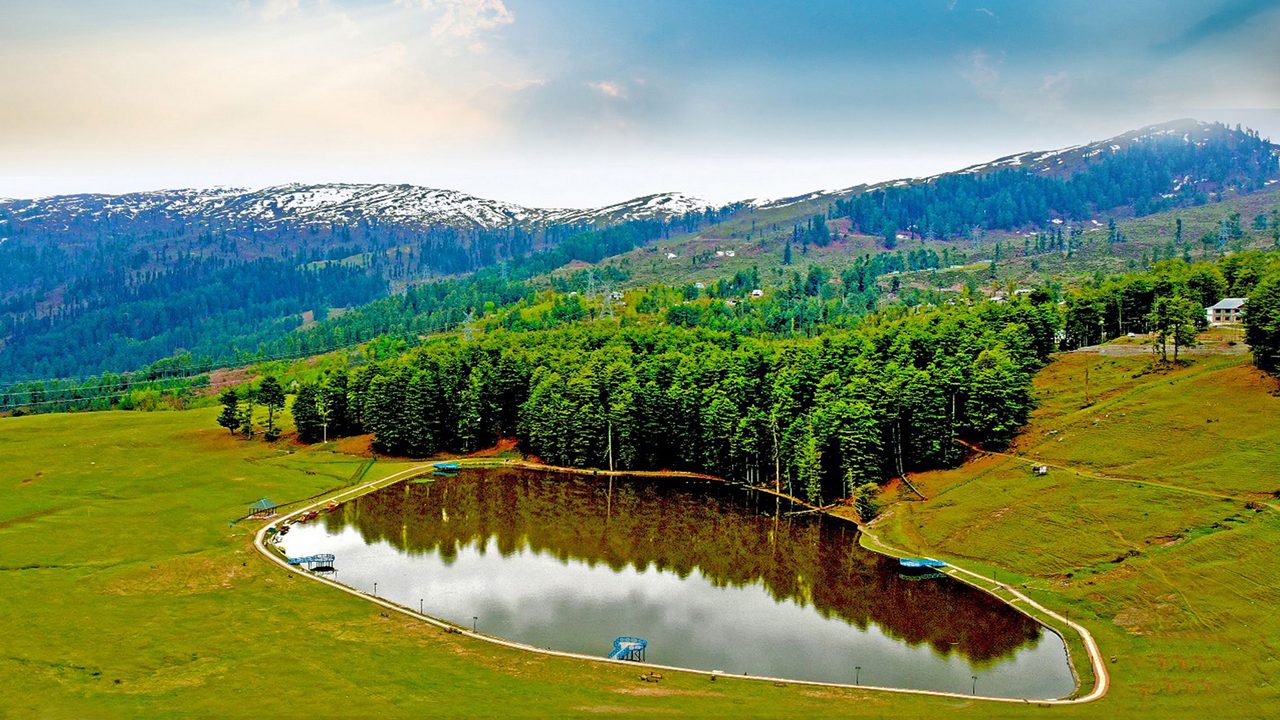
Sanasar Lake Jammu Kashmir: Boating, Activities & Best Season
Explore Sanasar Lake Jammu Kashmir with a practical guide on activities, season planning, route options, nearby attractions, and first-time travel tips.
8 Hill Stations Near Patnitop Kashmir: Distance & Route Details
Explore 8 hill stations near Patnitop Kashmir within 150 km, including Sanasar, Nathatop, Kud, and Bhaderwah, with distance bands, routes, and travel tips.
Famous Temples in Jammu and Kashmir: Top 15 Sacred Sites
Discover famous temples in Jammu and Kashmir with Vaishno Devi, Amarnath, Shankaracharya, and practical pilgrimage planning tips.
Never Miss an Adventure
Get the latest trekking guides, travel tips, and exclusive offers delivered straight to your inbox.
