

Bungee Jumping in Sikkim: Jump Heights, Safety & Ticket Booking
Rohit Verma
February 21, 2026
Plan bungee jumping in Sikkim with updated availability context, pricing ranges, eligibility rules, safety standards, and booking tips for first-time jumpers.
Introduction
Bungee jumping in Sikkim has quickly become one of the most talked-about adventure additions in Northeast India. With Himalayan valleys, deep gorges, and dramatic bridge landscapes, the state offers a naturally thrilling setting for jump-based activities. Interest increased sharply after public reports in 2025 about Sikkim’s first organized bungee facility launch at Singshore Bridge in West Sikkim.
For travelers, the key challenge is accurate planning. Availability, operating dates, and pricing can shift by season, event schedule, and operator setup. That means you should not rely on old social posts alone. Instead, verify live slots, eligibility rules, and safety procedures before final booking.
This guide explains where bungee jumping is offered in Sikkim, what heights and pricing ranges to expect, age and weight limits, safety essentials, and practical booking tips. For broader trip planning, pair this with adventure sports in India, places to visit in Gangtok, and things to do in Sikkim.
Current Reality: Is Bungee Jumping Active in Sikkim?
Yes, Sikkim has announced and launched organized bungee jumping activity, with 2025 coverage highlighting Singshore Bridge in Uttarey (West Sikkim) as a key site. However, operations can be schedule-based rather than guaranteed daily like some long-established metros. Infrastructure development, weather, and event calendars can affect slot frequency.
The practical rule is simple: treat availability as dynamic. Confirm directly with current operators or official tourism-linked channels before you lock transport and stay plans.
| Planning Question | Practical Answer |
|---|---|
| Is bungee jumping available in Sikkim? | Yes, but schedule can vary by season and operations |
| Can I assume daily fixed slots? | No, verify live calendar first |
| Best booking approach? | Advance booking with written confirmation |
| Walk-in possible? | Sometimes, but not reliable in peak windows |
Main Location: Singshore Bridge Context
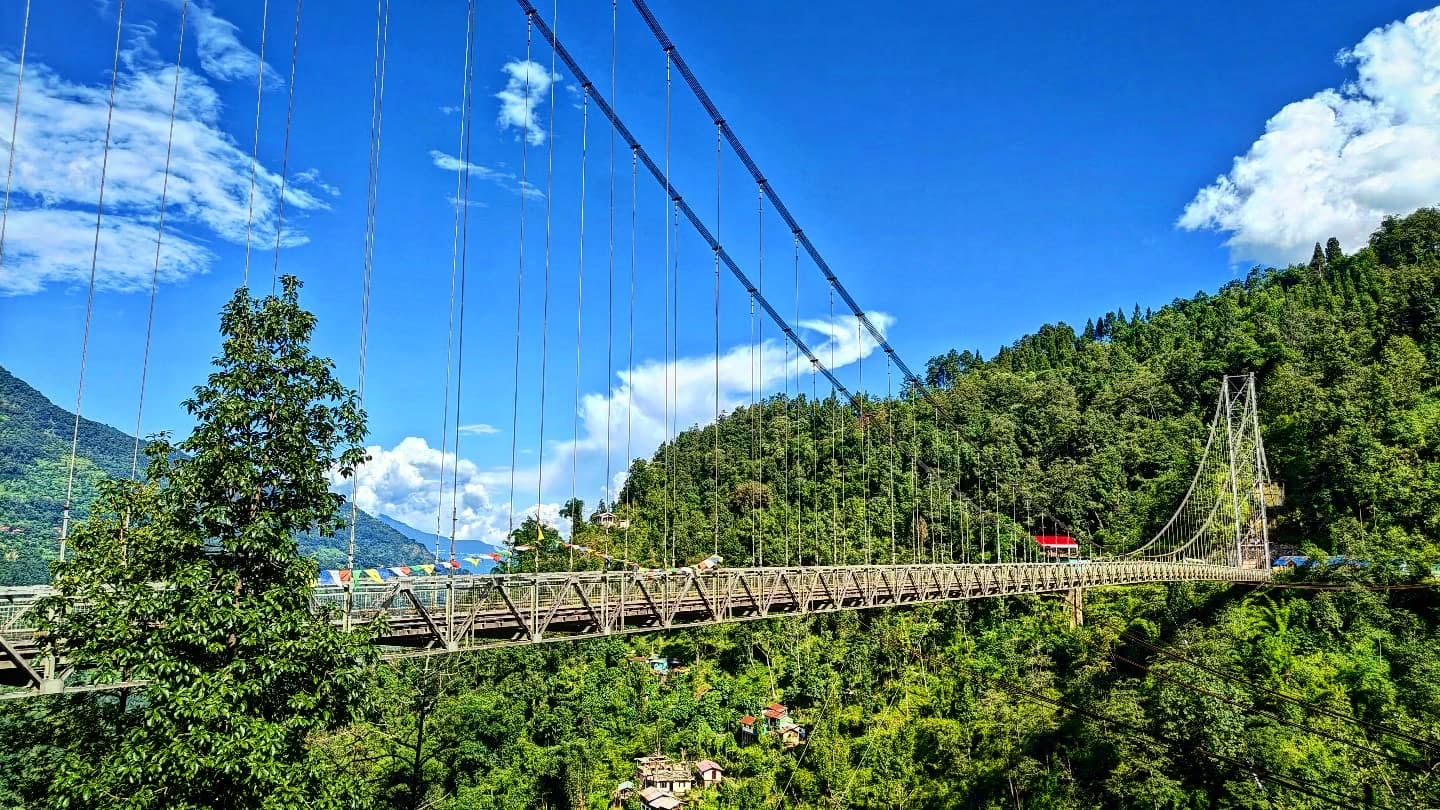
Singshore Bridge in West Sikkim is repeatedly cited in 2025 coverage as the state’s first bungee jumping launch point. The bridge is known for height and dramatic terrain, making it visually ideal for adventure tourism branding. For jumpers, this means scenic value is high, but so are weather and logistics considerations.
Road access to West Sikkim can involve winding mountain routes and variable travel times. If your itinerary is tight, keep buffer time before and after activity day. Avoid planning your jump as a last-minute stop before a same-evening long transfer.
Because regional operations are relatively new, site-specific technical details can evolve. Always ask operator staff for current jump height, harness type, and recovery workflow at the time of booking.
Jump Height, Free-Fall Feel, and Experience Flow
Public references for Sikkim bungee often discuss a high-adrenaline bridge setting, and travelers generally ask about height first. Exact operational jump height can vary by rig setup and safety envelope, so rely on provider-confirmed figures rather than generic internet numbers.
Typical experience flow
- Check-in and waiver signing.
- Health declaration and eligibility review.
- Safety briefing and jump instructions.
- Harness fitting and double-check protocol.
- Jump sequence and recovery process.
- Post-jump media collection or purchase.
Most first-time jumpers say the platform moment is mentally harder than the jump itself. Once committed, the free-fall phase is brief, followed by rebound and controlled retrieval.

Bungee Jumping Sikkim Prices and Packages
Pricing in emerging adventure markets can change faster than older destinations. In Sikkim, rates may differ by operator, season, local event demand, and media inclusions. Expect a standard ticket plus optional video/photo add-ons in most cases.
| Cost Element | Typical Range (INR) | Notes |
|---|---|---|
| Standard jump ticket | Approx. 3,000-5,000 | Varies by operator/date |
| Video package | Approx. 500-1,000 | Editing quality differs by provider |
| Photo package | Approx. 300-800 | May be bundled with video |
| Group bookings | Variable discount | Usually requires minimum participant count |
Before paying, confirm what is included: jump count, gear, media deliverables, insurance/waiver terms, and cancellation conditions.
Eligibility: Age, Weight, and Health Rules
All operators enforce eligibility thresholds. Numbers can vary, but most follow common bungee safety logic around age, weight range, and medical risk. Do not assume exceptions will be made on-site after you travel.
Common requirements
- Minimum age policy (often adult or near-adult with consent).
- Weight-band limits for cord and harness performance.
- No jumping under intoxication.
- Restrictions for pregnancy and serious cardiac/neurological conditions.
- Extra caution or exclusion after recent surgery or major injuries.
If you have any medical concerns, bring physician clearance and disclose history honestly during registration.
Safety Standards You Should Demand
Safety quality is not negotiable. A reliable bungee operator should use certified gear, trained staff, strict checklists, and clear emergency response readiness. If the process feels rushed or unclear, do not proceed.
Minimum safety signals of a professional setup
- Mandatory pre-jump briefing for all participants.
- Independent double-check of harness and attachment points.
- Clear command structure at jump point.
- On-site first-aid readiness and response plan.
- Weather-based pause or cancellation decisions without pressure.
Mountain weather can shift quickly in Sikkim. A safety-first operator will cancel or delay when conditions are not suitable.

Best Time for Bungee Jumping in Sikkim
Season strongly affects comfort and reliability. Clear-weather windows are generally better for operations and views. Monsoon months can increase rain risk, visibility issues, and road disruption.
| Season | Suitability | Why |
|---|---|---|
| Spring (Mar-May) | Good | Better visibility and moderate conditions |
| Autumn (Oct-Nov) | Excellent | Clear mountain views and stable travel windows |
| Monsoon (Jun-Sep) | Lower reliability | Rain-related delays and road issues possible |
| Winter (Dec-Feb) | Conditional | Cold but potentially clear days; verify operations |
If bungee is the highlight of your trip, schedule it early in itinerary so you have backup days in case of weather changes.
How to Reach the Jump Site
Most travelers start from Gangtok or other regional bases and continue by road toward the active jump location. Shared cabs, private taxis, and tour-arranged transport are common options. For activity day logistics, private transport is usually easier because reporting times can be strict.
Transport tips that reduce stress
- Leave early and account for mountain-road delays.
- Keep extra time for check-in and briefing.
- Carry offline map support and emergency contacts.
- Avoid late-night return drives after an exhausting activity day.
If you are combining multiple adventure activities, distribute them across different days instead of stacking everything into one long schedule.
What to Wear and Carry
Choose fitted, comfortable activewear and closed shoes with good grip. Avoid loose accessories and valuables. Mountain weather in Sikkim can shift quickly, so keep a light outer layer and rain protection in your daypack.
- Sportswear that allows movement.
- Secure athletic shoes.
- Water bottle and light snack.
- ID and booking proof.
- Compact rain layer in uncertain weather.
Hydrate before your slot and avoid heavy meals immediately before the jump.
Booking Strategy: Step-by-Step
| Step | What to Do |
|---|---|
| 1. Validate operator | Use official pages or verified partners |
| 2. Check live date | Confirm exact reporting time and slot status |
| 3. Reconfirm eligibility | Age, weight, and medical criteria |
| 4. Review terms | Cancellation, reschedule, and weather policy |
| 5. Save proof | Keep booking receipt and contact number |
Never pay large unverified deposits through informal chat-only channels without invoice details.

If Bungee Is Unavailable: Backup Adventure Plan
If your slot gets canceled due to weather or operations, you can still build a strong adventure day in Sikkim. The region offers mountain viewpoints, trekking, river-linked activity zones, and city-based exploration in Gangtok.
- Places to visit in Gangtok for flexible city-day plans.
- Things to do in Sikkim for activity alternatives.
- Bungee jumping Thailand for international adventure comparison.
This keeps your trip productive even if high-risk activities face operational pauses.
Common First-Timer Mistakes
- Arriving without confirmed booking proof.
- Ignoring weather and road timing realities.
- Choosing cheapest option without safety checks.
- Hiding medical history on declaration forms.
- Scheduling long transfers immediately after jump.
Good planning converts bungee from stressful gamble into a confident adventure memory.
First-Time Jumper Confidence and Trip-Pacing Advice
For many first-timers, the hardest part is not physical but mental hesitation at the platform. A practical method is to decide your jump timing before you reach the edge, focus on instructor commands, and avoid overthinking after harness lock. Controlled breathing helps reduce panic and improves execution confidence.
Plan your activity day conservatively. Do not combine a long mountain transfer, a high-adrenaline jump, and late-night return drive in one stretch. Keep a recovery window after your jump for hydration, food, and rest. This reduces fatigue and improves safety for onward travel.
If you are traveling with friends, define a group coordination rule in advance: meeting point, emergency contact, and transport backup. Mountain-network disruptions and weather delays are possible in Sikkim, so a simple fallback plan can prevent unnecessary stress.
| Preparation Item | Action | Why It Helps |
|---|---|---|
| Mental readiness | Use breathing and clear jump commitment | Reduces platform hesitation |
| Day planning | Keep buffer time after activity | Prevents rushed risky travel |
| Group coordination | Set meeting and contact protocol | Avoids confusion in delays |
| Post-jump recovery | Hydrate and rest before transfers | Improves comfort and focus |
Conclusion
Bungee jumping in Sikkim is an exciting new chapter in Northeast India’s adventure tourism. With the right season, verified operator, and safety-first mindset, it can become one of the most memorable activities in your Sikkim itinerary. Keep schedules flexible, confirm live details, and treat preparation seriously. Do that, and your Himalayan jump experience will be both thrilling and well-managed.
Location
Frequently Asked Questions
Q1.Where can I do bungee jumping in Sikkim?
Q2.What is the jump height for bungee jumping in Sikkim?
Q3.How much does bungee jumping cost in Sikkim?
Q4.What is the age limit for bungee jumping in Sikkim?
Q5.What is the weight limit for bungee jumping?
Q6.Is bungee jumping in Sikkim safe?
Q7.What should I wear for bungee jumping in Sikkim?
Q8.How do I book bungee jumping in Sikkim?
Recommended For You

Bungee Jumping in Thailand: Top Locations, Prices & Safety Rules
Plan bungee jumping in Thailand with current location insights, price ranges, safety checks, eligibility rules, and booking tips for first-time jumpers.

Top 25 Things to Do in Sikkim: Monasteries, Lakes & Adventure Picks
Discover the best things to do in Sikkim from Tsomgo Lake to Nathula Pass. Complete travel guide with trekking, monasteries, and adventure activities.

Shopping in Gangtok: MG Marg & Local Markets
Discover shopping in Gangtok Sikkim: MG Marg pedestrian street, Tibetan handicrafts, Temi tea & Buddhist souvenirs. Complete Himalayan shopping guide.
Never Miss an Adventure
Get the latest trekking guides, travel tips, and exclusive offers delivered straight to your inbox.
