
Top 25 Things to Do in Sikkim: Monasteries, Lakes & Adventure Picks

Priya Mehta
January 17, 2026
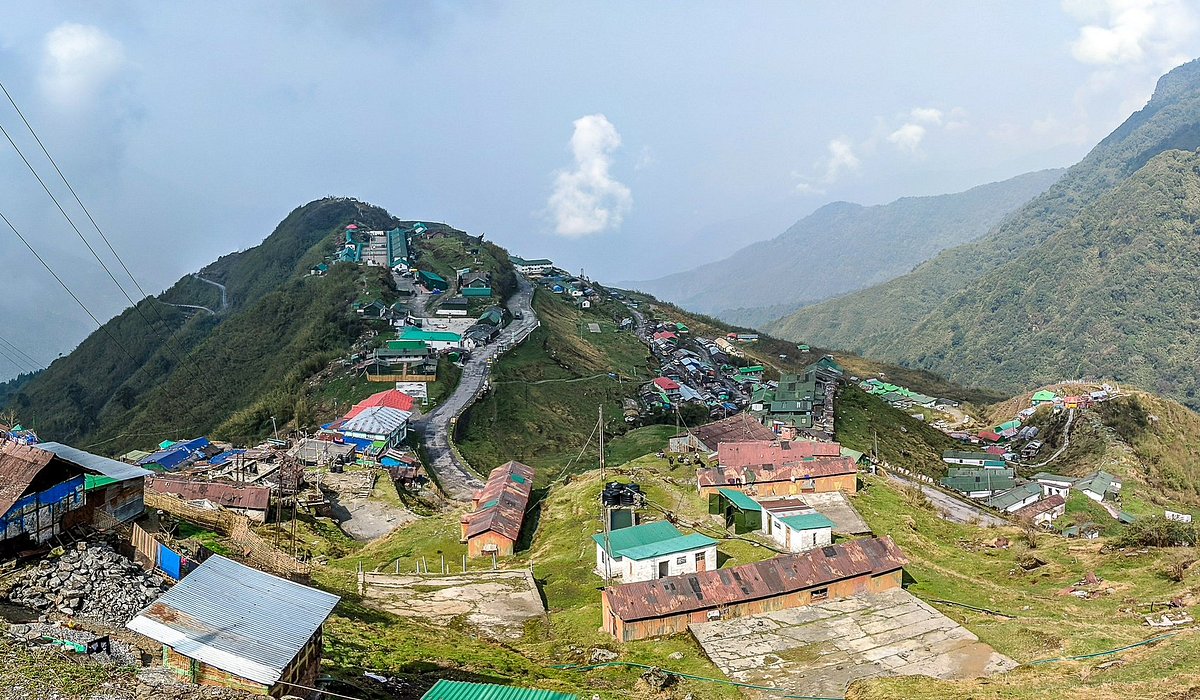
Discover the best things to do in Sikkim from Tsomgo Lake to Nathula Pass. Complete travel guide with trekking, monasteries, and adventure activities.
Introduction: Why Visit Sikkim - India's Himalayan Paradise
Nestled in the Eastern Himalayas, Sikkim is India's smallest state but packs in more natural beauty, cultural richness, and adventure activities per square kilometer than perhaps any other region in the country. Bordered by Nepal, Bhutan, Tibet, and West Bengal, this former kingdom became India's 22nd state in 1975, and since then has captured the hearts of travelers seeking untouched Himalayan beauty.
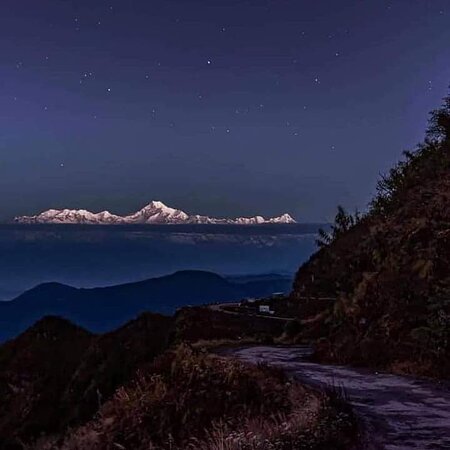
What makes Sikkim truly special is its incredible diversity. In just a few hours' drive, you can experience subtropical forests, alpine meadows, and high-altitude deserts. The state is home to the world's third-highest peak, Kangchenjunga, which dominates the skyline and local culture. Sikkim is also India's cleanest state, with a ban on plastic and a commitment to organic farming that's evident in its pristine environment. For a comprehensive overview of the region, check out our complete Sikkim travel guide.
But Sikkim is more than just natural beauty. It's a melting pot of cultures - Nepali, Lepcha, Bhutia, and Tibetan influences blend seamlessly, creating a unique cultural tapestry. Buddhist monasteries perched on misty mountains, colorful festivals throughout the year, warm hospitality, and some of the most delicious Himalayan cuisine all await visitors. Whether you're a trekker, a spiritual seeker, a nature lover, or simply someone looking to escape the ordinary, Sikkim has something magical to offer.
Monasteries & Spiritual Sites
Rumtek Monastery
Rumtek Monastery, located just 24 kilometers from Gangtok, is the largest and one of the most significant Buddhist monasteries in Sikkim. Built in the 16th century and later rebuilt in the 1960s, this monastery serves as the seat of the Karmapa - the head of the Kagyu sect of Tibetan Buddhism. The monastery's architecture is stunning, with traditional Tibetan design elements, colorful murals, and intricate Thangkas (Buddhist paintings).
The monastery complex houses several important buildings including the main shrine hall, a Golden Stupa containing relics of the 16th Karmapa, and living quarters for monks. Visitors can witness monks performing rituals and prayers, hear the mesmerizing sound of Tibetan horns and drums during ceremonies, and explore the monastery's collection of Buddhist artifacts. The monastery's location, surrounded by forested hills, adds to its spiritual atmosphere. Early morning visits are particularly peaceful, with the sound of prayer flags fluttering in the mountain breeze.
Pemayangtse Monastery
Located in West Sikkim near Pelling, Pemayangtse Monastery is one of Sikkim's oldest and most important monasteries. Founded in the 17th century by Lama Lhatsun Chempo, this monastery belongs to the Nyingma sect of Tibetan Buddhism. The name means "Perfect Sublime Lotus" and true to its name, the monastery is considered one of the premier monasteries in Sikkim.
The monastery's main attraction is the seven-tiered wooden structure depicting the Heavenly Palace of Guru Rimpoche, crafted single-handedly by the late Dungzin Rimpoche over several years. This masterpiece of Buddhist art is displayed only once a year during the Pang Lhabsol festival. The monastery offers panoramic views of Mount Kangchenjunga and surrounding peaks, making the journey here worthwhile even without considering the spiritual significance.
Enchey Monastery
Enchey Monastery, located on a ridge above Gangtok, is one of the most accessible and visually striking monasteries in Sikkim. Built about 200 years ago, this monastery is believed to have been blessed by Tantric Lama Druptob Karpo, known for his flying powers. The monastery follows the Nyingma sect and houses images of gods, goddesses, and religious artifacts.
The monastery is particularly beautiful during festivals like the Cham dance when masked monks perform sacred dances depicting Buddhist legends. From the monastery grounds, you get excellent views of Gangtok town and the surrounding hills. The walk up to the monastery passes through pine forests and is refreshing. A visit during prayer times offers a chance to hear the monks chanting and experience the monastery's spiritual energy.
Tashiding Monastery
Tashiding Monastery, located in West Sikkim, is considered one of the most sacred monasteries in Sikkim. Believed to have been built in the 18th century on the site blessed by Guru Rimpoche, this monastery belongs to the Nyingma sect. The monastery's location on a hilltop between two rivers creates a naturally sacred atmosphere.
The main attraction is the holy thongwa-rang-dol chorten (stupa) which is believed to cleanse devotees of all sins if they view it. The monastery complex includes several other chortens, prayer wheels, and the main shrine with beautiful murals and statues. During the Bumchu festival, monks perform sacred rituals involving a sacred water pot whose level predicts the coming year's fortunes.
Lakes & Natural Wonders
Tsomgo Lake (Changu Lake)
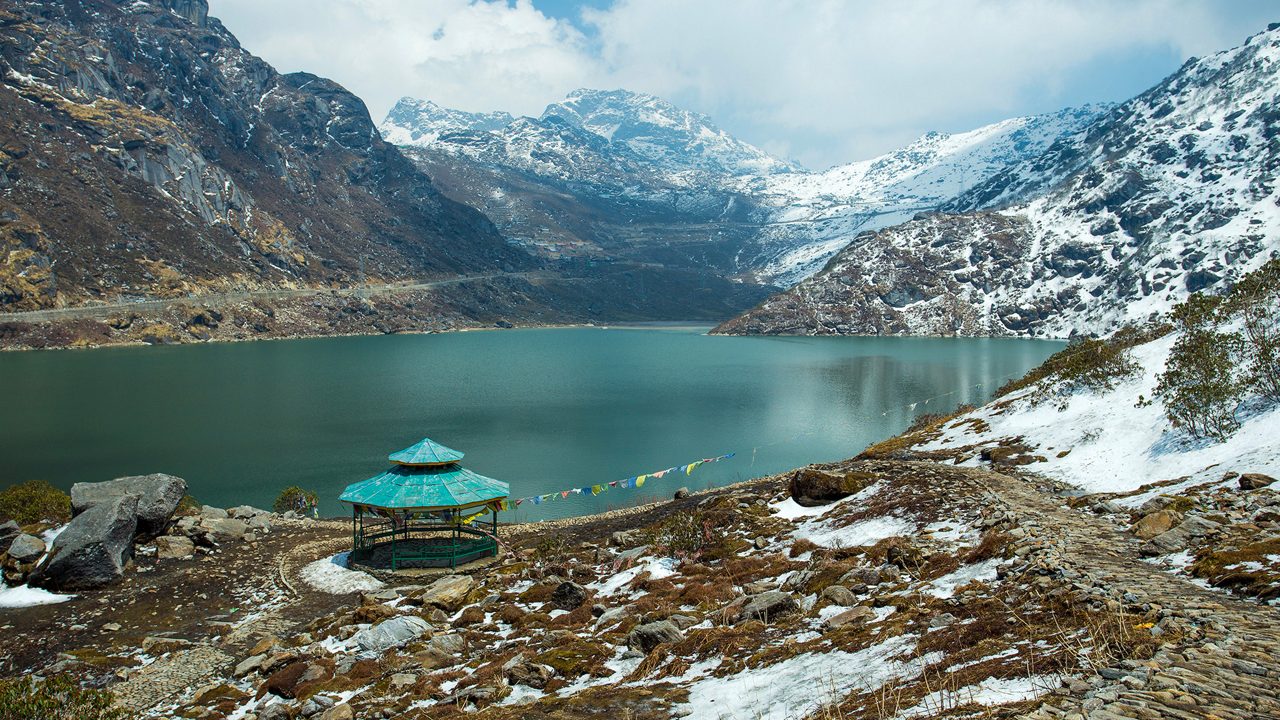
At an altitude of 3,753 meters, Tsomgo Lake is one of Sikkim's most stunning natural attractions. This glacial lake remains frozen in winter and transforms into a beautiful blue water body in summer, reflecting the surrounding mountains. The lake is considered sacred by locals, and its name means "source of the water" in the Bhutia language.
The journey to Tsomgo Lake from Gangtok is an experience in itself, passing through rugged mountain terrain with waterfalls and hairpin bends. The lake's location near the India-China border adds to its allure, and many travelers combine this visit with a trip to the famous Nathula Pass. Visitors can enjoy yak rides around the lake's perimeter. In winter, the frozen lake creates a magical scene with snow all around. Due to the high altitude, spend 10-15 minutes acclimatizing before walking around the lake.
Gurudongmar Lake
Gurudongmar Lake, located at an altitude of 5,430 meters in North Sikkim, is one of the highest lakes in the world and the highest in India. This sacred lake is named after Guru Padmasambhava (Guru Rimpoche) who is believed to have blessed this site during his journey to Tibet. The lake remains frozen for most of the year, and even in summer, the water is extremely cold.
The journey to Gurudongmar Lake is an adventure itself, passing through some of the most remote and beautiful landscapes in Sikkim. The lake's high-altitude location means oxygen levels are low, so proper acclimatization is essential. Despite the harsh conditions, the lake's surreal beauty - blue water surrounded by snow-capped peaks and barren mountains - makes the challenging journey worthwhile. According to legend, the lake's water has healing properties.
Khecheopalri Lake
Khecheopalri Lake, located in West Sikkim, is considered one of the most sacred lakes in Sikkim. Known as the "wishing lake," it's believed that whatever you wish for here comes true. The lake is shaped like a footprint, which locals believe is the footprint of Goddess Tara. The water is remarkably clear, and interestingly, despite being surrounded by forest, no leaves are found floating on the lake's surface.
The lake is located within the Khecheopalri Wildlife Sanctuary, home to diverse flora and fauna. The short walk from the parking area to the lake passes through beautiful forests. Visitors can enjoy the peaceful atmosphere, spin the prayer wheels around the lake, and simply soak in the spiritual energy. The lake is particularly beautiful during spring when surrounding rhododendrons are in bloom.
Adventure Activities
River Rafting in Teesta
The Teesta and Rangeet rivers offer some of the best white-water rafting experiences in Northeast India. The rivers have varying grades of rapids, from gentle stretches suitable for beginners to challenging rapids for experienced rafters. The rafting season typically runs from March to May and October to December when water levels are ideal.
Popular rafting stretches include Melli to Bara (near the West Bengal-Sikkim border) which offers Class II and III rapids - exciting but manageable for beginners. More experienced rafters can try the stretch from Dikchu to Melli with Class III and IV rapids. The river flows through beautiful gorges with forests on both sides, making the experience thrilling and scenic. Several reputable operators offer rafting packages with professional guides and safety equipment.
Paragliding in Gangtok
For breathtaking aerial views of Sikkim's mountains, paragliding in Gangtok is a must-try adventure. The tandem paragliding experience involves flying with an experienced pilot, so no prior training is needed. The flight typically lasts 10-15 minutes, giving you bird's-eye views of Gangtok town, surrounding hills, and if you're lucky, glimpses of Kangchenjunga.
The takeoff point is usually near Ranka or Resithang, with landing at the Gangtok ground. The feeling of soaring through the crisp mountain air with the Himalayas spread out below you is indescribable. Weather conditions are crucial - flights are subject to cancellation if it's too windy or cloudy. The best time for paragliding is March to June and October to December.
Cable Car Ride (Ropeway)
Gangtok's cable car (ropeway) offers one of the easiest and most enjoyable ways to experience Sikkim's mountain scenery. The ropeway connects Deorali to Tashiling, with stops at Namnang and Enchey monastery area. The 15-minute ride each way offers panoramic views of Gangtok town, surrounding valleys, and distant peaks.
The ropeway is particularly beautiful at sunset when the town lights begin to twinkle below and the mountains take on a golden glow. It's an excellent activity for families, photography enthusiasts, and those who want scenic views without strenuous trekking. The ride is affordable and operates throughout the day, though queues can form during peak tourist season.
Yak Safari
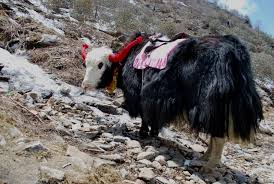
For a uniquely Himalayan experience, try a yak safari in North Sikkim or near Tsomgo Lake. Yaks, with their shaggy coats and gentle demeanor, are perfectly adapted to high-altitude life. Riding one is an experience that connects you with traditional Himalayan culture.
Yak safaris are typically short rides around meadows or lakeshores. The animals are well-trained and handled by local herders who can share interesting facts about yak life and culture. Dress warmly as the rides are in high-altitude areas where it's cold even in summer. Photography opportunities are excellent, and the slow pace lets you truly appreciate the stunning surroundings.
Trekking Routes
Goecha La Trek
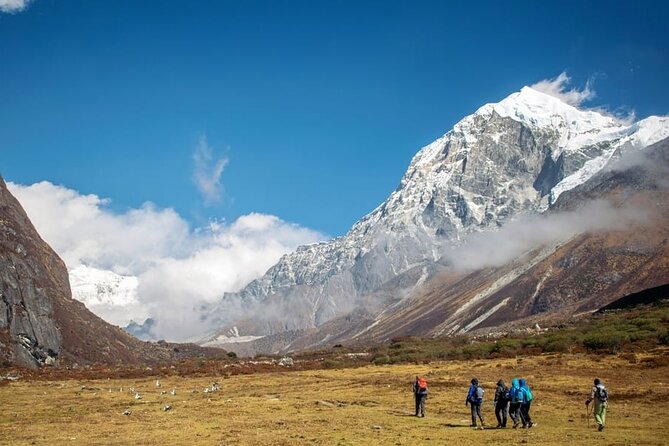
The Goecha La Trek is Sikkim's premier trekking experience, taking you to the base of Mount Kangchenjunga. This challenging 8-10 day trek passes through some of the most spectacular landscapes in the Eastern Himalayas. Starting from Yuksom, the trek takes you through rhododendron forests, alpine meadows, and high-altitude terrain with close-up views of Kangchenjunga and surrounding peaks.
The trek's highlight is reaching Goecha La pass at 4,940 meters, where you're rewarded with breathtaking views of Kangchenjunga's southeast face. The trek requires good physical fitness and proper acclimatization. Best months are April-May (rhododendrons in bloom) and October-November (clear views). Several trekking companies organize this trek with experienced guides, porters, and all necessary equipment.
Dzongri Trek
The Dzongri Trek is a shorter alternative to the Goecha La Trek and perfect for those with limited time or less trekking experience. This 5-7 day trek also starts from Yuksom and follows the same route as Goecha La initially but stops at Dzongri (4,020 meters).
Dzongri offers spectacular views of Kangchenjunga, Pandim, and other peaks. The sunrise view from Dzongri Top is particularly magical, with the peaks glowing golden in the first light. The trek passes through beautiful forests and meadows, with excellent camping spots. While less challenging than Goecha La, it still requires good fitness and acclimatization.
Kanchenjunga Base Camp Trek
For experienced trekkers seeking the ultimate Sikkim adventure, the Kanchenjunga Base Camp Trek in North Sikkim is unparalleled. This remote and challenging trek takes you to Green Lake, the base camp area for attempts on Kangchenjunga's northeast face. The trek passes through pristine landscapes rarely seen by outsiders.
This 12-15 day expedition requires special permits, excellent fitness, and experience with high-altitude trekking. The rewards are immense - untouched wilderness, incredible mountain views, and the satisfaction of reaching one of the most remote corners of Sikkim. Only organized expeditions with registered trekking agencies are permitted.
Varsey Trek
For a gentler trekking experience, the Varsey Trek in West Sikkim is perfect. This 2-3 day trek takes you through the Varsey Rhododendron Sanctuary, famous for its spectacular spring bloom when the forest turns into a sea of red, pink, and white rhododendron flowers.
The trek is relatively easy, with gradual climbs and beautiful camping spots. From Varsey ridge, you get panoramic views of Kangchenjunga and surrounding peaks. Best time to visit is March-April when rhododendrons are in full bloom. The trek can be combined with visits to Pelling's monasteries and other West Sikkim attractions.
Cultural Experiences
Rumtek Tea Garden
Sikkim's tea industry may be less famous than Darjeeling's, but the Rumtek Tea Garden near Gangtok produces excellent tea. A visit here offers insights into tea cultivation and processing in the Himalayan region. The garden's location with mountain views makes the visit even more enjoyable.
Visitors can walk through the tea plantations, learn about different tea varieties, and sample fresh Sikkim tea. The garden is particularly beautiful during spring when new leaves are tender and green. Tea lovers can purchase high-quality tea directly from the source at reasonable prices.
Attend a Local Festival
Sikkim's vibrant festival calendar offers opportunities to experience local culture at its most joyous. Important festivals include Losar (Tibetan New Year) in February-March, Saga Dawa (celebrating Buddha's birth, enlightenment, and death) in May-June, Pang Lhabsol (honoring Kangchenjunga as the guardian deity) in August-September, and Dasain (the biggest Nepali Hindu festival) in October.
During festivals, monasteries host colorful Cham dances (masked monk dances), villages celebrate with music and dance, and special ceremonies take place. These are the best times to witness Sikkim's cultural richness, though accommodation can be crowded and prices higher.
Traditional Cuisine Experience
Sikkim's cuisine is a delicious blend of Nepali, Tibetan, and Bhutia influences. Must-try dishes include momos (steamed dumplings), thukpa (noodle soup), gundruk (fermented leafy greens), sel roti (sweet rice bread), and kinema (fermented soybean). Local restaurants in Gangtok and other towns offer authentic Sikkimese meals.
For a truly local experience, try a homestay where you can enjoy home-cooked meals with a family. Chang (local millet beer) is worth trying if you drink alcohol. Sikkim is also known for its organic produce, so don't miss the fresh fruits and vegetables available in local markets.
Handicrafts Shopping
Sikkim's handicrafts make excellent souvenirs. Look for handwoven carpets, thangkas (Buddhist paintings), wooden carvings, traditional masks, and handmade paper products. The Government Institute of Cottage Industries in Gangtok showcases local crafts and offers quality products at fair prices.
Other good shopping spots include local markets in Gangtok, MG Marg, and souvenir shops near major monasteries. Bargaining is acceptable in smaller shops but not in government emporiums. Purchasing from local cooperatives ensures artisans get fair wages.
Wildlife & Nature
Khangchendzonga National Park
Khangchendzonga National Park, a UNESCO World Heritage Site, is Sikkim's crown jewel for nature lovers. This vast protected area covers diverse ecosystems from subtropical forests to alpine meadows to high-altitude deserts. The park is home to snow leopards, red pandas, Himalayan tahr, blue sheep, and numerous bird species including the colorful Himalayan monal.
The park encompasses the Kangchenjunga massif and includes areas like Yuksom, Dzongri, and Goecha La. While much of the park is accessible only through trekking, less visited areas offer opportunities for serious wildlife enthusiasts. Special permits are required, and visits should be arranged through registered tour operators.
Fambong Lho Wildlife Sanctuary
Located close to Gangtok, Fambong Lho Wildlife Sanctuary is easily accessible for those interested in Sikkim's wildlife without venturing too far from the capital. The sanctuary is home to red pandas, Himalayan black bears, barking deer, civets, and numerous bird species including the satyr tragopan.
The sanctuary's elevation ranges from 1,500 to 2,700 meters, creating diverse habitats. Several trails wind through the sanctuary, offering opportunities for nature walks and birdwatching. The sanctuary is particularly beautiful in spring when rhododendrons and orchids are in bloom. It's an excellent half-day excursion from Gangtok.
Red Panda Watching at Kyongnosla
The Kyongnosla Alpine Sanctuary near Tsomgo Lake is one of the best places in Sikkim to spot the endangered red panda in the wild. These elusive creatures are most active in early morning and late evening. The sanctuary's bamboo-rich forests provide ideal habitat for red pandas.
While sightings aren't guaranteed, patient wildlife watchers may be rewarded. The sanctuary is also home to other Himalayan wildlife and numerous bird species. Local guides familiar with red panda habitats can significantly increase your chances of a sighting. The area around Tsomgo Lake offers beautiful scenery even if red pandas prove elusive.

Best Time to Visit Sikkim
Sikkim can be visited throughout the year, but each season offers different experiences:
| Season | Months | Highlights |
|---|---|---|
| Spring | March to June | Ideal for trekking. Rhododendrons blooming. Clear mountain views. Pleasant weather. Peak tourist season. |
| Autumn | October to mid-December | Best time for trekking and mountain views. Festive season. Clear skies. Cool weather. Second peak tourist season. |
| Winter | Mid-December to February | Snow in higher areas. Frozen lakes. Fewer tourists. Cold weather. Good for snow activities. |
| Monsoon | July to September | Lush greenery. Waterfalls at peak. Leeches in forests. Roadblocks possible. Fewer tourists. |
How to Reach Sikkim
- By Air: The nearest airport is Pakyong Airport near Gangtok (weather-dependent). Bagdogra Airport in West Bengal (125 km from Gangtok) is the main airport, with connections to major Indian cities. From Bagdogra, take a taxi or shared cab to Gangtok (4-5 hours).
- By Train: New Jalpaiguri (NJP) and Siliguri are the nearest railway stations. From there, taxis and shared cabs are available to Gangtok (4-5 hours).
- By Road: Gangtok is connected by road to Siliguri, Darjeeling, and Kalimpong. The mountain roads are scenic but winding. Shared jeeps and private taxis are available.
Indian nationals don't need special permits for most of Sikkim. However, permits are required for Tsomgo Lake, Nathula Pass, and North Sikkim. Foreigners need Inner Line Permits and special area permits.
Where to Stay in Sikkim
- Gangtok: Wide range from luxury hotels like Mayfair and Royal Plaza to mid-range options and budget guesthouses. MG Marg area is centrally located.
- Pelling: Good mid-range hotels with mountain views. Popular base for West Sikkim sightseeing.
- Lachen & Lachung: Basic guesthouses and homestays. Limited accommodation options, book in advance.
- Yuksom: Homestays and trekker-friendly guesthouses. Historic town, base for Goecha La trek.
Sikkim is more than a destination - it's an experience that touches your soul. The majesty of Kangchenjunga, the spirituality of ancient monasteries, the warmth of mountain people, and the pristine Himalayan environment combine to create memories that last a lifetime. Whether you spend a week or a month, Sikkim's magic will stay with you long after you've returned home.
Location
Frequently Asked Questions
Q1.How many days are enough for Sikkim?
Q2.What is the best time to visit Sikkim?
Q3.Is Sikkim safe for tourists?
Q4.What is Sikkim famous for?
Q5.Do we need a permit for Nathula Pass?
Q6.Which is the most beautiful place in Sikkim?
Q7.How to reach Sikkim?
Q8.What should I pack for a Sikkim trip?
Recommended For You
Yak Safari in Sikkim: Ride Points, Charges & Local Experience
Experience the magic of yak safari in Sikkim at Tsomgo Lake. Complete guide to this unique Himalayan adventure with pricing, best time to visit, and travel tips.

Food of Sikkim: Top Dishes, Local Eateries & Regional Flavors
Discover the food of Sikkim with must-try dishes, local market strategy, where to eat, budget planning, and practical tips for first-time food travelers.
Waterfalls in Sikkim: Top 10 Falls, Routes & Best Time
Discover the best waterfalls in Sikkim with Bakthang, Ban Jhakri, Seven Sisters, season-wise travel tips, and practical Gangtok route planning.
Never Miss an Adventure
Get the latest trekking guides, travel tips, and exclusive offers delivered straight to your inbox.
