
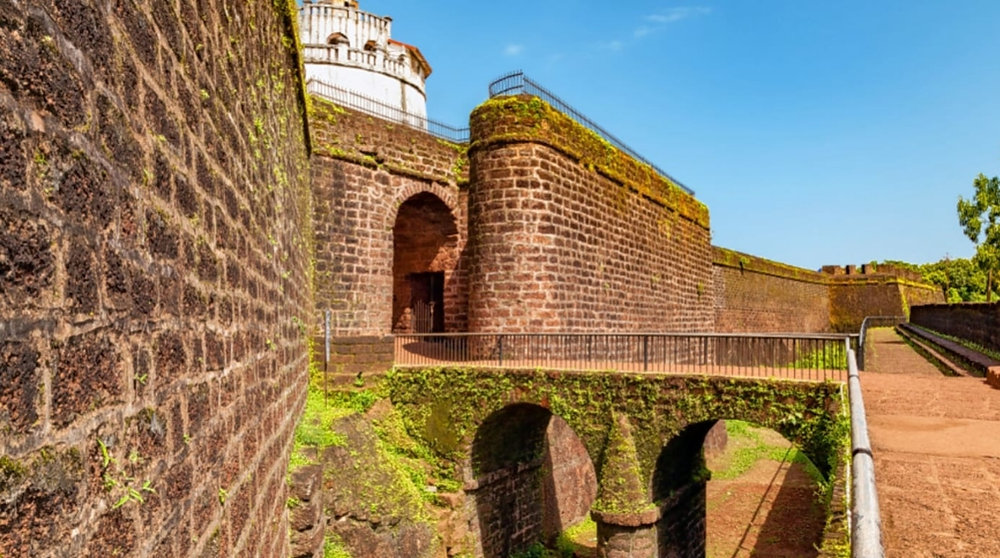
Cabo De Rama Fort Goa: History, Cliff Views & Best Visiting Time
Rohit Verma
February 19, 2026
Plan your Cabo De Rama Fort Goa visit with history highlights, viewpoint tips, route guidance, and practical timing advice for a safe scenic experience.
Introduction
Cabo De Rama Fort is one of South Goa’s most dramatic heritage viewpoints, sitting high above the Arabian Sea on rugged coastal cliffs. Unlike some busier Goa landmarks, this fort offers a quieter experience where history, ruined fortification walls, and panoramic ocean views come together in one place. It is a popular stop for travelers who want to balance beach time with heritage and photography.
The site is widely associated with layered history: pre-Portuguese control, later Portuguese military use, and local mythology connected to Lord Rama. Whether you visit for historical interest, sunsets, or a relaxed cliff-edge walk, the fort delivers a different mood from North Goa’s more commercial circuits.
This guide explains Cabo De Rama Fort history, what to see inside, best visiting time, transport options, and practical tips. For wider Goa planning, also check places to visit in Goa in August, Chapora Fort Goa, and Anjuna Beach Goa.
Where Is Cabo De Rama Fort?
Cabo De Rama Fort is in South Goa, near the Canacona-side coastal belt. It is often visited alongside quieter South Goa beaches and cliff viewpoints. Compared with central city attractions, this fort requires more focused route planning, especially if you are traveling by rental scooter or self-drive car.
| Quick Travel Snapshot | Details |
|---|---|
| Region | South Goa |
| Travel Style | Heritage + coastal viewpoint stop |
| Best For | History lovers, photographers, sunset seekers |
| Ideal Visit Duration | 1 to 2 hours |
| Road Access | By car, taxi, or rented two-wheeler |
Cabo De Rama Fort History in Brief
Historical references usually describe Cabo De Rama as an old coastal fort that changed control across political periods, including Portuguese occupation phases. The fort’s strategic value came from its elevated cliff position, which offered strong sea visibility and defensive monitoring advantages.
Travel narratives also mention that the site was used for military purposes and later evolved into a partially ruined heritage landmark. Today, visitors mainly experience surviving walls, fort precinct outlines, and scenic vantage points rather than a fully restored monument complex.
Like many old coastal forts, exact period details can differ by source. The best way to approach the site is to see it as a layered historical landscape shaped by different powers and local oral history over time.
Legend and Mythological Connection
The name “Cabo De Rama” is commonly linked in local storytelling to Lord Rama from the Ramayana tradition. According to popular legend, Rama and Sita stayed in this region during exile, and this association gave the place its enduring identity. Whether viewed as mythology, cultural memory, or regional folklore, the story remains part of how many visitors interpret the fort today.
This blend of faith-linked narrative and colonial-era fort remains is what makes Cabo De Rama culturally distinctive. It is not only a military ruin; it is also a site where local belief, storytelling, and landscape heritage intersect.
Architecture and What You Can See Inside
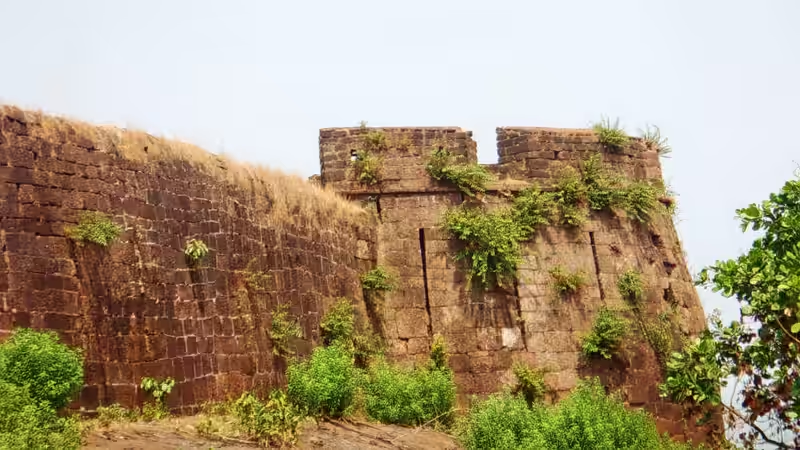
Cabo De Rama is best understood as a fort ruin zone with key surviving elements rather than a polished museum site. Visitors generally encounter laterite stone walls, old bastion segments, open grounds, and pathways leading to cliff-edge viewpoints.
Key features to notice
- Fort wall remains and defensive edge alignments.
- Bastion-like projection points facing the sea.
- Open internal grounds with traces of old structures.
- Small church presence in the fort area (depending on route and access).
- High coastal vantage points ideal for wide-angle viewing.
Because surfaces can be uneven, wear stable footwear and move carefully near exposed edges.
Views and Photography Highlights
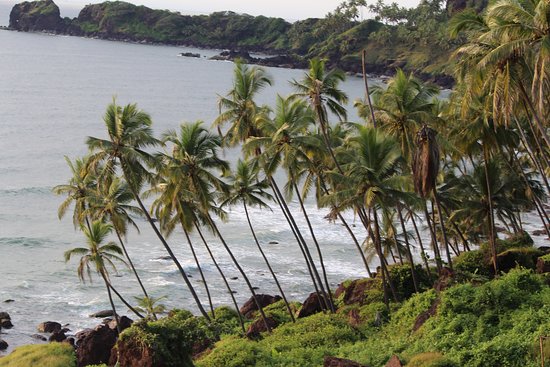
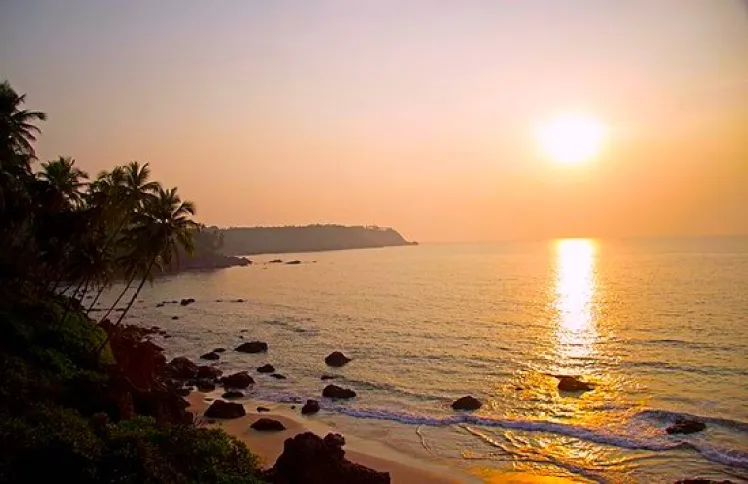
The strongest reason many travelers visit Cabo De Rama is the view. The cliffline and ocean panorama create one of the most atmospheric visual settings in South Goa. It is especially popular with sunset photographers, drone enthusiasts (where legally permitted), and slow travelers looking for a less crowded scenic stop.
| Photo Spot Type | Best Time | Tip |
|---|---|---|
| Cliff-edge panorama | Late afternoon | Use wide framing for coastline sweep |
| Fort wall textures | Morning light | Capture laterite detail and shadow depth |
| Sunset horizon | Golden hour | Arrive early for position and safety checks |
If you plan photography-heavy visits, carry water and allow extra time. The best frames often come from waiting for changing light, not rushing through viewpoints.
Best Time to Visit Cabo De Rama Fort
Cabo De Rama can be visited year-round, but comfort and experience quality change by season. Cooler months and clear evenings are preferred for scenic exploration. Monsoon visits offer lush greenery and dramatic skies, though rain can make paths slippery.
- Winter and shoulder months: comfortable weather for longer exploration.
- Monsoon: vivid landscapes and moody visuals, with added caution needed.
- Summer midday: hotter and less comfortable for extended walking.
- Best time of day: late afternoon to sunset for views.
If your trip includes multiple outdoor spots, place Cabo De Rama in the latter half of the day and pair it with nearby beaches for an efficient route.
Cabo De Rama Fort Timings and Entry
Public heritage-style sites in Goa often have open-access patterns, but practical visiting windows can still vary due to local conditions, maintenance activity, or temporary restrictions. It is best to confirm current access status before departure.
| Visitor Info Item | Practical Advice |
|---|---|
| Entry fee | Often low or no fee in many periods; verify current status |
| Visiting hours | Check latest local timing before travel |
| Photography | Generally possible in open areas; follow local guidance |
| Crowd level | Lower than many North Goa fort viewpoints |
Always prioritize on-site signage and local instructions over outdated internet schedules.
How to Reach Cabo De Rama Fort
Most travelers reach Cabo De Rama by road from South Goa bases. Rental scooters are common for flexible exploration, while taxis are more comfortable for family groups or sunset returns. Public transport options may require additional local transfers.
Route planning tips
- Use live navigation and offline map backup.
- Start before sunset traffic builds in coastal roads.
- Avoid rushing steep or narrow sections in low light.
- Carry fuel and water if doing multi-stop remote routes.
If you are unfamiliar with Goa’s interior-coastal connectors, taxi travel can reduce navigation stress.
Nearby Places to Combine with Cabo De Rama
Cabo De Rama works best as part of a South Goa scenic circuit. Pairing one heritage site with one or two coastal stops usually creates a balanced day without fatigue.
- Baina Beach Goa for coastal contrast.
- Dona Paula Beach Goa for another shoreline perspective.
- Shanta Durga Temple Goa for culture-focused add-on (different route planning needed).
- Chapora Fort Goa for fort-comparison across Goa circuits.
Avoid overloading distant spots in one day; Goa distances can take longer than expected during seasonal traffic peaks.
Visitor Tips for a Better Experience
- Wear sturdy footwear for uneven fort surfaces.
- Carry drinking water and sun protection.
- Arrive before golden hour for safer movement and better photos.
- Keep distance from cliff edges, especially in windy weather.
- Respect quiet zones and avoid littering heritage areas.
Simple preparation improves safety and helps you enjoy the site without rushing.
Common Mistakes to Avoid
- Arriving too late and exploring in near-dark conditions.
- Assuming all paths are safe for sandals during monsoon.
- Depending on old timing/entry information without verification.
- Trying to combine too many far-apart Goa stops in one afternoon.
Plan with buffers and keep expectations realistic for route times.
Detailed Planning for Sunset Visitors
Sunset is the most popular time at Cabo De Rama, but it needs planning. Reach at least 45 minutes earlier than your expected sunset window so you can park, walk in, and choose a safe viewpoint without rushing. Evening winds can increase near cliff edges, so stand away from unstable points and avoid unnecessary risk for photos.
After sunset, visibility drops quickly in some stretches outside the fort. If you are riding a scooter, ensure headlights and brakes are reliable before departure. Family groups should pre-book return transport to avoid waiting in low-light conditions.
| Sunset Checklist | Why It Matters |
|---|---|
| Arrive early | Secure safe viewpoint and avoid rush |
| Carry light jacket/water | Comfort during wait period |
| Pre-plan return route | Safer exit after dusk |
| Avoid risky cliff poses | Prevents accidents in wind and low light |
Responsible Heritage Visiting and Safety Notes
Cabo De Rama is a fragile heritage landscape, and responsible behavior directly affects how long the site remains safe and enjoyable for everyone. Avoid climbing unstable walls, do not step beyond marked edges for photos, and keep clear of loose stone sections during monsoon months. Wind can be strong on exposed cliff points, so stable footwear and careful movement are essential.
Heritage responsibility also includes waste discipline. Carry your trash out, avoid food litter near viewpoints, and respect quiet zones used by other visitors. If you are traveling in a group, set a common movement rule so no one wanders into unsafe corners while taking pictures. Sunset crowds can tempt risky photo behavior; prioritize safety over dramatic angles.
Travelers with children or seniors should plan extra buffer time for entry, walking, and exit. Rushing at dusk increases slip and navigation risk. A calm, respectful visit not only protects you but also helps preserve the fort’s long-term cultural value.
| Safety Point | Recommended Action | Why It Matters |
|---|---|---|
| Cliff-edge viewing | Keep safe distance and avoid leaning poses | Reduces fall risk in windy conditions |
| Surface conditions | Wear grip footwear, move slowly on uneven paths | Prevents slips on old stone and wet patches |
| Heritage care | No graffiti, no wall climbing, no littering | Protects site integrity for future visitors |
Conclusion
Cabo De Rama Fort Goa is one of South Goa’s most rewarding heritage-viewpoint stops, combining historical atmosphere, cliff panoramas, and quieter travel energy. It is ideal for visitors who want more than crowded beach routes and are willing to slow down for landscape and history. With proper timing, safe movement, and smart route planning, a Cabo De Rama visit can be one of the most memorable parts of your Goa trip.
Location
Frequently Asked Questions
Q1.Where is Cabo De Rama Fort located in Goa?
Q2.What is the history of Cabo De Rama Fort?
Q3.What are Cabo De Rama Fort timings?
Q4.Is there an entry fee for Cabo De Rama Fort?
Q5.How much time is needed to explore Cabo De Rama Fort?
Q6.How do I reach Cabo De Rama Fort from Madgaon?
Q7.What is the best time to visit Cabo De Rama Fort?
Q8.What are the main attractions at Cabo De Rama Fort?
Recommended For You
Dona Paula Beach Goa: Attractions & Travel Tips
Discover Dona Paula Beach in Goa, famous for its viewpoint & water sports. Complete guide with activities, best time to visit & nearby attractions.
Shanta Durga Temple Goa: History, Timings & Visitor Etiquette
Visit Shanta Durga Temple in Ponda, Goa. Complete guide with history, architecture, timings, dress code & how to reach from Panjim.
Goa in July: Monsoon Weather, Waterfalls & Travel Tips
Discover the best places to visit in Goa in July with monsoon-friendly itineraries, Dudhsagar plans, heritage routes, weather tips, and safety guidance.
Never Miss an Adventure
Get the latest trekking guides, travel tips, and exclusive offers delivered straight to your inbox.
