
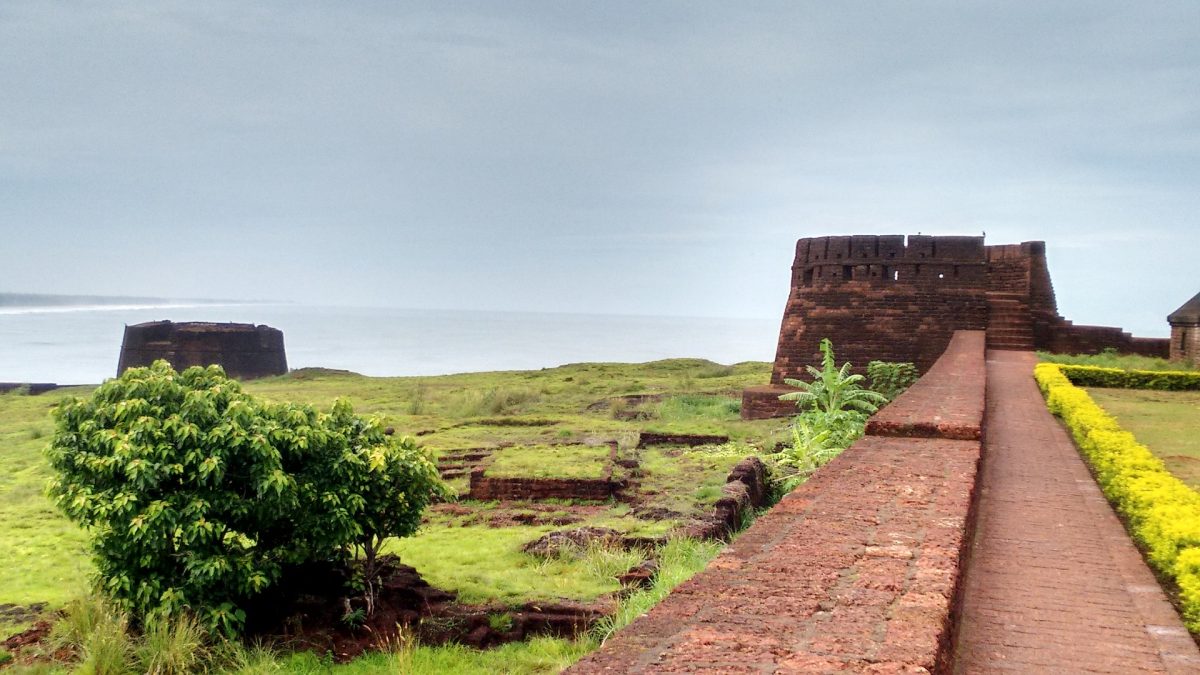
Chapora Fort Goa: Sunset Views, Route & Filming Spot Details

Rahul Garg
January 13, 2026
Explore Chapora Fort in North Goa, the iconic 'Dil Chahta Hai' location offering breathtaking sunset views over Vagator Beach and a rich Portuguese-Maratha history.
Introduction: The Iconic Fort That Captured India's Heart
Perched atop a hill in North Goa, Chapora Fort stands as a testament to Goa's rich history and its enduring connection to popular culture. While the fort itself dates back centuries, it was the 2001 Bollywood blockbuster "Dil Chahta Hai" that transformed this historical site into a must-visit destination for travelers across India.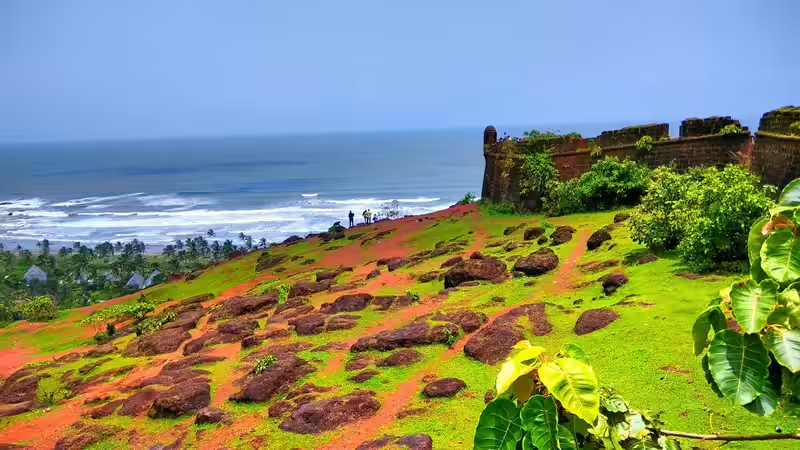 The iconic scene where Aakash, Sameer, and Siddharth sit on the fort's walls contemplating life and relationships has made Chapora Fort synonymous with friendship, nostalgia, and breathtaking sunset views. Located in Bardez, Goa, this centuries-old fort offers panoramic views of the Arabian Sea, Vagator Beach, and the Chapora River.
The red laterite stone ruins against the backdrop of the endless blue ocean create a stunning contrast that attracts photographers, history enthusiasts, and casual tourists alike. Whether you're a Bollywood fan recreating the famous pose or simply someone seeking the perfect sunset spot, Chapora Fort promises an experience that blends history, natural beauty, and cinematic nostalgia.
The iconic scene where Aakash, Sameer, and Siddharth sit on the fort's walls contemplating life and relationships has made Chapora Fort synonymous with friendship, nostalgia, and breathtaking sunset views. Located in Bardez, Goa, this centuries-old fort offers panoramic views of the Arabian Sea, Vagator Beach, and the Chapora River.
The red laterite stone ruins against the backdrop of the endless blue ocean create a stunning contrast that attracts photographers, history enthusiasts, and casual tourists alike. Whether you're a Bollywood fan recreating the famous pose or simply someone seeking the perfect sunset spot, Chapora Fort promises an experience that blends history, natural beauty, and cinematic nostalgia.
The Fascinating History of Chapora Fort
Origins and Early History
The story of Chapora Fort begins long before the Portuguese arrived in Goa. Originally known as "Shahpura," the fort was built by Adil Shah, the ruler of the Bijapur Sultanate, in the early 16th century. The fort's strategic location overlooking the Chapora River made it a crucial defensive position, controlling access to the region's inland territories. The name "Chapora" itself is derived from the local name for the river that flows beneath its walls. This waterway served as a vital trade route and a natural barrier, making the fort's position even more strategically valuable.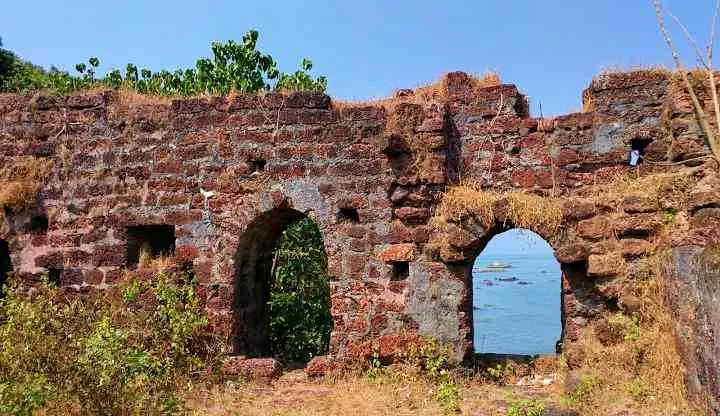
Portuguese Reconstruction
In 1617, the Portuguese, who had established their capital in Old Goa, rebuilt the fort extensively. They recognized its strategic importance in defending their territories from potential invaders, particularly the Marathas. The Portuguese strengthened the fort's defenses, constructing thick walls using the distinctive red laterite stones that are still visible today. The fort served as a military outpost and a watchtower, allowing Portuguese forces to monitor movements along the coast and the Chapora River. The architecture reflects typical Portuguese military design, with bastions at strategic corners and thick walls designed to withstand cannon fire.Battles Between Portuguese and Marathas
Chapora Fort witnessed numerous battles and changed hands multiple times between the Portuguese and the Marathas. In 1684, the Maratha ruler Sambhajiraje, son of the legendary Chhatrapati Shivaji Maharaj, captured the fort after a fierce battle. The Marathas held control of Chapora for several years before the Portuguese regained it in 1717. The fort's strategic location made it a prized possession, and control over it meant dominance over the surrounding region. The fort continued to serve as a military outpost until the late 19th century when its strategic importance diminished. Over time, as military technology evolved and Goa's political landscape changed, Chapora Fort was gradually abandoned. The forces withdrew, and nature began to reclaim the structure. Today, only the outer walls and a few crumbling structures remain, standing as silent witnesses to the tumultuous history they once witnessed.The "Dil Chahta Hai" Connection: From Fort to Pop Culture Icon
The Scene That Started It All
When director Farhan Akhtar chose Chapora Fort as the backdrop for one of the most memorable scenes in "Dil Chahta Hai," he had no idea he would create a cultural phenomenon. The scene shows the three protagonists—played by Aamir Khan, Saif Ali Khan, and Akshaye Khanna—sitting on the fort's walls, their legs dangling over the edge, discussing life, love, and relationships.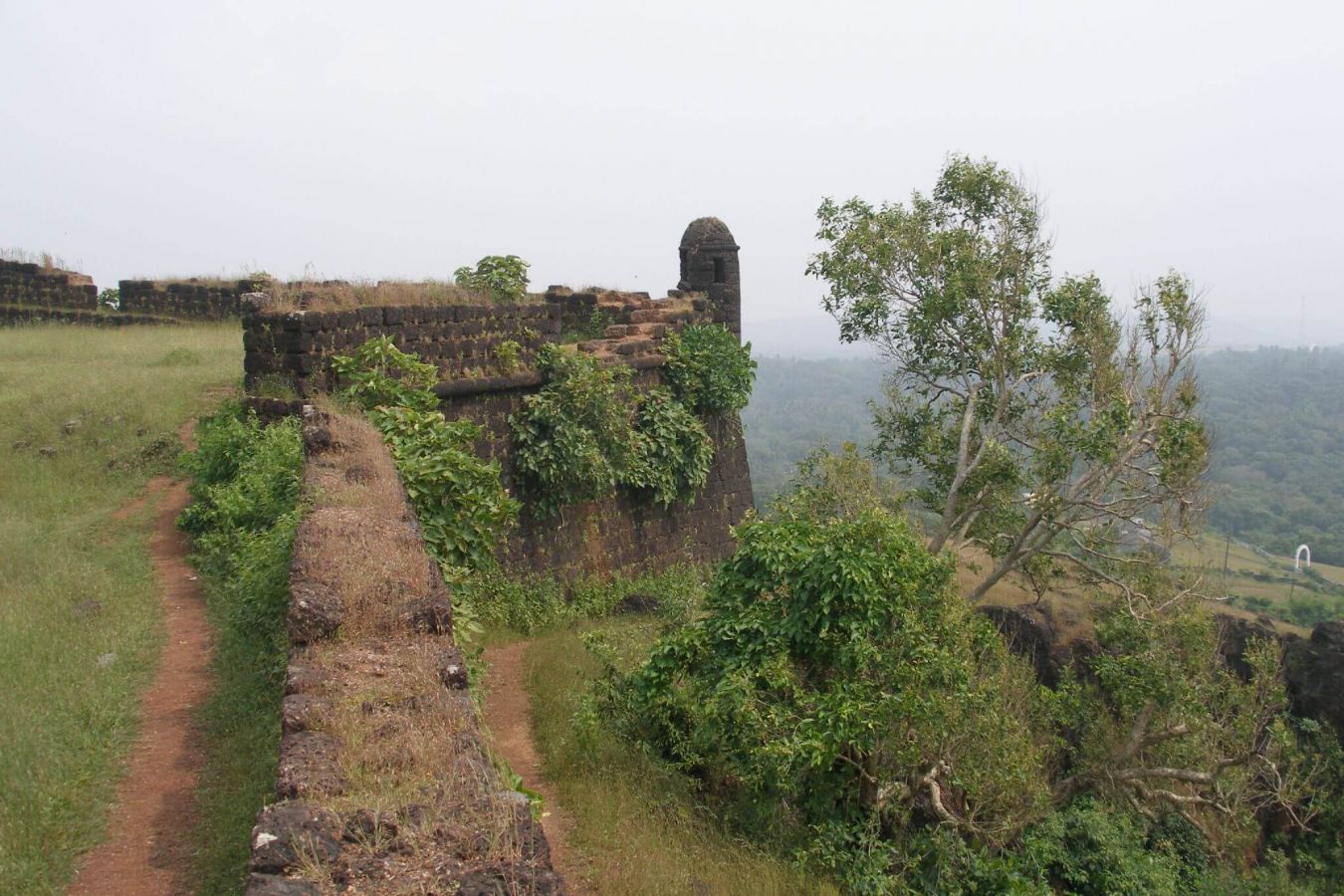 The location was perfect. The vast expanse of the ocean in the background symbolized the endless possibilities and uncertainties that lay ahead for the characters. The crumbling walls of the fort represented the impermanence of structures, much like the changing nature of human relationships.
A Pilgrimage for Bollywood Fans
Since the movie's release, Chapora Fort has become a pilgrimage site for Bollywood fans. Groups of friends travel to Goa specifically to recreate the iconic pose—sitting on the fort walls, legs dangling, gazing out at the sea. It's become a rite of passage for friend groups, a way to celebrate their bond much like the characters in the film. Social media is filled with thousands of such photographs, each one a tribute to the movie's enduring legacy. What makes this phenomenon interesting is how a cinematic location has transcended its original purpose. People visit not because they're history buffs or architecture enthusiasts, but because they want to be part of the cultural moment that the film created.Best Time to Visit Chapora Fort
Understanding when to visit Chapora Fort can significantly enhance your experience. Here's a comprehensive guide to help you plan your visit:| Season | Months | Weather | Pros | Cons |
|---|---|---|---|---|
| Winter | Nov - Feb | 25°C - 30°C | Pleasant weather, clear skies, ideal for photography | Very crowded, especially at sunset |
| Summer | Mar - May | Up to 35°C | Less crowded, dramatic skies | Very hot and humid, challenging trek |
| Monsoon | Jun - Sep | Heavy rain | Lush greenery, few tourists | Slippery trek, obscured views |
Time of Day Guide
Early Morning (6 AM to 8 AM): The morning light is soft and golden, perfect for photography. The air is cool, making the trek pleasant. You'll likely have the fort to yourself, allowing for uninterrupted exploration and reflection. Late Afternoon to Sunset (4 PM to 6:30 PM): This is the most popular time to visit. As the day cools, more people arrive to catch the sunset. The light during this "golden hour" is magical, casting a warm glow over everything. If you want a good spot, arrive at least an hour before sunset.The Trek to Chapora Fort: What to Expect
Reaching the Fort
The journey to Chapora Fort begins at the parking area located at the base of the hill. From here, visitors must trek uphill to reach the fort ruins. The trek is relatively short—typically taking 10 to 15 minutes—but it can be challenging, especially during the heat of the day.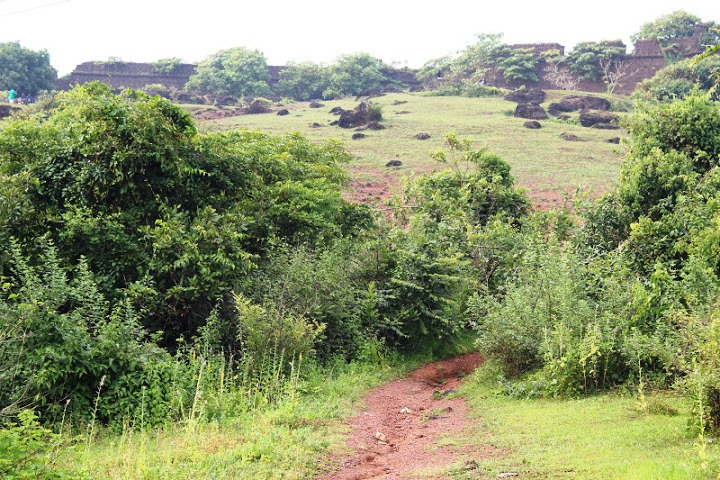 The path is steep and uneven in places, winding through rocky terrain and patches of red laterite soil that can get slippery, particularly during the monsoon season.
Trek Difficulty Overview
| Aspect | Details |
|---|---|
| Duration | 10-15 minutes one way |
| Distance | Approximately 500 meters |
| Difficulty Level | Moderate |
| Best Footwear | Sports shoes with good grip |
| Water Required | 500ml - 1 liter recommended |
Pro Tip: Wear comfortable walking shoes with good grip. Avoid flip-flops or sandals, as the rocky terrain can be unforgiving. Carry water, especially if you're visiting during the day, as there are no facilities along the trek or at the fort itself.
Accessibility Considerations
It's important to note that Chapora Fort is not wheelchair accessible. The steep, rocky path and the fort's elevated location make it challenging for those with mobility issues. Additionally, there are no facilities at the top—no restrooms, no food stalls, and no shaded areas. Visitors should come prepared, carrying everything they might need during their visit. The nearest facilities are located in Vagator, about 2 kilometers away.The Breathtaking Views from Chapora Fort
Vagator and Ozran Beaches
From the fort's vantage point, the view to the south reveals the stunning coastline of Vagator and Ozran Beaches. These beaches, with their distinctive red cliffs and golden sands, are among North Goa's most beautiful shorelines. The contrast between the verdant hills, the reddish cliffs, and the azure waters of the Arabian Sea creates a visual spectacle that's particularly striking during the golden hours of sunrise and sunset. Watching the waves crash against the rocky shoreline from this elevated perspective is mesmerizing. Vagator Beach, visible directly below the fort, is one of Goa's most popular beaches, known for its vibrant nightlife, water sports, and the iconic Chapora Fort looming above it. The beach is divided into Big Vagator and Little Vagator (Ozran), each with its own character and charm.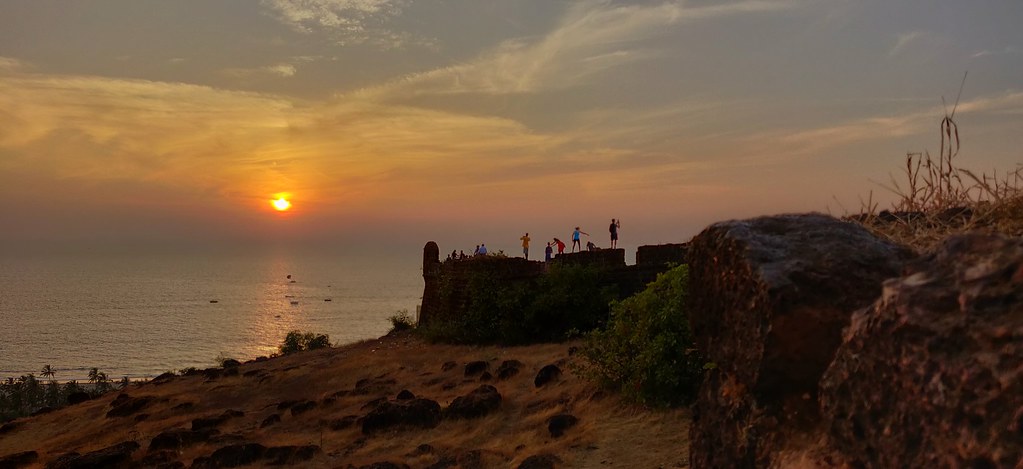
Morjim Beach Across the River
Looking north from the fort, your gaze follows the Chapora River as it empties into the Arabian Sea. Across the river lies Morjim Beach, known for its serene atmosphere and as a nesting site for Olive Ridley turtles. The view across the river is particularly peaceful, offering a different perspective on Goa's coastline. On clear days, you can see the coastline stretching northward toward Pernem and beyond. The Chapora River itself is a crucial waterway, supporting fishing communities and mangrove ecosystems along its banks.The Sunset Experience
Without a doubt, the sunset is the main attraction at Chapora Fort. As the sun begins its descent, the fort fills with visitors gathering to witness the daily spectacle. The sky transforms into a canvas of oranges, pinks, purples, and reds, reflecting off the ocean's surface. The silhouette of the fort's crumbling walls against this colorful backdrop creates a scene that's both dramatic and ethereal. Photographers flock to the fort during sunset, and for good reason. The changing light offers endless creative possibilities.Nearby Attractions and Places to Visit
Vagator Beach
Located just 2 kilometers from Chapora Fort, Vagator Beach is a natural extension of any visit to the fort. After exploring the fort ruins, many visitors head down to the beach to relax, enjoy water sports, or grab a bite at one of the many shacks and restaurants lining the shore. Vagator is less crowded than some of Goa's more famous beaches like Baga or Calangute, making it a favorite among travelers looking for a more relaxed beach experience. The beach is particularly lively in the evenings, with several beach clubs and venues hosting parties and events.Anjuna Beach and Flea Market
A short drive south of Chapora Fort lies Anjuna Beach, another iconic Goan destination. Anjuna Beach is famous for its Wednesday flea market, which has been operating since the 1970s and attracts visitors from all over the world. The market offers everything from clothing and jewelry to souvenirs and local handicrafts, all set against the backdrop of the Arabian Sea. Anjuna also has a rich hippie history and was a center of the counterculture movement in the 1960s and 70s.Practical Information for Visitors
Entry Fees and Timings
One of the best things about Chapora Fort is that it's completely free to visit. There are no entry fees, no charges for photography, and no parking fees (though parking space is limited). The fort is open to the public 24 hours a day, though it's advisable to visit during daylight hours for safety reasons.How to Reach Chapora Fort
By Air: The nearest airport is Dabolim Airport, approximately 40 kilometers from Chapora Fort. From the airport, you can hire a taxi or use a ride-sharing service. The journey takes about an hour, depending on traffic. By Rail: The nearest railway station is Thivim, about 20 kilometers away. From there, you can take a taxi or an auto-rickshaw to the fort. The larger station of Karmali is about 30 kilometers away and is better connected to major cities. By Road: Chapora Fort is well-connected by road. If you're driving, head towards Vagator Beach, and you'll find signboards directing you to the fort. There's a small parking area at the base of the hill.Facilities and Amenities
It's important to set expectations correctly—there are no facilities at Chapora Fort itself. No restrooms, no food stalls, no water fountains, and no souvenir shops. The fort is a raw, uncommercialized historical site. The nearest facilities are in Vagator, where you'll find restaurants, restrooms, and shops.Essential Items to Carry
- Water: At least 500ml - 1 liter per person
- Sunscreen: SPF 30+ recommended
- Comfortable shoes: Sports shoes with good grip
- Camera: For capturing the stunning views
- Sunglasses and hat: For sun protection
- Snacks: No food available at the fort
Photography Tips for Chapora Fort
For photographers, Chapora Fort offers endless opportunities. Here are some tips to make the most of your shoot: Golden Hour: Arrive at least an hour before sunset to capture the fort in various lighting conditions. The transition from daylight to golden hour to blue hour provides a range of moods and colors to work with. Silhouettes: The fort's distinctive shape against the setting sun is perfect for silhouette shots. Position your subjects against the bright sky and expose for the highlights. Wide Angle: Bring a wide-angle lens to capture panoramic views of the coastline. The elevated vantage point allows for dramatic compositions that include both the fort and the sea. Details: Don't forget to capture the smaller details—the texture of the laterite stone, the way the light filters through openings in the walls, the flowers growing in the crevices. People: Including people in your shots adds scale and context. The iconic "legs dangling" pose has been done thousands of times, but it remains a powerful image.Preserving Chapora Fort: Responsible Tourism
As Chapora Fort's popularity has grown, so has the impact of tourism on this fragile historical site. The red laterite stone, while beautiful, is soft and erodes easily. The constant footfall, combined with visitors sitting on walls and climbing on structures, has accelerated the fort's deterioration. As visitors, we have a responsibility to minimize our impact. Avoid sitting on or leaning against walls that look unstable. Don't carve names or messages into the stone—a problem that has plagued many historical sites in India. Carry your trash back with you; there are no trash cans at the fort, and littering not only spoils the experience for others but also harms the local ecosystem. The Archaeological Survey of India (ASI) has been working on conservation efforts, but preserving Chapora Fort requires cooperation from visitors.Conclusion: Why Chapora Fort Should Be on Your Goa Itinerary
Chapora Fort is more than just a historical site; it's a convergence of history, culture, nature, and cinema. It offers something for everyone—history buffs can explore the ruins and imagine the battles that once took place here, film enthusiasts can recreate their favorite Dil Chahta Hai moments, nature lovers can enjoy panoramic views of the Arabian Sea, and photographers can capture stunning images in one of India's most photogenic locations. The fort's accessibility makes it suitable for all types of travelers, from solo backpackers to families with children (though the trek requires moderate fitness). The fact that it's free to visit adds to its appeal, especially for budget travelers. Whether you're visiting Goa for the first time or returning for another trip, make sure Chapora Fort is on your list. Arrive with time to spare, bring your camera, and prepare yourself for an experience that combines the best of Goa's natural beauty with its rich cultural heritage.Location
Frequently Asked Questions
Q1.Is there an entry fee for Chapora Fort?
Q2.How long does it take to trek to Chapora Fort?
Q3.What is the best time to visit Chapora Fort?
Q4.Is it safe to visit Chapora Fort?
Q5.Can we drive to the top of Chapora Fort?
Q6.Is Chapora Fort open at night?
Q7.Are there any facilities available at Chapora Fort?
Q8.What makes Chapora Fort famous?
Q9.What should I carry when visiting Chapora Fort?
Q10.How far is Chapora Fort from Vagator Beach?
Recommended For You
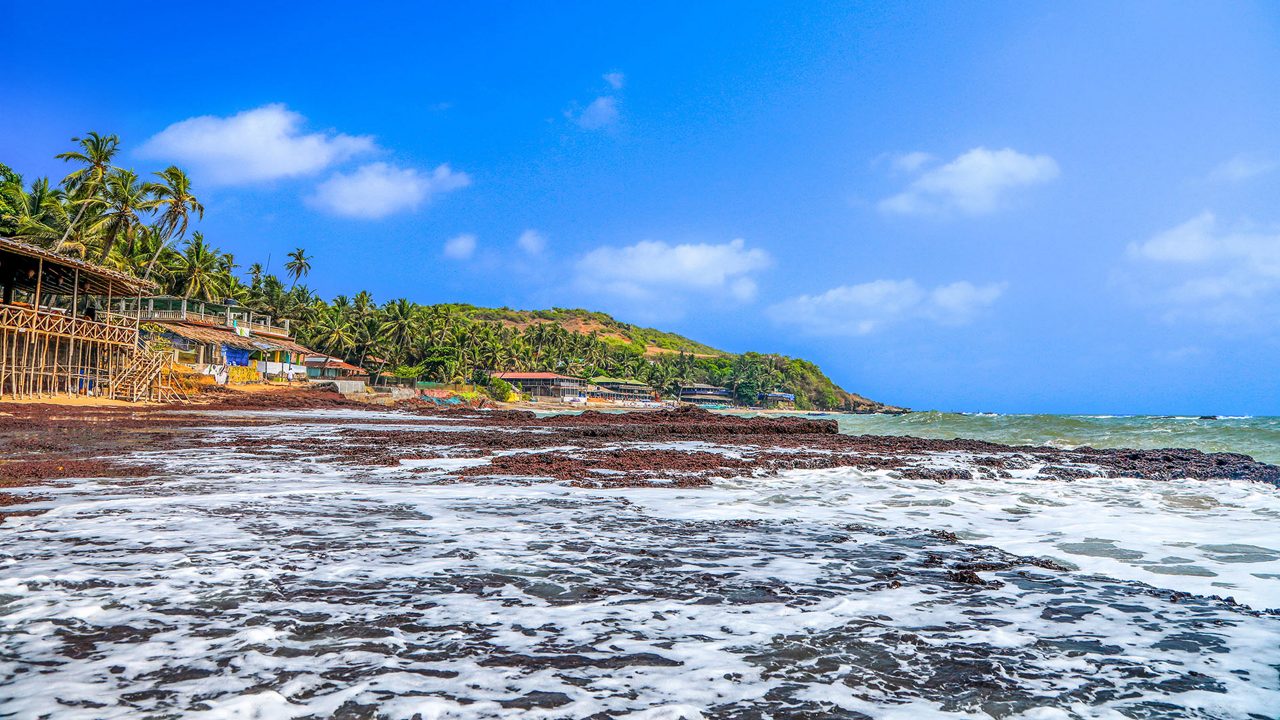
Anjuna Beach Goa: Flea Market, Nightlife & Beach Activities
Anjuna Beach Goa - Famous for its Wednesday Flea Market, legendary trance parties, rocky coastline and stunning sunsets. Complete guide to Goa's iconic hippie beach.
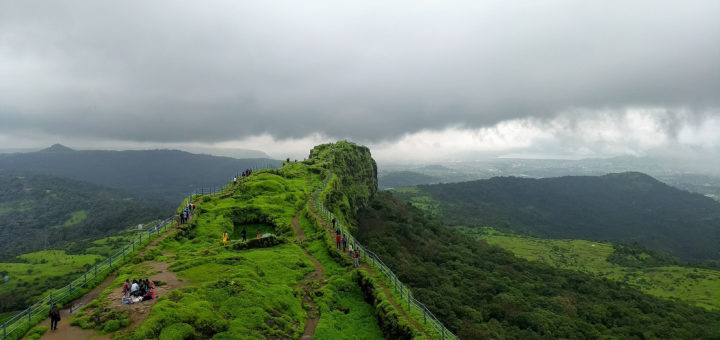
Forts in Lonavala: Trek Difficulty, Routes & Best Season
Explore the best forts in Lonavala with route difficulty, seasonal tips, transport planning, and safe one-day/two-day trekking options.
Bollywood Movies Shot in Goa: Famous Film Locations You Can Visit
Explore Bollywood movies shot in Goa with iconic filming spots, route-based location planning, and practical tips for a cinematic Goa travel experience.
Never Miss an Adventure
Get the latest trekking guides, travel tips, and exclusive offers delivered straight to your inbox.
