
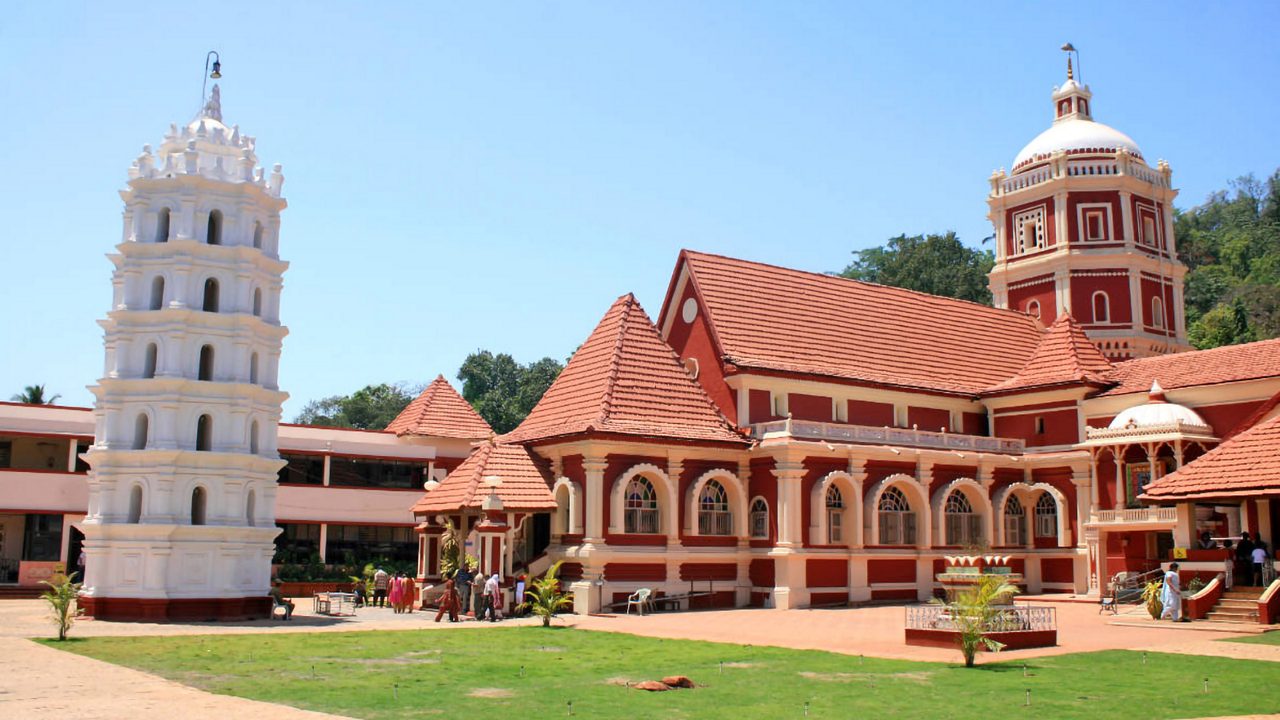
Shanta Durga Temple Goa: History, Timings & Visitor Etiquette

Neha Kapoor
February 19, 2026
Visit Shanta Durga Temple in Ponda, Goa. Complete guide with history, architecture, timings, dress code & how to reach from Panjim.
Shanta Durga Temple Goa: Darshan, Timings, and Pilgrimage Planning Guide
Shanta Durga Temple is one of Goa’s most important spiritual landmarks, especially for devotees seeking a quieter and culturally rooted experience beyond beaches and nightlife. Located in a serene setting, the temple is known for its devotional atmosphere, unique architecture, and strong local religious continuity. For first-time visitors, the temple experience is best when approached with respectful timing and calm movement.
If you are building a full Goa itinerary, pair this with Goa complete travel guide, heritage context from Basilica of Bom Jesus, coastal balance through Goa beaches, and optional festive travel planning via New Year Goa events.
Spiritual Significance of Shanta Durga
The temple is dedicated to Goddess Shanta Durga, revered for her role as a divine reconciler and protector. Devotees visit for family blessings, peaceful prayer, and personal guidance in difficult life phases. Unlike high-intensity tourist zones, this temple offers an inward spiritual rhythm where silence and devotion shape the experience. Pilgrims often describe the atmosphere as calming and emotionally restorative.
Best Time to Visit
| Visit Window | Atmosphere | Best For |
|---|---|---|
| Early Morning | Quiet and devotional | Focused prayer and peaceful darshan |
| Late Morning | Moderate movement | Family visits and architecture viewing |
| Evening | Pleasant and active | Calm spiritual + cultural blend |
Morning visits are usually most comfortable for pilgrims who prefer less crowd and more contemplative time.
Temple Etiquette and Visitor Conduct
Modest attire and respectful behavior are expected. Keep voice low in prayer areas, remove footwear where required, and avoid obstructing active ritual sections. If photography is allowed, keep it discreet and avoid flash near devotional spaces. Sacred sites are best experienced with attention rather than speed.
- Wear simple and modest clothes.
- Carry minimal valuables.
- Follow temple signage and staff instructions.
- Avoid loud group conversation in sanctum-adjacent areas.
Architecture and Cultural Character
The temple’s built form reflects a distinctive Goan-Hindu architectural blend with elegant lines, layered roofs, and a devotional complex that feels open yet structured. Visitors interested in cultural heritage should spend at least 30-45 minutes observing layout, prayer pathways, and decorative details. This temple is both a living spiritual center and an important part of Goa’s religious heritage identity.

How to Include Shanta Durga in Goa Itinerary
Temple visits in Goa work best in half-day clusters: one spiritual stop, one heritage extension, and one relaxed meal break. Avoid overloading temple day with long beach transfers. A practical route is morning darshan, nearby cultural stop, then evening coast transition if needed. This sequencing keeps the visit spiritually centered while still fitting broader travel plans.
You can pair this with heritage church routes or keep it temple-focused with slower devotional pacing and local food breaks.
Family and Senior-Friendly Planning
The temple is generally suitable for families and elders when visited during cooler windows. Keep hydration, light snacks, and essential medicines ready. For larger groups, define one regroup point to avoid confusion in parking and entry areas. A slow and respectful visit is better than an overpacked day with multiple far-apart stops.
Festival and Peak-Day Advice
Festival periods bring higher devotional intensity and larger crowds. Arrive earlier than usual and keep flexible time buffers. If your priority is quiet prayer, choose non-festival weekdays. If your priority is cultural and devotional atmosphere, festival visits can be enriching but require patience in movement and queue management.
Budget and Practical Tips
This is a low-cost spiritual visit if planned simply. Main spend areas are transport, offerings, and nearby meals. Keep your route compact to avoid unnecessary taxi costs. If you are staying in another part of Goa, pre-plan return travel to avoid late evening uncertainty.
Sample Half-Day Pilgrimage Plan
Step 1: Morning arrival and darshan. Step 2: Temple architecture walk and quiet reflection. Step 3: Nearby cultural stop or return with meal break.
This format gives devotional value without fatigue.
Planning a Temple-Focused Day in Goa
Many couples and families visiting Goa focus only on beaches and miss the spiritual side of the state. A temple-focused half-day at Shanta Durga can add emotional depth to your itinerary. Start with morning darshan, then include one cultural stop and one slow meal in a quiet neighborhood. Avoid mixing long beach transfers in the same block because it disrupts devotional rhythm.
If your Goa itinerary includes both north and south zones, keep temple visits in a separate day segment. This prevents fatigue and makes the spiritual experience calmer. Temple travel in Goa works best when paced, not rushed.
Architectural Observation Guide
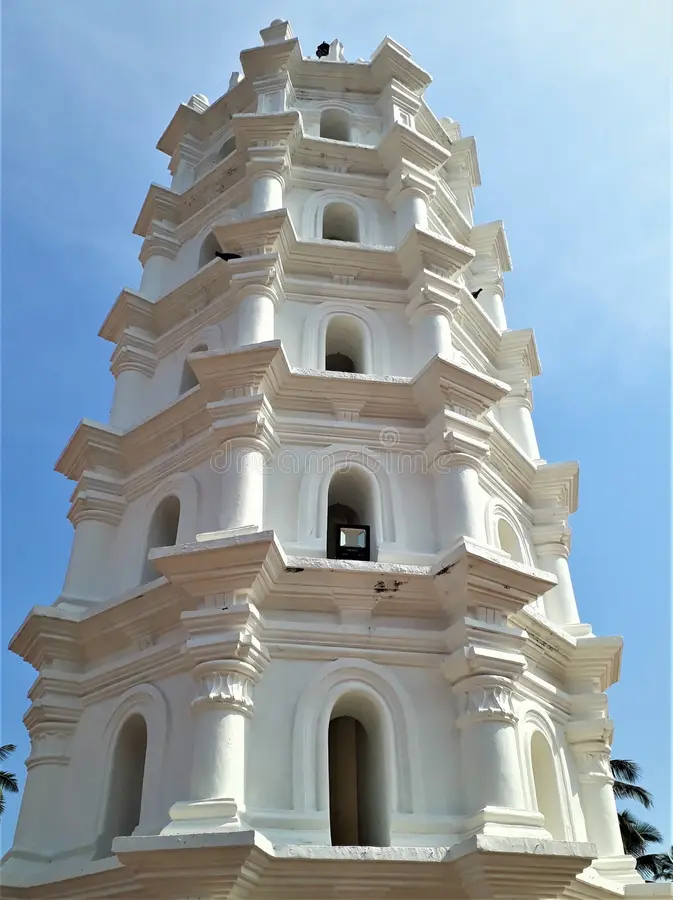
Shanta Durga Temple is visually rich and worth studying beyond quick photos. Observe the symmetry of the main structure, the layered roof form, and the prayer-axis movement that guides devotees through the complex. The deepastambha zone is particularly photogenic in soft light. If you enjoy cultural architecture, allocate 20-30 minutes just for quiet observation without phone distraction.
Festival and Weekend Visit Strategy
Weekend and festive periods increase footfall significantly. Arrive early, keep parking assumptions realistic, and avoid strict minute-by-minute schedules. During major events, prayer flow may take longer and route diversions can occur. Patience is part of the pilgrimage experience. If you are visiting with children, keep snacks and hydration ready so long waits do not become stressful.
Women and Senior Traveler Comfort
Women travelers generally find the temple environment welcoming, especially in daylight windows. Seniors should prefer cooler morning hours and avoid prolonged standing during peak periods. Keep one rest pause after darshan before moving to next stop. Short seated recovery breaks improve comfort and reduce fatigue for the rest of the day.
Responsible Cultural Conduct
Even if you are not a regular devotee, treat the temple as a living sacred space. Keep conversations low, avoid fashion-shoot behavior in prayer sections, and respect local custom cues. Avoid littering and keep offerings simple and sincere. Cultural respect creates a better environment for everyone and preserves the authenticity of Goa’s spiritual heritage.
Sample 2-Day Goa Blend (Spiritual + Leisure)
Day 1: Shanta Durga Temple, heritage extension, relaxed local dinner. Day 2: Beachside slow day with sunset and café time. This split gives couples and families both spiritual grounding and classic Goa relaxation without overloading transfers.
Practical Packing and Route Checklist
- Light modest clothing for temple entry.
- Compact umbrella or rain layer in monsoon windows.
- Water bottle and small dry snacks.
- Pre-booked return transport for evening visits.
- Backup route if local events affect traffic.
Extended Spiritual + Cultural Day Plan
A full day around Shanta Durga Temple can be planned in a way that preserves spiritual quality and still fits a Goa holiday. Start with morning darshan, then take a short reflection break before any sightseeing transition. Many travelers make the mistake of rushing directly from prayer to high-traffic tourist zones, which disrupts the calm created at the temple. A better approach is to include one unstructured pause after darshan and then continue to one nearby heritage site.
If you are traveling with family, keep the second half of the day low-intensity: a short cultural stop, early dinner, and controlled return. This is especially useful for elders and children. Couples can use this day for a quieter romantic format that balances devotion and leisure. Goa allows this blend very naturally when transfers are planned in compact clusters.
What to Expect During Peak Devotional Hours
On weekends and festival dates, temple movement can become layered: local devotees, family groups, and outstation visitors often arrive in overlapping windows. Keep footwear handling, queue entry, and offering decisions simple to avoid delays. If crowd density rises, stay patient and follow volunteer directions exactly. Respectful queue behavior is one of the most important contributions visitors can make to a sacred site.
Practical Route and Comfort Checklist
- Start early to avoid both heat and traffic.
- Keep one backup route in navigation app.
- Carry light rain/wind layer depending on season.
- Use hydration breaks between temple and next stop.
- Avoid heavy meals before long queue windows.
These basics sound small, but they dramatically improve visit quality in Goa’s variable weather and traffic conditions.
Final Takeaway
Shanta Durga Temple is best experienced with calm timing, respectful conduct, and simple itinerary structure. Keep the visit intentional, avoid rushing, and allow space for reflection. With this approach, the temple becomes one of Goa’s most meaningful spiritual experiences.
Location
Frequently Asked Questions
Q1.Where is Shanta Durga Temple located in Goa?
Q2.What are the temple timings?
Q3.Is there an entry fee for Shanta Durga Temple?
Q4.What is the dress code for Shanta Durga Temple?
Q5.Can we take photos inside the temple?
Q6.Are mobile phones allowed inside?
Q7.How far is Shanta Durga Temple from Panjim?
Q8.Is parking available at the temple?
Recommended For You
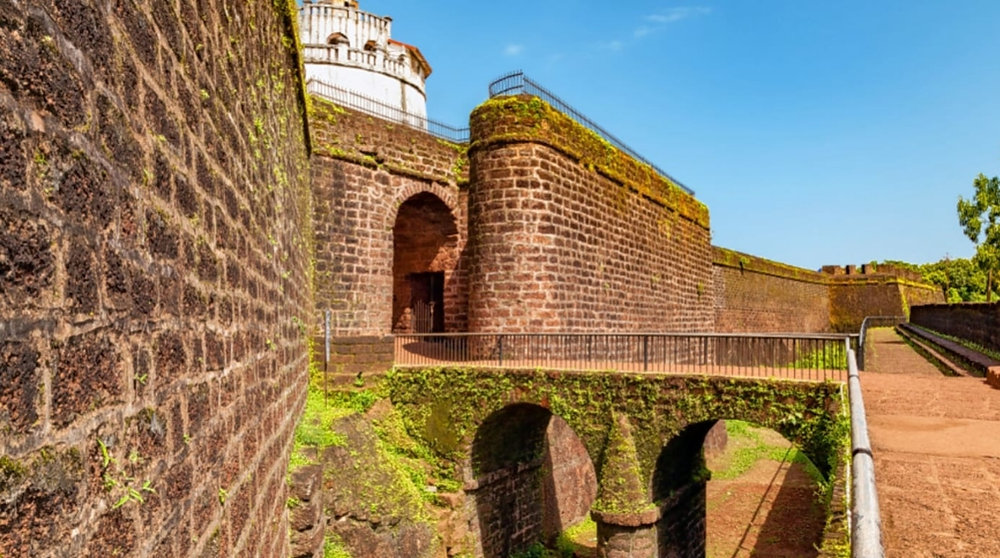
Cabo De Rama Fort Goa: History, Cliff Views & Best Visiting Time
Plan your Cabo De Rama Fort Goa visit with history highlights, viewpoint tips, route guidance, and practical timing advice for a safe scenic experience.
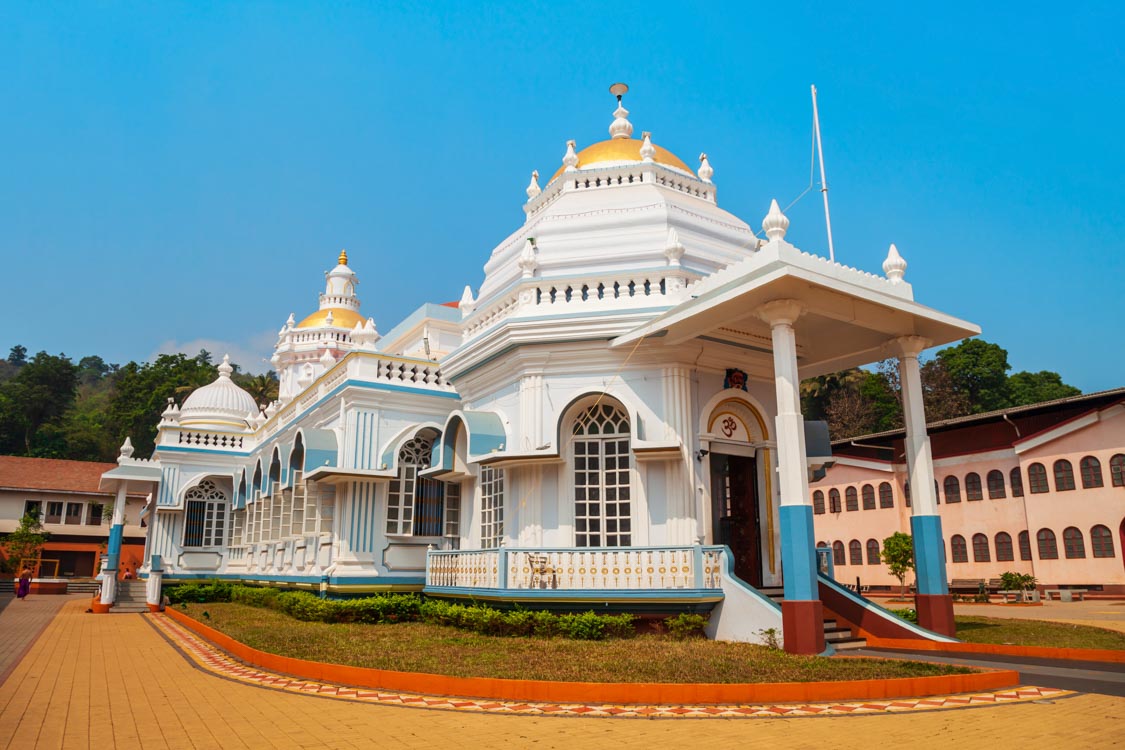
Mangeshi Temple Goa: Timings, History & Visitor Etiquette
Visit Mangeshi Temple in Goa - ancient Lord Shiva temple with unique architecture, rich history of Portuguese persecution survival, and beautiful seven-story Deepa Stambha.

Goa in September: 10 Best Places Post-Monsoon
Plan places to visit in Goa in September with post-monsoon waterfalls, flexible beach routes, heritage loops, and practical weather-smart travel tips.
Never Miss an Adventure
Get the latest trekking guides, travel tips, and exclusive offers delivered straight to your inbox.
