
Forts in Lonavala: Trek Difficulty, Routes & Best Season
Rahul Garg
February 18, 2026
Explore the best forts in Lonavala with route difficulty, seasonal tips, transport planning, and safe one-day/two-day trekking options.
Introduction: Lonavala as a Fort-Trekking Gateway
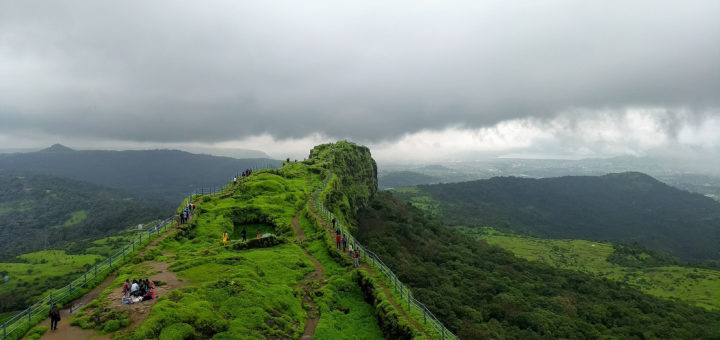
Forts in Lonavala are among the most popular weekend trekking options for travelers from Mumbai and Pune because they combine manageable travel distance, rich Maratha-era context, and rewarding hilltop views. The fort belt around Lonavala includes easy routes for beginners and steeper climbs for experienced trekkers. This makes the region suitable for mixed groups as long as route choice is realistic.
Many travelers treat “Lonavala fort trek” as one destination, but each fort has different difficulty, terrain style, approach road, and crowd pattern. A better plan is to choose one primary fort and one optional secondary stop instead of rushing multiple climbs in one day.
This guide covers Lohagad, Visapur, Tikona, Tung, and Rajmachi format planning, including route expectations, season suitability, safety preparation, and one-day vs two-day decision frameworks.
Lohagad Fort: Best Beginner-Friendly Option
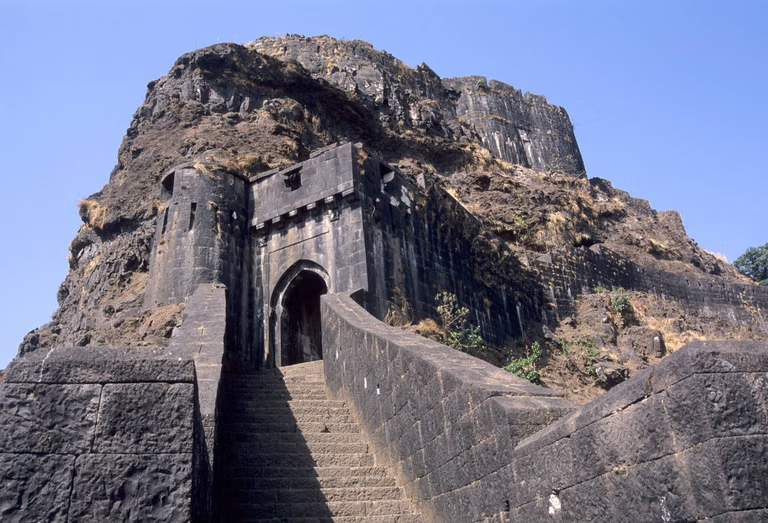
Lohagad is one of the easiest and most frequently visited forts near Lonavala. The route is relatively straightforward compared to tougher Sahyadri climbs, making it a good first fort for families and beginners. In monsoon, scenery becomes highly dramatic, but stone sections can get slippery.
- Best for: first-time trekkers and mixed-age groups.
- Experience: historic gates, ridge views, and wide photo points.
- Timing tip: early start helps avoid crowd pressure.
Visapur Fort: Wider Plateau, Higher Effort
Visapur is often paired conceptually with Lohagad but offers a more physically demanding experience on many approach routes. Trail conditions can change seasonally, and weather can make footing harder. Trekkers should plan with buffer time and avoid overconfidence if this is their first rainy-season climb.
| Fort | Difficulty | Best Use Case |
|---|---|---|
| Lohagad | Easy to moderate | Beginner and family-friendly trek |
| Visapur | Moderate | Trek-focused groups with better fitness |
Tikona Fort: Compact but Steeper Sections
Tikona is popular for short-format trekkers who want elevation gain in limited time. Route segments can include steeper portions where stable footwear matters. The summit zone gives strong valley views and remains a favorite for photographers on clear days.
Tung Fort: Small Footprint, Big Views
Tung is known for its visual profile and scenic positioning. Trek distance may appear short on map estimates, but terrain and weather can slow movement. Good for people who prefer focused climbs rather than long fort circuits.
Rajmachi Fort Region
Rajmachi-style routes are often treated as separate adventure blocks because of approach style and seasonal variability. Depending on route and transport mode, this can become a full-day or overnight format rather than a quick add-on.
Best Time to Visit Lonavala Forts
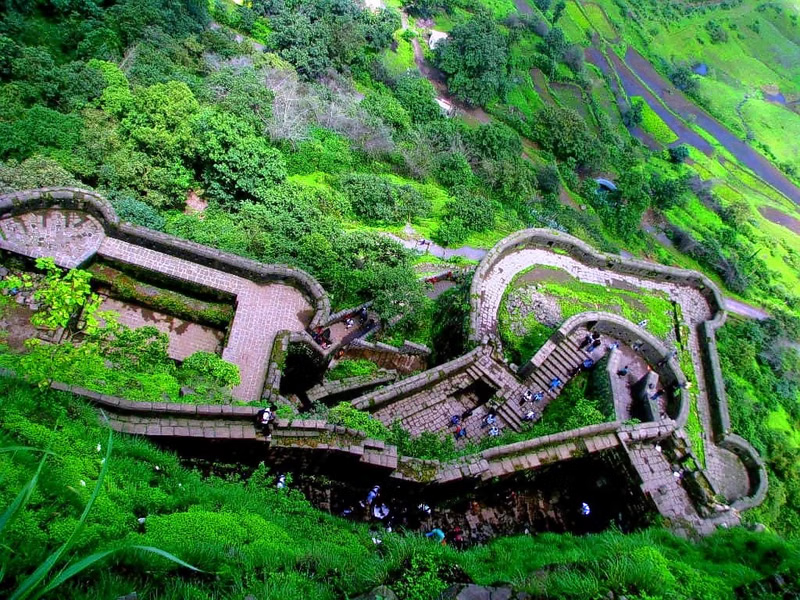
Monsoon gives peak greenery and dramatic cloud movement, but also raises slip risk and crowd density on famous routes. Winter gives clearer weather and better traction. Summer can still work with early starts, though heat exposure increases fatigue.
| Season | Visual Experience | Trek Safety Comfort |
|---|---|---|
| Monsoon | Maximum greenery and mist | Lower due to wet surfaces |
| Post-monsoon/Winter | Clearer horizons | Higher for most trekkers |
| Summer | Dry terrain | Heat-management required |
One-Day vs Two-Day Fort Plan
A common mistake is trying to cover three or more forts in one day. That usually leads to rushed climbing, poor hydration, and unsafe descent timing. If you want quality trekking plus photography, one major fort per day is better.
- One-day format: Lohagad or Visapur + local rest stop.
- Two-day format: one moderate fort per day with recovery time.
How to Prepare for Fort Trekking in Lonavala
- Use trekking shoes with solid grip.
- Carry 2 liters water per person in warmer months.
- Take rain cover and dry bag in monsoon.
- Carry light first aid and ORS.
- Start descent before light conditions reduce.
- Avoid risky edge photography in fog or rain.
Transport and Access Planning
Most routes are accessible through a mix of rail, road, and local transfer to base villages. Public transport can work, but group cabs often save time when you plan early starts. Always keep return transport clarity before starting climb sections.
Internal Route Pairing
For regional planning, combine this fort guide with Lonavala and Khandala itinerary ideas, route specifics for Lohagad Fort, and compare trek pacing with other Indian trek formats.
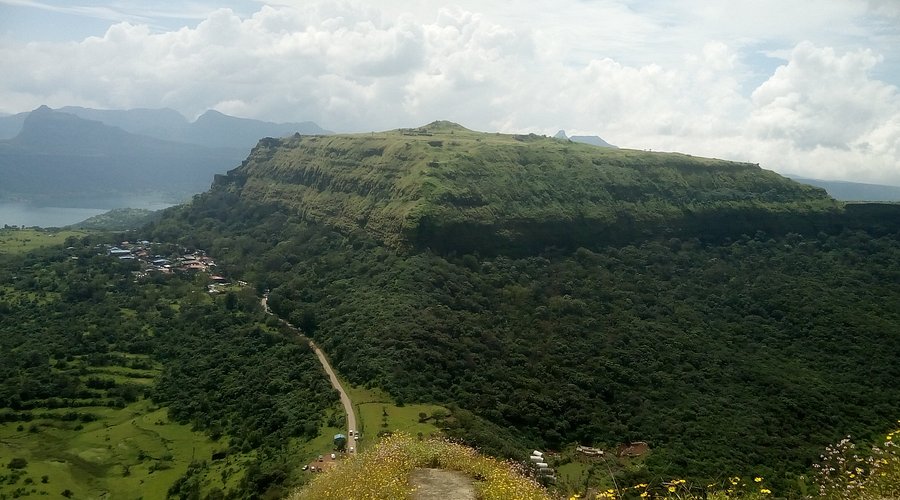
Detailed Weekend Itinerary Example
Day 1: early arrival, Lohagad ascent, controlled descent, evening rest. Day 2: Visapur or Tikona based on weather and group energy. Keep one fallback plan in case heavy rain affects route comfort.
Who Should Choose Which Fort?
| Trekker Type | Recommended Fort Start | Reason |
|---|---|---|
| First-timers | Lohagad | More manageable approach |
| Moderately fit groups | Visapur/Tikona | More challenge and distance |
| Photography-focused | Tung/Rajmachi windows | Strong landscape compositions |
Common Mistakes
- Overpacking too many forts in one day.
- Ignoring monsoon slip risk.
- No return transport plan.
- Poor hydration in humid conditions.
- Late descent timing after sunset.
Fort-by-Fort Micro Planning Framework
Choosing the right fort matters more than trying to cover many. If your group has mixed fitness, pick a manageable fort and spend more quality time on history and landscape. If your group is trek-focused, choose one harder climb and keep return windows clear. This approach prevents overexertion and late descents.
| Fort Choice Goal | Recommended Approach | Expected Output |
|---|---|---|
| Beginner weekend trek | Lohagad with early start | Safe and scenic first experience |
| Moderate challenge day | Visapur or Tikona | Higher effort with strong views |
| Photography-focused plan | Tung/Rajmachi timing windows | Better horizon and composition depth |
Monsoon Risk Management for Sahyadri Forts
Monsoon is visually stunning but operationally demanding. Steps and exposed paths become slippery, and fog can reduce visibility at key turns. Trek leaders should keep group spacing and enforce slow descent speed. Avoid cliff-edge crowding for photos. Use trekking poles if your knees are strain-sensitive.
- Check weather and route condition the previous night.
- Start before sunrise traffic builds.
- Carry extra socks and anti-slip gloves in rain.
- Never descend in darkness without proper lights.
Historical Context Adds Value to the Trek
Lonavala forts are not just hilltop viewpoints; they are military-era structures tied to strategic control of trade and movement corridors. Understanding gate design, water storage, and ridge placement makes the trek more meaningful. Spend a few minutes at each structural segment reading the fort as a system, not just a photo backdrop.
Weekend Transport Model
For Mumbai and Pune trekkers, transport stress is often bigger than climb stress. Use one of these models: train + local shared transfer, direct group cab, or self-drive with planned parking and early return. Last-minute transport after dusk is where most scheduling problems start.
Post-Trek Recovery and Next-Day Planning
If doing a two-day fort weekend, Day 2 should start later than Day 1 unless your group is highly conditioned. Stretching, hydration, and sleep recovery improve performance and reduce injury chance on the second climb. A slower second day is smarter than an aggressive first-day-overload plan.
Full-Day Operational Checklist for Fort Treks
A successful fort day is mostly logistics discipline. Use this checklist before leaving: weather status, transport reconfirmation, hydration load, emergency contact sharing, and descent deadline. Groups that do this consistently have safer and more enjoyable treks.
| Checklist Item | Status Goal | Why It Matters |
|---|---|---|
| Weather check | Verified same morning | Monsoon conditions can shift quickly |
| Transport return | Pre-confirmed | Avoid stranded evening exits |
| Hydration | Minimum carried by all | Prevents fatigue and cramps |
| Descent cut-off | Fixed time for group | Reduces low-light risk |
Heritage Etiquette on Fort Trails
These forts are living heritage landscapes, not disposable adventure grounds. Avoid littering, do not carve names, and respect temple or memorial sections on route. Leaving no trace keeps forts cleaner and helps maintain visitor access long-term.
If Your Group Has Mixed Fitness Levels
Set leader and sweeper roles, keep regroup points every 15-20 minutes, and avoid pace pressure. Mixed groups perform best when schedule is built for the slowest member, not the fastest. This single change prevents avoidable injuries and disputes.
One-Day Multi-Fort Ambition: What Is Realistic?
Many groups ask if two forts can be done in one day. Technically possible in select conditions, but quality and safety usually decline. A realistic model is one primary fort plus one short scenic add-on. Full second-fort attempts should only be done with early start, excellent weather, and experienced trekkers.
Group Leadership Model for Fort Treks
Assign roles before climb: lead navigator, safety sweeper, hydration reminder, and transport coordinator. This small structure prevents confusion on crowded or foggy routes. It also keeps weaker members from being isolated during ascent or descent.
Minimal Gear List That Actually Works
| Gear Item | Why It Is Essential |
|---|---|
| Grip shoes | Primary protection on wet/rocky paths |
| Rain shell | Comfort and movement in monsoon bursts |
| Water and ORS | Prevents dehydration and cramps |
| Headlamp | Emergency support if descent delays occur |
Keep pack light. Overloaded bags cause faster fatigue and slower reaction on uneven terrain.
Final Trek-Day Reminders
Begin with realistic expectations, keep weather awareness active, and descend before low-light conditions. The safest fort day is the one where everyone returns with energy still in reserve.
Keep weather updates active until descent is complete; mountain conditions can change in minutes.
Finish with a conservative return timeline and celebrate a safe trek over an overpacked itinerary.
Conclusion
Forts in Lonavala offer one of the best history-plus-adventure weekend circuits in western India. Choose routes based on fitness and weather, not social pressure. With realistic planning, you can enjoy the Sahyadri fort experience safely and meaningfully.
Location
Frequently Asked Questions
Q1.How many forts can I cover in one day near Lonavala?
Q2.Which is the easiest fort trek near Lonavala?
Q3.Is Visapur harder than Lohagad?
Q4.Are Lonavala fort treks safe in monsoon?
Q5.What should I carry for a Lonavala fort trek?
Q6.Can families do Lonavala fort treks?
Q7.What is the best season for fort trekking in Lonavala?
Q8.Is a guide necessary for Lonavala forts?
Recommended For You
15 Best Hill Stations in Himachal Pradesh
Explore the best hill stations in Himachal Pradesh with practical route planning, traveler-type recommendations, and season-wise travel tips.
Pin Bhaba Pass Trek: Difficulty, Route & Best Season
Plan Pin Bhaba Pass Trek with difficulty breakdown, route strategy, acclimatization tips, and practical packing guidance.
Treks in Manali: Best Routes, Camps & Difficulty Levels
Explore the best treks in Manali with difficulty-wise options, season planning, fitness prep, and practical trekking tips.
Never Miss an Adventure
Get the latest trekking guides, travel tips, and exclusive offers delivered straight to your inbox.
