
Goa Complete: Plan Beaches Weather And Activities

Priya Mehta
February 20, 2026
Complete Goa travel guide featuring beaches, nightlife, water sports, churches, cuisine, markets, North vs South Goa, and practical travel tips.
Introduction to Goa
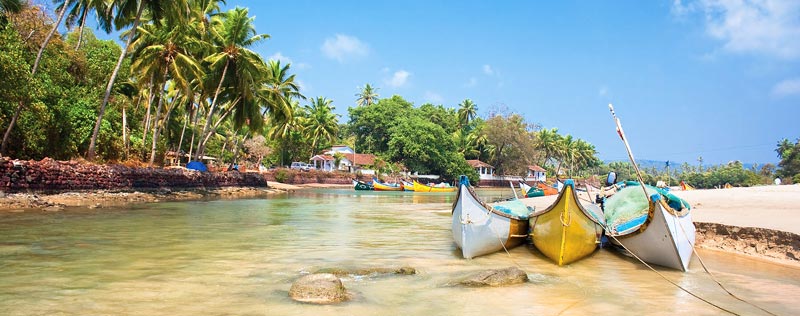
Goa, India's smallest state by area, is arguably its most famous tourist destination. Located on the western coast in the Konkan region, Goa has everything that makes for a perfect holiday - stunning beaches, vibrant nightlife, Portuguese heritage, delicious cuisine, and a unique blend of Indian and Western cultures. Whether you're seeking sun and sand relaxation, adventure water sports, cultural exploration, or electronic music parties, Goa delivers experiences that keep travelers coming back year after year.
What sets Goa apart is its remarkable diversity. In North Goa, you'll find the famous beaches of Baga, Calangute, and Anjuna with their bustling shacks, water sports, and legendary nightlife. South Goa offers pristine, less crowded beaches like Palolem, Agonda, and Colva that are perfect for relaxation. Beyond the beaches, Goa has spice plantations, ancient temples, Portuguese churches, wildlife sanctuaries, and charming villages that offer a glimpse into the state's rich history and culture.
Goa's history as a Portuguese colony for 450 years (until 1961) has given it a unique character. The architecture, cuisine, religion, and even the names reflect this Portuguese influence. Goa is known for its laid-back atmosphere, friendly people, and the susegad (relaxed lifestyle) philosophy that embodies the Goan way of life. The state's multicultural heritage creates a welcoming environment where different traditions coexist harmoniously.
Beyond the stereotypical image of Goa as a party destination, the state offers diverse experiences. You can explore UNESCO World Heritage churches in Old Goa, take a spice plantation tour, spot wildlife at Bhagwan Mahaveer Sanctuary, enjoy fresh seafood at beach shacks, shop at flea markets, or simply relax under a coconut tree watching the Arabian Sea. This guide will help you discover the many facets of Goa and plan a memorable trip.
Best Time to Visit Goa
Goa enjoys a tropical monsoon climate with warm weather throughout the year. The best time to visit depends on what you want to do - party on the beaches, enjoy water sports, explore without crowds, or experience the monsoon magic.
November to February is the peak tourist season and arguably the best time to visit Goa. The weather is pleasant with daytime temperatures ranging from 25°C to 30°C and low humidity. The sea is calm and perfect for swimming and water sports. This is when Goa comes alive with beach parties, music festivals, and the famous markets (Anjuna Flea Market, Saturday Night Market in Arpora). However, this is also the busiest and most expensive period, so book accommodations and flights well in advance.
March to May brings summer to Goa with temperatures reaching 35°C-40°C and high humidity. The beaches are less crowded, and you can find excellent deals on accommodations. While hot, the sea is still swimmable, and early mornings and evenings are pleasant. This is the time when some of the best electronic music festivals take place, attracting party enthusiasts from around the world. If you can handle the heat and humidity, summer offers a more relaxed Goa experience with lower prices.
June to October is the monsoon season when Goa receives heavy rainfall. While beaches have rough seas and swimming is prohibited, monsoon in Goa has its own charm. The entire state transforms into a lush green paradise with waterfalls at their spectacular best. This is the off-season with very few tourists, and many hotels and shacks close down. However, some establishments remain open with significant discounts. Monsoon is perfect for those who want to experience Goa's natural beauty, enjoy the rains, and explore the state without tourist crowds. Note that water sports and beach activities are limited during this period.
North vs South Goa
North Goa
North Goa is the more popular and busier region, known for its vibrant beaches, bustling markets, nightlife, and water sports. The famous beaches of Calangute, Baga, Candolim, and Anjuna are in North Goa. These beaches are lined with shacks offering food, drinks, and music. Baga Beach is particularly famous for its nightlife with popular clubs like Tito's and Mambos. Anjuna is known for its Wednesday flea market and full moon parties. Vagator Beach, with its dramatic red cliffs, is another beautiful spot.
North Goa offers the most variety in terms of activities - water sports including parasailing, jet skiing, banana boat rides, and bumper rides are readily available. The region has numerous restaurants, bars, and clubs serving everything from local Goan cuisine to international food. Shopping options include the Anjuna Flea Market, Saturday Night Market in Arpora, and various boutiques and shops. You can find more information about the stunning beaches in Goa to plan your perfect beach holiday.
Accommodation in North Goa ranges from budget guesthouses and hostels to luxury resorts. The party scene is concentrated here, making North Goa ideal for younger travelers, groups, and those who want to be in the center of the action. However, beaches can be crowded, especially during peak season, and the vibe is more commercial compared to South Goa.
South Goa
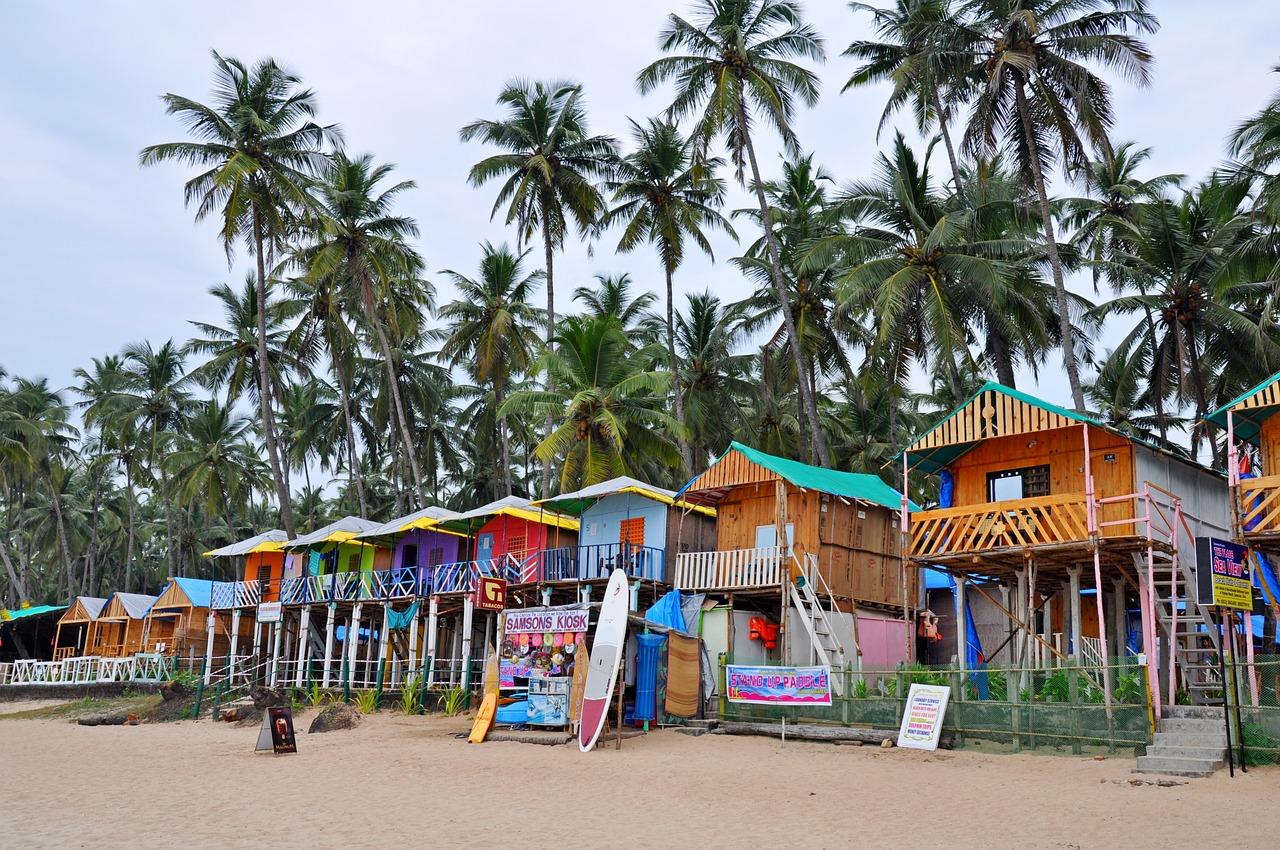
South Goa offers a more relaxed and laid-back experience. The beaches here are cleaner, less crowded, and more pristine. Popular beaches include Palolem, Agonda, Colva, Benaulim, and Varca. Palolem Beach, with its crescent-shaped bay lined with palm trees, is particularly stunning and more developed with accommodation and dining options. Agonda is quieter and perfect for those seeking peace.
South Goa is less commercialized than the north. You won't find the same level of nightlife or party scene here, but you will find beautiful beaches perfect for swimming, sunbathing, and relaxation. The pace of life is slower, embodying the true susegad spirit of Goa. Several luxury resorts are located in South Goa, particularly around Varca, Benaulim, and Majorda beaches, making it popular with families and couples seeking a peaceful holiday.
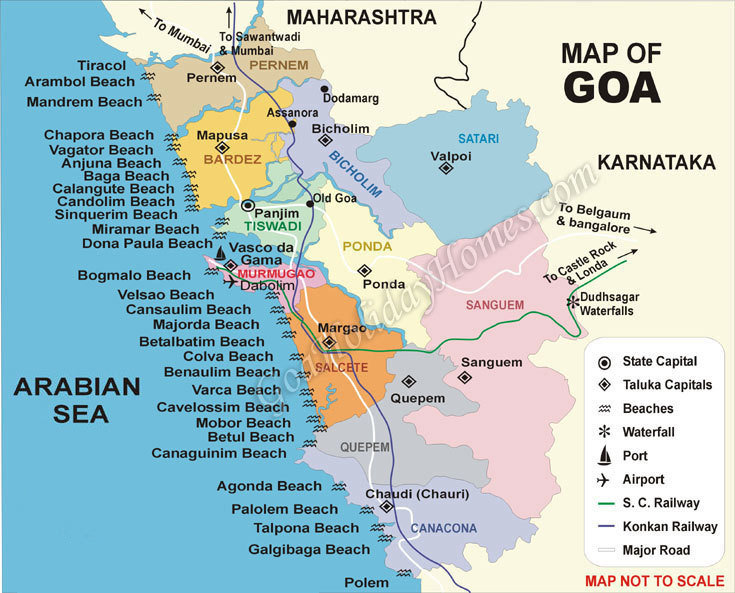
South Goa also has attractions beyond beaches - the Cabo de Rama Fort offers stunning sea views, the Cotigao Wildlife Sanctuary is perfect for nature lovers, and the Dudhsagar Falls (though more easily accessed from the north) is spectacular. Accommodation ranges from beach huts and homestays to luxury resorts. South Goa is ideal for families, couples, solo travelers seeking relaxation, and anyone who wants to experience a quieter side of Goa.
Top Beaches in Goa
Baga Beach
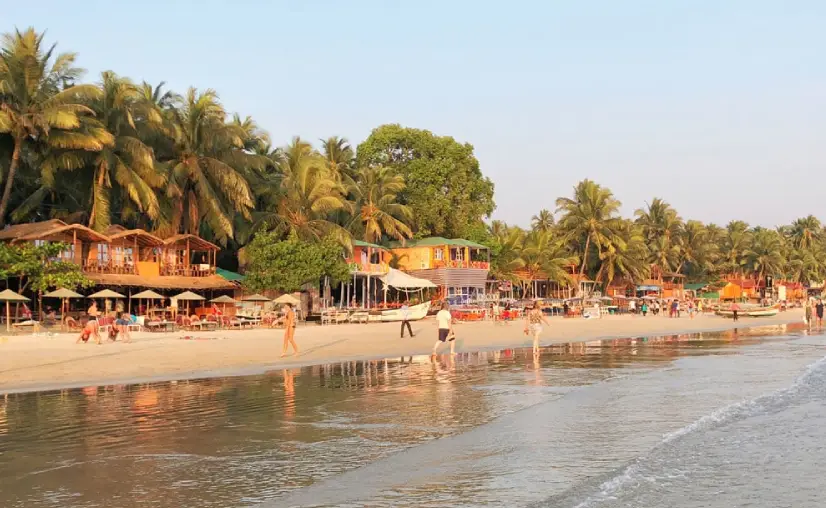
Baga Beach is one of Goa's most famous and busiest beaches. Located in North Goa, Baga offers everything that makes Goa popular - water sports, beach shacks, seafood, and vibrant nightlife. The beach is lined with shacks playing music, serving food and drinks, and offering sunbeds. Water sports operators provide parasailing, jet skiing, banana boat rides, and more. As the sun sets, Baga comes alive with the nearby clubs Tito's and Mambos drawing partygoers. For those looking to explore beyond the popular beaches, consider visiting some offbeat places in Goa that offer unique experiences away from the crowds.
While Baga can be incredibly crowded, especially during peak season, it has an infectious energy that many travelers love. The beach is particularly beautiful at sunset when the sky turns orange and pink. The Baga Creek flows into the sea here, creating a scenic spot. Numerous restaurants, cafes, and shops line the road leading to the beach, offering everything from budget meals to upscale dining.
Palolem Beach
Palolem Beach in South Goa is arguably Goa's most stunning beach. A crescent-shaped bay lined with coconut palms, Palolem offers a picture-perfect setting. The beach is cleaner and less crowded than the northern beaches, making it ideal for swimming and sunbathing. The water is calm and shallow, perfect even for inexperienced swimmers.
Palolem has a relaxed, bohemian atmosphere. Beach huts and simple accommodation options are available right on the beach. The beach comes alive in the evenings with various shacks offering seafood, drinks, and sometimes live music or silent discos. Yoga classes, dolphin watching trips, and kayaking are popular activities here. Palolem is also the base for visiting the nearby Butterfly Beach, accessible only by boat or through a forest trek.
Anjuna Beach
Anjuna Beach is famous for two things - its weekly Wednesday flea market and its trance party legacy. The flea market, started in the 1970s by hippies, sells everything from clothes and jewelry to souvenirs and handicrafts. It's a vibrant, colorful market that's a must-experience. The beach itself is rocky but has its own charm, especially around sunset when the red cliffs glow golden.
Anjuna was at the center of Goa's trance music scene in the 1990s and continues to have parties, though less frequently than in its heyday. The beach is lined with shacks serving seafood and drinks. Nearby, the famous Curlies beach shack has been an institution for decades. Anjuna attracts a mix of backpackers, hippies, and party enthusiasts. The Wednesday flea market is the main draw, but even on other days, the beach has a unique, alternative vibe.
Agonda Beach
For those seeking peace and quiet, Agonda Beach in South Goa is perfect. A long, pristine stretch of sand lined with palm trees, Agonda sees far fewer crowds than other popular beaches. The beach is clean, the water is calm, and the atmosphere is utterly relaxed. Accommodation options range from basic huts to mid-range resorts, all located right on the beach.
Agonda is a nesting site for Olive Ridley turtles, and if you're lucky (and visiting during the right season), you might see turtle hatchlings making their way to the sea. The beach is perfect for long walks, swimming, reading, and simply doing nothing. A few restaurants and shacks provide food and drinks, but options are limited compared to busier beaches. Agonda is ideal for those who want to escape the crowds and experience a quieter side of Goa.
Vagator Beach
Vagator Beach, divided into Big Vagator and Little Vagator, is known for its dramatic red cliffs that create a stunning backdrop. The beach is less commercialized than Baga or Calangute but still popular, especially among younger travelers and backpackers. Big Vagator offers beautiful views and is great for swimming, while Little Vagator is smaller and more secluded.
The famous Hilltop nightclub, where many trance parties take place, is nearby on the cliffs overlooking the beach. Sunset views from Vagator are spectacular, and many visitors come here specifically to watch the sun go down over the Arabian Sea. The beach has several shacks and restaurants. Vagator is less crowded than other North Goa beaches but still has enough facilities to make for a comfortable visit.
Calangute Beach
Calangute is Goa's largest and most commercialized beach. Often called the 'Queen of Beaches,' Calangute stretches for kilometers and is packed with shacks, water sports operators, and tourists. The beach can get incredibly crowded, especially during peak season, but it offers everything in terms of facilities - numerous restaurants, bars, shops, and water sports.
Calangute is particularly popular with domestic tourists and families. The beach is lined with resorts, guesthouses, and shops selling everything from beachwear to souvenirs. Water sports including parasailing, jet skiing, and banana boat rides are readily available. While not the prettiest or most peaceful beach, Calangute's central location and extensive facilities make it a convenient base for exploring North Goa.
Top Attractions Beyond Beaches
Old Goa Churches
Old Goa, a UNESCO World Heritage Site, was the capital of Portuguese Goa and is home to some of India's most magnificent churches. The Basilica of Bom Jesus, built in 1605, houses the mortal remains of St. Francis Xavier and is famous for its Baroque architecture. The Basilica of Bom Jesus is a must-visit for history enthusiasts. The Se Cathedral, built to commemorate the victory of the Portuguese over a Muslim army, is one of Asia's largest churches with its iconic Golden Bell.
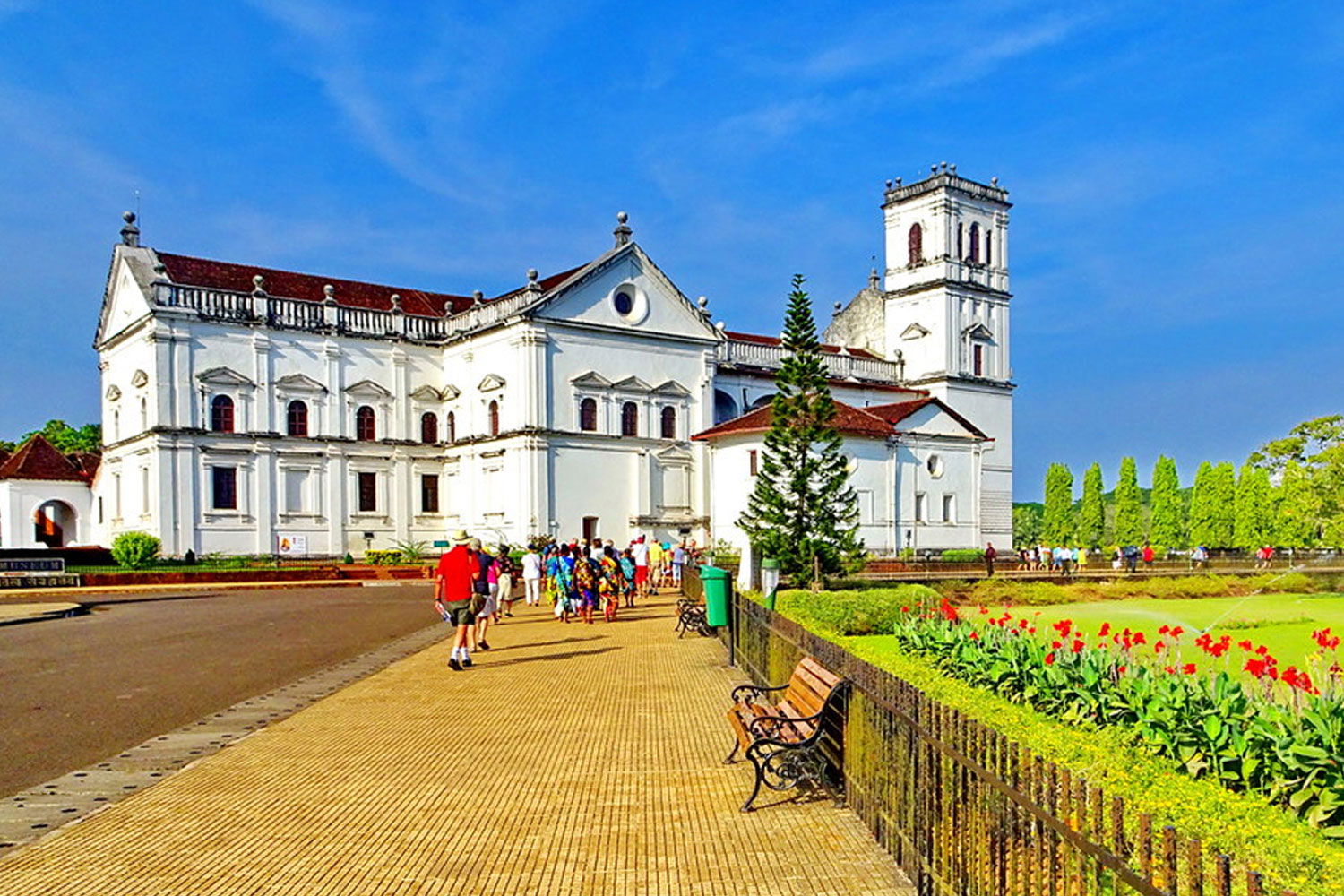
Other notable churches include the Church of St. Cajetan, modeled on St. Peter's in Rome, and the Church of St. Francis of Assisi. These churches offer a glimpse into Goa's Portuguese colonial past and religious heritage. Old Goa can be explored in half a day and is best visited in the morning when it's less crowded. The architecture, history, and spiritual atmosphere make Old Goa a must-visit, even for those not particularly religious.
Spice Plantations
Goa's spice plantations offer a fascinating insight into the state's agricultural heritage. These plantations grow various spices including pepper, cardamom, nutmeg, vanilla, cinnamon, and cloves, along with tropical fruits like cashew, coconut, and betel nut. Popular plantations include Savoi Spice Plantation, Pascoal Spice Village, and Tropical Spice Plantation.
Most plantations offer guided tours where you can see the spices growing, learn about their cultivation and uses, and even sample some. The tours typically end with a traditional Goan lunch served on banana leaves. Walking through these plantations, surrounded by the aroma of various spices, is an educational and sensory experience. The tours are moderately priced and make for an excellent half-day excursion away from the beaches.
Dudhsagar Falls
Located on the Mandovi River on the border with Karnataka, Dudhsagar Falls is one of India's tallest waterfalls, with a height of 310 meters. The name means 'Sea of Milk,' and the white water cascading down the cliffs does resemble a milky waterfall, especially during and after the monsoon when the flow is at its peak.
Reaching the falls requires some effort - you can either take a jeep safari from a nearby village or hike through the Bhagwan Mahaveer Sanctuary. The jeep safari is more popular and takes visitors through the forest to the base of the falls. The sight of the water thundering down is spectacular. The falls are most impressive during and just after the monsoon (September to November). Note that access to the falls is restricted during heavy monsoon due to safety concerns.
Forts in Goa
Goa has several forts that offer historical insights and stunning views. Fort Aguada, built by the Portuguese in 1612 to defend against Dutch and Maratha invasions, overlooks the Arabian Sea and offers panoramic views. The fort's lighthouse is one of the oldest in Asia. Nearby, the Aguada Jail was used to hold prisoners during the Portuguese era.
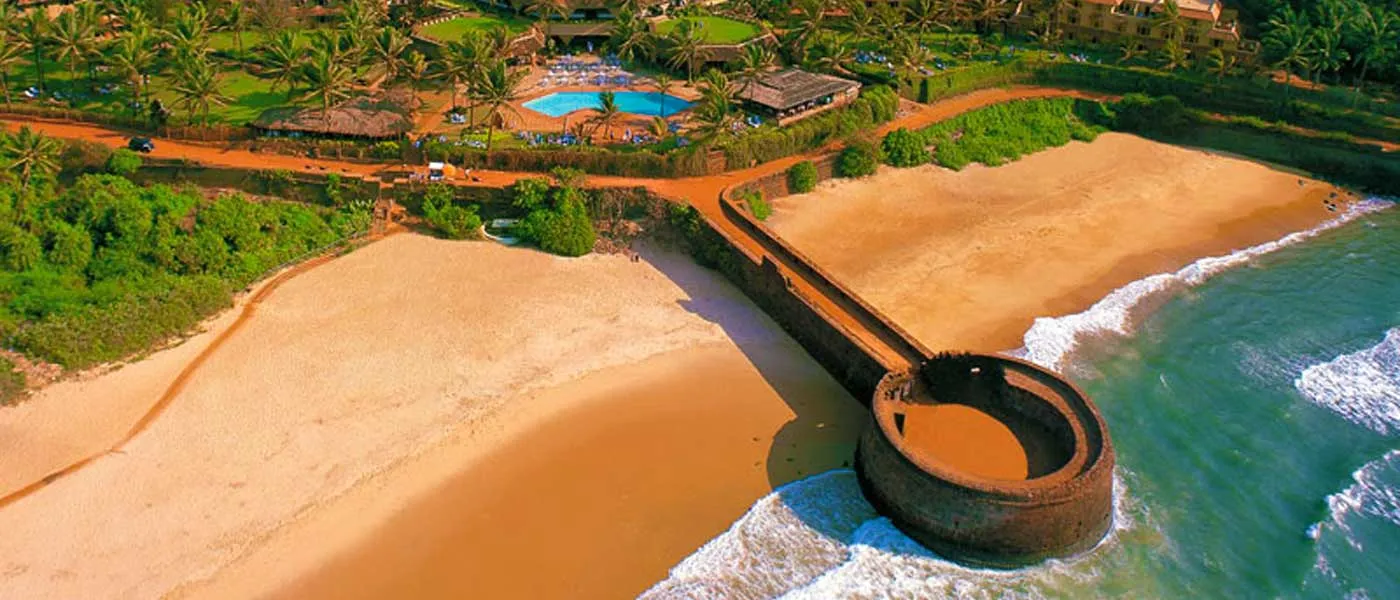
Cabo de Rama Fort in South Goa offers spectacular views of the Arabian Sea from its clifftop location. According to legend, Lord Rama stayed here during his exile. The fort has both Hindu and Portuguese influences. Chapora Fort, near Vagator Beach, gained fame from the movie 'Dil Chahta Hai.' The fort offers stunning views of Vagator and Anjuna beaches, especially at sunset. These forts are perfect for history buffs and those who enjoy panoramic views.
Goa's Casinos
Goa is India's only state with legal casinos, most of which are located on floating casinos on the Mandovi River in Panjim. These offshore casinos offer gambling including roulette, blackjack, poker, and slot machines. Popular casinos include Deltin Royale, Deltin JAQK, and Casino Pride.
The casinos are particularly lively in the evenings with music, drinks, and food. Entry fees apply, which usually include some playing chips and sometimes food coupons. Even if you're not into gambling, the casinos offer a unique entertainment experience. Note that there's a dress code (no shorts, slippers, or sleeveless shirts for men), and you'll need to carry valid ID proof. The onshore casinos in hotels are smaller but more accessible.
Adventure and Water Sports in Goa
Water Sports
Goa is India's water sports capital, offering a wide range of activities for adventure enthusiasts. The most popular beaches for water sports are Calangute, Baga, Candolim, and Anjuna in North Goa, and Palolem and Colva in South Goa. Activities include parasailing (soaring above the sea attached to a parachute), jet skiing (speeding across the water on a motorized vehicle), banana boat rides (inflatable boat shaped like a banana), bumper rides (inflatable tube pulled by a speedboat), and water skiing.
Most water sports operators charge per activity, with prices ranging from ₹300 to ₹1500 depending on the activity and duration. You can also buy packages that include multiple activities. The season for water sports is from October to May when the sea is calm. During monsoon, most water sports are suspended due to rough seas. Safety equipment including life jackets is provided, and trained operators guide you through the activities. Always choose reputable operators with good safety records.
Scuba Diving and Snorkeling
Goa offers decent scuba diving and snorkeling opportunities, particularly around Grande Island, Bat Island, and Pigeon Island. The waters here have coral reefs, shipwrecks, and diverse marine life including colorful fish, sea turtles, and sometimes dolphins. Several diving operators offer certification courses and fun dives for beginners.
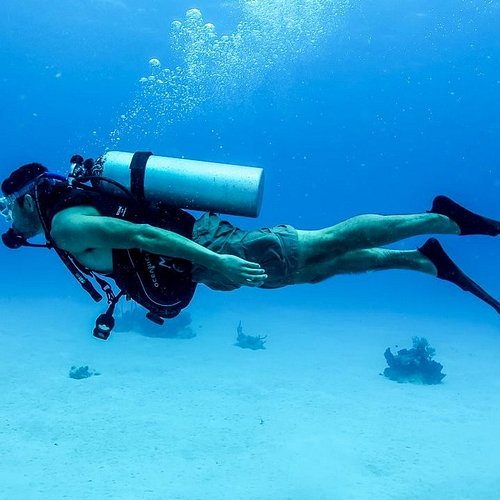
Snorkeling trips are also organized to Grande Island where the water is relatively clear. The visibility isn't as good as the Andamans or Lakshadweep, but diving in Goa is still enjoyable, especially for beginners. The diving season is from October to May. Most operators include equipment, training, and boat transfers in their packages. Even if you've never dived before, you can do a beginner's dive with an instructor.
Other Adventure Activities
Beyond water sports, Goa offers other adventure activities. Trekking in the Western Ghats, particularly in the Bhagwan Mahaveer Sanctuary and Mollem National Park, takes you through dense forests to waterfalls and viewpoints. The trek to Dudhsagar Falls is popular but challenging. Rock climbing and rappelling are available at various locations, particularly around the hinterland areas.
For a unique experience, try kayaking through the mangroves of the Cumbarjua Canal. This guided tour takes you through mangrove forests where you can spot birds and sometimes crocodiles. Hot air ballooning is offered in some areas, offering aerial views of Goa's landscape. Thefly, India's first bungee jumping operator, has a facility near Mayem Lake offering jumps from a height of 55 meters.
Goan Cuisine
Seafood
Goan cuisine is legendary, and seafood is at its heart. Being a coastal state, Goa offers an incredible variety of fresh seafood prepared in unique Goan styles. Must-try dishes include Goan fish curry (fish in a coconut-based curry with tangy flavors), prawn balchão (spicy prawn pickle-like dish), crab xacuti (crab in a spicy coconut curry), and rawas fried (king fish fry).
Beach shacks across Goa serve fresh seafood caught daily. You can often choose your fish from the catch of the day and have it prepared to your liking - grilled, fried, or in curry. The seafood is typically served with rice or poi (Goan bread). Don't miss trying the tiger prawns, lobsters, crabs, and various fish preparations. Seafood in Goa is fresh, affordable, and absolutely delicious.
Goan Specialties
Beyond seafood, Goa has several unique dishes that reflect its Portuguese and Hindu heritage. Vindaloo is perhaps Goa's most famous export - a spicy curry made with pork (though vegetarian versions exist). The dish originated from the Portuguese carne de vinha d'alhos (meat marinated in wine-vinegar and garlic). Sorpotel is another pork dish made from pork offal, while cafreal is a spicy green marinade usually applied to chicken or pork.
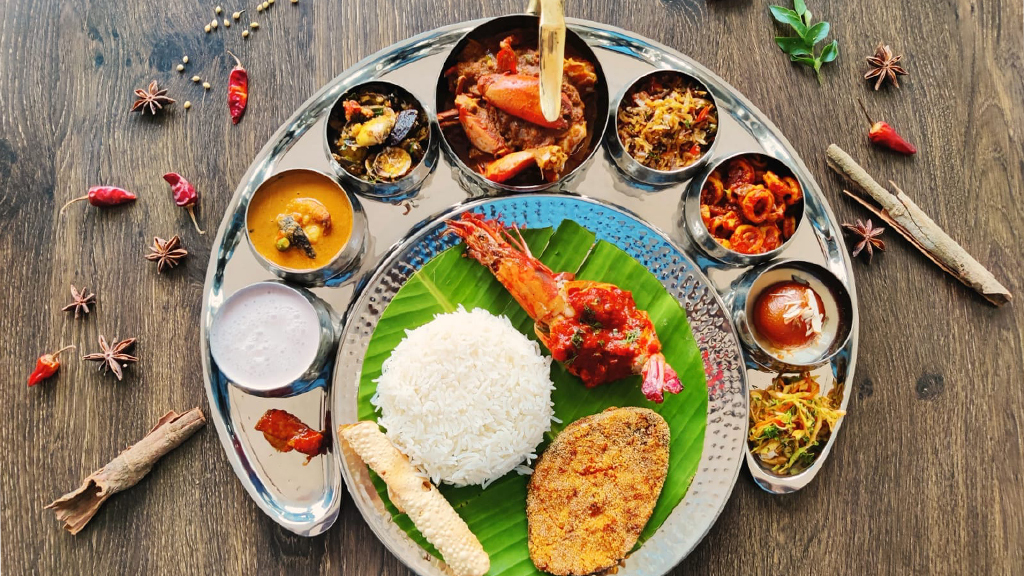
For vegetarians, Goan cuisine offers dishes like mushroom xacuti, vegetarian vindaloo, and various preparations using local vegetables and coconut. Don't forget to try Goa's unique breads - poi (soft, round bread), undo (crusty bread), and sannas (fermented rice cakes similar to idlis). Goan sweets like bebinca (layered cake made with coconut milk) and dodol (jaggery and coconut sweet) are perfect for those with a sweet tooth.
Feni
Feni is Goa's famous local spirit, distilled from either coconut (coconut feni) or cashew apples (cashew feni). Cashew feni is more popular and has a strong, distinctive taste that can be an acquired taste. Coconut feni is smoother and less commonly found outside Goa. Feni is often consumed neat or used in cocktails.
For a gentler introduction to local alcohol, try urrak, which is the first distillation and lower in alcohol than feni. Many beach shacks serve feni-based cocktails. Cashew feni is also used in cooking, particularly in pork vindaloo. While feni might seem intimidating to first-timers, it's an integral part of Goan culture and worth trying at least once.
Nightlife and Markets in Goa
Clubs and Parties
Goa's nightlife is legendary, particularly in North Goa. Famous clubs like Tito's and Mambos in Baga have been drawing crowds for decades. Club Cubana in Arpora, perched on a hill, offers multi-level partying with great views. LPK Waterfront in Nerul combines clubbing with riverside views. These clubs play everything from Bollywood and EDM to commercial music and have dance floors, bars, and sometimes food.
For a more electronic music experience, Hilltop near Vagator hosts trance parties. Curlies on Anjuna Beach and Shiva Valley are other iconic party venues. The party scene in Goa is more seasonal - peak party season is from December to January when international DJs visit, and during music festivals like Sunburn and Supersonic (typically in late December). Entry fees to clubs range from free to ₹2000 depending on the club, night, and events.
Flea Markets and Night Markets
Goa's markets are as famous as its beaches. The Anjuna Flea Market, held every Wednesday, is perhaps the most famous. Started in the 1970s by hippies, the market sells everything from clothes and jewelry to souvenirs, handicrafts, and music. It's a vibrant, chaotic, and colorful market that's a must-experience. Arrive early to avoid the worst crowds and heat.
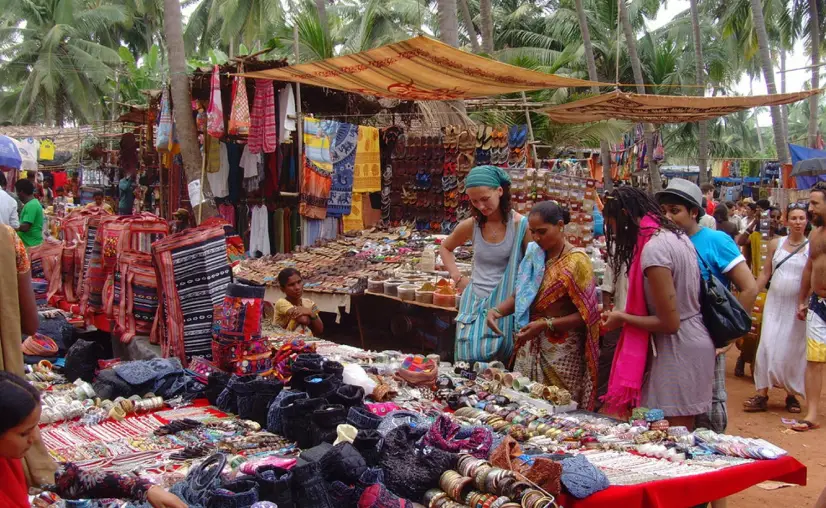
The Saturday Night Market in Arpora is more upscale and runs from late afternoon until midnight. In addition to shopping, the market has food stalls, live music, and a great atmosphere. The Friday Bazaar in Mapusa is a traditional market where locals shop for everything from fresh produce to clothes and household items. It's less touristy than the other markets and offers a glimpse into local life.
How to Reach Goa
By Air
Goa International Airport (Dabolim Airport) is well connected to major Indian cities and several international destinations. Domestic airlines including Air India, IndiGo, SpiceJet, and GoAir operate regular flights to Goa from cities including Delhi, Mumbai, Bangalore, Hyderabad, Chennai, and Kolkata. Flight time from Mumbai is approximately 1 hour, from Delhi about 2.5 hours.
International flights connect Goa to destinations like Dubai, Doha, and Sharjah, making it accessible for international travelers. The airport is located approximately 30 kilometers from Panjim and 25 kilometers from Margao. From the airport, you can hire a prepaid taxi (prices are fixed and displayed at the taxi counter) or take a bus to various parts of Goa. Taxis are the most convenient option, especially if you have luggage.
By Train
Goa is well connected by rail, with two main railway lines running through the state. The Konkan Railway runs along the coast, connecting Goa to Mumbai in the north and Mangalore and Kerala in the south. The South Western Railway runs through the eastern part of Goa, connecting to Karnataka and beyond.
Major railway stations in Goa include Madgaon (Margao) in South Goa and Thivim in North Goa. Several express trains connect Goa to major cities including the Trivandrum Rajdhani (from Delhi), the Jan Shatabdi (from Mumbai), and the Mangala Lakshadweep Express (from Kerala). Train travel is a scenic way to reach Goa, especially the Konkan Railway route which hugs the coast and offers stunning views of the Arabian Sea.
By Road
Goa is well connected by road to neighboring states. National Highway 66 (formerly NH 17) runs along the coast, connecting Goa to Mumbai in the north (approximately 590 kilometers) and Mangalore in the south (approximately 360 kilometers). The drive from Mumbai takes approximately 10-12 hours, while from Bangalore it's approximately 560 kilometers and takes 10-11 hours.
Several private bus operators run comfortable sleeper, semi-sleeper, and Volvo buses to Goa from cities including Mumbai, Pune, Bangalore, and Hyderabad. State-run Kadamba Transport Corporation buses also connect Goa to various cities. Self-driving is an option, giving you the flexibility to explore Goa at your own pace. The roads are generally in good condition, though traffic can be heavy in peak season.
Getting Around Goa
Getting around Goa requires some planning as public transportation is limited and taxis can be expensive. The most popular option for tourists is to rent a scooter or motorcycle. Rental shops are available everywhere, and rates are typically ₹300-500 per day excluding fuel. Having your own vehicle gives you the flexibility to explore at your own pace, visit multiple beaches in a day, and discover hidden spots.
Taxis are readily available but can be expensive, especially for tourists. Taxi fares in Goa are not metered and are often significantly higher for tourists compared to locals. Always negotiate the fare before starting the journey. App-based taxis like Uber and Ola operate in some areas but not as extensively as in major cities, and they might not be available to pick up from certain locations like beaches.
Auto-rickshaws are available in towns and cities but not typically for beach-to-beach transfers. Local buses connect major towns and cities but are infrequent, crowded, and not convenient for tourists with luggage. If you're not comfortable riding a scooter, hiring a private taxi for the day (approximately ₹2000-2500 for 8 hours/80 kilometers) might be the most practical option.
Where to Stay in Goa
Goa offers accommodation options for every budget, from beach huts and hostels to luxury resorts and private villas. The best area to stay depends on what you're looking for - beaches, nightlife, peace, or luxury.
For budget travelers and backpackers, North Goa offers numerous guesthouses, hostels, and beach huts. Areas around Baga, Calangute, Anjuna, and Vagator have plenty of budget options with rooms starting from ₹300-500 per night for basic accommodation to ₹800-1500 for nicer rooms. Popular hostels include Zostel (Baga and Anjuna), The Hostel Co (Anjuna), and various others. Beach huts, particularly in Palolem and Agonda, offer basic rooms right on the beach but are typically available only during the tourist season (October to May).
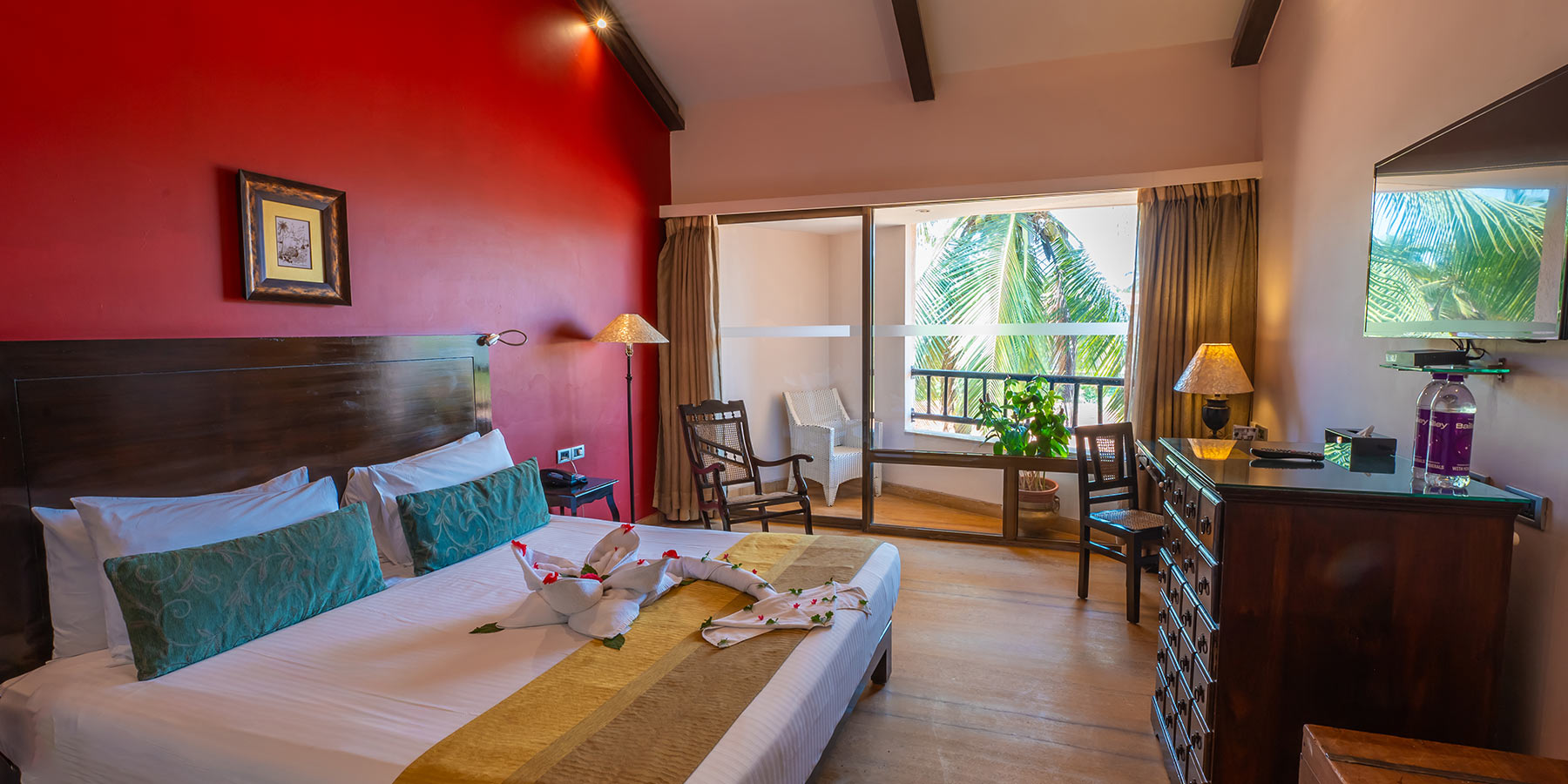
Mid-range hotels (₹2000-4000 per night) are available across North and South Goa. These offer comfortable rooms with air conditioning, attached bathrooms, and sometimes pools and restaurants. Options include numerous resorts along Calangute and Candolim beaches, and smaller properties in South Goa.
For luxury travelers, Goa has some of India's best resorts. Properties like Taj Fort Aguada, Taj Exotica Resort & Spa (South Goa), W Goa (Vagator), and Leela Goa offer luxurious rooms, multiple restaurants, spas, pools, and private beaches. These resorts typically cost ₹8000-20000+ per night depending on the season and room type. Private villas are also available for those seeking privacy and space.
Travel Tips for Goa
The sun in Goa can be harsh, especially between 11 AM and 3 PM. Use sunscreen (SPF 30+), wear a hat or cap, and stay hydrated. The combination of sun, salt water, and alcohol can dehydrate you quickly. Drink plenty of water and take breaks in the shade. The best time for beach activities is early morning or late afternoon when the sun is less intense.
Respect the local culture, especially when visiting religious sites. Churches require modest dress - cover your shoulders and knees. Remove your shoes before entering temples. While Goa is liberal compared to other parts of India, avoid public displays of affection and dress modestly when away from the beaches.
Be cautious with water sports - choose reputable operators with good safety records. Check equipment before using, especially life jackets. Don't let the fun override safety - if something doesn't feel right, don't do it. For scuba diving, choose certified operators and follow all instructions. Never swim alone or in rough seas, especially during the monsoon when red flags indicate no swimming.
Bargaining is expected in markets and with some taxi drivers, but not in established shops or restaurants. When bargaining, do so respectfully and don't overdo it - remember that sellers need to make a living. In markets, start at about 50% of the asking price and negotiate up. For taxis, ask locals or your hotel for approximate rates and negotiate from there.
Conclusion
Goa is much more than just beaches and parties - it's a state with a unique identity shaped by its Portuguese colonial past, its Hindu and Christian heritage, and its location on the Arabian Sea. Whether you're partying at a club in Baga, relaxing on a pristine beach in South Goa, exploring ancient churches in Old Goa, or savoring fresh seafood at a beach shack, Goa offers experiences that make for unforgettable holidays.
What makes Goa special is its ability to cater to diverse types of travelers. Families, couples, solo travelers, groups of friends, spiritual seekers, adventure enthusiasts, and party animals all find their version of paradise here. The laid-back susegad lifestyle, the friendly Goan people, the delicious cuisine, the beautiful beaches, and the vibrant culture all combine to create a destination that draws visitors back year after year.
This guide should help you plan a trip that covers the aspects of Goa that most interest you. But the best way to experience Goa is to arrive with an open mind, go with the flow, and let the state reveal its many charms to you. Whether you stay for a weekend or a month, Goa will leave you with memories that last a lifetime.
Location
Frequently Asked Questions
Q1.What is the best time to visit Goa?
Q2.How many days are enough for Goa?
Q3.Is Goa safe for solo female travelers?
Q4.Is Goa expensive?
Q5.North Goa vs South Goa - which is better?
Q6.Do I need a two-wheeler license to rent a scooter in Goa?
Q7.What should I pack for Goa?
Q8.Can I drink alcohol in public in Goa?
Recommended For You
Gokarna: Complete Travel Plan Beaches And Weather
Complete Gokarna travel guide featuring Mahabaleshwar Temple, Om Beach, Kudle Beach, Paradise Beach, trekking & practical tips.
15 Best Places to Visit in Gokarna: Beaches & Temples
Discover Gokarna's top attractions from Om Beach's iconic shoreline to the sacred Mahabaleshwar Temple. Complete travel guide covering beaches, trekking, temples, best time to visit, and practical tips for this Karnataka coastal paradise.
Best Alleppey Houseboats: Types, Prices & Booking Tips
Compare Alleppey houseboats by type, budget, route, and booking quality filters so you can plan a smoother and better-value backwater stay.
Never Miss an Adventure
Get the latest trekking guides, travel tips, and exclusive offers delivered straight to your inbox.
