
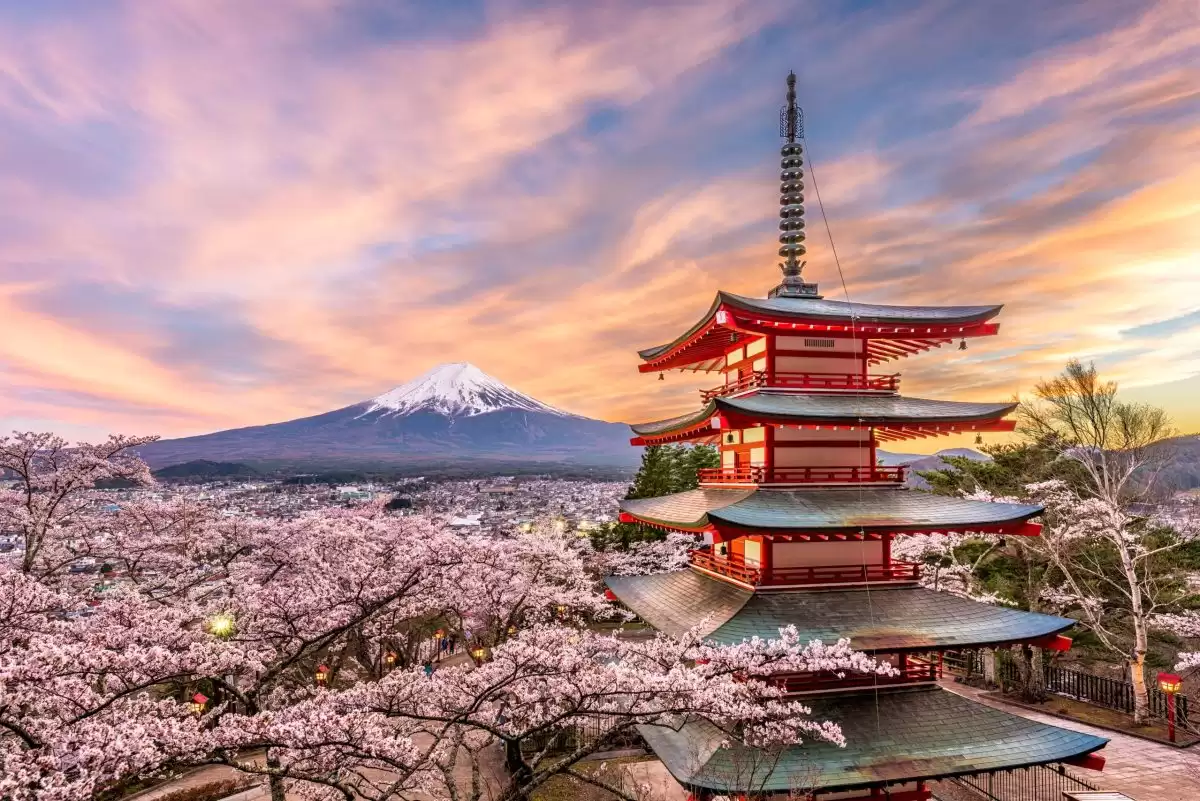
Europe vs Asia Travel: Which Continent to Visit?

Rohit Verma
February 18, 2026
Compare Europe vs Asia travel: costs, safety, culture & experiences. Discover which continent suits your travel style better with this comprehensive comparison guide.
Introduction: The Ultimate Travel Dilemma
Every traveler faces this question at some point: should I explore the historic cities of Europe or immerse myself in the vibrant cultures of Asia? Both continents offer incredible experiences, yet they couldn't be more different. This comprehensive comparison will help you make an informed decision based on your travel style, budget, and what you seek from your journey. Whether you're dreaming of wandering through ancient European castles, sipping coffee at a Parisian café, or exploring ornate temples in Southeast Asia, sampling street food in Bangkok, or hiking through the Himalayas, both continents promise unforgettable adventures. The choice ultimately depends on what kind of traveler you are and what experiences matter most to you. In this guide, we'll compare Europe and Asia across key factors including costs, cultural experiences, safety, best times to visit, food scenes, transportation networks, and overall travel experiences. By the end, you'll have a clear picture of which continent aligns better with your travel dreams and practical considerations.
Cost Comparison: Budget Analysis
When it comes to travel budgets, the difference between Europe and Asia can be substantial. Your daily expenditure will vary dramatically depending on which continent you choose, though both offer options for various budget levels.Daily Budget Breakdown
| Travel Style | Europe (Daily) | Asia (Daily) |
|---|---|---|
| Budget Traveler | €50-80 ($55-85) | $20-40 |
| Mid-Range | €100-150 ($110-160) | $50-80 |
| Luxury | €250+ ($270+) | $150-200 |
Accommodation Costs
Asia generally offers significantly cheaper accommodation options. In countries like Thailand, Vietnam, and Cambodia, you can find comfortable guesthouses and hostels for $10-20 per night. Mid-range hotels typically cost $40-60, while luxury resorts might run $100-150 per night. In Europe, budget travelers should expect to pay €30-50 for a decent hostel or budget hotel. Mid-range hotels usually cost €80-120 per night, with luxury accommodations starting at €200 and going much higher in major cities like Paris, London, or Rome. However, if you're looking to explore Europe without breaking the bank, check out our guide on the cheapest countries in Europe for budget-friendly options.Food Expenses
This is where Asia really shines for budget travelers. Street food across Asia is legendary not just for its flavors but also its affordability. In Vietnam, you can enjoy a bowl of pho for $1-2, while in Thailand, Pad Thai from a street vendor costs around $2-3. Even restaurant meals are reasonably priced, with $10-15 getting you a fantastic dinner. Europe's food scene is more expensive overall. A casual restaurant meal will cost €12-20 on average, while fine dining experiences start at €50 per person. However, grocery shopping and picnicking can help keep food costs down. Both continents offer incredible culinary experiences—it just costs more to indulge in Europe's gastronomic delights.Transportation Costs
Europe boasts an extensive and efficient rail network, with trains connecting virtually every corner of the continent. While Eurail passes offer convenience for multi-country journeys, individual tickets can add up quickly. Budget airlines like Ryanair and Easyjet offer incredibly cheap fares if you book in advance and travel light. Local public transportation is generally affordable and reliable. Asia offers diverse transportation options at varying price points. Southeast Asia has excellent budget airline connectivity, with carriers like AirAsia offering incredibly cheap fares between countries. Long-distance buses are very affordable but can be uncomfortable. Local transportation varies widely—Japan's trains are efficient but pricey, while Southeast Asia's tuk-tuks and Grab rides offer cheap convenience.Activity Prices
Europe's major attractions typically charge admission fees ranging from €10-25 for museums and historical sites. The Eiffel Tower in Paris, the Colosseum in Rome, and the Louvre all charge entry fees. However, many cities offer free walking tours and public spaces are often free to enjoy. Asia offers many free attractions, particularly temples, markets, and natural sites. Where admission is charged, it's usually modest—typically $5-10 for major attractions. Activities like cooking classes, guided tours, and adventure sports are generally more affordable in Asia compared to Europe.Cultural Experiences & Diversity
Both continents offer incredible cultural richness, but the nature of these experiences differs significantly. Understanding these differences can help you choose based on what kind of cultural immersion you're seeking.Europe: History, Art & Architecture
Europe's cultural landscape is defined by thousands of years of recorded history, magnificent architecture, and unparalleled artistic heritage. Walking through European cities feels like stepping into a living museum where every building tells a story. From the ancient ruins of Rome to the Gothic cathedrals of France, from Renaissance palaces to medieval town squares, Europe offers unparalleled opportunities to explore human civilization's greatest achievements. For travelers who also want outdoor adventure alongside museums and cafes, it helps to know what the continent offers beyond cities, and our guide to the highest mountain in Europe is a good starting point for that side of the trip. Art enthusiasts will find paradise in Europe's world-class museums. The Louvre in Paris, the British Museum in London, the Vatican Museums in Rome, the Prado in Madrid—these institutions house humanity's most treasured artistic creations. The concentration of masterpieces is simply unmatched anywhere else on Earth. European culture also emphasizes café society, wine and dining traditions, and outdoor social life. The experience of sitting at a sidewalk café in Paris, enjoying wine in Tuscany, or attending an opera in Vienna represents a particular kind of cultural refinement that many travelers find deeply enriching.
Asia: Ancient Traditions & Spiritual Heritage
Asia's cultural diversity is staggering, encompassing everything from ancient temples and spiritual traditions to cutting-edge modernity. The continent offers experiences that feel fundamentally different from Western culture, providing genuine cultural shock and perspective-shifting encounters. Southeast Asia's temple complexes—Angkor Wat in Cambodia, Bagan in Myanmar, Ayutthaya in Thailand—offer spiritual and architectural grandeur that rivals Europe's cathedrals. East Asia's Buddhist temples, Shinto shrines, and Confucian sites provide windows into entirely different philosophical traditions. What makes Asia particularly compelling is the living nature of its traditions. You can witness ceremonies that have remained largely unchanged for centuries, participate in traditional festivals, and observe religious practices that offer profound insights into different ways of understanding the world. Asia also offers incredible ethnic diversity. From the hill tribes of Southeast Asia to the distinct cultures of India's various states, from the unique traditions of Japan's islands to the tribal cultures of Indonesia, Asia presents a human tapestry of incredible richness.Language Barriers
Europe generally presents fewer language challenges for English speakers. English is widely spoken in tourist areas across Europe, and many Europeans speak multiple languages. The Latin alphabet is used in most European countries, making navigation and basic comprehension easier. Asia presents greater linguistic diversity. While English is spoken in major tourist areas, venturing beyond them can be challenging. Scripts like Thai, Chinese, Japanese, and Korean use completely different writing systems, making basic tasks like reading signs or menus difficult. However, this challenge is part of what makes travel in Asia feel like a genuine adventure.Safety & Travel Ease
Safety and ease of travel are practical considerations that can significantly impact your travel experience. Both continents have their own safety profiles and infrastructure considerations.Safety Comparison
Europe is generally very safe for tourists. Violent crime against tourists is rare, and most visits are trouble-free. The primary concerns are typically petty crime—pickpockets in crowded tourist areas, bag snatching, and scams targeting unsuspecting visitors. Cities like Paris, Rome, and Barcelona have reputations for pickpocketing, but basic precautions usually suffice. Political stability is generally good across Europe, and tourist infrastructure is well-developed. Healthcare is excellent and accessible, though travel insurance is essential as medical costs can be high. Asia also presents a generally safe travel environment, though safety varies significantly by country. Japan and Singapore are among the safest countries in the world, with extremely low crime rates. Southeast Asian countries are generally safe for tourists, though petty crime does occur. South Asia requires more caution regarding health safety and political stability. Some specific safety considerations in Asia include traffic (which can be chaotic), natural disasters (certain regions are prone to earthquakes, tsunamis, or volcanic activity), and health issues (food and waterborne illnesses are more common). However, millions of tourists visit Asia annually without incident, and basic precautions typically ensure safe travels.Travel Infrastructure
Europe excels in travel infrastructure. The transportation network is extensive, efficient, and well-connected. Trains, buses, and flights make it easy to move between countries and cities. Tourism infrastructure is mature—you'll find English spoken in most hotels, restaurants, and attractions. ATMs are widely available, and credit cards are accepted almost everywhere. Asia's infrastructure quality varies dramatically. Japan, Singapore, and Hong Kong have world-class infrastructure that rivals or exceeds Europe's. Southeast Asia's infrastructure is generally adequate but can be frustrating—internet may be slower, transportation less reliable, and comfort levels lower. South Asia and some parts of Southeast Asia present greater infrastructure challenges, though they're improving rapidly. The advantage of Asia's developing infrastructure is that it often feels more adventurous and less mass-tourism oriented. However, if you value reliability and convenience, Europe has the edge.Healthcare Accessibility
Europe offers excellent healthcare facilities throughout the continent. Major cities have world-class hospitals, and emergency services are reliable. However, medical costs can be high, and travel insurance is essential. Asia's healthcare quality varies significantly. Singapore, Thailand, and India have world-class medical facilities that attract medical tourists. Japan offers excellent healthcare throughout the country. However, rural areas in many Asian countries may have limited medical facilities, and sanitary standards vary. Travel insurance is absolutely essential when visiting Asia.Best Time to Visit Each Continent
Timing your visit correctly can significantly impact your travel experience. Both Europe and Asia have distinct peak and off-peak seasons that affect crowds, prices, and weather conditions.Europe's Seasonal Patterns
Europe's peak tourist season runs from June to August, when weather is warmest and school holidays are in session. This is when you'll find the biggest crowds, highest prices, and most vibrant atmosphere. Coastal destinations and major cities are particularly busy during these months. Shoulder seasons (April-May and September-October) offer excellent value. Weather is generally pleasant, crowds are thinner, and prices are lower. Many experienced travelers consider these the optimal months for European travel. Winter (November-March) is low season for most of Europe, with the exception of ski resorts and Christmas markets. Weather can be cold and gloomy, but you'll find fewer tourists and lower prices. Southern Europe (Spain, Italy, Greece) offers milder winter weather.| Season | Months | Pros | Cons |
|---|---|---|---|
| Peak | Jun - Aug | Best weather, vibrant atmosphere | Crowded, expensive |
| Shoulder | Apr-May, Sep-Oct | Good weather, fewer crowds | Some attractions may have limited hours |
| Off-Peak | Nov - Mar | Fewest tourists, lowest prices | Cold weather, some attractions closed |
Asia's Climate Variations
Asia's climate is incredibly diverse due to its vast size. Southeast Asia has a tropical climate with a wet and dry season. The dry season (November to February) is generally the best time to visit, with cooler temperatures and less rainfall. The wet season (May to October) brings heavy rains but also lower prices and fewer tourists. East Asia has four distinct seasons. Spring (March-May) and autumn (September-November) are generally pleasant. Summer (June-August) can be hot and humid, while winter (December-February) is cold but manageable. South Asia's best travel time depends on the region. India's peak season is October to March, when weather is dry and pleasant. The monsoon season (June-September) brings heavy rains but also lush landscapes and lower prices.Weather Impact on Experience
Weather significantly affects travel experiences in both continents. Europe's summer offers long daylight hours and outdoor café culture, while winter brings cozy Christmas markets and fewer crowds but shorter days and colder conditions. Asia's weather can be more extreme. Monsoon rains can disrupt travel plans and affect comfort levels. However, visiting during shoulder seasons often rewards travelers with a balance of decent weather and fewer crowds. Tropical regions can be hot and humid year-round, which some travelers find challenging.
Food & Cuisine Comparison
Food is often one of the most memorable aspects of travel, and both continents offer extraordinary culinary experiences that couldn't be more different from each other.European Cuisine Diversity
Europe's food culture is renowned worldwide, and each region offers distinct culinary traditions. Italian cuisine—pizza, pasta, gelato—needs no introduction. French cuisine is celebrated for its sophistication, from buttery croissants to elaborate multi-course meals. Spanish tapas culture offers a convivial way to sample multiple dishes. Greek mezze, Turkish kebabs, German sausages, Portuguese seafood—the diversity is astounding. What makes European food culture special is the emphasis on local, seasonal ingredients and traditional preparation methods that have been refined over centuries. Meals are often leisurely affairs meant to be savored with wine and conversation. The café culture is integral to European life—sitting for hours with a single coffee while watching the world go by is perfectly acceptable. Dining out in Europe can be expensive, but the quality is generally high. Lunch specials offer good value, and picnicking with local ingredients from markets can be a wonderful budget-friendly alternative to restaurants.Asian Street Food Culture
Asia's food scene is perhaps even more diverse than Europe's, encompassing everything from refined Japanese kaiseki to spicy Thai curries, from delicate Chinese dim sum to flavorful Indian biryani. What sets Asian food culture apart is the incredible street food culture that exists throughout the continent. Street food in Asia is not just cheap—it's often among the best food you'll eat. In cities like Bangkok, Penang, Ho Chi Minh City, and Taipei, world-class dishes are prepared on street corners for a fraction of restaurant prices. The street food scene offers an authentic cultural experience that connects you directly with local life. Asian cuisine emphasizes complex flavor combinations—sweet, sour, spicy, salty, and bitter often appear in a single dish. Ingredients like lemongrass, coconut milk, fish sauce, chili, and myriad spices create flavors that may be entirely new to Western palates. Dietary accommodations vary widely across Asia. Buddhist countries like Thailand and Vietnam offer excellent vegetarian options. India has a rich vegetarian tradition. However, communication can sometimes be challenging due to language barriers.Cost of Dining
The price difference between eating in Europe versus Asia is substantial. In Europe, even a modest restaurant meal will typically cost €12-20. Fine dining experiences start at €50-100 per person. However, grocery shopping and picnicking can keep food costs reasonable. In Asia, street food meals cost $1-3, while restaurant meals are typically $5-10. Even upscale dining is often half the price of comparable European restaurants. Your food budget will go much further in Asia, allowing you to try more dishes and indulge more frequently.Transportation & Connectivity
Getting around efficiently and affordably can make or break a travel experience. Both continents offer different transportation landscapes that significantly impact how you travel.Europe's Transportation Network
Europe's transportation system is one of its greatest strengths for travelers. The continent boasts an extensive rail network that connects virtually every country. High-speed trains like France's TGV, Germany's ICE, and Spain's AVE make it possible to travel quickly and comfortably between major cities. The Eurail pass offers convenience for multi-country travel, though individual tickets are sometimes cheaper if booked in advance. Europe's train travel is generally comfortable, reliable, and scenic—many routes offer beautiful countryside views. Europe also has excellent budget airline connectivity. Carriers like Ryanair, Easyjet, Wizz Air, and Vueling offer incredibly cheap fares if you book in advance and travel light. This makes it possible to visit multiple countries affordably. Local transportation within European cities is typically excellent. Comprehensive metro systems, trams, and buses make urban navigation easy. Cities are also generally walkable and bike-friendly, with Amsterdam and Copenhagen being particularly cycling-centric.Asia's Transportation Options
Asia's transportation landscape is more varied. Southeast Asia has excellent budget airline connectivity, with AirAsia, Lion Air, and VietJet offering cheap flights between countries. Long-distance buses are common and affordable but can be uncomfortable. East Asia has excellent rail networks. Japan's shinkansen (bullet train) is world-famous for speed and efficiency. China's high-speed rail network is the world's largest and continues expanding. However, these systems can be expensive compared to other Asian options. Local transportation varies dramatically across Asia. Singapore and Hong Kong have world-class public transit. Bangkok's Skytrain and metro are modern and efficient. However, in many places, tuk-tuks, Grab rides, and taxis are the primary options. One consideration for Asia travel is that transportation between attractions can sometimes take longer and be less comfortable than in Europe. However, this slower pace of travel is part of what makes Asia feel more adventurous.Inter-Country Travel
Before finalizing a multi-country route, it is worth checking how many countries are in Europe so you can realistically scope how many stops fit into your trip length. Europe's open borders (in the Schengen Area) and compact geography make multi-country travel incredibly easy. You can visit several countries in a single trip without border formalities. The dense rail and flight network makes country-hopping simple. Asia's vast distances and border controls make multi-country travel more complex. However, budget airlines have made this much easier in recent years. A typical itinerary might include Thailand, Cambodia, and Vietnam, or Japan, South Korea, and Taiwan. But traveling between, say, Japan and Thailand requires a long flight.Which Should You Choose?
After comparing these continents across multiple dimensions, the choice ultimately comes down to your personal preferences, travel style, and what you hope to get out of your journey.Choose Europe If...
- You love history and art: Europe's museums, historical sites, and architectural treasures are unparalleled. If your idea of travel perfection involves wandering through ancient ruins, admiring masterpieces in world-class museums, and staying in centuries-old buildings, Europe is your ideal destination.
- You value convenience and infrastructure: If you prefer reliable transportation, English widely spoken, excellent healthcare, and predictable comforts, Europe's mature tourism infrastructure will make your travels smoother and more comfortable.
- You enjoy café culture and culinary refinement: If lingering over coffee at a sidewalk café, sipping wine in vineyards, and enjoying multi-course meals appeals to you, Europe's food and beverage culture will be deeply satisfying.
- You have a higher budget: If you're willing to spend more for convenience, comfort, and world-class cultural experiences, Europe offers incredible value despite its higher costs.
- You want to visit multiple countries easily: Europe's compact geography and excellent transportation make it perfect for multi-country itineraries. You can easily visit 5-10 countries in a two-week trip.
Choose Asia If...
- You want maximum value for money: If stretching your travel budget further is a priority, Asia delivers incredible experiences at a fraction of European costs. You can travel longer, stay in better accommodations, and eat out more frequently for the same budget.
- You seek cultural adventure and novelty: If you want experiences that feel completely different from home, Asia delivers profound cultural immersion. Temples, rituals, and daily life patterns may be entirely unlike anything you've experienced before.
- You love food adventures: If you're excited by exotic flavors, street food culture, and culinary experimentation, Asia's food scene offers endless discoveries. The street food culture alone is worth the trip.
- You don't mind some discomfort for authenticity: If you're willing to trade some comfort for more genuine, less mass-tourism experiences, Asia rewards adventurous travelers with incredible authenticity.
- You want to dive deep rather than sample broadly: Asia's vastness encourages deeper exploration of fewer places rather than country-hopping. You'll get more out of thoroughly exploring one or two countries than rushing through many.
Recommendations by Traveler Type
| Traveler Type | Better Choice | Why |
|---|---|---|
| First-Time International Traveler | Europe | Easier navigation, familiar culture, English widely spoken |
| Budget Backpacker | Asia | Much lower daily costs, great hostel culture, cheap food |
| Luxury Traveler | Europe | World-class luxury hotels, fine dining, refined experiences |
| Adventure Seeker | Asia | More off-the-beaten-path options, cultural novelty, outdoor adventures |
| History & Art Lover | Europe | Unmatched museums, historical sites, architectural treasures |
| Foodie | Asia | Street food culture, exotic flavors, incredible variety |
| Multi-Country Trip | Europe | Easy border crossings, excellent transportation between countries |
The Reality: You Can't Go Wrong
Here's the truth—both continents are absolutely incredible and offer life-changing travel experiences. Millions of travelers fall in love with both Europe and Asia every year. The choice isn't about which is objectively better, but which is better for you at this particular time in your life. Many travelers eventually make multiple trips to both continents. Europe might be perfect for your first international adventure when you want comfort and familiarity. Later, you might be ready for Asia's challenges and rewards. Or you might start with Asia's affordability and adventure, then appreciate Europe's refinement on a later trip when you have more budget. The most important thing is to travel, period. Whether you're exploring the Colosseum at sunrise, eating pad thai from a street cart in Bangkok, watching the sunset over Santorini, or trekking through rice terraces in Vietnam—you're creating memories that will last a lifetime. So don't stress too much about the choice. Both continents will exceed your expectations if you approach them with openness, curiosity, and respect for local cultures. The world is vast and wonderful—Europe and Asia are just two magnificent chapters waiting to be explored in your travel story.Frequently Asked Questions
Q1.Which continent is cheaper for travel: Europe or Asia?
Q2.Is Asia safer than Europe for tourists?
Q3.What's the average daily budget for Europe vs Asia?
Q4.Which continent offers better cultural experiences?
Q5.Europe vs Asia: Which is better for food lovers?
Q6.Which is better for first-time travelers: Europe or Asia?
Q7.What's the difference in visa requirements between Europe and Asia?
Q8.How do transportation options compare between Europe and Asia?
Recommended For You
1-Month Europe Trip Cost from India: Complete Budget Breakdown
Planning a 1-month Europe trip from India? Get complete cost breakdown including flights, visa, accommodation, food & transport. Budget ₹1.5-4.5 lakhs with our detailed guide.
Cheapest Countries to Visit in Europe from India: Budget Breakdown
Discover Europe's most affordable destinations! Complete budget guide covering Albania, Bosnia, Bulgaria, Hungary & more. Daily costs, accommodation, food, and money-saving tips.

Best Things to Do in Vietnam: Top Activities
Discover the best things to do in Vietnam with practical city, nature, food, and adventure ideas for a balanced trip.
Never Miss an Adventure
Get the latest trekking guides, travel tips, and exclusive offers delivered straight to your inbox.
