
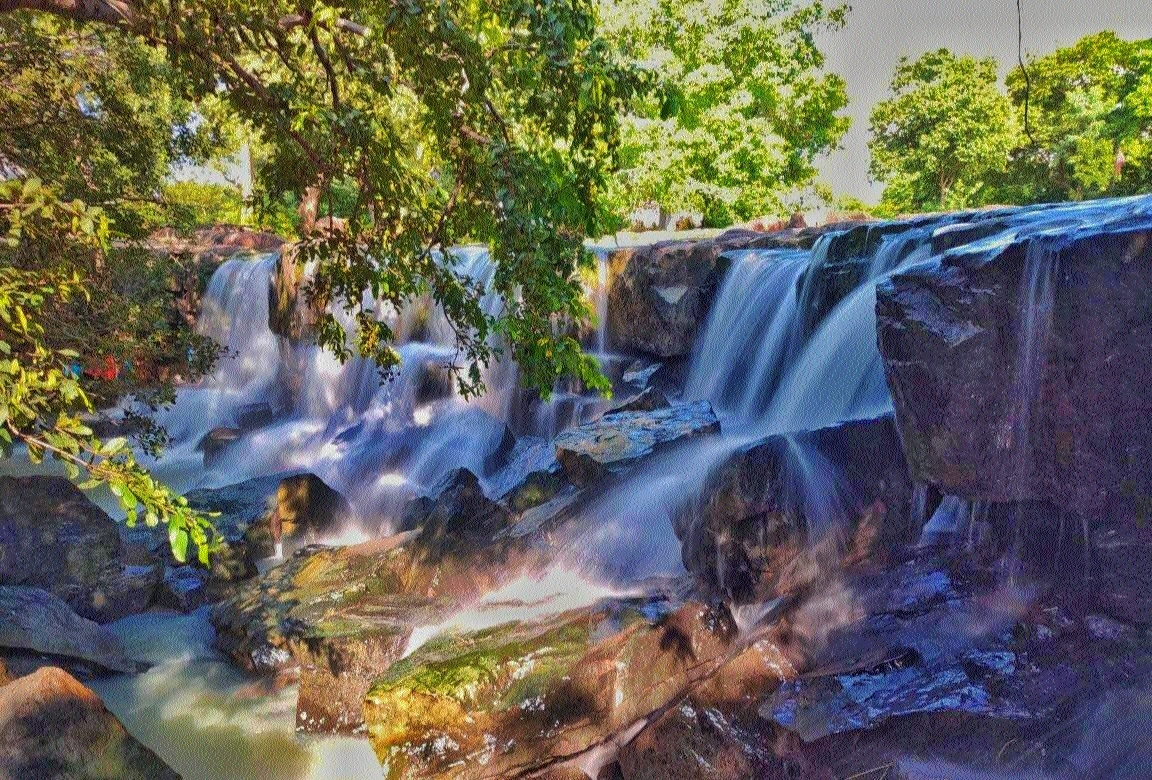
Hajra Waterfall Chhattisgarh: Trek Route, Best Time & Access
Rahul Garg
January 21, 2026
Plan Hajra Waterfall Chhattisgarh with best season, route options, trek notes, safety tips, monsoon advice, and nearby attractions for a smooth trip.
Introduction to Hajra Waterfall Chhattisgarh
Hajra Waterfall Chhattisgarh is one of the lesser-known but high-interest natural spots for travelers who want a short adventure with forest scenery, seasonal water flow, and fewer crowds than mainstream waterfall circuits. The site is popularly referred to as Hajra Falls and is usually included in monsoon and post-monsoon itineraries from nearby towns in the Rajnandgaon belt. Unlike heavily commercialized viewpoints, Hajra feels raw and landscape-led, which is exactly why many visitors prefer it.
Most travelers search three things before planning: hajra waterfall best time to visit, hajra waterfall how to reach, and whether there is a trek involved. The practical answer is that access and experience change by season. In rainy months, the waterfall is visually strongest but terrain is slippery. In cooler months, movement is easier but flow can reduce. This guide covers route options, realistic trek conditions, seasonal planning, facilities, safety, and nearby attractions so you can build a low-risk, high-value trip.
Where Is Hajra Waterfall Located
Location references for Hajra Falls can vary across travel pages, but most current listings place it in Chhattisgarh near the Rajnandgaon side corridor, with access often discussed through Dongargarh and nearby road links toward the Maharashtra border side. Because map pins and local route names can differ between platforms, do not rely on one old blog map screenshot. Use updated navigation on travel day and confirm final approach with locals at the nearest market or police checkpoint.
- State: Chhattisgarh
- Popular route base: Rajnandgaon and Dongargarh side travelers
- Trip style: Road approach plus short trail/steps to viewpoint and base zones
- Best use case: Monsoon nature outing and waterfall photography
If you are planning a larger state circuit, combine this stop with Chhattisgarh attractions to avoid repeated long drives on separate days.
Best Time to Visit Hajra Waterfall
Season is the most important factor for Hajra waterfall chhattisgarh. Water volume, trail condition, and photography quality all depend on recent rainfall patterns.
| Season | Water Flow | Trail Condition | Overall Recommendation |
|---|---|---|---|
| July to September | High to peak | Slippery and muddy | Best for dramatic waterfall views with caution |
| October to November | Good and stable | Safer than peak monsoon | Best balance for most visitors |
| December to February | Moderate to low | Easier walking | Good for family outings, less dramatic flow |
| March to June | Low in many phases | Dry and hot approach | Lowest priority season unless nearby already |
For first-time visitors, late monsoon to post-monsoon is usually the safest recommendation. You still get strong water visuals while reducing heavy-rain hazards.
Best time of day
- Early morning: Better light, lower crowd, cooler trek.
- Late morning to noon: Brighter light but harsher shadows.
- Late afternoon: Good for warm-tone photography if weather is clear.
How to Reach Hajra Waterfall
Hajra waterfall how to reach depends on your start city. Road travel is the primary mode. Public transport can get you near the broader region, but the last stretch usually needs a hired local vehicle or private transport.
From Raipur
Travelers from Raipur typically use highway and regional roads toward Rajnandgaon and onward approach routes. Total travel time can vary by road condition, weather, and final approach quality.
From Rajnandgaon and Dongargarh side
This is the most practical base for many visitors. You can start early, reach the waterfall zone by morning, finish the trek and return the same day.
From Nagpur side
Cross-state travelers often combine Dongargarh temple routes with waterfall plans. If you are taking this route in monsoon, keep extra buffer for traffic and pothole stretches.
| Travel Mode | Convenience | Who Should Choose It |
|---|---|---|
| Own car or bike | High | Flexible one-day nature trips |
| Hired cab | High | Families and small groups |
| Bus plus local vehicle | Medium to low | Budget travelers with extra time buffer |
Before final departure, check weather alerts and ask about local road conditions for the last few kilometers.

Hajra Waterfall Trek Details
Many people search hajra waterfall trek expecting a long mountain trek. In most cases, it is better described as a short nature approach with uneven terrain rather than a full trekking expedition. Difficulty shifts sharply with rain intensity.
Trek profile
- Approximate trail section: short approach from parking/roadside drop point
- Typical duration: 20 to 50 minutes depending on route and pace
- Terrain: mud patches, stones, natural steps, stream-side segments
- Difficulty: easy to moderate in dry weather, moderate to challenging in heavy rain
Who can do it
- Beginners with proper shoes and caution
- Families with older children under supervision
- Photography groups carrying light equipment
Avoid treating the path as a casual flip-flop walk in monsoon. Grip shoes are non-negotiable.
Waterfall Features and Experience Quality
Hajra Falls is appreciated for natural setting rather than built infrastructure. The surrounding forest, rock walls, and sound profile create a strong immersion effect, especially after rainfall. Depending on water volume, the fall can look wide and forceful or comparatively narrow and layered.
- Visual mood in monsoon: misty, loud, high-energy cascade.
- Visual mood post-monsoon: cleaner flow with greener backdrop.
- Visual mood in winter: calmer stream-like descent in some periods.
Do not assume swimming is safe. Pool depth, rock algae, and current behavior can change quickly with upstream flow.
Hajra Waterfall Monsoon Experience
Hajra waterfall monsoon travel is the most rewarding visually but also the most sensitive for safety. Trails become slippery, footwear loses traction on mossy rock, and sudden rain can reduce visibility. If you want peak waterfall volume, go in monsoon but follow strict caution.
Monsoon do list
- Start early and exit before dusk.
- Carry rain protection for phone and camera.
- Use trekking shoes with deep grip patterns.
- Keep one dry clothing layer in a waterproof bag.
- Stay on known paths; do not attempt side cliffs.
Monsoon do not list
- Do not stand at unstable rock edges for photos.
- Do not enter unknown water pools.
- Do not rely on weak mobile network for emergency plans.
This is the difference between a great monsoon memory and a risky outing.
Nearby Attractions You Can Combine
If you are traveling from outside the district, combine nearby points to make the day efficient. Chhattisgarh has multiple nature and heritage options that pair well depending on route direction.
- Ghatarani Waterfalls: another strong waterfall reference in state planning.
- Chitrakote Waterfalls: larger circuit option if you are doing a longer trip.
- Dongargarh temple side routes: useful for culture plus nature itineraries.
- Tandula Dam zone: good extension for relaxed evening halt.
For internal planning, check Ghatarani Waterfalls and Chitrakote Waterfalls before finalizing your waterfall route sequence.
Facilities and Accommodation Expectations
Hajra is still a nature-first destination with limited facilities. Expect basic arrangements, not full-service tourism infrastructure.
| Facility Type | Typical Availability | Planning Advice |
|---|---|---|
| Parking | Basic, seasonal variability | Arrive early on weekends |
| Food stalls | Limited and inconsistent | Carry snacks and drinking water |
| Toilets | Not always reliable | Plan accordingly before trail start |
| Stay options | Better in nearby towns | Book in advance during monsoon weekends |
Most travelers complete Hajra as a day trip. If staying overnight, choose town accommodation and avoid late-night unfamiliar road movement.

Photography Tips for Hajra Falls
Hajra waterfall images look best when you combine movement, scale, and foreground texture. You do not need expensive gear, but you do need good timing and safe positioning.
- Wide angle: capture full cascade with cliff context.
- Mid frame: include people for scale and depth.
- Close detail: water texture, leaf drops, rock patterns.
- Shutter strategy: faster shutter for force, slower for silky flow if stable setup is possible.
Always prioritize footing before frame composition. Monsoon rocks can be deceptively smooth and slippery.
Travel Tips and Safety Checklist
Use this checklist before departure:
- Check weather and rainfall pattern for previous 48 hours.
- Share your trip plan with a contact before entering low-network zones.
- Carry first aid, ORS, and basic medicines.
- Wear full-grip shoes and quick-dry clothing.
- Keep plastic-free waste management and carry trash back.
- Avoid alcohol and risky cliff-edge behavior.
- Travel in daylight for both onward and return routes.
For broader state planning, combine this with Tandula Dam Chhattisgarh if you want a calmer second stop after waterfall exploration.
Sample One-Day Itinerary
| Time | Plan | Notes |
|---|---|---|
| 6:00 AM | Start from base city | Avoid heat and weekend road delays |
| 9:00 AM | Reach Hajra approach area | Confirm trail and weather on site |
| 9:15-10:00 AM | Short trek to waterfall viewpoint/base | Move slowly on wet segments |
| 10:00-11:00 AM | Photography and rest | No risky edge shots |
| 11:00 AM onward | Return trail and lunch stop | Exit before heavy afternoon rain |
Final Take
Hajra Waterfall Chhattisgarh is a strong choice for travelers who want a natural waterfall experience without overdeveloped tourist noise. The site rewards early starts, season-aware planning, and disciplined safety behavior. If you visit in late monsoon or post-monsoon with proper footwear and realistic expectations, you get the best mix of strong flow, green landscapes, and manageable access.
Plan the route in advance, keep buffer time, and travel responsibly. That simple approach turns Hajra Falls into a memorable and low-stress nature trip.

Location
Frequently Asked Questions
Q1.What is the best time to visit Hajra Waterfall?
Q2.How far is Hajra Waterfall from Raipur?
Q3.Is there a trek to Hajra Waterfall?
Q4.How difficult is the Hajra Waterfall trek?
Q5.How to reach Hajra Waterfall from Raipur?
Q6.Are there entry fees at Hajra Waterfall?
Q7.Is Hajra Waterfall safe for families?
Q8.How much time should I spend at Hajra Waterfall?
Recommended For You
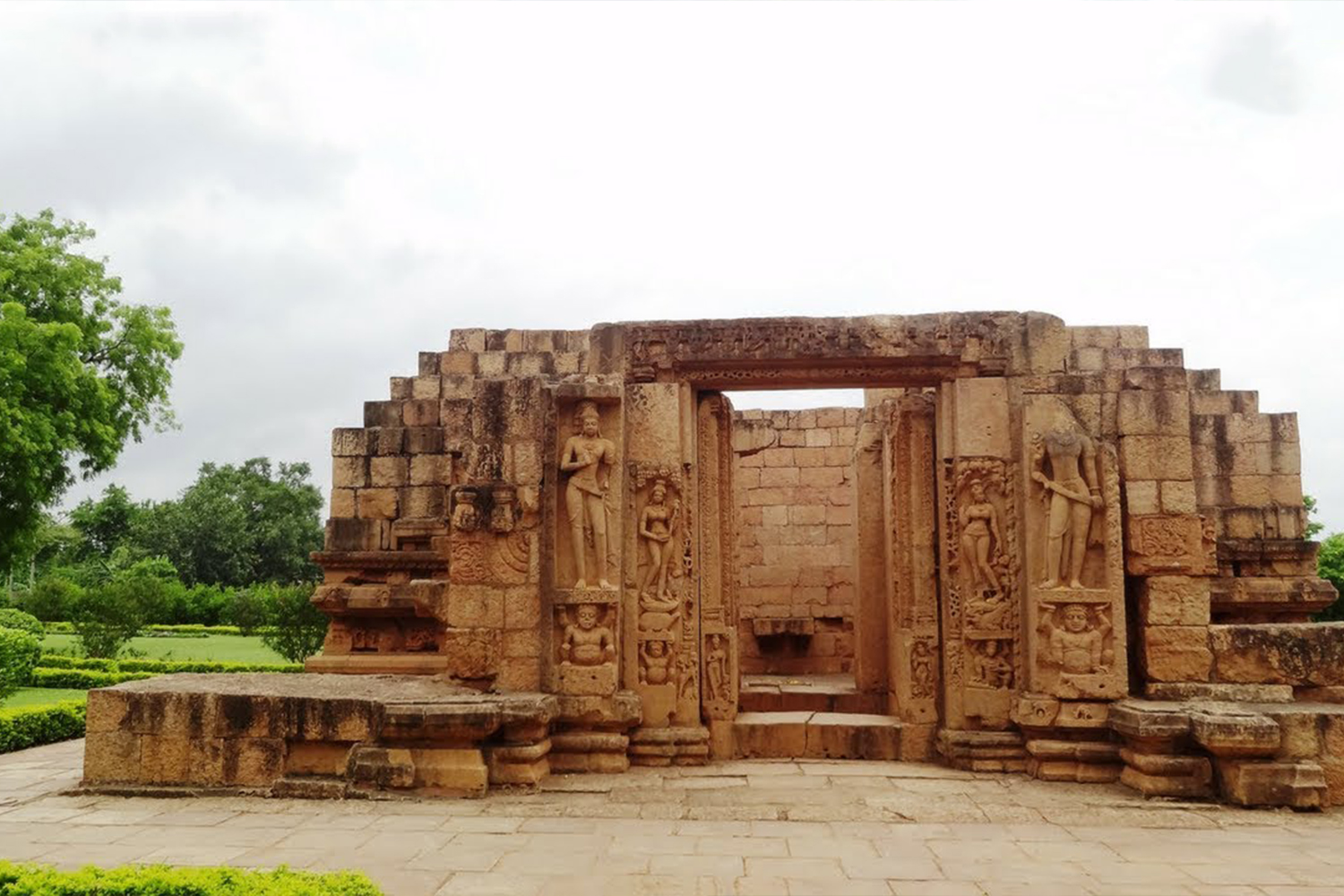
Forts in Chhattisgarh: Top Historic Sites & Travel Routes
Explore forts in Chhattisgarh with route-based planning, seasonal strategy, and practical heritage travel tips.
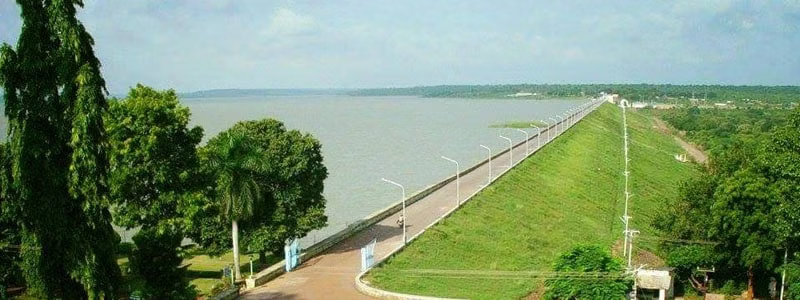
Tandula Dam Chhattisgarh: Best Viewpoints, Route & Picnic Info
Visit Tandula Dam in Balod, Chhattisgarh. Guide to boating, picnic, timing, how to reach & best time to visit this scenic dam.
Temples in Chhattisgarh: Famous Shrines, Routes & Pilgrimage Tips
Plan your Chhattisgarh temple trip with famous shrine circuits, darshan timing strategy, and practical transport-budget tips.
Never Miss an Adventure
Get the latest trekking guides, travel tips, and exclusive offers delivered straight to your inbox.
