
Ban Gioc Waterfall Vietnam: Border Views, Route & Best Time

Priya Mehta
February 13, 2026
Discover Ban Gioc Waterfall, Vietnam's largest waterfall. Complete guide with how to reach, best time to visit, entrance fees, bamboo raft tours & nearby attractions.
Introduction: Vietnam's Majestic Border Waterfall
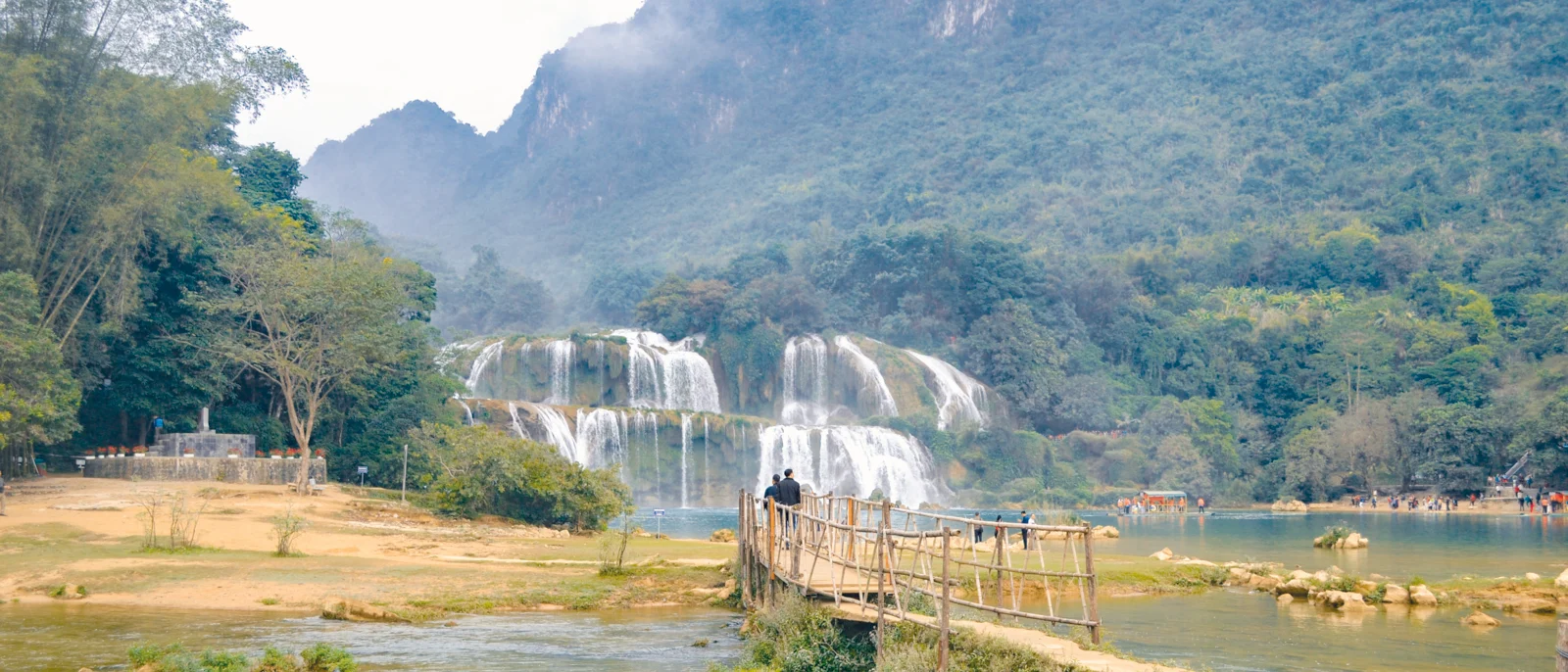
Nestled in the remote northeastern corner of Vietnam lies Ban Gioc Waterfall, a natural wonder that will leave you breathless. As the largest waterfall in Vietnam and the fourth-largest cross-border waterfall in the world, Ban Gioc (also known as Bản Giốc) cascades dramatically along the Quy Xuân River, forming a stunning natural border between Vietnam and China. This magnificent tiered waterfall spans an impressive 300 meters in width during the rainy season and drops 30 meters into an emerald pool below, creating one of Southeast Asia's most spectacular natural spectacles. What makes Ban Gioc truly special is its unique geographical position and serene beauty. Unlike many tourist-heavy attractions, this waterfall remains relatively untouched, offering visitors an authentic experience of Vietnam's raw natural beauty. The surrounding landscape of karst mountains, lush rice terraces, and traditional villages creates a picture-perfect setting that feels like stepping into a painting. For travelers seeking to venture beyond Vietnam's well-trodden tourist paths, Ban Gioc Waterfall represents the ultimate off-the-beaten-path adventure. Whether you're a nature enthusiast, adventure seeker, or simply someone who appreciates spectacular natural formations, this waterfall has something to offer everyone.About Ban Gioc Waterfall: Facts & Features
 Ban Gioc Waterfall, known locally as Thác Bản Giốc, is a geological marvel that has captivated visitors for centuries. The waterfall consists of multiple tiers and cascades, creating a stunning visual display as water plunges over limestone formations. What many visitors don't realize is that Ban Gioc is actually part of a larger waterfall system - on the Chinese side, it's called Đetyên Waterfall, and together they form one of the most impressive cross-border waterfalls on Earth.
The waterfall's unique formation results from the Quy Xuân River flowing over hard limestone rocks, creating a series of cascades rather than a single vertical drop. This multi-tiered structure gives Ban Gioc its distinctive appearance and allows visitors to experience the falls from various angles and heights.
The main cascade drops approximately 30 meters, but the total vertical descent across all tiers exceeds 70 meters in some sections. The dramatic descent creates a powerful and awe-inspiring spectacle that draws visitors from across the world.
The area around Ban Gioc is rich in biodiversity and geological significance. The karst limestone formations that frame the waterfall are millions of years old and are part of a larger karst landscape that extends across the Vietnam-China border. The constant mist from the falls creates a microclimate that supports unique flora, including rare orchids and ferns that cling to the rocky cliffs surrounding the cascades.
Ban Gioc Waterfall, known locally as Thác Bản Giốc, is a geological marvel that has captivated visitors for centuries. The waterfall consists of multiple tiers and cascades, creating a stunning visual display as water plunges over limestone formations. What many visitors don't realize is that Ban Gioc is actually part of a larger waterfall system - on the Chinese side, it's called Đetyên Waterfall, and together they form one of the most impressive cross-border waterfalls on Earth.
The waterfall's unique formation results from the Quy Xuân River flowing over hard limestone rocks, creating a series of cascades rather than a single vertical drop. This multi-tiered structure gives Ban Gioc its distinctive appearance and allows visitors to experience the falls from various angles and heights.
The main cascade drops approximately 30 meters, but the total vertical descent across all tiers exceeds 70 meters in some sections. The dramatic descent creates a powerful and awe-inspiring spectacle that draws visitors from across the world.
The area around Ban Gioc is rich in biodiversity and geological significance. The karst limestone formations that frame the waterfall are millions of years old and are part of a larger karst landscape that extends across the Vietnam-China border. The constant mist from the falls creates a microclimate that supports unique flora, including rare orchids and ferns that cling to the rocky cliffs surrounding the cascades.
Best Time to Visit Ban Gioc Waterfall
 Timing your visit to Ban Gioc Waterfall is crucial for experiencing it at its most spectacular. The waterfall undergoes dramatic seasonal changes that transform its appearance and character throughout the year. Understanding these patterns will help you plan the perfect trip.
The absolute best time to visit Ban Gioc Waterfall is from September to October during the harvest season. This period offers a magical combination of abundant water flow following the rainy season, clear skies, and stunning golden hues of ripening rice fields in the surrounding valleys. The waterfall is at its most powerful during these months, with the full 300-meter width roaring to life, creating a thunderous display that's simply unforgettable.
The rainy season from June to August brings the highest water volume, making the falls most impressive. However, this period also brings challenges - heavy rains can make roads difficult to navigate and bamboo raft rides unsafe at times. It's essential to check weather conditions and local advisories before planning during this period.
January and February see significantly reduced water flow, transforming Ban Gioc into a more gentle, serene cascade. While it lacks the dramatic power of the wet season, the winter months offer advantages - clearer weather for photography, easier travel conditions, and the opportunity to see rock formations that are usually submerged by the higher water levels.
Spring months (March to May) offer a sweet spot between the dry and wet seasons. Water levels are moderate, and the countryside bursts into bloom with wildflowers. This is an excellent time for photography, as the surrounding landscapes turn lush green, creating a beautiful contrast with the cascading water.
Timing your visit to Ban Gioc Waterfall is crucial for experiencing it at its most spectacular. The waterfall undergoes dramatic seasonal changes that transform its appearance and character throughout the year. Understanding these patterns will help you plan the perfect trip.
The absolute best time to visit Ban Gioc Waterfall is from September to October during the harvest season. This period offers a magical combination of abundant water flow following the rainy season, clear skies, and stunning golden hues of ripening rice fields in the surrounding valleys. The waterfall is at its most powerful during these months, with the full 300-meter width roaring to life, creating a thunderous display that's simply unforgettable.
The rainy season from June to August brings the highest water volume, making the falls most impressive. However, this period also brings challenges - heavy rains can make roads difficult to navigate and bamboo raft rides unsafe at times. It's essential to check weather conditions and local advisories before planning during this period.
January and February see significantly reduced water flow, transforming Ban Gioc into a more gentle, serene cascade. While it lacks the dramatic power of the wet season, the winter months offer advantages - clearer weather for photography, easier travel conditions, and the opportunity to see rock formations that are usually submerged by the higher water levels.
Spring months (March to May) offer a sweet spot between the dry and wet seasons. Water levels are moderate, and the countryside bursts into bloom with wildflowers. This is an excellent time for photography, as the surrounding landscapes turn lush green, creating a beautiful contrast with the cascading water.
How to Reach Ban Gioc Waterfall from Hanoi
Reaching Ban Gioc Waterfall is an adventure in itself, taking you through some of Vietnam's most beautiful countryside. The journey from Hanoi covers approximately 270 kilometers and typically takes 6-7 hours by road, depending on traffic and road conditions. For international visitors, the most convenient route is flying to Noi Bai International Airport, which is approximately 150 kilometers away. From the airport, you can hire a taxi or take a bus to the Ban Gioc area. Local buses also run from Hanoi to border towns near the waterfall. For domestic travelers coming from other parts of Vietnam, sleeper trains on the Hanoi-Lào Cai line connect to major cities. The nearest railway station is in Lào Cai, about 80 kilometers away. From there, you can take a taxi or arrange local transportation. The road conditions in the remote northeastern region can be challenging, with winding mountain roads and varying infrastructure. It's recommended to use a reliable local driver or tour service, especially if you're not familiar with the area. Many travel agencies in Hanoi offer day trips to Ban Gioc Waterfall, often including stops at other attractions like Nguom Ngao Cave or Pác Bái National Park.Things to Do at Ban Gioc Waterfall
Beyond viewing the magnificent waterfall, there are several activities and experiences that enhance your visit:- Bamboo Rafting: This is one of the highlights of visiting Ban Gioc Waterfall. Traditional bamboo rafts, operated by local ethnic minority communities, take you right to the base of the cascades. The 20-30 minute ride offers a unique perspective of the waterfall from river level, with the surrounding limestone cliffs creating a dramatic frame for your photos. The rafts are sturdy and equipped with life jackets for safety.
- Nguom Ngao Cave Exploration: Just 3 kilometers from Ban Gioc Waterfall lies another natural wonder. Nguom Ngao Cave is a spectacular limestone cave system covered by local hunters. Walking through the cave takes about 1-1.5 hours and reveals impressive stalactites and stalagmites formed over millions of years. Expert lighting highlights the natural rock formations, creating dramatic effects that enhance the cave's mysterious beauty.
- Photography: The waterfall offers incredible photography opportunities throughout the day. During the golden hour (shortly before sunset), the sunlight filtering through the mist creates ethereal atmospheres and stunning rainbows in the spray. Morning light provides sharp, clear images, while softer afternoon light works well for the wide-angle shots of the full cascade.
- Swimming: While possible in calmer pools below, the main current and strong waves make swimming inadvisable. The best swimming spots are in designated areas where lifeguards are present. Always follow local guidance and safety instructions.
- Hiking: The surrounding karst mountains offer excellent hiking opportunities. Trails lead to viewpoints with panoramic views of the waterfall, river valley, and countryside. The karst limestone formations are fascinating to explore, with unique flora adapted to the rocky terrain.
Budget Estimate
- Budget Traveler: For budget-conscious travelers, expect to spend approximately 600,000-800,000 VND ($8-11 USD) per person for a 2-3 day trip. This includes basic accommodation, local meals, public transportation, and entrance fees. Street food and local eateries are very affordable.
- Mid-Range Traveler: For those seeking more comfort, budget around 1,200,000-1,500,000 VND ($16-21 USD) per person for 2-3 days. This includes comfortable hotels or guesthouses, private transportation, some organized tours, and dining at better restaurants.
- Comfortable/Luxury: For travelers seeking premium experiences, budget 2,000,000+ VND ($28+) per person for 2-3 days or more. This includes 4-star hotels, private tours, all meals at restaurants, and premium activities like helicopter tours.
Travel Tips
- Best Time to Visit: Plan your trip during September-October for the most spectacular views and pleasant weather. Weekdays are generally less crowded than weekends.
- What to Pack: Light, comfortable clothing with good walking shoes. Quick-dry clothing for humidity. Sunscreen, hat, and insect repellent are essential.
- Cash: While some places accept cards, carry sufficient Vietnamese Dong (VND) as many local vendors prefer cash. ATMs are available but can be crowded.
- Visa: Vietnam offers visa-free entry to many nationalities, including Indian passport holders, for 15-30 days. Check requirements and apply online if needed.
- Local Guide: Consider hiring a local guide for deeper insights into the area's culture, history, and hidden gems that most tourists miss.
- Respect Nature: Help preserve the natural beauty by not littering, staying on marked paths, and following environmental guidelines.
Why Ban Gioc Waterfall Should Be On Your Vietnam Bucket List
In a country blessed with incredible natural diversity, Ban Gioc Waterfall stands out as something truly special. This magnificent cross-border cascade isn't just about its impressive dimensions - it's about the unique experience of standing at the border between two countries, surrounded by karst peaks and emerald rice fields. The combination of raw natural power and serene beauty creates an atmosphere that's both humbling and exhilarating. Whether you're chasing waterfalls across Southeast Asia or this is your first, Ban Gioc offers an experience that's distinctly Vietnamese yet universally breathtaking. What sets this waterfall apart is its accessibility and the genuine warmth of the local people. The ethnic minority communities that call this region home add layers of cultural authenticity to your visit. From the bamboo raft operators to the local guides you'll meet, every interaction reminds you that travel is about connection and shared humanity across borders.Conclusion
Ban Gioc Waterfall is more than just a waterfall - it's a journey into the heart of Vietnam's wild beauty. The cascading waters, the towering limestone cliffs, and the surrounding karst landscape create a tableau that could exist in a dream. Whether you're standing at the railing feeling the spray on your face, capturing the moment on camera, or simply sitting in quiet contemplation, this place will leave an indelible mark on your soul. For nature lovers, adventure seekers, and cultural explorers, Ban Gioc Waterfall delivers on every level. The journey to reach it may be long, but every meter and every moment is worth it. As you stand before this majestic force of nature, you'll understand why millions have made the journey before you, and why you'll be telling your friends about it for years to come. For those planning a broader Vietnam adventure, be sure to explore other natural wonders and cultural experiences this beautiful country has to offer.Location
Frequently Asked Questions
Q1.What is the best time to visit Ban Gioc Waterfall?
The best time to visit Ban Gioc Waterfall is from September to October during the harvest season.
This period offers a magical combination of abundant water flow following the rainy season, clear skies, and stunning golden hues of ripening rice fields in the surrounding valleys.
The waterfall is at its most powerful during these months, with the full 300-meter width roaring to life, creating a thunderous display that's simply unforgettable.
Q2.How far is Ban Gioc Waterfall from Hanoi?
Ban Gioc Waterfall is approximately 270 kilometers from Hanoi. The journey typically takes 6-7 hours by road, depending on traffic and road conditions.
For international visitors, the most convenient route is flying to Noi Bai International Airport, which is approximately 150 kilometers away.
From the airport, you can hire a taxi or take a bus to the Ban Gioc area. Local buses also run from Hanoi to border towns near the waterfall.
Q3.How many days are needed for Ban Gioc Waterfall?
Plan for 2-3 days at Ban Gioc Waterfall itself, including time for viewing the waterfall, exploring nearby attractions like Nguom Ngao Cave, and experiencing the bamboo raft ride.
A 2-3 day trip allows you to experience the waterfall properly without rushing, with time to appreciate the surroundings and capture quality photos.
Q4.Is there an entrance fee for Ban Gioc Waterfall?
Yes, there is an entrance fee for Ban Gioc Waterfall. The fee is approximately 45,000 VND (₹180) per person.
Additional costs include bamboo raft rides (50,000-100,000 VND or ₹200-400) and parking fees.
Q5.Are tours available from Hanoi to Ban Gioc Waterfall?
Yes, many travel agencies in Hanoi offer day trips to Ban Gioc Waterfall, often including stops at other attractions in Cao Bang province.
Tours typically include transportation, guide services, and sometimes meals.
These are convenient options for travelers who prefer organized experiences over independent planning.
Q6.Can we take bamboo rafts at Ban Gioc Waterfall?
Yes, bamboo rafting is one of the main highlights of visiting Ban Gioc Waterfall. Traditional rafts, operated by local ethnic minority communities, take you right to the base of the cascades for a unique river-level view.
The 20-30 minute ride costs approximately 50,000-100,000 VND per person.
Morning sessions are recommended for fewer crowds and better lighting for photography.
Q7.How much time should I spend at Ban Gioc Waterfall?
Plan for at least 2-3 hours to experience the waterfall properly, including time for viewing the cascades from different angles, taking the bamboo raft ride, and exploring nearby attractions.
If you're short on time, prioritize the waterfall viewing and raft ride.
For a complete experience including surrounding areas, consider a full day.
Q8.Is it safe to visit Ban Gioc Waterfall?
Yes, Ban Gioc Waterfall is generally safe for tourists. The area is well-maintained with marked paths and viewing platforms.
However, exercise normal precautions - keep valuables secure, be aware of your surroundings, and follow local guidance.
The karst terrain can be slippery in places, so wear appropriate footwear with good grip.
Recommended For You
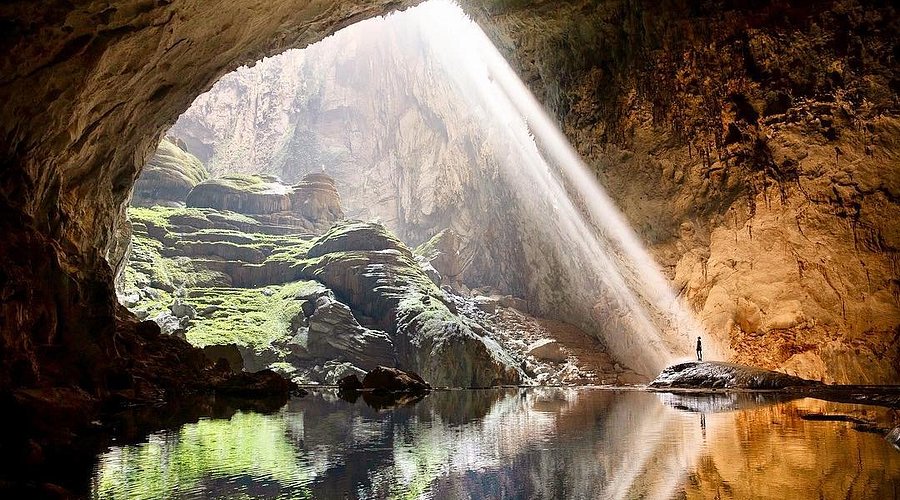
Son Doong Cave Vietnam: World's Largest Cave Expedition
Complete guide to Son Doong Cave, the world's largest cave in Vietnam. Tour prices, booking process, difficulty level, best time to visit, and expedition details.
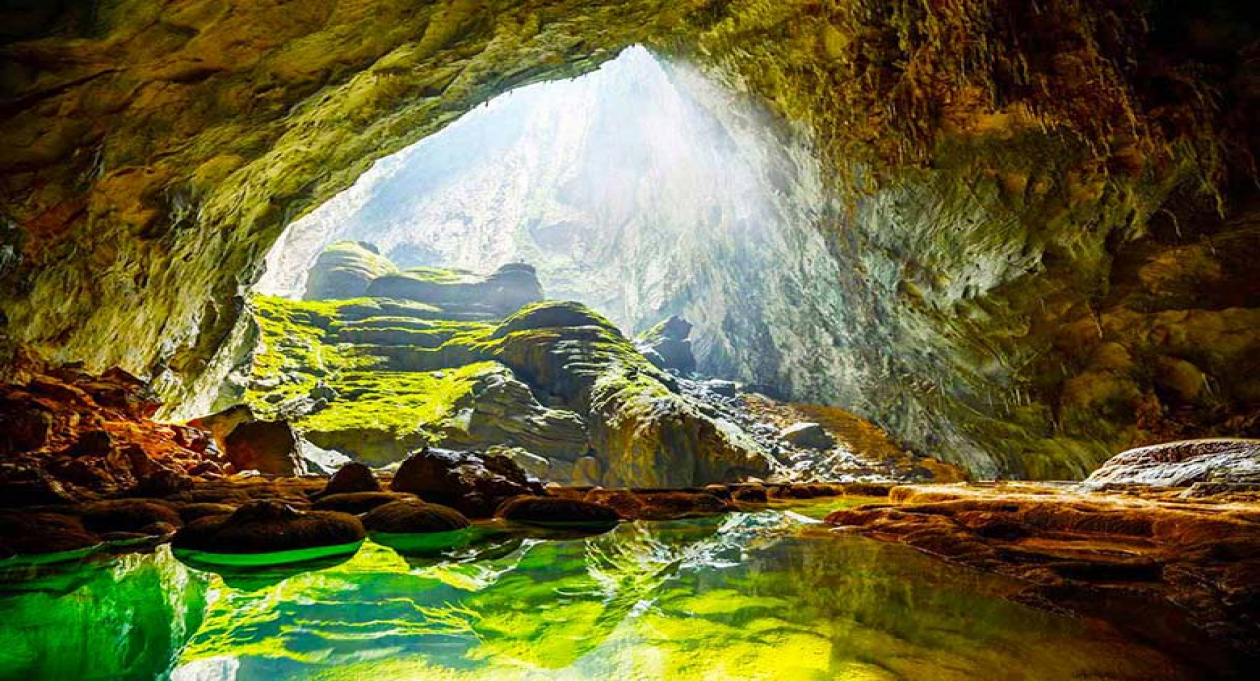
Caves in Vietnam: Son Doong, Phong Nha & Tour Planning
Explore caves in Vietnam with a practical guide to Son Doong, Phong Nha, Paradise Cave, tour difficulty levels, season windows, and safety planning.
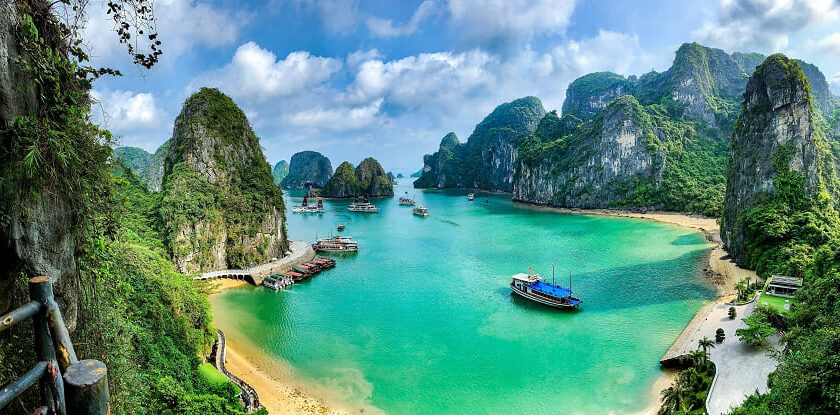
Best Things to Do in Vietnam: Top Activities
Discover the best things to do in Vietnam with practical city, nature, food, and adventure ideas for a balanced trip.
Never Miss an Adventure
Get the latest trekking guides, travel tips, and exclusive offers delivered straight to your inbox.
